How Technology Transformed Music Through the Ages
32 min read A concise journey through innovations—from notation and the printing press to recording, MIDI, streaming, and AI—showing how technology reshaped music creation, distribution, and listening across centuries. (0 Reviews)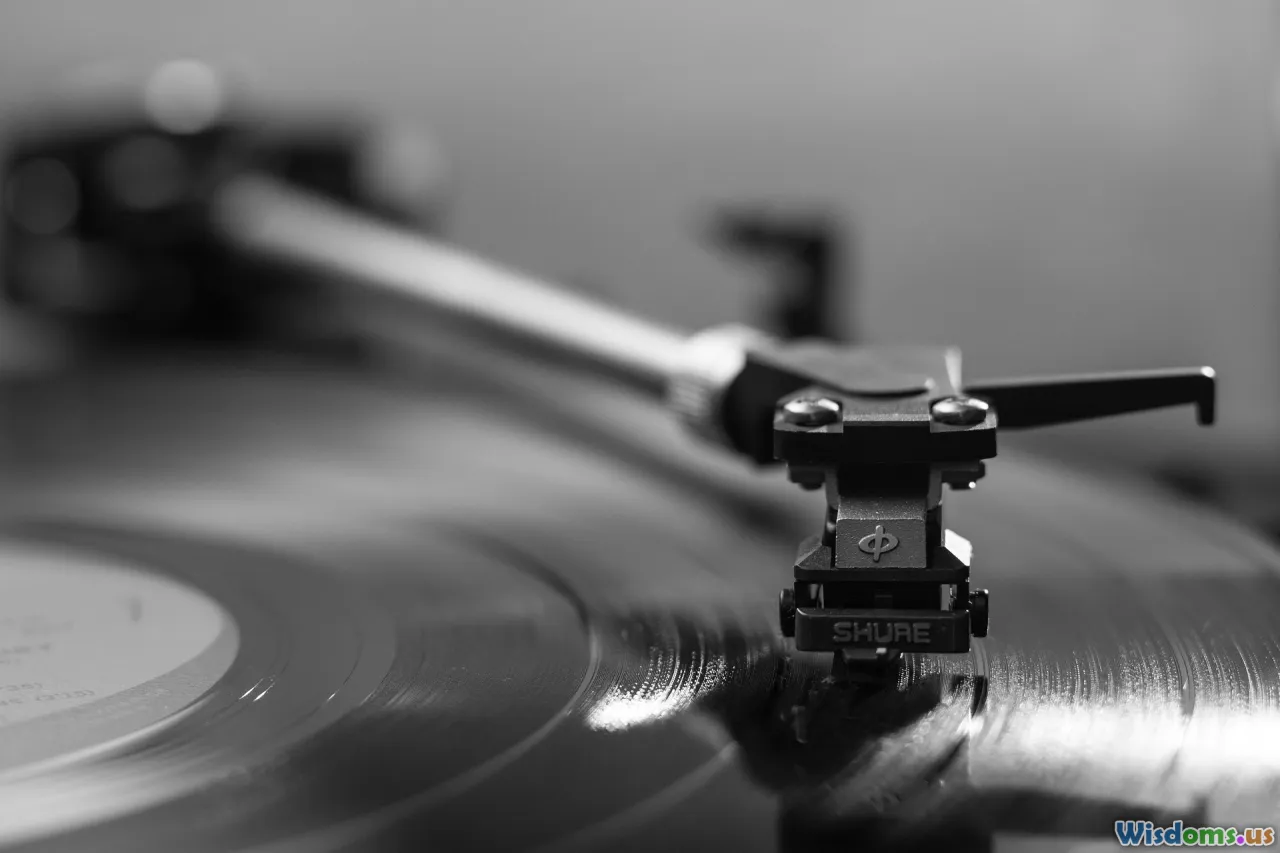
A melody hummed by a villager in a candlelit inn, a chorus shouted through a stadium PA, a bedroom producer’s beat beamed to millions by an algorithm: the thread that connects these moments is technology. Every leap in music tech has expanded who can create, how sound can be shaped, and where it can travel. This is the unfolding story of how tools — from wax cylinders to neural networks — didn’t just record music, but reshaped it.
From acoustic to mechanical reproduction

Before electricity, music existed in the moment. If you weren’t in the room, you missed it. That changed in 1877 when Thomas Edison’s phonograph etched vibrations into a wax cylinder and played them back. A decade later, Emile Berliner’s gramophone adopted flat discs and lateral grooves, setting the template for mass-produced records. Suddenly, music wasn’t bound to a performer’s presence; it could be purchased, collected, and replayed.
Just as consequential were player pianos and their perforated rolls at the turn of the 20th century. These encoded performances mechanically — a pre-digital example of separating composition, performance, and playback. Music became not only something to listen to, but something that could be copied, distributed, and even remixed by swapping parts (different rolls for different songs).
Two ripple effects reshaped culture:
- Standardization: The 78 RPM disc (common by the 1910s) and later the 33 1/3 RPM LP (introduced commercially by Columbia in 1948) created predictable listening formats, enabling album-length storytelling.
- Star power: Recording elevated artists beyond local fame. Opera voices like Enrico Caruso reached listeners far beyond the concert hall, forging the modern idea of a celebrity performer whose persona transcended geography.
Mechanical reproduction also taught early lessons that echo today. Format constraints influenced art: time limits per side nudged concise songwriting; surface noise and frequency response shaped mixing decisions. Technology wasn’t a neutral container — it steered creativity.
Electricity changes everything: microphones, amplification, and the birth of pop
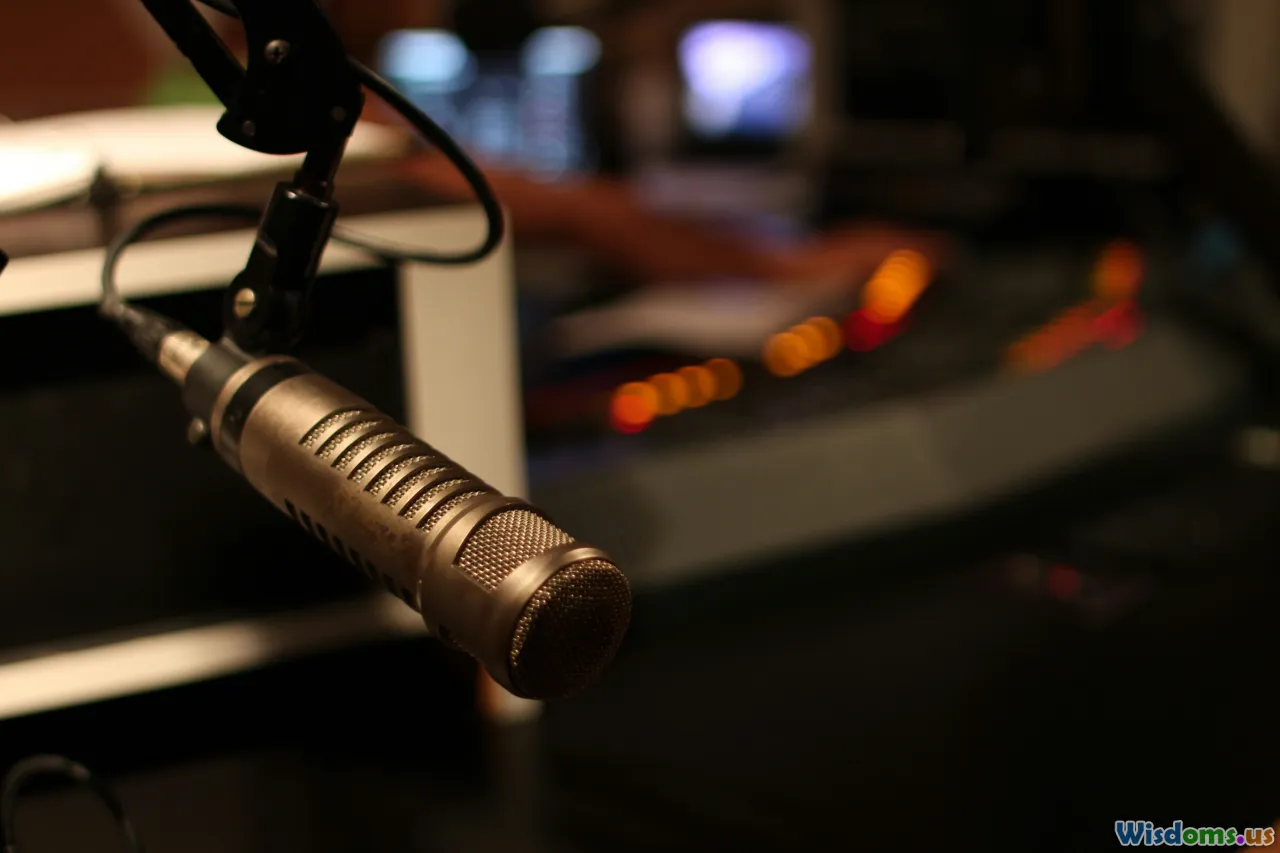
Electricity didn’t only make music louder; it changed how artists performed. Early microphones like E. C. Wente’s condenser design (1916, Bell Labs) and later dynamic mics made it possible to capture intimate vocals with clarity. Radio in the 1920s-30s beamed those voices into homes, and a new style emerged: the crooner. Singers such as Bing Crosby leveraged microphones to whisper rather than shout, turning nuance into an aesthetic.
Amplification reinvented instruments. The electrified guitar, from Rickenbacker’s 1930s lap steels to Fender’s solid-body Telecaster (1950) and Stratocaster (1954), and Gibson’s Les Paul (1952), could now front a band without being drowned out. Amplifiers and vacuum tubes added warmth and overdrive, birthing the timbres that defined blues, rock, and later metal.
Three pivotal examples illustrate how electricity redefined music:
- Radio networks and sponsor-driven programming propelled shared hits and national taste-making. The idea of a chart-topping single depends on simultaneous, mass listening.
- Crooning demonstrated that recording spaces are instruments. Proximity effect on directional mics boosted bass warmth; tasteful reverb chambers (like those in Capitol Studios) created signature vocal spaces.
- Electric guitar effects — spring reverb tanks, tremolo, and later fuzz pedals — turned circuitry into composition. A riff is not just notes; it’s the tone chain.
Practical lesson for creators: treat the capture chain as part of the arrangement. A subtle tube preamp saturation, a ribbon mic’s rolled-off top end, or a slapback echo can be as defining as a chord progression.
Magnetic tape and multitrack recording: sound as a canvas

Magnetic tape, refined in 1930s Germany and commercialized in the U.S. post–World War II (Ampex’s machines in the late 1940s), catapulted recording from document to design. Tape enabled editing with razor blades, overdubbing, and crucially, multitracking.
Guitarist-inventor Les Paul pushed the frontier: his custom 8-track deck with Ampex in the mid-1950s let him layer guitars and vocals with unprecedented control. By the 1960s, four- and eight-track machines democratized the technique for bands. The Beatles’ team at EMI, working with Studer J37 four-tracks, popularized creative tape manipulations: varispeed, tape loops, and artificial double tracking (ADT) transformed Sgt. Pepper’s textures in 1967.
Tape introduced a new grammar:
- Nonlinear construction: You could record drums today, vocals next week, and splice the best takes. Arrangement became a timeline puzzle.
- Texture as performance: Biasing, saturation, and wow-and-flutter aren’t defects; they’re flavors. Engineers learned to push tape for harmonics and compression.
- Studio-as-instrument: Rooms, consoles, and tape paths co-composed the final sound. Producers like Phil Spector crafted wall-of-sound layers that wouldn’t exist live.
If you work digitally today, these lessons endure.
Actionable tips to channel tape-era strengths:
- Use destructive constraints productively. Commit to printed effects; freeze or bounce tracks to limit option paralysis.
- Emulate tape’s discipline. Set a maximum track count for a song and finish an arrangement inside those guardrails.
- Capture rooms. Even in a bedroom, a makeshift chamber (a tiled bathroom, a stairwell) can add life you’ll never fake convincingly later.
Synthesizers and drum machines: new palettes, new genres
Early modular synthesizers in the 1960s (Moog, Buchla) sounded alien, but the Minimoog (1970) made synthesis portable and playable on stage. Wendy Carlos’s synthesizer interpretations of classical repertoire punctured the idea that synths were mere novelties. By the 1980s, compact synths saturated pop.
Drum machines — from the Linn LM-1 (1980) with sampled hits to Roland’s TR-808 (1980) and TR-909 (1983) with analog voices — redefined rhythm. Their limitations invited innovation. The 808’s booming, tunable kick and crisp handclap underpinned hip-hop and R&B; the 909’s punchy snare and hi-hat sizzle drove house and techno. The supposedly failed bass accomplice TB-303 (1981) morphed into the squelching voice of acid house when producers like Phuture discovered its resonance and slide.
A few milestone songs showcase technology steering style:
- Planet Rock (1982) married 808 beats with synth arpeggios, blueprinting electro and early hip-hop futures.
- Sexual Healing (1982) leveraged 808 patterns to deliver warmth and intimacy, proof that machines could feel human.
- Acid Tracks (late 1980s) showed that misusing a device — twisting cutoff and resonance in real time — could birth a genre.
Practical creative advice:
- Embrace constraints as features. Limit a composition to one drum machine and one synth. Explore parameter modulation depth rather than stacking plugins.
- Program swing and velocity carefully. The illusion of groove emerges from micro-variations.
- Synthesize transitions with sound design — filter sweeps, noise bursts, and drum machine fills can narrate form without extra melodies.
MIDI and the dawn of digital control
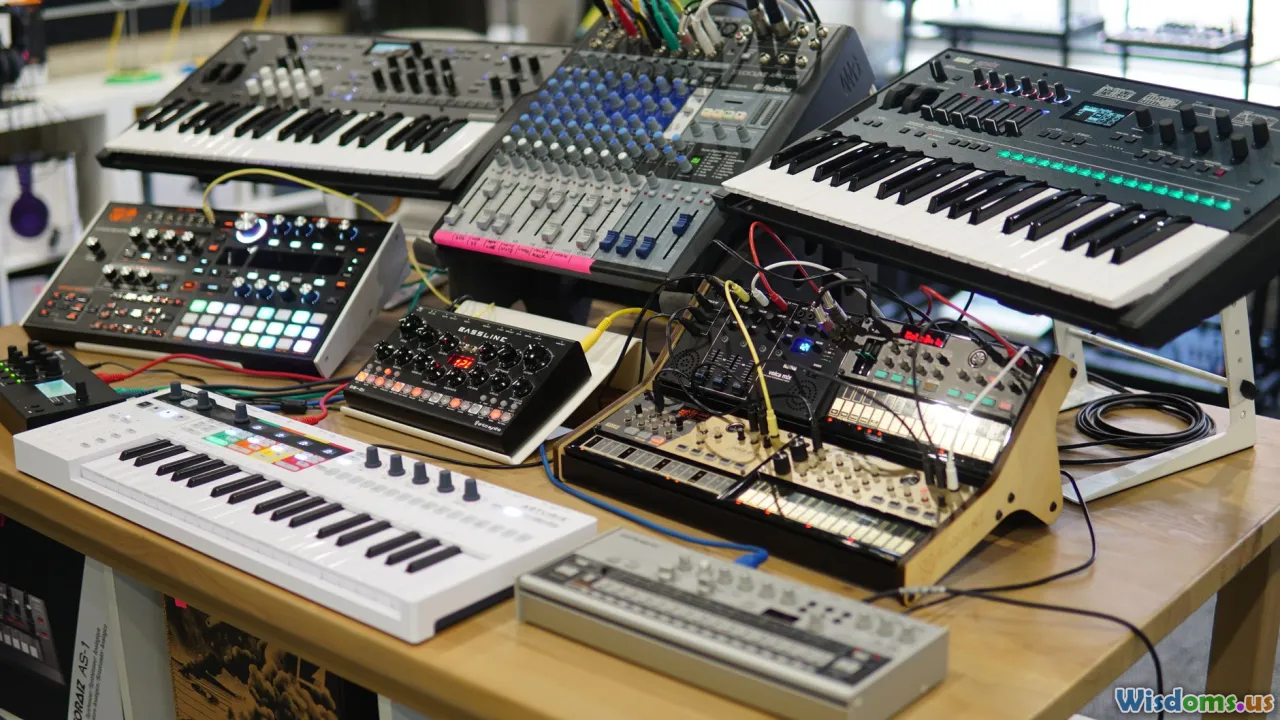
In 1983, a handshake between a Sequential Circuits Prophet-600 and a Roland synth at a trade show made history: the new Musical Instrument Digital Interface (MIDI) standard let instruments and computers talk. Suddenly, a keyboard could play multiple sound modules; a sequencer could orchestrate entire arrangements. General MIDI in 1991 expanded compatibility for playback across devices.
MIDI didn’t transmit audio; it sent instructions — which note, how loud, how long, and more. That abstraction unlocked powerful workflows:
- Non-destructive editing: Change a piano’s part to a string section without re-recording.
- Timing control: Quantization and groove templates regulated feel while preserving human input through selective strength.
- Automation: Continuous controller messages mapped to filters, expression, or effects invited performance inside the mix.
How-to: quick MIDI production routine for expressive tracks
- Record with a deliberately imperfect click — try a metronome with a gentle swing to invite natural timing.
- Humanize velocities post-take. Compress ranges by 30–50% rather than make everything random.
- Use per-note automation (MPE-capable controllers if available) to shape vibrato and timbre like a real instrument.
- Print critical parts to audio once sound design is locked. It commits decisions and frees CPU for mix moves.
Sampling, hip-hop, and the legal–tech dance
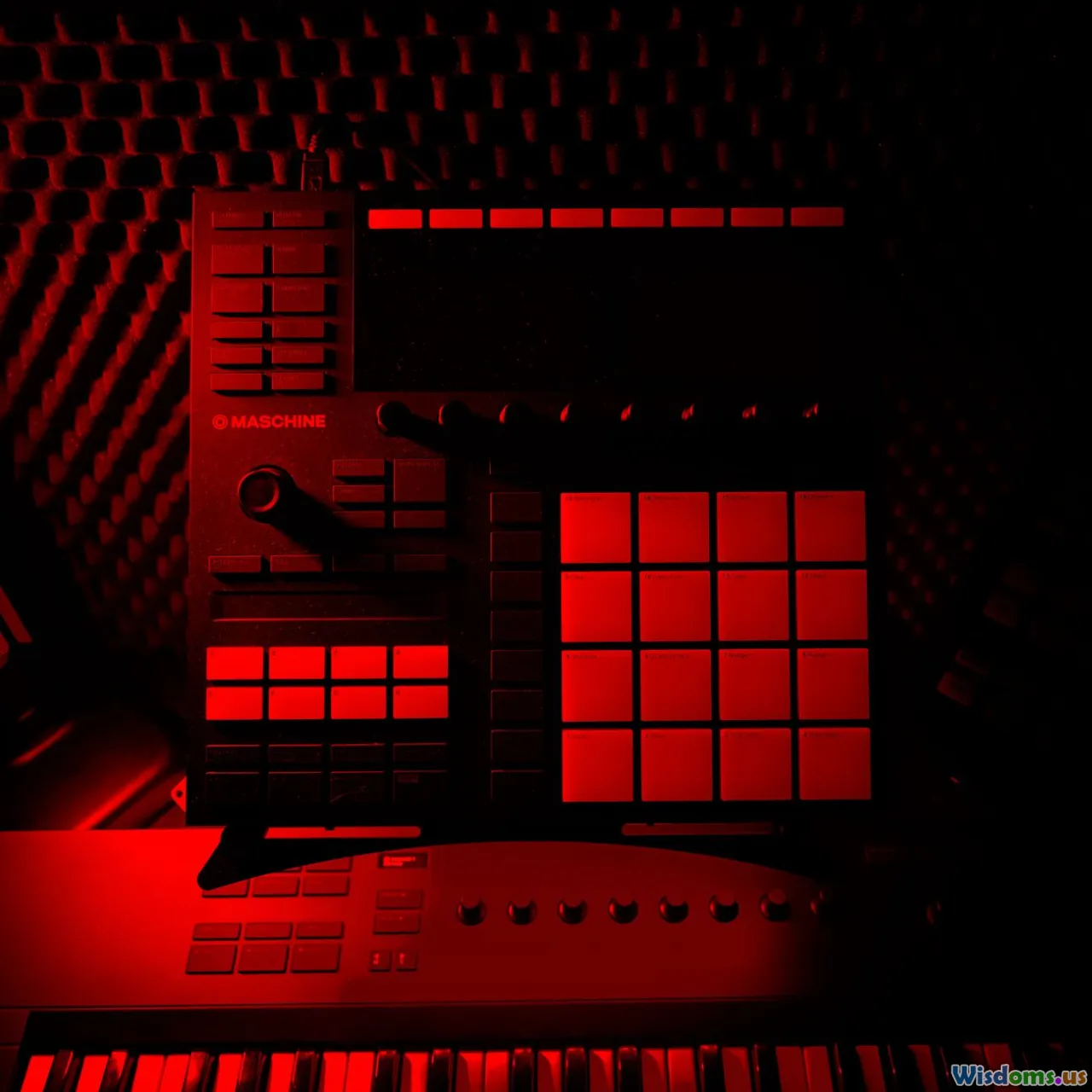
Digital samplers like the Fairlight CMI (late 1970s), E-mu Emulator (early 1980s), and Akai S900 (1986) made it possible to record snippets of audio and play them across a keyboard. Roger Linn’s Akai MPC60 (1988) paired sampling with a pad-based sequencer and feel that defined hip-hop production for decades. Producers didn’t just quote; they recontextualized — the breakbeat became raw material.
Cultural high points: the Amen break (a six-second drum solo from a 1969 recording by The Winstons) seeded jungle, drum and bass, and countless tracks. Entire albums sculpted from fragments created new worlds out of crate-digging.
But law and technology collided. A 1991 U.S. court decision involving an unauthorized sample on a rap album warned that unlicensed sampling could equal theft. A 2005 case amplified the message: even tiny, recognizable samples required clearance. The pendulum has swung between restrictive rulings and more pragmatic licensing frameworks, but the lesson stands — sampling is an art and a business process.
Practical sampling workflow:
- Clear or consult: If you intend commercial release and the source is recognizable, either use licensed sample packs, clear the sample, or replay the part (interpolation).
- Keep records: Document source, length, processing, and timestamps. It speeds up clearance and protects you.
- Deconstruct legally: Some countries allow limited quotation; others don’t. When in doubt, create from royalty-free libraries or record your own.
- Ethics matter: Even where legal, consider credit or compensation if your track leans heavily on one source. The scene remembers fairness.
The compact disc to MP3: convenience vs. fidelity
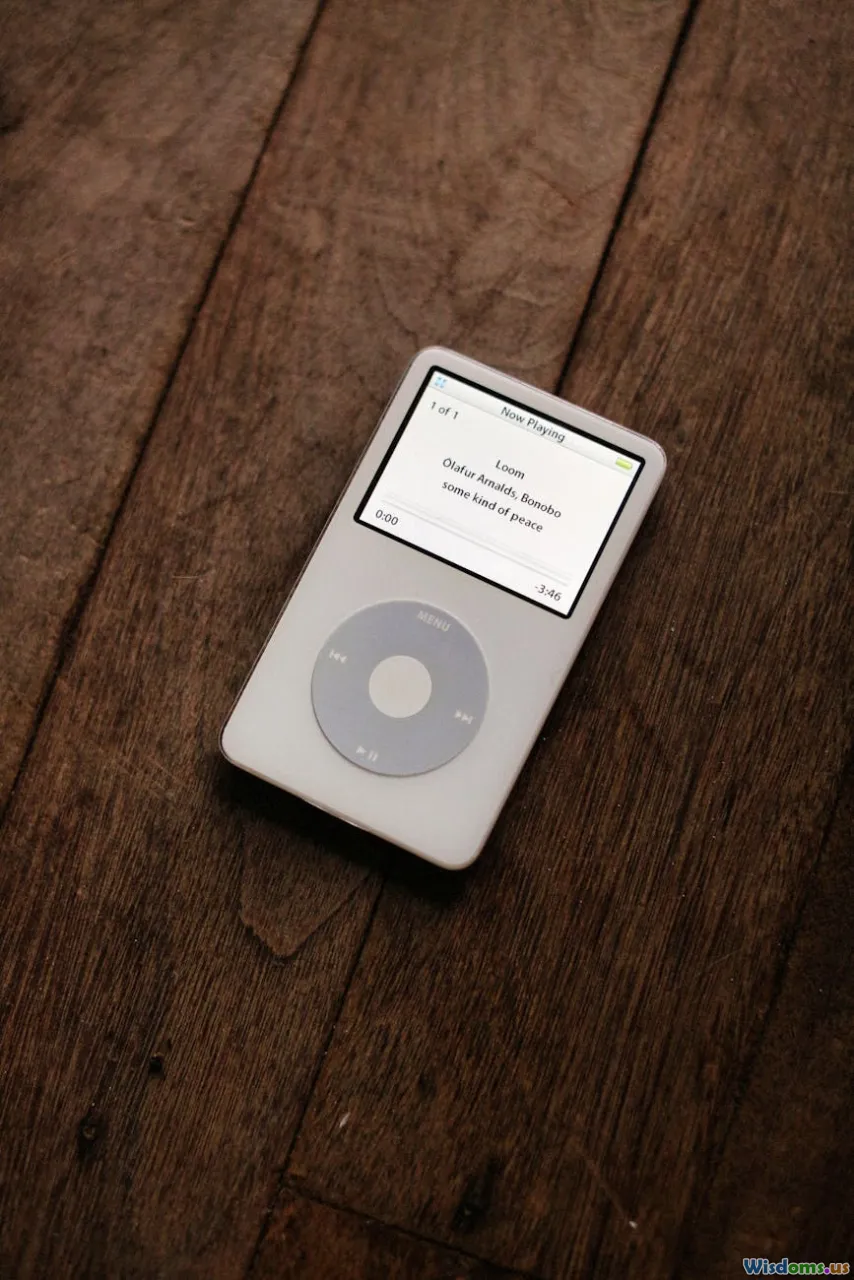
The compact disc (CD), launched commercially in the early 1980s, offered low noise, wide dynamic range, and durability relative to vinyl. Its 16-bit/44.1 kHz standard — a compromise between audio quality and storage capacity — defined the digital home listening era. Albums began to stretch past vinyl’s comfortable runtime, and the album format thrived.
Then came lossy compression. MP3, formalized in the early 1990s, used psychoacoustic models to discard audio data unlikely to be perceived, shrinking files dramatically. The late-1990s peer-to-peer explosion made distribution frictionless; by the early 2000s, portable players and online stores put entire libraries in pockets.
The cost of convenience included two challenges:
- Loudness wars: As listeners shuffled tracks across genres and volumes, competitive mastering pushed levels up and dynamics down. Fatigue increased.
- Fragmentation: Collections moved from albums to singles and playlists, changing how artists planned releases and narrative arcs.
Today, streaming platforms normalize loudness (often targeting around -14 to -16 LUFS for stereo content). High-resolution streaming tiers and lossless codecs try to reconcile fidelity with convenience.
Actionable format choices:
- Archive your masters at 24-bit/48 kHz or higher for future-proofing.
- Deliver platform-specific masters when possible (a more dynamic version for streaming normalization can outperform a brickwalled one).
- For downloads, offer FLAC/ALAC for audiophiles alongside AAC/MP3 for portability.
DAWs and the democratization of production
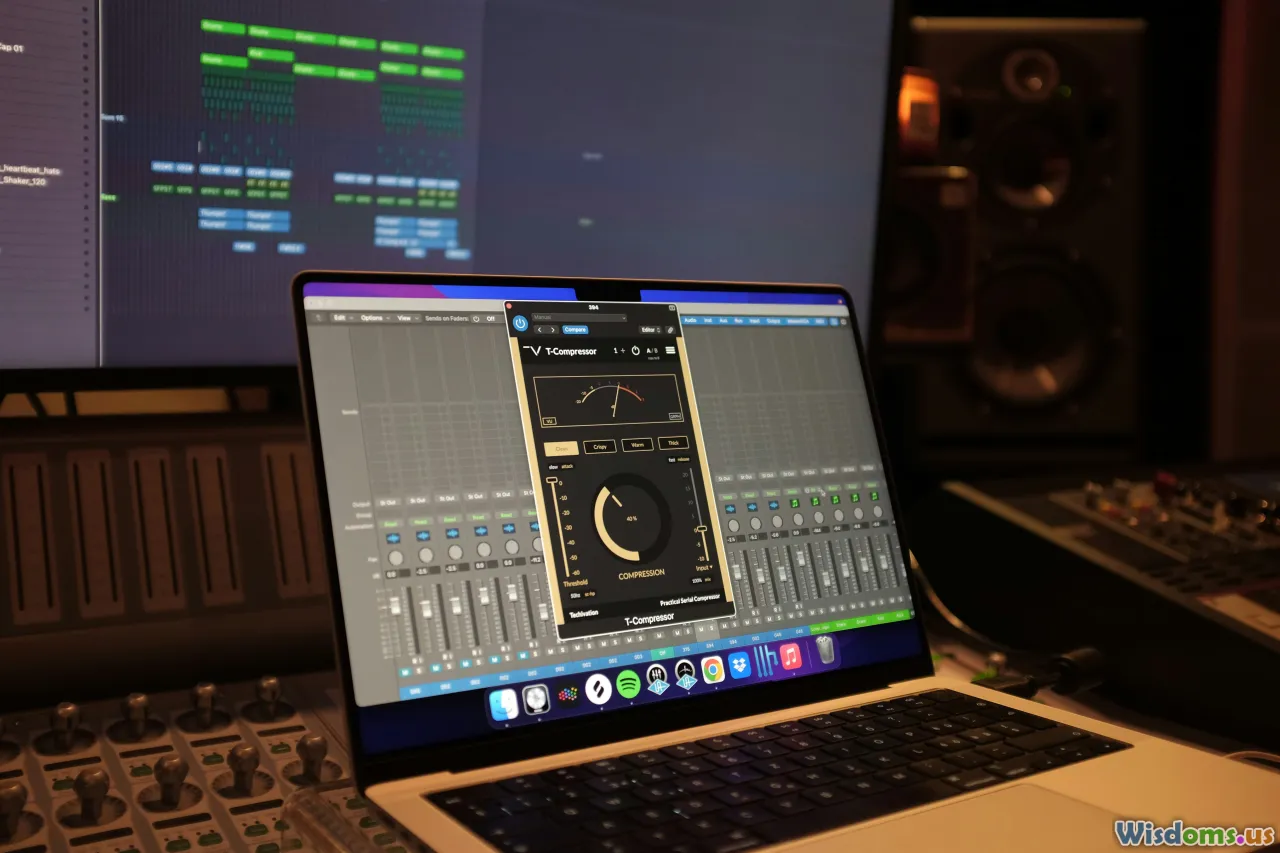
Digital Audio Workstations (DAWs) — from Pro Tools in the early 1990s to Ableton Live (2001), FL Studio (late 1990s), Logic, Reason, and Reaper — folded multitrack tape, mixing consoles, and outboard racks into software. What once required a booked studio now fits on a laptop. Bedroom-produced hits are normal, not novelty.
Why this matters artistically:
- Iterative craftsmanship: Unlimited undos and non-destructive edits encourage exploration. Sound design becomes part of songwriting.
- Global collaboration: Stems fly across continents instantly; cloud projects allow asynchronous co-creation.
- Skill convergence: Artists often serve as producer, engineer, and marketer. The boundaries blur, fostering holistic creative voices.
A realistic sub-$500 starter setup:
- Audio interface: a 2-in/2-out USB interface from a reputable brand.
- Microphone: a dynamic workhorse (e.g., a rugged handheld dynamic) that rejects room reflections better than many budget condensers.
- Headphones: closed-back for tracking plus optional open-back for mixing perspective.
- Monitors: if budget allows, small nearfields; otherwise learn your headphones thoroughly.
- DAW: choose by workflow preference — many offer generous trials; consider total cost including included instruments and effects.
- Extras: a simple MIDI controller and a reflection filter or DIY treatment (thick blankets, bookcases, bass traps) for room control.
Process tips:
- Gain stage at conservative levels to avoid clipping plugins; leave 6 dB of headroom in mixes.
- Use reference tracks to calibrate your ears.
- Commit to deadlines. Infinite options demand finite goals.
Algorithms, discovery, and the new gatekeepers

Recommendation engines and content identification reshaped discovery. Mobile microphone-matching apps can name a song from a few seconds of audio. Video platforms fingerprint uploads to route royalties. Streaming services draw on listening behavior to auto-program personalized playlists. A single viral clip can resurface a decade-old track and push it up the charts.
The upside: niche artists can find highly specific audiences without heavy radio rotation. The downside: opaque systems can bury great music. Success often hinges on signaling — metadata, release timing, cover art, social traction — that machines and curators both notice.
Practical discovery checklist:
- Metadata hygiene: Accurate titles, consistent artist name, ISRCs for every track, UPCs for releases, contributor credits (producers, writers).
- Artwork clarity: Bold, legible covers at thumbnail sizes — algorithms and people scroll quickly.
- Release cadence: Consider singles before an album; steady output trains recommendation systems and human followers.
- Short-form video strategy: Identify 5–10 micro-moments in your song suitable for 10–20 second clips. Provide performance, behind-the-scenes, and story angles.
- Playlist pitching: Use official submission tools ahead of release dates; give compelling, focused descriptions of mood and context.
Live music tech: from arenas to bedrooms

PA systems evolved from crude stacks to sophisticated line arrays, delivering even coverage across arenas. Wireless in-ear monitors replaced noisy wedges, isolating mixes and protecting hearing. Modeling amps and profilers replicate coveted tones quietly and consistently, simplifying logistics. On the club scale, digital mixers with recallable scenes level up small venues.
Meanwhile, the living room became a stage. In 2020, livestreaming platforms exploded; artists learned to produce shows with a camera, an audio interface, and broadcast software. Latency remains a barrier for truly synchronous remote jamming, but tools for collaboration (from low-latency audio bridges to shared project sessions) improve steadily.
Actionable live setup tips:
- Start with gain structure: Set mic preamps so peaks sit with healthy headroom, then build monitor mixes before FOH polish.
- Use in-ears wisely: Mix in ambience mics to avoid isolation fatigue. Protect your ears; keep levels conservative.
- Redundancy: For critical gigs, duplicate playback devices and power; split tracks left/right with click/cues isolated if you run backing tracks.
- Livestream basics: Prioritize audio. A single large-diaphragm dynamic mic or a stereo pair with proper placement can outperform multiple poor mics. Test lighting and bitrate; 720p stable > 1080p glitchy.
AI in music: tools, ethics, and opportunities

Machine learning now assists at nearly every stage: noise reduction and stem separation clean up archives and enable remixing; automated mastering suggests target curves; composition tools generate chords, melodies, and textures. Research projects and commercial tools alike can conjure stylistic instrumentals, transcribe audio to MIDI, or mimic vocal timbres.
Used thoughtfully, these are accelerants, not replacements. A stem separator can let you practice mixing with a favorite multitrack. A generative bassline can spark an idea you’d never play yourself. Automated mastering can provide a reference; a human mastering engineer still adds context, taste, and translation across systems.
Ethics and compliance matter:
- Consent and credit: Do not train custom models on datasets without proper rights; get explicit permission for voice clones.
- Disclosure: Some platforms require labeling synthetic or heavily manipulated content. Transparency builds trust with audiences and collaborators.
- Watermark and provenance: Where available, embed content credentials and keep session archives to prove authorship.
A safe, creative AI workflow:
- Pre-produce: Define the musical job to be done (texture bed, rhythmic variation, melody sketch).
- Generate in small bites: Create multiple short options; avoid long, meandering drafts.
- Curate ruthlessly: Keep only what serves your narrative.
- Transform: Re-orchestrate, re-sound-design, and record over AI drafts so your human fingerprint dominates.
- Clear and label: Verify rights for datasets and any outputs from third-party tools; disclose if required.
The business model shifts: ownership, patronage, and new experiments

Music’s money map has redrawn itself multiple times. Sale of physical recordings once dwarfed other income. Now, recorded music revenue is mostly streaming and licensing, with per-stream payouts measured in fractions of a cent. That reality changes strategy.
Diverse, resilient income stacks tend to look like this:
- Streaming and downloads: Build catalog; optimize metadata; release consistently.
- Direct-to-fan: Platforms where fans can pay more than minimums and subscribe monthly align value with passion.
- Live performance: From ticketed shows to private events, plus virtual concerts and ticketed streams.
- Merch and limited editions: Physical artifacts — vinyl, cassettes, photobooks — satisfy collectors and can be profitable even in small runs.
- Sync licensing: Film, TV, advertising, and games can produce outsized returns; music supervisors value clear rights and searchable catalogs.
- Education and services: Lessons, sample packs, production, mixing, and mastering for others.
Industry experiments continue. Some services test fan-powered payouts (royalties weighted by each listener’s habits rather than a giant pool). Others tweak fraud detection or bonus schemes for tracks meeting certain thresholds. Blockchain-based promises of transparent royalty splits have yet to fully deliver at scale, but smart contracts for collaborators are gaining niche use.
Action items for sustainable business:
- Register everywhere you should: performance rights organizations for public performance royalties; mechanical licensing for songwriters where applicable; neighboring rights for performers; sound recording databases for ISRC and ownership.
- Split sheets early: Agree on percentages before release. Use simple, signed documents and shared spreadsheets.
- Keep stems and instrumentals on hand: Music supervisors often ask for alt mixes.
- Build a direct list: Own your audience relationship via email or SMS so algorithms are not the only gatekeepers.
What’s next: spatial audio, immersion, and biofeedback

Immersive formats like Dolby Atmos and Sony’s 360 audio treat elements as objects placed in a 3D space rather than left-right channels. Headphone rendering and head-tracking make these experiences portable. For artists, this is an opportunity to compose spatially — placing guitars above, vocals forward, percussion behind, creating movement as a musical dimension.
Mixing tips for immersive releases:
- Start with intent: Ask what the spatial design contributes emotionally. Spread without purpose feels like a gimmick.
- Hierarchy matters: Keep the core (lead vocal, bass, kick) anchored; orbit auxiliary parts.
- Translate: Always check binaural downmix and stereo fold-down; build with cross-format listening in mind.
- Arrangement for space: Leave gaps; layers that felt necessary in stereo might clutter a 3D field.
Beyond spatial, haptics and biofeedback loom. Wearables can pulse in time with low-end; installations respond to audience motion or heart rate. Generative systems can score adaptive soundtracks for games and VR based on player behavior. The definition of a song — a fixed timeline — may loosen into systems that feel different every play.
A practical timeline and toolkit for today’s creator

If you were to map a modern process onto 150 years of breakthroughs, it might look like this:
- Capture (microphone and instrument choice) — lessons from crooners to guitar heroes: pick the right transducer and tone at the source.
- Layer and edit (tape to DAW) — think in arrangements; commit to structure; use comping and overdubs judiciously.
- Design sound (synths, drum machines, samplers) — choose a limited palette and explore depth over breadth.
- Control and perform (MIDI) — automate dynamics and timbre in ways that feel like human gestures.
- Master and format (CD to streaming) — optimize loudness thoughtfully, export clean masters for different endpoints.
- Distribute and signal (algorithms) — package your story with clean metadata and visual identity.
- Perform and interact (live tech) — build a show scalable from a small room to a festival stage, with reliable playback and monitoring.
- Evolve and sustain (business) — diversify revenue and rights, nurture a direct relationship with fans.
A minimal, robust workflow blueprint:
- Preproduction: Write 10 rough ideas quickly; pick the 2 that make your spine tingle.
- Sound palette: Lock in 1 drum kit, 1 bass voice, 2 harmonic engines (guitar/piano/synth), and 1 wild card texture.
- Recording: Track with conservative levels; name files and takes clearly; back up using a 3-2-1 rule (three copies, two media, one offsite/cloud).
- Editing: Comp vocals within 24 hours so performance memory is fresh; fix timing with restraint.
- Mixing: Reference at consistent loudness; walk away often; finish in sprints.
- Mastering: If DIY, compare across earbuds, car, small speakers; avoid over-limiting; aim for translation.
- Release: Set a schedule; deliver to distributors 3–4 weeks ahead; pitch to editorial and user playlists with compelling, specific notes.
- Post-release: Share stems or instrumentals; create educational or behind-the-scenes content; measure and respond to audience behavior without chasing trends blindly.
The most enduring insight across eras is that tools thrive in the hands of intention. Technology gave us microphones that invite whispers, tape that lets ideas layer, machines that groove, and networks that carry songs globally. But it is human choices — to use a mistake as a motif, to strip a mix bare, to let the snare ring a bar too long — that turn tech into art.
As the next wave rolls in — smarter assistants, richer spaces, more direct fan connections — the opportunity isn’t to predict a single future of music. It is to remain curious and decisive, to learn the strengths and limits of each tool, and to fold them into a practice that lets listeners feel something real. The melody is still yours to hum; the tools just make sure it can be heard, again and again, in more places than ever before.
Rate the Post
User Reviews
Other posts in Music History





Popular Posts