从剧本到银幕:追踪标志性场景的旅程
(From Script to Screen Tracking the Journey of Iconic Scenes)
12 分钟 阅读 探索将经典电影剧本转化为难忘银幕瞬间的迷人过程。 (0 评论)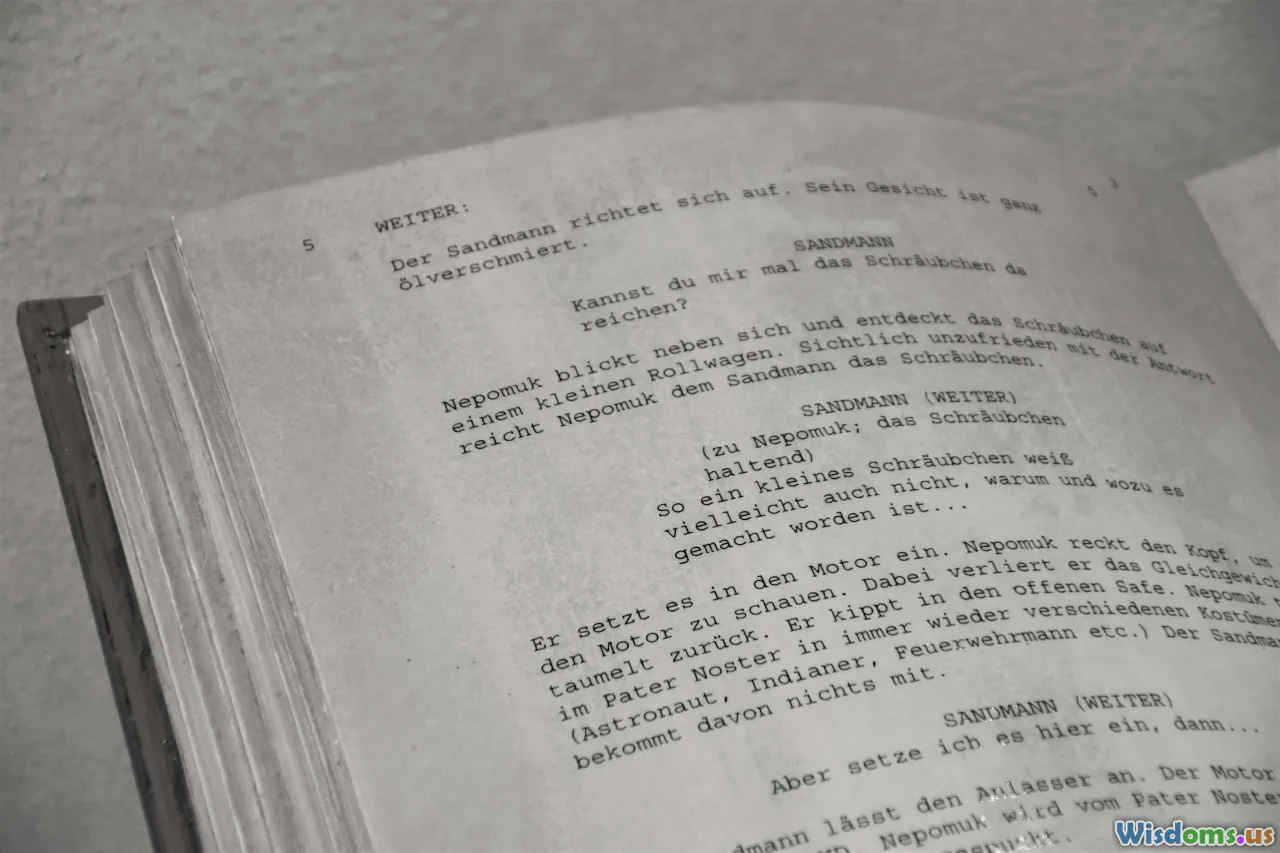
从剧本到屏幕:追踪标志性场景的旅程
电影中一些最难忘的瞬间并非凭空出现在银幕上;它们是从一个想法的核心开始,经过数百位才华横溢的工作人员协作而成的错综旅程的结果。每一个标志性场景,从《疯狂的麦克斯:狂暴之路》中的心跳般的沙漠追逐,到《迷失东京》中的安静而心碎的告别,都是一个将愿景、纪律与创新融合的过程的见证。探索这些难忘时刻如何从剧本过渡到银幕,揭示叙事的多元艺术性与复杂的后勤。
The Spark: Crafting the Scene on the Page
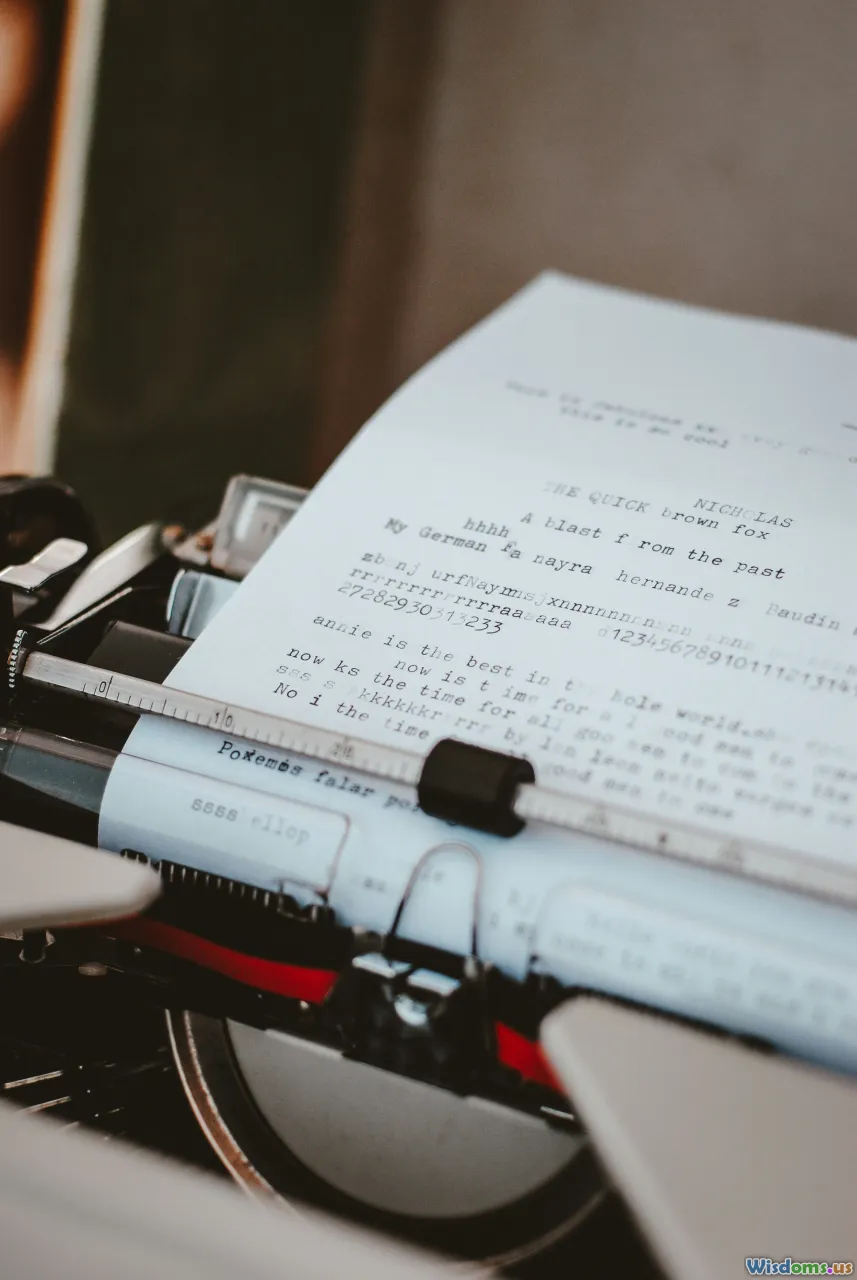
每一个标志性场景的核心,都是在纸面上的起点。撰写一个电影瞬间是灵感与自律的结合。该场景需要实现戏剧性或主题性的目的:它可以是推动情节的引发事件(如低俗小说中的引发事件),也可以是情感的高潮(想象泰坦尼克号中的我是世界之王!)。
剧作家往往依赖可视化、结构和简洁性。好场景与伟大场景之间的差异往往在于细节与潜台词。以 Aaron Sorkin 为例,他以其节奏感强、目的明确的对话而著称;以 A Few Good Men 的法庭高潮为例,每一句台词都将紧张感推得更高,最终以杰克·尼科尔森的著名爆发收束。
重要的是,剧本很少规定每一个动作或表情——导演和演员随后进行诠释,但编剧播下的是意图的种子。
In the script for Good Will Hunting, Matt Damon and Ben Affleck wrote the pivotal bench scene with Robin Williams' character as both a turning point and a simple, heartfelt moment between men. That balance—between emotional weight and understated delivery—begins with their crafted lines and scene description.
Writing Tips for Iconic Scenes:
- Focus on motivation: Why does this moment matter to the character?
- Show, don’t tell: Use action and reaction, not explanation.
- Write lean: Iconic scenes are often deceptively simple on the page.
Breakdown and Visualization: From Words to Storyboards
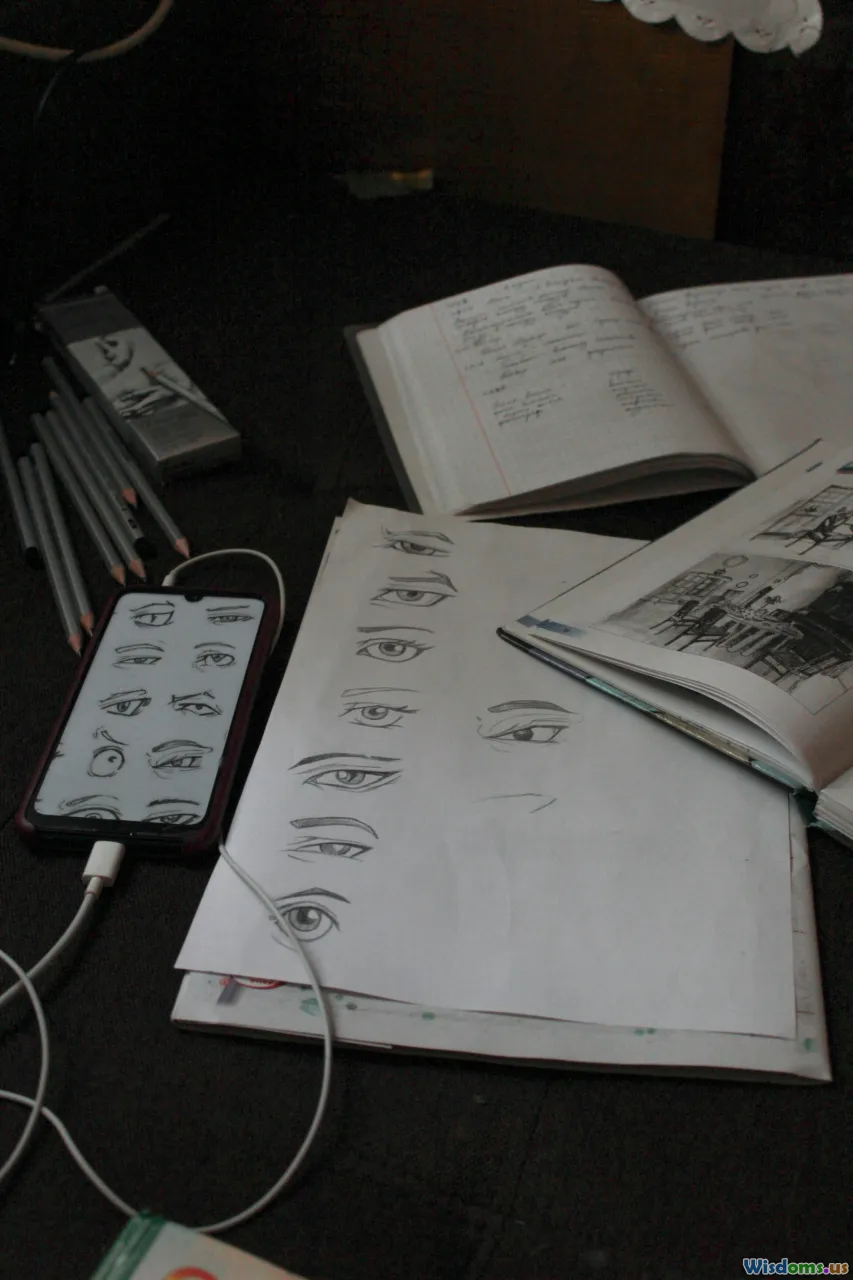
一旦场景写成剧本,就必须被视觉化。导演、摄影师和美术人员紧密协作,将场景分解为视觉要素,通常通过分镜、镜头表,以及有时使用先进的预可视化工具(previz)来实现。
分镜绘制出每一个关键时刻。以阿尔弗雷德·希区柯克为例,他对《惊魂记》淋浴场景进行了极其精细的分镜,精确到切换和角度,确保最大程度的悬念——这段三分钟的场景却包含超过50个镜头。现代导演,如詹姆斯·卡梅隆(《阿凡达》)或罗素兄弟(《复仇者联盟:终局之战》),在拍摄前使用数字预可视化,在虚拟空间中编排动作和特效。
要点:- 分镜头脚本不仅是拍摄的蓝图,也是制作设计、特效甚至排程的蓝图。可视化越清晰,现场的工作就越顺畅。
Analysis: Comparing The Matrix (1999) and John Wick (2014) reveals how prep style affects delivery. The Matrix used highly detailed previsualization for its surreal bullet-time sequences, marrying wirework and CGI, while John Wick relied on precise storyboards and location scouting for its grounded, balletic violence.
Casting: Finding the Soul of the Scene

Iconic scenes demand actors who bring authenticity, magnetism, and nuance. Casting directors and filmmakers scrutinize tapes and chemistry reads, sometimes making unpredictable choices for a role.
The perfect actor can transform a good scene into a legendary one. When Marlon Brando auditioned by stuffing his cheek with cotton for The Godfather, he reshaped Don Corleone’s physicality and mystique—the performance instantly altered how the scene would play, both on set and for viewers.
In Back to the Future, Michael J. Fox stepped in after shooting began, dramatically altering the dynamic energy of the clock tower scene. The change gave the moment urgency and likability, qualities critical to its enduring popularity.
Tips for Aspiring Filmmakers:
- Watch for chemistry: Iconic scenes often rely on natural rapport between actors (When Harry Met Sally diner scene).
- Allow for audition improvisation—sometimes a casting surprise writes itself into legend.
Designing the Setting: Production Who Makes Magic Possible
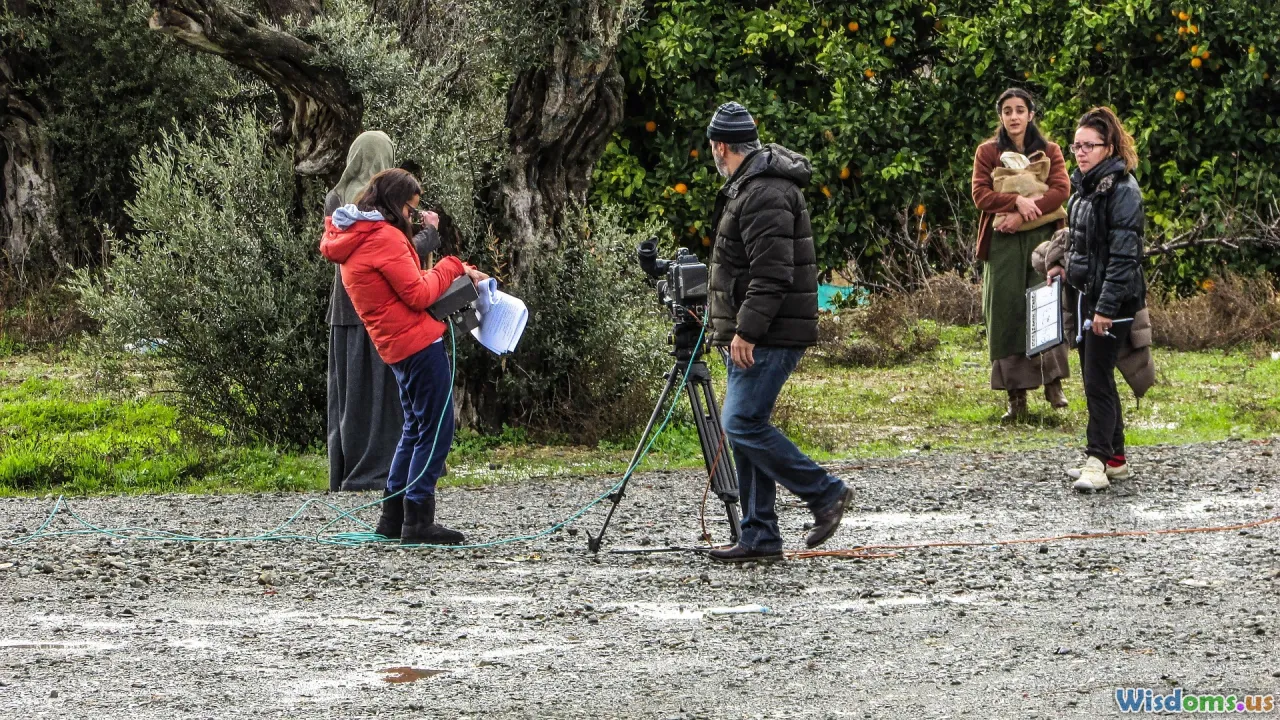
Every great scene needs a setting that feels lived-in, authentic, and thematically resonant. Production designers, art directors, and location scouts collaborate meticulously, turning blank sound stages or real-world locales into the world of the film.
The Overlook Hotel in The Shining became iconic not just for its maze, but for Kubrick’s uncanny, symmetrical compositions and menacing red bathrooms. The setting accentuates Jack Nicholson’s unraveling psyche. Similarly, George Miller turned the Namibian desert into Fury Road’s dystopian playground—a production feat involving months of vehicular modifications and on-location building.
Production Design Takeaways:
- Every element on set builds story: lighting, props, costumes, and even invisible details (see Wes Anderson’s fastidious period accuracy).
- Sometimes constraints breed creativity. The entire "apartment scene" in The Apartment (1960) relied on clever set stretching to make C.C. Baxter’s home appear smaller or larger as story tension shifted.
The Shoot: Capturing Lightning in a Bottle
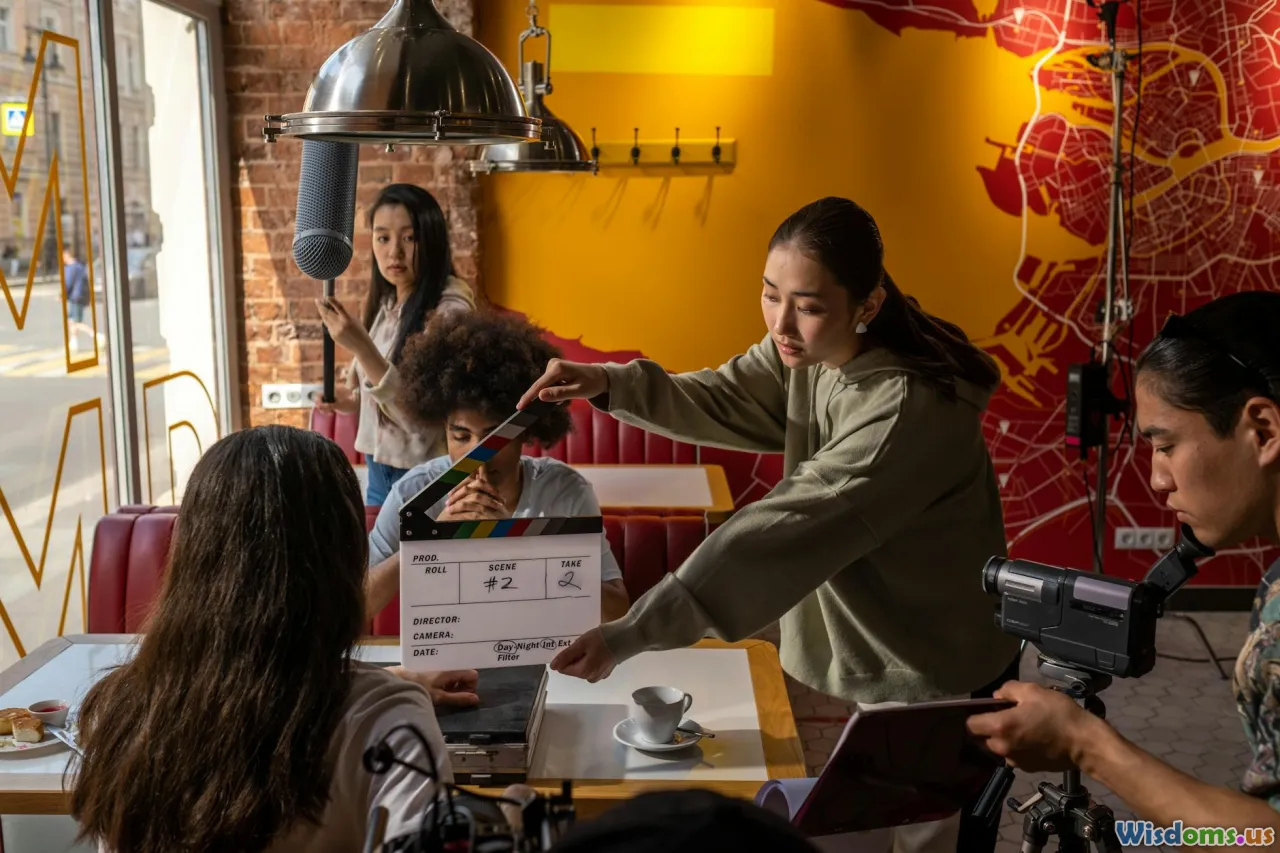
Shooting an iconic scene is often the most unpredictable and demanding aspect. Camera angles, actor performances, and timing collide. Directors improvise or adjust based on weather, mood, or inspiration from the crew. The crucial thing: getting the moment, not just the lines.
Jaws’ beach attack scene became legendary partly because the mechanical shark malfunctioned; director Steven Spielberg chose to suggest the beast’s presence with strategic shots—a suspense masterstroke. In La La Land, the opening freeway dance sequence required closing a busy LA overpass and spending two days in sweltering heat, testing dancers’ and the crew’s mettle for a few breathtaking minutes of cinema.
Actionable Advice:
- Run multiple takes for emotional authenticity (David Fincher and David O. Russell have both employed over 50 takes per shot, producing spontaneous magic).
- Be flexible—constraints like weather or location usually lead to directorial ingenuity.
The Sounds of Emotion: Music and Sound Design
Music, ambience, and sound effects are the unseen forces shaping a scene’s impact. Composers and sound designers experiment, refining choices until sound echoes emotion—think of the bone-chilling two-note score in Jaws by John Williams, as crucial as any line spoken.
Concrete Example:
The spinning hallway fight scene in Inception owes part of its disorienting brilliance to Hans Zimmer’s time-warping score and carefully layered sound effects, blurring the line between gravity and reality for the viewer.
Foley artists generate everyday sounds (footsteps, creaking doors) to create authenticity; ADR (automated dialogue replacement) ensures lines match performance even if redone in-studio later. Sound mixing then balances every whisper and explosion.
Tips for Effective Sound Design:
- Start thinking about music and sound early—some of Quentin Tarantino's scenes (Reservoir Dogs’ Stuck in the Middle With You) are choreographed before filming, with tracks playing on set.
- Let silence speak: The absence of music, as in the coin toss scene of No Country for Old Men, amplifies tension.
Effects and Editing: Shaping Raw Material into Magic
Post-production is the crucible where all footage is sculpted into the final sequence. Editors, VFX artists, and colorists work frame-by-frame to finesse timing, add visual and auditory effects, and ensure story coherence.
For Star Wars: A New Hope, the original lightsaber battle between Obi-Wan and Vader depended on editing to mask clunky prop swords and underscore emotional stakes through pace and reaction shots. Digital effects specialists today, like those at ILM, merge live-action with computer-generated environments—see The Lord of the Rings’ Battle of Helm’s Deep, a blend of models, live action, and digital armies.
Analysis: Edited rhythm controls mood. Birdman used seamless cuts to simulate a single continuous take, pushing viewers inside the actor’s unraveling psyche. Iconic moments frequently hinge as much on what’s left out (editor Walter Murch’s use of elliptical cutting in The Conversation) as what’s emphasized.
Advice for Post-Production Excellence:
- Preview the scene in rough cuts—test with audiences, if possible, to gauge response and tweak accordingly.
- Don’t be afraid to restructure: Sometimes, scenes improve unexpectedly in the edit bay by moving them or trimming extraneous shots.
Director’s Vision Meets Audience Reception
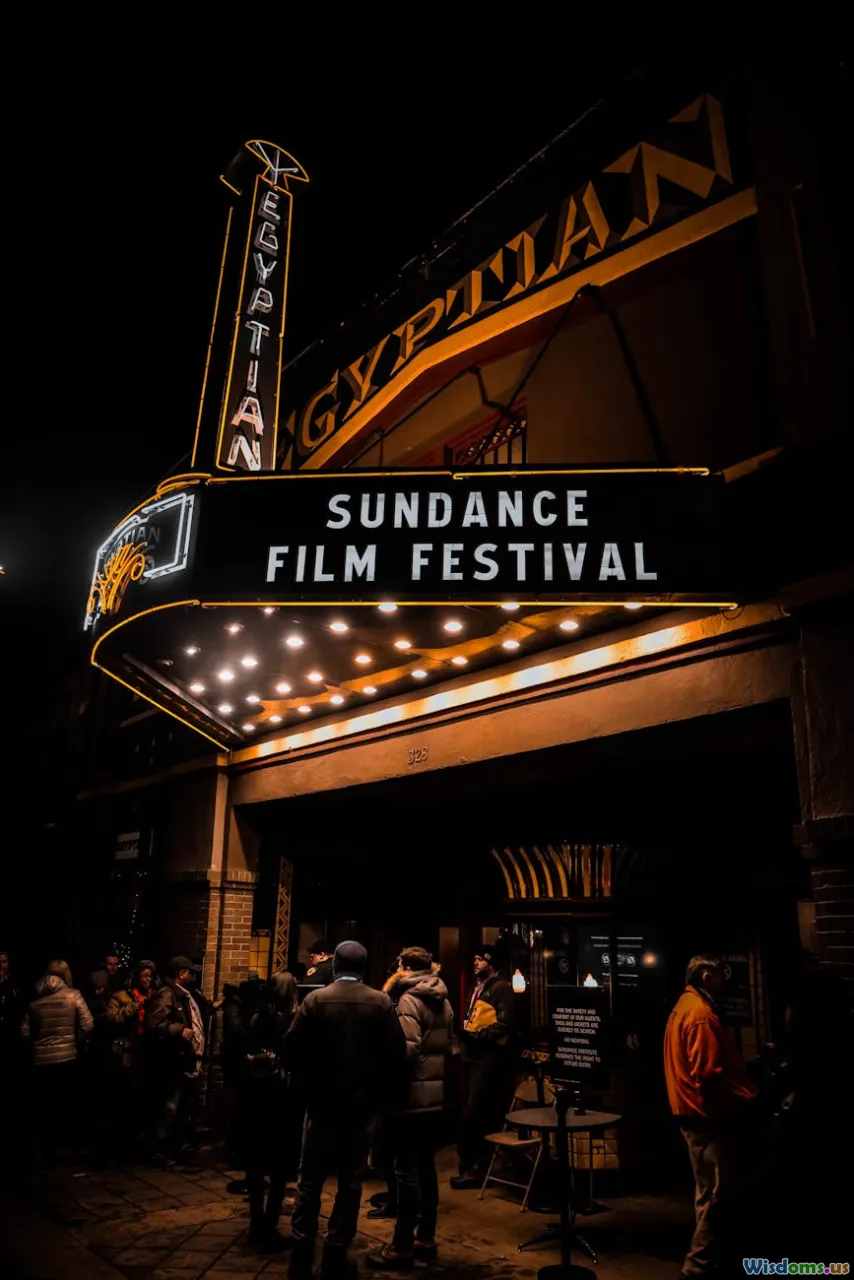
Finally, as the scene approaches its debut, the trick is ensuring that its original intention survives—or is transformed into something more profound—in audience perception.
Steven Spielberg described the E.T. moon flight scene as working because audiences desired awe as much as the story required wonder; John Williams' soaring music cemented its place in history. Yet, not all initial reactions are predictable. The slow-motion bank heist in Heat became an instant classic for its realism, influenced as much by consulting real LAPD as by Michael Mann’s directing.
Contemporary filmmakers can directly witness scenes’ impact on social media—audience memes, YouTube dissections, and online reviews quickly codify which scenes become pop culture touchstones. Sometimes the most iconic moments, such as 「Wakanda Forever」 in Black Panther, resonate for reasons related to timing, representation, or wider trends.
Comparison:
- Old Hollywood relied on word-of-mouth and critical praise to build legend around a scene; modern streaming and social media see even minor moments go viral, shaping the cultural memory of films differently but every bit as powerfully.
The journey from a single line on a script to an indelible cinematic moment is an odyssey of craft and creativity, involving many hands but guided by a singular vision. These iconic scenes endure because they blend the personal—unique artistic choices—and the universal—emotions and stories that resonate across generations. On this elaborate canvas, script and screen converge, leaving viewers with moments they’ll never forget.