A Day in the Life of a Hip Hop Choreographer
34 min read A behind-the-scenes look at a hip hop choreographer’s day—from warm-ups and music selection to rehearsals, client meetings, and teaching—highlighting workflow, tools, and creative process. (0 Reviews)
The first sound most hip hop choreographers hear in the morning isn’t an alarm—it’s a beat. A tap of the countertop, the thud of sneakers by the door, the metronomic drip of coffee forming an 8-count on instinct. The day ahead is a blend of craft and hustle: mapping musical textures to bodies, leading a room of dancers to speak the same rhythmic language, and juggling budgets, emails, and edits while leaving space for surprise. Here’s what a full day looks like—and how each decision shapes the work the audience finally sees.
Before Sunrise: Rituals That Prime Creativity

A choreographer’s morning sets the tempo for the day. Most build reliable rituals that preserve energy and spark ideas:
- Beat scouting: Ten minutes of listening without screens—only music—tunes your ear to tone, swing, and groove. Some choreographers play the same track in different environments (tiny speakers vs. car subwoofers) to hear how bass and percussion translate. If a snare sounds thin on phone speakers, you may choreograph more visual accenting to sell the hit on platforms where viewers watch silent or low-volume.
- Mobility check-in: Hips, ankles, and thoracic spine take a beating in hip hop. A quick flow—90/90 hip switches, ankle CARs, cat-cow rotations—helps assess what your body will allow that day. Many pros keep a resistance band and lacrosse ball near their desk; two minutes per area can restore range of motion before you even touch the studio floor.
- Intent note: Write one sentence describing the feeling of today’s piece. “Elastic swagger,” “industrial bounce,” or “staccato mischief.” This phrase becomes a decision filter; if a move doesn’t serve the feel, cut it.
Pro tip: Keep a “30-second idea bank”—tiny video clips of grooves, footwork loops, or transitions. On busy days, one of these fragments can seed an entire combo without starting from zero.
Building the Beat: Music Selection and Editing

Music isn’t just background; it’s architecture. Selecting and editing a track shapes timing, texture, and emotional arc.
- Tempo targeting: Hip hop spans a wide tempo range. Boom bap often sits around 85–95 BPM; modern trap can feel like 140–150 BPM but often grooves in half-time around 70–75. Decide whether you’ll dance on the half-time or double-time grid early—your footwork density and breath management depend on it.
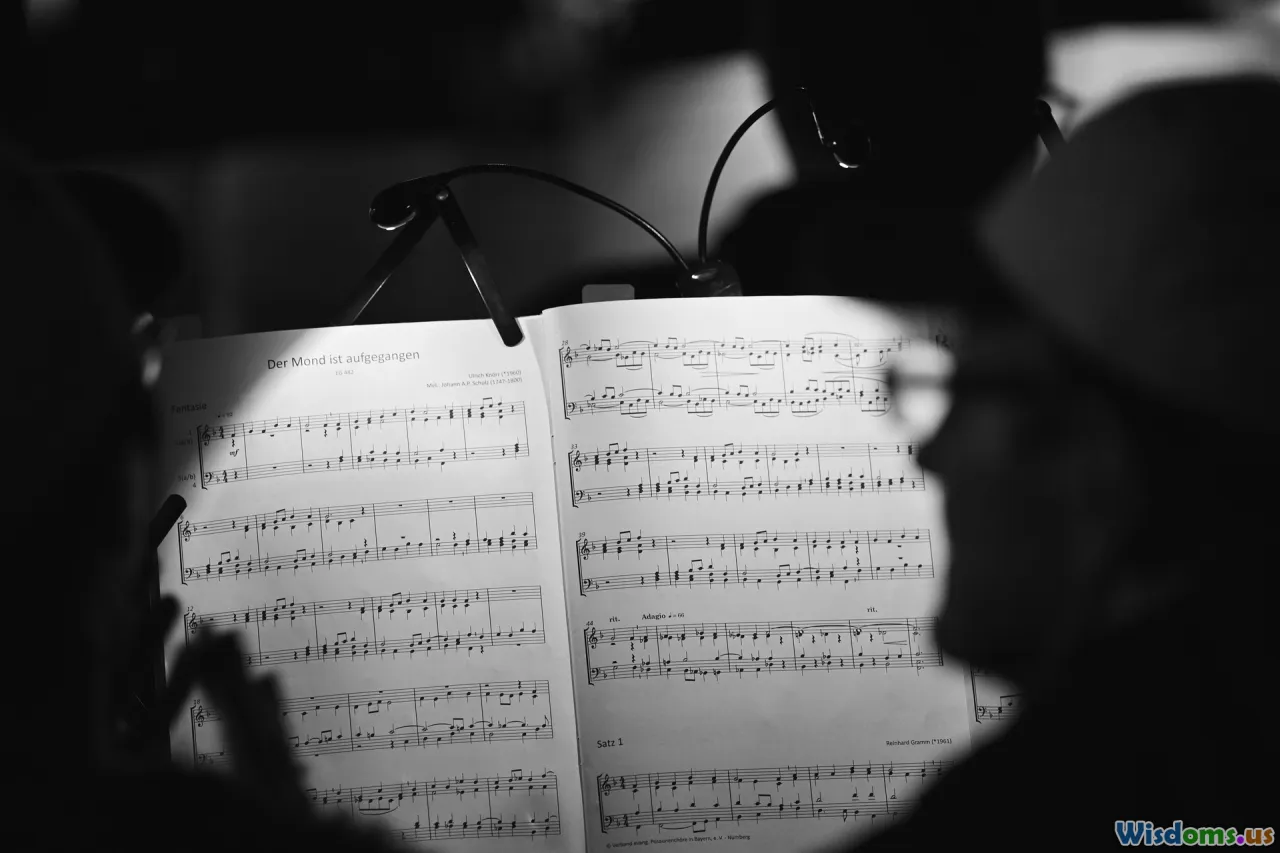
- Structural map: Print or sketch the song’s form: Intro (8), Verse 1 (16), Hook (8), Verse 2 (16), Bridge (8), Hook (8), Outro (4). Layer notes on standout sounds—open hi-hats, 808 glides, vocal ad-libs, risers. You’re building a target practice board for hits and textures.
- Editing tools: Basic clean-ups like shortening a long intro, creating a dance-friendly outro, or raising a quiet section can be done in free tools like Audacity. For more control, Ableton Live lets you warp tempo for training, splice sections, and export versions at different BPMs. If you need a crisp loop for drilling, set loop points on zero-crossings to avoid clicks.
- Licensing and usage: For performances or monetized content, know your rights. Commercial projects generally require licensed tracks, even on social platforms. For rehearsals and class, use originals, licensed music, or royalty-free sources to avoid takedowns. Keep a folder of cleared instrumentals for client previews before final music is approved.
Exercise: Take a 16-count hook and choreograph three separate versions—one that hits only drums, one that chases the vocal phrasing, and one that rides the bass. Compare which reads best on camera vs. in-room.
Studio Warm-Up: Injury Prevention for High-Impact Styles
Hip hop includes jumping, sudden decelerations, and floorwork—high demand on the calves, knees, wrists, and spine. A smart warm-up is part creativity insurance, part career longevity.
- Dynamic activation (5–8 minutes): Marching A-skips, pogo hops, lateral shuffles, and traveling swings. Think “heat, not fatigue.” Aim to elevate heart rate and prepare tendons for load.
- Mobility with intent (4–6 minutes): World’s greatest stretch, deep squat pries, hip airplanes. Prioritize ankles (dorsiflexion supports safer landings) and wrists (weight-bearing in floorwork and freezes).
- Pattern primers (3–5 minutes): Groove basics—bounce, rock, and sway—layered with increasing complexity, like bounce + shoulder isolations + direction change. This primes coordination before choreography layers depth.
Organizations like the International Association for Dance Medicine & Science (IADMS) recommend dynamic warm-ups over static stretching pre-rehearsal; reserve long holds for cooldowns. If your day includes heavy floorwork, add 30 seconds of wrist prehab: flexion/extension pulses, finger push-ups, and forearm massage.
From Counts to Choreography: Crafting a Phrase
Choreography translates sound into shape. Start with the grid, then play with it.
- The grid: The default 8-count keeps the room together, but not every moment must hit the 1. Off-beats and subdivisions (e-and-a) add forward motion. Try a syncopation exercise: clap on 1-e-&-a, then drop the a for two bars, then add it back—your body will embed the feel of missing beats.
- Micro-timing: Many grooves sit just behind the beat. Practice “late” hips with “early” shoulders to create push-pull.
- Texture palette: Contrast matters—melt vs. snap, glide vs. stomp, expand vs. coil. Annotate your notes with texture verbs, not just steps.
- Spatial math: Plan facings, pathways, and levels. A hook might face front for audience connection; verses can rotate to profiles for silhouette detail.
Example phrase, 8 counts over a mid-tempo track:
- 1: Step right, heavy bounce; &: left heel pop; 2: torso angle 45° with right shoulder jab; &: catch breath/hold.
- 3: Slide left, low; e: right toe tap; &: snap to face front; a: head nod to snare.
- 4: Drop to squat, hands sweep; &: explode up; 5: suspend—slow rib circle across the vocal melisma.
- &: quick run-run foot pattern; 6: drag, chest pop on kick; &: elbow cut through air.
- 7: Pause—stare down camera; &: tiny bounce; 8: roll body, finish with a soft heel-toe.
Build in a “breath bar” every 16–32 counts for stamina management and musical clarity.
Teaching the Combo: Communication That Sticks
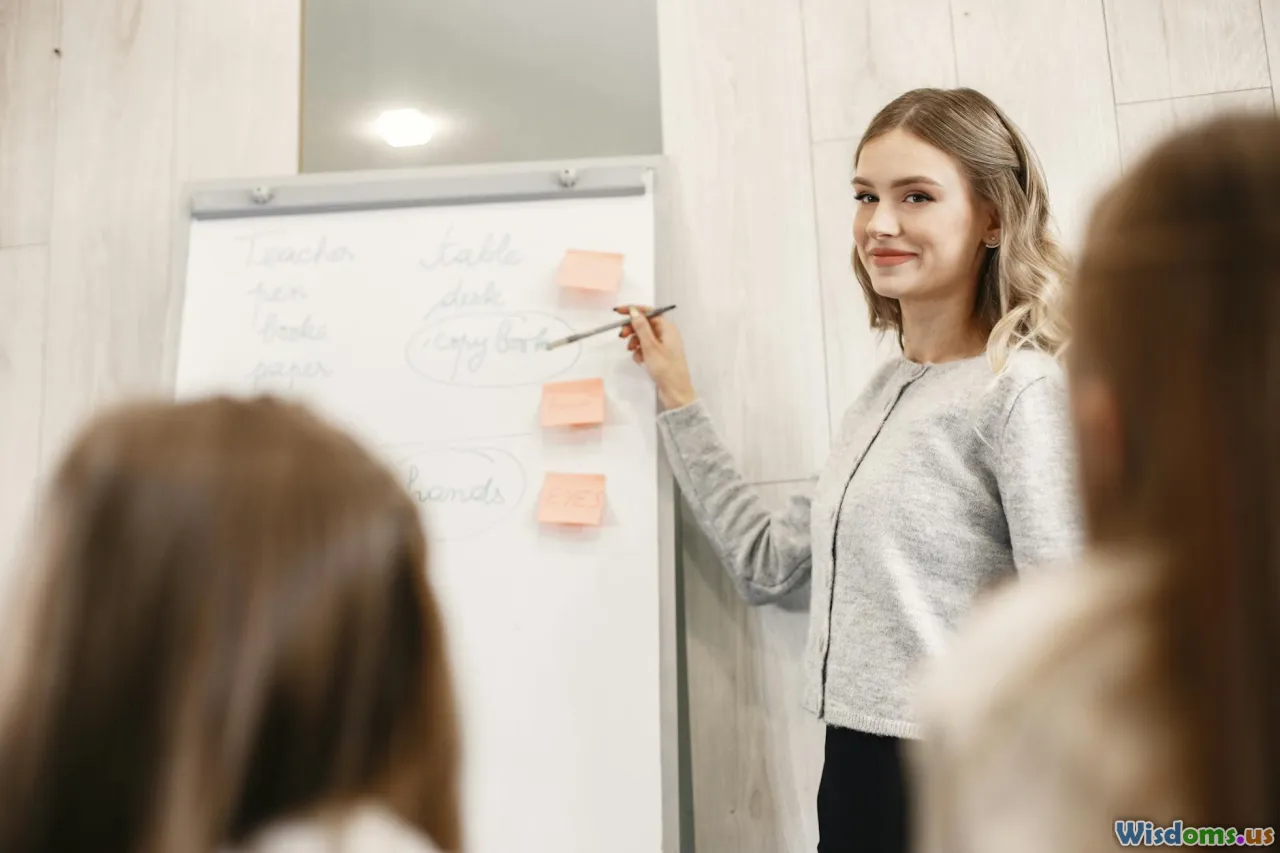
Great choreographers are great teachers. The goal: make complex ideas feel attainable.
- Chunking: Teach in 4- to 8-count blocks. Drill each block three times: once slow with counts, once medium with groove, once to music.
- Layering: Start with the feet, then add groove, then arms, then texture. Avoid introducing everything at once.
- Call-and-response: Use rhythmic cues (“boom-ka-ka—slide—pause”) to bridge the gap between counts and musicality.
- Mirrors and orientation: If you teach mirrored, label it. Say “mirror-right” vs. “stage-right” to prevent confusion once staging begins.
- Visual anchors: Name moves after images (“pull the zipper,” “glass wall”) so dancers remember intention, not just position.
- Feedback loops: Film a take mid-class, review for 90 seconds, and adjust. Most people learn faster when they see themselves relative to the group.
Accessibility tip: Offer low-impact variations for jumps and knee-heavy transitions. You’ll keep more dancers in the room safely, which elevates group energy and retention.
Rehearsal Logistics: Scheduling, Budgets, and Boundaries
Creative magic needs structure.
- Scheduling: Anchor your day around the highest focus task—usually phrase creation or staging. Put admin blocks (emails, invoicing) at natural energy dips.
- Casting: Build rosters with complementary strengths—one dancer who shines in texture, another in precision, another in power. Diversity in backgrounds widens your choreographic palette.
- Space: In many cities, rehearsal studios range from about $25–$80 per hour depending on size, mirrors, and peak times. Book 15 minutes of buffer for setup/cleanup; it saves rush fees and stress.
- Budgeting: Create a simple spreadsheet with line items: studio, dancers, assistant/choreography director, videography, wardrobe, props, transportation, contingency (10–15%). If you’re early-career, pay yourself—even a small fee—so you track the true cost of the work.
- Rates: Choreography rates vary widely by market and medium (live stage, commercial, tour, music video). Consult current Dancers Alliance guidelines and local unions or organizations for benchmarks, and always clarify whether a project is buyout, limited usage, or includes residuals.
- Boundaries: Put expectations in writing: rehearsal hours, overtime triggers, cancellation policy, safety (no stunts without mats and qualified supervision), and credit language.
Template clause starter pack:
- Scope: “Choreography for 90-second routine including staging for up to 8 dancers.”
- Rehearsals: “Up to 10 hours total across two days; additional hours billed at agreed overtime rate.”
- Usage: “Non-exclusive license for social media and live performance for 12 months.”
- Credit: “Choreography by [Name] in video description and promotional posts.”
On Set: Working with Directors, DPs, and Artists

Set days compress creativity under a clock. Prepare like a sports team.
- Previz: Send a phone-shot rehearsal edit to the director and DP. Mark moments that need close-ups (hand hits, facial reactions) vs. wides (formation changes).
- Blocking: Tape marks for key positions. If the camera moves, walk through eyelines so dancers know where to sell moments.
- Coverage: Plan at least a wide master, mediums, and inserts. A master take early captures the full piece in case time evaporates.
- Playback: Use a consistent audio system. If you’re syncing multiple cameras, timecode or a clean slate clap helps in post.
- Safety and stamina: Rotate heavy floor sections, especially on rough surfaces. Have a first-aid kit, knee pads, and baby wipes for dusty floors.
- Artist coaching: If you’re choreographing for a recording artist or actor, isolate two signature moves they can repeat comfortably; build around those for continuity.
On set, you’re the translator between music and lens. Keep a small shot list that pairs choreography beats with camera needs: “Count 5—push-in on chest pop; Count 7—whip pan to group.”
Style Mixology: Breaking, Popping, House, and Krump
Hip hop is a culture with many dance lineages. Honor origins and names.
- Breaking (b-boying/b-girling): Toprock, drops, footwork, power, freezes. Musicality emphasizes breaks and percussion hits. Protect neck/shoulders; coach safe exits from freezes.
- Popping: Isolations, hits, boogaloo rolls, tutting. Often to funk or electronic grooves. Emphasize muscle contractions (not joint locking) for crisp “hits.”
- House: Jacking groove, loose footwork, floor/lofting. Music sits in 120–130 BPM house; elasticity and endurance matter.
- Krump: Explosive, raw expressivity—stomps, chest pops, jabs, arm swings. Clear intention and emotional arc prevent it from reading as chaos.
When mixing styles, define why a technique lives in the piece. For instance, add a house-inspired footwork loop during a bright synth lead to open the groove, then punctuate the drop with popping accents. Crediting style origins in your class description and captions is more than etiquette—it preserves culture.
Freestyle vs. Set Choreography: When to Use Each
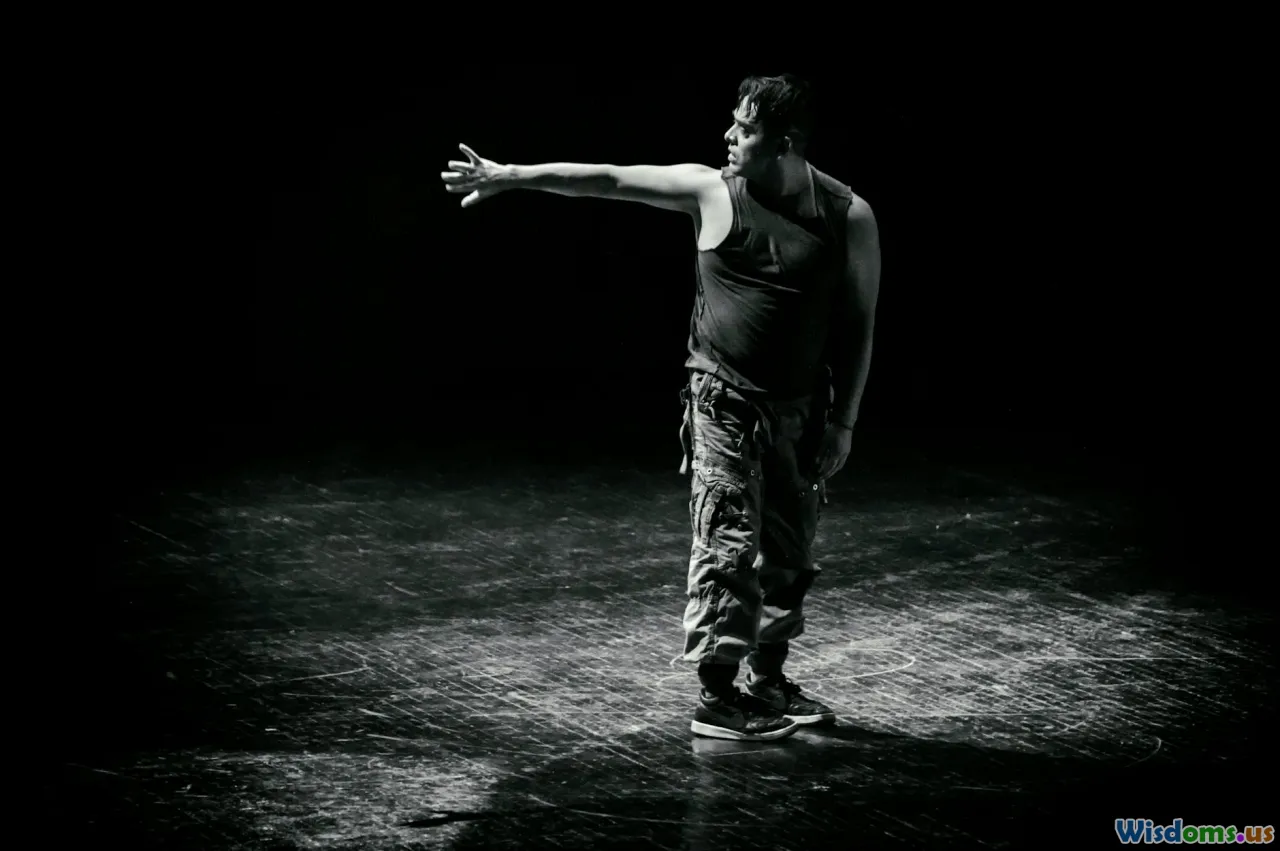
Both are tools; choose based on story and setting.
- Freestyle excels in cyphers, battles, live DJ sets, and sections where individual voice is the feature. It keeps performances breathable and responsive.
- Set choreography tightens narrative, creates camera-ready unison, and scales across large groups.
Hybrid approach for teams:
- Assign anchors: 8 counts of set movement that ends on a clear shape; sandwich 4–8 counts of guided freestyle (“ride the hi-hat with footwork; big shapes only”).
- Cue words: “Swim” (travel wider), “stack” (tighten group shape), “ghost” (lower intensity but maintain groove) help a team adapt to crowd energy while staying structurally coherent.
Freestyle training prompts:
- Limitation drills: Dance without using elbows; only shapes below the knee; only curves, no angles.
- Musical chairs: Switch songs mid-round—keep your intention constant across genres.
- Call-out textures: Someone shouts “melt,” “slice,” or “ripple” every 4 counts; adapt instantly.
Creative Blocks: Systems to Stay Original
Creativity loves constraints. Build systems you can trust when inspiration dips.
- Reverse engineering: Watch a favorite video on mute; choreograph to a different track, using only the visual rhythms you see. Sound last.
- Retrograde and ripple: Create an 8-count phrase, then reverse it. Give the reverse phrase to only the back line, creating a ripple with front line originals.
- Dice method: Assign numbers 1–6 to movement qualities (e.g., glide, stab, swing, pop, shake, float). Roll for each count of 8 to generate unexpected combos. Edit heavily.
- Field recording: Capture your own percussive samples—shoe squeaks, claps, breath—layer them under a beat to create choreography that responds to your textures.
- Reference rotation: Each week, study outside dance—architectural forms, drumming patterns, athletic agility drills. Borrow concepts (like symmetry breaking), not steps.
Keep a rejection folder. Unused phrases often become gold in a different tempo or project.
Business Side: Contracts, Credits, and Copyright
Choreography is both art and intellectual property.
- Copyright basics (U.S.): Choreography is protectable under the Copyright Act as a type of authorship. Protection arises upon fixation (e.g., video recording or dance notation). Registering with the U.S. Copyright Office strengthens your legal position and enables statutory damages if infringed. Functional or commonplace social dance steps on their own aren’t generally protectable—original selection and arrangement are.
- Work-for-hire: If your contract labels the work as “work made for hire,” the hiring party typically owns the copyright. If not, you likely retain ownership while granting a license for usage. Always read scope and exclusivity terms.
- Credits: Standardize your credit line and provide it upfront. For digital releases, ask for on-screen or description credits. Keep a portfolio link ready.
- Invoices and terms: Specify rate, hours, overtime, rehearsal caps, kill fees, and payment terms (e.g., Net 15 or Net 30). Take deposits for new clients. Track expenses for taxes.
- Insurance: Consider general liability coverage if you’re renting spaces or hiring cast. For stunts or lifts, document safety protocols.
Practical step: Save template contracts and invoice PDFs in a cloud folder, ready to duplicate. Time saved on admin is time earned for art.
Tools of the Trade: Tech and Apps That Save Hours

- Music slow-down: Anytune or CapCut’s speed controls help teach tricky sections at 75% without pitch distortion.
- Video capture: Tripod + phone + wide-angle clip-on lens equals instant rehearsal documentation. Film from front and 45° to review lines.
- Collaboration: Shared folders (Dropbox, Google Drive) for music edits, rehearsal cuts, and notes. Frame.io or Vimeo Review for timestamped feedback.
- Notation: Notion or Google Docs for counts, formations, and “to film” lists. Use emojis to tag tasks (🎥 film, 🎧 edit, 🧩 staging).
- Audio rig: Portable Bluetooth speaker with aux backup; always carry a short aux cable and power bank. Keep a small lav mic for voiceovers if you share process videos.
- Sync: If you’re coordinating multiple cameras, tools like Tentacle Sync or even a consistent phone clap marker save post-production hours.
Workflow tip: Name files with versioning and date: “Song_HookEdit_v3_2026-02-12.wav.” You’ll avoid using the wrong track in rehearsal.
Health and Sustainability: Body, Mind, and Money
A sustainable career is a marathon with sprints.
- Body: Cross-train with strength and mobility. Prioritize calf strength (soleus and gastrocnemius) for jumps, glutes for deceleration, and core anti-rotation for floorwork. Use progressive overload; don’t max jump volume the same day you choreograph heavy footwork.
- Recovery: Sleep is the ultimate performance enhancer. A brief cooldown—box breathing, light joint circles, and gentle tissue work—tells your nervous system to downshift.
- Nutrition: Plan snacks you can eat between takes: fruit + nut butter, yogurt, or simple rice cakes with turkey. Hydrate early; add electrolytes during long rehearsals.
- Mind: Creative cycles have troughs. Normalize it. Short mindfulness sessions, journaling, or a walk without audio can reset your attention.
- Money: Treat your art like a business. Track income and expenses. In the U.S., contractors often set aside 25–30% for taxes. Automate a small monthly transfer to savings or a retirement vehicle (e.g., IRA). Build a two- to three-month cash buffer for slow seasons.
Boundary practice: Create “office hours” for messages to prevent midnight scope creep. Your future self will create better work with protected rest.
Case Study: A 10-Hour Day for a Music Video
Here’s a realistic day when you’re both choreographing and prepping for a shoot.
- 7:30 AM – Beat pass and intent. Listen to the track in full, finalize the concept phrase: “rubber-band swagger.” Update the music edit to trim a 12-second intro to 4 seconds for tighter pacing.
- 8:15 AM – Movement research. Pull references: an old popping freestyle for shoulder textures, a house loop for the bridge, two fashion images for silhouette ideas. Sketch three formation pathways.
- 9:00 AM – Warm-up and phrase lab. Build an 8-count that hits the snare flam at 1e-a and lands a suspended groove on 5. Record three takes; choose the one that breathes on 7–8.
- 10:30 AM – Teach the team. Start with feet only. Layer arm path on pass two. Use callout “melt then stab” for texture. Rotate lines every two reps to equalize camera practice.
- 12:00 PM – Lunch and admin. Approve wardrobe pull (neutral tones + one pop color accessory). Email the producer confirming the shot list’s three essentials: master, side-profile medium, and hand insert.
- 1:00 PM – Staging and camera. Tape marks for triangular formation that blooms on the hook. Film a test on wide; discover back-right dancer disappears behind a pillar—adjust path by 18 inches.
- 2:30 PM – Artist coaching. Teach the artist two signature motifs. Reduce one floor transition to a knee-friendly variation after noticing discomfort.
- 3:30 PM – Run-and-gun takes. Three full outs, two textures takes (80% energy, max groove), one facial performance take (camera close). Save best takes to a “Selects” folder on the spot.
- 5:00 PM – Debrief, recovery, and file backup. Group stretch, feedback circle (“one win, one tweak”). Offload footage to two drives before leaving.
This day works because decisions were front-loaded, leaving space for on-set discoveries without derailing schedule or safety.
Quick Starter Kit for Aspiring Choreographers

- Train wide and deep: Build foundations in grooves, musicality, and at least two styles (e.g., popping and house). Invest in history—watch pioneers and learn names.
- Assist first: Shadow a choreographer to learn unseen work—emails, budgets, set etiquette, and how to keep a room focused.
- Create weekly: Post a short combo consistently. Focus on clarity and intention over tricks. Film from angles that honor lines.
- Build a reel: 60–90 seconds highlighting range—unison, camera choreography, artist direction, stage work. Label each clip with your role.
- Network with care: Show up early, help clean floors, send thank-you notes. Reliability outlasts hype.
- Learn the business: Templates for invoices and contracts; know where to find current rate guidelines. Track hours honestly.
- Protect your body: Warm up even when no one else does. Schedule strength sessions like meetings.
Common Pitfalls and How to Avoid Them

- Over-choreographing: If every sound has a move, nothing breathes. Choose two sonic layers per section and let the rest imply.
- Ignoring angles: What reads in a mirror may vanish on camera. Test silhouettes from 45° and profile.
- One-speed syndrome: Vary energy—add moments of “barely moving” next to explosive hits for contrast.
- Teaching too fast: If the room is quiet and stiff, you’ve outrun comprehension. Slow down, repeat with counts, and restore groove.
- Skipping credits: Put your credit line in video descriptions and ensure the client has it in writing before release.
A Mini How-To: Designing a Memorable Hook
- Step 1: Pick one motif linked to the song’s title or lyric (e.g., a “key-turn” hand for a track called “Unlock”).
- Step 2: Make it biomechanically friendly. If the artist must perform it nightly, avoid combos that require extreme ranges.
- Step 3: Add a secondary layer that scales—head angle or foot tap—so beginners can join and pros can embellish.
- Step 4: Test with three audiences: dancers, non-dancers, and camera. If all three remember it after one watch, you’ve got it.
Formation Craft: Painting with People
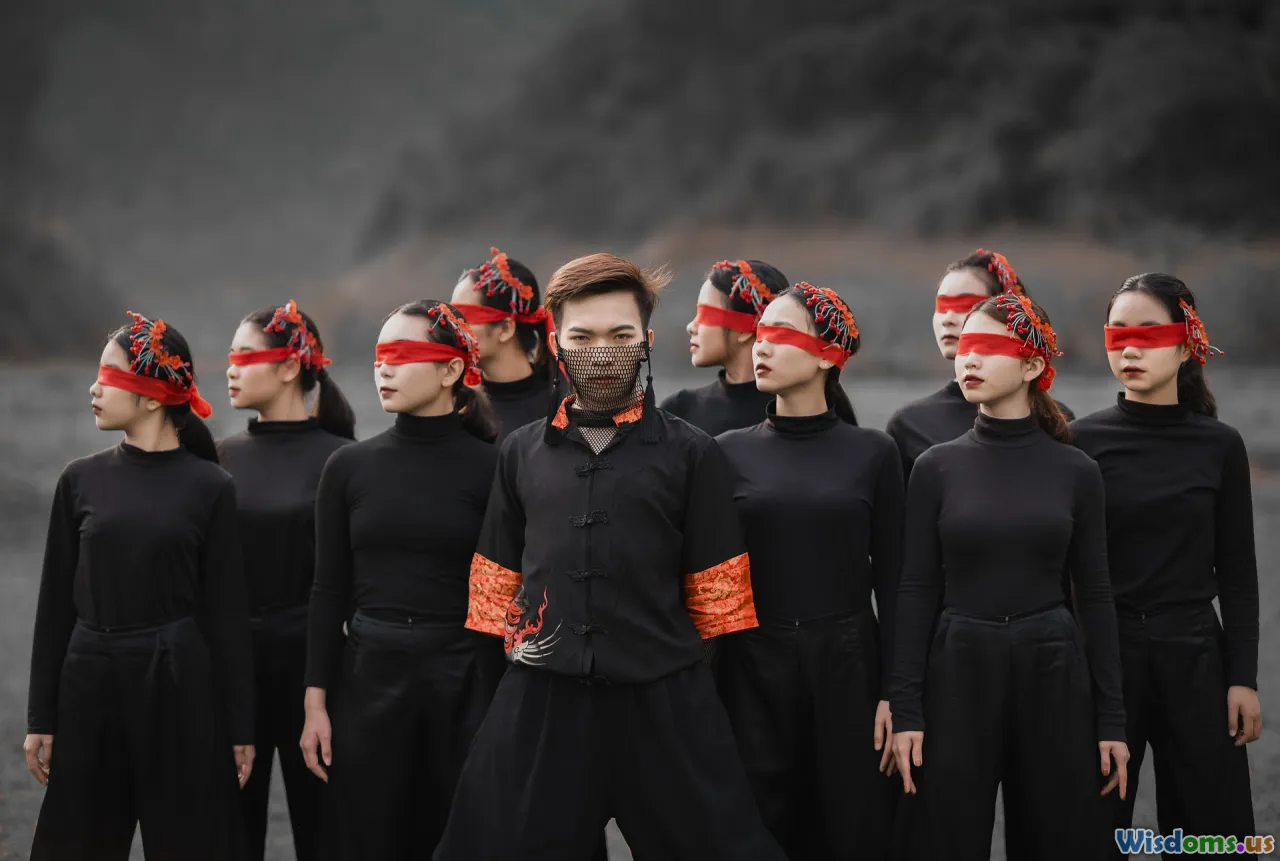
Formations tell story and control focus. Think geometry:
- Triangles: Power and hierarchy. Use for solos or artist-centered moments.
- Diamonds and X’s: Balance and symmetry; strong for hooks.
- Broken lines: Edgier energy; great for rap verses with call-and-response.
- Spirals and ripples: Motion without travel; useful in tight spaces.
Practical drill: Choreograph 8 counts that travel 3 feet forward. Now restage it in place using canons and facings only. You’ll learn to create motion even when space is limited.
Floorwork Without Regret: Knees, Wrists, and Angles
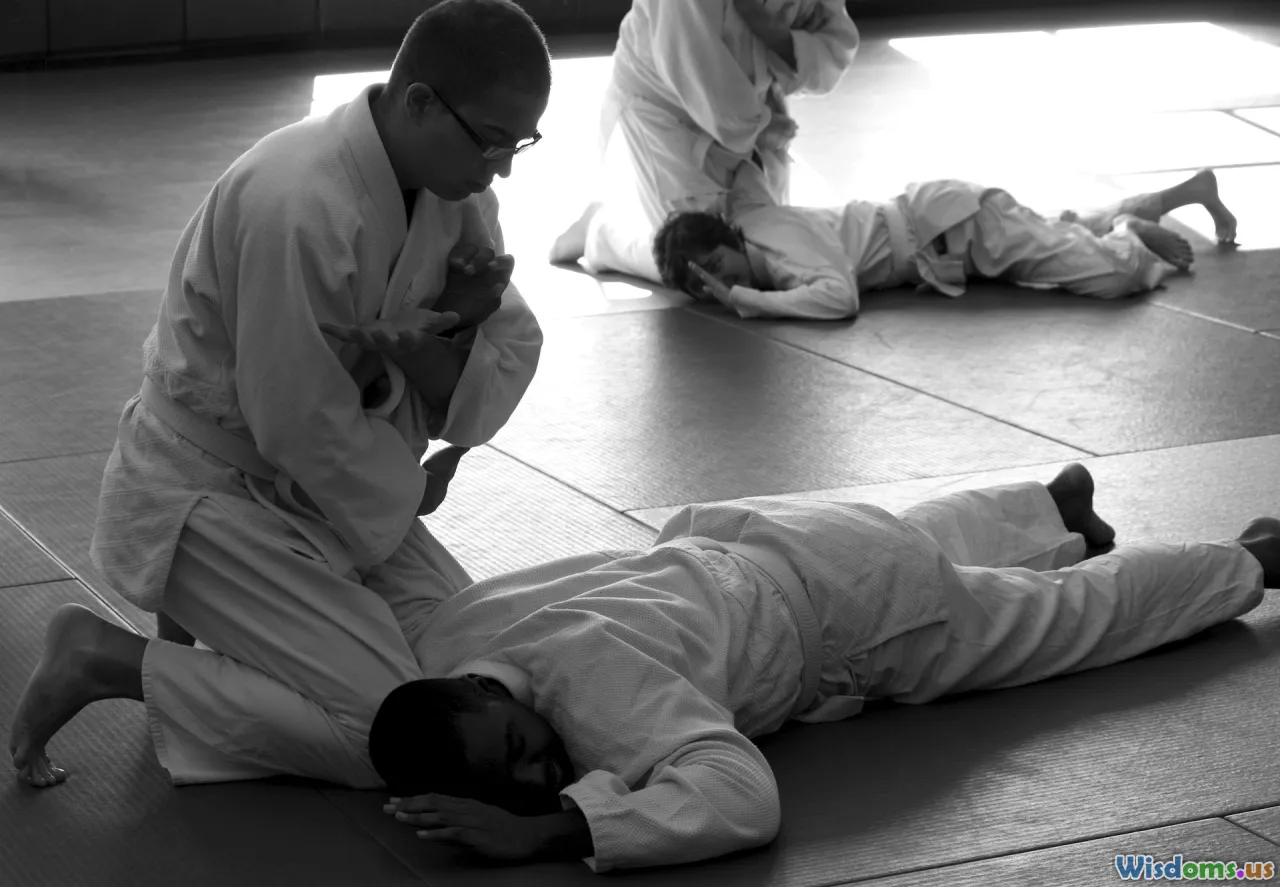
- Preload joints: Before a drop, coil through hips and ankles to spare knees. Land softly, distribute weight across shins and forearms rather than kneecaps and wrists.
- Surfaces: Check for grit. Wipe floors and scout hot spots. Pack soft knee sleeves and wrist supports.
- Exits: Design the exit first. A clean stand-up reads more professional than a flashy drop that ends in scrambling.
Cue words that help: “Melt, don’t collapse.” “Push the floor away.” “Stack joints before you explode.”
Example: 32-Count Class Combo with Notes
Counts 1–8 (Intro groove):
- Bounce rock, right lead (1–4), add shoulder roll accents on the hi-hat (5&), settle into a low groove (7–8). Note: teach the bounce first, then layer shoulders.
Counts 9–16 (Footwork pop):
- Heel-toe sequence traveling left (1&2&), quick back-step with chest hit (3e&), hook step to front (4), pause breath (5), slide right (6), tiny head tick left-right (7&), hold (8). Note: emphasize breath on 5.
Counts 17–24 (Texture switch):
- Arm weave across chest (1–2) with delayed hip sway (e&), knee knock to the bass (3), step back with open chest (4), melt to level change (5–6), pop up on snare flam (7e), settle (8). Note: counts are tricky—drill slow with e’s.
Counts 25–32 (Hook statement):
- Signature “key-turn” hand motif (1–2), group ripple on 3–4, freestyle window (5–6) restricted to shoulders, unison stomp-stomp (7&), statue hold (8). Note: Camera catches 5–6 medium-tight, then widens for 7&–8.
Staging: Two diagonal lines collapse to diamond on count 25. Back line executes reverse on 29–32 to create visual twist.
What the Audience Never Sees: Micro-Leadership
- Energy modulation: You set the room’s nervous system. Calm tone during mistakes keeps learning bandwidth open.
- Micro-cues: Fingers to ear = “listen to snare.” Hand slicing down = “clean lines.” Palms down = “lower energy, keep groove.”
- Catch-and-release: Drill a hard 8-count, then release to groove for 30 seconds. Consolidation happens during the “easy” groove.
- Safety calls: “Reset for knees” or “reduce height” are green flags for leadership, not weakness.
A day in the life isn’t just steps and beats. It’s strategic attention to what matters now and what will matter on screen or stage a week from now. The best hip hop choreographers blend historian, coach, editor, and entrepreneur—all in sneakers. If you build solid rituals, protect your body, respect the culture, and keep your eye on story and structure, you’ll end more days with the same quiet satisfaction: the beat that woke you up is now living outside you—in bodies, on camera, in the room—ready to move someone else.
Rate the Post
User Reviews


Popular Posts