
A Week of Budget Friendly Vegan Dinner Ideas
28 min read Plan seven budget-friendly vegan dinners with pantry staples, seasonal produce, and plant proteins. Includes cost-per-serving estimates, prep tips, and a printable shopping list for stress-free weeknights. (0 Reviews)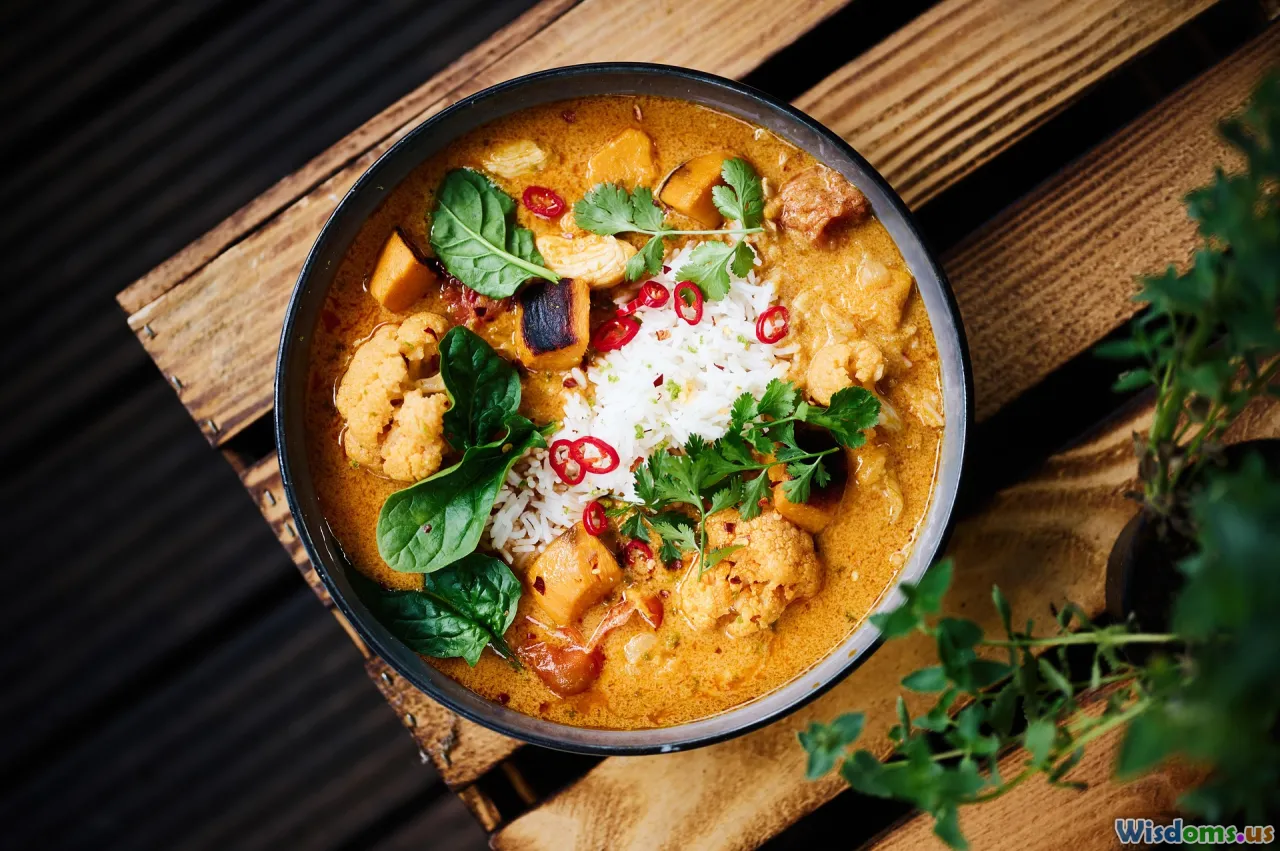
Eating plant-based on a budget doesn’t mean sacrificing flavor, satisfaction, or variety. With a little planning, a few low-cost pantry heroes, and smart batch-cooking, you can put together a full week of dinners that taste restaurant-good and cost less than a coffee per serving in many cases. Below, you’ll find a practical framework, a simple prep plan, and seven specific dinner ideas—each with ingredients, steps, time estimates, and cost ranges that can flex to what’s available in your store or market.
The Budget-Friendly Framework
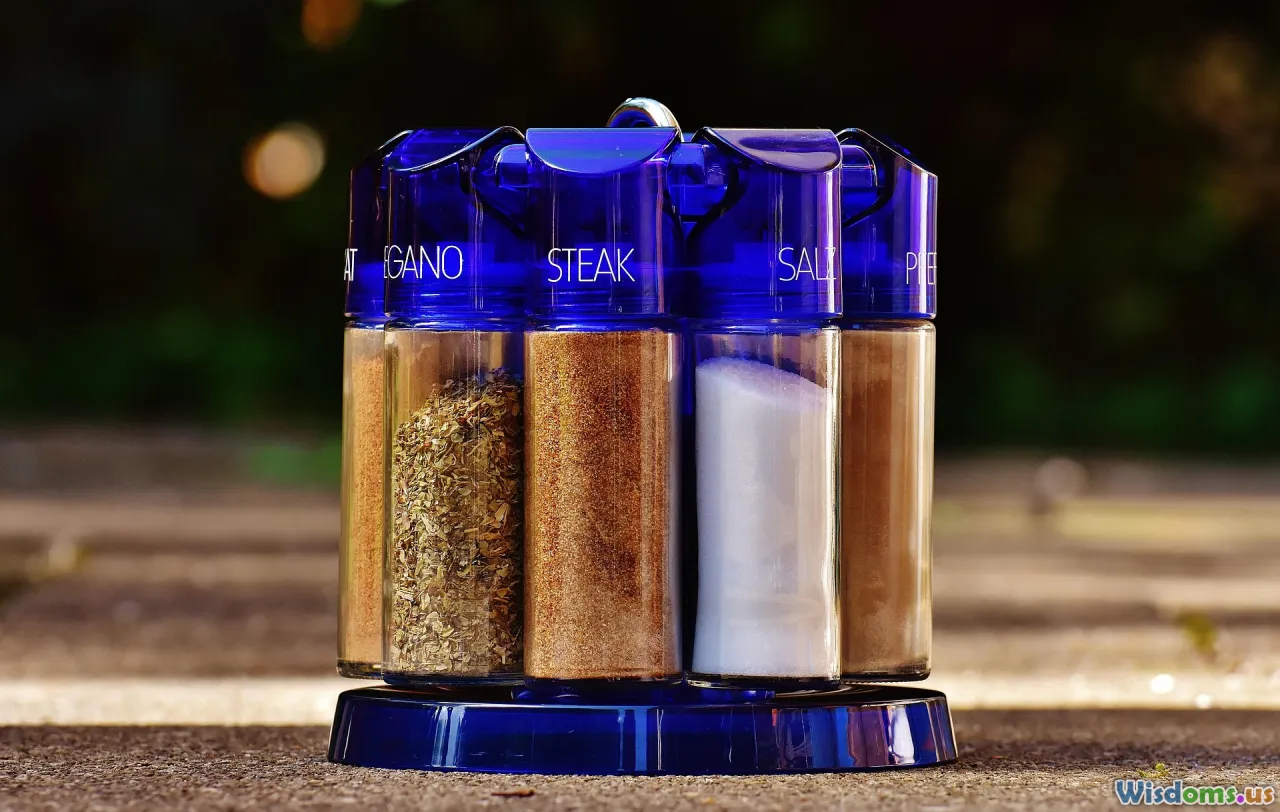
The foundation of low-cost vegan cooking is a repeatable formula you can tweak all year: a satisfying starch + a hearty legume + seasonal vegetables + a punchy sauce. Think rice and lentils with roasted broccoli and tahini; potatoes and chickpeas with tomatoes and smoked paprika; or pasta with cannellini beans, greens, and garlicky olive oil.
Key principles that keep costs down without skimping on nutrition and flavor:
- Shop the staples that stretch: Dried lentils and beans, rice, oats, potatoes, onions, carrots, cabbage, canned tomatoes, and frozen vegetables are consistently affordable. A pound of dried lentils typically yields 5–6 cups cooked and costs a fraction per serving compared to most proteins.
- Flavor like a pro: Build layers with onions and garlic, then add acid (lemon, vinegar), fat (olive oil, coconut milk, peanut butter), and bold spices (cumin, smoked paprika, curry powder). Small amounts go a long way.
- Cook once, eat twice: Batch-cook grains and legumes, and prep one or two sauces. You’ll assemble dinners faster and cut down impulse spending.
- Use what’s cheap and in season: Swap spinach for kale or cabbage, chickpeas for white beans, or sweet potatoes for regular potatoes based on what’s on sale.
- Respect texture: Roasting vegetables concentrates sweetness; mashing beans into sauces adds body; a crunchy slaw or toasted seeds make meals feel complete.
A One-Trip Shopping List for the Week
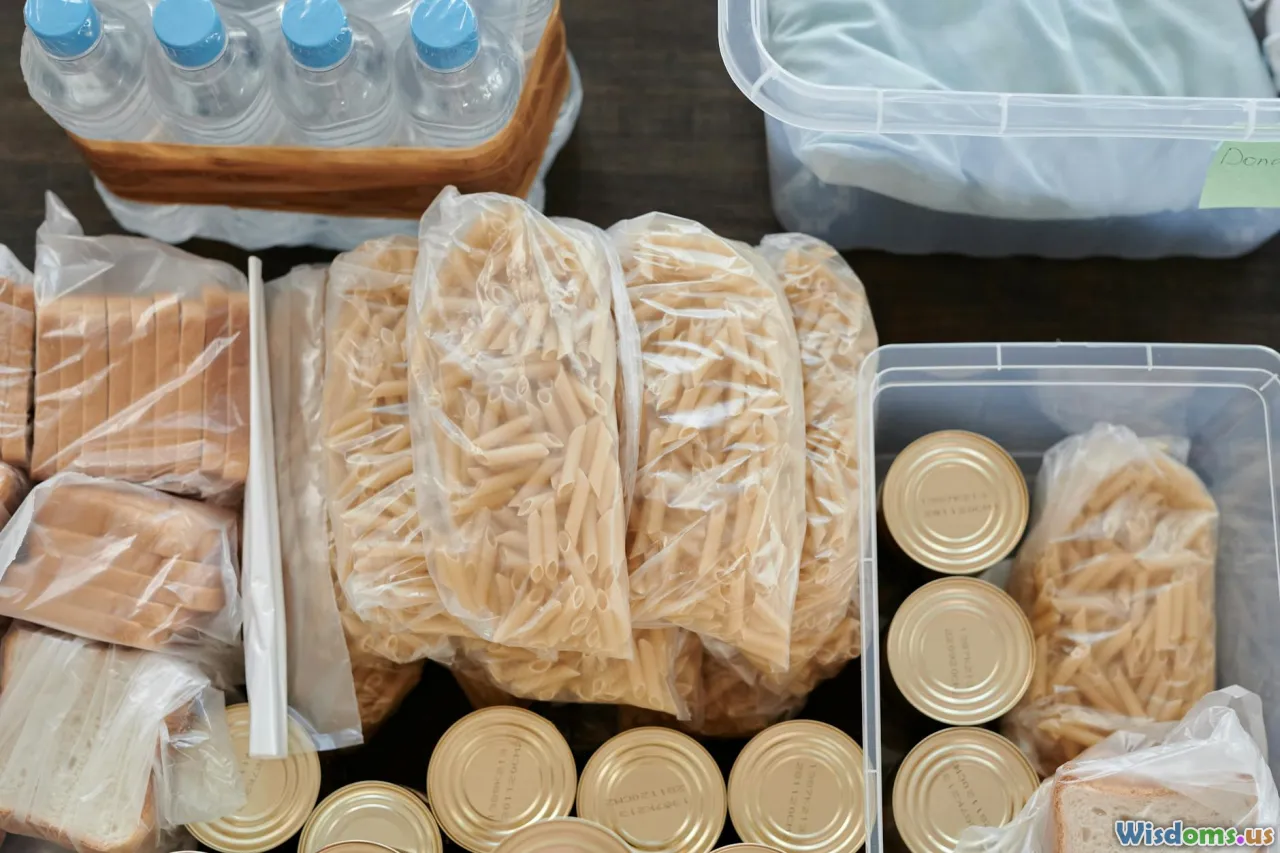
This list supports seven dinners for four portions each (about 28 dinners total), plus some leftovers. Quantities are flexible; prioritize what your household eats most.
Pantry and long-keepers:
- Dried lentils (green or brown), 1–2 lb
- Canned chickpeas, 4–6 cans (or dried, if you prefer to cook from scratch)
- Black beans, 2–3 cans (or 1 lb dried)
- Rice (white or brown), 2–3 lb
- Whole-wheat spaghetti, 1 lb
- Potatoes, 5–7 lb (mix of russet and yellow)
- Onions (yellow), 3–4 lb
- Garlic, 2 bulbs
- Canned tomatoes, crushed or diced, 3 cans (28 oz each)
- Coconut milk, 1–2 cans
- Peanut butter (or other nut/seed butter)
- Corn tortillas or flour tortillas, 1 pack (10–12)
- Vegetable broth or bouillon
- Frozen corn, 1 bag (about 12–16 oz)
- Frozen peas, 1 bag
- Olive or neutral oil
- Vinegar (apple cider or white) and soy sauce or tamari
- Spices: cumin, smoked paprika, chili powder, oregano, curry powder or garam masala, cinnamon, black pepper, salt
Produce:
- Carrots, 2 lb
- Celery, 1 bunch (optional but helpful for sauces)
- Cabbage (green or red), 1 head
- Bell peppers, 3
- Mushrooms, 8–16 oz (optional; adjust based on price)
- Spinach or kale, 10–16 oz
- Sweet potatoes, 2–3
- Lemon or lime, 2–3
- Fresh cilantro or parsley, 1 bunch
- Ginger, small knob (or ground ginger)
Note on pricing: Costs vary by region and season, but legumes, grains, cabbage, onions, and carrots are among the most reliable low-cost items. Buying store brands and stocking up during sales can reduce weekly costs significantly.
Sunday Prep in 90 Minutes
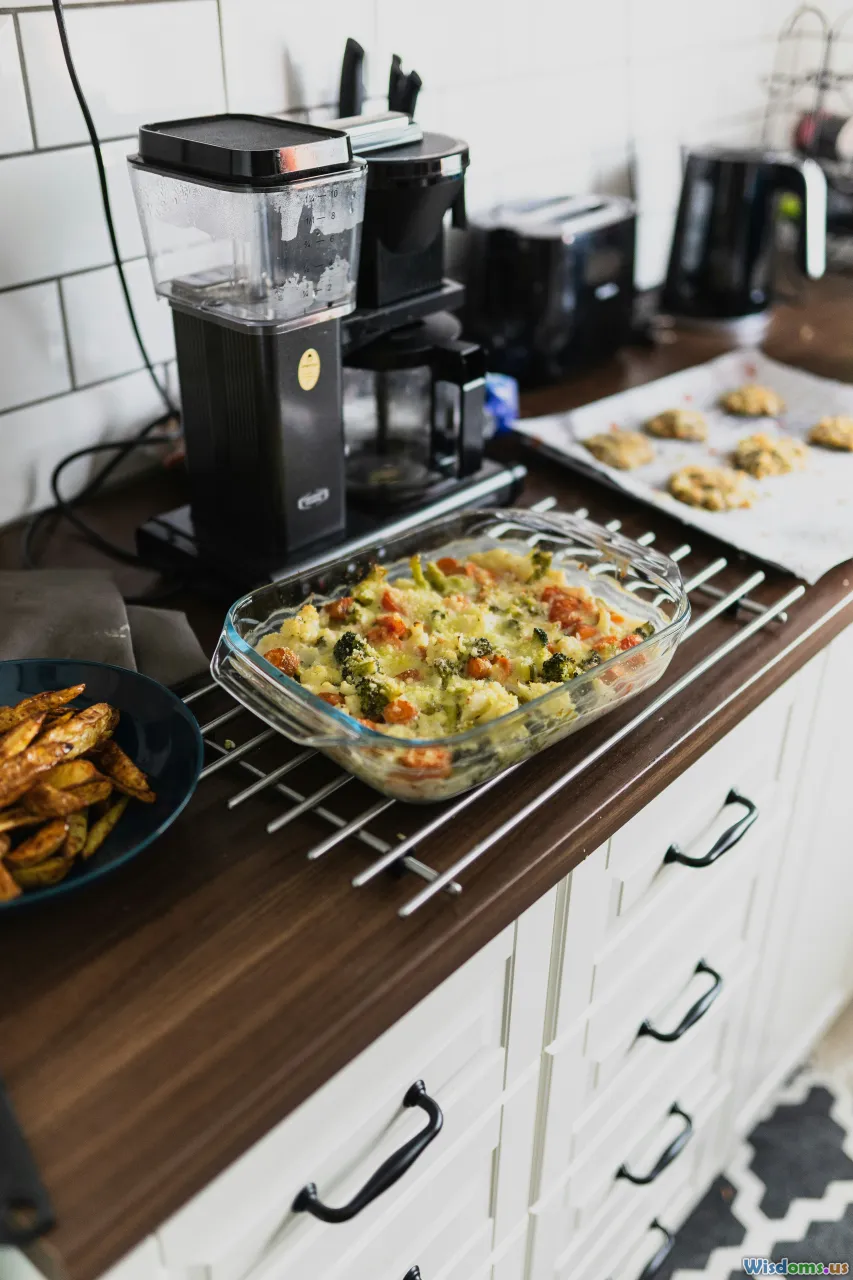
A little weekend prep keeps weeknights simple. In about an hour and a half, you can line up components for multiple meals.
- Cook 1–2 batches of grains: Make 6–8 cups cooked rice and chill for stir-fries and curries. Freeze half in flat bags for faster thawing.
- Cook 1 lb lentils: Simmer until tender, drain, and store. You’ll split this between a bolognese and a shepherd’s pie.
- Roast a tray of vegetables: Cube 2 lb potatoes or sweet potatoes, plus sliced carrots and onions. Toss with oil, salt, pepper, and smoked paprika. Roast at 425°F (220°C) for 25–30 minutes. These can star in Monday’s skillet and Sunday’s couscous.
- Make two sauces: A quick tomato base (onion, garlic, canned tomatoes, oregano) for bolognese; and a peanut-ginger sauce (peanut butter, soy sauce, ginger, garlic, a touch of sugar, water to thin) for stir-fry.
- Quick-pickle onions: Thinly slice 1 onion. Cover with a mixture of 1/2 cup vinegar, 1/2 cup hot water, 1 tsp sugar, 1/2 tsp salt. Chill. Adds zip to tacos and bowls.
Label containers and note what’s for which day to prevent “mystery box” syndrome.
Monday – Smoky Chickpea Potato Skillet

A one-pan, hearty start to the week that eats like comfort food.
Serves: 4
You’ll need:
- 2 tbsp olive oil
- 1 large onion, chopped
- 2 cloves garlic, minced
- 1.5 lb potatoes, cubed (use your roasted batch to save time or raw if you didn’t prep)
- 1 can chickpeas, drained and rinsed (or 1.5 cups cooked)
- 1 tsp smoked paprika, 1 tsp cumin, 1/2 tsp chili powder
- 1/2 cup crushed tomatoes (from a can)
- 1/2 cup vegetable broth (or water)
- Salt and black pepper to taste
- Optional: chopped parsley or cilantro, lemon wedge
Steps:
- Heat oil in a large skillet over medium. Sauté onion 5 minutes until translucent; add garlic for 30 seconds.
- Add potatoes, spices, salt, and pepper. If using raw potatoes, cook 5–7 minutes to brown. If pre-roasted, just warm through.
- Stir in chickpeas, tomatoes, and broth. Cover and simmer 8–12 minutes (less if potatoes are pre-cooked), adding splashes of water as needed until saucy and tender.
- Finish with herbs and a squeeze of lemon.
Time: 20–30 minutes
Cost estimate: $0.90–$1.40 per serving, assuming low-cost potatoes and store-brand tomatoes.
Make it yours:
- Add spinach in the last 2 minutes.
- For heat, add crushed red pepper.
- Spoon over rice for bigger appetites.
Why it works: The starch + legume combo provides steady energy and complete protein variety over the week. Smoked paprika brings depth that feels “meaty” without costly ingredients.
Tuesday – Lentil Bolognese with Whole-Wheat Spaghetti
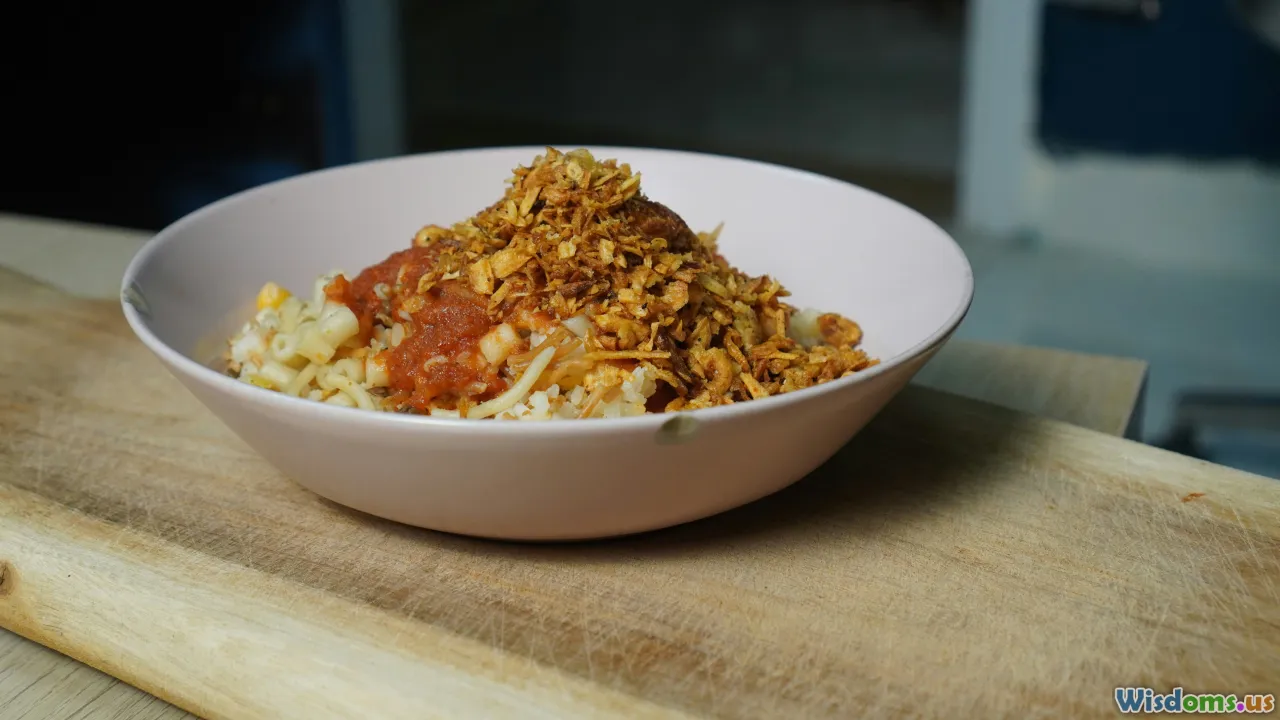
This bolognese is rich from slow-simmered tomatoes and umami from onions, carrots, and a hint of soy sauce.
Serves: 4–6
You’ll need:
- 2 tbsp olive oil
- 1 onion, finely chopped
- 1–2 carrots, finely chopped
- 2 cloves garlic, minced
- 2 cups cooked green/brown lentils (about 3/4 cup dry cooked)
- 1 can (28 oz) crushed tomatoes
- 1 tsp dried oregano, 1/2 tsp black pepper
- 1–2 tsp soy sauce or tamari (optional but excellent)
- Salt to taste
- 12 oz whole-wheat spaghetti (or any pasta)
Steps:
- Heat oil in a pot over medium. Sauté onion and carrot with a pinch of salt until soft and lightly golden, 8–10 minutes. Add garlic for 30 seconds.
- Stir in lentils, tomatoes, oregano, pepper, and soy sauce. Simmer 15–20 minutes, partially covered, until thick and glossy. Adjust seasoning.
- Cook pasta in salted water; reserve 1/2 cup pasta water. Toss pasta with sauce, adding splashes of pasta water to help it cling.
Time: 30–35 minutes
Cost estimate: $1.10–$1.70 per serving. Lentils stretch tomatoes beautifully, and whole-wheat pasta adds fiber.
Upgrades and swaps:
- Add a splash of balsamic or a pinch of sugar if tomatoes taste sharp.
- Stir in chopped mushrooms if affordable.
- Gluten-free pasta works well if needed.
Leftover tip: Spoon leftover sauce over baked potatoes or polenta later in the week.
Wednesday – Peanut-Ginger Veggie Stir-Fry
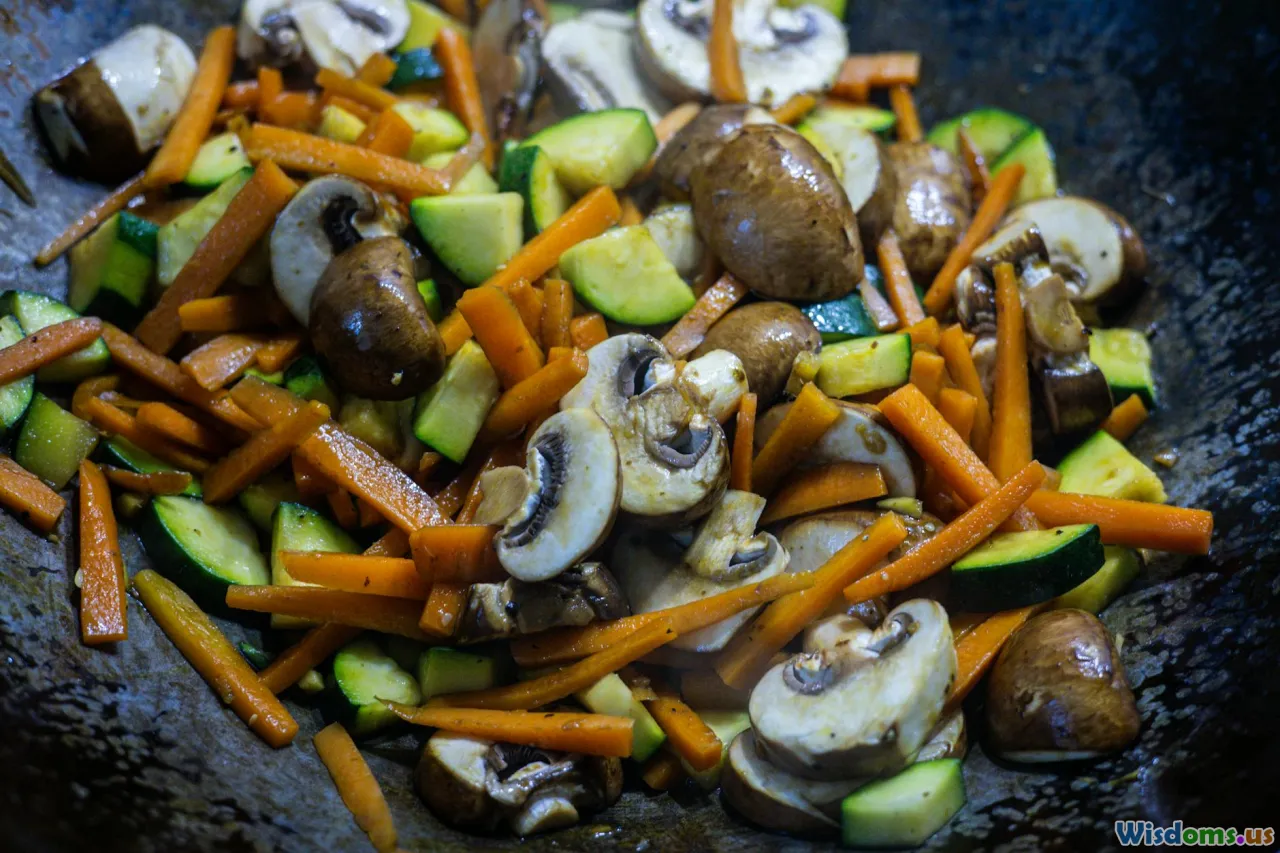
Fast, colorful, and flexible. Use any vegetables on hand; frozen mixes are perfect.
Serves: 4
You’ll need:
- 2 tbsp oil (high-heat preferred)
- 1 onion, sliced
- 2 bell peppers, sliced
- 2 cups mixed vegetables (broccoli, carrots, cabbage, frozen peas/corn—whatever’s available)
- 3 cups cooked rice (day-old is ideal)
- 2–3 tbsp soy sauce
- Optional protein: 1 block firm tofu, pressed and cubed
Peanut-ginger sauce:
- 1/3 cup peanut butter
- 1–2 tbsp soy sauce
- 1 tsp sugar or maple syrup
- 1 tsp grated ginger (or 1/2 tsp ground)
- 1 clove garlic, minced
- Juice of 1/2 lime or 1 tsp vinegar
- Warm water to thin (start with 1/4 cup)
Steps:
- Whisk sauce ingredients with enough water to make it pourable.
- Heat oil in a large skillet or wok. If using tofu, brown it first on all sides, remove, and set aside.
- Stir-fry onion and peppers 3–4 minutes. Add remaining vegetables and cook until crisp-tender.
- Add rice and soy sauce; toss until hot. Return tofu (if using), then drizzle in peanut sauce. Toss to coat and warm through.
Time: 20–25 minutes (thanks to pre-cooked rice)
Cost estimate: $1.20–$1.90 per serving, varying with tofu and produce choice.
Make it nut-free: Use sunflower seed butter or tahini.
Balance and bite: Acid from lime and a pinch of chili flakes keep the sauce lively; cabbage or carrots add crunch without cost.
Thursday – Black Bean and Corn Tacos with Cabbage Slaw
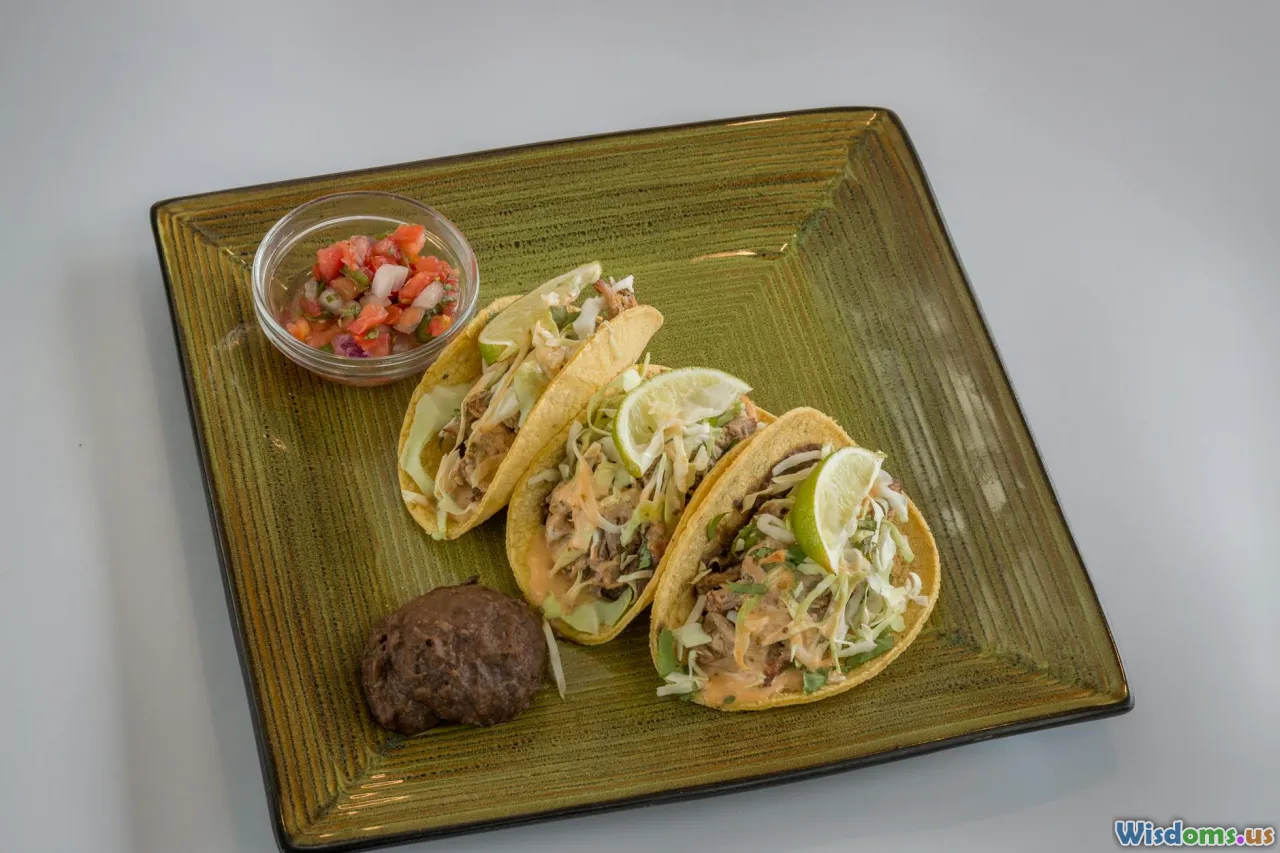
Tacos deliver maximum satisfaction per dollar, especially when filled with well-seasoned beans and a bright, crunchy slaw.
Serves: 4
You’ll need:
- 8–12 small tortillas
- 2 cans black beans, drained and rinsed (or 3 cups cooked)
- 1 cup frozen corn
- 1 small onion, chopped
- 2 cloves garlic, minced
- 1 tsp cumin, 1 tsp chili powder, 1/2 tsp smoked paprika
- 1/2 cup canned tomato sauce or crushed tomatoes
- 1/2 head cabbage, finely shredded
- Juice of 1 lime (or 2 tbsp vinegar)
- 1 tbsp oil
- Salt, pepper, pinch of sugar
- Optional: cilantro, pickled onions, hot sauce
Steps:
- Slaw first: Toss cabbage with lime juice, a pinch of salt and sugar. Let stand to soften.
- Heat oil in a skillet. Sauté onion until soft; add garlic and spices for 30 seconds.
- Stir in beans, corn, and tomato sauce. Cook 5–7 minutes until thick and saucy. Season to taste.
- Warm tortillas in a dry skillet or oven. Fill with beans, top with slaw and extras.
Time: 20 minutes
Cost estimate: $0.90–$1.50 per serving. Cabbage is among the most economical vegetables and keeps well all week.
Stretch it:
- Add roasted sweet potato cubes for a hearty variation.
- Turn leftovers into a taco salad over rice.
Friday – Creamy Tomato Coconut Chickpea Curry
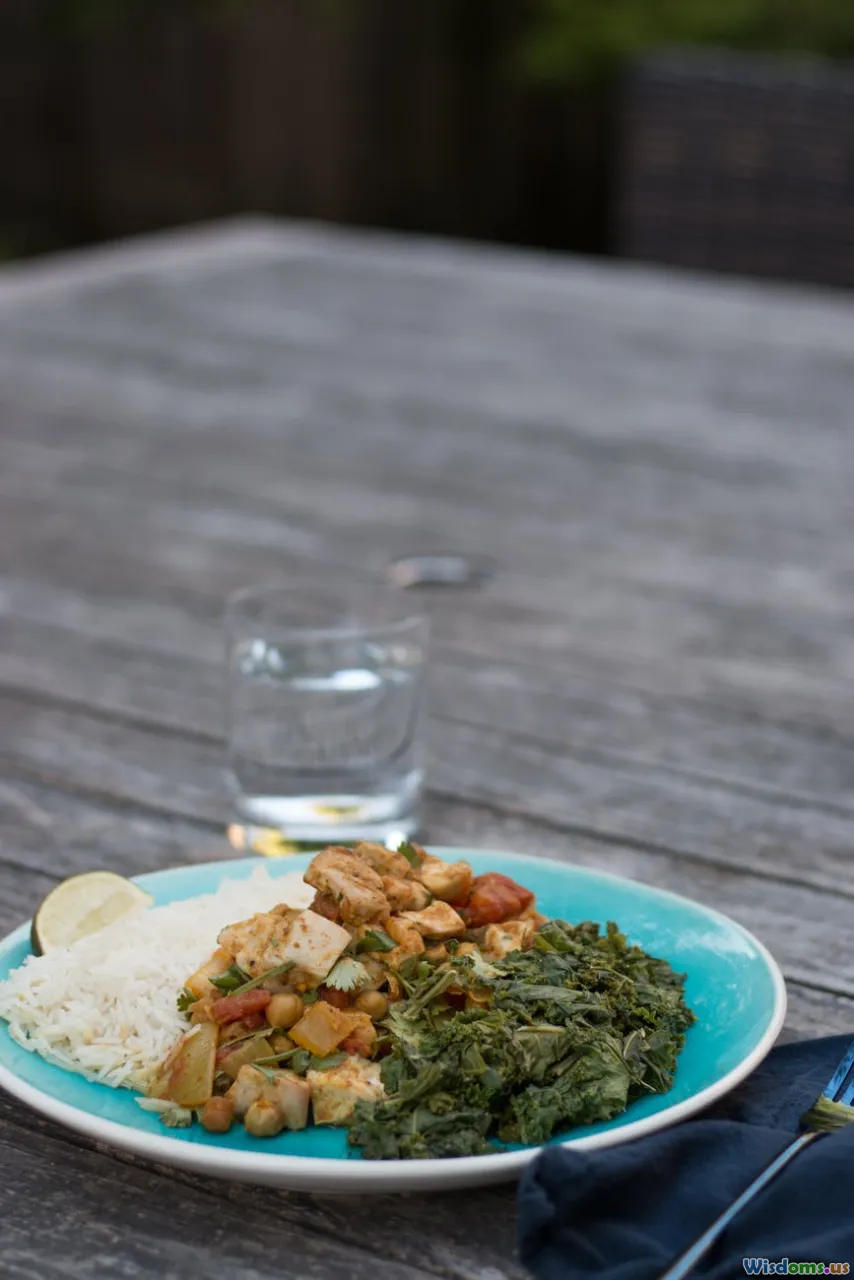
A pantry-friendly curry with a velvety sauce and minimal chopping.
Serves: 4–6
You’ll need:
- 1–2 tbsp oil
- 1 onion, diced
- 2 cloves garlic, minced
- 1 tbsp curry powder or 2 tsp garam masala + 1 tsp turmeric
- 1 can (28 oz) crushed tomatoes
- 1 can coconut milk
- 2 cans chickpeas, drained and rinsed (or ~3 cups cooked)
- 3–4 cups cooked rice, for serving
- Salt, pepper, pinch of sugar (as needed)
- Optional: spinach (stir in at the end)
Steps:
- In a pot, sauté onion in oil with a pinch of salt until translucent. Add garlic and spices; cook 30 seconds until fragrant.
- Stir in tomatoes and coconut milk. Simmer 10 minutes to meld.
- Add chickpeas and simmer 5–10 more minutes. Season with salt and pepper; a small pinch of sugar can balance acidity.
- Fold in a few handfuls of spinach until wilted. Serve over rice.
Time: 25–30 minutes
Cost estimate: $1.20–$1.80 per serving. Chickpeas and canned tomatoes are pantry superstars; coconut milk adds richness without pricey ingredients.
Smart swap: If coconut milk is expensive, use 1 cup plant milk plus 1–2 tbsp peanut butter or tahini for creaminess.
Saturday – Mushroom-Lentil Shepherd’s Pie

Classic comfort on a budget, with a savory lentil-mushroom filling and a cloud of mashed potatoes on top.
Serves: 6
You’ll need:
- 2 lb potatoes, peeled and chunked
- 2–3 tbsp olive oil or vegan butter
- Splash of plant milk, salt, pepper
- 1 tbsp oil
- 1 onion, diced
- 2 carrots, diced
- 8 oz mushrooms, chopped (optional; boost umami; sub extra carrots/celery if skipping)
- 2 cloves garlic, minced
- 2 cups cooked green/brown lentils
- 1 cup vegetable broth
- 2 tbsp tomato paste (or 1/2 cup tomato sauce)
- 1 tsp soy sauce (optional)
- 1 tsp dried thyme or oregano
- 1 cup frozen peas
Steps:
- Boil potatoes in salted water until tender; drain. Mash with oil/butter, plant milk, salt, and pepper. Set aside.
- For filling, sauté onion and carrots in oil with a pinch of salt until softened. Add mushrooms and cook off moisture until browned. Stir in garlic for 30 seconds.
- Add lentils, broth, tomato paste, soy sauce, and thyme. Simmer 5 minutes until thick and spoonable. Stir in peas.
- Spread filling in a baking dish; top with mashed potatoes. Drag a fork across to create ridges.
- Bake at 400°F (205°C) for 20–25 minutes until the top lightly browns. Broil 1–2 minutes if you like extra color.
Time: 50–60 minutes (hands-on mostly in the first half)
Cost estimate: $1.30–$2.10 per serving, lower without mushrooms. It’s filling and ideal for leftovers.
Make-ahead note: Assemble in the morning, bake at dinner. Casseroles hold well and reduce takeout temptation.
Sunday – Roasted Veggie Couscous with Lemon-Herb Drizzle
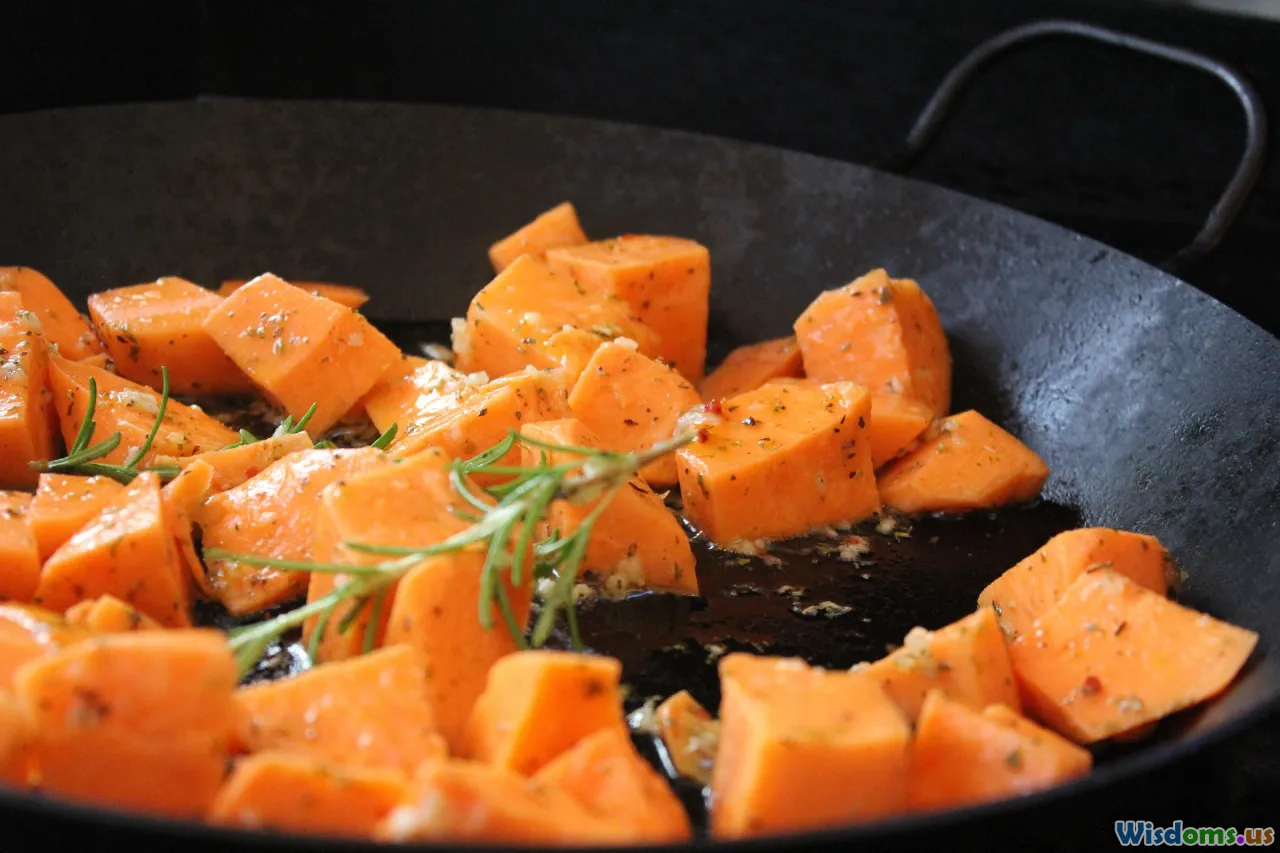
A bright finish to the week that uses whatever roasted vegetables and herbs you have left.
Serves: 4
You’ll need:
- 3–4 cups mixed roasted vegetables (potatoes, carrots, onions, peppers, mushrooms)
- 1.5 cups couscous (or bulgur)
- 1.75 cups boiling water or broth
- 1–2 tbsp olive oil
- Salt and pepper
Lemon-herb drizzle:
- Juice and zest of 1 lemon (or 2–3 tbsp vinegar)
- 2 tbsp olive oil
- Small handful chopped parsley or cilantro
- 1 small garlic clove, grated (optional)
- Pinch of salt and sugar
Steps:
- Toss roasted vegetables on a sheet pan; warm in a 375°F (190°C) oven for 10 minutes.
- In a bowl, combine couscous and a pinch of salt. Pour over boiling water or broth, cover, and let steam 5–10 minutes; fluff with a fork and drizzle with a little olive oil.
- Whisk drizzle ingredients until emulsified.
- Serve couscous topped with warm veggies and lemon-herb drizzle. Add chickpeas if you need extra protein or have a can handy.
Time: 15–20 minutes (thanks to pre-roasted veg)
Cost estimate: $0.90–$1.40 per serving, depending on herb and lemon prices.
Quick alternative: If you’re out of couscous, serve over rice or toss warm veggies with cooked pasta.
Smart Substitutions, Allergies, and Pantry Swaps
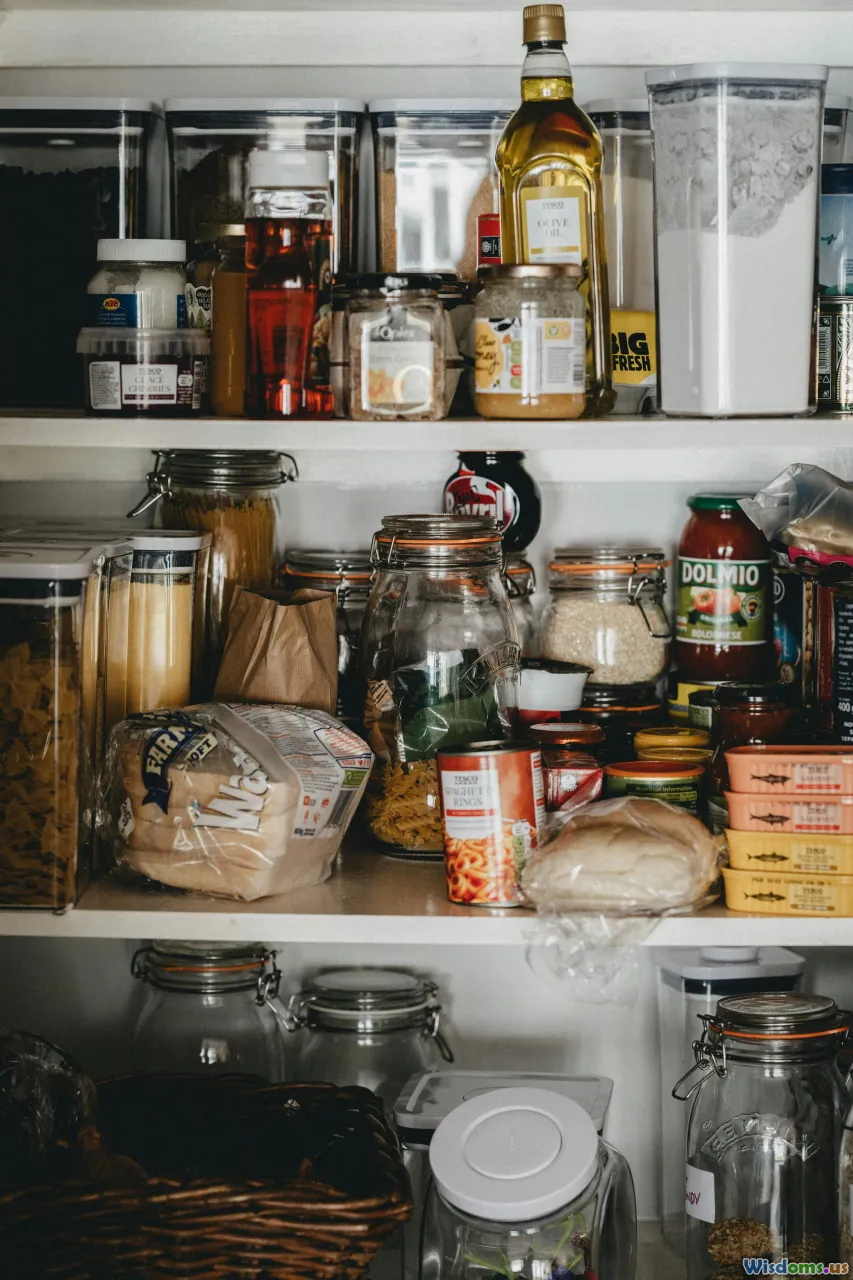
Budget cooking rewards flexibility. Use these substitution rules to keep meals affordable and allergy-friendly:
- Protein swaps: Chickpeas ↔ black beans ↔ white beans ↔ lentils. Keep texture in mind: lentils work well in sauces and pies; chickpeas hold their shape in curries and skillets.
- Grain swaps: Rice ↔ couscous ↔ bulgur ↔ barley ↔ quinoa (pricier). Choose what’s cheapest; plan cook times accordingly.
- Greens: Spinach ↔ kale ↔ cabbage. Cabbage is often cheapest and holds crunch in stir-fries and tacos.
- Creaminess: Coconut milk ↔ plant milk + 1–2 tbsp peanut butter or tahini. For a tomato cream sauce, blend 1/2 cup soaked cashews if affordable.
- Gluten-free: Use GF pasta, corn tortillas, and tamari instead of soy sauce. Choose rice or potatoes over couscous.
- Nightshade sensitivity: Replace tomatoes with pumpkin or pureed carrots plus broth and acid (lemon/vinegar) for tang.
Price-aware upgrades:
- Add a small amount of mushrooms, sun-dried tomatoes, or miso to boost umami in lentil dishes.
- A squeeze of citrus or splash of vinegar at the end brightens any budget meal.
Save More: Shopping Tactics That Matter

- Compare unit prices: Check cost per ounce or per pound, not just sticker price. Bigger isn’t always cheaper, but often is for staples you use weekly.
- Buy in bulk when it’s a true staple: Dried beans, rice, oats, and spices last a long time when stored cool and dry.
- Frozen is your friend: Frozen peas, corn, and broccoli are typically harvested at peak ripeness, retain nutrients well, and reduce waste.
- Store brands: Often identical ingredients for less. Start with canned tomatoes, coconut milk, beans, and pasta.
- Plan around sales: If sweet potatoes are on sale, slot them into Monday’s skillet or Thursday’s tacos.
- Spice strategy: Whole spices (cumin seeds, peppercorns) last longer and can be toasted to unlock flavor. But even basic ground spices turn simple ingredients into craveable dinners.
- Reduce waste: Choose one herb bunch for the week (cilantro or parsley) and use stems in sauces and sautés.
Storage, Reheating, and Leftover Remixes

Handle leftovers like planned assets, not accidents.
Storage basics:
- Cool food before sealing to avoid condensation.
- Refrigerate within 2 hours; most cooked dishes keep 3–4 days.
- Freeze grains, beans, and sauces in flat bags (label and date) for quick thawing.
Reheating tips:
- Stovetop: Add a splash of water or broth to re-loosen sauces and prevent sticking.
- Oven: Casseroles and pies reheat well at 325–350°F covered with foil.
- Microwave: Heat in intervals, stirring to distribute heat evenly.
Leftover remixes:
- Lentil bolognese → Stuffed baked potatoes or sloppy lentil sandwiches.
- Curry → Simmer with extra broth into a soup; add noodles for a quick laksa-inspired bowl.
- Stir-fry → Fried rice the next day with an extra splash of soy sauce and a dash of sesame oil (if you have it).
- Tacos → Turn into a burrito bowl over rice with extra slaw.
- Chickpea skillet → Mash slightly and use as a filling for wraps with greens.
Budget Nutrition: Hitting Protein, Fiber, and Micronutrients
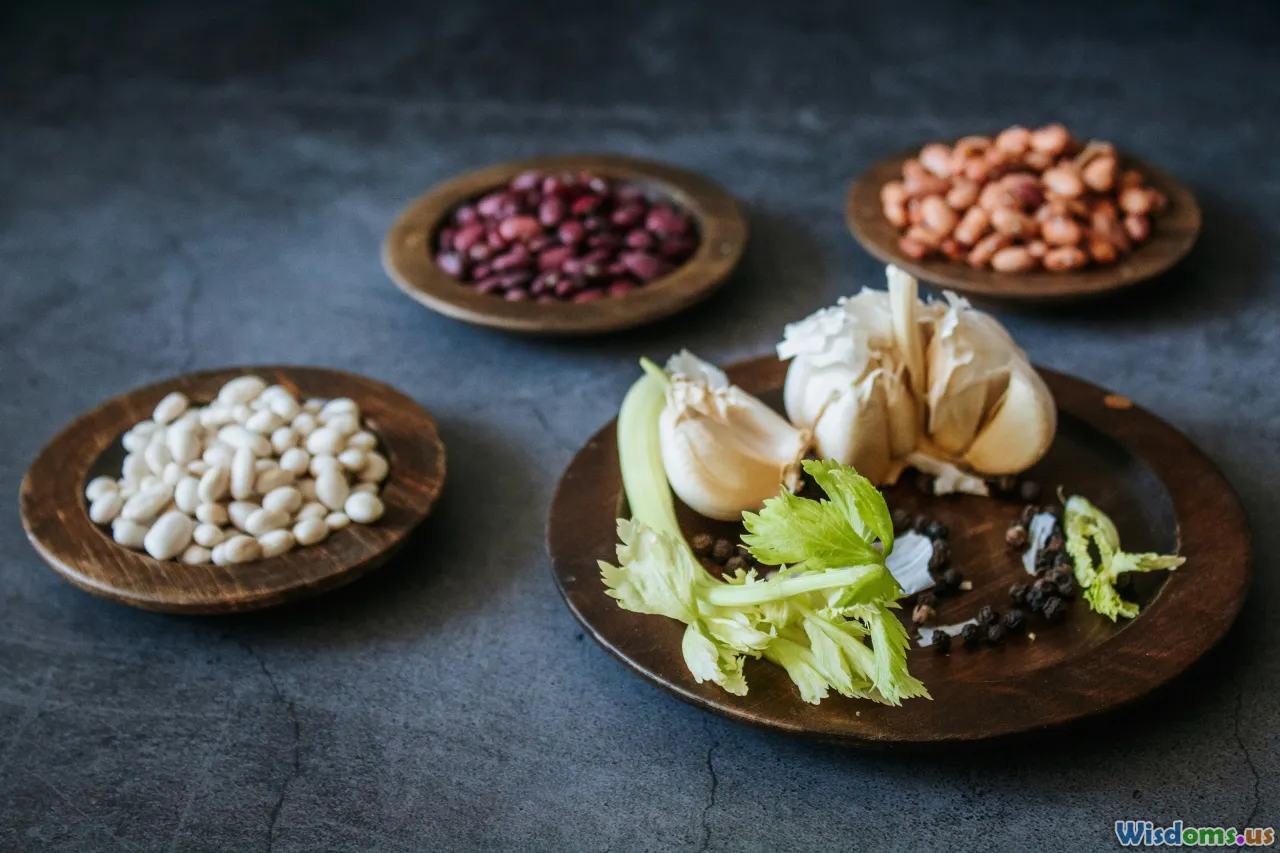
- Protein: Legumes (lentils, chickpeas, black beans, tofu) provide 7–15 grams per serving. Spreading them across the week ensures adequate intake.
- Fiber: Whole grains, beans, and vegetables keep meals satisfying; aim for a mix daily. Budget-friendly all-stars include oats, whole-wheat pasta, lentils, and cabbage.
- Iron and zinc: Lentils, chickpeas, and fortified grains help. Add vitamin C (lemon, peppers, tomatoes) to enhance iron absorption.
- Omega-3s: If possible, keep chia or ground flax on hand and sprinkle 1–2 teaspoons on bowls or into sauces a few times a week.
- Sodium awareness: Canned goods can be salty. Drain and rinse beans; adjust added salt and use low-sodium broth when possible.
Balanced plate example using this plan:
- Friday curry over rice with spinach checks protein (chickpeas), carbs (rice), healthy fats (coconut/peanut), and micronutrients (tomatoes/spinach). Add a lemon wedge for brightness and iron absorption.
Wrapping Up the Week
This seven-day plan proves that budget-friendly vegan dinners can be deeply satisfying, colorful, and efficient. By leaning on a few core techniques—batch-cooking, strategic seasoning, and smart substitutions—you’ll spend more time enjoying meals and less time wondering what’s for dinner. Use the framework to swap in seasonal produce, let sales guide your proteins and grains, and keep two sauces in rotation to change up the flavor profile quickly. With these habits, you can repeat the week with new variations and still look forward to dinner every night.
Rate the Post
User Reviews
Other posts in Plant-Based Diets




Popular Posts