Are Electric Bullet Trains Truly Green Transportation
29 min read A data-backed look at whether electric bullet trains are truly green, comparing lifecycle emissions, grid mix, and alternatives like cars and short-haul flights using examples from Japan, France, and China. (0 Reviews)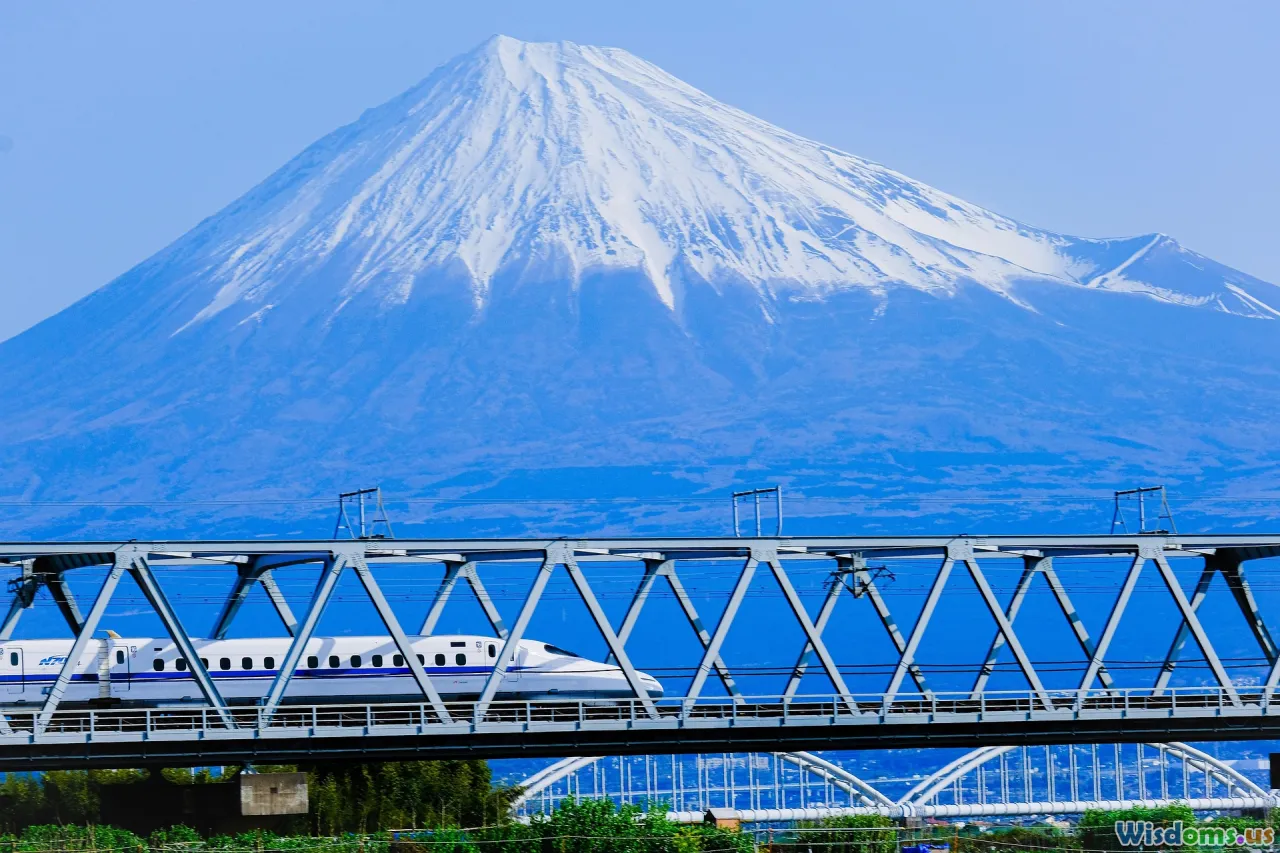
The first time you stand on a platform as a bullet train glides in, the experience feels like the future arriving on rails—silent, swift, almost improbable. But in an age that demands climate realism, performance alone is not enough. The central question is harder: are electric bullet trains truly green transportation, or do their steel-and-concrete footprints overshadow the promise of clean motion?
What “green” really means for a train

“Green” cannot be judged by the electricity powering a train on the day you ride it. To assess environmental performance, you need a full life-cycle view—everything from the materials used to build tracks and tunnels, to the energy consumed in operation, to maintenance and end-of-life impacts.
Three scopes matter for electric high-speed rail (HSR):
- Construction: Emissions from producing concrete and steel, earthworks, tunneling, viaducts, stations, depots, signaling, and catenary systems. These are “front-loaded” emissions.
- Operation: Electricity used per passenger-kilometer, plus emissions from maintenance-of-way, replacement parts, and staff travel.
- Indirect effects: How the line shifts travelers from cars and planes, changes land use, affects noise and biodiversity, and induces new trips.
A realistic answer to “Is it green?” depends on where, how, and how well the system runs. The same train set can be climate champion in one country and underperformer in another, depending on grid mix, load factors, and construction approach.
The physics of why trains can be efficient
Bullet trains benefit from physics in ways cars and planes struggle to match:
- Steel wheel on steel rail has extremely low rolling resistance compared to rubber tires on asphalt.
- Long, articulated trainsets offer excellent aerodynamics per seat; a streamlined nose and uninterrupted body mean lower drag than a convoy of cars.
- Regenerative braking returns energy to the grid or onboard systems rather than turning it all into heat.
But physics cuts both ways. At very high speeds, aerodynamic drag dominates, and power demand rises roughly with the cube of speed; energy per kilometer from drag roughly increases with the square. Pushing from 250 km/h to 320 km/h delivers modest time savings at a significant energy penalty.
Approximate energy intensities, when trains are reasonably full, help provide a sense of scale:
- Electric high-speed rail: about 0.03–0.08 kWh per passenger-km, depending on speed, train design, and load factor.
- Short-haul jets: roughly 0.10–0.20 kWh per passenger-km, depending on aircraft, routing, and load.
- Cars (internal combustion), typical occupancy 1.5: around 0.17–0.25 kWh per passenger-km.
- Electric cars, typical occupancy 1.5: roughly 0.07–0.12 kWh per passenger-km.
When powered by low-carbon electricity and filled at healthy load factors, bullet trains routinely beat planes and cars on operational energy. The keystone is occupancy and the speed regime chosen.
The carbon math: construction vs operation
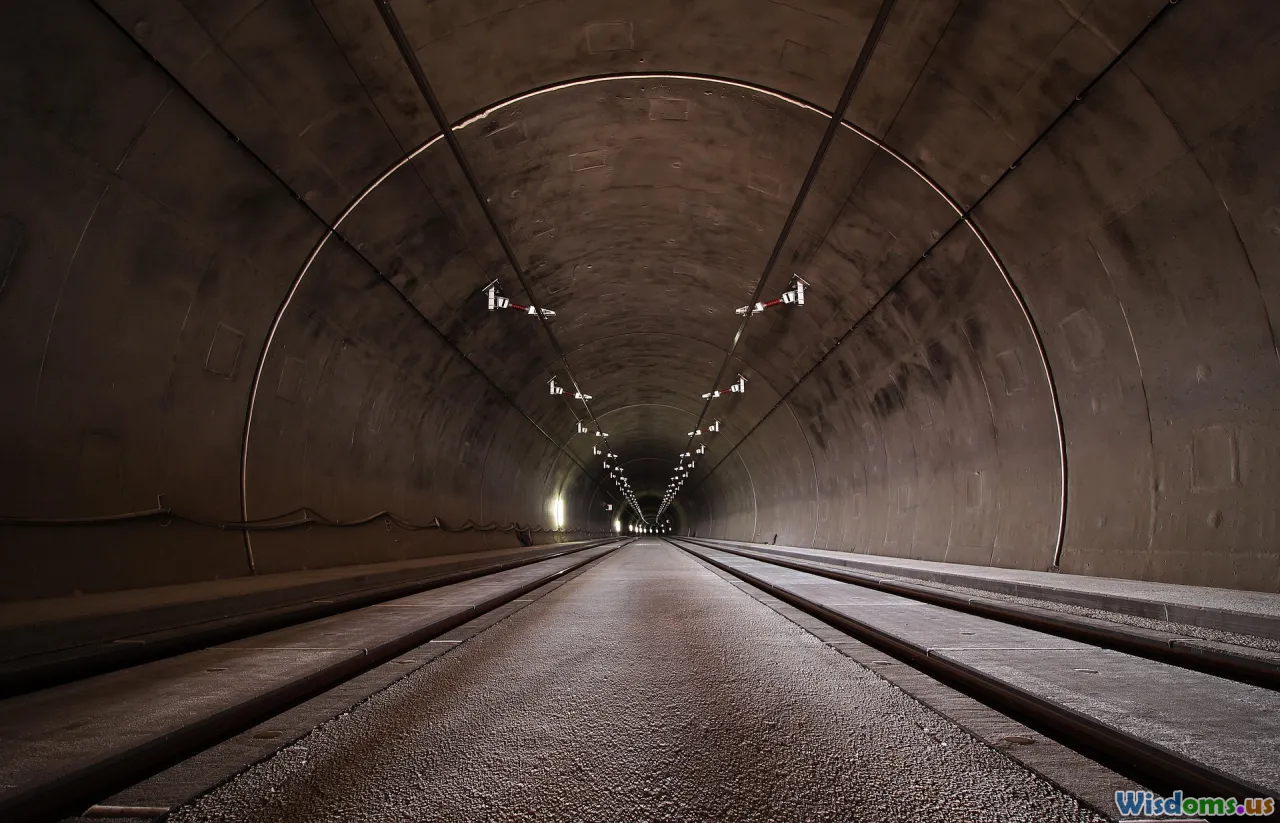
High-speed rail requires heavy infrastructure. Tunnels and viaducts are particularly carbon-intensive because cement and steel are energy-hungry to produce.
A simplified breakdown helps:
- Track, viaducts, and tunnels: The embodied emissions can range widely—from a few thousand to tens of thousands of tonnes of CO2e per kilometer—depending on terrain and design. A flat, largely at-grade corridor with modest bridges may be an order of magnitude lighter than a mountainous route with long tunnels.
- Stations and depots: Significant, but typically smaller than the right-of-way works.
- Rolling stock manufacturing: Each trainset can account for a few thousand tonnes of CO2e, spread over decades of service and millions of passenger-kilometers.
How does that amortize per passenger-kilometer? Consider two plausible scenarios for a 500 km line:
- High-demand corridor with tempered civil works: Suppose 6 million tonnes of CO2e to build, 20 billion passenger-km per year, and a 30-year analysis period. Total pkm = 600 billion. Construction adds about 10 gCO2e/pkm.
- Challenging terrain with heavy tunneling: Suppose 10 million tonnes of CO2e to build, 12 billion passenger-km per year, and 30 years. Total pkm = 360 billion. Construction adds about 28 gCO2e/pkm.
Add operation:
- If a train consumes 0.05 kWh/pkm and the grid intensity is 50 gCO2/kWh, operational emissions are about 2.5 gCO2e/pkm.
- If the grid intensity is 600 gCO2/kWh, the same train emits 30 gCO2e/pkm.
Total life-cycle emissions might therefore range from under 15 gCO2e/pkm in a low-carbon grid and high-demand build, to 60 gCO2e/pkm or more in a coal-heavy grid with a tunneling-heavy line and lower ridership. These are still often favorable compared to short-haul flying (commonly 90–200 gCO2e/pkm life-cycle) and typical single-occupancy car travel. However, against efficient coaches or high-occupancy EVs on a decarbonized grid, the margin narrows—precisely why planning assumptions matter.
Electricity mix: the lever that changes everything
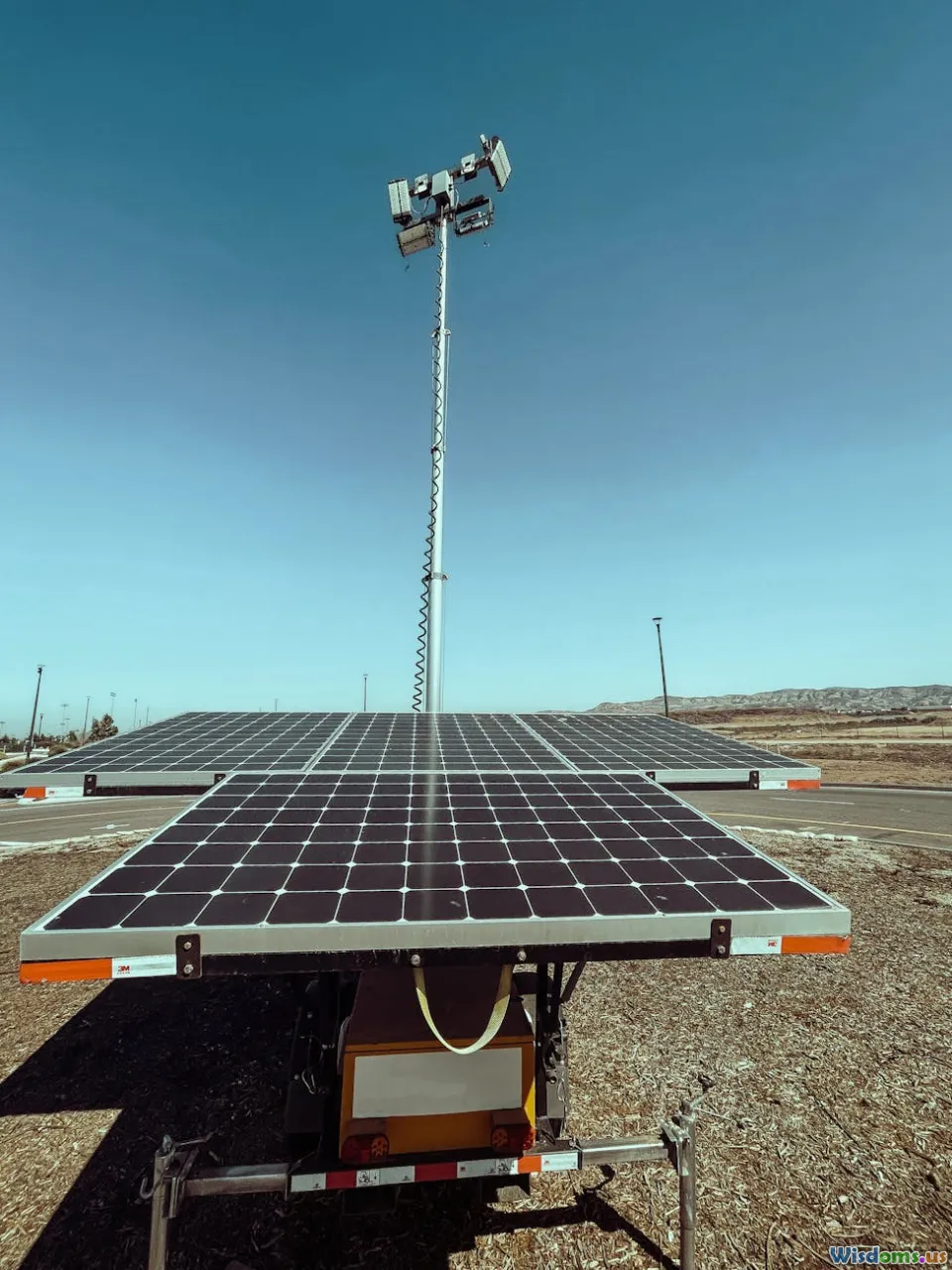
The greenness of an electric train’s operations hinges on the carbon intensity of the electricity it draws. Two identical trains can have radically different footprints if one runs on low-carbon power and the other on coal-heavy electricity.
A simple operational formula is useful:
- Operational gCO2e/pkm ≈ energy_intensity_kWh_per_pkm × grid_intensity_gCO2_per_kWh.
Examples:
- France- or Norway-like grids (often under 100 gCO2/kWh): At 0.05 kWh/pkm, that is roughly 2.5–5 gCO2e/pkm operational.
- Mixed grids in transition (200–400 gCO2/kWh): Now 10–20 gCO2e/pkm operational.
- Coal-heavy grids (600–800 gCO2/kWh): 30–40 gCO2e/pkm operational.
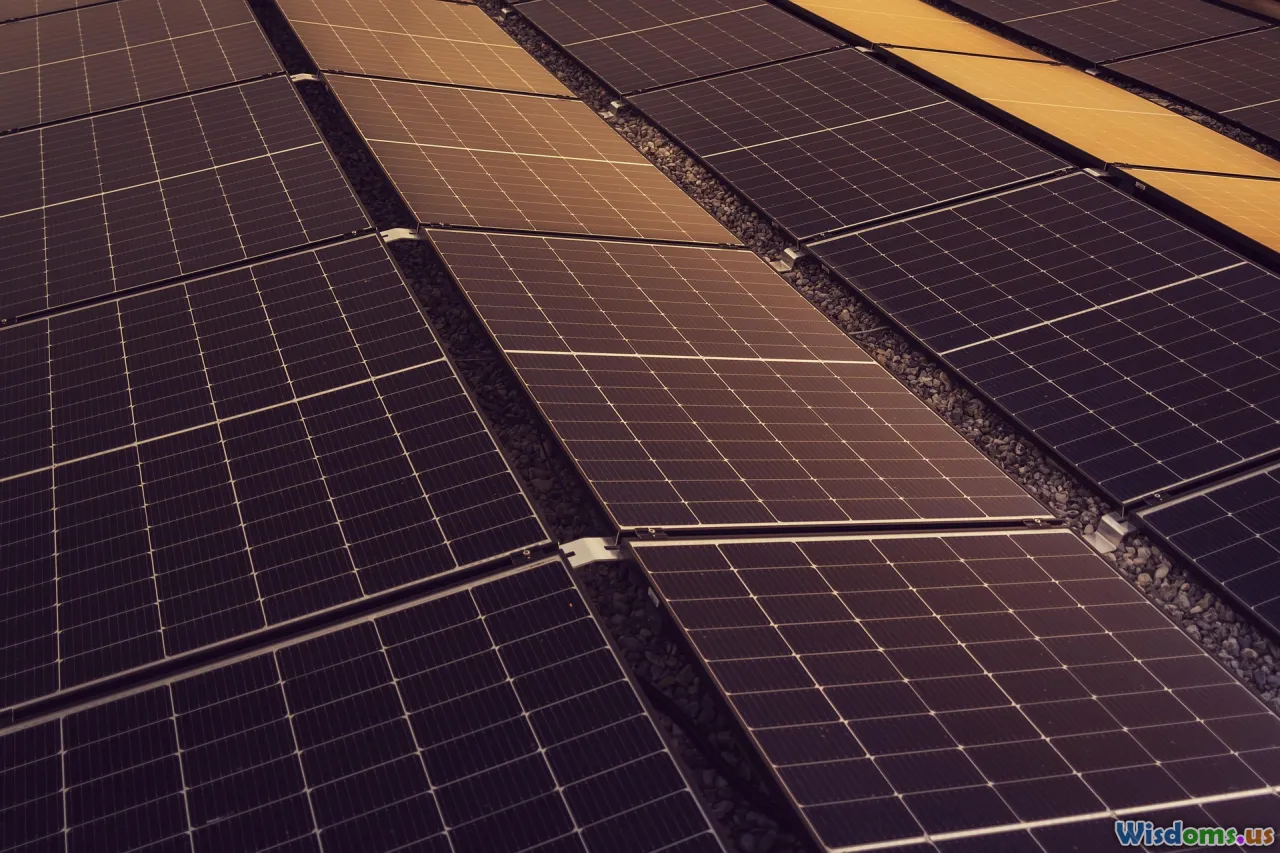
Importantly, bullets trains can secure long-term power purchase agreements (PPAs) from wind and solar farms, or purchase guarantees of origin, reducing operational emissions faster than the grid average. Some systems integrate trackside solar or station rooftops, but traction demand typically requires utility-scale power. Because the energy draw is predictable and steady over decades, HSR operators are attractive counterparties for renewable projects.
The competition: planes, cars, and buses

High-speed rail’s clearest climate win is against short-haul flights and single-occupancy car trips in congested corridors. The sweet spot is roughly 200–1,000 km:
- Under 200 km, conventional electrified rail or intercity buses can be very competitive and cheaper to build.
- Between 200 and 1,000 km, HSR’s station-to-station time plus city-center access typically beats the airport treadmill of check-in, security, taxiing, and transfers.
- Over 1,000–1,200 km, long flights start to regain advantage unless a sleeper HSR option exists.
Real-world shifts:
- Madrid–Barcelona: After the AVE service launched, air’s market share reportedly fell from around 85% to roughly 20% within a few years, with trains capturing the majority of trips and achieving high load factors—exactly the conditions that slash per-passenger emissions.
- Paris–Lyon: The TGV’s frequent, fast service dramatically reduced flights and spurred rail-air codeshares where the train replaces feeder flights. Operational emissions are low due to France’s low-carbon grid.
- Tokyo–Osaka: The Shinkansen dominates the corridor; only specific niches (e.g., through-connections) hold for air.
- Beijing–Shanghai: High-speed service captured a large share of the market, cutting air’s dominance; load factors remain strong due to massive demand.
Cars are trickier because they are flexible and personal. Yet in large corridors, thousands of car trips can be consolidated into a handful of trains per hour. If HSR is powered by clean electricity and stations are well integrated with local transit, the environmental advantage grows—but if most riders drive long distances to suburban stations, some benefits leak away. Intercity coaches can be very efficient; in corridors with modest demand, investing in electric coaches and rail upgrades may deliver better returns than a new HSR line.
Speed, load factor, and the energy/quality trade-off

Operators face a delicate triad: speed, frequency, and occupancy.
- Speed: Pushing beyond 300–320 km/h yields diminishing travel-time returns but disproportionately higher energy use because aerodynamic drag rises quickly. Many operators target around 250–300 km/h as an efficiency sweet spot.
- Frequency: More trains reduce wait times and attract riders but can lower average load factors if demand is spread thin. The most energy-efficient train is the one that is adequately full.
- Occupancy: Load factor is the master lever. A half-empty train can nearly double operational energy per passenger-km compared to a full one.
Actionable strategies:
- Use dynamic pricing to raise load on off-peak services.
- Employ flexible train consists: splitting or joining trainsets to match demand across branches.
- Use advanced timetabling and demand forecasting to avoid running too many near-empty trains.
- Optimize top speeds to corridor demand—selling reliability and comfort, not just headline velocity.
Where bullet trains stumble on sustainability
High-speed rail is not automatically green. Pitfalls include:
- Overbuilding in low-demand corridors: Spreading capital and operational costs over thin ridership keeps the amortized emissions per passenger high.
- Tunneling addiction: Long tunnels and extensive viaducts can multiply construction emissions. In mountainous terrain, consider alignments that balance speed and topography, or staged upgrades to existing lines.
- Carbon-heavy grid: Launching before the grid decarbonizes and without renewable PPAs locks in higher operational emissions.
- Excessive top speeds: Designing for 350+ km/h everywhere can drive up energy use, noise, and maintenance costs without commensurate ridership gains.
- Poor integration: Stations far from city centers, weak transit connections, and high parking dependence can push travelers back to cars or planes.
Alternatives to consider when HSR is marginal:
- Upgrade existing rail with targeted passing loops, electrification, and straightening curves for 160–220 km/h service.
- Invest in electric coach networks and dedicated bus lanes on congested approaches.
- Night trains connecting 800–1,500 km pairs, particularly where cross-border aviation dominates.
Biodiversity, land use, and noise: impacts beyond carbon

A green transportation system considers nature as a stakeholder:
- Habitat fragmentation: Rail corridors create linear barriers. Wildlife overpasses and underpasses, fencing designs that guide animals to crossings, and habitat restoration along rights-of-way can reduce harm.
- Water and soils: Construction can disturb hydrology. Careful drainage design and sediment management are essential.
- Noise: High speeds bring aerodynamic noise; sound barriers, better pantograph and bogie fairings, and optimized wheel-rail interfaces mitigate impacts.
- Land use efficiency: Compared with highways and airports, rail corridors are compact; central stations concentrate activity and support walkable, transit-oriented development, which reduces long-term transport emissions.
Successful examples often come from systems that plan biodiversity offsets and integrate noise abatement from the outset rather than retrofitting.
Materials and maintenance: getting greener every year

Two material domains dominate HSR’s embodied emissions: steel and cement. Both are decarbonizing:
- Green steel: Technologies like hydrogen-based direct reduction and electric arc furnaces powered by renewables aim to cut steel’s carbon intensity dramatically.
- Low-clinker cements and supplementary cementitious materials: Blends using fly ash, slag, calcined clays, or limestone reduce cement’s footprint.
Design choices matter too:
- Slab track vs ballasted track: Slab track often has higher initial embodied carbon but lower maintenance and longer life, potentially reducing long-run emissions where traffic is heavy. Ballasted track is easier to repair but may require more frequent tamping and renewal.
- Regenerative braking: Modern trainsets harvest kinetic energy; systems that allow deep regeneration back to the grid or into station-area storage boost gains.
- Predictive maintenance: Condition monitoring minimizes unnecessary component replacement and prevents energy-wasting defects (e.g., poor alignments, wheel flats).
The green potential rises over time as supply chains decarbonize—another advantage of long-lived infrastructure that thrives as grids and material industries get cleaner.
Case studies: where HSR proved the climate case
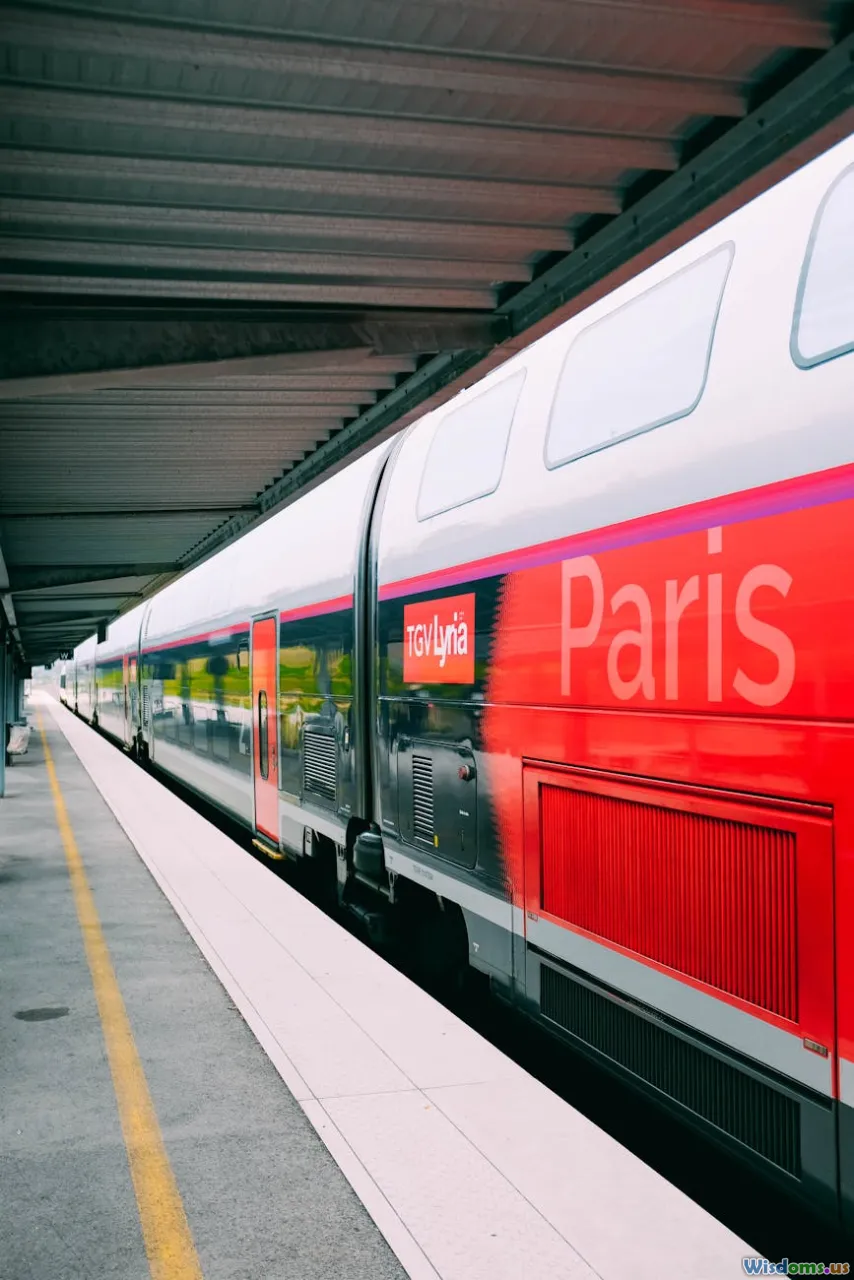
- Japan’s Shinkansen: With high frequencies, punctuality, and load factors, the Shinkansen replaced a major share of domestic air on key corridors. Japan’s grid mix varies, but strong demand and efficient operations keep per-passenger emissions low relative to aviation.
- France’s TGV: Benefiting from low-carbon nuclear-heavy electricity, TGV services often post single-digit gCO2e/pkm operational figures. TGV also restructured travel in corridors such as Paris–Lyon and Paris–Bordeaux, consolidating trips onto rail.
- Spain’s AVE: After AVE connected Madrid and Barcelona with sub-three-hour service, rail seized a majority share, pushing down short-haul flights. Spain’s growing renewables share further improves operational emissions.
- China’s HSR network: The world’s largest, it has dramatically shifted intercity travel from air and highways to rail on many routes. As China’s grid decarbonizes, the climate benefits will compound.
These examples share a theme: strong origin-destination demand, well-placed stations, reliable fast service, and electricity that is decarbonized or rapidly decarbonizing.
When buses or upgraded rail beat brand-new HSR

HSR is a scalpel, not a hammer. In many corridors, cleaner and cheaper strategies make more sense:
- Targeted upgrades: Electrifying existing lines, removing bottlenecks, adding passing loops, and upgrading signaling can cut travel times and emissions at a fraction of HSR’s cost and footprint.
- Coaches and BRT: Electric coaches on prioritized lanes can provide flexible, high-capacity service along highway corridors without massive civil works.
- Timetable and hub improvements: Clever scheduling, through-running at city hubs, and integrated ticketing can unlock network effects that rival new infrastructure.
The greenest solution is the one that achieves mode shift with the least embodied carbon and financial risk.
How to build the greenest bullet train: a practical blueprint
Policymakers can follow a step-by-step approach to tilt the odds toward truly green outcomes:
- Choose the right corridors
- Identify city pairs with 8–12+ million annual trips and severe congestion or slot constraints.
- Prefer alignments that minimize tunneling and long viaducts while still serving central stations.
- Tie operations to clean power
- Secure renewable PPAs matching expected traction demand from day one.
- Invest in substations that can accept and return regenerative power, and explore storage at key nodes.
- Right-size speed and capacity
- Design for 250–300 km/h unless demand and geometry justify higher speeds.
- Plan frequency to hit robust load factors; use demand-responsive train lengths.
- Bake in integration
- Co-locate stations with metro and regional rail, not highways and parking lots.
- Offer through-ticketing and guaranteed connections to local and regional lines.
- Cut embodied carbon from materials
- Specify low-carbon concrete and green steel in procurement contracts.
- Incentivize contractors with carbon performance metrics, not only cost and schedule.
- Design for longevity and maintenance efficiency
- Choose track systems and components that extend maintenance cycles and reduce replacements.
- Install comprehensive monitoring to prevent energy-wasting degradation.
- Price and policy for mode shift
- Use dynamic pricing to fill off-peak trains.
- Coordinate with aviation policy to replace short-haul flights where rail offers competitive or better end-to-end times.
- Protect biodiversity and communities
- Plan wildlife crossings and noise abatement from the earliest design stages.
- Engage local stakeholders to reduce detours and costly compromises late in the process.
Counting correctly: how to read rail emission claims
Look for these elements when evaluating claims about HSR sustainability:
- Functional unit: Emissions per passenger-kilometer, not per train-kilometer.
- Load factor assumption: Are calculations using realistic occupancy for peak, off-peak, and annual averages?
- Boundaries: Are construction and maintenance included, not just electricity during operation?
- Grid assumptions: Is there a pathway to procure renewables or rely on a decarbonizing grid?
- Rebound effects: Is added travel (induced demand) accounted for, and does it replace higher-emission modes?
A transparent study should present ranges, sensitivity analyses, and scenarios, not single-point estimates.
The traveler’s playbook: make your trip greener
- Pick rail for 200–1,000 km trips when a high-speed option exists; your time door-to-door often beats flying.
- Book off-peak or shoulder trains when your schedule is flexible; this helps lift load factors and keeps marginal emissions low.
- Connect by transit, bike, or walking to the station rather than driving alone.
- If comparing options, check whether your operator publishes operational emissions by route; some do, especially in Europe.
- Avoid flying short hops that duplicate HSR; where available, use rail-air combined tickets to replace feeder legs with train segments.
Your choices support system efficiency: a fuller train is a greener train.
Economic and social co-benefits worth counting

Beyond carbon, HSR can unlock:
- Airport slot relief: Replace short-haul flights with rail, freeing slots for long-haul flights that are harder to decarbonize in the near term.
- Regional integration: Fast, reliable connectivity supports labor markets and knowledge spillovers.
- Inclusive access: Central stations near transit expand opportunities for those without cars.
- Resilience and energy security: Electric trains powered by domestic renewables reduce exposure to volatile oil prices.
Co-benefits do not excuse poor environmental design, but when the fundamentals are sound, they magnify the value of every tonne of CO2e avoided.
Future tech: the next leap in green HSR
Several trends point to even greener bullet trains:
- Cleaner grids: As wind, solar, hydro, and nuclear grow, the operational emissions of electric rail fall without lifting a finger.
- Aerodynamic refinement: New train noses, smoother underbodies, and gap sealing between cars chip away at drag, especially at high speed.
- Lightweighting: Advanced alloys and composites reduce energy demand while maintaining safety.
- Smarter operations: Driver advisory systems and automated train operation optimize coasting, regenerative braking, and power draw.
- Material breakthroughs: Green steel, low-clinker cement, and recycled components cut embodied emissions.
As these arrive, yesterday’s life-cycle calculations become conservative; the system gets greener as the world around it decarbonizes.
A simple back-of-the-envelope comparison
Consider a 600 km trip between two large cities with a high-speed line offering 2.5-hour service. Assume:
- Train energy intensity: 0.05 kWh/pkm at a healthy load factor.
- Grid intensity options: 60, 300, and 700 gCO2/kWh.
- Construction amortization: 12 gCO2e/pkm (moderate build and strong ridership).
Operational emissions:
- Low-carbon grid (60 g/kWh): 3 gCO2e/pkm.
- Mid-carbon grid (300 g/kWh): 15 gCO2e/pkm.
- Coal-heavy grid (700 g/kWh): 35 gCO2e/pkm.
Total life-cycle emissions:
- 15 gCO2e/pkm (low-carbon grid) including construction.
- 27 gCO2e/pkm (mid-carbon grid).
- 47 gCO2e/pkm (coal-heavy grid).
Contrast with alternatives:
- Short-haul flight often lands around 100–200 gCO2e/pkm when you include full life cycle.
- Gasoline car with one person can exceed 200 gCO2e/pkm, depending on driving conditions; carpooling helps, but congestion hurts.
- Electric car with 1.5 occupants at 0.15 kWh/km and 300 gCO2/kWh grid: about 30 gCO2e/pkm operational, similar to HSR on a mid-carbon grid; add road wear, congestion, and non-exhaust particulates to get a fuller picture.
Conclusion from the math: HSR is usually climate-superior to flying and single-occupancy car travel, and very competitive with electric cars and coaches—especially as grids decarbonize and trains run full.
Governance and financing: aligning incentives with outcomes

Good governance is as important as good engineering:
- Contracts with carbon clauses: Reward contractors for verifiable embodied-carbon reductions and penalize wasteful rework.
- Transparent benefit-cost-carbon analysis: Publish ranges and assumptions; revisit when material and grid conditions change.
- Phased delivery: Start with high-return segments that capture riders early; let demand justify extensions.
- Fare policy that supports full trains: Offer subscriptions, yield management, and integrated passes with local transit.
- Public accountability: Track and report ridership, load factors, energy use, and emissions annually.
Financing models should recognize the long-lived, improving nature of electric rail. Because operational carbon drops as grids decarbonize, the social return improves over time.
The bottom line: conditions for “truly green” bullet trains
If you’re looking for a crisp answer, here’s the checklist that gets you from promising to truly green:
- Strong demand and high load factors; the train must be a workhorse, not a showpiece.
- Alignments that minimize heavy civil works without sacrificing access to city centers.
- Speeds chosen for whole-system efficiency (time, energy, capacity), not just prestige.
- Guaranteed access to low-carbon electricity via PPAs or a decarbonizing grid.
- Low-carbon materials and efficient maintenance baked into contracts.
- Seamless integration with local and regional transit to minimize car dependence.
Meet these conditions, and electric bullet trains are not just fast—they are among the greenest ways we know to move large numbers of people between cities.
As you watch a high-speed train blur past, think less about the headline speed and more about the system behind it: the power purchase agreements that feed it clean electrons, the design choices that keep air resistance in check, the stations that anchor walkable districts, and the policies that keep the seats full. When those pieces click into place, the future on rails is not only swift and elegant—it is genuinely sustainable.
Rate the Post
User Reviews
Other posts in Sustainable Transportation




Popular Posts