Can Modern Howitzers Really Replace Traditional Cannons
28 min read A clear comparison of modern howitzers and traditional cannons, covering range, mobility, cost, doctrine, and battlefield roles to judge whether howitzers can truly replace legacy direct-fire artillery. (0 Reviews)
Can a single family of artillery do it all? If you follow modern conflicts, you’ve seen long-barreled self-propelled howitzers hurling shells from miles behind the front, while museum-grade “guns” (traditional cannons) sometimes reappear for direct-fire roles in urban fights. The question is not just semantics—it’s about physics, doctrine, logistics, and survivability. When commanders need flat-trajectory punch, can today’s howitzers really stand in for the old cannon?
What We Mean by “Howitzer” and “Cannon”
Artillery vocabulary often muddies the debate, so let’s set terms up front.
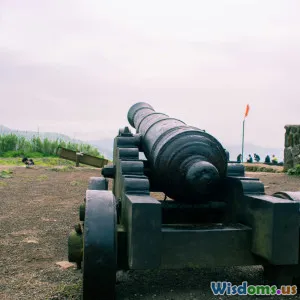
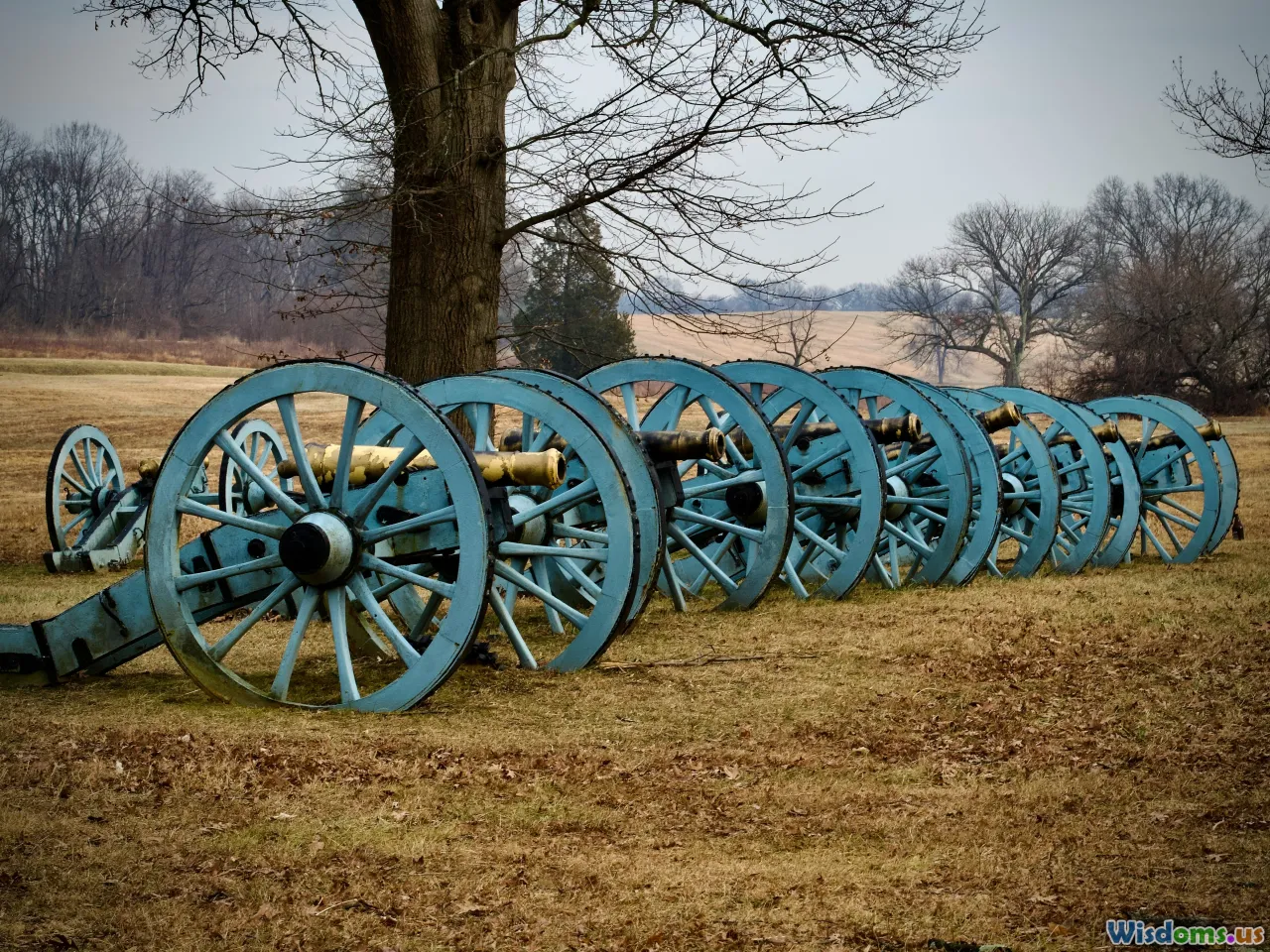
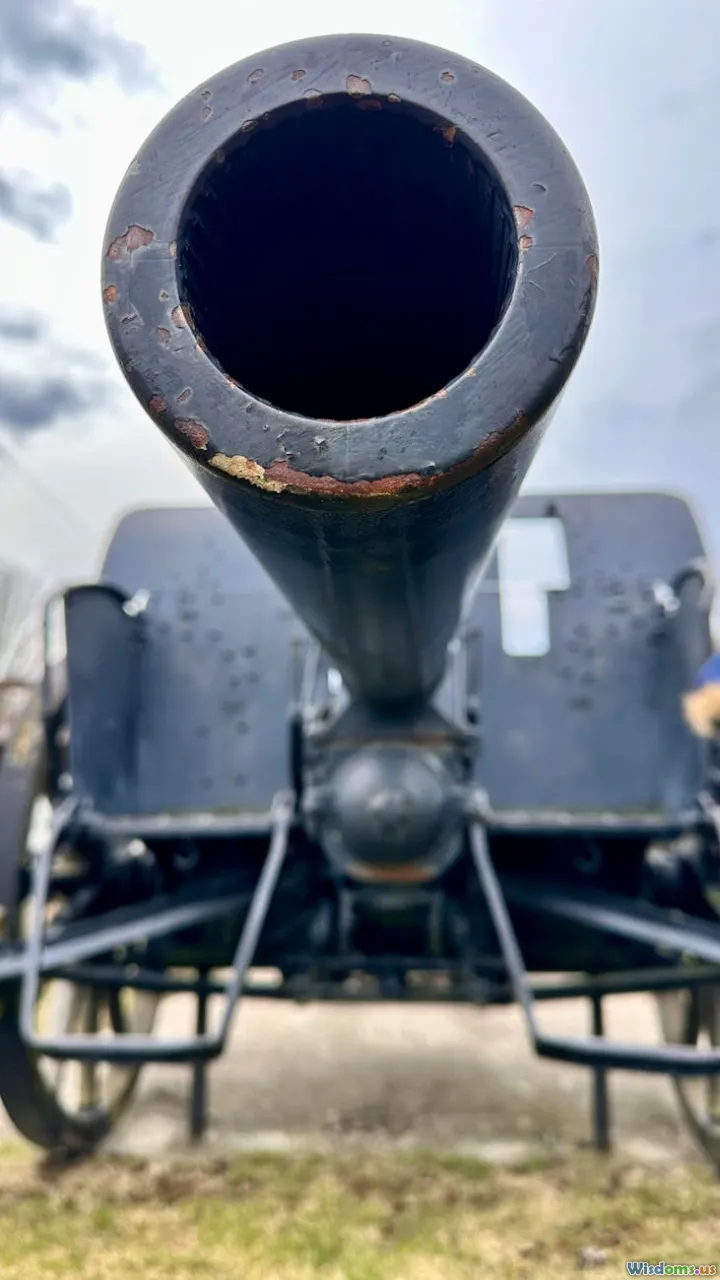
- Cannon (traditional gun): Historically, a long-barreled, high-velocity, relatively flat-trajectory piece. Classic “guns” excelled at direct fire and long-range counter-battery with tight dispersion. Think of the Soviet 130 mm M-46 or 152 mm 2A36 Giatsint-B—long barrels, high muzzle velocity, and impressive range for their era.
- Howitzer: Shorter barrel (traditionally), lower velocity, capable of high-angle fire to arc rounds over cover. Howitzers were designed for indirect fire into defilade, using variable propellant charges to shape trajectory.
- Gun-howitzer: Modern 155 mm systems blur the old lines, marrying longer barrels (L/52) and high velocities with the elevation range and charge flexibility of howitzers. Most NATO “howitzers” are technically gun-howitzers today.
Why the ambiguity? Evolution. As modular charges, long barrels, digital fire-control, and precision fuzes improved, howitzers inherited much of what guns were prized for—while retaining the ability to lob shells steeply over terrain. That’s the crux of the replacement claim.
A Short History: Why Armies Carried Both

For much of the 20th century, militaries fielded both guns and howitzers because they solved different problems.
- Early 1900s: The French 75 mm Mle 1897 (a classic gun) set the standard for rapid, flat-trajectory fire. It was superb against troops in the open but struggled against entrenched positions.
- World War I lessons: Trench warfare demanded high-angle plunging fire to hit targets behind cover. Howitzers proliferated because they could arc shells into trenches, dugouts, and ravines.
- World War II and postwar: Field guns like the German 88 or Soviet 122/130/152 mm guns delivered direct and counter-battery fire at long range. Howitzers such as the US 105 mm M2A1 or Soviet 122 mm D-30 (a howitzer despite its “gun-like” look) provided flexible indirect support with high-angle options.
- Cold War: Tank main guns took over many direct-fire, anti-armor roles. Meanwhile, NATO standardized around 155 mm, and “gun-howitzers” with longer barrels and higher velocities started to make classic guns redundant in most field-artillery roles.
By the 1990s, the logic crystalized: If a single system can shoot far, shoot high, and shoot accurately, you can simplify logistics and training. That system became the modern howitzer.
Ballistics 101: Trajectory, Range, and Effects

The physics behind the “replace or not” question boils down to three things: trajectory, time of flight, and terminal effects.
- Trajectory: Guns fire flatter. A flat trajectory shortens time of flight and reduces wind drift, which is great for direct fire and crisp counter-battery shots. Howitzers elevate more to arc over terrain. Modern gun-howitzers can do both—elevate steeply for defilade, or shoot flatter at lower charges/elevations for speed.
- Velocity and time of flight: Traditional guns often posted higher muzzle velocities (e.g., Soviet M-46 around 930 m/s). Modern L/52 155 mm howitzers approach or exceed 800 m/s with certain charges. That narrows the time-of-flight gap, especially with long barrels.
- Range: Modern 155 mm systems routinely fire 24–30 km with conventional HE, 40+ km with base-bleed, and 50–60+ km with rocket-assisted or velocity-enhanced rounds (system- and barrel-dependent). The PzH 2000 and K9 Thunder with L/52 barrels push the practical limits; some tests with extended-range concepts have reached well beyond 60 km.
- Effects: Big shells don’t just land; they shatter, fragment, blast, or top-attack. Fuzes (point-detonating, delay, proximity, programmable airburst) and projectile designs (HE, smoke, illumination, sensor-fuzed submunitions where permitted) shape what happens at impact.
Modern howitzers, especially with extended barrels and smart fuzes, can mimic many of a gun’s ballistic advantages while keeping the option to loft shells over cover—something guns never did well.
Modern Howitzers Are Not Your Grandfather’s
Consider a few representative systems and capabilities:
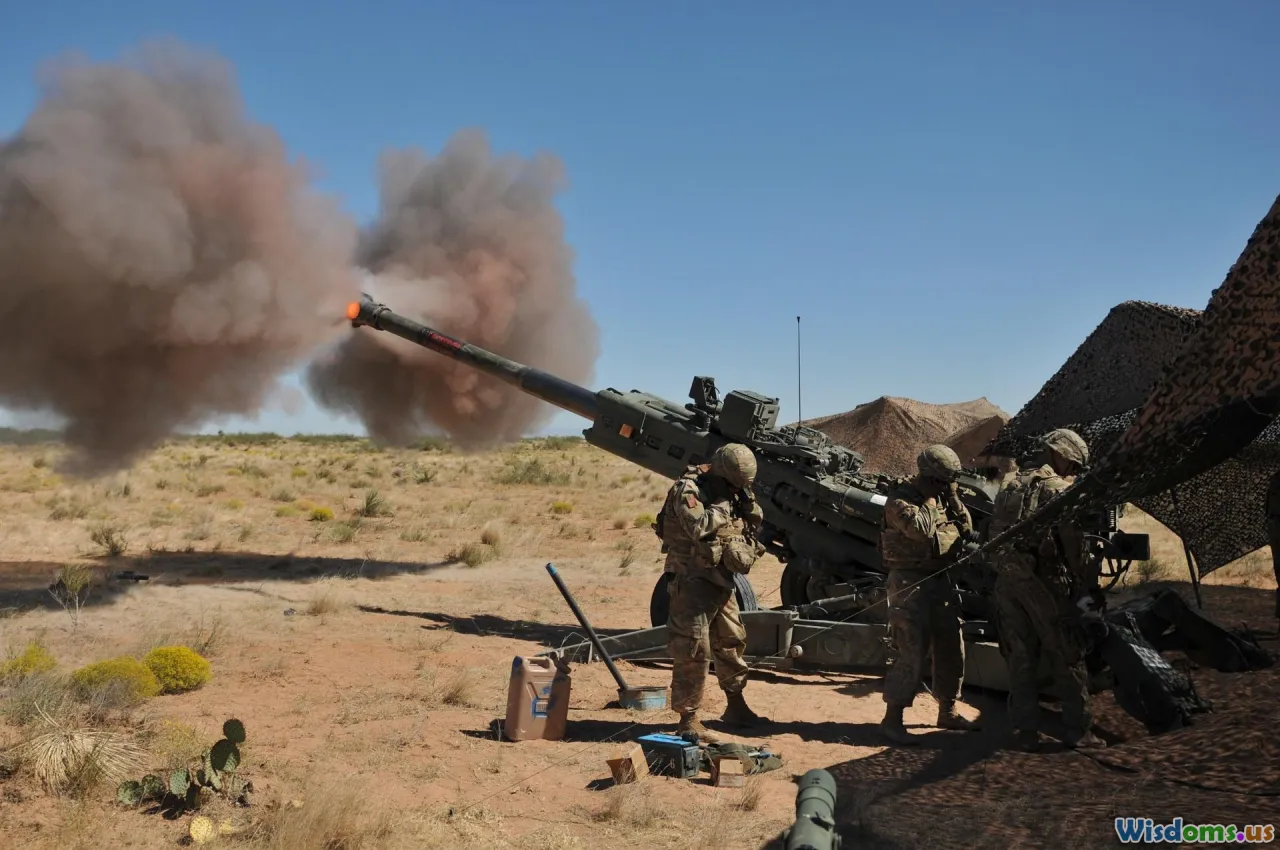
- M777A2 (US/UK/others, towed 155 mm L/39): Ultralight titanium frame (~4.2 t) for air mobility; up to ~22.5 km with standard HE, ~30 km with rocket-assisted projectiles, and ~40 km with precision rounds like M982 Excalibur. Digital fire control on A2 variants, quick into/out-of-action with trained crews.
- PzH 2000 (Germany, SP 155 mm L/52): High burst and sustained rates of fire (e.g., 3 rounds in under 10 seconds; up to about 10 rounds/min for short periods). MRSI capability (multiple rounds, single gun, impacting simultaneously). Ranges beyond 40 km with base-bleed; over 50 km with specialized ammunition. Advanced FCS, automated loading, and excellent crew protection.
- K9 Thunder (South Korea, SP 155 mm L/52): Robust tactical mobility, 6–8 rounds/min sustained, shoot-and-scoot in minutes, and ranges in the 40–50+ km class with appropriate ammunition. Widely exported and locally produced (e.g., K9A1 in several countries).
- CAESAR (France, 155 mm truck-mounted): A “shoot-and-scoot” champion—drive up, fire 3–6 rounds, and leave in 1–2 minutes. L/52 accuracy and range, but with the strategic mobility and lower cost of a wheeled platform.
Across this class, what makes them replacements for classic guns is the combination of long barrels, digital fire-control solutions, inertial/GPS navigation for rapid self-location, and ammunition natures that provide both flat and lofted trajectories. In short: the gun-howitzer solved the “either/or” problem.
Precision Ammunition Changed the Equation

Where guns historically beat howitzers was consistent accuracy at long range and direct fire against point targets. Precision changed that.
- M982 Excalibur (155 mm): GPS-guided, with sub-5 m circular error probable (CEP) reported in combat. Enables first-round effects against point targets out to ~40 km from towed and SP howitzers.
- Krasnopol (152/155 mm, semi-active laser): Requires laser designation, but provides tight accuracy against high-value points.
- PGK (Precision Guidance Kit): A screw-on fuze with GPS guidance that turns conventional 155 mm HE into near-precision. Depending on variant and conditions, CEP can drop from hundreds of meters to tens of meters, dramatically improving efficiency.
- Sensor-fuzed/top-attack rounds (e.g., BONUS, SMArt 155): Disperse submunitions that hunt armored vehicles from above. Their legal status varies by nation, but where used, they amplify lethality against point armored targets.
These munitions let howitzers replicate the point-target efficiency guns once had to own. A precision round is expensive (tens of thousands of dollars per shot for Excalibur, commonly cited figures range from roughly $70,000 to over $100,000 depending on contract and block), but when one round replaces a dozen, the cost-benefit often works—especially against time-sensitive or high-value targets.
Survivability and Mobility: Outlasting Counter‑Battery Fire

Modern battlefields teem with counter-battery radars, drones, and thermal sensors. Survivability is now as decisive as range.
- Counter-battery radars (e.g., AN/TPQ-53, Zoopark-1M) can locate firing units within seconds by backtracking shell trajectories. The clock starts the instant the first round leaves the tube.
- Shoot-and-scoot: Self-propelled howitzers typically deploy, fire a mission, and displace in under a few minutes; truck-mounted systems like CAESAR are famously fast. Towed pieces, with well-trained crews and minimal gear, can be quick—but they can’t compete with the 30–90 second displacement cycles of top SP systems.
- Dispersion and deception: Modern batteries disperse guns, limit salvo sizes, use decoys, manage electromagnetic signatures, and leverage obscuration. The more agile and self-contained the howitzer, the better it survives.
In Ukraine, dispersed 155 mm units—guided by small UAVs—strike quickly and shift position before return fire. The blend of mobility, range, and precision has proven more survivable than parking a long, heavy gun in a static firing line.
Rate of Fire, Sustainment, and Barrels

Guns had reputations for high rates of fire; modern howitzers close that gap, but physics and logistics still matter.
- Burst vs. sustained: PzH 2000 and similar autoloaded systems can push rapid bursts (e.g., 3 rounds in ~9 seconds) and high short-term rates (up to approximately 10 rounds per minute). Sustained rates are lower (often 2–6 rpm) due to heat and ammo handling.
- MRSI (Multiple Rounds Simultaneous Impact): Modern howitzers program different trajectories so 3–5 rounds land together, magnifying shock and complicating enemy response.
- Barrel life: 155 mm barrels are consumables measured in Equivalent Full Charge (EFC) shots—often 1,500–2,500 EFCs depending on ammunition, charges, and maintenance. Intense high-rate firing in Ukraine led to reports of accelerated wear and heat issues for some systems like PzH 2000, reinforcing that even advanced platforms must respect thermal and mechanical limits.
- Ammunition throughput: A battery’s combat power is a function of how fast pallets arrive, are broken down, and fed to guns. Towed or SP, if trucks can’t keep up, your “rate of fire” effectively collapses.
This is where gun-howitzers shine in practice: they provide high-enough rates, superior flexibility, and survivable tempos, all backed by modern logistics systems and digital fire missions.
Direct Fire and Urban Fights: Can a Howitzer Do a Cannon’s Job?

Classical cannons were direct-fire workhorses. Can a modern howitzer replicate that?
- Direct-fire capability: Most field howitzers include direct-fire sights and can engage line-of-sight targets. Crews in multiple conflicts have used 122 mm and 155 mm howitzers in direct fire to breach walls, neutralize pillboxes, or deliver canister against close threats. The US has fielded 105 mm “beehive” rounds historically; modern 155 mm canister exists for anti-personnel defense at close range.
- Limitations: Using a howitzer in direct fire exposes a large, relatively lightly armored system. Self-propelled howitzers have some armor but are not tanks; towed howitzers are especially vulnerable in urban streets where lines of sight are short and enemy fires are dense.
- Breaching and demolition: Howitzers can deliver heavy HE effects on hardpoints, but tanks or dedicated assault breaching systems are safer and more reliable under fire. Direct-fire optics and stabilization on tanks are purpose-built for this role.
Bottom line: Yes, a howitzer can replace a cannon in many direct-fire tasks in a pinch, but it’s suboptimal and riskier. Today, tanks, anti-armor missiles, and engineer munitions have largely replaced the classic direct-fire cannon niche.
Niche Roles Where Cannons Still Shine
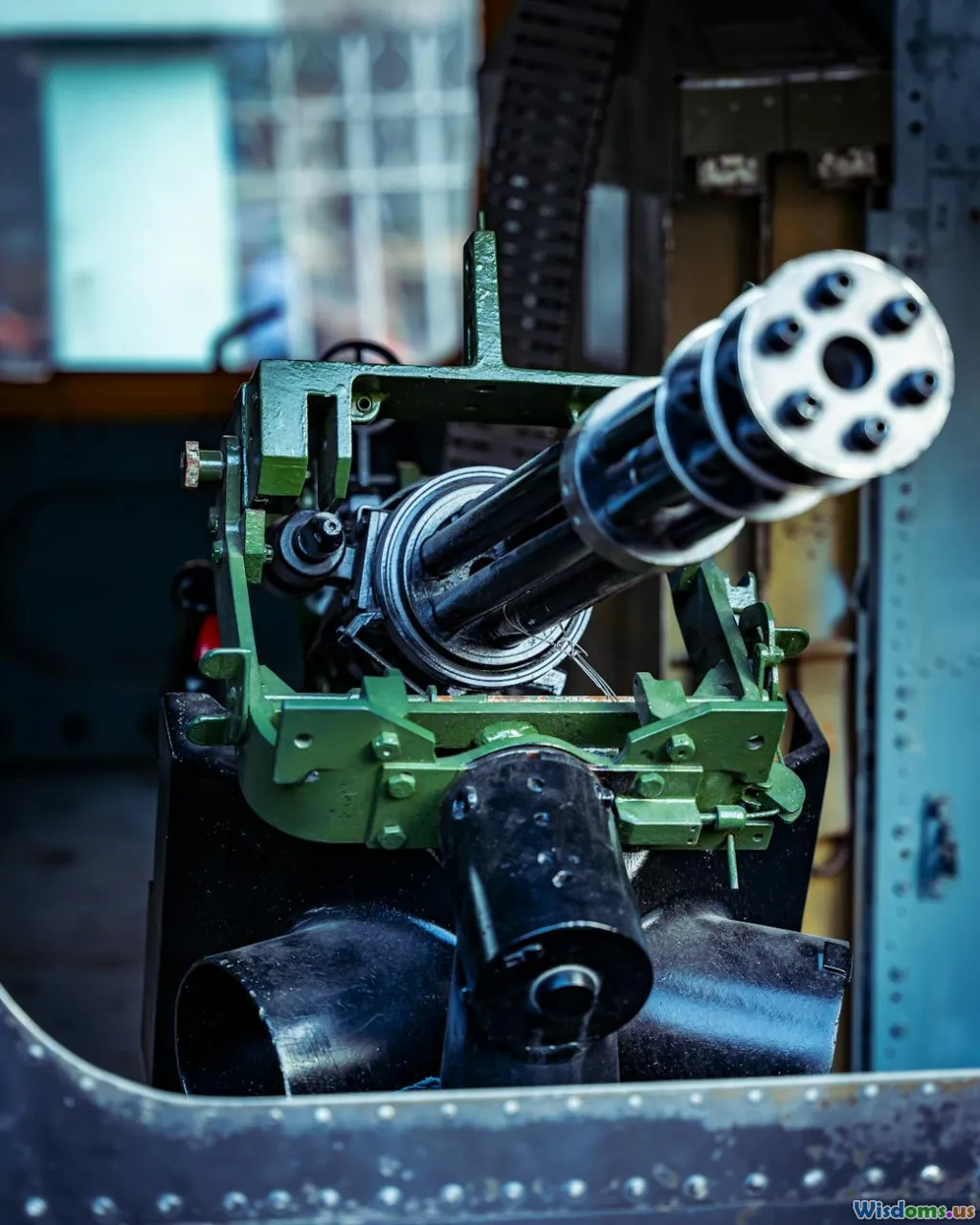
“Traditional cannon” no longer dominates field artillery, but direct-fire cannons retain strongholds in specialized domains:
- Tank main guns: 105–125 mm tank guns deliver stabilized, high-velocity, precision direct fire under armor—something howitzers can’t match. In urban fights, tanks provide shock, protection, and rapid follow-up shots that towed or SP howitzers can’t safely deliver at the point of contact.
- Coastal and fixed defenses: Legacy coastal batteries are largely obsolete in modern militaries, replaced by missiles. Where cannons still exist, they serve niche deterrent roles or ceremonial/historic functions.
- Naval guns: Outside our land focus, naval cannons remain essential for shipboard self-defense and shore bombardment. Their mission set (rapid fire, compact mount, magazine integration) is distinct from land howitzers.
In short, the “cannon’s” future is specialized: heavily armored direct-fire on tanks and high-rate naval guns. In field artillery, the howitzer has taken over.
Cost, Training, and Logistics: The Real Replacement Test

Replacement is only real if it’s affordable, trainable, and sustainable.
- Unit cost (approximate, varies widely by contract and configuration):
- Towed M777: often cited in the low single-digit millions of USD per unit.
- Truck-mounted CAESAR: commonly reported mid single-digit millions.
- SP K9/PzH 2000: low- to mid-single-digit millions and up, depending on package and local production.
- Ammunition costs:
- Conventional 155 mm HE: on the order of a few thousand USD per round.
- PGK fuze kits: often quoted in the low tens of thousands USD per kit.
- Excalibur: often quoted from roughly $70,000 to over $100,000 per round.
- Training: Digital fire-control systems shrink the time from call-for-fire to rounds out, but crews still need months to master gunnery, safety, and maintenance. The difference between a good and great battery is often procedural discipline and logistics choreography.
- Maintenance and spares: Autoloaders, digital FCS, and complex suspensions demand robust maintenance. Nations choosing between towed and SP howitzers often decide based on maintenance depth, roads/bridges, and available recovery assets.
In practice, many armies adopt a mix: lighter, cheaper towed howitzers for airborne or austere environments; wheeled SP for fast “shoot-and-scoot” on roads; tracked SP for heavy brigades that fight in rough terrain and need armor.
Decision Framework: When to Choose What

Use this mission-oriented lens to decide whether a modern howitzer can replace a traditional cannon for a given role:
- Need flat-trajectory, line-of-sight fire under armor at short to medium ranges (breaching, street fighting, anti-armor)?
- Choose a tank gun or dedicated direct-fire system. A howitzer can do it in emergencies, but it’s not optimal or safe.
- Need long-range, responsive indirect fires against area or point targets, with the option to arc over cover and survive counter-battery?
- Choose a modern 155 mm howitzer (towed, wheeled, or tracked based on mobility and protection needs). Add PGK/Excalibur/laser-guided rounds for point targets.
- Operating under intense counter-battery threat with high battlefield transparency (drones, radars, ISR)?
- Favor fast shoot-and-scoot SP systems (e.g., CAESAR, ARCHER, K9) with dispersed firing points. Towed systems can work if you accept elevated risk and train hard on fast displacement.
- Logistics-light, expeditionary, or mountain/jungle terrain where vehicles struggle?
- Lightweight towed systems (e.g., M777) remain relevant due to airlift and sling-load options. Mortars also offer high-angle fires with light logistics at shorter ranges.
- Need “beyond-howitzer” reach?
- Rockets (GMLRS) and missiles extend range with precision. Many armies pair gun-howitzers with rockets to cover 0–80+ km.
This lens shows why howitzers replaced guns in field artillery: they answer more mission profiles with one family of systems.
Case Studies From Recent Conflicts

-
Ukraine (2014–present, especially since 2022):
- Western-supplied 155 mm howitzers (M777, CAESAR, PzH 2000, KRAB, M109 variants) and Russian 152 mm systems (e.g., Msta-B/S, Giatsint) have dueled under heavy drone and radar surveillance.
- Precision artillery (Excalibur, Krasnopol) enabled first-round effects against high-value points. Reports noted that excessive high-rate firing degraded barrel life and reliability on some Western SP systems, underscoring the need for disciplined fire schedules and maintenance.
- Fast displacement and dispersion proved critical. Truck-mounted and tracked SP howitzers demonstrated higher survivability than static towed guns in areas saturated by counter-battery radars and loitering munitions.
- Towed pieces remain useful where mobility corridors exist and counter-battery is less intense, or where air mobility (sling-load) is decisive.
-
Syria and urban fights elsewhere:
- Forces have used howitzers in direct fire to break fortified positions, but with high risk. Tanks and ATGMs typically perform better for precision, survivability, and maneuver in dense urban terrain.
-
Armenia–Azerbaijan (2020 Nagorno-Karabakh):
- Drones punished exposed artillery and air defenses. Survivability hinged on concealment, mobility, and minimal time on the gun line—favoring howitzers with rapid shoot-and-scoot tactics over static gun lines.
Collectively, these conflicts validate the “howitzer first” approach to field artillery, while reminding us that direct-fire cannon roles remain the domain of tanks and other specialized systems.
The ERCA Detour: Stretching the Howitzer’s Envelope

Extended Range Cannon Artillery (ERCA) in the US sought 70+ km reach from a 155 mm howitzer via a longer L/58 barrel, supercharged propellants, and new projectiles (e.g., XM1113). Tests achieved notable ranges, highlighting just how far the howitzer envelope can be pushed. However, the program’s transition to production faced reliability and integration hurdles, and the Army has refocused on broader long-range fires portfolios while continuing technology maturation. The takeaway is still significant: even at the edge of feasibility, modern howitzers can now reach distances once reserved for rockets, blurring boundaries further.
Why “Replacement” Works in Practice (and Where It Doesn’t)

Put succinctly:
- Works in field artillery: Modern 155 mm gun-howitzers deliver the flexible trajectories, digital FCS, precision options, and survivable tempos that make classic guns unnecessary in most armies. Many who once fielded 122/130/152 mm guns now rely primarily on 155 mm howitzers.
- Doesn’t fully replace direct-fire cannon roles: Under-armor, stabilized, rapid direct fire remains the realm of tank guns or specialized assault systems. Howitzers can imitate but at unacceptable risk if used habitually this way.
- Complemented by rockets and mortars: Rockets close the 50–150+ km gap with precision salvos; mortars provide organic, high-angle fires to small units. The howitzer is the backbone—but it’s part of a combined arms fires ecosystem.
Practical Tips for Forces Considering a Shift

- Define the fires mix early: Pair howitzers with rockets and robust ISR (UAVs, counter-battery radars). Don’t ask the howitzer to be the only tool.
- Choose mobility for your terrain: Tracked SP for heavy brigades and rough ground; wheeled SP for road networks and quick displacement; towed for expeditionary and air-assault forces.
- Invest in precision sparingly but smartly: Keep stocks of conventional HE for volume fire, PGK for cost-effective accuracy, and a limited supply of high-end precision (Excalibur/laser) for time-sensitive, high-value targets.
- Drill shoot-and-scoot: Emplacement, mission, displacement—under two minutes is the gold standard for SP systems. Towed crews should train to strip down and move as if their survival depends on it—because it often does.
- Plan barrel management: Track EFCs, rotate tubes, budget for spares, and follow cooling protocols. A gun line with burned-out tubes is a gun line that can’t shoot when it matters.
A synchronized package—platform, ammo, sensors, training, logistics—matters more than platform alone.
The Bottom Line
Can modern howitzers really replace traditional cannons? For field artillery—the business of shaping the fight beyond the line of sight—the answer, demonstrated across decades and multiple wars, is yes. Today’s 155 mm gun-howitzers subsume the classic gun’s strengths while adding high-angle flexibility, rapid displacement, and precision effects that old cannons couldn’t match.
Where they do not replace cannons is in true direct-fire combat at the point of contact. Tanks and specialized direct-fire platforms remain irreplaceable there. But that’s not a failure of the howitzer; it’s a reminder that artillery is a team sport. Match each tool to its job—howitzers for deep, flexible fires; rockets for reach and punch; mortars for close, high-angle support; tanks for armored direct fire—and you get a fires system that outperforms any single “traditional” cannon line.
The battlefield has spoken: for the vast majority of artillery roles, the modern howitzer didn’t just replace the traditional cannon—it eclipsed it.
Rate the Post
User Reviews



Popular Posts