Can Slow Fashion Help Local Economies Thrive
31 min read Explore how slow fashion strengthens local economies through skilled jobs, artisan supply chains, fair pricing, and circular models, with case studies, policy levers, and metrics for community resilience. (0 Reviews)
Slow fashion is often marketed as a style choice, but its real potential is economic. When design, production, repair, and resale happen closer to home, money recirculates through main streets, industrial parks, and neighborhood workshops. Instead of chasing scale at any cost, slow fashion prioritizes resilience, skilled jobs, and value that accrues to local communities. The key question is not only whether slow fashion can be greener—it’s whether it can help local economies thrive. The short answer is yes, when it’s built intentionally. The long answer, laid out below, explains how.
What Slow Fashion Really Means for Main Street
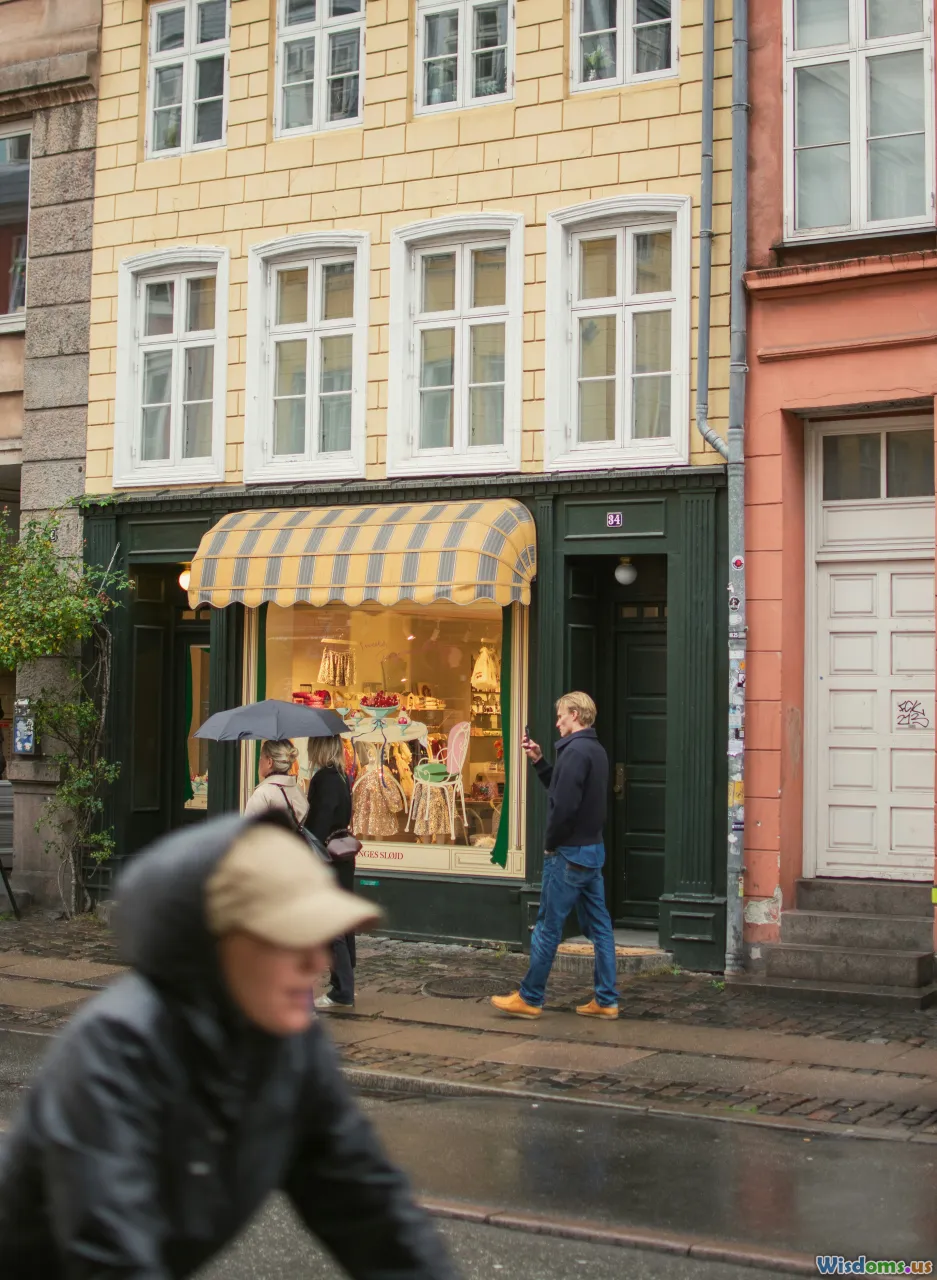
Slow fashion is not merely about buying fewer, pricier garments. It’s a set of practices that align design, materials, production, and end-of-life with human-scale economics. That means:
- Shorter supply chains with more transparent relationships between farms, mills, factories, and stores.
- Smaller batch sizes and on-demand production to reduce overstock.
- Durable, repairable garments designed to last years, not seasons.
- Fairer labor practices that reflect the true cost of skilled work.
- Local services—tailors, cobblers, menders—embedded in the community.
In a fast-fashion world, a city’s apparel economy tends to be consumption-heavy and production-light. Money leaves town quickly to pay distant suppliers. Slow fashion flips that ratio: more dollars stick around to pay local wages, rent, logistics, utilities, and professional services. This shift is less about nostalgia and more about risk management. By shortening supply lines, communities are less exposed to global shocks—shipping bottlenecks, fuel spikes, or sudden factory closures abroad. A local maker that sources regional cotton and knits in the same state can adjust orders in days, not months.
The Local Multiplier Effect: Where Each Dollar Goes

Money spent at a locally rooted business behaves differently than money spent at a national chain or a distant online marketplace. Studies in U.S. cities have repeatedly found that locally owned businesses recirculate two to three times more money in the local economy than chains. The mechanism is simple:
- Local payroll: Wages paid to local employees are spent on rent, groceries, and services nearby.
- Local suppliers: Independent brands and workshops are more likely to hire local printers, accountants, photographers, and contractors.
- Local profits: Owners who live in the community reinvest profits in expansion, education, or civic projects.
Applied to apparel, a $100 purchase at a community brand that manufactures or finishes locally might send $50–$70 back into the city via wages, leases, and services. The same $100 spent on imported fast fashion may leave only a small slice behind (sales staff wages and a portion of rent). The multiplier matters because it compounds over time. When more of the apparel dollar cycles within the community, it funds new ventures—repair shops, fabric stores, pattern services—that reinforce the ecosystem.
For municipalities, this translates into a more robust tax base and a more diverse mix of businesses. If a city wants vibrancy on its retail streets, fostering slow fashion is one way to backfill the hollowing-out effect of pure consumption hubs.
Jobs You Can Touch: Craft, Repair, and Retail
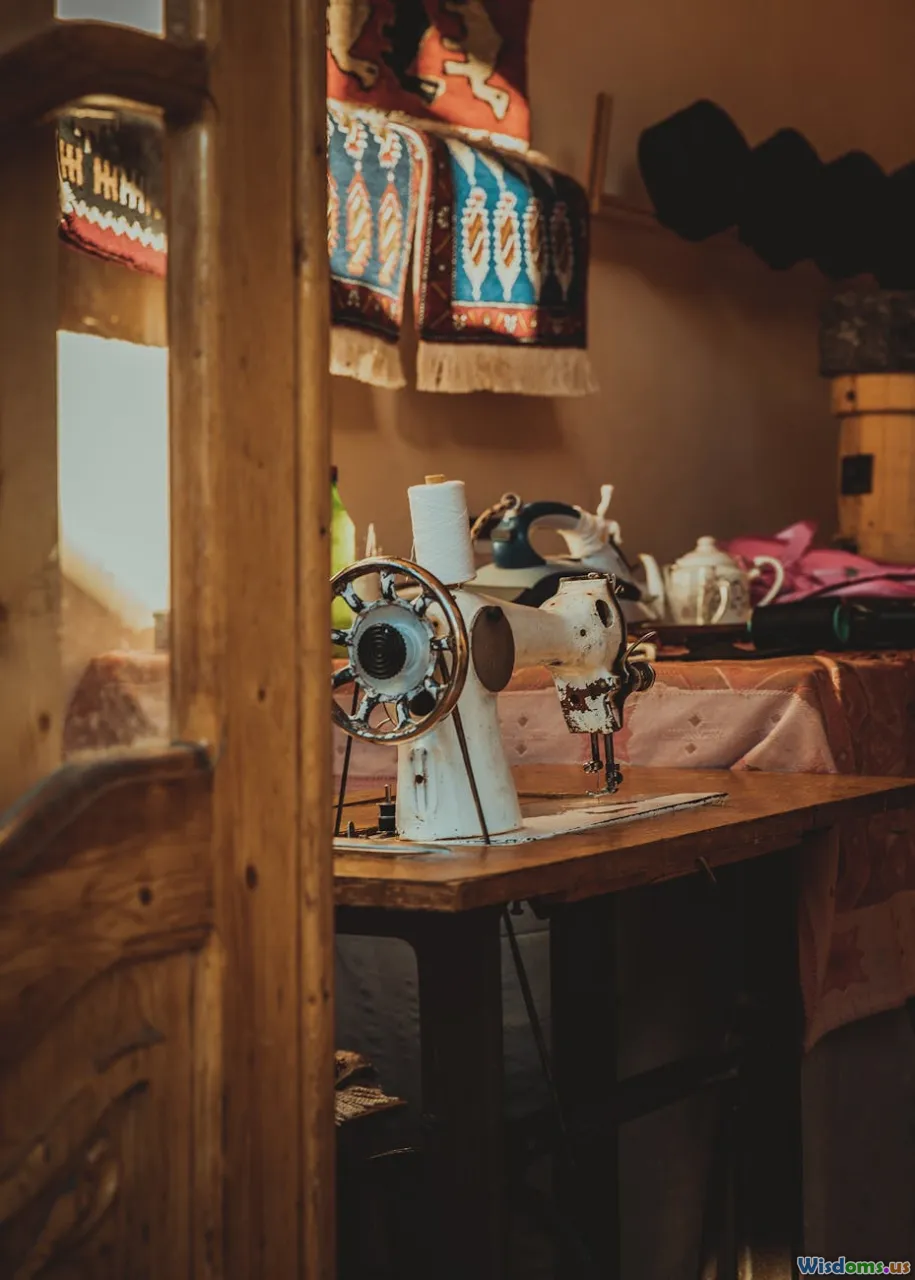
Slow fashion’s job impact is distinct. Instead of emphasizing low-cost mass production, it ramps up skilled, place-based roles:
- Cut-and-sew operators, patternmakers, and sample makers in micro-factories.
- Tailors and alterations specialists embedded in boutiques or shared studios.
- Cobblers and leather workers restoring shoes, bags, and belts.
- Laundries and care services that focus on gentle cleaning and garment longevity.
- Resale and rental shop staff trained in quality assessment and refurbishment.
International research on circular economy pathways suggests that repair, refurbishment, and remanufacturing can be job-intensive. Analyses by organizations such as the Ellen MacArthur Foundation have projected hundreds of thousands of net new jobs across the EU by 2030 under circular models. Apparel is a prime candidate because care and repair cannot be easily offshored—a hem adjustment or a re-sole happens where the wearer lives.
Not all job categories will grow evenly. Some conventional factory roles may remain constrained by automation and global competition, while demand for alterations, small-batch production, and high-skill finishing can rise. The win for local economies is diversification: a mix of micro-factories, design studios, repair services, and secondhand retail distributes risk and keeps varied talents employed.
From Fiber to Fabric: Rebuilding Regional Supply Chains
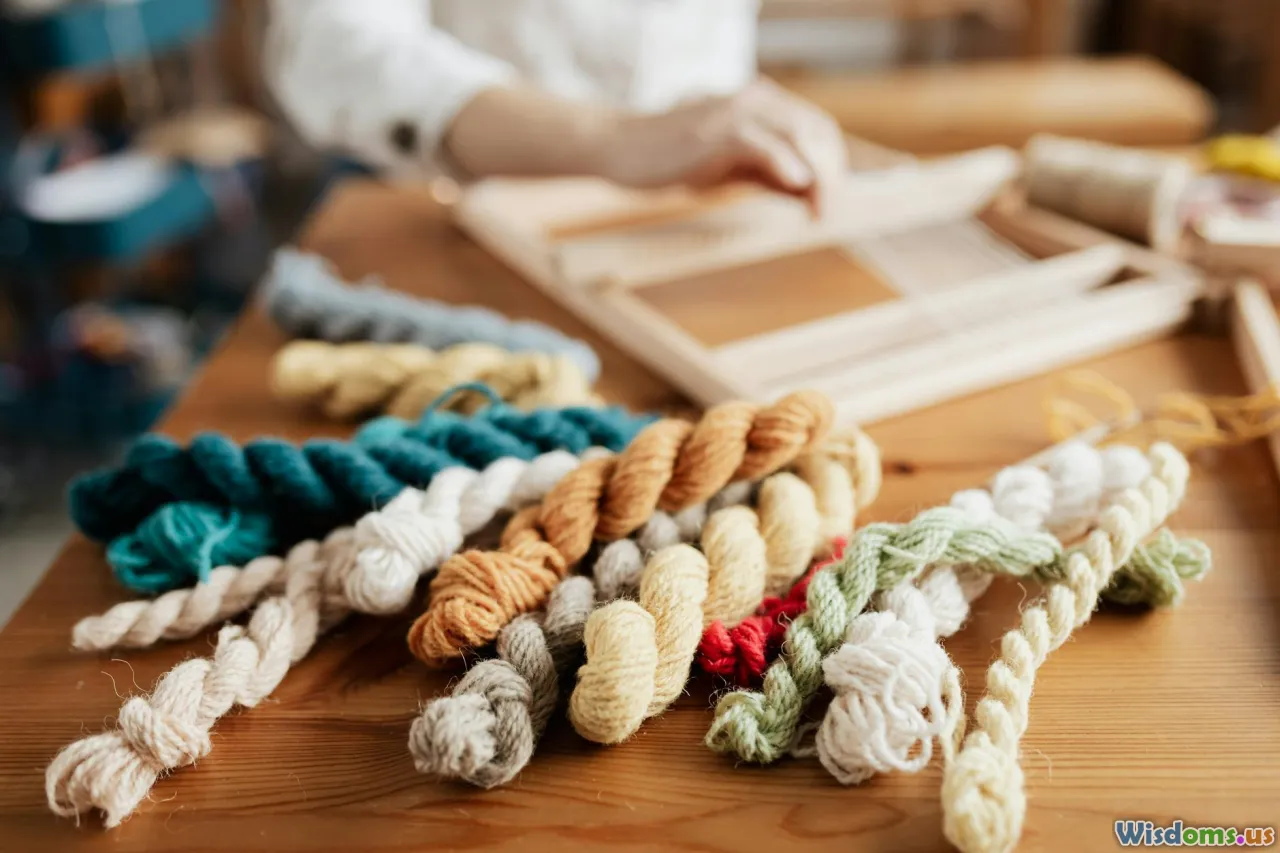
Many regions still have the bones of textile ecosystems—mills, dye houses, or cut-and-sew operations—waiting to be reconnected. Consider:
- Carolinas, USA: Companies such as TS Designs have mapped farm-to-shirt supply chains, linking North Carolina cotton growers with in-state gins, spinners, knitters, and sewing rooms. The result is shorter lead times and clearer traceability.
- Outer Hebrides, Scotland: The Harris Tweed industry’s legal protection requires cloth to be handwoven in the weaver’s home on the islands. Local milling, finishing, and weaving sustain skilled employment and give the region a premium identity.
- Prato, Italy: The district is famous for mechanical recycling of wool, recovering fibers from pre- and post-consumer textiles. Its know-how supports thousands of small firms and positions the city as a European hub for circular textiles.
- Kojima, Japan: Known as the birthplace of Japanese denim, Kojima’s selvedge looms, dye vats, and jeans street attract tourists and sustain a cluster of specialized workshops.
Rebuilding regional supply chains does not mean duplicating every industrial step locally. A smart strategy is to identify high-value, high-skill nodes—pattern development, specialized finishing, quality control—and co-locate them with final assembly and repair. This hybrid model captures the premium margins locally while leveraging responsible partners elsewhere for commodity steps.
Case Studies: Towns That Stitched Opportunity
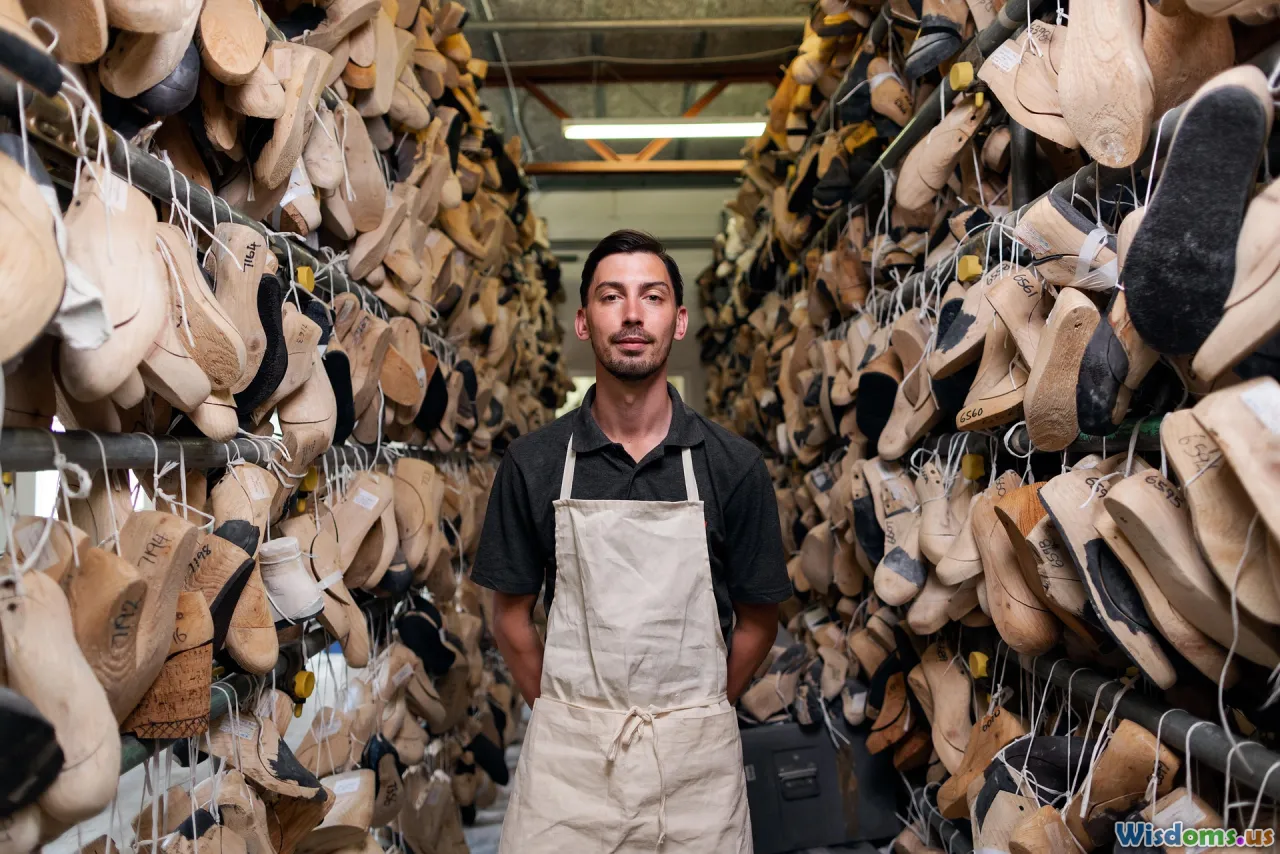
- Morganton, North Carolina (USA): Opportunity Threads, a worker-owned cut-and-sew, anchors a cluster of small brands and workshops. Its cooperative model keeps profits circulating among employees and demonstrates how equitable ownership can stabilize a light manufacturing base.
- Detroit, Michigan (USA): While best known for watches and bicycles, Detroit’s revival in leather goods and apparel has created visible, design-forward manufacturing. The story is not just about a single brand; the presence of craftspeople, stitchers, and small-batch facilities supports a wider creative economy, from pattern services to photography.
- Hebrides (Scotland): Harris Tweed supports hundreds of skilled jobholders across weaving, warping, finishing, and design. The fabric’s global recognition pulls in tourism and high-value export demand while embedding work in the community.
- Prato (Italy): The recycled wool district shows how a legacy industry can adapt by mastering a circular niche. Prato’s network of sorting, blending, spinning, and finishing companies enables rapid prototyping and small runs for brands that value recycled content.
- Kutch (India): Artisan groups in embroidery, weaving, and block printing—often organized as cooperatives—produce slow fashion pieces that fetch higher prices when buyers value provenance and craft. NGOs and fair-trade networks help aggregate demand and ensure transparent wages.
These places highlight a common thread: specific capabilities become magnets. Whether it’s selvedge denim, recycled wool, or heritage tweed, a recognized specialization attracts orders, talent, and visitors. Slow fashion flourishes where communities claim a niche and build services around it—training, QC labs, dye houses, and repair hubs.
Why Slow Beats Fast Economically: A Comparison
Fast fashion appears cheaper at the register, but its economics can be brittle for communities and even for brands:
- Cash flow stability: Small-batch production reduces the cost of unsold inventory, a persistent drag that fast-fashion models struggle to avoid. Globally, estimates often place unsold apparel in the double digits of total production. On-demand cuts this risk sharply.
- Price vs. value: A $25 shirt that pills after 10 wears has a higher cost-per-wear than an $80 shirt lasting 100 wears. Quality creates brand loyalty and reduces the churn of constant discounts and returns.
- Local multiplier: Locally produced or finished goods recirculate more dollars through rent, wages, and services, strengthening the tax base and supporting complementary businesses.
- Flexibility: Proximity allows faster design feedback and small design tweaks without lengthy import cycles. Brands can test micro-collections and scale winners, lowering the cost of mistakes.
- Externalities: Fast fashion shifts costs to public landfills, wastewater systems, and labor protections abroad. Slow fashion internalizes more of these costs—through better materials and fair pay—reducing the hidden subsidies communities otherwise shoulder.
For a city, the choice is less about policing what residents buy and more about shaping the upstream availability of quality goods and services. Supporting slow fashion means supporting a resilient local GDP, not just retail turnover.
Barriers and Trade-offs: Not a Fairy Tale

It’s important to be honest about the hurdles:
- Price sensitivity: Durable garments cost more upfront. Without financing tools (layaway, repairs included) many households can’t bridge the initial investment.
- Capacity constraints: Skilled sewists, patternmakers, and QC technicians are in short supply in many regions. Training takes time and money.
- Compliance and wages: Paying living wages raises costs in price-competitive segments. Brands must either target customers who value quality or improve efficiency to compensate.
- Market fragmentation: Small workshops can be hard to discover and coordinate, leading to bottlenecks during busy seasons.
- Cultural habits: The habit of frequent, low-cost buying is entrenched. Rewiring demand toward fewer, better items requires marketing, education, and convenience.
These trade-offs don’t negate the model; they clarify where support is needed. Policy, finance, and collaborative infrastructure can bridge the affordability and capacity gap.
How-to: A Playbook for Towns to Build Slow Fashion Ecosystems

Cities and regions can take practical steps to seed slow fashion:
- Map assets and gaps
- Inventory existing capabilities: design programs at local colleges, sewing rooms, former mills, dye houses, makerspaces.
- Identify missing links: cutting, grading, QC labs, small-batch dyeing, logistics.
- Create shared infrastructure
- Establish a publicly supported micro-factory with cutting tables, industrial machines, and pattern software available by the hour.
- Add common services: a materials library, quality testing equipment, and a booking platform for machine time.
- Launch workforce pipelines
- Partner with high schools and community colleges to offer short modules in industrial sewing, patternmaking, and textile care.
- Pay trainees during apprenticeships; include wraparound supports like transport stipends and flexible schedules for caregivers.
- Support repair and care
- Offer grants or low-interest loans to tailors, cobblers, and specialty cleaners to upgrade equipment.
- Organize community repair days with local businesses; publicize a citywide repair directory.
- Simplify procurement for small vendors
- Break large municipal uniform contracts into lots that small producers can bid on.
- Use clear specifications on durability and repairability, not just lowest unit price.
- Encourage local branding
- Create a city-level label (e.g., “Made + Repaired in [City]”) with verifiable criteria on wages and quality.
- Promote participating businesses in tourism materials and downtown events.
- Build demand through storytelling
- Host fashion shows featuring local designers and repair champions.
- Feature behind-the-scenes tours of micro-factories and mills.
- Align zoning and real estate
- Zone for mixed light manufacturing in retail corridors so workshops can co-locate with showrooms.
- Offer reduced rents or tax abatements for spaces that house training and production.
Financing the Shift: Grants, Co-ops, and Public Procurement

Money is often the chokepoint. Blended finance can unlock growth:
- Community lenders and CDFIs: Community Development Financial Institutions can fund equipment for micro-factories, working capital for small brands, and storefront improvements for repair shops.
- SBA and microloans: In the U.S., SBA-backed microloans suit equipment purchases and inventory for very small enterprises. Similar small enterprise funds exist in many countries.
- Worker-ownership models: Cooperative structures, as seen in worker-owned cut-and-sew shops, keep profits local and spread risk. Municipalities can co-invest in co-ops, especially for succession planning when retiring owners seek exits.
- Anchor procurement: Hospitals, universities, and city agencies buy uniforms, linens, and promotional apparel. By specifying durability, repairability, and local finishing, anchors can seed steady contracts. Many municipalities participate in “sweatfree” purchasing programs that embed labor standards into contracts—these standards pair naturally with local production oversight.
- Philanthropy and program-related investments: Foundations interested in climate, workforce, and place-based development can back training, reuse infrastructure, and data systems.
Public procurement is particularly potent. Uniforms for sanitation, transit, police, and parks are recurring, predictable orders—ideal for small-batch local production or finishing. A policy that requires repair services in the contract creates recurring work for tailors and extends product life.
Digital Levers: Tech That Makes Local Competitive
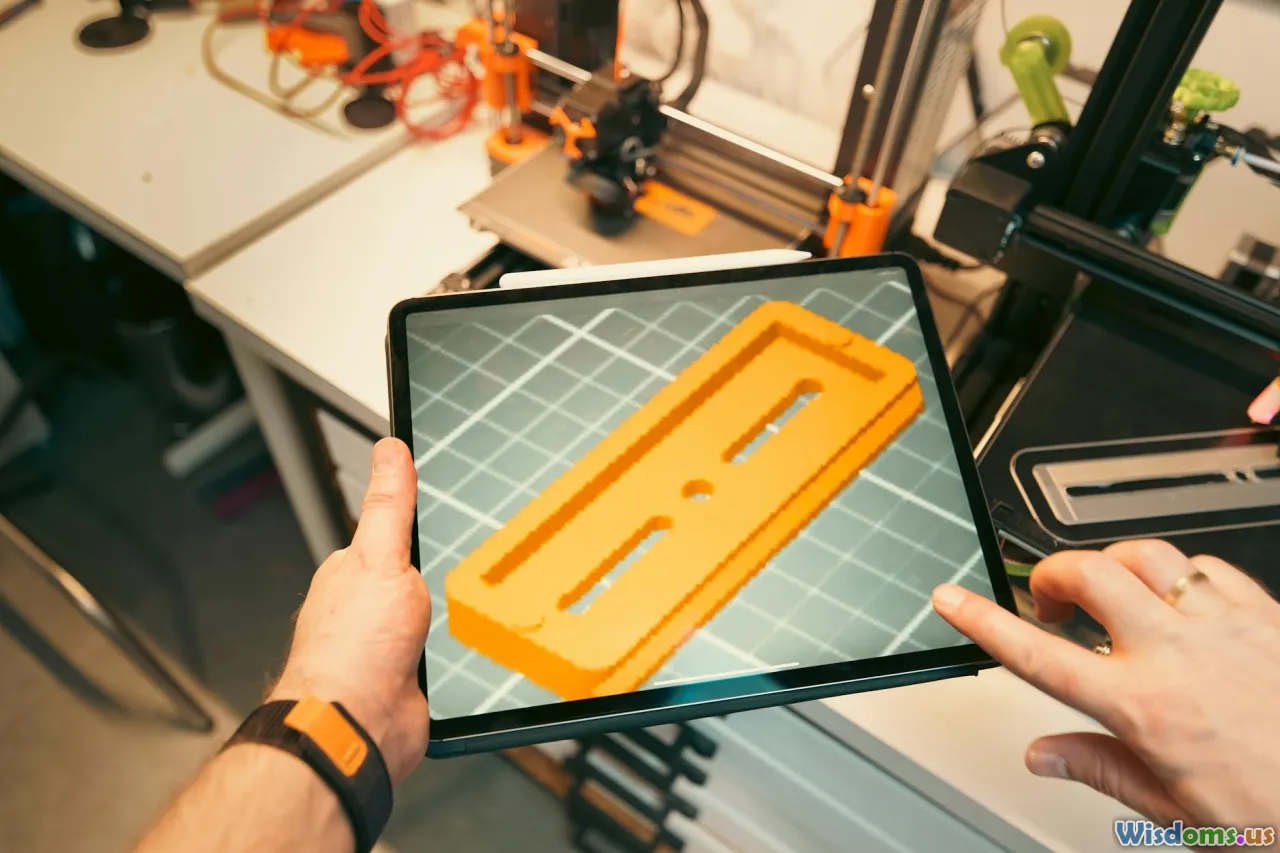
Technology is a force multiplier for slow fashion:
- CAD and digital patternmaking: Software standardizes grading and reduces errors, allowing micro-factories to run lean. Shared licenses in a co-op can bring costs down.
- On-demand cutting and automated spreading: Even modest automation can increase yields from each yard of fabric and cut small batches precisely.
- 3D knitting: Whole-garment knitting machines enable made-to-order sweaters with minimal waste. Regional knit hubs can run short queues profitably.
- Localized e-commerce: Pre-order models align production with actual demand. Brands can show delivery windows and batch schedules transparently.
- RFID and repair histories: Simple tags can store care and repair records, enabling resale stores to assess value quickly and giving consumers confidence.
- Generative design and fit data: Small brands can use body-scanning and fit databases to cut down returns, a major cost sink for online apparel.
The tech stack need not be exotic. A booking system for machine time, a shared materials inventory, and a quality checklist app may deliver the biggest gains early on.
Measuring Impact: KPIs Cities and Brands Should Track

What gets measured gets managed. To ensure slow fashion supports prosperity, track both economic and environmental indicators:
- Local share of value: Percentage of a garment’s retail price paid to local labor, services, and rent.
- Living-wage coverage: Share of workforce earning a verified living wage, using recognized benchmarks.
- Job density: Number of apparel-related jobs per 1,000 residents, broken down by design, production, repair, and resale.
- Business resilience: Shop and workshop survival rate at 3 and 5 years; order concentration risk (reliance on a single client).
- Inventory efficiency: Made-to-order ratio; percentage of items produced without end-customer orders.
- Repair and reuse rate: Repairs per 1,000 garments sold; resale turnover time; average number of owners per garment in rental models.
- Material circularity: Post-consumer material share; take-back participation; fiber-to-fiber recycling rate.
- Training pipeline: Apprentices trained per year; placement rates; median wage growth for graduates.
For environmental co-benefits, extending garment life is a strong lever. Research from organizations in the UK has shown that extending the useful life of clothing by even nine months can reduce carbon, water, and waste footprints by significant percentages. Those savings translate to local economic relief when less waste handling and fewer replacements are needed.
Policy Winds: Regulations That Nudge Local Advantage

Policy is moving, and local producers can benefit when they are ahead of the curve:
- Due diligence laws: European policies require large companies to assess labor and environmental impacts in their supply chains. Local, transparent production can reduce compliance risk for brands.
- Extended producer responsibility (EPR): France already requires apparel producers to fund end-of-life management. As EPR spreads, brands that design for durability, repair, and reuse will enjoy lower fees and smoother logistics—services local ecosystems can provide.
- Wage and accountability laws: In places like California, legislation has tightened labor standards and brand accountability in apparel manufacturing. Regions that support compliant, fair-wage production can attract brands seeking low-risk partners.
- Right-to-repair: Policies expanding repair access—spare parts availability, repair information—complement apparel repair cultures and stimulate service-sector jobs.
Regulation is often seen as a cost, but for communities with credible, compliant producers and strong repair networks, it’s a competitive moat.
What Consumers Can Do Without Going Broke
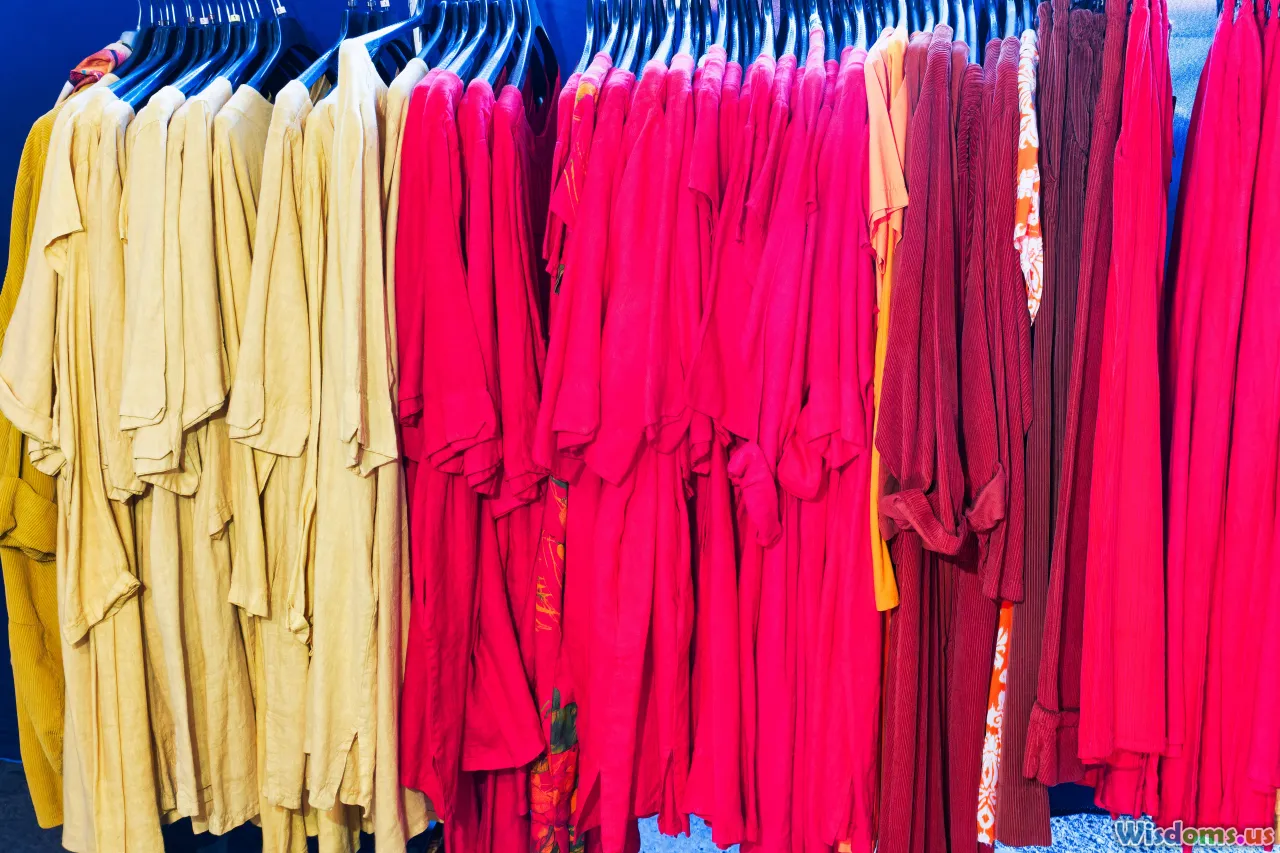
Consumers shape markets. Support local slow fashion with practical steps that don’t require a luxury budget:
- Buy fewer, better: Run a cost-per-wear test. Example: Two $40 shirts worn 10 times each cost $8 per wear; one $90 shirt worn 60 times costs $1.50 per wear.
- Choose repairable: Favor garments with spare buttons, generous hems, and robust stitching. A tailor can taper, shorten, or replace a zipper for far less than the cost of new.
- Use local services: Take items to neighborhood tailors and cobblers. Ask how to care for specific fabrics; proper washing and storage can double lifespan.
- Try resale and rental: High-quality pieces often circulate locally through consignment shops. Renting occasional-wear items keeps money local and closets uncluttered.
- Pre-order when possible: Participating in pre-orders helps local brands manage cash flow and fabric purchases efficiently, often leading to better pricing.
- Care routines: Wash cold, line dry, store knitwear folded. Simple habits reduce energy use and extend life.
If an item fails early, tell the maker or shop. Quality-minded local businesses often repair or replace quickly, and your feedback improves their patterns and material choices.
A Practical Blueprint for Brands

Small and mid-sized brands can align purpose with profit:
- Start with micro-batches: Produce in runs of 20–50 to validate fit and demand. Scale the winners; retire the rest without heavy markdowns.
- Build a repair promise: Offer one free alteration or a discounted repair within the first year. Price it into your margin; publicize it.
- Diversify workshops: Work with two to three local partners for redundancy. Share forecasts and build trust to secure priority slots.
- Standardize inputs: Use a core set of fabrics and trims. Consistency simplifies QC and speeds replenishment.
- Sell the story honestly: Share the supply chain, wages framework, and care instructions. Avoid vague claims—customers can tell the difference.
- Use pre-loved channels: Buy back or consign your own brand’s garments. A second life builds loyalty and adds a revenue stream.
This approach stabilizes cash flow and earns repeat customers while keeping value creation close to home.
Tourism, Identity, and Culture: The Intangible Dividends
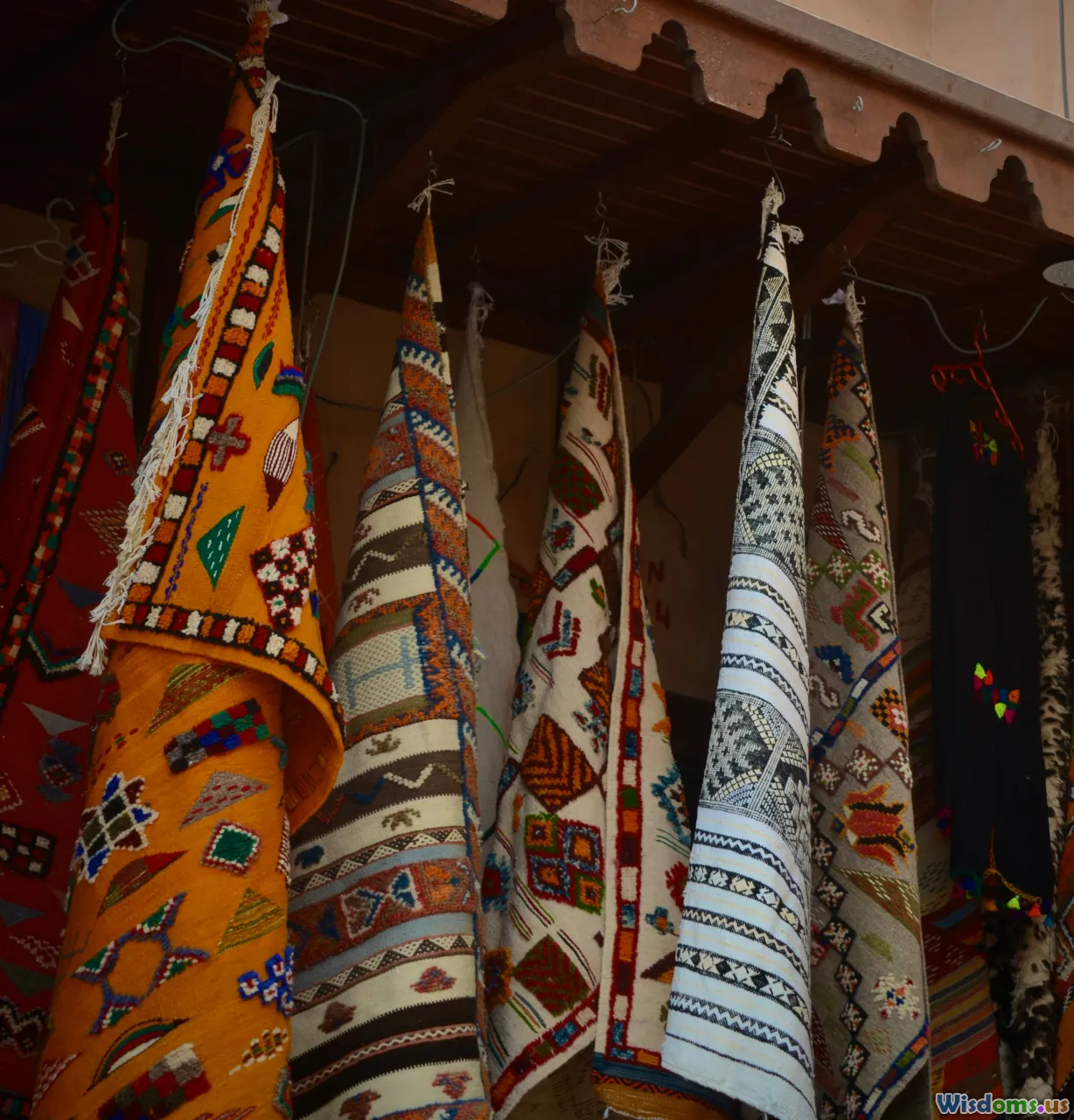
Slow fashion thickens a region’s cultural fabric—literally and figuratively. Districts known for specific textiles and techniques attract visitors to workshops, museums, and studio tours. The spending goes beyond garments: coffee shops, galleries, and local transport see a boost.
When cities celebrate their textile heritage—through festivals, maker trails, and school partnerships—they cultivate pride and intergenerational skills transfer. Young people see viable creative careers; retiring artisans find learners to carry the torch. This continuity supports economic stability in ways that pure retail turnover cannot.
Risk and Resilience: Why Local Networks Matter in a Volatile World
Global disruptions—from port congestion to raw material spikes—have shown how fragile long supply chains can be. Localized networks mitigate several risks:
- Lead time shocks: Shorter transport reduces exposure to shipping delays.
- Quality control: Proximity allows on-the-spot corrections, preventing entire batches from failing.
- Currency volatility: More local transactions insulate businesses from exchange rate swings.
- Reputation management: Transparent, inspectable supply chains reduce the risk of labor or environmental scandals.
In volatile times, the ability to produce small runs and adjust rapidly is priceless. Local ecosystems are not just nostalgic—they’re strategic.
The Climate Dividend That Pays Locally
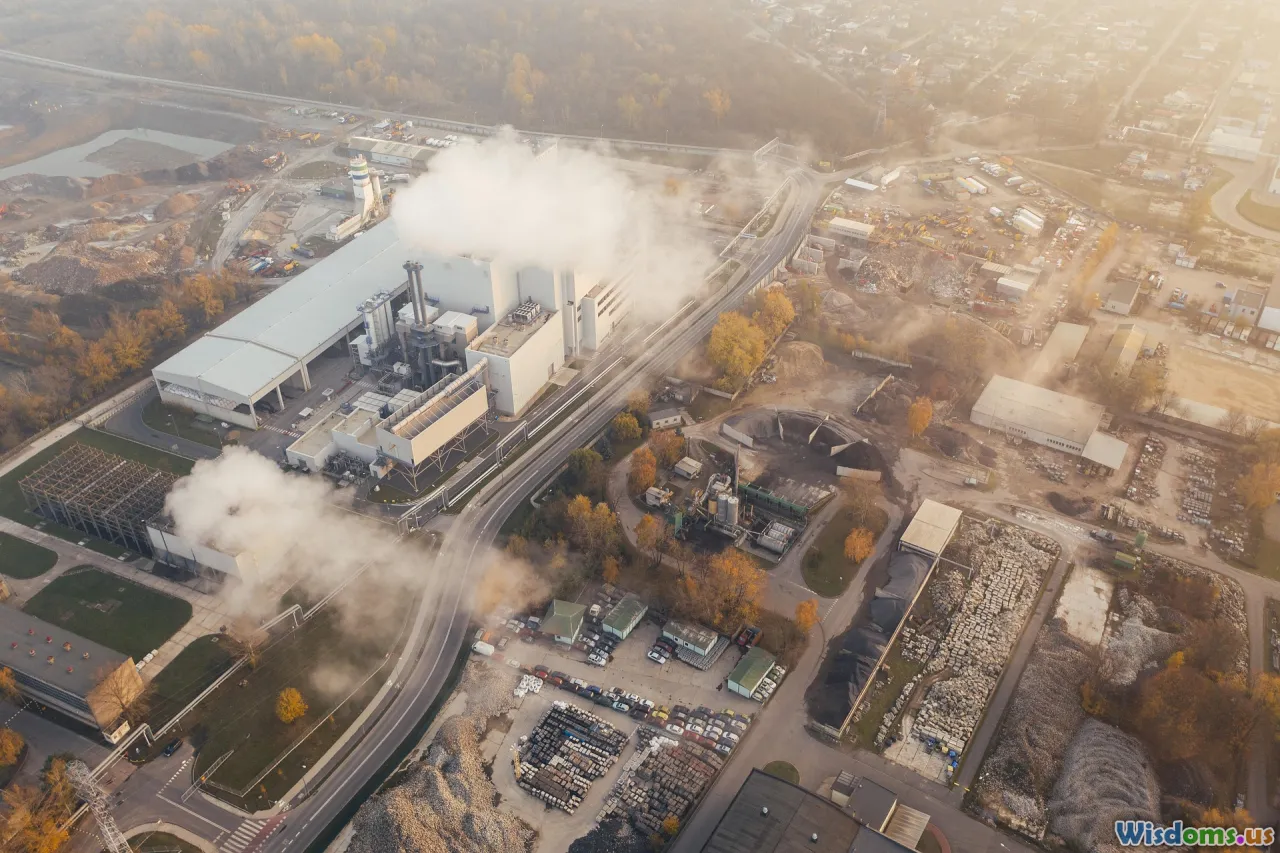
The fashion sector contributes a meaningful share of global greenhouse gas emissions, with estimates commonly ranging between 2% and 8%. Slow fashion tackles the drivers of waste and emissions at the design stage:
- Durability: Stronger seams, better fabrics, and classic fits extend wear time. Extending garment life has been shown to significantly reduce carbon, water, and waste footprints.
- Fewer dead stocks: On-demand and micro-batch production prevent overproduction.
- Care efficiency: Washing at lower temperatures and air drying reduces energy use for households.
- Circularity: Repair, resale, and fiber recycling keep materials in play longer.
These environmental gains translate into local wins. Less waste means lower municipal disposal costs; cleaner production reduces burdens on local wastewater systems; and energy savings keep household dollars free for other local purchases.
What Success Looks Like in Five Years

Picture a mid-sized city that commits to slow fashion:
- A shared micro-factory hums with small brands and apprentices; bookings are steady, and a queue for alumni to start their own shops exists.
- Three anchor buyers—city services, a hospital, and a university—source durable uniforms with built-in repair contracts from local suppliers.
- A cluster of repair services thrives, including a mobile alterations van visiting neighborhoods and corporate campuses.
- A regional label assures living wages and quality standards; tourists buy with confidence.
- Quarterly markets showcase sample sales, seconds, and refurbished goods; little ends up in clearance bins.
- Data dashboards track local value share, living-wage coverage, and repair rates, guiding policy tweaks.
This isn’t a fantasy. It’s a synthesis of practices already working in pockets around the world, stitched together at city scale.
Slow fashion won’t replace global trade, and it shouldn’t. Many regions excel in fibers or finishes others lack. But by anchoring more value locally—through design, small-batch manufacturing, repair, and reuse—communities can capture steady jobs, resilient tax bases, and a sense of identity that fast fashion can’t deliver. The path forward is collaborative: makers, policymakers, lenders, educators, and consumers each have a piece of the pattern. If they cut and sew together, the result can be more than a garment; it can be a thriving local economy woven to last.
Small Business Sustainable Fashion Fashion Circular Economy Slow Fashion Fast Fashion vs. Slow Fashion Local Economic Development Local Economies Artisan Manufacturing Ethical Supply Chains Circular Textiles Regional Mills Local Manufacturing Repair and Reuse Living Wage Community Wealth Building Policy Incentives Short Supply Chains
Rate the Post
User Reviews





Popular Posts