Guide to Maximizing Your Gaming Convention Experience
37 min read Actionable guide to plan, navigate, and network at gaming conventions—covering badges, schedules, queues, demos, cosplay, budgeting, safety, and post-show follow-ups, with examples from PAX, Gamescom, and Gen Con. (0 Reviews)
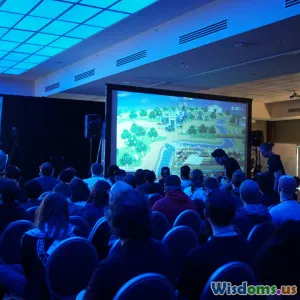
The carpet hums with anticipation, the air buzzes with chiptunes and controller clicks, and somewhere just beyond the vendor booths a crowd erupts as a world premiere trailer hits its final frame. A great gaming convention compresses a year of community, discovery, and play into a few intense days. Whether you are there to chase exclusive demos, meet creators, compete, or finally try that 3-hour board game, a little strategy turns good conventions into unforgettable ones. Consider this your practical guide to making the most of every hour, dollar, and footstep.
Choosing the right convention
Different shows deliver different flavors of gaming. The right fit depends on what you want from the experience.
- Consumer video game expos: PAX (West, East, South, Australia), Gamescom (Europe), Tokyo Game Show, and themed shows like BlizzCon focus on demos, panels, merch, and community. Crowds can be huge; Gamescom has drawn well over 300,000 visitors in recent years, which means energy and spectacle but also lines.
- Tabletop-first events: Gen Con, Essen Spiel, UK Games Expo, and PAX Unplugged are paradise if you love board games, RPGs, and minis. You can buy new releases, learn from volunteers, and check out lending libraries where you try before you buy. Gen Con recently welcomed more than 70,000 unique attendees, and space is spread across convention centers and hotels.
- Esports and LAN festivals: EVO, DreamHack, and local LAN parties revolve around competition and spectacle. Expect open-bracket tournaments, community fighting game rooms, and big-stage finals. Bring your gear if the event allows BYOC (bring your own computer) or your own controller.
- Developer-forward conferences: GDC (Game Developers Conference) and Nordic Game focus on talks, career growth, and networking. Badges are pricier and content is industry-facing. These are great for aspiring devs, less ideal if you just want to play unreleased titles.
Before you commit, check last year's schedule and floor map. How many playable demos? Is there tabletop open play? Are there meet-and-greets? Did the show enforce clear safety and harassment policies? Social posts and YouTube vlogs are reliable for vibe checks.
Pro tip: prioritize proximity and focus. First-timers often overreach—trying for Gamescom scale when a regional PAX or a local tabletop con will suit your energy and budget better. You can always level up next year.
Budgeting and booking smart
Badges sell out. Hotels sell out faster. Build your budget backward from what you can book.
- Badge costs: Expect a wide range. Many regional cons offer day badges from $40–$80 and full weekends from $100–$250. Premium or VIP tiers can run several hundred dollars but sometimes include early access hours or reserved seating.
- Hotels and lodging: Convention center hotels charge a premium and sell out minutes after block release. Typical nightly rates land between $180–$350 plus taxes and resort fees. Alternatives include nearby business hotels, vetted short-term rentals, or teaming up with roommates you trust.
- Travel: Flights fluctuate; aim to buy 6–10 weeks out for domestic and earlier for international. If you can, fly in the afternoon before the show to buffer delays. Public transit or rideshares from airports beat parking fees at downtown venues.
- Daily spend: Estimate $35–$60 for food if eating inside the venue, more if you plan sit-down dinners. Merch and games vary wildly; set a cap (say $150–$400) and stick to it.
A sample 4-day budget for a major con:
- Badge: $180
- Hotel: $240 x 3 nights = $720 (split two ways = $360)
- Flights: $300 domestic
- Food: $45 x 4 days = $180
- Merch/games: $250
- Transit/misc: $70
- Total: around $1,340 (or $980 if room shared)
Booking tips:
- Hotel blocks: Follow the official email list and social media for block release dates. Create an account with the housing partner beforehand and pre-load your credit card details. Try the desktop site and the mobile site simultaneously in case one loads faster.
- Refund windows: Some badges and rooms are refundable until a cutoff date. Buy now, optimize later within policy.
- Map-based search: If the main block sells out, look up the venue address and search a 1–1.5 mile radius for walkable options or a quick transit ride.
Badges, ticket types, and line strategy
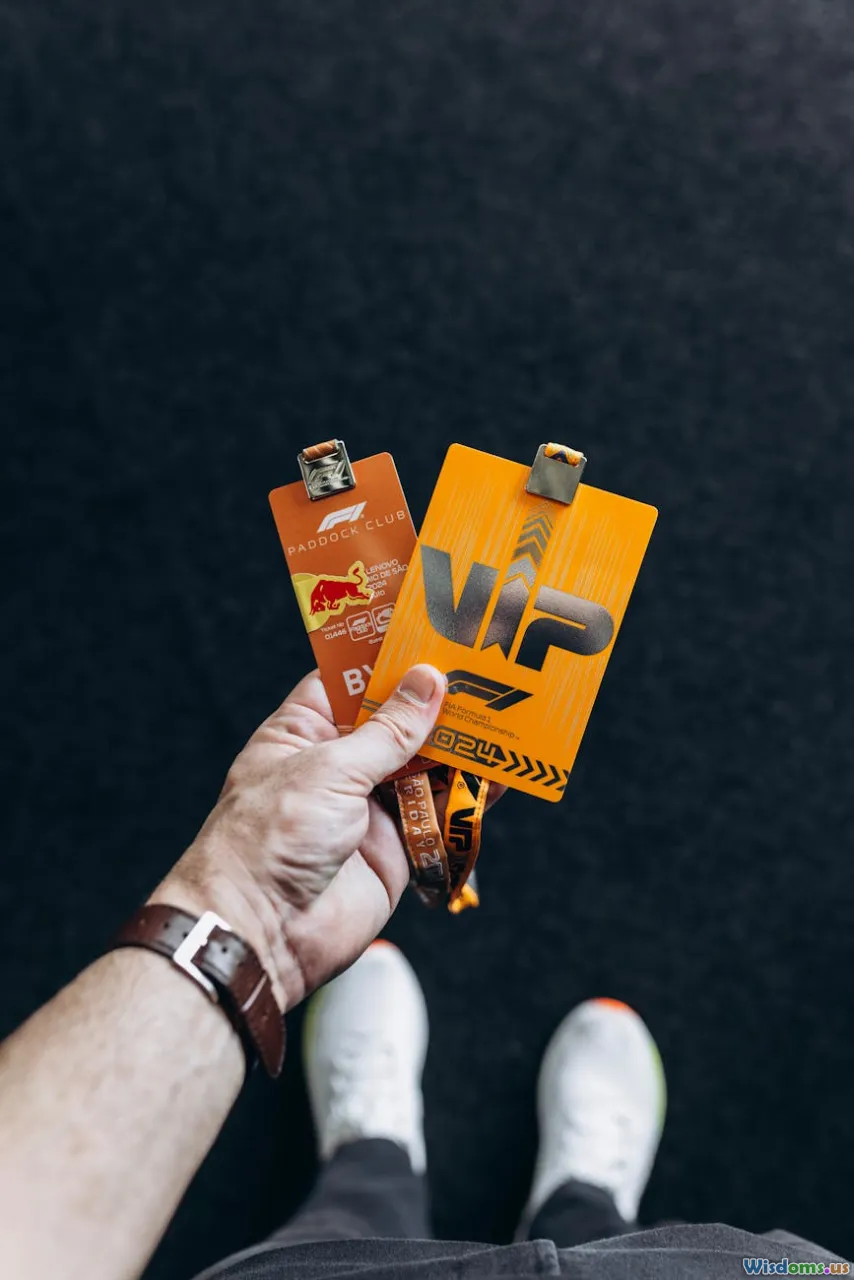
Not all badges are created equal, and understanding line flow can save hours.
- General admission: Most attendees buy standard day or weekend badges. Arrive early each morning for the fastest access, and head straight to your must-see demo or event.
- VIP/premium: Perks vary: earlier hall access, reserved panel seating, or private lounges. Worth it if you value time savings during peak hours or if you have mobility or scheduling constraints.
- Tournament/competitor badges: For esports events, these often double as general admission. Registration deadlines and check-in times are strictly enforced.
- Press/creator badges: Designed for coverage; may include media hours or interview spaces. Requirements include an active outlet or audience metrics, so apply early.
Avoid scalpers: Most shows use RFID or QR-coded badges. Transfers might be restricted; check official policies. Buying from third parties risks nonfunctional credentials.
Line math saves your day. If a demo station turns over 20 players every 10 minutes (120/hour) and you count roughly 240 people in line, expect about 2 hours. Combine that with lunch and panel times to decide whether to commit or pivot.
Operational tips:
- Use the con app if available. Enable notifications for line status, schedule changes, and capacity updates.
- Some venues use tap-in/tap-out RFID gates. Always tap out; otherwise re-entry can be slowed.
- Screenshot your QR codes and panel ticket confirmations. If cellular is overloaded, your screenshots will still scan.
Build a flexible plan
A great plan prevents FOMO without locking you into every minute.
- A-B-C priorities: Mark three A-level goals (non-negotiables), five B-level goals (nice-to-have), and a flexible C-level list for downtime. Keep your A-levels evenly distributed across days.
- Timeboxing: Demos and panels rarely start exactly on time for you. Add a 30-minute buffer around anything that requires queuing or walking across the venue.
- Map reality: The expo hall is bigger than it looks on the map. A 5-minute walk is often 12. Color-code zones: AAA demos, indie rows, tabletop halls, quiet rooms, and exits.
- Small windows: Use 15–30 minute gaps for indie booths, artist alley browsing, or water breaks instead of attempting another tentpole demo.
Sample day plan:
- 8:00–8:45: Arrive early, quick breakfast, final check of schedule.
- 9:00–10:30: Sprint to first must-play demo. If the posted wait exceeds 90 minutes, pivot to second choice.
- 10:30–11:15: Indie row pass; play two micro-demos; jot notes for later purchases.
- 11:30–12:30: Panel A (arrive 20 minutes early for seating). Snack and water while in line.
- 12:30–1:15: Lunch off-site to avoid crowds.
- 1:30–3:00: Second demo or tabletop play test.
- 3:15–4:00: Artist alley + merch.
- 4:15–5:00: Photo ops, meet-ups.
- Evening: Tournament spectating or open gaming.
Keep your schedule on your phone calendar for vibration alerts and on a small index card for quick reference if your battery dips.
Packing like a pro
You will walk, stand, and carry more than you expect. Pack to stay self-sufficient and comfortable.
Essentials:
- Comfortable, broken-in shoes; blister prevention (moleskin or bandages).
- Lightweight backpack or crossbody with secure zips. Avoid bulky frames that hit people in tight aisles.
- Refillable water bottle; many venues have bottle-filling stations.
- 10,000–20,000 mAh power bank and short cables. A 10,000 mAh bank typically delivers about two full phone charges; 20,000 gets you 4–5 depending on your device.
- Snacks with staying power: protein bars, nuts, jerky, fruit leather. Choose low-mess, no strong odor options.
- Hand sanitizer and a few disinfecting wipes for tables.
- Light jacket or hoodie; convention centers run cold.
- Earplugs or low-profile hearing protection—exhibit halls and concerts are loud.
- A small notepad and pen for quick contacts or table scores without relying on your phone.
Nice-to-have:
- Foldable tote for merch and games; some shows limit bag size in certain halls, so check policies.
- Travel-size deodorant; extra socks.
- Pain relievers and any personal medications in original containers.
- Mask if you prefer one in dense crowds; some events may still have evolving health guidance.
- Business cards or a QR code card linking to your social handle, portfolio, or streaming page.
For cosplayers:
- Repair kit: safety pins, mini hot glue or fabric tape, thread/needle, spare fasteners, and a small roll of gaffer tape.
- Collapsible garment bag; breathable storage for long days.
Health, safety, and comfort

Adopt the 6-2-1 rule: at least 6 hours of sleep, 2 real meals, and 1 shower every day. It sounds obvious; it is not. You cannot out-hype dehydration.
- Hydration: Sip, do not chug. Every time you pass a filler, take a drink. Electrolyte packets help if you are sweating in cosplay or hustling between halls.
- Food: Front-load protein at breakfast. Aim for one vegetable at lunch or dinner. Keep portable snacks so you are not stuck with only pizza at 3 p.m.
- Hygiene: Hand sanitizer after touching controllers or tabletop components and again before eating. If you share physical game pieces, a quick wipe between groups reduces con-crud spread.
- Rest: Use quiet rooms or outdoor spaces for 15-minute decompression. Your brain processes the day better with short resets.
- Personal safety: Keep valuables in internal backpack pockets or front pouches, not outer mesh. Consider a slim wallet and a phone tether. Crowded shows attract pickpockets.
- Digital security: Avoid logging into sensitive accounts on public Wi‑Fi. Use your phone as a hotspot or a reputable VPN. Enable device tracking and write down your phone's emergency contact screen.
- Harassment and incident reporting: Most conventions maintain a code of conduct and a hotline or help desk. Save the contact info from the con app. If you see something, prioritize safety and report to staff.
Navigating the expo hall efficiently
Expo halls are labyrinths of light and sound. Efficiency is about timing and goals.
- Hit big booths just after the hall opens or during major panels when crowds thin. Save indies for mid-morning and early afternoon; lines are shorter and conversations deeper.
- Start at the far end: Many people stop at the first eye-catching booth. Walking to the back and working forward can buy you an hour of lower density.
- Decide your swag policy. If you love free stuff, bring a small tote and be selective. Pins and patches pack small; posters wrinkle. If you care more about play time than freebies, skip long swag-only lines.
- Try-before-you-buy: For tabletop, ask about demo tables or a short rules overview. For video games, target hands-on rather than trailer theaters unless it is a must-see.
- Cash vs card: Many major vendors are cashless, but indie artists and small publishers may accept cash and prefer small bills. $60–$100 in small bills can smooth purchases when cellular terminals struggle.
- Shipping loot: Check if the convention offers an on-site shipping desk. USPS flat-rate boxes are great for books and small games; private shippers handle bulk or international. Keep receipts handy for customs if you are flying home.
- Respect booth staff: Ask before moving display items. If you have a question, wait for a lull rather than interrupting during a pitch.
Panels, workshops, and autographs
Panels provide context and inspiration. Autographs and photo ops create lasting memories if you approach them smoothly.
- Seating strategy: Arrive 15–30 minutes early for average panels and 45–60 for headliners. If VIP perks include reserved seating, confirm the window for entry; these seats can be released to general attendees as start time nears.
- Q&A etiquette: Keep questions concise and about the topic. Avoid multi-part monologues. If you have a niche interest, ask for a resource or follow-up link rather than a full consultation on the mic.
- Workshops: Hands-on sessions fill fast and sometimes require separate tickets. Bring your own laptop for dev workshops unless the description says otherwise. For painting or crafts, check if materials are provided or if you need to pick up a kit at a specific booth.
- Autographs and photos: Some require pre-purchased tickets with time slots. Others are first-come. Bring a hard surface and a bold marker if you want signatures on posters. Keep the line moving: have your item ready, know how to pronounce names, and respect no-touch policies in photo ops.
Recordings and streaming: Ask before filming. Many panels permit photos but restrict full recordings. Staff will tell you where you can sit with cameras and tripods.
Demos, tournaments, and play areas

Different play zones have different rhythms.
- Video game demos: Expect time-limited sessions (10–20 minutes). Watch players ahead of you to learn controls and skip tutorials. Ask staff if saves carry over to swag unlocks or if social posts unlock extra time.
- Tabletop libraries: Check out a game with an ID, find a table, and flag for a teacher if available. Try new releases in quick-start mode before committing to a purchase. Take a photo of the rules summary for fast setup later.
- Organized play and tournaments: For fighting games, bring your own controller and check console format rules. For tabletop, sign up for scheduled events at Gen Con or PAX Unplugged well in advance; popular RPG tables book in minutes. Know your round times and penalties for late arrivals.
- Community rooms: Free-play areas often have their own etiquette. Clean up after yourself, sort components, and leave the table in better condition than you found it.
Respect NDAs and closed betas if they apply. While most consumer floor demos are shareable, private press demos may prohibit photos.
Cosplay and photography etiquette
Cosplay brings color and character to every hallway, and good etiquette keeps it joyful.
- Ask first: A quick, May I take your photo? goes a long way. Most cosplayers love posing when asked politely. If they are eating or clearly on a break, let them be.
- Cosplay is not consent: No touching without permission. Keep hands visible in photos. Be mindful of tight aisles—offer to step to a clear area for shots.
- Prop checks: Many cons require prop inspection and tag them as peace-bonded. Check size and material restrictions in advance; real blades and functional projectile weapons are universally prohibited.
- Photo tips: Seek consistent light near windows or evenly lit hallways. A mini LED panel can help without blinding. Mind backgrounds; a colorful booth wall is better than a recycling bin.
- Credit sharing: If you post photos, tag cosplayers and photographers when possible. A QR card works both ways; swap info quickly so no one blocks traffic.
Networking for creators, streamers, and devs

Conventions cross-pollinate creators, devs, and fans. Treat networking like friendly collaboration, not transactions.
- Prep your pitch: A 20–30 second version of who you are and what you do helps people remember. Focus on what you make and who it serves: I stream cozy RPGs and showcase accessibility features, or I design solo journaling RPGs that fit into 30-minute sessions.
- Frictionless follow-up: Replace bulky cards with a QR code that links to a link-in-bio page, portfolio, or press kit. Still carry a few physical cards for those who prefer them.
- Demos and feedback: If you are a dev, bring a tablet with an offline build or a video reel. Ask for specific feedback: How did the jump feel after the first minute? rather than What did you think?
- Meetups and lounges: Many shows host creator meetups or press hours. Look for official meetup rooms and unofficial gatherings posted on Discords or Twitter/X. Respect off-duty signals—people in line for food may not want to talk shop.
- Follow-through: After the con, send short, personalized messages within a week. Reference where you met and one detail you discussed. Offer value before asking for it.
Accessibility and family-friendly tips

Most large conventions publish detailed accessibility guides. Read them—even if you do not need accommodations yourself—so you can support friends and family.
- Mobility and queues: Many events offer ADA-accessible lines or early access windows. Check the process; some require an on-site registration sticker or wristband. Arrive early and speak to staff about seating and elevator routes.
- Sensory considerations: Look for quiet rooms, low-sensory hours, and sensory kits. Bring ear defenders for kids and anyone sensitive to noise.
- Medication and medical needs: Carry meds in original containers and a small card describing conditions, allergies, and emergency contacts. Identify the first aid station on your map.
- Family logistics: Strollers may be prohibited on crowded show floors during peak hours; baby carriers are more maneuverable. Many cons offer family restrooms and nursing or lactation rooms—check maps and ask staff.
- Kids badges and content filters: Ask about discounted kids badges and age-restricted areas (mature-rated demos may require ID). Set expectations with teens about meeting points and device battery management.
Food, local finds, and after-hours
Convention center food is convenient but rarely the highlight. Balance convenience with local flavor.
- Eat off-site when possible: A 5-minute walk can yield better food, prices, and a much-needed break. Identify three nearby options beforehand and save them on your map.
- Concessions hacks: If you stay inside, line up before the lunch rush. Split a combo with a friend. Carry seasoning packets or hot sauce if you are picky.
- Reservations: For hot restaurant cities during big events, book early for dinner or go late after show close. Some places add pop-up menus and themed nights during con week.
- After-hours: From concerts and arcade nights at PAX to unofficial publisher parties near Gamescom, evenings are alive. Balance your FOMO—one great event is better than three rushed ones. Respect age restrictions and wristband policies for 18+ or 21+ spaces.
- Night safety: Use well-lit routes, walk in groups if possible, and verify rideshares by plate number. If you are carrying purchases, distribute them across bags so nothing screams high-value loot.
International travel and shipping loot home
Crossing borders adds logistics but expands your gaming world.
- Phones and data: Consider an eSIM for local data. Download offline maps for the venue area. Messaging apps work best for group coordination when SMS is unreliable.
- Power: Bring the right plug adapter and, if needed, a compact voltage converter for gear. Many modern chargers are dual-voltage; check labels.
- Customs and VAT: Keep receipts for larger purchases and understand your duty-free allowance. If you ship items home, include accurate descriptions to avoid delays.
- Shipping options: Some venues partner with carriers; otherwise, use local post offices. Flat-rate boxes are cost-effective for books and small games; for larger items, compare quotes and transit times.
- Language and signage: Major shows like Gamescom and TGS offer English signage, but learn basic phrases. Venue staff are used to helping international visitors—ask early and politely.
Common mistakes and how to avoid them

- Doing everything at once: FOMO leads to burnout. Choose a theme per day: demos in the morning, panels in the afternoon, tabletop in the evening.
- Ignoring footwear: New shoes are a recipe for blisters. Break them in weeks ahead.
- Skipping hydration and meals: Headaches and crankiness are the first signs of con-crud vulnerability.
- Overbuying early: Carrying heavy bags kills stamina. If you know an item will not sell out, buy later or ship.
- Not checking policies: From bag sizes to prop rules, surprises at security waste time. Read the FAQ the week of the event.
- Forgetting battery management: Airplane mode during panels, low-power mode between texts, and a midday top-up keep you online.
- Being shy about leaving a bad line: Sunk cost fallacy is brutal at cons. If a 60-minute wait becomes 150 with no payoff, bail and salvage the day.
- No plan for meetups: Without set times and locations, you will miss friends. Agree on a daily rendezvous point.
Sample one-page convention toolkit
Use this as a quick-start template you can copy into your notes app.
Pre-con checklist (4–8 weeks out):
- Pick your con and confirm dates. Check past schedules for vibe and content.
- Buy badges; note refund windows. If required, reserve autographs and workshops.
- Book hotel within a 15–20 minute walk or a simple transit hop. Add confirmation to calendar.
- Arrange travel; aim to arrive the day before and leave the morning after.
- Share your itinerary with a friend or family member.
- Build a budget: badge, travel, hotel, daily food, merch, emergency cash.
- Join official Discords or subreddits for tips and meetups. Follow the event app and social channels.
Week-of packing list:
- Wallet, ID, badge confirmation, insurance card copy.
- Phone, power bank (10–20k mAh), cables, plug adapter if needed.
- Water bottle, snacks, small hand sanitizer, wipes.
- Comfortable shoes, extra socks, lightweight jacket.
- Notepad/pen, QR cards, business cards.
- Cosplay essentials and repair kit (if applicable).
- Medications, pain reliever, bandages, blister care.
Daily rhythm:
- Morning: Big demo or must-see booth. Refill water. 10 minutes of stretching.
- Midday: Panel or indie row. Lunch off-site if possible.
- Afternoon: Tabletop library or targeted shopping. Ship or stash purchases.
- Evening: Meetup, tournament spectating, or one signature event. Back to hotel before midnight for recovery.
Simple queue calculator:
- People ahead of you ÷ stations = groups per cycle.
- Cycle time × groups = estimated wait.
- If over 90 minutes, pivot unless it is a day-defining goal.
Contact and safety:
- Save the code of conduct hotline in your phone and on paper.
- Agree on a meetup spot if phones die (main entrance statue, north lobby info desk, hall B pillar #3).
- Share real-time location with a trusted friend.
Comparing player paths: video, tabletop, esports, and creator
Tailor your plan to your primary persona.
- Video game explorer: Prioritize hands-on demos early each day. Build a shortlist of 8–10 titles, then commit to 3–4 you truly want to touch. Save trailer theaters and merch for late afternoon when demo lines peak.
- Tabletop sampler: Secure tickets for scheduled RPGs or tournaments well ahead. Each morning, browse new releases, then claim a table at the library for a mid-length play. Stay late—tabletop areas often shine after the expo closes.
- Esports competitor: Warm up on venue setups to acclimate to monitors and input lag. Know bracket times and rules. If allowed, label your controller and cables. Scout opponents respectfully and hydrate like it matters (because it does).
- Creator/press: Schedule media hours and appointments in advance. Carry a short checklist for each booth: two interview questions, one b-roll shot, one thumbnail photo. Batch your edits at night; post a highlights thread each day while it is still timely.
Sustainability and con-culture stewardship

Make your footprint lighter and the experience better for everyone.
- Bring a reusable bottle and utensils; skip single-use where possible.
- Pack a collapsible bag to avoid extra plastic. Recycle packaging at hotel bins.
- Donate unopened snacks to friends or community areas before flying out.
- Be kind: Offer your seat to someone who looks like they need it. Share your place in line if you are leaving anyway. Thank volunteers—they keep the con running.
The best conventions grow through community care. Small acts compound.
When things go sideways: recovery tactics
Travel delays happen, cancellations occur, and lines snake beyond reason. Resilience is your secret power.
- Missed panel? Scan social media—many panels share slides or six-minute wrap-ups. Find a similar session later.
- Sold-out merch? Ask about online drops or vendor booths at future shows. Put your name on a backorder list if the publisher offers one.
- Overstimulated? Step outside or find a quiet room. A 10-minute reset beats slogging through an hour of misery.
- Lost item? Check lost and found early and late; label your gear beforehand. File a report with item specifics (color, brand, stickers).
- Feeling sick? Stop. Hydrate, eat something gentle, and rest. It is okay to miss a half-day and enjoy the rest of the weekend.
Finally, if you encounter harassment or unsafe behavior, do not minimize it. Find a staffer or security, call the posted hotline, and document what you can. Your well-being and the community's safety matter more than any schedule.
A convention is a microcosm of gaming: creativity meeting logistics under a time limit. With the right prep, you will high-five a developer after finishing a surprise demo, discover a hidden gem from an indie team you had never heard of, and play a tabletop epic with new friends who feel like old ones by the end of the night. Plan smart, stay flexible, and leave a little room for serendipity—the moment that was not on the schedule often becomes the story you tell for years.
Rate the Post
User Reviews


Popular Posts