How To Revive Respect After Years Of Marriage
15 min read Practical steps to rekindle mutual respect in long-term marriages, fostering deeper understanding and appreciation between partners. (0 Reviews)
How To Revive Respect After Years Of Marriage
After years of marriage, routines and familiarity can sometimes breed not just comfort, but a sense of underappreciation. Many couples confess that somewhere along the way, respect—the foundation of any enduring relationship—has faded into the backdrop. Yet, it's entirely possible to reignite respect even if it's been neglected for years.
So, how do you break away from deteriorating patterns and revive that crucial mutual regard? Let’s explore actionable steps, heartfelt insights, and strategies backed by research and real-world examples to reclaim and sustain respect in your marriage.
Understand What Respect Looks Like in Long-Term Marriage

Respect in marriage is not just about open doors and polite language. At its core, respect is a daily practice—one that evolves as your partnership matures. It’s recognizing your partner’s individuality, giving credence to their opinions, and maintaining kindness during disagreements.
Key Examples:
- Listening actively: Imagine your partner sharing concerns about work. Instead of half-heartedly scrolling your phone, you look them in the eyes and acknowledge their feelings. This small act is a powerful show of respect.
- Valuing boundaries: Even in a shared life, boundaries matter. It might mean honoring their need for downtime or privacy about certain topics.
- Public support: When a couple in their 18th year of marriage faced public criticism due to a family dispute, the husband surprised his wife by publicly affirming his trust in her decisions. Such positive public affirmations, especially after years together, are crucial for respect.
A 2019 study in the Journal of Marriage and Family found that ongoing mutual respect is a “predictor for marital satisfaction” even more than shared interests. This illustrates how foundational it is—even well beyond the honeymoon years.
Recognize How Respect Slips Away Over Time

Respect rarely disappears overnight. Instead, it fades through subtle patterns and oversights:
- Routine Disregard: Familiarity breeds complacency, leading to ignoring each other’s views in small daily decisions (“It doesn’t matter, they’ll just do what they want anyway”).
- Unresolved Resentments: Small unresolved irritations compound. Over time, eye rolls or dismissive comments become normalized.
- Public Disparagement: Jokes at a partner’s expense, especially in social settings, may seem harmless at first. Over years, these chip away at the foundation of respect.
- Emotional Distance: Prioritizing work, children, or personal pursuits over connection—intentionally or not—leads to feelings of being undervalued.
Expert Insight: Licensed marriage therapist Terrence Real notes: “Most couples don't intend to lose respect; it seeps away in unacknowledged moments.” If you recognize these signs, take it as an opportunity for reflection—not guilt.
Rekindling Respect: Where to Start

The journey to reviving respect isn’t about grand gestures or starting from scratch—it's about noticing, acknowledging, and acting on what matters.
1. Engage in Honest Self-Reflection
Ask yourself: When did I last demonstrate respect to my spouse? When did I feel respected by them? Jot down honest answers. It’s important to distinguish between intent and perception—sometimes we think we’re being respectful, but our partner perceives it otherwise.
2. Start With a Conversation, Not a Confrontation
Expert recommendation: Approach the topic of respect openly—frame it as a shared desire, not an accusation. For example:
“I've been reading about long-term relationships and realized I miss the days when we felt openly proud of one another. Can we talk about how we can both bring more respect back into our marriage?”
Open invitations to dialogue create safety. This is especially important if defensiveness has become a pattern.
3. Express Appreciation for the Small Things
Appreciation fuels respect, but over time it’s easy to overlook the efforts our partner makes daily. Start noticing and naming these acts, whether it’s brewing morning coffee or remembering to pay a bill.
A longitudinal study (Harvard, 2021) showed that couples who verbalized gratitude for small routines had 60% higher levels of marital satisfaction.
Repairing Communication Patterns
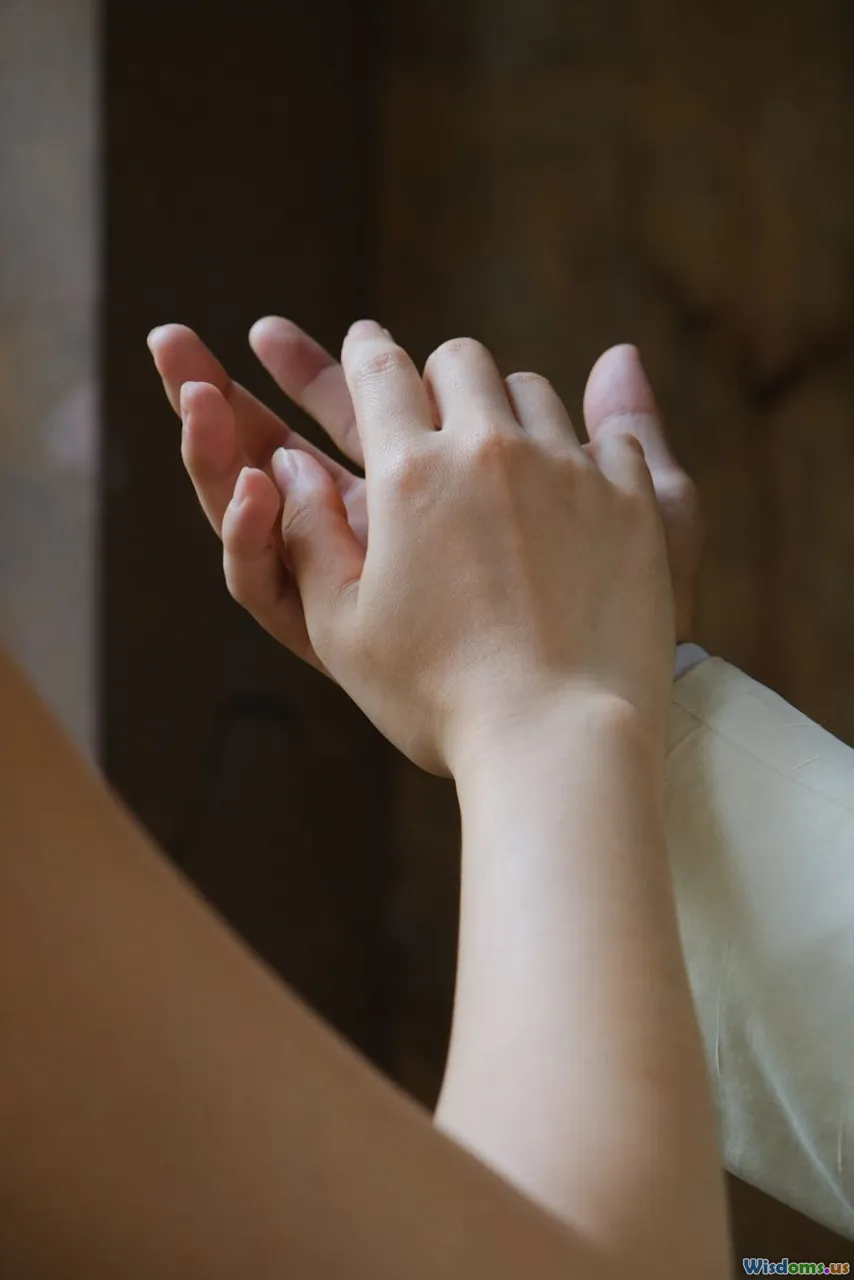
As years pass, marital conversations often default to logistics—kids, bills, calendars. Shifting communication patterns can reestablish mutual regard.
Listen Without Interrupting
Active listening is underrated but transformative. It motivates trust and demonstrates that your partner’s ideas matter, regardless of whether you agree.
How to Practice:
- Make eye contact, nod encouragingly, and put your device away while your partner is talking.
- Summarize what you heard before responding: “So, you’re saying you felt unsupported when I canceled date night.”
Use Respectful Language—Even in Disagreement
Respect isn’t agreement—it’s how you handle conflict. Focus on "I" statements ("I felt..." rather than "You always...") and keep the discussion about actions, not character.
Tip: When tension rises, research suggests taking a brief “mindful pause” (even 30 seconds) reduces the likelihood of saying things you’ll regret.
Reestablish Rituals of Connection

Rituals inject warmth and predictability into marriage, reminding partners to value each other consistently.
- Regular Date Nights: Whether it’s dinner out, a walk, or a movie at home, prioritizing connection time reinforces each partner’s importance.
- Morning or Bedtime Traditions: Hugging each morning, or saying something you’re grateful for before bed, ignites mutual appreciation.
- Anniversary Celebrations: Even small acknowledgments—like revisiting the place you met—emphasize ongoing commitment.
Example: After 20 years of marriage, Lila and Dan started leaving one sticky note of appreciation for each other weekly. It rekindled a playfulness they’d nearly forgotten.
Redefine Roles and Responsibilities Together

As roles evolve—through career shifts, parenting, or retirement—resentment can brew if unaddressed. Respected partnerships emerge when roles are intentionally crafted, not just assumed.
Action Steps:
- Inventory Tasks: Write down everything that needs doing at home.
- Openly Allocate: Assign or renegotiate based on current preferences and abilities.
- Honor Each Other’s Contributions: Publicly (at home or with family), acknowledge a job well done.
Example Scenario: Ahmed and Priya, married 22 years, faced increasing friction over finances after Priya returned to the workforce. They agreed to review household roles quarterly, discussing what worked and what didn’t. This ongoing renegotiation respected both of their evolving lives and ambitions.
Set and Revisit Shared Goals

Shared goals foster respect by reinforcing your roles as partners, not competitors. It might be buying a home, traveling, supporting a cause, or even learning a new language together.
Advice:
- Revisit your goals every year (not just on major anniversaries), and make joint decisions on new adventures.
- Acknowledge how each person contributes differently to shared milestones.
Research shows couples who pursue meaningful projects together (e.g., volunteer missions or business launches) experience a higher sense of shared purpose and respect.
Adopt Regular Acts of Service

Respect is expressed most consistently not in words, but in thoughtful deeds. These underscore commitment and recognition.
Ideas for Action:
- Deliver breakfast in bed during your partner’s stressful weeks.
- Handle an errand you normally wouldn’t tackle.
- Offer to take on an unpleasant chore without being asked.
Real-Life Story: In their 30th year of marriage, Rick and Simone rekindled closeness by "competing" to do invisible, supportive acts for one another—whether cooking a favorite meal or gassing up the car. The resultant uplift in mood and mutual respect was transformative.
Address Past Hurts, Forgive, and Move Forward
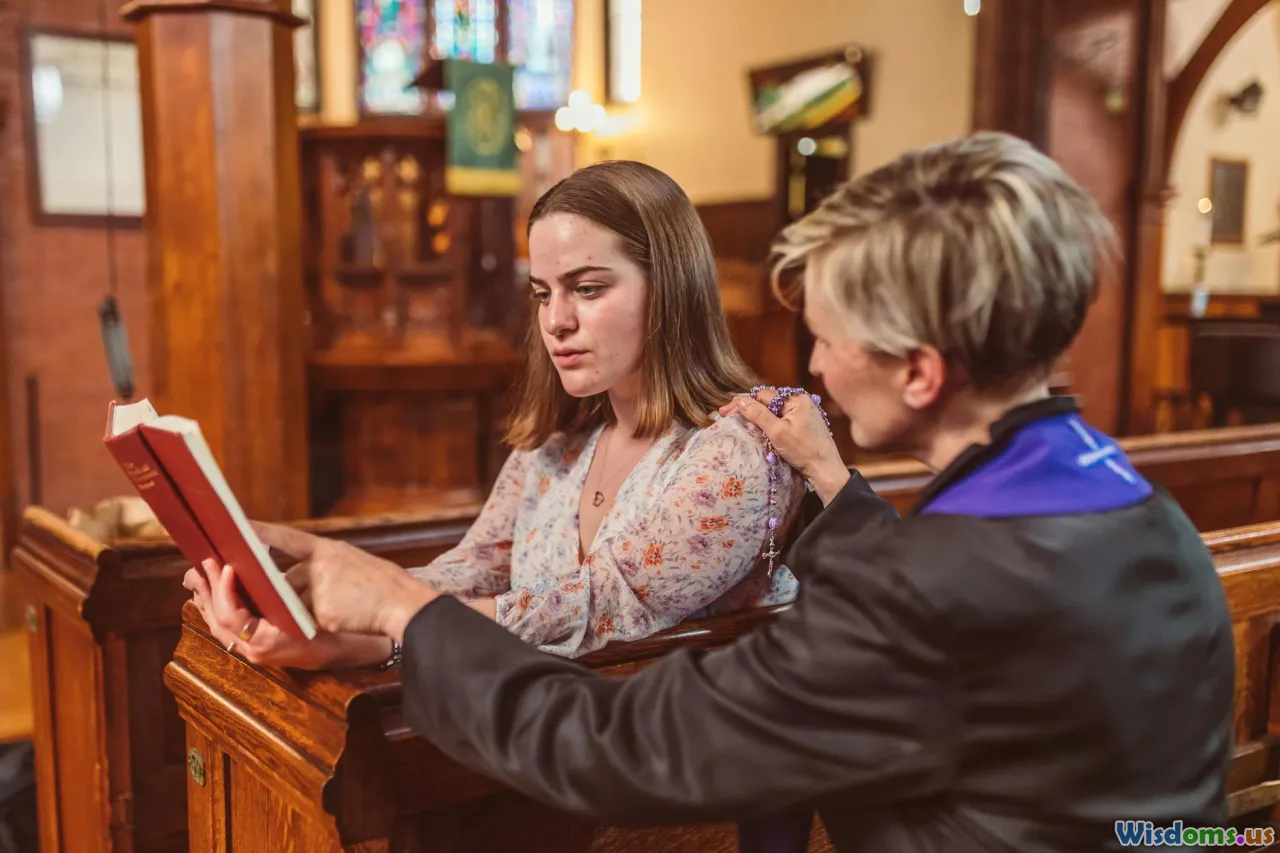
Years together inevitably bring challenges—and, sometimes, emotional wounds. The decision to repair and move on is integral to rebuilding mutual respect.
Advice:
- Schedule regular “State of the Union” talks, where both partners can safely raise difficult topics.
- If a past event continues to cast a shadow, consider working through it with the help of a counselor.
- Focus on forgiveness as a gift to yourself and your partner; lingering resentment corrodes respect more than almost anything.
Guiding Principle: Marriage researcher Dr. Julie Schwartz Gottman observed, “Forgiveness in established marriages is less an act than an attitude.” Embracing this stance keeps respect at the forefront, even when things are hard.
Invite Feedback and Continuous Growth

Just as organizations prioritize employee feedback for development, marriages benefit from regular check-ins. Invite—and welcome—constructive feedback from your spouse about how you’re relating, communicating, and supporting one another.
- What can I do to make you feel more respected this month?
- How are we growing together and as individuals?
Such conversations cultivate vulnerability and honesty—cornerstones of lasting respect.
Invest in Other Relationships and Interests

Respect flourishes when both partners also cultivate enriching lives outside the marriage. Healthy boundaries allow each person to pursue friendships, passions, or solo adventures without feeling threatened.
- Encourage your spouse’s independence, whether it’s joining a book club or traveling solo.
- Share your experiences when you regroup; this respect for autonomy also brings fresh energy to the marriage.
A survey by Psychology Today noted that couples who support each other’s friendships and personal interests maintain deeper trust and, by extension, respect.
When External Support Makes a Difference

Sometimes, respect falters despite best efforts. Reaching out for external guidance—is not a sign of defeat but of commitment.
- Couples Therapy: Licensed therapists offer tools and strategies tailored to long-married couples, from communication frameworks to practical homework.
- Support Groups: Sharing experiences within a safe peer setting minimizes isolation and introduces new perspectives.
- Retreats and Workshops: Intensive weekends designed for couples encourage deep dives into values, history, and forward planning.
Studies confirm that couples counseling can markedly repair erosions of respect, strengthening long-term marital outcomes.
Building respect isn’t about recreating the heady days of early romance, but about making conscious daily choices to treat your partner with care, appreciation, and understanding. It is this small but mighty cycle—acknowledge, act, affirm—that can restore and nurture respect, no matter how many decades you’ve shared.
Rate the Post
User Reviews







Popular Posts