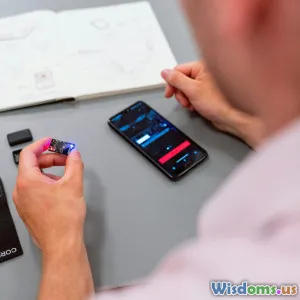
10 Ways User Centric Design Influences Branding
7 min read Discover how user-centric design transforms branding through empathy, engagement, and trust in 10 powerful ways. (0 Reviews)
10 Ways User-Centric Design Influences Branding
Branding is more than just a logo or a catchy tagline—it’s the soul of how a company connects with its audience. In an increasingly crowded marketplace, businesses must differentiate themselves not only with stunning visuals but also through meaningful, user-focused experiences. Enter user-centric design (UCD), an approach that prioritizes the needs, wants, and limitations of end-users at every stage of the design process.
In this article, we delve into 10 transformative ways user-centric design influences branding, crafting not only visually appealing elements but also instilling loyalty, trust, and long-lasting emotional connections.
What is User-Centric Design?
User-centric design puts the user at the heart of product and service creation. It involves extensive research including user interviews, usability testing, and feedback loops to refine design elements to better suit user behaviors and preferences. According to a Forrester report, companies investing in UX see up to a 400% return on investment, highlighting the power of focusing on the user.
1. Builds Authentic Emotional Connections
A brand becomes memorable when it resonates emotionally. User-centric design leverages insights about user needs, pain points, and desires to build empathetic brands that truly care. For instance, Airbnb redesigned its platform focusing on user stories and images, helping guests feel an immediate emotional warmth and trust, much beyond just booking accommodation.
Research by Nielsen Norman Group repeatedly emphasizes that users engage more deeply with brands that meet emotional and practical needs, directly fueling brand loyalty.
2. Creates Consistency Across Touchpoints
Consistency is crucial for brand recognition. UCD ensures that all design elements—from websites and apps to marketing materials—cohesively communicate the brand message tailored for users.
Take Spotify’s user interface: from desktop to mobile, the consistent interruptions-free music experience is a result of user-focused creativity ensuring the brand feels uniform across platforms.
3. Enhances Usability Dramatically
User-centric design ensures that users can interact effortlessly with your brand’s visual and digital assets. Brands like Apple demonstrate this—its products showcase minimalism and intuitive user flows that embody its brand premise of simplicity and elegance.
Great usability directly enhances customer satisfaction and retention, which compounds into positive brand reputation.
4. Supports Differentiation in Competitive Markets
One of the greatest challenges is standing out. User-centric design customizes branding strategies to unique user niches, creating differentiated experiences.
Take Warby Parker, an eyewear brand that combines chic design with a robust virtual try-on feature developed through user insights. This personalization set them apart in a crowded fashion accessory market.
5. Fosters Brand Loyalty Through Trust
Trust is earned, and user-centric design fosters it by delivering clear, accessible, and honest interfaces and communications. When customers feel respected and understood, they develop loyalty.
For example, financial app Mint offers straightforward dashboards making complex data digestible, which builds trust by reducing user anxiety around financial management.
6. Encourages Positive Word-of-Mouth
Satisfied users become brand ambassadors. A smooth user experience crafted with UX principles motivates sharing and referrals.
Dropbox’s early success partially stemmed from a simple and intuitive user invitation system designed with user behaviors in mind, fueling a viral growth strategy.
7. Drives Informed Decision Making with Data
UCD is rooted in continuous data collection and testing. Brands gain insights into how users interact with their designs, enabling iterative improvements.
Google constantly uses A/B testing on its interfaces, ensuring subtle changes improve usability and uphold its brand identity of innovation.
8. Aligns Visual Identity with User Preferences
Graphic design elements—colors, typography, imagery—when selected based on user research, make a lasting brand impression.
Nike’s use of bold, energetic colors paired with empowering messaging appeals directly to motivated athletes, reinforcing both brand values and user aspirations.
9. Supports Accessibility, Broadening Audience Reach
Inclusive design—a vital part of UCD—ensures brands serve a diverse audience, including people with disabilities.
Microsoft’s commitment to accessibility enriches its brand reputation as socially responsible, illustrated by its adaptive controller for gamers with disabilities.
10. Boosts Customer Engagement through Personalization
User-centric design allows brands to personalize content and interfaces reflecting unique user histories and preferences.
Amazon’s recommendation engine showcases how personalized experiences enhance engagement and sales, strengthening the brand as customer-focused.
Conclusion
Incorporating user-centric design into branding is no longer optional; it’s essential. When brands empathize with users and design thoughtfully around their needs, the result is a compelling, consistent, and trustworthy identity that fuels loyalty and market success.
From emotional connections to accessibility and differentiation, the ten ways outlined show that focusing on users is the linchpin for impactful branding strategies. As technology and user expectations evolve, brands that embed user-centric principles will lead the future of design and business growth.
If you’re looking to elevate your brand, start embracing user-centric design today—because your users are the ultimate brand architects.
References
- Forrester Research, The Business Impact Of Customer Experience
- Nielsen Norman Group, Emotions in UX
- Case studies: Airbnb, Spotify, Warby Parker, Mint, Dropbox, Google, Nike, Microsoft, Amazon
Rate the Post
User Reviews











Popular Posts