Behind the Scenes Making Believable Supernatural Creatures
30 min read Explore how filmmakers and artists craft convincing supernatural creatures using mythology, practical effects, CGI, sound, and performance—plus workflow tips, tools, and examples from modern cinema and games. (0 Reviews)
When a monster feels real, our brains don’t file it under “CGI” or “prosthetic.” We accept it as a living presence—an organism with intent, weight, and rules. Believable supernatural creatures aren’t just pixels or foam latex; they’re the sum of biology, behavior, lighting, sound, and story decisions that collaborate so convincingly that audiences forget they’re watching a trick. Here’s a practical, behind-the-scenes roadmap to making the unreal feel inevitable.
Build the Rulebook of the Unreal

If a creature defies nature, it still needs a nature of its own. Before you sketch a silhouette or fire up ZBrush, write the rulebook.
- Origin and ecology: Where does it come from? What does it eat? How does it move, hide, sleep, or breed? A ghost that drains body heat will linger near vents and doorframes; its presence fogs breath and frosts metal. A subterranean demon’s eyes don’t reflect much light, but its ears are enormous.
- Limits and costs: Powers need price tags. Teleportation might require a line-of-sight “anchor,” leaving a scorched residue. Regeneration could make your creature hungry for rare minerals, forcing it to raid hospitals or mine tailings—story hooks that guide production design.
- Cultural footprint: If the entity has existed for decades, what myths, sketches, police reports, or hushed songs exist? These artifacts guide visual motifs and give the art department an anchor for props and set dressing.
Actionable tip: Draft a one-page “field guide” with anatomy notes, observable behaviors, telltale traces (sound, smell, temperature), and weaknesses. Hand it to every department. It cuts ambiguity and inspires consistent choices across makeup, lighting, and sound.
Research Folklore, Biology, and Physics (In That Order)

Begin with cultural research. Many “new” creatures are remixable threads from folklore: the Slavic rusalka, the Filipino aswang, the Japanese yōkai. When adapting, consult cultural experts and avoid cherry-picking symbols without context. Respectful reinterpretation often produces richer designs.
Then study biology. Even supernatural forms benefit from grounding in real organisms:
- Amphibians for skin: Subsurface scattering and an ever-wet sheen sell “living.” Add a tear film to eyes; it’s astonishing how a crisp corneal specular makes a thing feel alive.
- Chiropteran wings (bats) for credible membranes: Note how veins emphasize stress lines and how claws anchor into joints.
- Cephalopods for limb intelligence: Tentacles move with multiple centers of action. When animating, think of peristaltic waves and sensor-rich tips.
- Arthropods for exoskeletal logic: Segmenting joints along believable axes avoids “rubber hose” motion.
Finally, respect physics. Weight communicates scale. Big creatures accelerate slowly, then commit hard; small creatures jitter, pivot, and twitch. If your demon lands on a car hood, the suspension compresses, glass micro-fractures, and the camera wobbles a few frames late. That cascade of cause-and-effect reads as truth.
Shape Language and First Impressions
Audiences decide how to feel about a creature in milliseconds, reading silhouette and shape language before details register.
- Triangles and sharp angles feel predatory. Curves and circles read as benign or naive. Mix them to create uncanny responses—rounded skull with needleline teeth.
- Negative space matters. If a horn arc frames large holes where eyes should be, it telegraphs hunger or emptiness. Use gaps to echo motifs tied to theme (e.g., cathedral window shapes for a fallen-angel beast).
- Keep a readable silhouette. Test with blacked-out thumbnails at multiple scales: poster, mid-shot, wide shot. If it turns to mush at 60 pixels tall, simplify.
Practice: Create 12 thumbnail silhouettes in under an hour. For each, give a one-line biological rationale: “Hangs upside down—hips built for inversion,” “Stiffened tail as counterweight.” The story informs form, the form informs animation.
From Sketch to Sculpt: A Smart Concept Pipeline
Speed matters early; precision matters late. Many teams iterate through:
- Mood boards and constraints: Gather nature photos, ethnographic references, and industrial textures. Set constraints—three signature features, two color families, one silhouette rule.
- 2D exploration: Rapid sketches and photobashes (KitBash3D fragments, rust plates, orchid petals). Keep contrast high and edges clean so the silhouette tests well.
- 3D blockouts: Jump to ZBrush or Blender for rough forms. Use Dynamesh to push proportions; don’t chase pores. Print a small maquette to judge volume in real light.
- Material tests: In Substance 3D Painter or Mari, block rough albedos and value zones—blood flow regions (ears, cheeks), keratinized areas (horn tips), and wear patterns.
A helpful discipline: Lock a “Design Rationale” panel right on your concept sheets. Note how the scapula is enlarged to support wing load, how the jaw hinge allows a 160-degree gape, or how luminescent mucus attracts prey. Those notes guide rigging and FX later.
Flesh and Fabrication: Practical Builds That Survive the Set
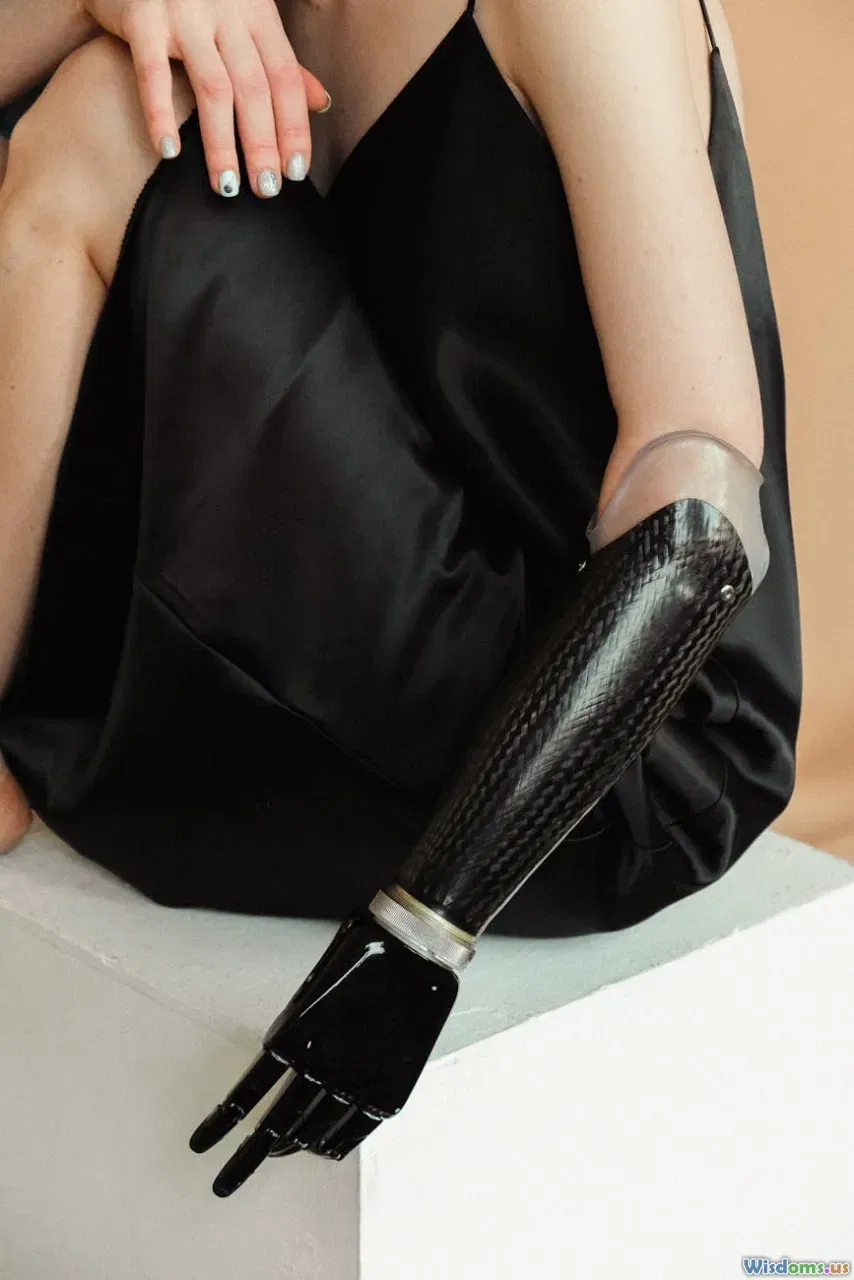
Practical effects—prosthetics, suits, and animatronics—give actors eyelines and bounce real light into the lens.
- Materials: Use platinum-cure silicone for translucent skin; it takes pigment intrinsically and moves convincingly for closeups. Foam latex is lighter and cheaper for larger coverage but looks chalky unless sealed and glossed strategically. Urethane skins are rugged for stunt suits.
- Adhesives and safety: Medical-grade adhesives like Pros-Aide or silicone-based systems (e.g., Telesis) keep prosthetics on for long days. Removal should use manufacturer-approved solvents; never rely on pure alcohol on sensitive skin. Patch-test actors. Monitor for heat stress—CO2 builds up fast inside suits.
- Ventilation and cooling: Suit performers need air channels, quick-release zippers, and cool vests. Build hidden panel access for hydration and communication. Schedule “out-of-suit” breaks every 20–30 minutes in heat.
- Animatronics: Eye blinks, brow furrows, and subtle breathing lifts are high ROI. Use lightweight cable or RC mechanisms; heavy skull rigs fatigue performers quickly. Design a “safe mode” where servos relax without pinching.
- Makeup workflow: Alcohol-activated paints for durable mottling, silicone glazing for wet look, and glycerin or methylcellulose gels for slime. Keep continuity with high-res reference and a skin-map diagram.
Case insight: Productions often build a “hero head” with dense detail and animatronics for closeups, a mid-tier head for side angles, and a lightweight stunt mask for action. Swapping saves time and keeps performers safe.
Digital Doppelgängers: Modeling, Rigging, and Shading for Truth
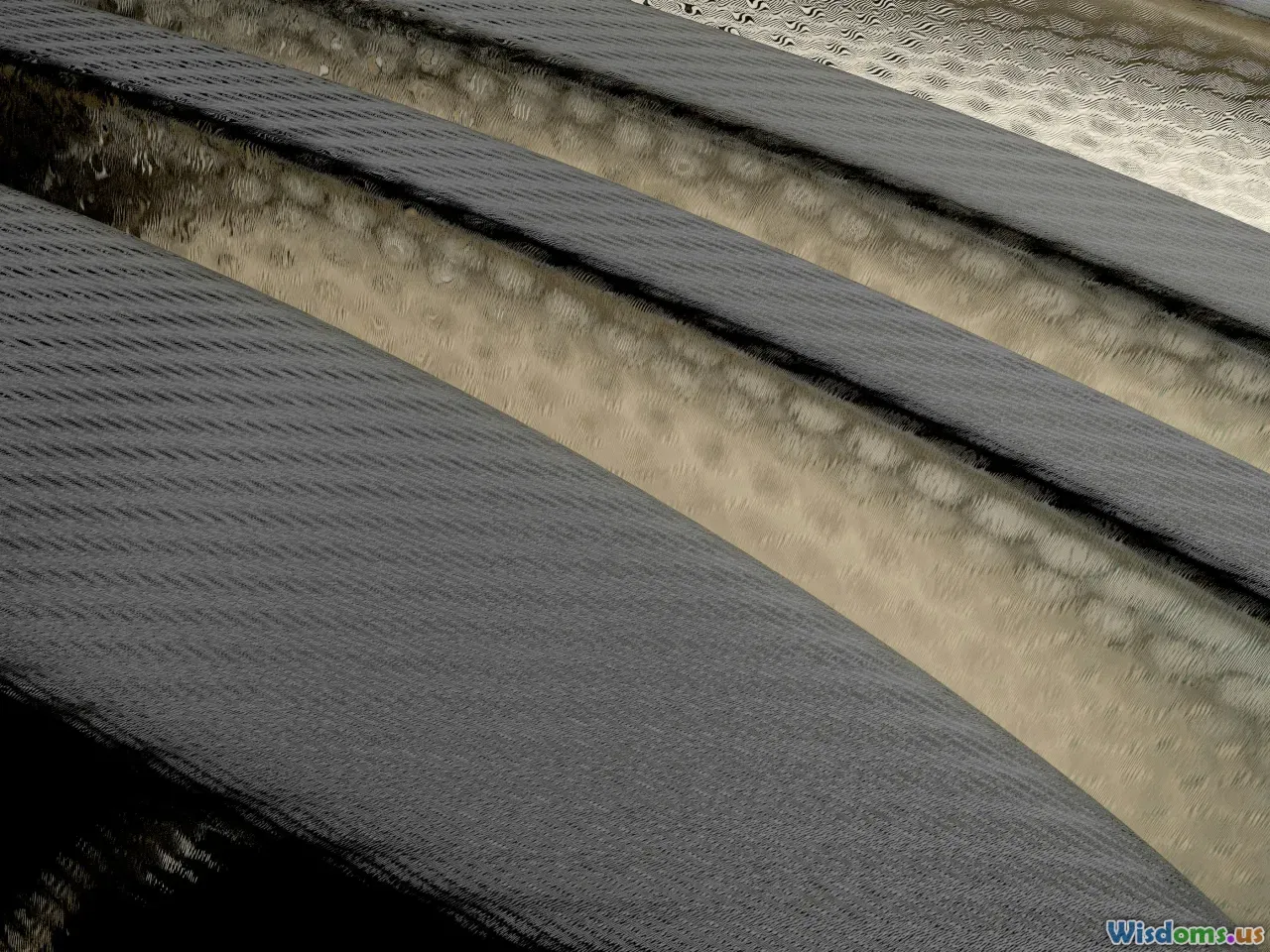
Even when a creature is mostly practical, digital augmentation is almost guaranteed: eye replacements, extra appendages, gore sims, or full-body shots.
- Modeling: Start with clean topology that respects muscle flow. Iterate from concept sculpts to production meshes with retopology tools. Bake displacement and normal maps from high-resolution sculpts.
- Rigging: Build layered rigs—FK/IK limbs with space-switching, facial rigs that combine blendshapes with joint-based deformations, and muscle simulation (e.g., Ziva) where needed. Include foot locking, scapular slides, and breathing cycles.
- Shading: Skin isn’t just subsurface scattering; it’s oily T-zone, dryer cheeks, capillaries, and variable roughness. Manage in ACEScg color space; calibrate using on-set Macbeth charts. Eyes need layered shaders for cornea, iris with anisotropy, sclera veins, and a tear meniscus for realism.
- Fur and groom: XGen/Yeti/Ornatrix grooms should vary clump size, noise, and breakage. Add oily tips and dirt cards in high-wear zones.
- Rendering and AOVs: Render ID, cryptomatte, motion vectors, and light groups to give compositors surgical control. Keep a “beauty-lite” philosophy: do as much as possible physically plausible in render, then nudge in comp.
Production tip: Create a “show LUT” early and stick to it. A wandering grade can break your carefully tuned skin translucency or slime highlights.
Movement That Sells the Supernatural
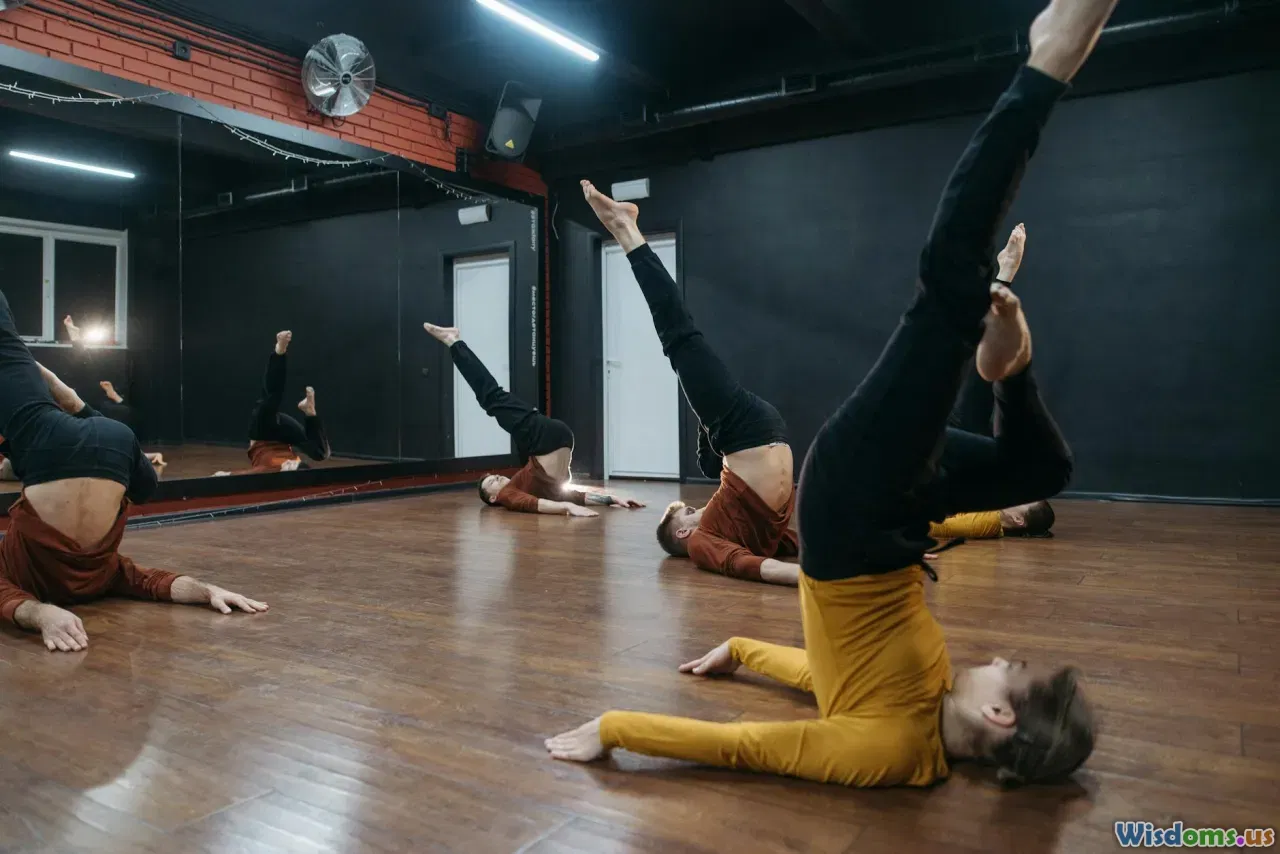
People can forgive design choices but rarely forgive motion that feels weightless or indecisive.
- Biomechanics: Define the center of mass. For a digitigrade demon, hips sit high and forward; the torso counters with a tail-based stabilizer. Heavy beasts have contact-rich gaits; toes splay, heels dampen, shoulders roll.
- Accents and tells: Invent micro-metrics—breathing cadence, ear twitches, tongue taste-checks, or an involuntary shudder triggered by sound frequencies. These habits make a creature feel like a species.
- Choreography and “Creature Camp”: Schedule rehearsals with a movement coach. Teach performers how to shape silhouettes, maintain eye focus, and break human gait signatures. Record motion tests in costume pieces to catch range-of-motion limits early.
- Mo-cap and keyframe blend: Motion capture is great for base timing and contact fidelity; creatures that break human anatomy usually need keyframe polish to push arcs and spine flexibility beyond human limits.
Editing note: Cut on intent, not just action. Holding a half-second longer on the creature’s preparation breath can sell its intelligence and mass.
Sound: The Invisible Glue of Believability
Sound turns a rubber suit into a predator. Design from the inside out:
- Voice construction: Layer animal recordings—walrus bellows for chest resonance, slowed cicadas for chitter, dolphin squeaks pitched down for neurotic edge. Formant-shift rather than simple pitch to preserve articulation. Record custom growls through tubes or resonant metal for size.
- Body and presence: Skin creak, wet suction pops, tendon snaps (celery works, but goat ribs recorded with contact mics are gold), and cloth rustle tell us how the body moves. Low-frequency energy (40–80 Hz) suggests scale; use sparingly to avoid muddy mixes.
- Echolocation or magic cues: Build a sonic motif tied to the creature’s power. For echolocation, short impulse clicks convolved with the environment’s impulse response give spatial plausibility. For psychic effects, a delicate ring-modulated tone can foreshadow an attack subtly.
- Space and silence: Dynamic range sells proximity. Mute backgrounds as the creature nears to “pull focus” for the ear—A Quiet Place leveraged this expertly.
Mixing tip: Route creature frequencies into specific beds that survive TV downmix. The scariest timbre lost at -6 dB fold-down is a wasted idea.
On-Set Integration: Give VFX What It Needs
Good plates make good composites. Standard capture kit:
- HDRI and chrome/gray balls: Shoot a 7–9 exposure bracket on a chrome ball for reflections and a 18% gray ball for diffuse reference. Capture from creature position for correct parallax.
- Color and lens data: Slate with lens, stop, and shutter. Shoot a Macbeth chart. Capture lens distortion grids per lens; store LD data in metadata.
- Geometry capture: LIDAR or photogrammetry of sets gives matchmove artists the truth. Mark set anchors (corners, doorframes) with QR-coded markers for easy solve.
- Witness cameras: A GoPro or iPhone locked to set records continuous action for animator reference. Mount on opposite axis from the A-camera for parallax coverage.
- Clean plates: Get them. VFX coordinators love you forever.
Practical trick: Place a simple foam silhouette (or a performer in a neutral suit) on marks. Real shadows, occlusions, and eyelines beat imagination every time.
Cinematography for Scale and Mystery

Cameras teach viewers how to feel. Use them deliberately.
- Lensing: Wider lenses up close exaggerate size and distort features—great for predatory snouts. Long lenses flatten, making a huge creature feel statuesque. Mix setups to keep the audience uneasy.
- Shutter and motion blur: A 180-degree shutter at 24 fps is standard; reducing shutter angle to 90 degrees sharpens frantic motion for unnatural staccato, while increasing it smears magic into the frame.
- Atmospherics: Haze adds depth and reveals light volumes—vital for integrating CG. Fog also slows motion visually; particles catch rim lights on fur or slime.
- Reveals: The “Jaws rule” still works. Sound first, then silhouette, then detail. Use partial occlusion—doorframes, venetian blinds, tree branches—to tempt the eye. Hold the full reveal for a motivated story beat.
On a tight budget, shoot through diegetic elements (rain, cloth, glass). Imperfect, layered images hide seams and feel lived-in.
Case Files: What We Learn from Notable Creatures
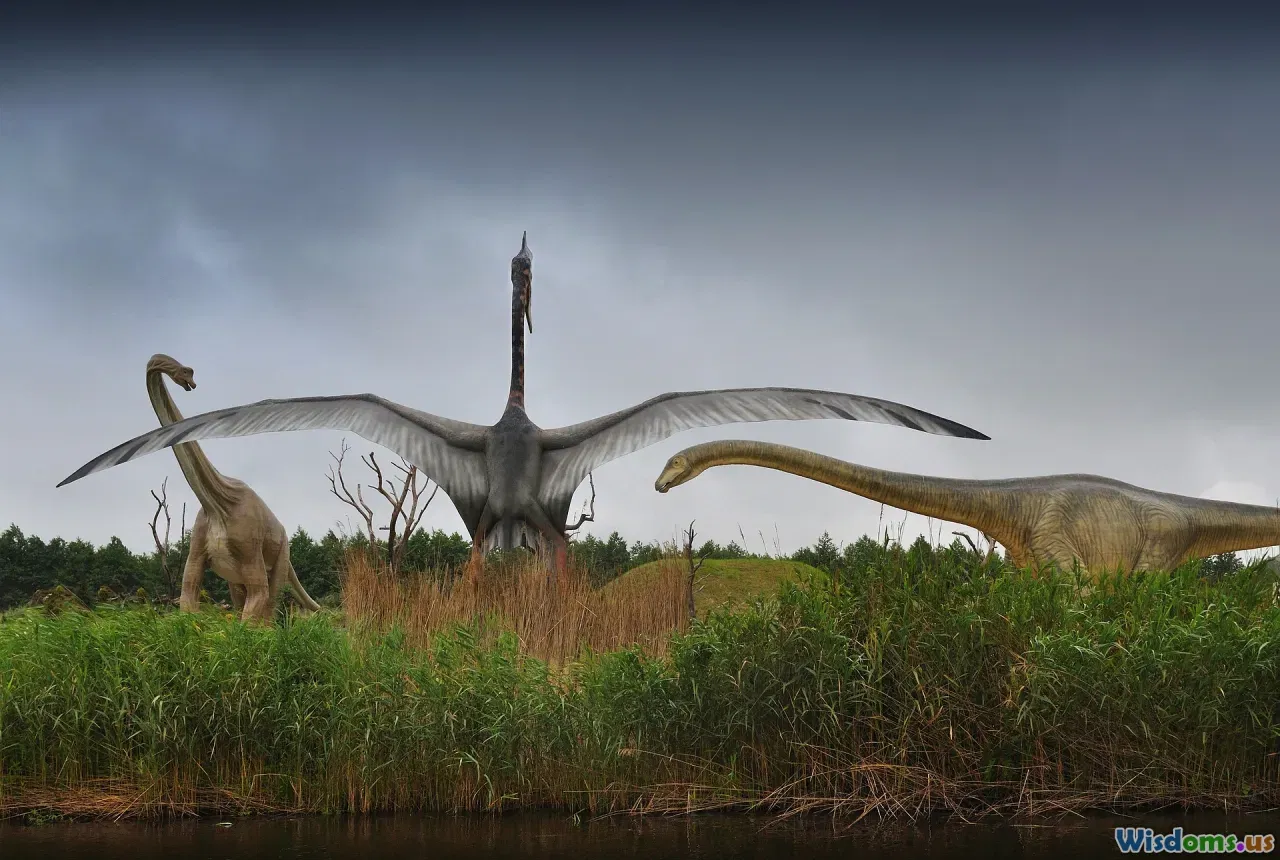
- Jurassic Park’s T. rex: The blend of full-scale animatronics and CG set the gold standard. The live-action T. rex’s skin absorbed rain, changing weight and movement unpredictably—crew famously towel-dried it between takes. That serendipity added realism: sporadic twitching, uneven bounce. Sound design layered elephant bellows, lion roars, and slowed alligator growls to shape a voice that felt huge but articulate.
- The Shape of Water’s Amphibian Man: A performer in a meticulously crafted suit allowed intimate acting. The team augmented with subtle CG for eyes and skin nuance rather than replacing the performance. Takeaway: If your creature needs to love and be loved, prioritize practical presence and micro-expression.
- The Last of Us’ Clickers (series): Extensive practical prosthetics gave them tangible texture and volume; VFX enhanced mouths, added subtle fungus movement, and cleaned seams. When designing a species, repeating a motif (the split mushroom cap) across individuals created visual continuity.
- Stranger Things’ Demogorgon: A performer-in-suit approach on set established lighting and scale, with digital augmentation for extreme facial “petal” spreads. Takeaway: Hybrid methods let you push anatomical extremes while retaining a grounded on-set core.
Patterns across these examples: hybrids win, eyes matter, and constraints—weather, budget, or actor comfort—often force the smartest choices.
Budget, Time, and the Creature Pipeline

You can have anything—just not everything. Structure the work.
- Asset tiers: Build a single “hero” asset for closeups (4–8 UDIMs, muscle sim, groom), a mid asset (fewer UDIMs, simplified rig), and background variants (texture-swapped, LODs). For practical builds, create a hero head and hands, with a lighter stunt suit.
- Sequence planning: Group all shots requiring the hero asset into a block so departments iterate in parallel. Design action to reuse angles and lighting setups.
- Version control and tracking: Use ShotGrid/FTrack for task flow, USD for scene interchange, and Git-LFS/Perforce for data. Define naming conventions and publish rules; nothing stalls momentum like broken paths.
- Testing days: Budget camera/makeup tests early. Put the suit under your actual lights. Do running tests to discover seam splits, range of motion issues, and paint durability. For CG, run a lighting turntable through every show LUT and comp template.
- Simulation budgets: Hair and cloth sims chew time. Cache heavy sims overnight. Decide which shots justify muscle/tissue sims; fake the rest with pose-space deformations.
Money-saving idea: “Build once, shoot many.” If your creature has a signature attack, design three distinct beats you can reuse in variations across episodes or scenes.
Ethics and Cultural Sensitivity
Borrowing from living traditions obliges respect. Practical guidelines:
- Consult early: Hire cultural consultants and credit them. If adapting a specific myth, ask what symbols are sacred or off-limits.
- Avoid stereotype bundles: If your creature’s design borrows clothing, music, or religious objects, make sure usage is narratively justified and not decorative exotica.
- Share benefits: When possible, involve artists from the culture in the design and construction. Their insight often unlocks stronger, fresher choices.
Ethics are not creative handcuffs; they’re design constraints that push clearer, more resonant storytelling.
Practical How-To: A Cross-Department Checklist

Before the shoot:
- Creature field guide approved by showrunner and department heads
- Biomechanics ref library (slow-motion animal studies, ethnographic movement videos)
- Concept silhouettes tested small; hero turnarounds locked
- Makeup tests with sweat, rain, and stunt movement
- VFX test of skin shader under show LUT; eye reflections validated
- Sound team captures original textures (breaths, scrapes) on set
- HDRI kit, lens grids, charts packed; witness cam plan ready
On set:
- Gray/chrome balls shot for each lighting setup
- LIDAR/photogrammetry of key sets captured once, updated as needed
- Clean plates logged; practical shadow makers placed when useful
- Suit performer break schedule enforced; hydration and CO2 monitoring
- VFX supervisor checks tracking markers, lens data, and slate notes
In post:
- Hero shots prioritized; animation cycles locked for reuse
- Muscle/fat jiggle tuned for weight cues; foot contact solved
- Sound motifs mapped to narrative beats; LFE disciplined
- Colorist looped in early to protect skin response and night scenes
Common pitfalls and fixes:
- Weightless feet: Add contact deformation, micro slip, and dust/splash elements.
- Dead eyes: Boost tear meniscus, add subtle pupil dilation tied to light or emotion.
- Over-detailed textures at distance: Use mipmapped texture variants with lower contrast.
- Noisy sound: Carve space for creature frequencies with EQ sidechain; don’t just boost volume.
Materials and Gunk: The Texture of the Supernatural

Goo sells horror. But the recipe matters.
- Slime: Methylcellulose gel mixed with glycerin holds shape and stays glossy longer than plain water. For stringy drool, add a small amount of xanthan gum; tint with food coloring sparingly.
- Blood: For mouth-safe blood, use corn syrup with food-grade pigments; for wardrobe, use washable concentrates. Remember that fresh arterial blood is bright cherry under daylight but reads darker under tungsten.
- Dust and ash: Fuller’s earth creates floating motes for supernatural entrances; always follow safety guidelines and respiratory protection.
- Burn marks and corrosion: Use salt/vinegar etching on test metals for reference, replicate digitally with edge-wear masks and cavity AO.
Texture tip: Don’t equalize the whole creature with the same gloss. Make joint creases wetter, knuckles and horn tips drier. This variance reads as lived-in biology.
AI, Real-Time, and the Near Future

New tools expand the toolbox, not replace it.
- Real-time visualization: Unreal Engine with Lumen/Nanite enables on-set visualization of CG stand-ins under live lighting. Directors can compose shots with the creature’s true volume.
- LED volumes: For night exteriors or otherworldly environments, LED walls provide interactive light. Keep creature albedo accurate; overly bright diffuse surfaces can look “LED-fake.”
- NeRFs and photogrammetry: Rapid environment capture improves matchmove and reflections. Use for scouting and for quick previsual blocking.
- Generative AI for ideation: Internal models or licensed tools can produce mood boards and variants. Keep legal clean: do not train on unlicensed IP; treat AI outputs as thumbnails, not final design. Always push through original sculpting and painting.
Integration tip: Bake real-time previs camera moves into your editorial timeline so stunts and VFX work from the same plan, reducing reshoots.
Training the Audience’s Eye: Editing and Story Craft
Believability isn’t only a visual challenge; it’s a narrative one.
- Point-of-view: Decide how much your characters understand. If they’re learning with the audience, show partial information and let deductions happen onscreen.
- Rhythm: Alternate between anticipation (sound, shadow, breath) and payoff (impact, reveal). Predictability makes creatures feel tame.
- Stakes: Tie creature behavior to consequences beyond gore. If the banshee’s scream cracks glass, show the aftermath in production design—shattered windshields, reinforced windows in cautious homes.
If you teach the audience how the creature works, they’ll notice when you break your own rules. Breaks can be thrilling—but make them intentional.
Mini-Workshop: Designing a Winter Wraith
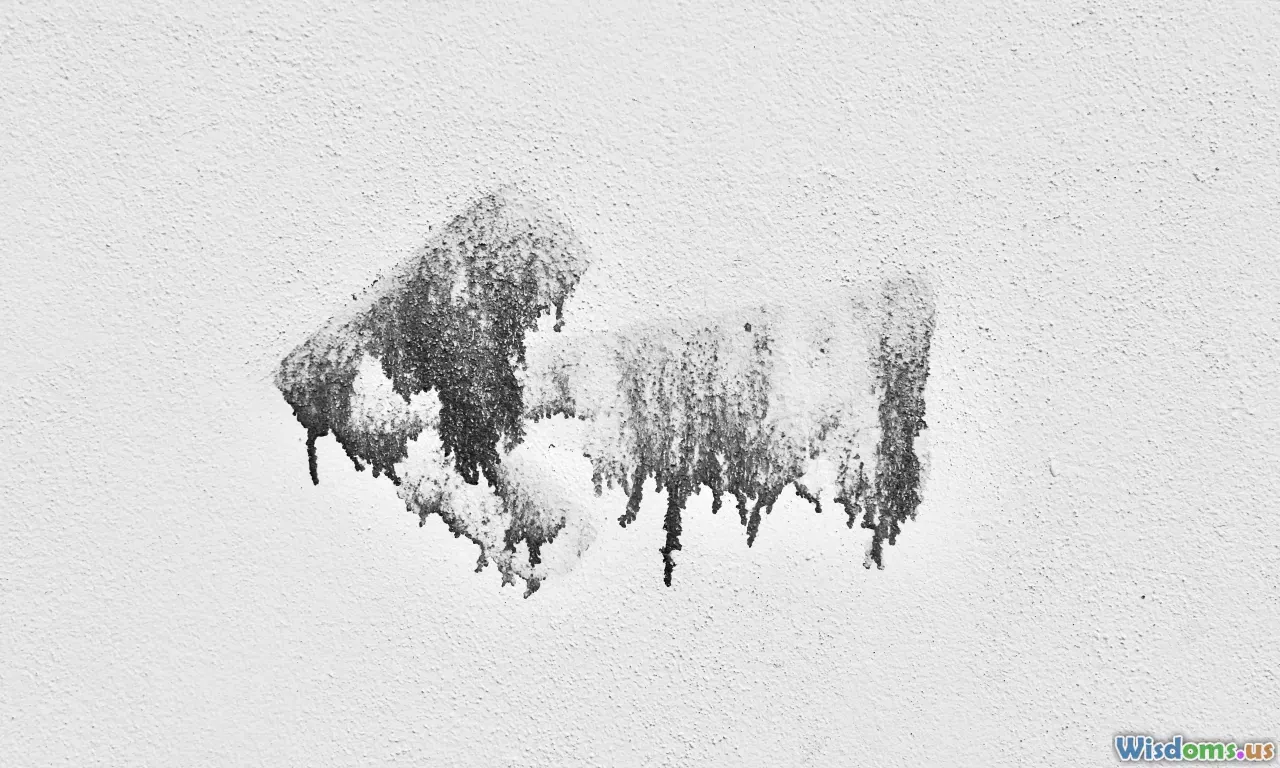
A quick example of turning rules into design.
- Rulebook: It feeds on heat, not souls. It’s repelled by copper. It can thin itself to pass through tiny gaps but condenses near breath.
- Shape language: Tall, tapering silhouette with narrow pelvis; long arms ending in multiple ribbon digits that seek warmth. No feet, but tattered skirt-like tendrils carry heat shimmer.
- Practical build: A lightweight translucent cloak with silicone-coated ribbons, embedded with fiber optics for subtle pulse. Dry ice vapor piped through hidden channels to make breath-steal visible.
- Digital touches: Refractive shader for the core, with heat-haze distortion tied to proximity. Add micro snow sublimation where it passes.
- Sound: A faint, detuned wind chime modulated by nearby body temperature; close proximity adds condensed breath crackle.
- Cinematography: Backlight through vapor for volume; shoot at higher frame rates for ribbon slow drift, then intercut with normal speed for uncanny timing shifts.
This exercise forces each department to contribute a piece of the same logic.
Troubleshooting the Uncanny Valley
When something feels “off,” diagnose systematically:
- Eye line mismatch: Actors looking at the wrong height? Add a physical eyeline marker and re-time reactions.
- Gravity lies: Footfalls not affecting environment? Add interaction—debris, camera micro-shake, dynamic lights flickering.
- Texture scale: Pores too big or too small for creature size? Adjust tiling or switch to macro skin references.
- Animation curves: Over-eased moves read as floaty. Push holds, accelerate into contacts, delay follow-through.
- Lighting integration: CG too clean? Layer grime passes; match fill levels and shadow softness. Ask gaffer for light plots to replicate ratios.
Keep a short “failsafe” checklist on the wall of your screening room. Fresh eyes and standardized checks save days.
The magic of believable supernatural creatures isn’t any single trick; it’s the discipline of shared rules, precise craft, and empathetic storytelling. When departments align around biology, behavior, and theme, even the strangest entity can feel inevitable—as if it’s always lived in that world, just out of sight, waiting for the right light, the right sound, and the right moment to step in.
Filmmaking Sound Design Biomechanics CGI Visual Effects (VFX) Mysteries & Supernatural Supernatural in Pop Culture motion capture Creature Design Storytelling & Worldbuilding practical effects prosthetic makeup animatronics creature rigging texture painting mythology research lighting for VFX performance direction
Rate the Post
User Reviews
Other posts in Biomechanics





Popular Posts