Budget Road Tripping How to Explore Without Breaking Bank
16 min read Discover practical tips for budget-friendly road trips, helping you explore new destinations without overspending. (0 Reviews)
Budget Road Tripping: How to Explore Without Breaking the Bank
If the open road calls but your wallet holds you back, you’re not alone. Road tripping is a time-honored adventure, but the rising costs of fuel, food, and lodging can make even the most spontaneous travelers pause. However, exploring by car doesn’t have to drain your savings. In fact, with some savvy planning and smart choices, a budget road trip can unlock hidden gems, forge unforgettable memories, and keep your financial stress at bay. This guide breaks down actionable strategies, real-world examples, and practical hacks for experiencing the freedom of the road without overspending. Let’s roll out and explore how you can make every penny count on your next journey.
Planning the Perfect (Affordable) Route
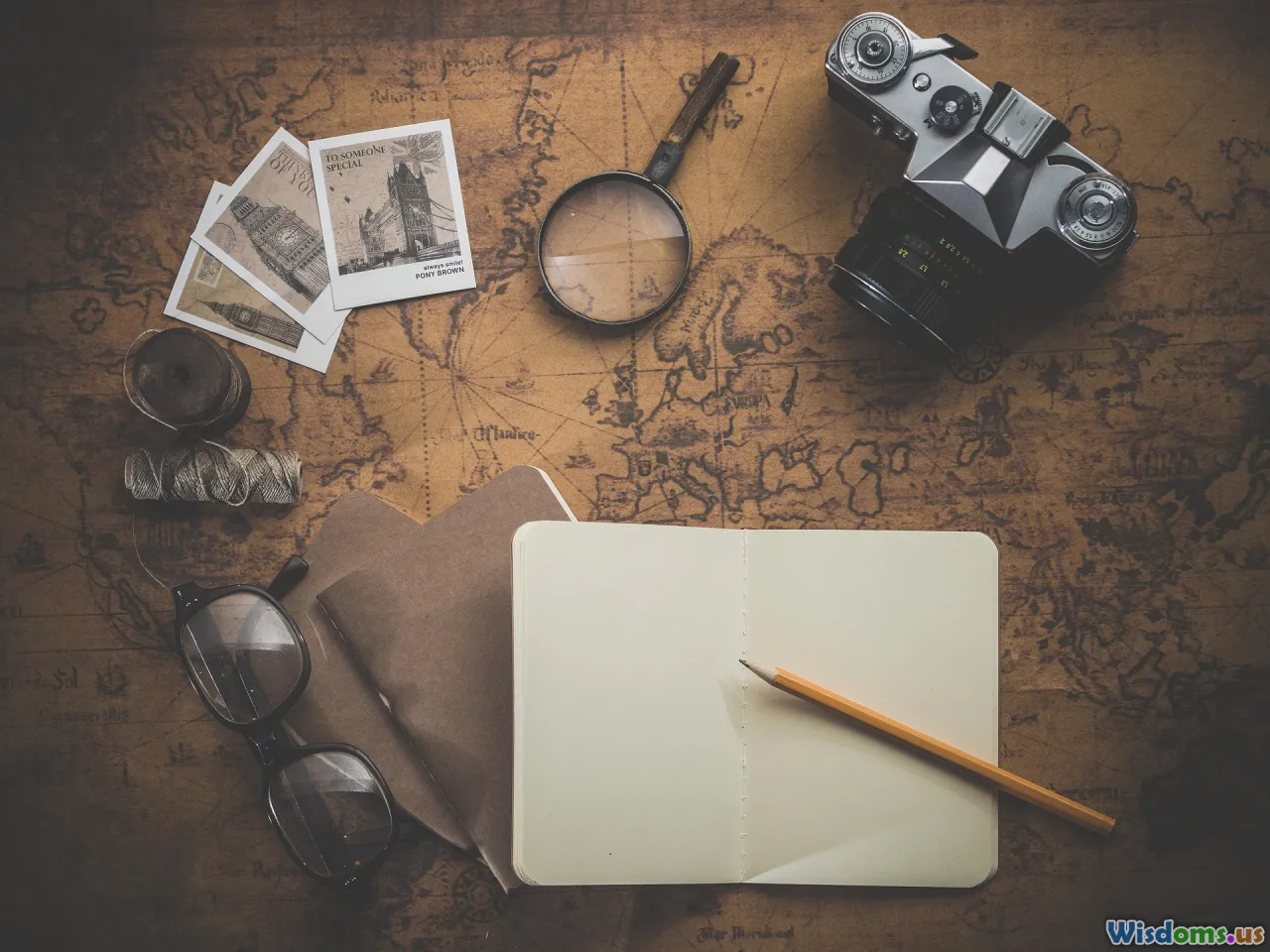
Before your wheels hit the asphalt, thoughtful planning is your greatest asset. A cost-efficient journey starts with the right route—one that maximizes adventure while minimizing extra expenses.
Start Local and Expand Gradually
Begin with closer-to-home destinations. For instance, if you live near the Midwest, consider exploring state parks or quirky roadside attractions within a 300-mile radius. You’ll save on gas and reduce the risk of unexpected costs.
Leverage Free and Low-Cost Tools
Apps like Roadtrippers and Furkot help plot your journey, highlight budget-friendly stops (think free museums and scenic overlooks), and estimate trip costs in advance—including fuel and tolls. Use Google Maps offline mode to avoid mobile data charges in rural areas.
Prioritize Off-Highway Adventures
Scenic byways often bypass tolls and offer richer experiences than major interstates. For example, California’s Highway 1 or Arkansas’ Pig Trail Scenic Byway afford breathtaking views without the need for a pricey national park entrance ticket.
Packing Like a Pro: Essentials That Cut Costs
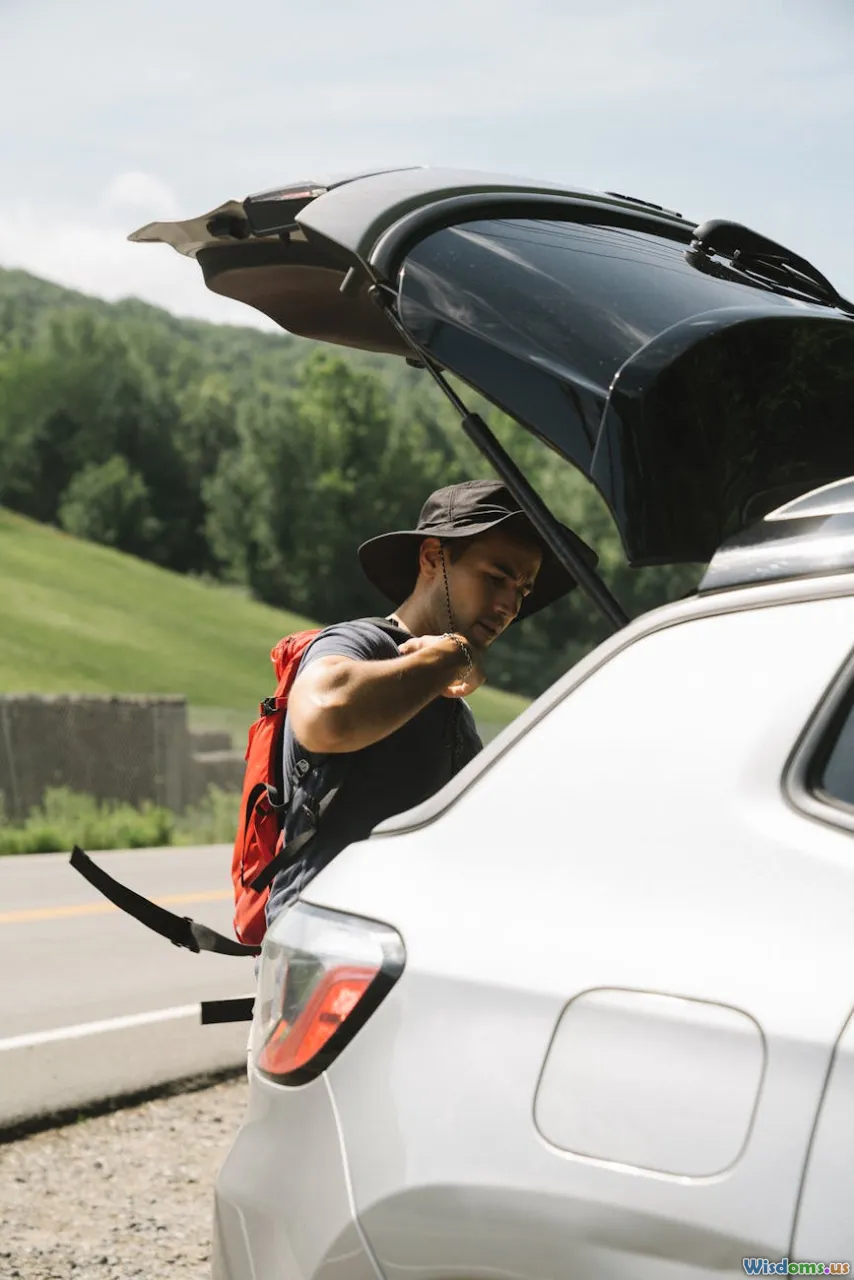
What you bring sets the tone for your budgeting success. Every item packed is one less item to buy at tourist-inflated convenience stores.
Invest in a Cooler and Reusable Kitchenware
A quality cooler lets you carry perishable snacks, saving you from expensive and unhealthy roadside meals. Prepping sandwiches, salads, and snacks like cut veggies or granola bars at home can slash daily food expenses by more than half.
Bring Your Own Entertainment
Podcasts, audiobooks, and playlists offer hours of free entertainment. Download content ahead of your trip to avoid streaming over cellular data. Not sure where to begin? Classics like “Serial” or “The Moth Radio Hour” provide hours of captivating storytelling, all for free.
Plan for Emergencies
Pack a converted "Go Box" with items like a first aid kit, jumper cables, flashlight, duct tape, and a basic tool kit. Unexpected breakdowns are costly; being prepared can save you hundreds in roadside assistance fees or emergency store visits.
Saving on Gas: Get More Miles Per Gallon
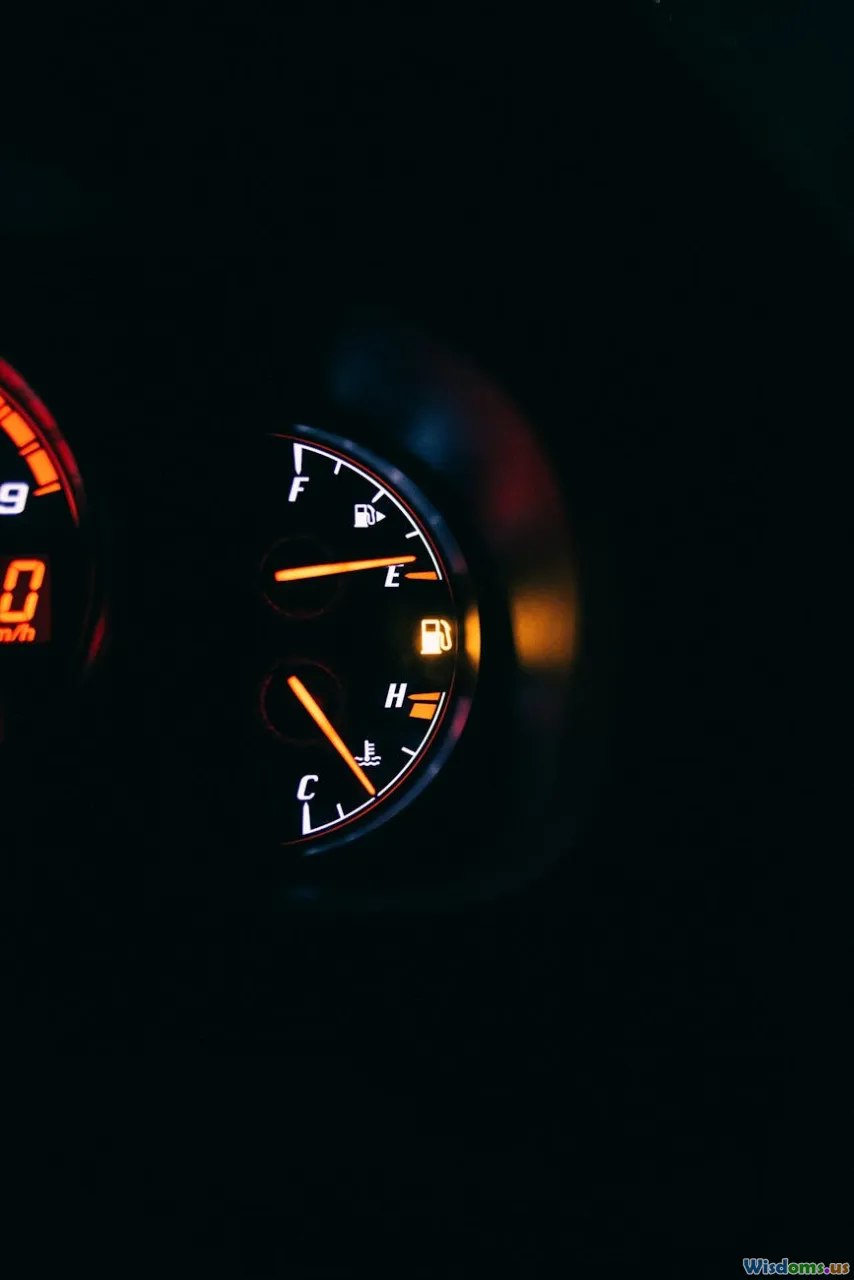
Fuel costs can comprise over 30% of total road trip expenses, especially with fluctuating gas prices. Small adjustments in driving habits and planning can yield big savings.
Apps for Real-Time Savings
GasBuddy, Waze, and Upside help you locate the cheapest gas stations along your route. Some even offer cashback for linking your purchases.
Drive Smarter, Not Harder
Maintain steady speeds, use cruise control on highways, and avoid rapid accelerations. According to the U.S. Department of Energy, aggressive driving can reduce fuel efficiency by up to 30%. Not only does this lower fuel costs, but you’ll increase your car’s longevity.
Lighten Your Load
Remove unnecessary weight from your trunk—even 100 extra pounds can decrease miles per gallon. Roof racks decrease aerodynamic efficiency; stash gear inside when possible. Before heading out, check tire pressure, as underinflation saps gas mileage.
Food on the Road: Eat Well for Less
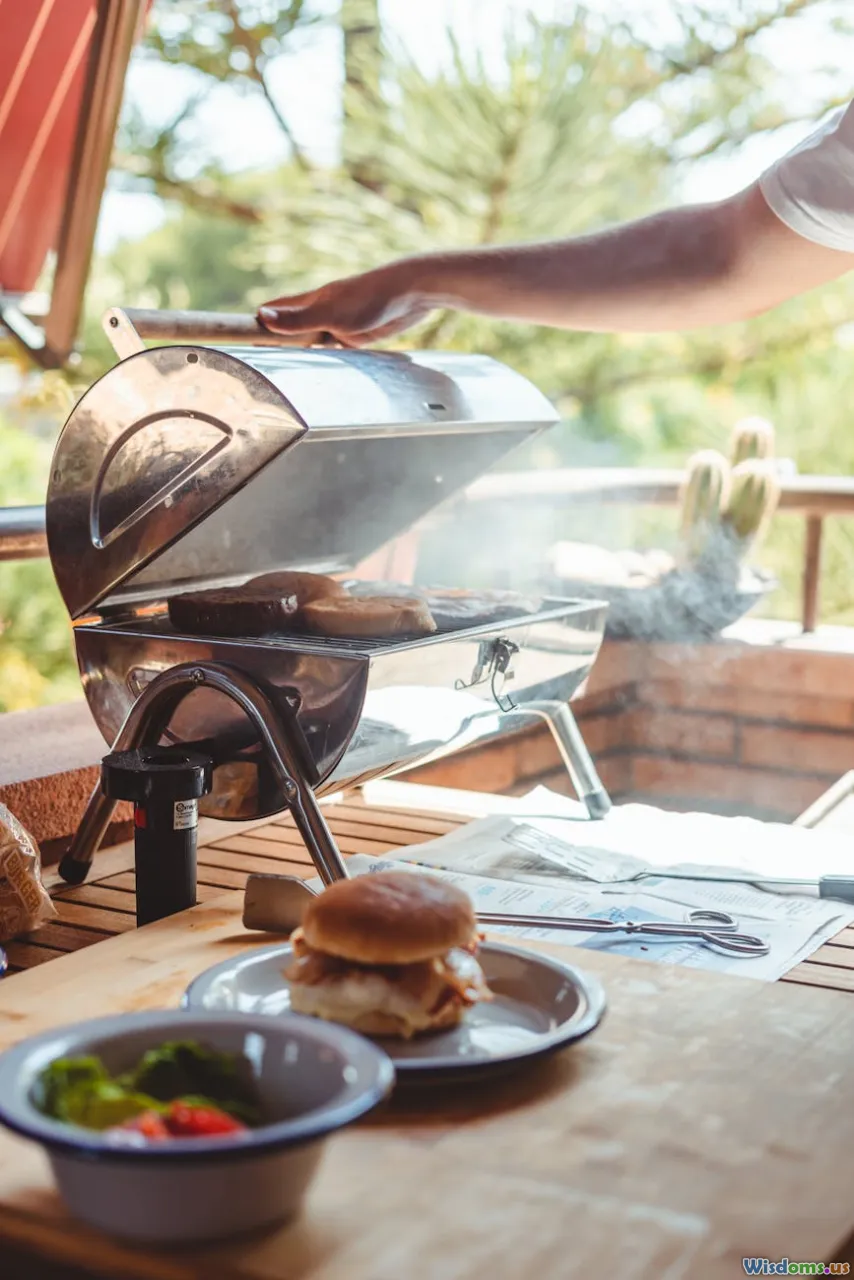
One of the best things about road trips is sampling local eats, but dining out for every meal quickly adds up. Striking a balance between must-try foods and homemade meals keeps your taste buds happy and your budget intact.
Meal Prep and Batch Cooking
Dedicate an hour before departure for meal prepping. Stir up hearty salads, pasta dishes, or wraps that stay fresh for days. Instant oats or pre-mixed pancake batter make easy, budget breakfasts that need only hot water.
Picnic and Cookouts
Many state parks and rest areas provide picnic tables and grills—perfect for an affordable lunch stop. A camp stove or portable grill lets you boil water or fry up eggs anywhere. Not only is this less expensive, but these moments often become trip highlights.
Embrace Grocery Stores Over Fast Food Chains
A grocery deli or local market often offers every bit as much culture as a restaurant, with much smaller price tags. For example, picking up rolls, cheese, and local fruit in Vermont or fresh seafood at a Gulf Coast market brings the flavors of your destination straight to your tailgate.
Download Dining Deals Apps
Apps like Yelp, Coupon Sherpa, and Groupon can offer local restaurant discounts or daily specials—sometimes 50% off or more. Check reviews to avoid tourist traps and discover hidden gems that locals love.
Lodging on a Shoestring: Sleep, Don’t Splurge
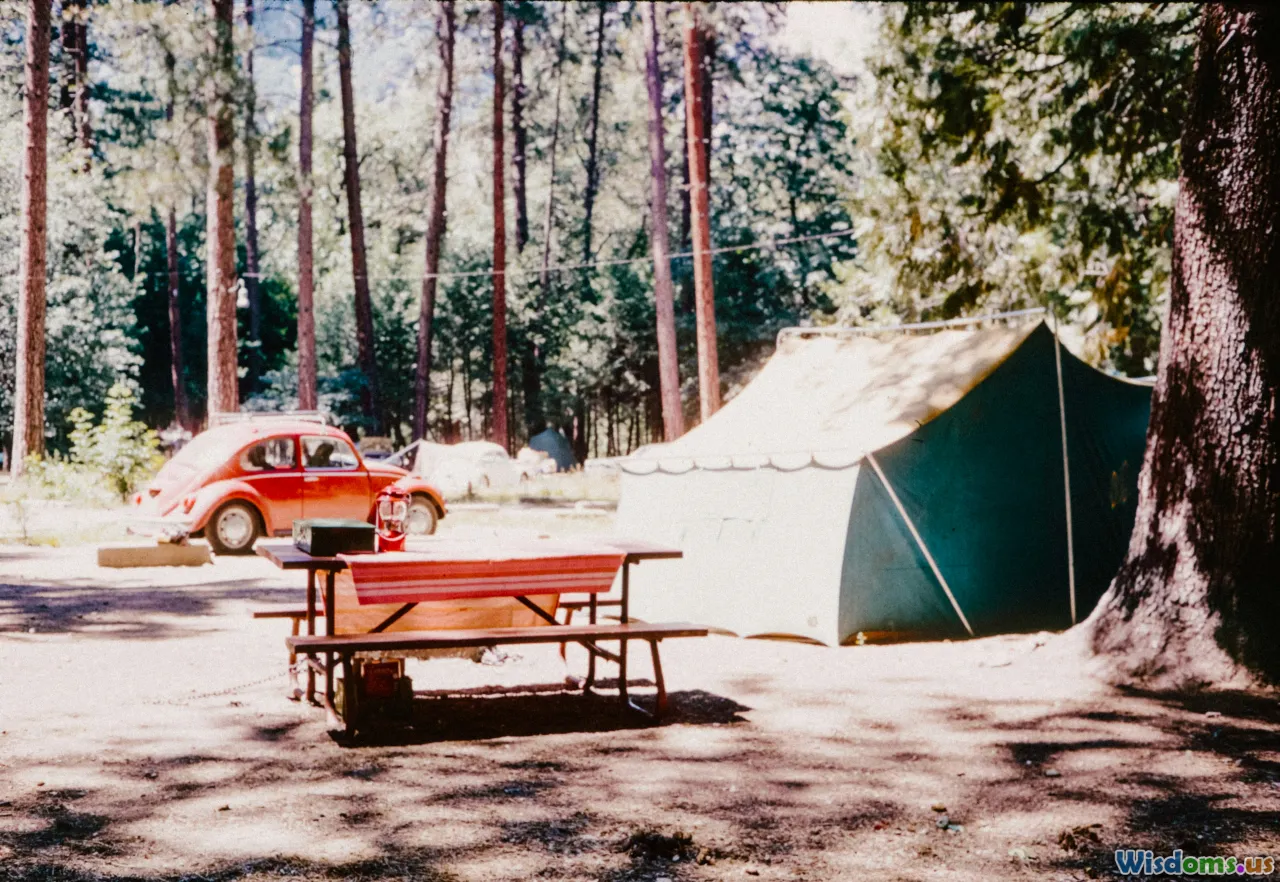
Lodging can be the single largest road trip cost, but alternative accommodations help stretch your cash much further.
Camp Creatively
National Forests, Bureau of Land Management (BLM) lands, and many state parks offer free or nearly free dispersed camping. Try Campendium, The Dyrt, or FreeRoam apps to find legal and scenic places to pitch your tent or park your vehicle—no expensive reservation required.
Car Camping: An Overnight Option
If you have an SUV or wagon, convert the back into a sleeping area with an air mattress and blackout curtains. Many Walmart parking lots (unless locally restricted) allow overnight stays. Always ask management or check with apps like iOverlander for safety and policy updates.
Budget Motels and Hostels
Chain motels like Motel 6 or Super 8 offer basics at predictable rates. Compare prices on Booking.com, Hotels.com, or Hostelworld. Booking midweek or slightly outside popular tourist areas often nets better deals.
Loyalty Programs and Rewards
Sign up for hotel and hostel loyalty programs—they’re free, and even sporadic use can accrue discounts, upgrades, and late check-outs. Don’t forget to stack with cashback or travel rebate credit cards, when possible, but always pay off in full or stick with debit if you want to keep spending in check.
Entertainment and Attractions: Savor More, Spend Less

A little research opens the doors to enriching, unusual, and totally free experiences along any route.
Seek Out Free Festivals and Local Events
Traveling off-peak? Summer means music festivals, county fairs, and outdoor movie nights. Town tourism websites and Facebook Events are fantastic sources. For example, New Mexico’s Roswell UFO Festival is a quirky, free event drawing travelers from far and wide.
Consider Annual Passes
A $80 America the Beautiful National Parks Pass unlocks access to over 2,000 federal recreation sites—huge savings for multi-stop trips. Likewise, state park passes often pay for themselves in just a few visits—essential for longer journeys.
Explore Public Art and Historic Districts
Many communities have self-guided walking tours, open-air galleries, and statues requiring nothing more than a camera phone and your curiosity. Spend time researching what’s unique to each town and plot sensible walking routes to stretch your legs and experience history firsthand.
Leverage Reciprocal Museum Agreements
Membership at home institutions—like your local science museum or art gallery—may grant you free admission at hundreds of partner institutions across the nation through the ASTC or NARM passport programs.
Money Management on the Move

Being hands-on with your finances ensures that your adventure doesn’t come with a credit card bill horror story.
Set a Daily Spending Limit
Calculate your pre-trip budget and divide it by projected trip days, leaving a buffer for emergencies. Google Sheets, TravelSpend, and Trail Wallet are excellent for tracking expenses in real time.
Embrace Cash for Small Purchases
Keeping a daily ‘envelope’ of cash avoids overspending and curbs the “just tap it” temptation. Some regions still prefer cash at farmer’s markets or remote attractions.
Avoid ATM and Foreign Transaction Fees
Use a bank or credit union with no-fee ATMs, or consider travel-friendly banks like Charles Schwab or Capital One, which reimburse ATM fees worldwide. If you travel internationally, ensure your debit and credit cards don’t charge extra for foreign transactions.
Emergency Fund and Backups
Keep a prepaid debit card or linked mobile payment app hidden, along with a small stack of emergency cash (stored separately from your wallet). This ensures you're prepared if you lose your main payment method.
Embracing the Unexpected: Flexibility as a Budget Tool

Perhaps the greatest money-saving hack is a flexible mindset. Plans will change, weather shifts, cars break down, and detours beckon you onto roads unimagined.
Allow for Buffer Days
Build a buffer into your timeline. If you find an especially beautiful site or a library with free Wi-Fi and workshops, you won’t feel pressured by a rigid schedule. Slow travel can mean fewer miles per day and substantially lower daily expenses overall.
Say Yes to Detours and Downtime
Some of the most beloved road trip memories come from abandoned plans—a sudden drive down a mysterious dirt road, a local’s recommendation, or even a rainstorm that keeps you in a cozy town for another night. Embracing spontaneity often saves money, as you’ll discover community events or hidden budget stops that guidebooks and apps can’t predict.
Real-World Case Study: Success on a Shoestring
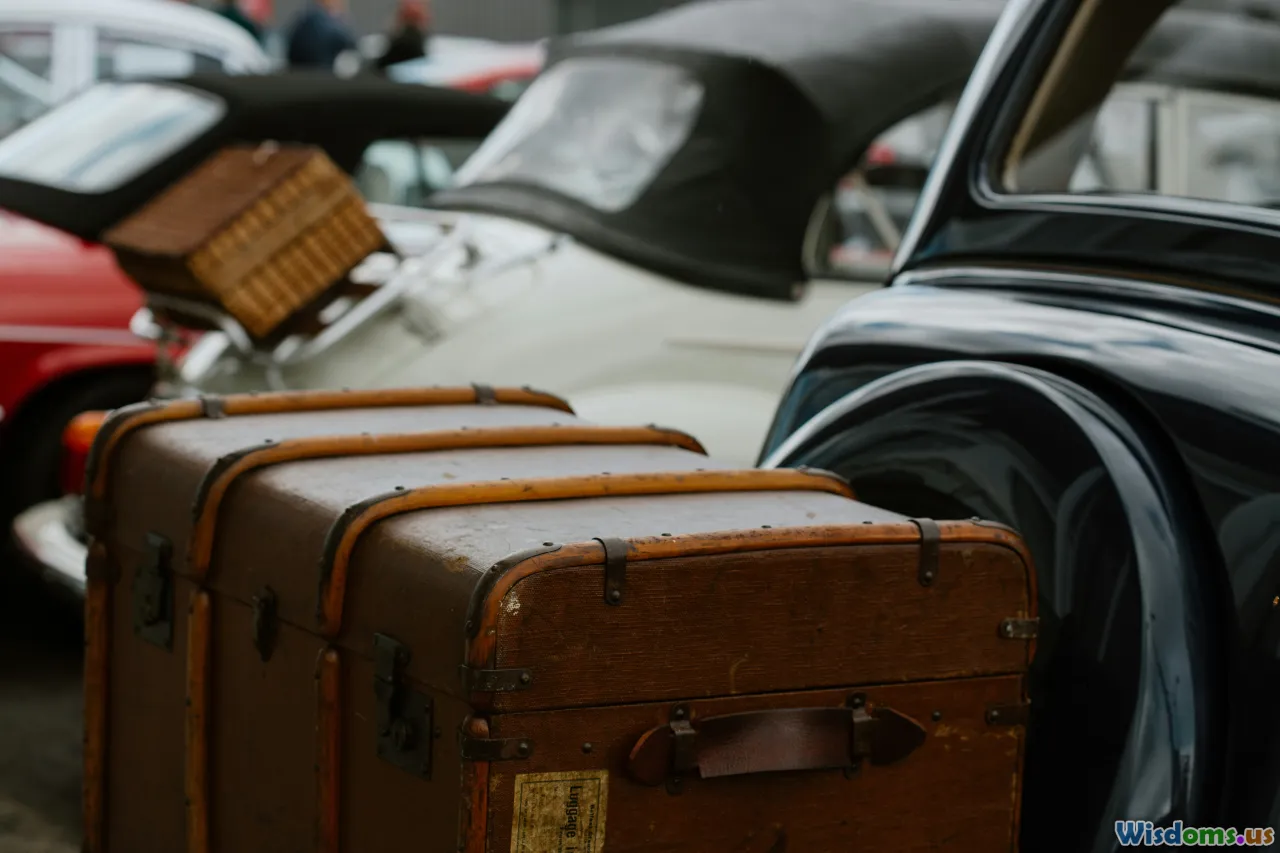
Consider the story of Alex and Morgan, a couple from Oregon who set out on a three-week cross-country trek with just $1,000 in cash.
- They planned scaled-back days, sticking to 200 miles per day, and combined free camping on BLM land with monthly state park passes.
- Home-cooked meals and mile-long grocery lists minimized dining-out costs, but they splurged twice: local BBQ in Kansas City and beignets in New Orleans.
- Keeping to small towns instead of major cities cut lodging and attraction fees and allowed for more rich, authentic experiences—like Reno’s free Artown celebration and Arizona’s Route 66 photo ops.
- By tracking every receipt and scheduling two “relax and restock” days at local laundromats and libraries, they returned home with stories and photos—and still $80 in their road trip envelope.
Their journey proves road tripping need not be a luxury pursuit. A blend of resourcefulness, flexibility, and creativity is all it takes.
Budget road tripping is more than possible—it rewards wise travelers with deeper experiences, stronger connections, and that sweet satisfaction of stretching every dollar. With some mindful preparation and an adventurous spirit, the next best journey of your life is just a full tank away.
Rate the Post
User Reviews






Popular Posts