Seven Scenic Drives That Will Change Your Life
36 min read Seven epic scenic drives worldwide, with highlights, mileage, best seasons, and photo stops—from California’s Pacific Coast Highway to Scotland’s North Coast 500—for life-changing road-trip inspiration. (0 Reviews)
Some roads are more than asphalt and paint. They’re timelines of geology, culture, and weather, stitched into curves that slow you down long enough to notice who you’re becoming. Drive the right one and you won’t just cross distance—you’ll cross a threshold. The seven routes below aren’t just scenic; they’re catalytic. They alter what you find beautiful, how you measure time, and what you demand from your travels. With practical tips, local intel, and a few strategic detours, you can turn each of these drives into a life-marker you return to for years.
1) California’s Pacific Coast Highway (Highway 1)
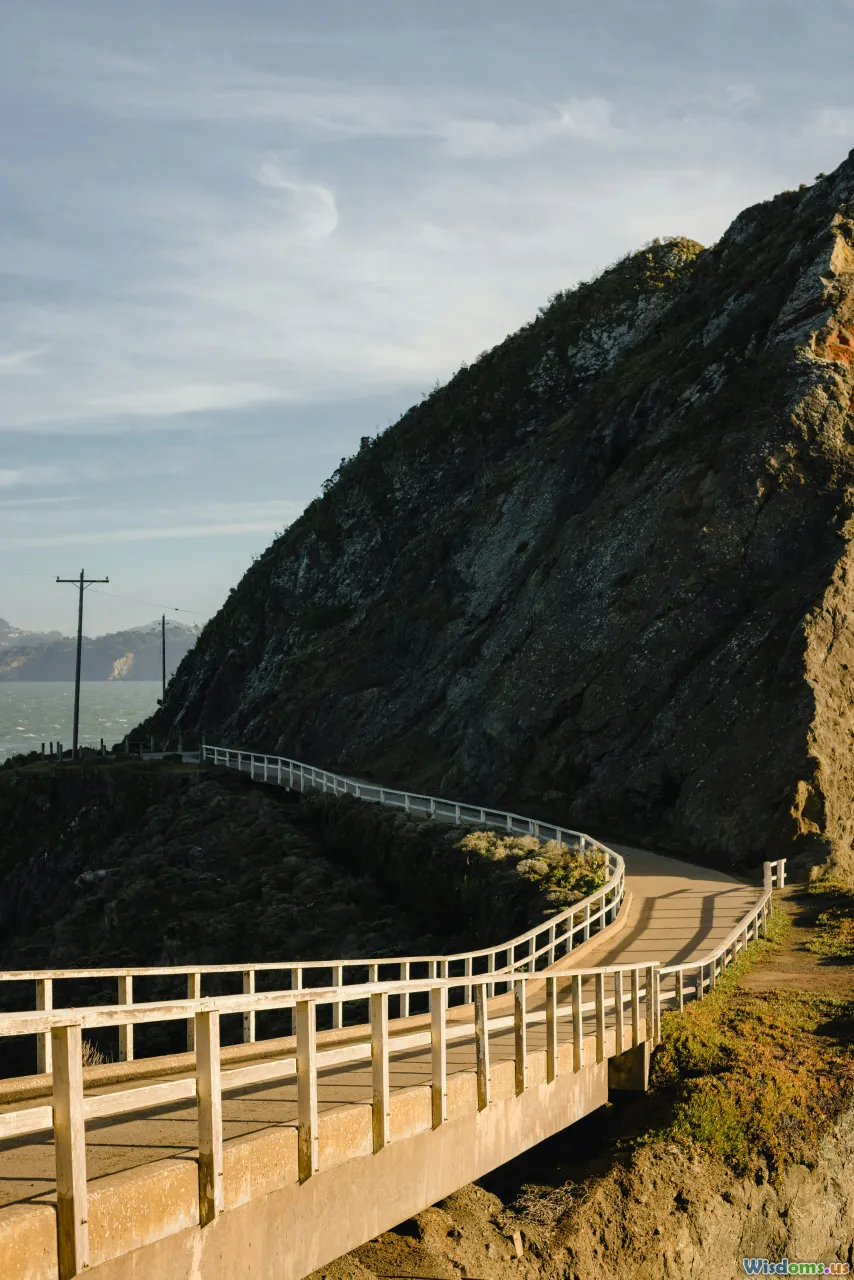
If you’ve ever seen a car ad with a ribbon of road perched above a silver ocean, you’ve seen a fragment of Highway 1. Stretching roughly 655 miles (1,054 km) from Dana Point in Southern California to Leggett in the north, the PCH is a masterclass in coastal drama—wavering fog banks, wind-shaped cypress, and cliffs that seem to inhale with each incoming swell. The Big Sur section (San Simeon to Carmel) is the poster child: Bixby Bridge, McWay Falls, and pullouts that shut down any conversation except, “Pull over.”
What makes it life-changing
- The daily mood swings of the Pacific—slate gray at dawn, neon blue at noon—teach patience with weather and time. Fog might hide everything for 20 minutes, then lift like a stage curtain.
- The juxtaposition: A morning touring the Spanish revival luxe of Hearst Castle followed by a picnic among barking elephant seals near Piedras Blancas.
Route basics
- Distance/time: Doing LA to San Francisco with Big Sur slow-downs takes 8–12 hours of drive time, but most travelers make it a 2–4 day affair.
- Best season: April–June or September–October for fewer closures and smaller crowds. Winter landslides can close segments—check Caltrans for up-to-date conditions.
- Speed limit: Often 55 mph (88 km/h) but expect slower speeds through curves and towns. Use turnouts to let locals pass.
Don’t-miss stops (northbound)
- San Simeon: Tour Hearst Castle (reserve in advance). Then watch elephant seals at the Piedras Blancas rookery—free, with viewing platforms.
- Ragged Point: A snack with a view and a warm-up for Big Sur’s curves.
- Julia Pfeiffer Burns State Park: Hike the overlook to McWay Falls, an 80-foot ribbon dropping into a turquoise cove.
- Bixby Bridge: Iconic photo spot, but be mindful: narrow shoulders and heavy traffic. Sunrise light is best.
- Carmel-by-the-Sea and Pacific Grove: Storybook streets, tide pools, and Pebble Beach’s 17-Mile Drive (toll road but worth the detour).
How to do it well
- Itinerary idea (3 days):
- Day 1: Los Angeles to Cambria. Lunch in Santa Barbara; sunset on Moonstone Beach.
- Day 2: Cambria to Carmel via Big Sur. Coffee at Big Sur Bakery; picnic at Pfeiffer Beach’s purple sands.
- Day 3: Carmel to San Francisco. Walk on the Monterey Bay Coastal Recreation Trail; stop at Pigeon Point Lighthouse.
- Safety: Frequent fog and narrow shoulders require disciplined attention. Do not stop in the lane for photos; use signed pullouts.
- Logistics: Mobile service is patchy in Big Sur. Fuel up in Monterey/Carmel or Cambria; gas can be sparse and pricey between.
- Food notes: Artichokes in Castroville, abalone farms near Cayucos, and Dungeness crab (in season) further north.
Pro move
- Book a weekday morning slot at Point Lobos State Natural Reserve near Carmel. It’s a microcosm of the entire coast: tide pools, sea lions, twisted cypress, and trails that feel secret if you arrive early.
2) Iceland’s Ring Road (Route 1)
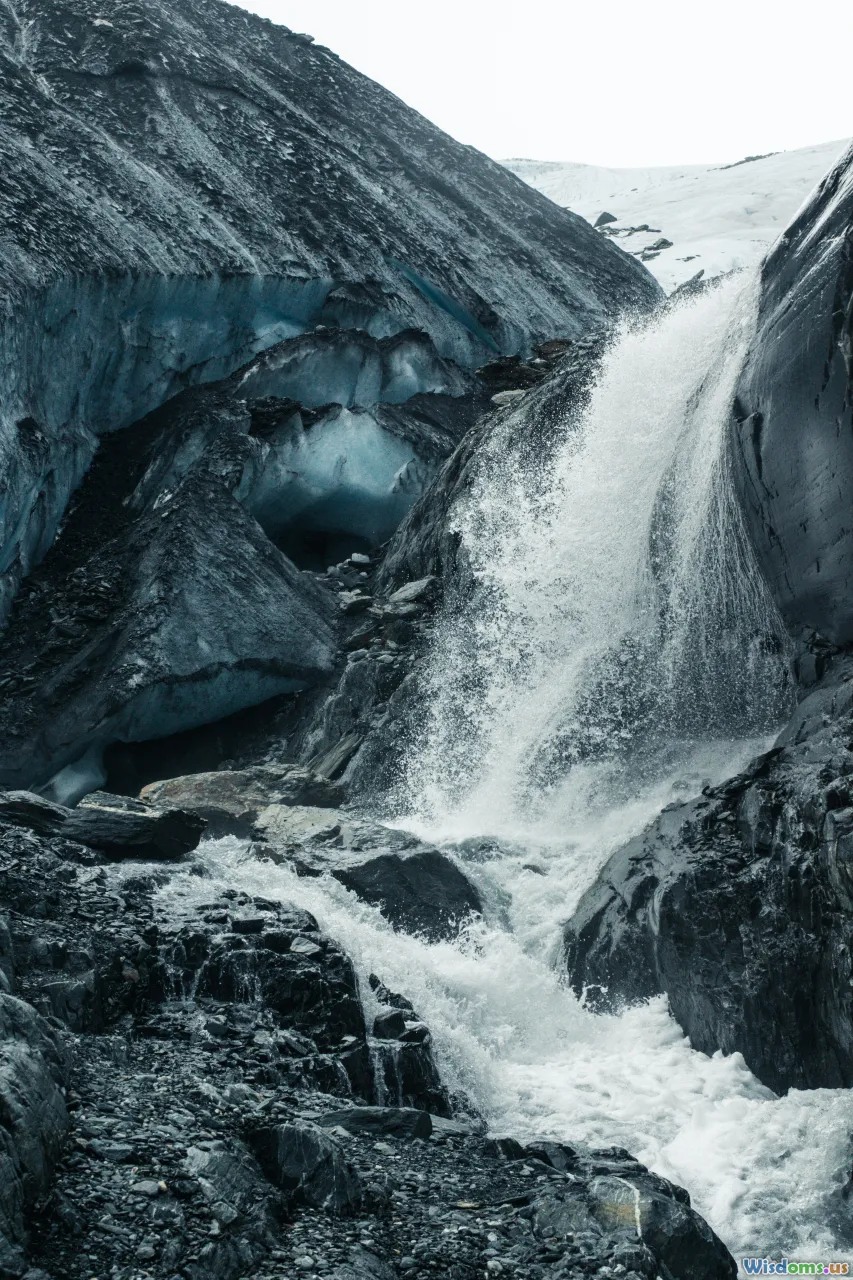
Iceland’s Route 1 rings a land that behaves like it’s still being born. Glaciers grind mountains, steam vents sigh, and waterfalls vault off basalt like they’ve got someplace to be. The Ring Road is about 1,332 km (828 miles) of contrasts—jet-black sand beaches, electric-green moss, sapphire ice—stitched together by single-lane bridges and the occasional sheep with sovereign road rights.
What makes it life-changing
- It compresses a planet into a loop: Fire (volcanoes), ice (Vatnajökull glacier), wind (gale-force at times), and water in all directions.
- You can feel your worldview widen with each geological lesson your car window gives you.
Route basics
- Time: 7–10 days to do it justice, though a 5-day greatest-hits sprint is possible in summer.
- Direction: Most go counterclockwise to hit South Coast icons first (Seljalandsfoss, Skógafoss, Jökulsárlón), easing into the quiet of the east and north.
- Seasons:
- Summer (June–August): Midnight sun, green moss, easier driving, packed popular stops.
- Shoulder (May, September): Fewer crowds, moody weather, good for photography.
- Winter: Northern Lights potential and drama, but icy roads and limited daylight require experience and studded tires.
- Road conditions: Mostly paved; some single-lane bridges. F-roads (highland routes) require 4x4 and are off the Ring Road; never ford rivers without skill and proper vehicle.
Don’t-miss stops
- South Coast: Seljalandsfoss (walk behind the falls), Skógafoss (climb the stairs), Reynisfjara’s black sand beach (rogue “sneaker waves”—keep a safe distance).
- Southeast: Jökulsárlón Glacier Lagoon and Diamond Beach—ice cubes on black sand; hire a zodiac tour if budget permits.
- Eastfjords: Switchbacks, reindeer sightings, and tiny ports like Djúpivogur.
- North: Mývatn geothermal area (Hverir mud pots), Dettifoss (one of Europe’s most powerful waterfalls), Husavík for whale watching.
- West: If time allows, detour to Snæfellsnes Peninsula for Kirkjufell, sea stacks, and lava fields.
How to do it well
- Itinerary idea (7 days):
- Day 1: Reykjavík to Vik via waterfalls and Reynisfjara.
- Day 2: Vik to Höfn via Skaftafell and the glacier lagoons.
- Day 3: Höfn to Egilsstaðir (coastal fjords).
- Day 4: Egilsstaðir to Mývatn (Dettifoss detour if conditions allow).
- Day 5: Mývatn to Akureyri and Siglufjörður.
- Day 6: Akureyri to Borgarnes (Hraunfossar/Barnafoss).
- Day 7: Borgarnes to Reykjavík via Snæfellsnes or the Golden Circle.
- Safety: The wind can move your car—park facing the wind, hold doors firmly, and check vedur.is for alerts. Drive with headlights always on.
- Logistics: Credit cards widely accepted at self-serve gas stations; carry a chip-and-PIN card. Book accommodations early in summer.
Pro move
- Pack a swimsuit: Town pools and hot pots are everywhere. The right soak (think Mývatn Nature Baths) turns a good day into a great one.
3) Australia’s Great Ocean Road
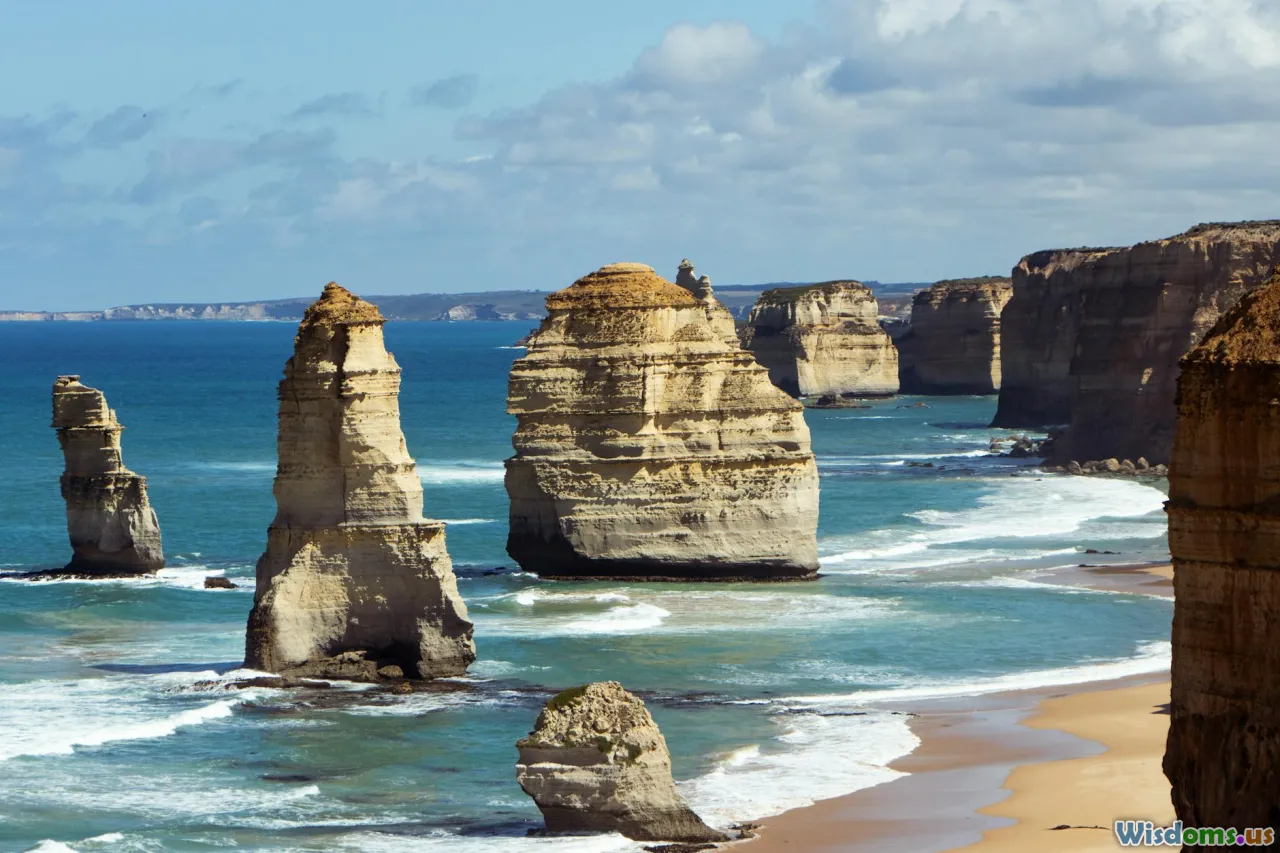
Built by returned soldiers between 1919 and 1932 and dedicated as a living memorial, the Great Ocean Road is 243 km (151 miles) of coastal memory and limestone spectacle. Running from Torquay to Allansford in Victoria, it threads surf towns, koala-dotted eucalypt forests, and the world’s most photogenic sea stacks: the Twelve Apostles.
What makes it life-changing
- You’ll watch a continent fall into the Southern Ocean in slow motion—arches collapsing over decades into stacks, stacks into stumps.
- The memorial legacy reframes the day: This is a scenic drive, yes, but also a tribute to service and resilience.
Route basics
- Time: Doable in a long day, better in 2–3 days with detours.
- Direction: Westbound (Torquay to Allansford) gives easier pullouts on the ocean side.
- Seasons: November–April is beachy but busy; May–October brings mood and migrating whales.
Don’t-miss stops
- Bells Beach: Surf mecca near Torquay. Watch the sets or rent a longboard if you know your way around rips.
- Kennett River: Often reliable for spotting wild koalas in river-adjacent gum trees. Look up; drive slowly.
- Cape Otway: Visit the lighthouse, walk through ancient rainforests in Great Otway National Park.
- Twelve Apostles, Loch Ard Gorge, and The Grotto: Limestone sculptures carved by the ocean; sunset is golden-hour theater.
- Port Campbell: Good base for an overnight to catch both sunset and sunrise light.
How to do it well
- Itinerary idea (2 days):
- Day 1: Torquay to Apollo Bay. Stop at Erskine Falls near Lorne; watch for parrots at Kennett River; overnight in Apollo Bay.
- Day 2: Apollo Bay through the Otways to Port Campbell, then to Warrnambool. Add the short walk to Gibson Steps for a beach-level perspective.
- Safety: Drive on the left, use pullouts for photos, and watch for wildlife at dawn/dusk. Sudden weather changes are normal.
- Food: Try a scallop pie in Lorne or a local crayfish (lobster) near Port Campbell when in season.
Pro move
- Hike a section of the Great Ocean Walk (104 km multi-day track paralleling the road). Even a 60–90 minute segment between lookout points yields solitude the road can’t.
4) Scotland’s North Coast 500

The NC500 is a 516-mile (830 km) loop from Inverness that fuses highland geology with a driving culture lesson: how to share single-track roads gracefully. Expect sea stacks that look like chess pieces, beaches like sheets of glass, and the kind of light painters chase across centuries.
What makes it life-changing
- It slows you down. Passing places, hairpins, sheep, and weather make courtesy a skill, not a footnote.
- You’ll rediscover the power of quiet—little harbors, peat smoke, and lochs that hold the sky like a bowl.
Route basics
- Direction: Clockwise for big views earlier (Bealach na Bà to Applecross), counterclockwise for an easier introduction.
- Seasons: May–September is friendlier, but midges (tiny biting insects) arrive with summer; carry repellent and consider a head net on hikes. Winter brings snow and occasional closures on high passes.
Don’t-miss stops
- Bealach na Bà: A historic, lung-busting pass with 20% gradients and hairpins—built in the 1820s. Not recommended for large RVs or nervous drivers.
- Applecross: Seafood heaven with views back to Skye.
- Duncansby Stacks: Wind-carved stacks near John o’ Groats. Puffin sightings in season.
- Smoo Cave (Durness): A sea cave with a freshwater waterfall inside; short tours available.
- Sandwood Bay: A 4-mile (6.5 km) walk to one of Scotland’s most beautiful beaches; no road access, which is the point.
- Dunrobin Castle: French-château vibes on the east coast.
How to do it well
- Itinerary idea (5 days):
- Day 1: Inverness to Applecross over Bealach na Bà. Early start; overnight in Applecross.
- Day 2: Applecross to Ullapool, hugging the coast.
- Day 3: Ullapool to Durness—cliffs, beaches, and Smoo Cave.
- Day 4: Durness to Wick via Duncansby Stacks and Dunnet Head (northernmost mainland point).
- Day 5: Wick back to Inverness via the east coast castles.
- Road etiquette: On single-track roads, use passing places; if a line forms behind you, pull in and wave people by. Sheep have priority.
- Food: Sample Highland venison, Cullen skink (smoky fish soup), and local whiskies (Glenmorangie, Clynelish). Designate a driver if tasting.
Pro move
- Schedule a clear evening along the west coast near Achmelvich. With luck, you’ll get a sunset that lights the sea like molten copper.
5) South Africa’s Garden Route
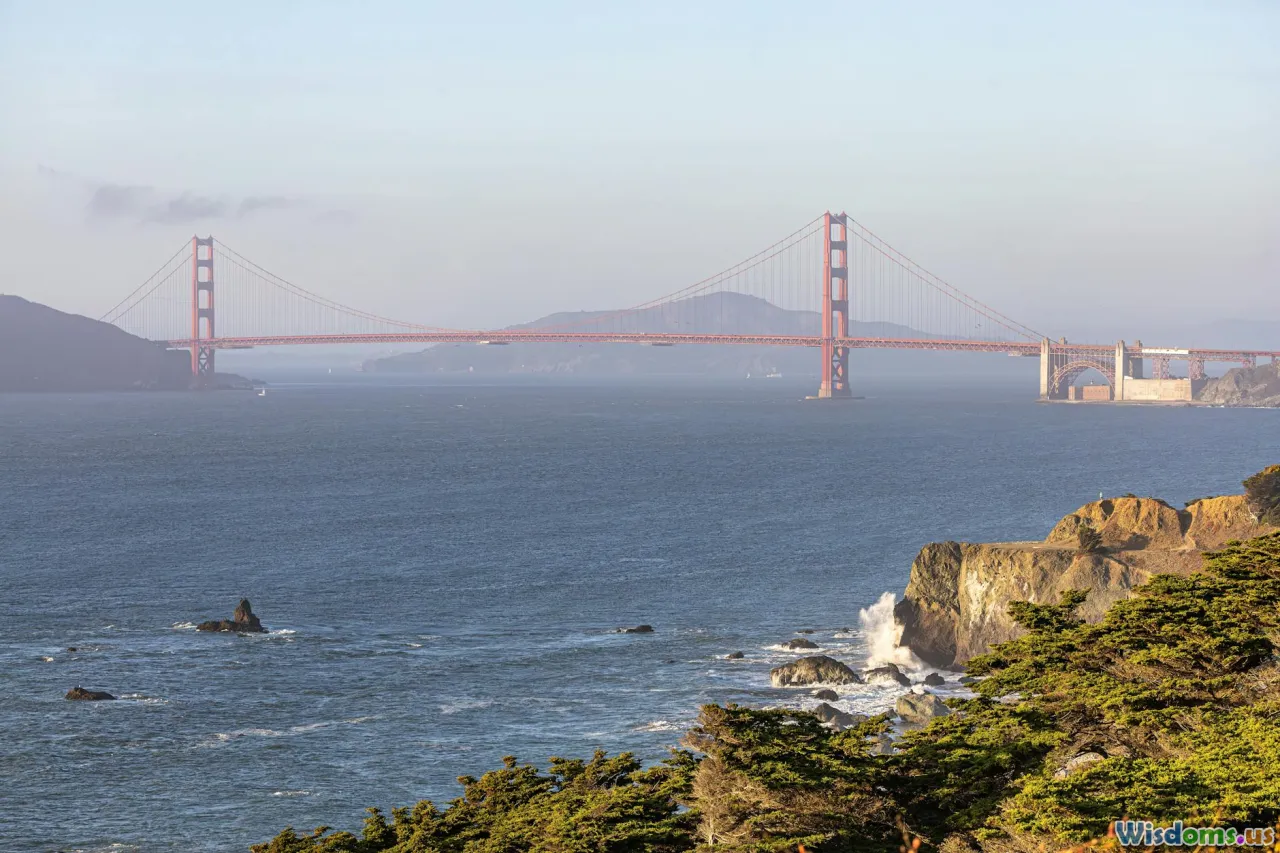
Between Mossel Bay and Storms River, the Garden Route is a 300 km (186 mile) mosaic of lagoons, fynbos-covered hills, and beaches that slide into Indian Ocean swells. It’s an accessible slice of South Africa’s biodiversity and adventure culture—bungee jumping one hour, forest canopy walk the next, and a slow coffee in a town square without hurry.
What makes it life-changing
- The wildlife. Whales in season, dolphins year-round, and bird calls you won’t recognize but won’t forget.
- The layered landscapes: lagunas and cliffs, sand dunes and Afrotemperate forests—like paging through different ecosystems.
Route basics
- Time: 3–5 days is comfortable, but you could stretch it to a week with detours.
- Seasons: October–April for warmth and beaches; June–October brings excellent land-based whale watching (especially near Plettenberg Bay and slightly west at Hermanus).
Don’t-miss stops
- Wilderness: Touw River canoeing and the Map of Africa viewpoint.
- Knysna: The Heads (two sandstone cliffs guarding the lagoon), the Featherbed Nature Reserve boat trip.
- Plettenberg Bay: Robberg Nature Reserve’s peninsula hike—seals, sea birds, and views that rearrange your priorities.
- Tsitsikamma National Park: The Storms River Mouth suspension bridge walk, fynbos trails, and dramatic cliff-meets-ocean views.
- Bloukrans Bridge: One of the world’s highest commercial bungee jumps (216 m). Even watching is an adrenaline sport.
- Oudtshoorn detour (via Route 62): Ostrich farms, Cango Caves, and karoo semi-desert to contrast the coast.
How to do it well
- Itinerary idea (4 days):
- Day 1: Mossel Bay to Wilderness. Beach time; overnight near the lagoon.
- Day 2: Wilderness to Knysna; afternoon on the lagoon and at the Heads.
- Day 3: Knysna to Plettenberg Bay; hike Robberg at golden hour.
- Day 4: Plett to Storms River; Tsitsikamma hikes and a night of wave-watching.
- Safety: Drive in daylight; avoid leaving valuables visible in parked cars. Stick to main routes at night.
- Food: Knysna oysters, braais (BBQs), and Cape Malay flavors if you venture toward the Western Cape.
- Practical: Toll points on the N2; card payments are standard. Fuel stations are frequent but tip attendants who pump fuel.
Pro move
- Guide-led marine safari in Plettenberg Bay: spotting bottlenose and common dolphins inside the bay changes your sense of the coastline’s liveliness.
6) Italy’s Amalfi Coast Drive (SS163)
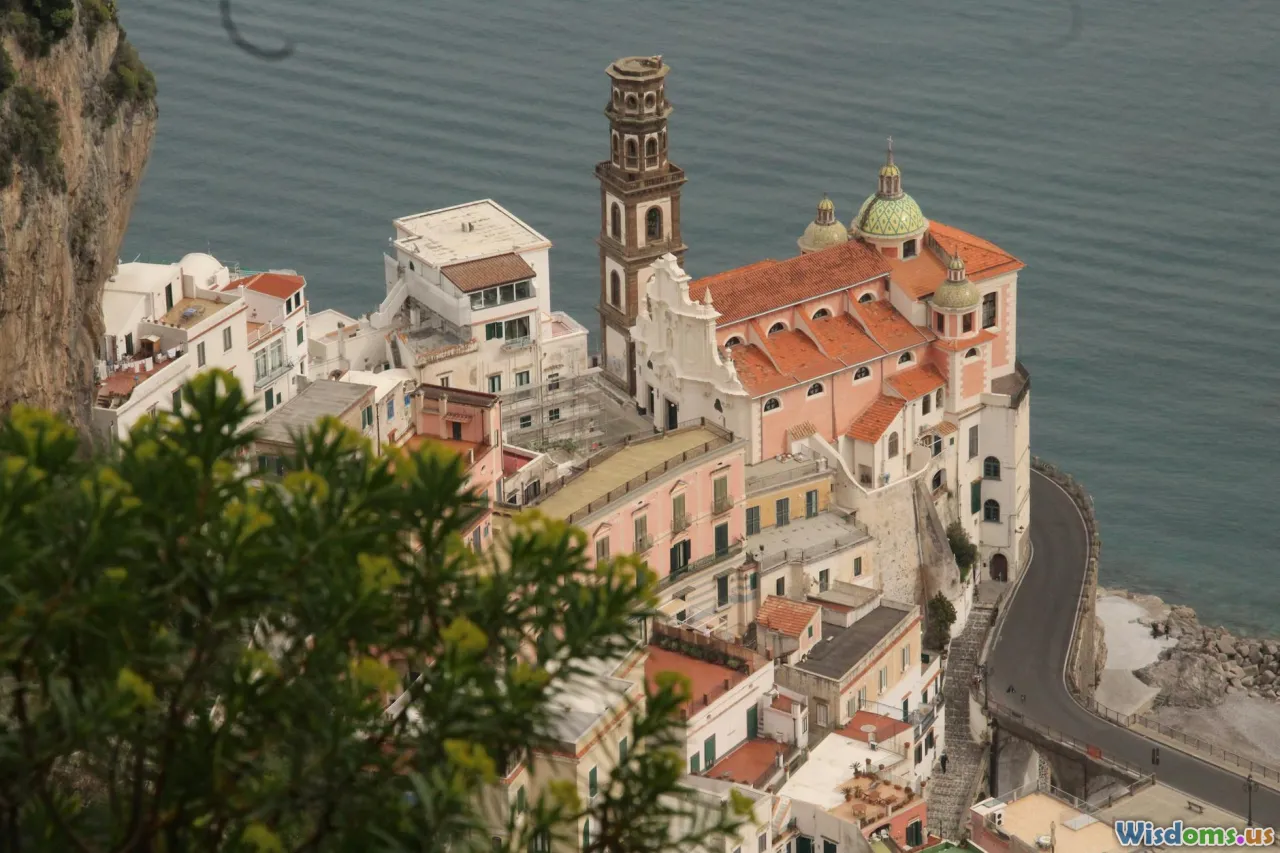
Fifty kilometers (31 miles) of cliff-hugging road between Sorrento and Vietri sul Mare, the Amalfi Coast is a feat of engineering and restraint—how close can a road run to a sea and still feel like a road? Lime-painted homes dribble down slopes toward the Mediterranean; lemons grow on terraces like balloons on strings; and every curve frames a postcard.
What makes it life-changing
- It’s an argument for beauty as a life principle. The road is challenging, but the payoff—those terraces, those domes, that light—is a commitment to making daily life extraordinary.
Route basics
- Time: A single day is possible; two days lets you slow down and ferry-hop along the coast.
- Seasons: April–May and September–October are ideal. High summer brings heat, crowds, and congestion. Recent seasonal traffic restrictions may limit private cars on certain days—check local rules.
Don’t-miss stops
- Positano: Walk down to Spiaggia Grande, then look back for the classic view. Arrive early for parking or use ferries.
- Amalfi: Visit the Duomo di Amalfi; get a lemon granita and pause at Piazza del Duomo.
- Ravello (above Amalfi): Villa Cimbrone’s Terrace of Infinity—stone balustrades facing an endless blue. Short drive or bus up.
- Fiordo di Furore: A tiny inlet spanned by a bridge; arrive early to avoid the squeeze.
- Vietri sul Mare: Famous for ceramics; a good exit point if heading to Salerno.
How to do it well
- Itinerary idea (2 days):
- Day 1: Sorrento to Positano, onward to Amalfi. Park once and ferry between towns to avoid gridlock.
- Day 2: Amalfi up to Ravello (morning), then east to Vietri with stops at Atrani and Minori for sfogliatelle and lemon gelato.
- Safety: Narrow lanes, tour buses, and scooters require focus. Use mirrors on blind curves and never double-park. Consider parking on the outskirts and walking in.
- Food: Lemon everything; spaghetti alle vongole; delizia al limone. Book seaside spots early.
Pro move
- Take the coastal ferry for at least one leg. Seeing the road from the sea puts its audacity in perspective—and often saves time.
7) Chile’s Carretera Austral (Ruta 7)
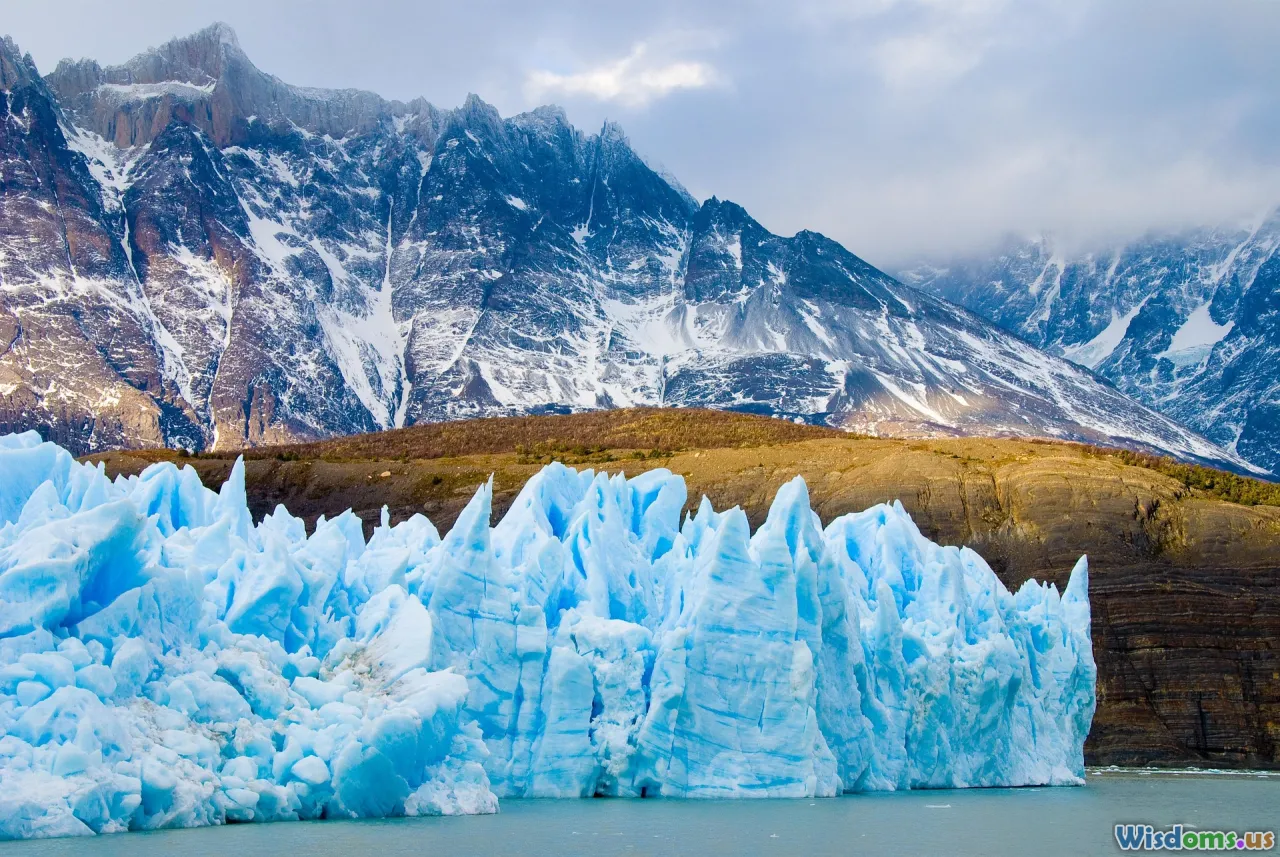
The Carretera Austral isn’t just a drive; it’s a pilgrimage through Patagonia’s less-altered heart. From Puerto Montt to Villa O’Higgins, this roughly 1,240 km (770 mile) route is part paved, part gravel, and entirely spellbinding: rainforests steaming after a squall, glacier-tinted rivers in improbable blues, and fjords that force the road to hitch a ride on a ferry.
What makes it life-changing
- It re-teaches self-sufficiency and wonder. Services thin out; weather decides; your itinerary learns humility.
Route basics
- Time: 7–14 days depending on side excursions. More if you trek.
- Seasons: December–March offers longer days and milder weather; spring and autumn bring color and less traffic but more uncertainty.
- Logistics: Expect ferry crossings (e.g., Hornopirén to Caleta Gonzalo). Reserve spots with Naviera Austral weeks ahead in high season. 4x4 recommended; puncture repair kit essential.
Don’t-miss stops
- Pumalín Douglas Tompkins National Park: Lush temperate rainforest and volcano views near Caleta Gonzalo.
- Queulat National Park: The Ventisquero Colgante (Hanging Glacier) clinging to a cliff, with a milky-green lagoon below.
- Cerro Castillo: Jagged peaks and a turquoise lake—hikes range from gentle to summit-chasing.
- Rio Baker confluence: Watch the jade Baker River collide with the milky Nef River; it’s color theory taught by water.
- Marble Caves (Capillas de Mármol) on General Carrera Lake: Take a small boat or kayak when conditions are calm.
- Patagonia National Park (near Cochrane/Valle Chacabuco): Rewilded grasslands with guanacos and condors; exquisite roadscapes.
How to do it well
- Itinerary idea (10 days):
- Day 1–2: Puerto Montt to Chaitén by ferry; Pumalín hikes.
- Day 3: Chaitén to Puyuhuapi; Queulat’s hanging glacier.
- Day 4: Puyuhuapi to Coyhaique; stock up on supplies.
- Day 5–6: Coyhaique to Cerro Castillo; hiking days.
- Day 7: Cerro Castillo to Puerto Río Tranquilo; Marble Caves.
- Day 8: Side trip to the Rio Baker confluence and Chile Chico vineyards (microclimate surprise).
- Day 9–10: Southward to Cochrane and Patagonia National Park; loop back toward Balmaceda for a flight out.
- Safety: Loose gravel, sudden potholes, and one-track bridges. Drive slowly; keep headlights on. Fuel when you can—stations are far apart in the south.
- Food: Patagonian lamb, calafate berry sweets, and fresh river fish.
Pro move
- Carry a paper map. GPS can mislead on remote spurs; cell coverage is sporadic. Locals are generous with directions—ask and you’ll learn more than a route.
How to choose the right life-changing drive for your travel style

Picking a drive isn’t just about views; it’s about matching terrain to temperament, logistics to learning goals. Use this quick-fit guide.
- Short on time, big on drama: Amalfi Coast (SS163). Fifty kilometers, thousand memories. Ideal for a long weekend; base yourself in Amalfi or Positano and ferry-hop.
- First big road trip with kids: Pacific Coast Highway. Easy services, beaches at every turn, and aquariums/parks to break up the day. Plan 2–4 days between LA and SF.
- Wildlife and soft adventure: Garden Route. Kayaks, canopy tours, moderate hikes, whale watching in season. Infrastructure is family-friendly.
- Geology nerds and night-sky chasers: Iceland’s Ring Road. Glaciers, lava fields, geothermal pools, and potential aurora in winter.
- Seasoned drivers who enjoy technical roads: NC500 (with Bealach na Bà) or Carretera Austral’s gravel sections. Either will hone your road etiquette and vehicle handling.
- Surf and coastal hikes: Great Ocean Road. Stack a half-day surf lesson in Torquay with sunset at the Twelve Apostles.
- Solitude and self-sufficiency: Carretera Austral. You’ll learn to plan, adapt, and savor big silence.
Extra filters
- Budget: Iceland and Amalfi can be pricey; Garden Route offers strong value for money. Carretera Austral costs add up via ferries and 4x4 rental.
- Seasonality: If you can only go in midwinter (Northern Hemisphere), consider the Garden Route or Great Ocean Road for milder conditions.
- Comfort with left-side driving: Australia, Scotland, and South Africa all drive on the left; practice with a small car before tackling single-track roads.
Planning and safety toolkit: vehicles, seasons, permits, and budgets

A life-changing drive becomes stressful when the basics wobble. Use this toolkit to keep the magic intact.
Vehicle choices
- Compact car: Best for Amalfi and NC500—easier to park, nimble on narrow lanes.
- SUV/4x4: Recommended for Carretera Austral; useful in Iceland if you plan gravel detours. Not required for the Ring Road itself in summer.
- Campervan: Lovely for PCH, Garden Route (in designated campgrounds), and Great Ocean Road. In Iceland, adhere strictly to camping rules; no wild camping outside designated areas.
Insurance and permits
- Always opt for windshield/tyre coverage in Iceland and Chile. Gravel happens.
- Check cross-border permissions if you’re near country edges (e.g., Chile-Argentina ferries are complex; plan ahead if you intend to cross).
- International Driving Permit is simple cheap peace of mind in Italy and South Africa.
Seasonal planning
- Road closures: Landslides on PCH, winter pass closures in Scotland, and ferry cancellations in Patagonia. Build buffers.
- Daylight: Iceland in winter offers 4–6 hours of usable light; maximize by pre-planning short hops and prioritizing must-sees.
Budget scaffolding (per day, rough midrange estimates)
- Amalfi Coast: €150–€350 for lodging; €50–€120 for meals; parking €20–€40; fuel/tolls €20–€40.
- Iceland Ring Road: $150–$300 lodging (more in peak); $50–$100 meals (self-cater to save); fuel $30–$60.
- Great Ocean Road: A$120–A$250 lodging; A$30–A$80 meals; fuel A$20–A$40.
- PCH: $120–$300 lodging (coastal towns can soar); $40–$100 meals; fuel $30–$60.
- Garden Route: R1,000–R2,500 lodging; R300–R800 meals; fuel R300–R700.
- NC500: £80–£200 lodging; £30–£70 meals; fuel £20–£40.
- Carretera Austral: $70–$150 lodging (hostales/cabanas); $30–$60 meals (more if remote); fuel $20–$50 plus ferry costs.
Safety briefs
- Mountain and coastal driving: Use low gears for descents; brake before, not during, curves; never cut blind corners.
- Animals: Kangaroos and deer are most active at dawn/dusk; reduce speed. In South Africa, baboons are clever—keep windows closed around them.
- Weather: Pack a high-visibility vest and emergency triangle in Europe; mandatory in some countries. Keep a basic first-aid kit and headlamp.
Pack smart
- Essentials: Paper map, offline maps, two charged power banks, water, snacks, multi-tool, duct tape, microfiber towel.
- Clothing: Layering system everywhere; windproof shell is non-negotiable in Iceland and Patagonia.
- Photography: Polarizer filter for glare, microfiber cloth, and a beanbag for stabilizing shots on guardrails or car roofs (sparingly, respectfully).
Road-trip ethics: travel lighter, leave richer
Scenic roads are fragile corridors. A few principles multiply the good you bring and minimize the harm.
- Parking and pullouts: Only stop in designated areas. Blocking lanes for photos is dangerous and damages shoulders.
- Leave No Trace: Pack out trash, even if you find bins overflowing. In windy regions, secure light items.
- Cultural respect: Dress modestly when visiting rural or religious sites; ask before photographing people.
- Wildlife distance: If an animal changes its behavior because of your presence, you’re too close. Use binoculars.
- Soundscapes: Drones can be illegal or intrusive; check regulations and use discretion.
- Local economy: Buy from roadside stands, family-owned restaurants, and artisan co-ops. Your currency changes real lives.
A note on overtourism
- Timing is a tool: Visit early morning, shoulder seasons, and lesser-known viewpoints. On the Amalfi Coast, park once and use ferries and buses.
- Swap one famous stop for a near-equivalent: If Reynisfjara is unsafe or crowded, consider Stokksnes near Höfn for black sand drama with fewer people (fee applies).
Capturing the journey: photography and journaling tips

You’ll remember the big views—but the small vignettes will become your time machine. Capture both.
Photography
- Light chases: Sunrise and the hour before sunset bring texture to cliffs and clouds. On the PCH, marine layers often lift mid-morning—hang around even if it’s gray at dawn.
- Anchors: Include a foreground (wildflowers on the Great Ocean Road, lichen-covered rock on the NC500) to create depth.
- Safety-first composition: Scout pullouts ahead of time. If you miss one, don’t slam brakes; turn around when safe.
- Weatherproofing: Keep a rain cover for Iceland and Patagonia; salt spray on the Amalfi Coast calls for frequent lens cleaning.
Journaling
- Prompt ideas: “A sound I want to remember,” “A smell that surprised me,” “A conversation that changed my mind.”
- Sketch a map: Draw the day’s route with 3–5 icons or keywords. Visual shorthand works when you’re tired.
- Tally transformations: At the end of each drive, write three ways the road altered your habits or tastes. This turns a trip into a before/after story.
Making the moments last
- Print 10 photos, not 1,000. Curate; then display where you’ll see them daily.
- Share actionable notes with a future traveler—hotel names, safe fuel stops, hidden bakeries. Paying the road forward is part of the rite.
There’s a humility these seven roads ask for: that you drive at the pace of weather and land, not ego. In return, they give you a new meter for wonder. You’ll learn to wait out fog on Big Sur’s cliffs because the ocean owes you nothing. You’ll stand at the lip of a glacier in Iceland and know the planet is both tender and vast. You’ll roll through fynbos and limestone on the Garden Route or the Great Ocean Road and understand that beauty is maintenance—a dance between sea and cliff that never ends.
Pick one road and go slowly. Leave room in your schedule for a conversation with a lighthouse keeper, a roadside lemon granita, a seal colony you didn’t plan to meet. When you get home, you’ll find the distance is measured less in miles and more in the number of times you caught yourself whispering, “Look at that,” and pulled over to become, at least for a minute, the person who never forgets to look.
Rate the Post
User Reviews



Popular Posts