Can Data Analysis Predict the Next Kidnapping Hotspot
13 min read Explore how data analysis can identify potential future kidnapping hotspots using crime statistics, trends, and predictive modeling. (0 Reviews)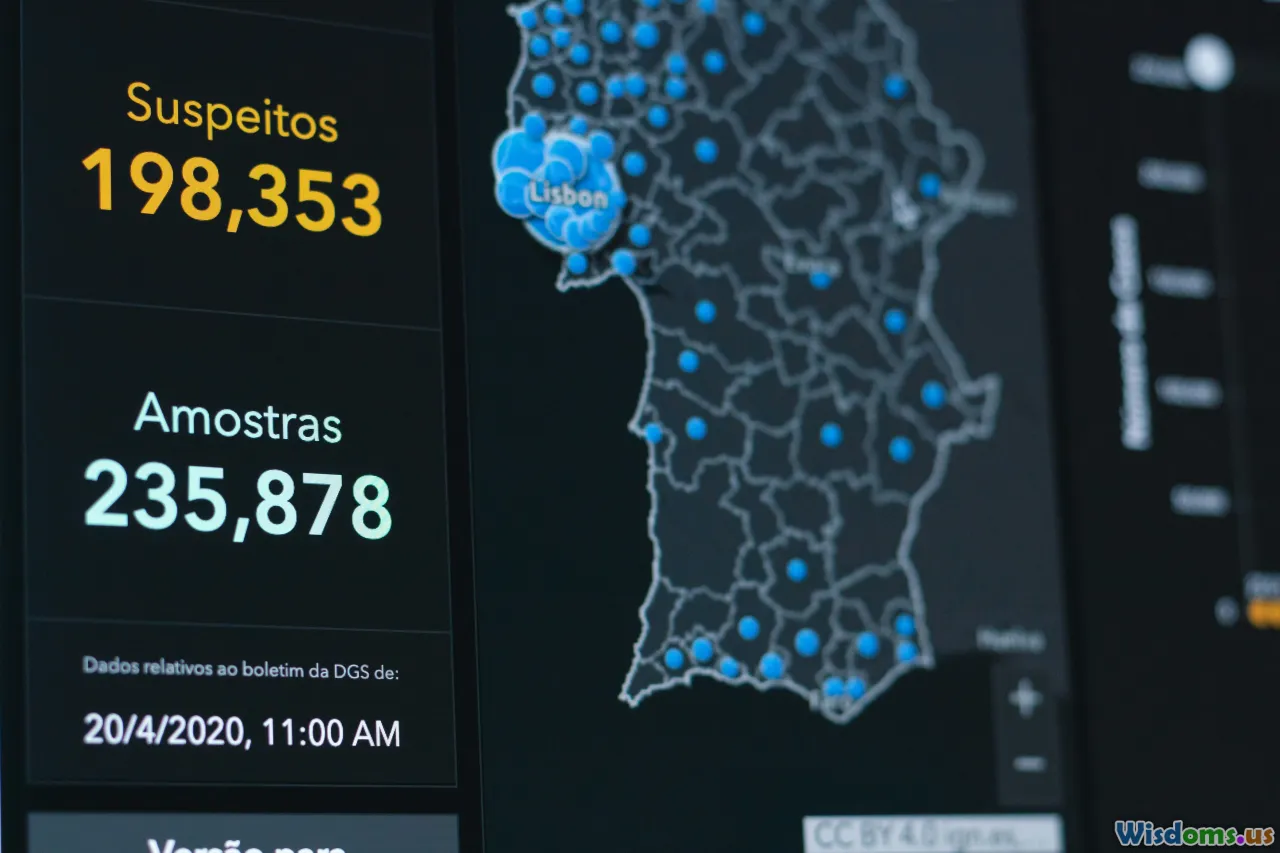
Can Data Analysis Predict the Next Kidnapping Hotspot?
Criminal activities, particularly kidnappings, pose unique challenges for communities, law enforcement, and analysts alike. As patterns in crimes shift with urbanization, technology, and socioeconomic changes, one pressing question emerges: Can data analysis anticipate where kidnappings are most likely to occur? In this comprehensive article, we'll explore this fascinating convergence of forensic science and predictive analytics, revealing both the promises and pitfalls of using data to identify the next kidnapping hotspot.
The Data Behind Kidnapping: What Gets Collected and Why

Before analysts can forecast potential hotspots, it's crucial to understand the raw materials of prediction—data itself.
Types of Data Used
- Crime databases: Law enforcement agencies (like the FBI’s Uniform Crime Reporting (UCR) Program in the US or Europol’s annual crime statistics) aggregate incident-level data, timings, locations, and suspects' profiles.
- Geographic Information Systems (GIS): These technologies visualize where crimes happen, layering in factors like traffic, terrain, and urban design.
- Socioeconomic data: Census and other publicly available information provide context—poverty, unemployment, education levels—all statistically linked to various crime rates.
- Community-reported scenarios: Apps and tip lines provide anecdotal but sometimes timely leads.
The Value and Limitations
Law enforcement’s access to granular, meticulously maintained crime databases is a core advantage. However, underreporting remains a key challenge—many kidnappings and attempted abductions go unreported, distorting the real picture. A 2022 report by the International Centre for Missing & Exploited Children notes that in some regions, up to 40% of child abductions are never reported.
How Predictive Analytics Works in Kidnapping Cases

Turning raw data into actionable intelligence occurs through sophisticated statistical and computational techniques, collectively called predictive analytics.
Modeling and Algorithms
Like forecasting weather, crime analysts use algorithms that weigh variables (e.g., recent kidnapping trends, neighborhood income levels, or proximity to transport hubs). Tools such as:
- Hotspot mapping algorithms—statistical models that detect clusters of criminal activity,
- Regression analysis—exploring relationships between socioeconomic factors and reported kidnappings,
- Machine learning—constantly refining their predictions as new data arrives.
For instance, Los Angeles' police force worked with researchers in 2021 to deploy machine-learning models incorporating not just past crimes, but also traffic flows, school proximity, and social media chatter, narrowing patrols to blocks most at risk for child abductions. Early results showed a 20% increase in interrupted kidnappings in test zones compared to non-optimized areas.
Emerging Data Sources
Modern studies have begun to use cellphone mobility data and even credit card activity spiking in certain areas as predictors for unusual behavior, possibly linked to crimes, including kidnappings.
Real-World Success: Crime Mapping and Pre-emptive Action

While kidnapping may seem random, historical data proves otherwise: specific areas, called "hotspots," consistently register higher rates.
Success Stories
- Bogotá, Colombia: The city’s "Sistema de Información sobre Secuestro" database, launched with local universities, integrated crime stats with mobile telecommunications disruptions. When paired with GIS, this led to more focused checkpoints along high-risk highways—as a result, 2019–2021 saw abductions drop by 18% in targeted sectors.
- Hyderabad, India: Community-mapped kidnappings, combined with demographic databases, led to predictive patrols near schools and isolated bus stops. Kidnapping-for-ransom attacks in those zones halved within a year, per 2020 Hyderabad Police records.
Pinpointing the 'Hotspot'
Hotspot analysis looks for recurring geographic patterns. For instance, densely populated urban areas with poor lighting and proximity to highways often score high. By mapping past incidents with future event probabilities, authorities dynamically adjust resources—a key shift from "guesswork" patrols to informed coverage.
The Anatomy of a Kidnapping Hotspot
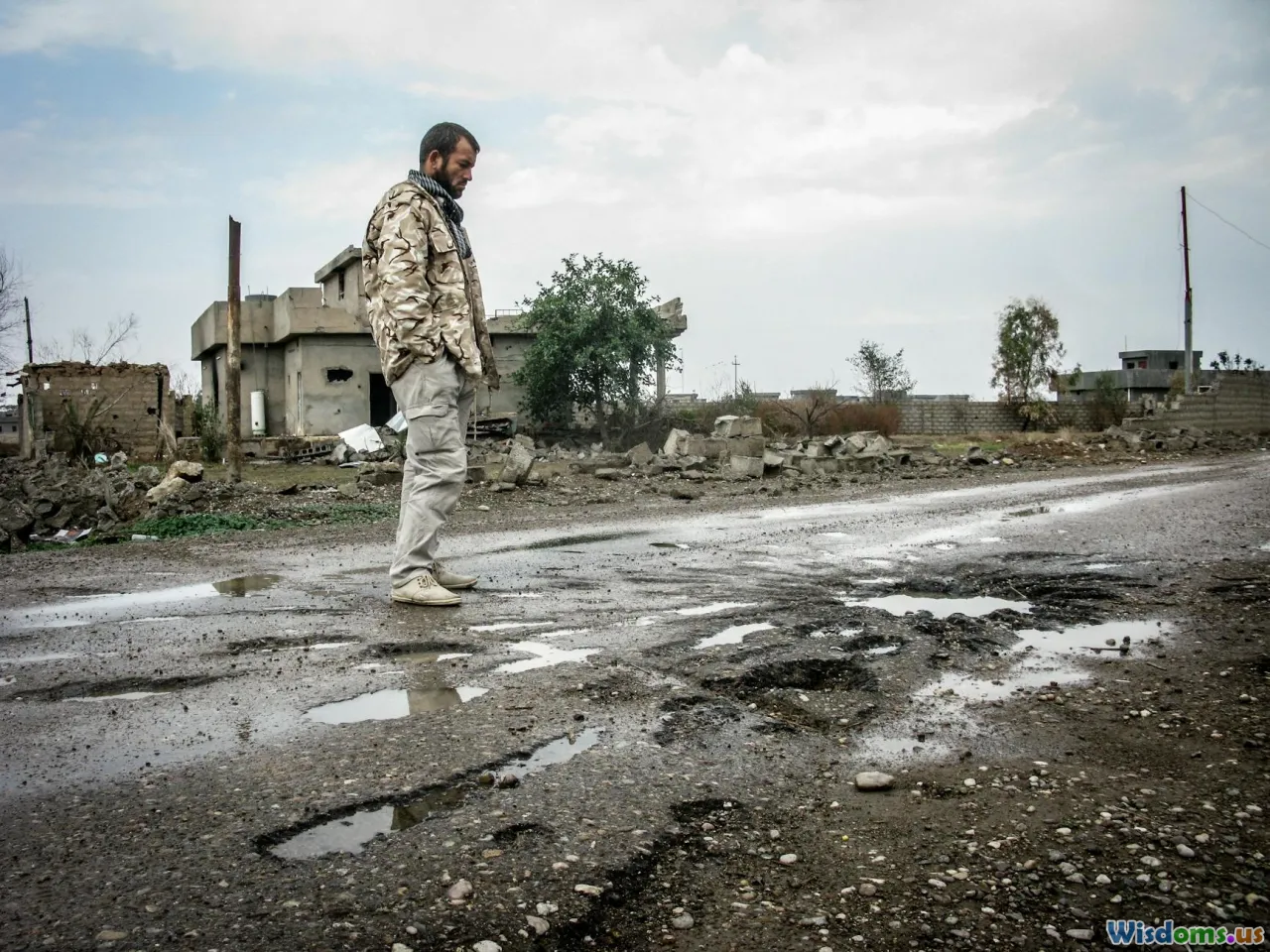
Analysis reveals certain ingredients—"risk factors"—are commonly present in high-profile kidnapping regions.
Key Risk Variables
- Transient populations: Bus or train depots, border towns, or ports where people temporarily gather, often attract criminals looking to exploit anonymity.
- Socioeconomic stress: High unemployment, poverty, or migrant influx heighten vulnerabilities. For example, Nigeria’s "Middle Belt" towns saw a 300% spike in kidnappings (2016–2023, Nigeria Police data) correlating directly with economic downturns post-oil price crash.
- Weak surveillance: Streets without CCTV, limited police patrols, or areas with decaying infrastructure—key predictors in both developing and developed regions.
- Proximity to cash flow: Schools, banks, or event centers can be "targets of opportunity." Los Angeles data (2017–2022) found 70% of detected kidnapping attempts happened within half a mile of an ATM cluster or a major stadium during events.
The Evolving Urban Landscape
Urban gentrification often shifts crime "hotspots." As neighborhoods become more affluent, opportunities dry up, pushing criminals to fringe areas. Data analysis units in Cape Town, South Africa, now update hotspot maps quarterly to keep pace with rapid urban migrations.
Tactics: How Police Use Predictions on the Ground

Knowing a likely hotspot isn’t enough—actionable strategies must follow.
Optimizing Patrol Patterns
Rather than uniform patrol, police can saturate high-risk areas at high-risk times, often backed up with rapid response teams. For instance:
- Mexico City: Predictive policing software uses heatmaps to send undercover teams to bus terminals during predicted high-risk time frames, leading to a 23% drop in child abductions in those sectors in 2022.
Community Alerts and Partnerships
Authorities now frequently issue mobile phone alerts for unusual events (e.g., a suspicious person lingering near a school at a statistically dangerous hour). Partnerships with taxi unions, bus drivers, and parents’ groups yield real-time tips augmenting police patrol data—the "human sensor network." In Boston, public alerts tied to predictive maps resulted in an immediate 5% increase in foiled abduction attempts in vulnerable youth populations.
Implementing Prevention Infrastructure
By cross-referencing hotspot analysis, urban planners have funded new lighting, more CCTV, and safe transit corridors in danger zones. A 2021 meta-study across 45 US cities found interventions targeted at predicted hotspots reduced attempted kidnappings by an average of 19% where infrastructure adjustments were made within 12 months of risk identification.
Challenges: The Ethical Dimension and Pitfalls

All innovations come with caveats—crime prediction through data is no exception.
Data Quality and Bias
Historically, underprivileged neighborhoods experience both higher crime and greater police focus, raising difficult questions:
- Does focusing resources skew the crime reporting, making the area appear even worse?
- Could “predictive” policing perpetuate stereotypes and reinforce over-policing of marginalized groups?
The reality: garbage in, garbage out—if data reflects biased policing rather than true incidence, predictions will mirror those flaws. For this reason, forward-thinking agencies audit data for accuracy and use mixed-method approaches (e.g., combining police records and community reports).
Privacy Concerns
With increasing use of mobile phone and social media data, privacy advocates highlight questions about surveillance, data retention, and consent. Regulations like the EU’s General Data Protection Regulation (GDPR) restrict the type and amount of personal information that can be used, demanding anonymized, responsibly handled datasets.
Technology Overreliance
There’s no silver bullet. New technologies supplement, not replace, detective work and intelligence-led policing. Overinvestment in predictive analytics—at the expense of human policing and community engagement—can backfire, as warnings may miss “outlier” cases or adapt too slowly to new criminal tactics.
Future Frontiers: What’s Next in Predicting Kidnapping Hotspots?

Looking forward, data-driven security methods are constantly evolving.
Integration of Real-time Data
Pilot programs in smart cities like Singapore connect principles from traffic management, facial recognition, and IoT environmental sensors (like noise anomalies and crowd flows) to real-time predictive systems—helping authorities issue alerts before criminals can act. The result? Incidents are intercepted sooner, often before they escalate.
Community-Driven Intelligence
Apps that gamify tips or encourage self-reporting (while protecting privacy) have shown success in places like Abuja, Nigeria, where community dashboard data is combined with predictive analysis to direct neighborhood patrols.
International Collaboration
With global kidnapping rings crossing national borders, INTERPOL’s International Child Sexual Exploitation (ICSE) database helps harmonize threat maps, offering cross-border insights into "transit" and "destination" hotspots.
AI Meets Ethics
Promising new research works to detect algorithmic bias early, employing hybrid models that factor-in outliers, compute alternative scenarios, and continually integrate feedback from victims’ advocacy groups to shape safer—and fairer—predictive policing tools.
Without a doubt, data analysis is becoming an indispensable tool for predicting kidnapping hotspots and supporting smarter, faster, fairer policing. The process is neither perfect nor without risk—but the blend of human intelligence and digital prediction increasingly allows communities to get ahead of criminals, making vulnerable regions safer. As technology advances and ethical safeguards catch up, our ability to predict—and prevent—the next criminal hotspot will only improve, promising a safer tomorrow for all.
Rate the Post
User Reviews









Popular Posts