Case Study Selling Print on Demand TShirts Online
22 min read A real-world case study illustrating strategies and results of selling print on demand T-shirts online. (0 Reviews)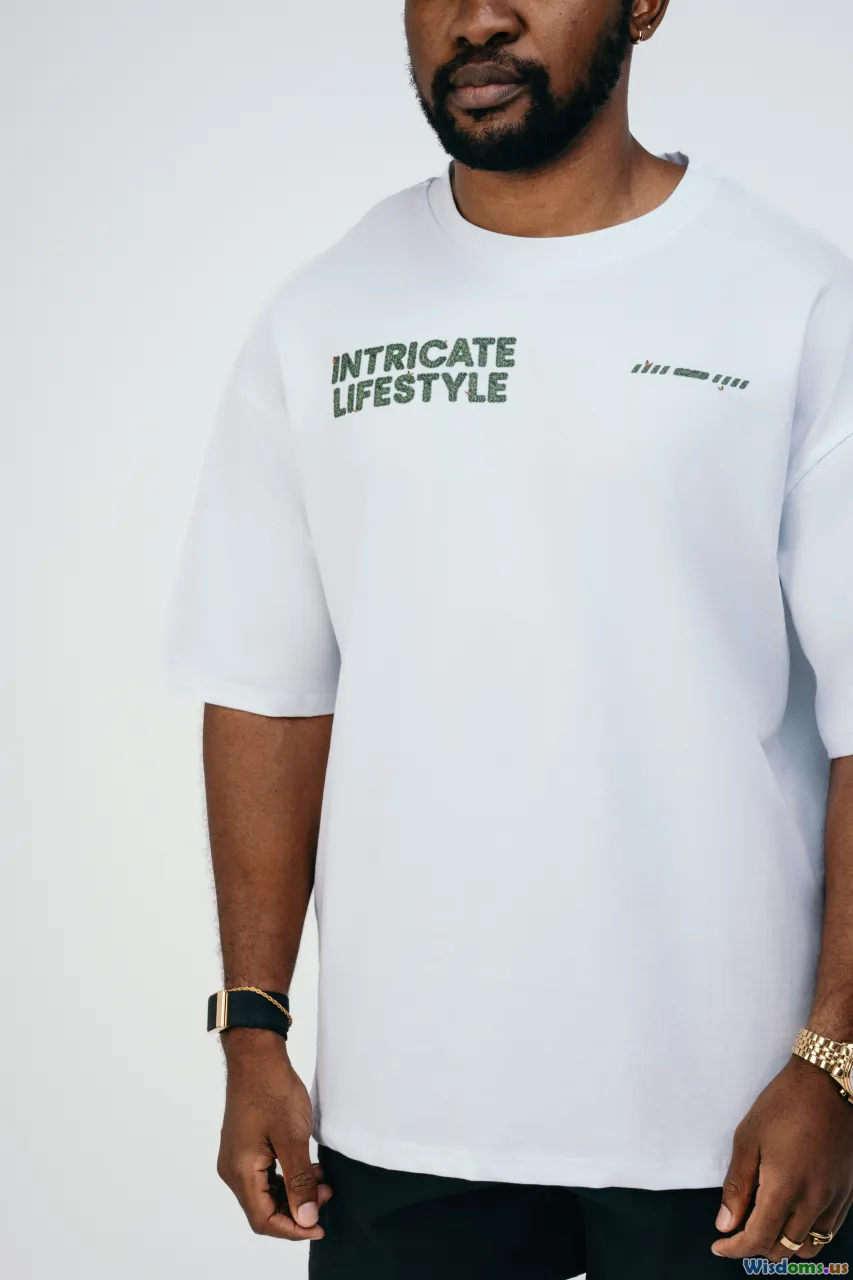
Real Results: Case Study Selling Print on Demand T-Shirts Online
The dream of generating passive income from an online side hustle is stronger than ever. But between dropshipping, affiliate marketing, and freelancing, which path really delivers for the modern entrepreneur? Print on demand (POD) for t-shirts stands out as a compelling business model—combining low risk, creativity, and scalable operations. In this in-depth case study, we follow real data and practical decisions from starting a POD t-shirt store to growing consistent sales. You'll find actionable tips, common pitfalls, and key numbers every step of the way.
Niche Selection: The Foundation for Long-Term Profitability

The first critical decision is choosing your niche. Many would-be entrepreneurs stumble at this step, either going too broad ("funny t-shirts for everyone") or picking a hyper-specific audience ("astronaut cats in purple hats"). You need a hungry, reachable group with emotional identification—a tribe. Research platforms like Reddit, Facebook groups, and niche forums to determine what audiences are passionate about and where they gather.
Example: In this case, the founder—let’s call her Sarah—noticed cycling enthusiasts engage deeply online and love expressing their identity. She refined her focus to “quirky, motivational cycling tees.” Cycling combines lifestyle, a visual element, and a broad psychographic appeal. That ticking pulse—fans talking, wanting to belong, sharing memes—was evident on subreddits and Instagram feeds.
Takeaway:
- Use Google Trends, Etsy search, and Instagram hashtags to verify ongoing demand.
- Avoid trademarked phrases or copyrighted material—originality is vital for ad approval and lasting brands.
Crafting High-Converting Designs: Tools & Approaches

After niche validation, design quality is the differentiator. With most buyers browsing visually from mobile devices, your shirt graphic must pop and trigger instant connection.
Sarah never went to art school. Instead, she:
- Used Canva Pro and Adobe Illustrator for graphic elements and text.
- Researched bike culture slogans, such as "Eat Sleep Ride Repeat," and stylized them with retro and modern fonts.
- Commissioned an illustrator on Fiverr for a unique "Ride Or Die" bike skeleton mascot. This $40 investment yielded six custom assets, ensuring her store stood out from generic offerings.
Mockup tools like Placeit helped her visualize how the designs looked on real humans, which proved essential for effective product displays.
Actionable Tips:
- Simplicity wins: 2–3 colors, crisp lines, high-resolution files (300 dpi or higher).
- Test multiple backgrounds (white/black/colored tees) for contrast.
- Solicit early design feedback from the target community without revealing your intent to sell—gauge authentic excitement.
Choosing the Right Production Partner: Print Quality Matters
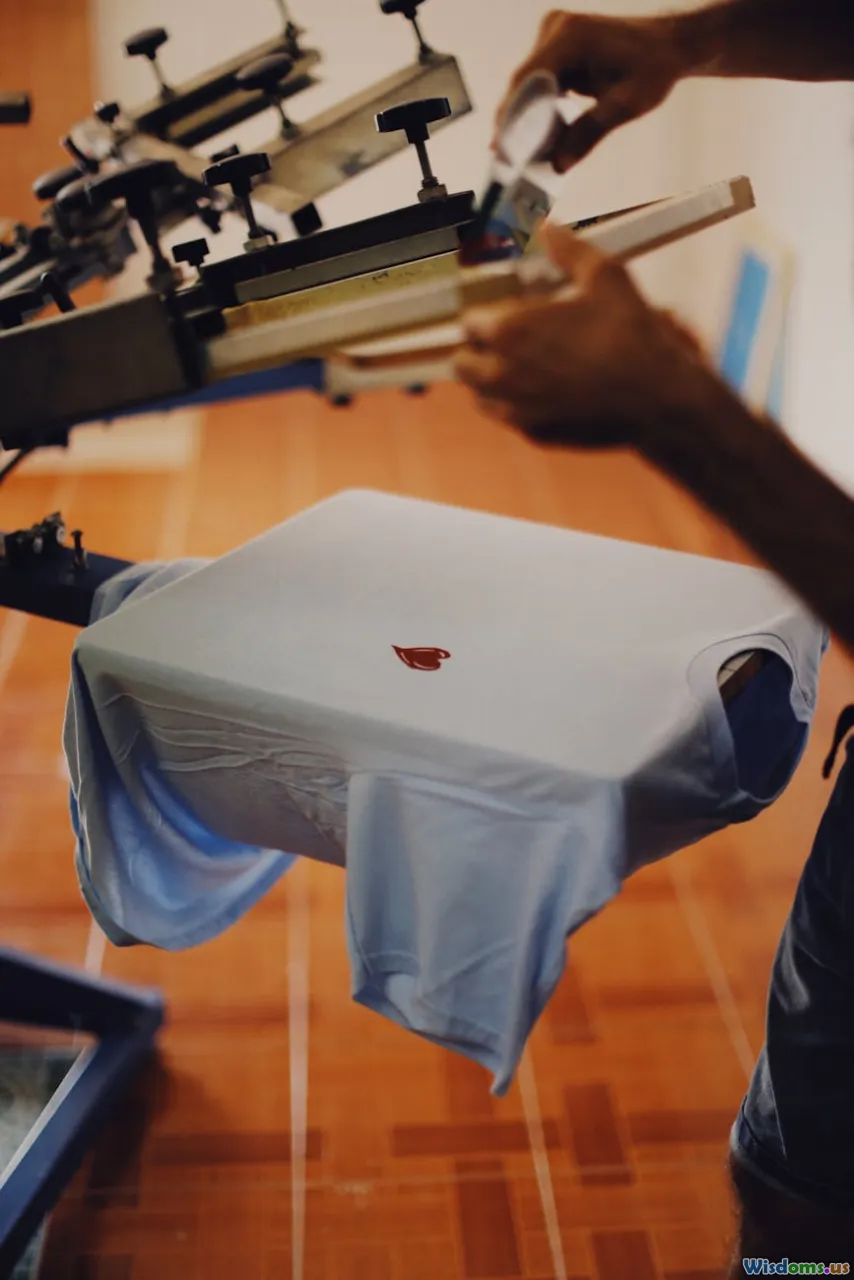
The print-on-demand ecosystem is flourishing, yet providers aren’t created equal. Sarah compared several providers based on pricing, shipping times, shirt quality, and customer service:
- Printful: Robust printer integration (Shopify, Etsy), reliable DTG (direct-to-garment) print, mid-range pricing.
- Printify: Access to multiple print partners, often slightly cheaper but variable quality depending on the printer chosen.
- TeeSpring/Teespace: Simplified setup, better for campaigns than branded stores.
Sarah prioritized consistent print quality. She ordered test shirts using three providers and physically inspected each: ink integrity, wash durability, and fit. Printful’s Bella+Canvas shirts paired with DTG prints gave the soft feel and vibrant graphics needed—and that justified a 20% premium over lower-cost suppliers.
Lesson Learned:
Always order samples before scaling. Print providers vary, and first impressions matter with online reviews.
Setting Up a Store: Platform Analysis
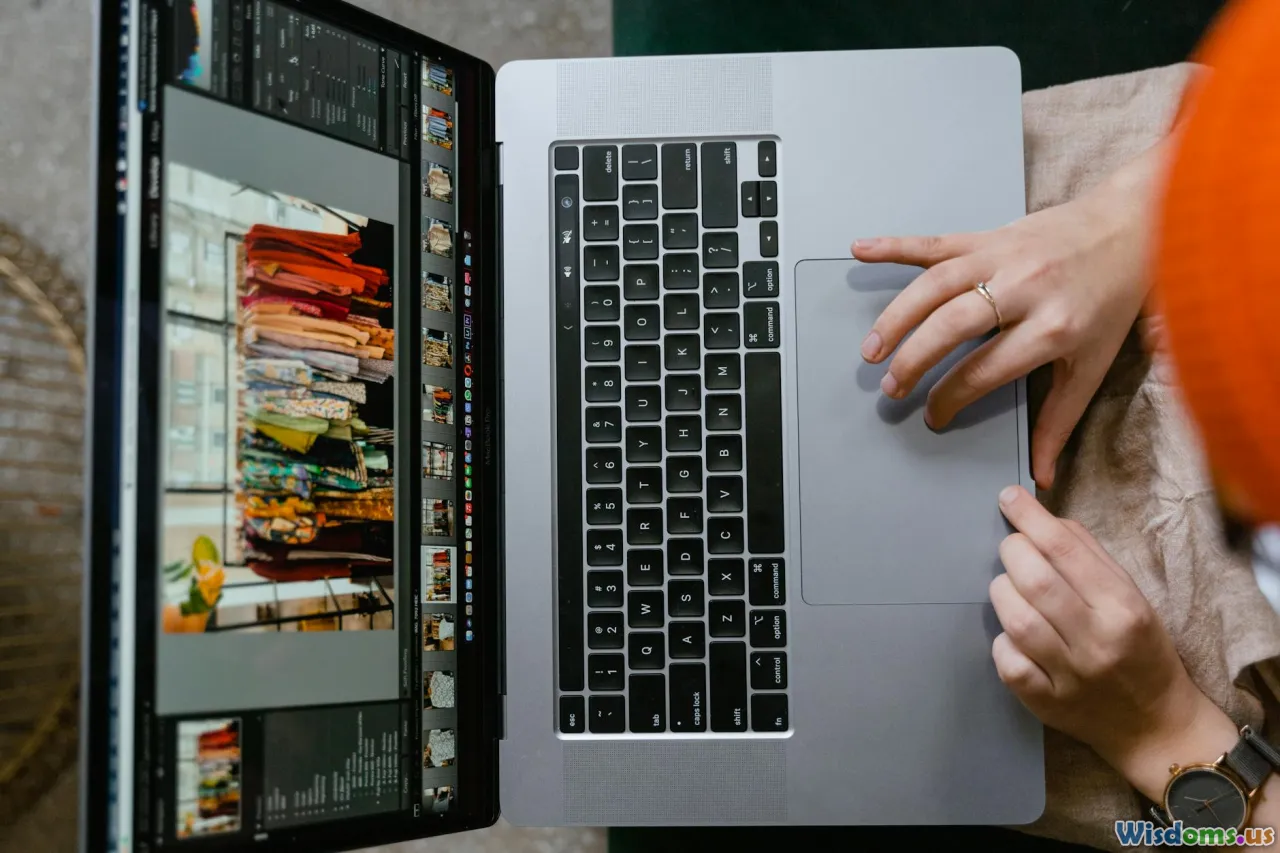
Selecting the right sales platform can define the shape of your business. Sarah evaluated:
- Shopify: Customizable, scalable, robust for third-party integrations. Slight learning curve but full operational control (domain, theme, apps). Monthly fees start at $39.
- Etsy: Marketplace with built-in organic traffic. Lower barrier to entry but stiff competition. Transaction and listing fees apply. Brand control limited.
- Amazon Merch (Merch by Amazon): Huge reach, but strict approval process and less control over branding/client data.
Sarah selected Shopify combined with direct Printful integration for automation. This gave her a branded site, unique domain (cycletherapytees.com), and full marketing control—vital for building a loyal customer base and email list.
Her store included:
- Lifestyle banner photos/mocks
- Clear sizing information
- Trust signals: SSL badge, return policy, user testimonials (early reviewers supplied for free shirts)
Key Tip: For those less tech-comfortable, Etsy is an excellent starting ground, but plan to pair it with a robust Instagram presence for maximum results.
Creating Product Listings That Convert
Optimized product pages can double checkout rates. Sarah’s strategy tackled five must-haves:
- High-Quality Mockups: Professional flat-lays and lifelike models reflecting diverse cyclists (male and female; different body types).
- Persuasive Product Descriptions: Not “just a t-shirt”—but “A shirt for those who conquer hills before breakfast. Softest feel, bold graphics, cyclist-tested.”
- Size Charts & Return Policy: Transparent, reassuring, setting buyer expectations.
- Social Proof: Instagram ambassador reviews and a curated carousel of tagged purchases (using Instagram’s Shopping integration).
- Scarcity Cues: Amazon-style tickers (“Only 4 left!”) and rotating featured item slots.
Keyword-rich product tags and detailed descriptions also improved organic search reach. Investing in compelling photography or superior mockups paid off: conversions climbed from 2.1% to 3.4% after refining visuals and copy.
Pricing for Growth: Finding the Profit Sweet Spot

Pricing print-on-demand tees can make or break the effort. Shirts shouldn’t be a race to the bottom—especially if you’re focused on a loyal, identity-driven customer segment.
Sarah itemized costs:
- Shirt base + printing: ~$12 (via Printful)
- Shopify hosting: $39/month
- Transaction fee (Shopify Payments): 2.9% + fixed fee per order
She mapped out these costs for a typical month (50 shirts):
| Expense | Amount |
|---|---|
| Print/shipping | $600 |
| Shopify fee | $39 |
| Transaction Fees | $44.67 |
| Misc. (ad spend) | $150 |
| Total | $833.67 |
She priced shirts at $29.99 (+shipping). Factoring all monthly costs, her breakeven was 28 shirts/month. Average gross profit per shirt: $11.25.
After a price test lowered shirts to $24.99 hoping for volume, conversion rates only rose marginally, but losses in $/sale hurt overall margins. Sarah found that:** her core customer was willing to pay more for quality and unique design.**
Insider Tip: Bundle offers (buy 2, save 15%) were highly effective, raising the average order value to $37 in the second quarter.
Launching the Store: Marketing Playbook From Day One
A silent launch means sales trickle in—if at all. Sarah started with pre-launch buzz and leveraged organic digital word-of-mouth, then layered in paid ads.
Tactics That Worked:
1. Community Collaboration
She recruited micro-influencers from local cycling groups, Instagram accounts (2,000–15,000 followers)—offering free product in exchange for real-life shots and honest feedback. This grassroots approach built love and authenticity. Early mentions led to 50 site visits per day prior to launch, and the first 10 shirt sales came from these trusted referrals.
2. Instagram as the Base
Sarah’s Instagram page, @CycleTherapyTees, posted:
- Design sneak peeks and story polls (“Which design screams #ridelife?”)
- User features (@ tags for customer ambassadors)
- Reel content showing unboxing and fabric ‘softness’ moments
Within 60 days, she grew to 2,200 followers—enough to drive consistent discovery without paid traffic.
3. Retargeting and List Building
Paid Instagram and Facebook retargeting ads followed window-shoppers. Sarah combined this with an email pop-up offering 15% off (first purchase). Even with modest traffic (700 site visitors/month), her email list grew to 480 within three months. Email drove 23% of total sales in the first quarter, outperforming all organic social alone.
Order Fulfillment, Returns, and Customer Experience

Smooth fulfillment and support builds repeat customers and five-star reviews.
Sarah’s order flow (Shopify + Printful) was hands-off: new purchases auto-sent to Printful for printing and direct shipping. Key focus areas:
- Order tracking: After two failed shipment notifications, she switched to a branded delivery tracker (e.g., Route) for real-time updates.
- Returns/exchanges: A no-questions-asked return window (30 days) mitigated fear for new customers. Less than 3% of sales converted to returns; almost all were size swaps—not lost customers.
- Personal touches: Every package included a hand-signed thank you note (she pre-printed 500 with her signature). This seemingly small effort triggered dozens of Instagram stories and positive reviews.
Results: With efficient fulfillment and a customer-first approach, repeat customer rate hit 38% after six months—well above the print-on-demand store average (~20–25%).
Scaling Up: Paid Ads, Product Expansions, and Brand Community

After establishing product-market fit and nailing fulfillment, Sarah shifted to scale her business.
Paid Social Campaigns
She experimented with Facebook and Instagram ads:
- Most effective: Carousel ads targeting interest buckets (“cycling”, “Peloton”, “Gravel riding”).
- Retargeting scored the best ROAS (return on ad spend), averaging 4.1, while cold interest targeting below breakeven at 1.7.
She set a rule: Only scale budgets on ad sets delivering at least a 2.5 ROAS over 14 days. By the ninth month, monthly ad spend climbed to $750/mo, with sales climbing proportionally.
Expanding the Product Mix
Repeat customers craved more styles. Sarah added:
- Long sleeve and tank models with top-selling graphics
- Embroidered beanies and cycling socks—using the same POD partners to minimize inventory risk
These extensions represented 32% of all Q2 revenue, demonstrating the power of attached purchases. She created bundled discounts (shirt + socks for 20% off), heightening the sense of community identity.
Brand-Building Content
Investing heavily in lifestyle content, "customer of the month" features, and tutorials (“How to wash your custom tee for max life!”) further bonded the audience. Video content (unboxings, rides in Cycle Therapy gear) generated shares and organic discovery, supplementing paid efforts and solidifying the brand’s authority.
Key Mistakes Made & Lessons Learned

Even straightforward business models are littered with hidden potholes. Sarah’s experience underscores key learning moments:
- Underestimating Lead Time: During the holiday rush, POD fulfillment times grew from 3 days to 10+, spiking support tickets and complaints. Now, Sarah updates banner notices and proactively emails all customers if delays exceed 3 days.
- Overcomplicating Designs: Detailed art looked great onscreen but muddied after print—especially on colored shirts. She discovered less is more for POD success (leaning on bold, high-contrast styles instead).
- Ignoring Email Early On: Only after launching did Sarah realize the long-term value of her email audience; now, weekly e-newsletters with exclusive drops and giveaways boost acquisition + repeat sales.
- Stalling on Pricing: Being tempted by undercutting or deep discounts undermined perceived brand value. Now, she positions Cycle Therapy Tees as a premium destination for cycling fans—reflected in packaging, copy, and influencer relationships.
Numbers That Tell The Story

Nine months post-launch, what did Cycle Therapy Tees actually achieve? Here’s an inside look:
| Metric | Value (5th–9th month avg.) |
|---|---|
| Orders per month | 120 |
| Average order value | $37.50 |
| Net profit per shirt | $11.25 |
| Email list growth | 2,800 total (organic+ads) |
| Repeat customer rate | 38% |
| Return rate | 2.6% |
| Instagram followers | 7,900 |
| Facebook page likes | 1,200 |
| Five-star reviews | 176 |
Monthly net profit topped $1,200 and was growing. While that may not be life-altering day-one income, Sarah builds an asset—an audience and brand—capable of weathering platform changes and algorithm updates.
Action Plan: How You Can Replicate This POD T-Shirt Success

Want to start your own POD t-shirt journey? Summing up the highest-leverage actions from this real-world case:
- Begin with market research: Don’t guess your market—observe where niche fans are active, what they wear, and what emotion links them.
- Test designs rapidly: Use affordable design tools or freelancers; order samples and get brutally honest feedback before launch.
- Select proven POD partners: Don’t race to the bottom. Manufacture at a provider whose output stands up to scrutiny—order and wash sample units first.
- Build your store on a flexible platform: Shopify, with Printful/Printify, is ideal for control and scalability.
- Leverage social proof: Prioritize influencer partnerships—think micro, not celebrity. Customer UGC (user-generated content) is your most credible asset.
- Segment customer communication: Use email and DMs for responsive support and ongoing marketing—focus on customer retention early.
- Reinvest in content: Video, customer features, and tutorials drive community and organic reach—fueling long-term growth.
Bringing it all together, launching a print-on-demand t-shirt store means blending creativity with shrewd business practice. With the bar set—thanks to Sarah’s Cycle Therapy Tees—your path is clear for creating a lasting, income-generating brand tailored to your unique interests and skills.
Rate the Post
User Reviews


Other posts in Make Money Online




Popular Posts