Comparing Modern Fire Starters for Beginners and Pros
36 min read Compare ferro rods, stormproof matches, plasma lighters, and more. See pros, cons, reliability, and best picks for beginners and seasoned bushcrafters. (0 Reviews)
Fire is one of those rare skills that’s both elemental and modern. Whether you’re a beginner spending your first weekend in the woods or a seasoned guide who lights a cookfire in sleet with gloved hands, choosing the right fire starter can mean the difference between a cozy camp and a miserable night. Today’s market spans everything from disposable lighters to USB-rechargeable plasma arcs, ferrocerium rods that shower sparks, and even fire pistons that squeeze an ember out of thin air. Each tool shines in a specific context—and stumbles in others.
This guide compares modern fire starters with a beginner’s learning curve and a pro’s field realities in mind. We’ll cover trade-offs, real-world performance in wind and wet, and practical kits that just work. You’ll find the specifics—burn times, spark temperatures, typical lifespans—and you’ll leave with a plan that fits your environment, budget, and skill progression.
What “Modern” Fire Starter Means Today
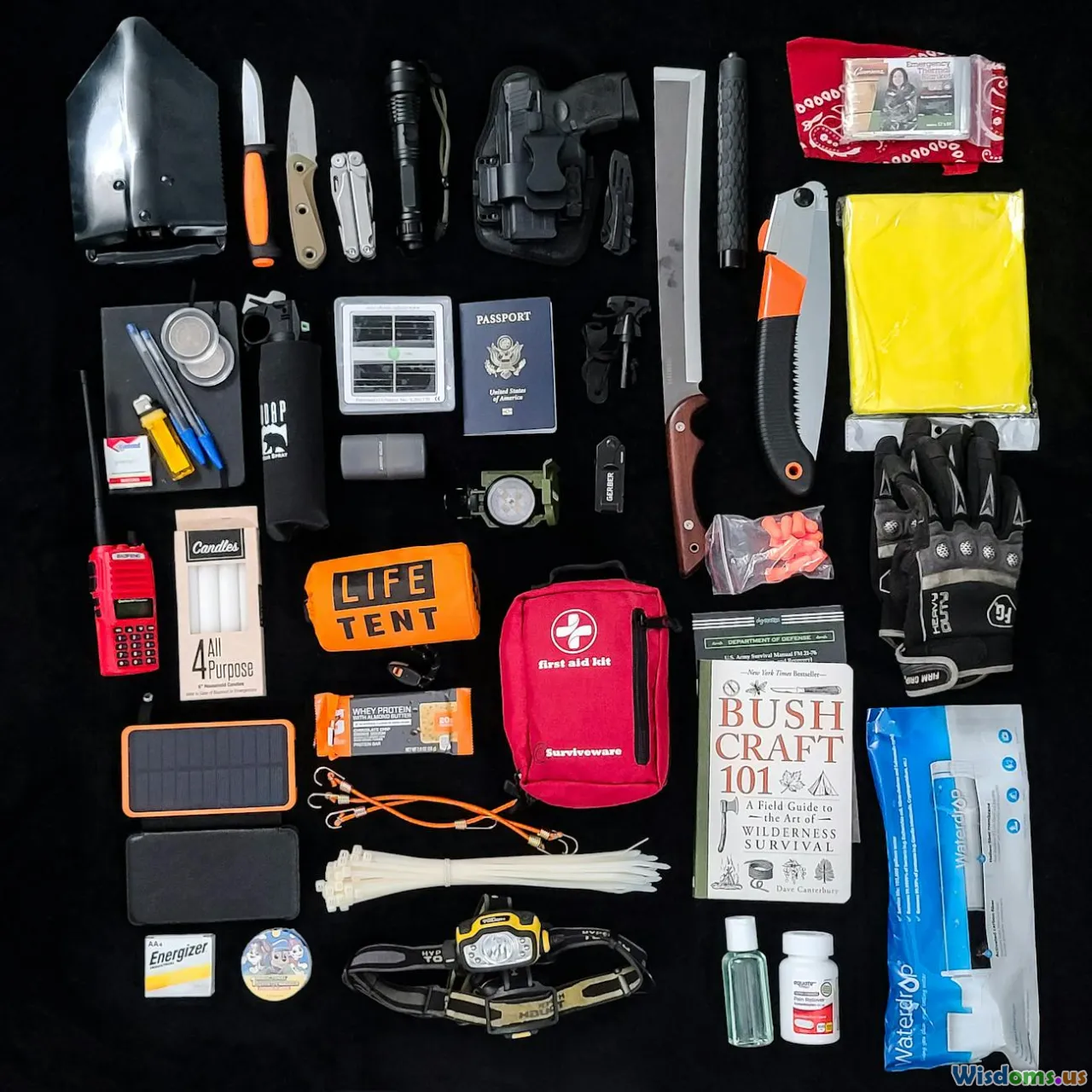
“Modern” doesn’t only mean electronic. It means newer materials, better ignition chemistry, and more consistent manufacturing. In 2025, the most common categories are:
- Flame-based lighters: butane disposables and refillables, liquid-fuel Zippo-type, and jet torches. They deliver immediate flame with a simple user interface. Great for beginners. Sensitive to wind and cold, depending on the type.
- Matches: from cardboard household to waterproof and stormproof varieties. Easy to teach, easy to issue in emergency kits, and reliable when stored well.
- Spark-based tools: ferrocerium rods (ferro rods) and high-carbon steel with flint. They emit high-temperature sparks that can ignite prepared tinder even when wet. Great for pros and learners who want durable reliability.
- Combustion enhancers: magnesium bars, tinder tabs, waxed wood, petroleum-jelly cotton balls, WetFire cubes, and hexamine tablets. These are not starters per se but turn a weak spark or flame into a dependable fire.
- Electronic plasma lighters: USB-rechargeable, arc-based lighters that don’t rely on pressurized gas and are windproof in most conditions.
- Traditional-meets-modern: fire pistons and upgraded flint-and-steel kits that use contemporary materials and better machining.
A strong field rule is to carry at least two—and ideally three—systems that don’t share the same failure point. For instance, a butane lighter (flame), a ferro rod (spark), and waterproof matches (flame backup). That redundancy keeps you covered through wind, rain, and numbed fingers.
Butane Lighters: Everyday Heroes With Limits
For many campers, the journey from “cold hands” to “sipping cocoa” begins with a click. Disposable butane lighters like the ubiquitous Bic are astonishingly good for their cost. They’re compact, light, and deliver an immediate, adjustable flame with a thumb press.
Where they excel:
- Reliability in mild conditions. A fresh Bic will light hundreds of times under typical camping temperatures.
- Simplicity. No specialized technique. Beginner-friendly, one-handed operation.
- Availability. Buy anywhere, stash everywhere.
Limits you should plan around:
- Cold sensitivity. Butane’s boiling point is about -0.5°C (31°F). Below freezing, vapor pressure drops and the lighter sputters. Warm the lighter in a pocket or armpit, or sleep with it in your bag.
- Wind. Standard flame lighters are vulnerable to moderate wind. Shield the flame with your body, a hat, or a split log windbreak.
- Altitude. Thin air reduces flame stability and heat output.
- Wetness. Soaked lighters can often be dried and revived, but it takes time when time is heat.
Pro tips and examples:
- Keep two lighters in two different locations on your person. One on your body stays warm; the other in a pack is your reserve.
- Consider a lighter sheath like the Exotac fireSLEEVE: it prevents accidental gas discharge and floats.
- If you prefer a refillable lighter, remember that Zippo-style liquid-fuel models are wind-resistant and tough but evaporate faster (often within days). Butane refillables with piezo ignition and a small jet can bridge the gap—but see the next section for torches.
Matches: From Grocery Aisle to Stormproof Workhorses
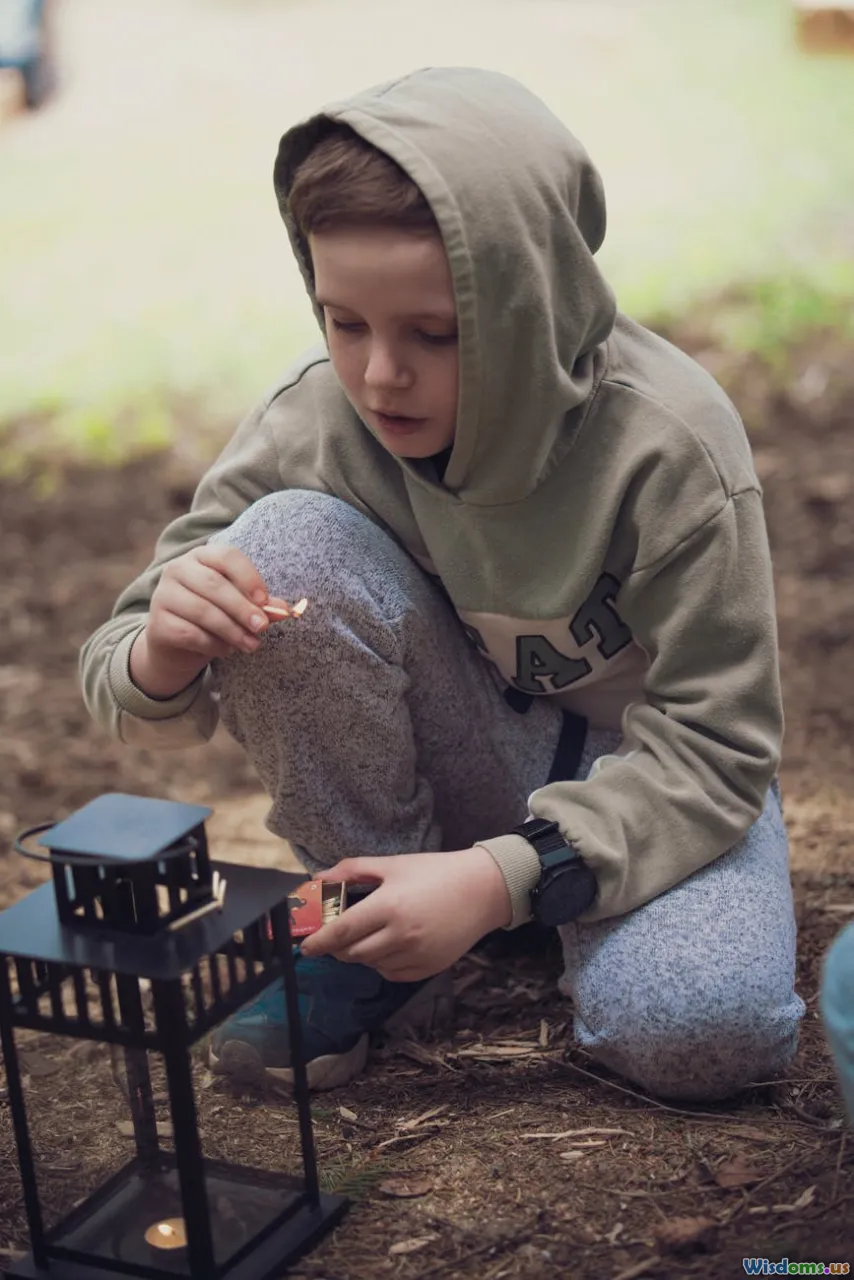
Matches teach fire fundamentals: prepare your tinder well, strike cleanly, and you get a flame you can nurture into a blaze. Modern variants push reliability further.
Types worth knowing:
- Safety matches: require the striker on the box. Cheap but not ideal for wind and wet.
- Strike-anywhere: easy to use and loved by old-school campers, but restricted in some places. Pack in a waterproof case.
- Stormproof/windproof: UCO Stormproof and Zippo Typhoon matches are thicker, burn 12–15 seconds, can relight after brief submersion, and shrug off strong gusts. They’re bulkier but highly dependable in bad weather.
How to get the most from stormproof matches:
- Prepare a small nest of tinder before you strike.
- Shield your hand and match from wind as you light.
- Hold the match head slightly downward so melted binder feeds the flame.
- Transfer the robust match flame to your tinder bundle within 5–7 seconds, then feed pencil-lead sticks.
Pros:
- Minimal learning curve. Hand these to a beginner and they’ll often succeed on the first try.
- Wet-weather advantage. Quality stormproof matches remain one of the best quick fixes in rain.
- Countable reliability. You know how many attempts you have left.
Cons:
- Finite supply. Each strike is one fewer in your kit.
- Bulk and weight. Stormproof matches come in rugged cases with spare strikers; worth it, but heavier than a Bic.
- Safety: accidental ignition if packed poorly. Use a dedicated waterproof case with a tight O-ring.
Ferrocerium Rods: Sparks That Don’t Run Out
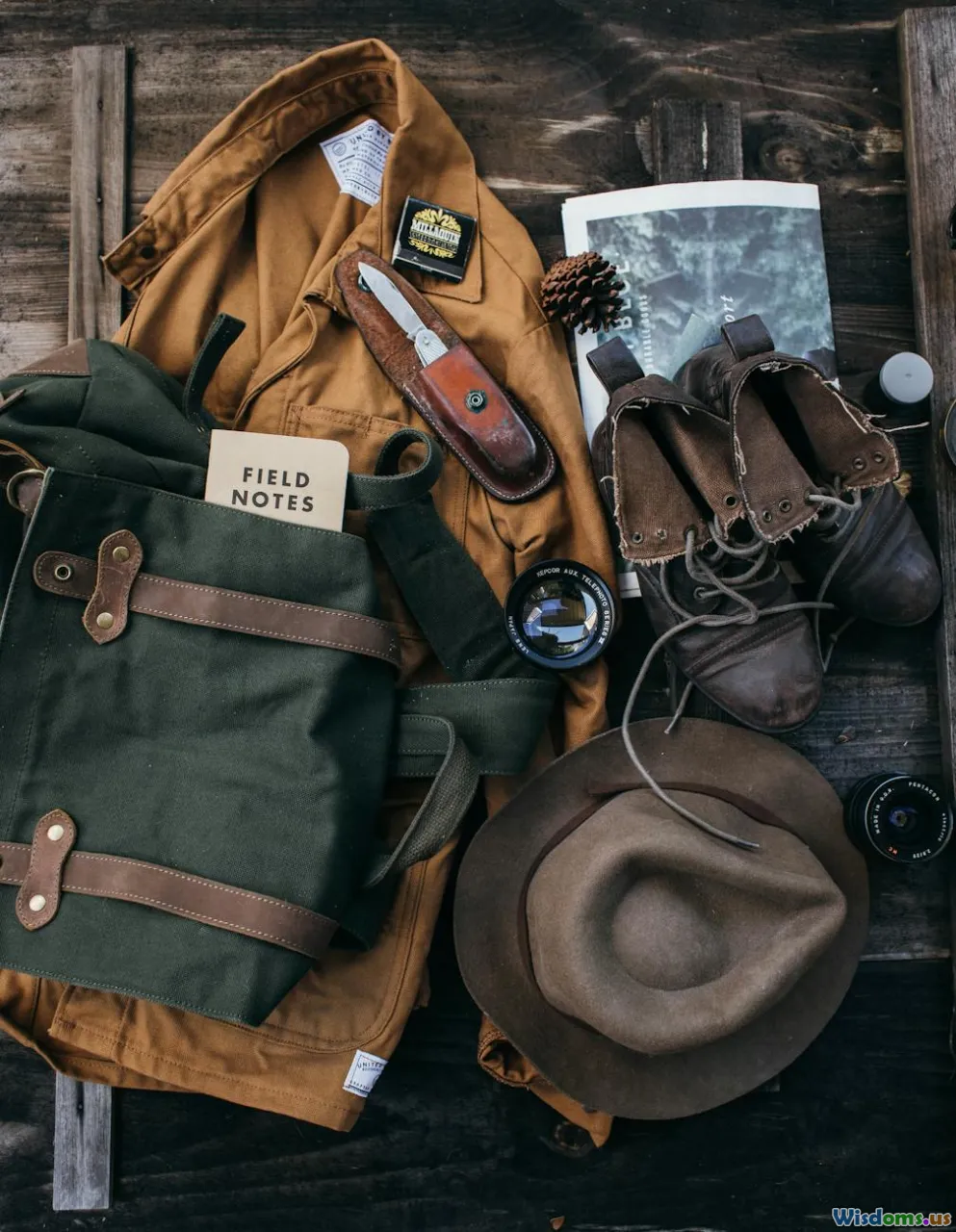
The modern “flint” is usually ferrocerium, an alloy of iron and rare-earth metals like cerium and lanthanum. Scraped with a hard striker, it throws molten sparks at roughly 3000°C (over 5400°F). That heat is enough to ignite fine, dry tinder—even when the rod is wet from rain.
Why pros love ferro rods:
- Longevity. A typical 8 mm rod can deliver 3,000–12,000 strikes depending on brand and technique.
- All-weather. Works when wet; just wipe and strike. Not dependent on fuel or batteries.
- Versatility. Good with natural tinders (birch bark, fatwood scrapings) and synthetics (cotton balls with petroleum jelly, Tinder-Quik tabs).
Common beginner pitfalls:
- Striking technique. The best method is often pulling the rod back while anchoring the striker in place to avoid scattering your tinder.
- Poor tinder prep. Sparks don’t make up for damp, chunky material. Think hair-fine shavings.
- Dull strikers. Use the square spine of a carbon steel knife or a dedicated striker with a sharp 90-degree edge.
How to use a ferro rod effectively:
- Create a tinder bundle the size of a golf ball: feather-fine fibers in the center, coarser on the outside.
- Place the rod tip inside the bundle.
- Lock your striker hand and pull the rod back firmly, showering sparks into the center.
- Once it catches, lift the bundle and feed matchstick-sized sticks.
Well-regarded models include Light My Fire Swedish FireSteel, Exotac nanoSTRIKER, and the Überleben Zünden. Pair with a compact tinder like SOL Tinder-Quik and you have a near failsafe spark system.
Magnesium Bars and Scrapers: Hot Shavings, Real Practice Needed
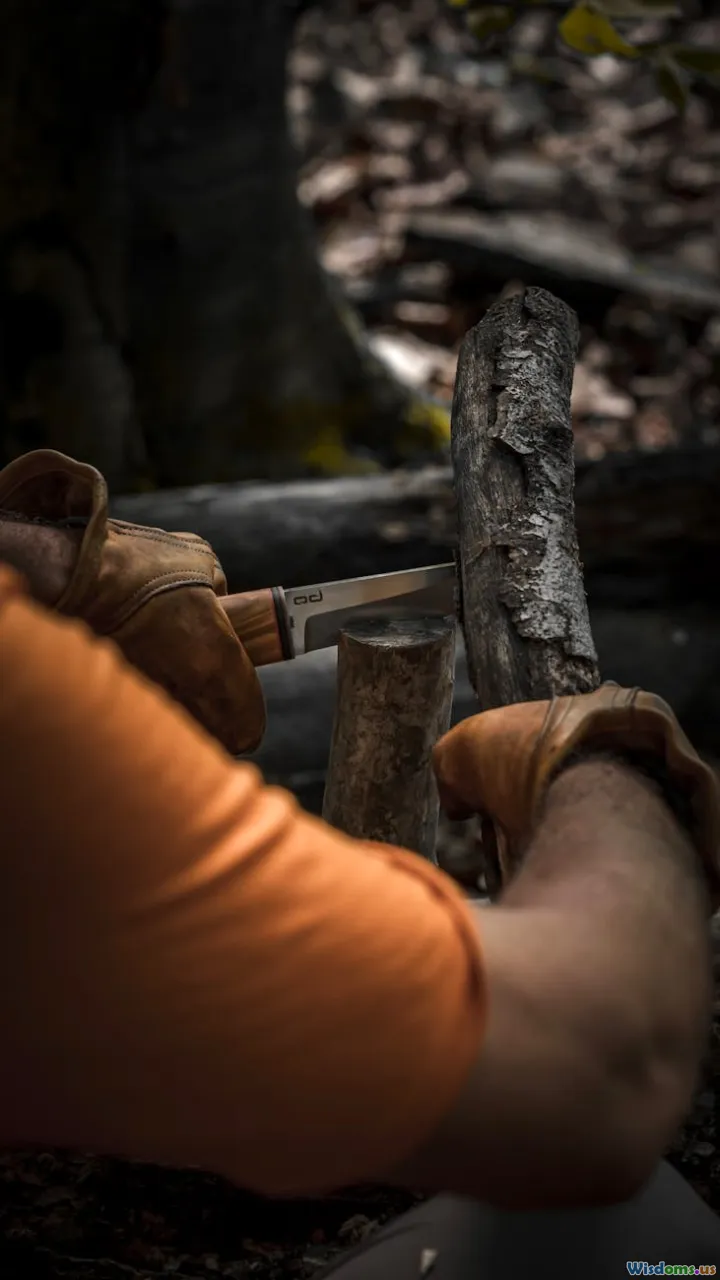
Magnesium burns ferociously once ignited, which makes it a potent helper when your tinder is marginal. Many survival bars combine a magnesium block with a small embedded ferro rod.
What to know:
- Heat output. Burning magnesium shavings can exceed 3000°C, giving you a brief, intense flame that helps marginal tinder transition to sustained burning.
- Technique. You must shave a small pile of fine magnesium curls—think pencil eraser-sized pile—then ignite the pile with your ferro sparks into your tinder bundle.
- Moisture. Magnesium blocks resist moisture well; shavings ignite best when they’re fine and dry.
Pros:
- Works with wetter or coarser tinder than sparks alone.
- Durable, compact, and inexpensive.
Cons:
- Time-consuming. Shaving enough magnesium with cold hands is slow.
- Safety. Magnesium fires are bright and hard to extinguish with water. Keep the pile small, be mindful of blowing embers, and use sand or smothering—not water—if something goes sideways.
This is a great training tool. Practice at home to learn how much magnesium you need and how to contain it. In the field, it’s a backup rather than a primary tool for most users.
Electronic Plasma (Arc) Lighters: Windproof Sparks, Battery Dependencies

Plasma lighters create a small, hot electrical arc between electrodes—no open flame, no pressurized gas. The arc is windproof and can ignite fine tinder on contact.
Where they shine:
- Wind performance. The arc is largely unaffected by typical camp winds.
- Waterproof models. Some IP56–IP67-rated units survive heavy rain and brief dunking.
- Rechargeable. Many claim 100–300 ignitions per charge via USB-C.
Trade-offs:
- Battery in the cold. Lithium cells lose capacity in sub-freezing temps. Keep the lighter warm.
- Small arc gap. You need to bring tinder into the arc; larger kindling won’t fit. Think cotton, feather-fine curls, or waxed jute.
- Electronics. More to break if crushed or soaked beyond ratings.
Best practices:
- Choose a model with a covered arc head and a lanyard. Look for a battery indicator and a lockout.
- Pair with reliable tinder like petroleum-jelly cotton, fatwood shavings, or a purpose-made tab.
- Pack a short USB cable and a power bank on longer trips; the lighter can share charge infrastructure with your phone or headlamp.
Piezo Torches and Pocket Blasters: When Heat and Aim Matter
Jet torches use pressurized butane and a piezo igniter to produce a concentrated blue flame around 1300°C (about 2400°F). They’re excellent at delivering heat precisely where you want it.
Advantages:
- Wind resistance. A torch flame is more resilient than a soft flame.
- Focused heat. Great for igniting damp kindling, lighting stoves, or heat-shrinking paracord ends.
Caveats:
- Fuel logistics. Refill canisters add complexity on the trail.
- Cold performance. Still butane-based; keep warm for consistent output.
- Airline restrictions. Torch lighters are typically prohibited in airline cabins and checked luggage.
Field examples:
- Soto Pocket Torch attachments can transform a disposable lighter into a wind-resistant burner.
- Micro torches with a cap and child lock reduce accidental discharge in a pack.
For backcountry minimalists, a torch is usually overkill. For car camping, home kits, and winter fire pit lighting, they’re wonderfully efficient.
Fire Pistons and Flint-and-Steel: Traditional Techniques With Modern Tweaks
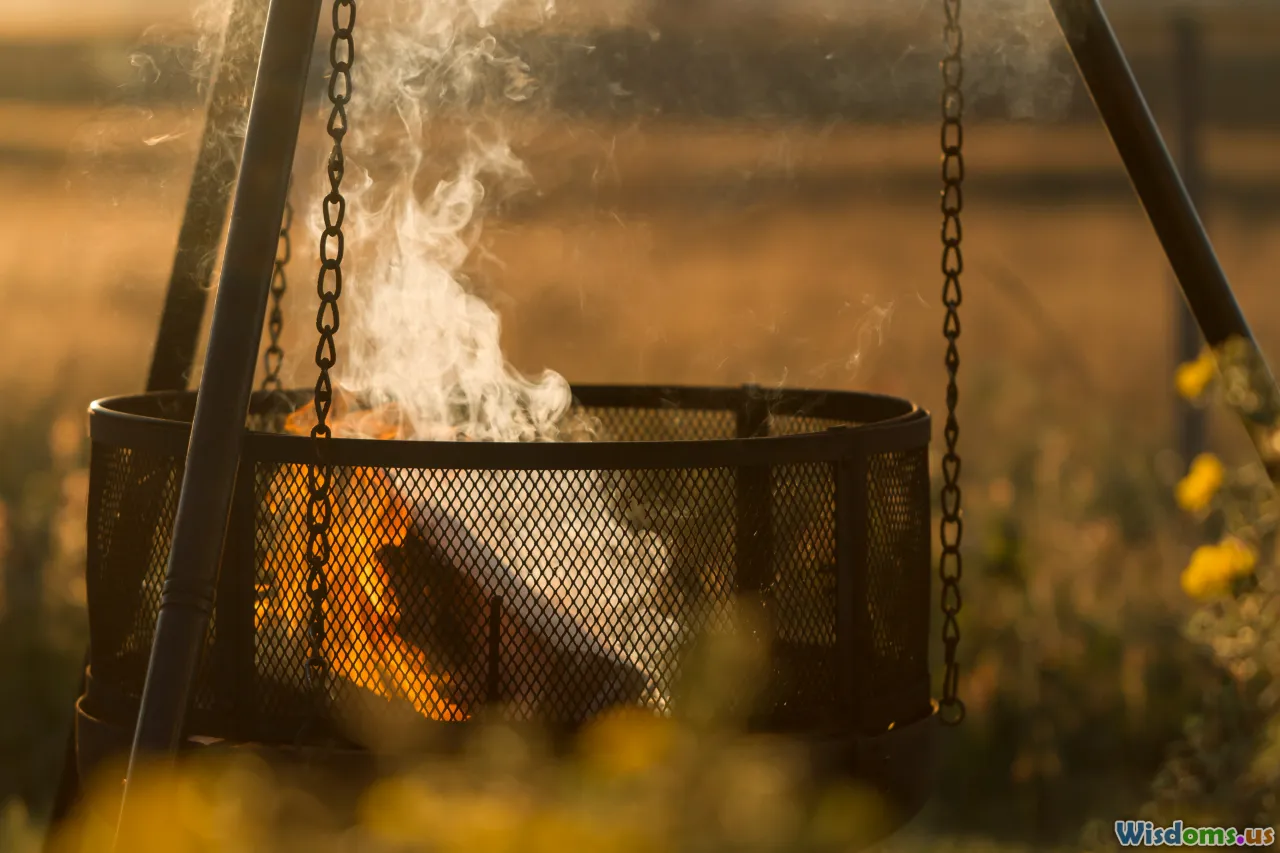
Both of these systems sit at the intersection of heritage and skill.
Fire piston:
- Principle. Rapidly compressing air in a small cylinder raises the temperature high enough to ignite char cloth (adiabatic compression).
- Pros. Beautiful engineering, works without consumable fuel aside from tinder, functions when wet if lubricated. Educational.
- Cons. Precision required. You need good char material and strong, consistent technique. Not ideal when hands are numb.
Flint-and-steel:
- Principle. Striking high-carbon steel against flint shears off tiny particles that heat up and glow. These sparks are cooler than ferrocerium; they need char cloth, amadou (tinder fungus), or very fine natural tinder.
- Pros. Durable, traditional, and rewarding. A solid skill builder.
- Cons. Steep learning curve by modern standards and slower in bad weather.
Modern updates include better seals, O-rings, and CNC-machined pistons, as well as compact steel strikers. These tools are worth learning for bushcraft depth, but most beginners will fare better with a lighter or ferro rod as their primary.
Tinder Technology: Tiny Upgrades That Make Fire Easy
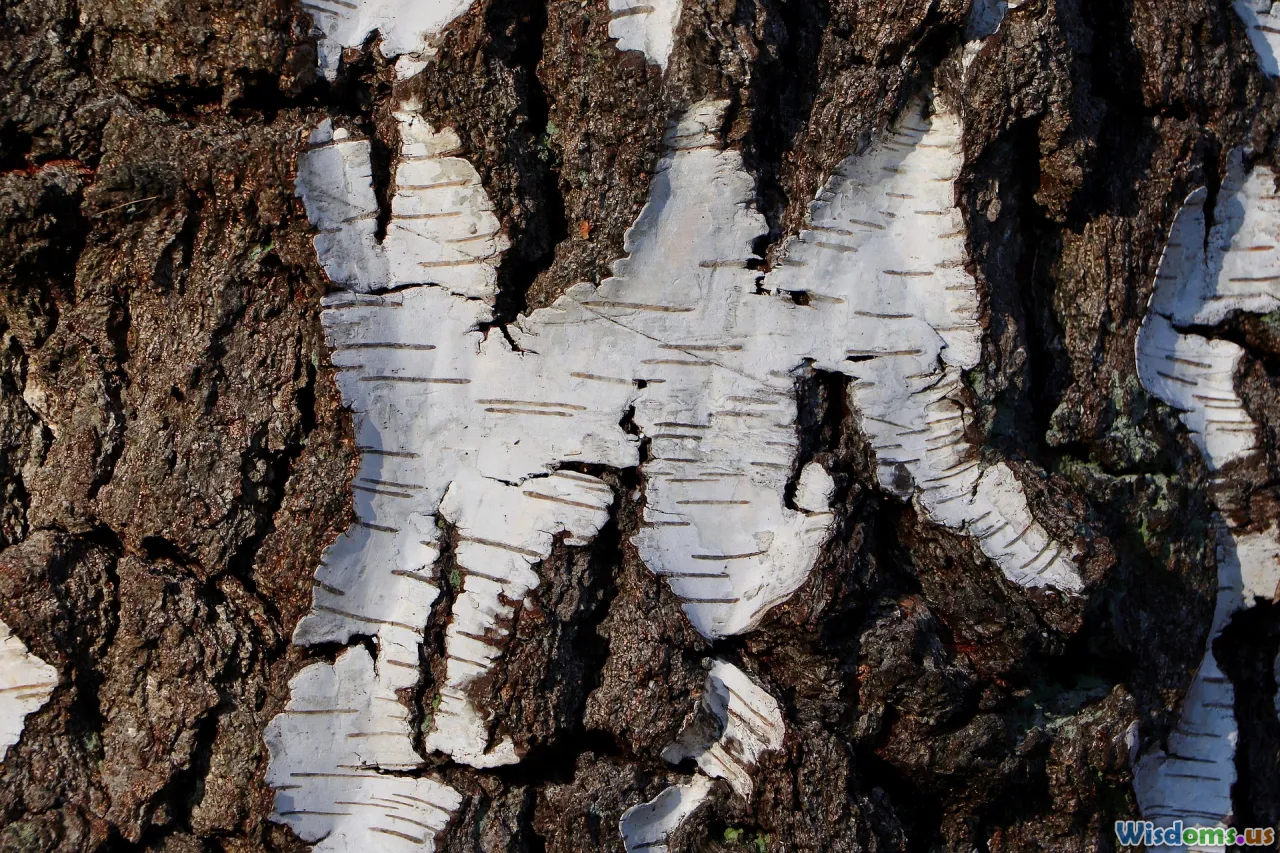
Tinder turns sparks and small flames into a sustained burn. Modern options radically improve success rates, especially in poor conditions.
Standouts:
- Cotton balls with petroleum jelly: Easy DIY. Fluff the fibers, smear with petroleum jelly, store in a small tin or straw segments. Burns 3–5 minutes per ball.
- SOL Tinder-Quik or similar tabs: Compact, water-resistant, ignite with a single spark when teased apart. Excellent ferro rod partner.
- WetFire cubes: Lightweight, water-resistant fuel that ignites quickly and can even burn on water. Good for emergencies.
- Fatwood: Resin-rich pine kindling. Scrape to make fine shavings; resin resists moisture.
- Birch bark: Natural classic. The oils (betulin) help it light easily even when damp. Harvest responsibly from deadfall.
- Hexamine (Esbit) or trioxane tablets: Hot, long-burning fuel blocks. Useful as both tinder and stove fuel but stinky and produce residue. Use with care and adequate ventilation.
Tinder best practices:
- Always carry redundancy. A tiny bag of tinder weighs almost nothing and makes sparks far more useful.
- Prepare multiple sizes. Fine fibers for ignition, pencil-lead sticks, then finger-thick.
- In the wet: split sticks to expose dry inner wood; feather-stick shavings help any starter.
Weather, Altitude, and Cold: Real-World Performance Factors
Environmental conditions separate theoretical performance from what actually lights your dinner.
Cold:
- Butane struggles at or below freezing due to low vapor pressure. Keep lighters next to your body.
- Lithium batteries lose capacity in cold; keep plasma lighters warm.
- Ferro rods work in any temperature; your fingers may not. Practice with gloves and one-handed techniques.
Wind:
- Shield any open flame with your body, pack, or terrain.
- Stormproof matches and jet torches excel here; standard lighters do not.
Altitude:
- Flames are less vigorous due to lower oxygen; expect longer ignition times.
- Sparks remain sparks; focus on tinder.
Wet:
- Pre-stage tinder in waterproof bags. Vacuum-sealed cotton balls and tabs are cheap insurance.
- Birch bark, fatwood, and magnesium shavings fight moisture better than raw sticks.
Dexterity:
- Numb hands sabotage technique. Oversize striker handles, long matches, and large ferro rods help.
- Practice one-handed lighting for injury scenarios.
Safety, Regulations, and Ethics
Fire is a privilege in many landscapes; use it responsibly.
Safety:
- Build on mineral soil or established fire rings. Clear debris out to at least a meter radius.
- Keep water and a digging tool nearby. Sand or soil smothers embers better than water in some cases (e.g., magnesium).
- Carbon monoxide is odorless and deadly. Never burn fuel in an enclosed space without adequate ventilation.
Regulations:
- Fire bans. Seasonal restrictions can prohibit open flames and even stoves without shutoff valves. Check local regs every trip.
- Transport rules. Airline policies commonly allow one disposable or Zippo-type lighter in carry-on; torch lighters are typically banned. One book of safety matches may be allowed. Lithium battery lighters generally belong in carry-on, not checked. Always verify current TSA/IATA rules before you fly.
Ethics:
- Leave No Trace. Use existing fire rings, keep fires small, burn down to white ash, and scatter cold ash sparsely. Consider a stove-only trip in sensitive areas.
Kits for Different Users: Build to Purpose

Rather than asking “What’s best?”, ask “What’s best for this user and this trip?”
Beginner weekend camper (temperate forest):
- Primary: Bic or similar disposable lighter in a fireSLEEVE.
- Backup: UCO Stormproof matches in a waterproof case.
- Spark option: Mid-size ferro rod with a 90-degree striker.
- Tinder: Ziploc of cotton balls with petroleum jelly and a few Tinder-Quik tabs.
Ultralight backpacker (3-season):
- Primary: Mini Bic wrapped with a few feet of tape.
- Backup: 8 mm ferro rod, nano striker.
- Tinder: 6–8 Tinder-Quik tabs in a tiny vial; a short length of fatwood.
- Stove reliance: If you primarily cook on a canister stove, a Mini Bic is often enough—still carry the ferro rod.
Cold-weather hiker (freezing conditions):
- Primary: Stormproof matches (burn time matters with cold-stiffened tinder).
- Backup: Full-size ferro rod and large scraper you can hold with gloves.
- Supplement: Hand warmers to rewarm lighters; magnesium block for damp wood.
Bushcrafter/skills learner:
- Primary: Ferro rod and robust striker.
- Secondary: Flint-and-steel kit with char tin.
- Backup: Butane lighter for emergencies.
- Tinder: Fatwood, birch bark, and self-made char cloth.
Paddler or coastal trip (wet exposure):
- Primary: IP-rated plasma lighter on a lanyard.
- Backup: Stormproof matches in a floating case.
- Spark: Ferro rod (works wet once wiped).
- Tinder: WetFire cubes and waxed jute.
Vehicle and home emergency kit:
- Butane torch lighter for quick heat application.
- Disposable lighters sealed in a bag.
- Stormproof matches.
- Tinder: multiple forms, plus a candle stub for sustained flame.
Hands-On Comparison: A 10-Minute Fire Drill

Set a timer for 10 minutes. Your goal: boil a mug of water over a small fire using damp twigs left after a light rain. Gloves on, light wind, 40°F (4°C). This kind of drill reveals a lot.
Typical results you might see with basic practice and prepared tinder:
- Standard Bic lighter + petroleum-jelly cotton ball: flame in 15–30 seconds; boiling in 6–8 minutes depending on pot and sheltering.
- UCO Stormproof match + teased Tinder-Quik: flame in 10–20 seconds; boiling in 6–9 minutes.
- Ferro rod (8 mm) + Tinder-Quik: flame in 20–60 seconds; boiling in 7–10 minutes.
- Ferro rod + feather sticks only (no commercial tinder): flame in 2–5 minutes depending on skill; boiling in 10–15 minutes.
- Magnesium bar shavings + ferro rod + damp kindling: 3–6 minutes to steady flame; boiling in 10–14 minutes.
- Plasma lighter + Tinder-Quik: flame in 15–30 seconds; boiling in 6–9 minutes.
- Jet torch + feather sticks: flame in 30–60 seconds; boiling in 7–10 minutes.
Observations:
- Good tinder trumps the starter. The best spark tool beats the best flame if the tinder is prepared well.
- Wind control matters. Using a kneeling position and your pack as a windbreak often cuts total time by minutes.
- Gloves change everything. Oversized controls—long match sticks, big scraper handles, and full-size rods—make you faster.
How to Practice: Skill Progression That Actually Works
If your first ferro rod attempt is in sleet at dusk, you stacked the deck against yourself. Build competence in layers.
Week 1: Easy wins
- At home, practice lighting a cotton ball with a ferro rod into a metal tray. 10 repetitions.
- Learn to pull the rod while anchoring the striker.
- Light a tea candle with a Bic one-handed, left and right.
Week 2: Tinder discipline
- Make a ziplock of feather-fine shavings from a dry stick. Practice catching sparks in them.
- Test two commercial tinders (e.g., Tinder-Quik vs. WetFire) to learn their quirks.
Week 3: Weather simulation
- Practice outdoors in a light mist or after wetting your materials and pat-drying.
- Try with thin gloves on. Notice which tools frustrate you.
Week 4: Redundancy and drills
- Time yourself making flame using each tool. Write the times on your kit card.
- Do a one-handed drill, simulating a wrist injury. Stabilize your tinder, lock the striker, and pull the rod.
Ongoing:
- Replace used tinder. Rotate matches every season. Confirm lighters still click and aren’t bleeding fuel in your pack.
- Teach a friend or kid. Teaching cements your own technique.
Buying Guide: What Specs and Features Matter
Lighters:
- Ignition type: flint wheel vs. piezo. Flint works at colder temps; piezo is convenient.
- Fuel window and cap: know your fuel level and prevent pocket discharge.
- Cold performance: choose models with good thumb feel and minimal small parts.
- Safety: child locks, cap retention, and an on/off lock for torches.
Ferro rods:
- Diameter and length: bigger rods throw more, hotter sparks and are easier with gloves. 8–10 mm diameter is a sweet spot.
- Striker edge: a crisp 90-degree edge matters more than brand.
- Handle: wood or polymer that’s easy to grip; lanyard holes are a plus.
- Claimed strikes: 3,000–12,000 is typical; take marketing with a grain of salt.
Matches:
- Burn time: stormproof matches with 12–15 seconds give real margin.
- Case quality: robust O-ring seals, spare striker strips, and a lanyard.
Plasma lighters:
- IP rating: IP56 or better for serious wet environments.
- Arc configuration: dual or quad arcs make contact easier.
- Battery: 200–300 mAh is common; look for a charge indicator.
- Lockout: prevent accidental activation in a pack.
Tinder:
- Burn duration vs. weight: petroleum-jelly cotton is top value; carry a few commercial tabs for redundancy.
- Water resistance: waxed jute, WetFire, and fatwood handle moisture well.
Quick Picks and Combos Pros Rely On
You don’t need a drawer of gadgets. You need a small set of tools that complement each other.
EDC and weekend kit (temperate):
- Bic lighter in a sheath
- 8 mm ferro rod with dedicated striker
- SOL Tinder-Quik tabs and a few petroleum-jelly cotton balls
- UCO Stormproof matches in a mini tube
Cold and windy conditions:
- Stormproof matches as primary
- Large-diameter ferro rod with glove-friendly handle
- Magnesium block for stubborn, damp wood
- Jet torch if you’re car-based or in a basecamp
Wet environments or paddling:
- IP-rated plasma lighter on a lanyard
- Ferro rod as a no-battery backup
- WetFire cubes and waxed jute
- Stormproof matches in a floating case
Bushcraft skills set:
- Überleben Zünden or similar ferro rod
- Flint-and-steel kit and char tin
- Fatwood stick and a small carving knife with a 90-degree spine
- A few Tinder-Quik tabs for rainy-day insurance
Pro habit: split your kit. Keep a minimal set on your person at all times (pocket or belt pouch) and a fuller kit in your pack. If you lose the pack crossing a creek, you still have fire.
Choosing by Scenario: Decision Pivots That Actually Matter
If you’re still undecided, choose based on these pivot points:
- Temperature below freezing? Favor stormproof matches and a ferro rod; keep any lighters against your body heat.
- Expecting wind above 15–20 mph? Jet torch or stormproof matches as primary; plasma lighter as a strong backup.
- Incessant wet? Waterproof tinder plus plasma lighter and ferro rod; avoid relying solely on standard soft-flame lighters.
- Teaching a new camper? Start with a Bic and stormproof matches for confidence, then introduce a ferro rod.
- Weight-critical, 3-season backpacking? Mini Bic + micro ferro + four tinder tabs is a proven, ultralight combo.
- Skill-building mode? Ferro rod as primary, flint-and-steel for practice, keep a lighter for safety.
Common Mistakes and How to Fix Them Fast
- Insufficient tinder volume: Double the amount you think you need, then add a bit more. A golf ball of fine fibers is the starting point, not the end.
- Striking away from the bundle: Anchor the striker and pull the rod back so you don’t scatter your tinder.
- Igniting in the wind without a windbreak: Use your backpack, knees, or a split log to shelter the flame. Even a 10-second shelter can be the difference.
- Wet gear inside a pack: Store matches and tinder in truly waterproof containers. Redundancy beats optimism.
- Overreliance on one method: Carry two different systems that fail differently, with tinder that suits both.
- No plan for cold hands: Choose large controls, big rods, long matches, and practice gloved.
A Brief Word on Materials, Myths, and Maintenance
- Ferro rods aren’t flint: They’re a different alloy that showers molten sparks. If yours feels “weak,” rough up the protective coating and use a sharper edge.
- Waterproof matches need dry strikers: Keep extra striker strips in a sealed bag. A wet striker is often the single point of failure.
- Zippo evaporation is real: Liquid-fuel lighters breathe. For long trips, either carry extra fuel, swap to a sealed model like Exotac titanLIGHT, or choose butane/arc systems.
- Tinder goes stale: Cotton and petroleum jelly last, but some commercial tinders degrade with UV or heat. Rotate annually.
- Knife as striker: Many stainless blades don’t have a crisp enough spine. Consider lightly stoning a 90-degree edge on the spine of a carbon-steel knife—dedicated to scraping, not prying.
Field Notes: Small Habits That Pay Off Big

- Pre-stage a “first flame” kit: one Tinder-Quik, one cotton ball, and a little fatwood in a small zip bag, stored in an accessible pocket.
- Build a micro hearth: two pencil-thick sticks under your tinder keep it off damp ground and improve airflow.
- Feather sticks all day: Whenever you take a break, carve a few curls from a dry stick and pocket them.
- Ember transfer: Learn to move an ember from your ignition bundle to a more robust tinder nest without smothering it—especially useful with flint-and-steel.
- Candle assist: A stub of candle or a tea light turns a fragile flame into a sustained heat source for kindling.
Fire is as much about preparation as ignition. The best starter in the world can’t compensate for a sloppy tinder bundle or a drafty fire lay. But with a couple of complementary tools and practiced hands, you can make flame in weather that intimidates most weekend kits.
In the end, beginners should pick the tools that lead to early wins—a good butane lighter, a tube of stormproof matches, and a forgiving tinder. Pros typically lean on ferro rods for all-weather sparks, carry a small stash of high-confidence tinder, and add a method that fits the trip’s worst case: a plasma lighter for wet, a torch for wind, or magnesium for stubborn dampness. Build redundancy, practice gloved, and keep your tinder generous. The moment a faint curl of smoke turns into a steady flame, you’ll feel why this simple skill remains the most empowering part of an outdoor toolkit.
Rate the Post
User Reviews
Other posts in Fire Starting & Control

Popular Posts