How to Purify Water in Harsh Desert Conditions
21 min read Learn effective methods to purify water safely in harsh desert environments for survival. (0 Reviews)
How to Purify Water in Harsh Desert Conditions
Surviving in a desert environment challenges your resourcefulness and adaptability like few other places on Earth. One factor stands above the rest: water. In the world’s driest climates, the precious few drops you find could determine your fate. Yet, the water accessible in these hostile conditions can be riddled with impurities, contaminants, and organisms. Knowing how to purify water isn’t just a handy skill—it can be lifesaving.
In this comprehensive guide, we’ll explore proven strategies, traditional wisdom, and practical techniques to transform questionable desert water into something safer and drinkable. Along the way, you’ll learn surprising facts about desert water sources, innovative purification methods, and essential survival gear to fortify your chances in the world’s toughest terrains.
Identifying Water Sources in the Desert
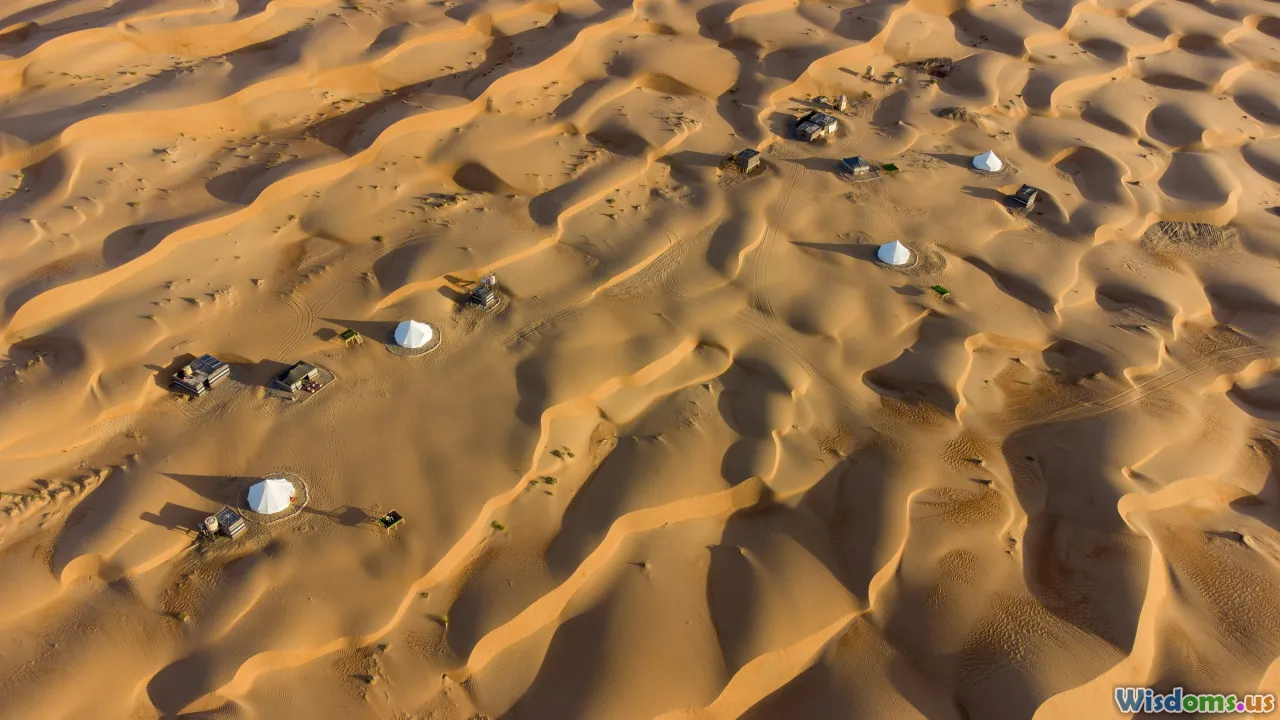
The first and most crucial step to purifying water is finding it—an arduous task in arid environments. Understanding where natural reservoirs of water might hide can make all the difference. Desert landscapes, though harsh on the surface, can conceal life-saving pockets of moisture if you know where to look.
Classic water sources include:
- Oases: Iconic to deserts, oases occur where underground water naturally comes to the surface, sustaining vegetation and sometimes small pools. While inviting, these spots can be rare and may attract wildlife, so approach with caution.
- Dry Riverbeds and Washes: Known as wadi (Arabic), arroyo (Spanish), or simply seasonal rivers, these channels occasionally hold beneath-surface moisture. Digging in the dampest part of the sand may yield a trickle, especially after rain.
- Rock Crevices and Canyons: Dew or morning condensation collects in shaded crevices. Sometimes, these natural "water traps" offer small amounts for collection. Areas with green moss, reeds, or more plant life than the surroundings are good indicators.
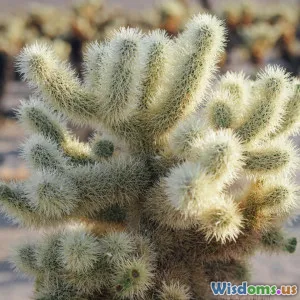
- Desert Plants: Succulents like cacti store water; while generally not recommended for direct consumption (due to potential toxins), they can sometimes be tapped in true emergencies.
Example: In the Sonoran Desert, travelers have used the moisture found beneath palo verde trees, digging into the earth near their base where groundwater may be accessible just beneath the surface after recent rain.
Important Precautions
Many desert water sources are stagnant or contaminated by animal activity. Even clear-looking water can conceal bacteria, parasites, or chemical pollutants. Never drink untreated water in the wild.
Solar Still: Harnessing the Sun for Water Purification
In a sun-drenched landscape, leveraging solar power for water purification is both practical and ingenious. The solar still, a straightforward device, uses evaporation and condensation to separate pure water from contaminants. Even with limited materials, constructing a makeshift solar still in the desert can provide a much-needed supply of drinkable water.
Step-by-Step: Building a Simple Solar Still
Equipment Needed:
- A large clear plastic sheet (at least 6x6 feet)
- A container or cup
- Digging tool (sharp stick or rock)
- Optional: Green plant material, to boost moisture output
Instructions:
- Choose a Site: Select a sunny, low-lying area where the ground might be damp. Installing your still near green plants increases yield since plants release moisture.
- Dig a Hole: Create a pit about 2-3 feet across and 1-2 feet deep. Place your collection container at the center.
- Add Moist Material: If available, heap damp leaves, cacti (peeled and non-toxic), or fresh grass around the container’s base, but not inside it.
- Cover With Plastic Sheet: Stretch the plastic sheet over the hole, weighing the edges with rocks or sand to seal tightly.
- Add a Weight: Place a small stone in the sheet’s center, directly over the cup. This forms a downward cone.
- Wait for Collection: As sunlight heats the pit, water vapor rises, condenses on the plastic's underside, and drips into the cup.
Output:* A well-made still can provide 0.5–1 liter of distilled water per day—enough to make a vital difference.
Tips:
- Shield the still from wind for better efficiency.
- Use non-toxic plant material only. Toxic roots or cacti (like peyote or some barrel cactus types) can leach harmful compounds.
Desert survival expert Cody Lundin once demonstrated that a single good-sized plastic sheet can be more valuable than any food in the desert—if you know how to turn sand, sunlight, and sweat into survival.
Filtration: Removing Visible Impurities and Sediments
In many cases, desert water sources may contain sand, silt, dead insects, or decomposed plant matter. Filtration is your first line of defense against visible contaminants and—in combination with other techniques—forms a foundation for safer hydration.
Improvised Filtration Methods
Layered Bottle Filter:
- Take an empty plastic bottle and cut off the bottom.
- Invert the bottle so the neck points downward.
- Fill, from bottom up (neck to bottom), with:
- Clean cotton cloth or cheesecloth (as the final filter near the neck)
- Activated charcoal (if available)
- Fine sand
- Gravel or small stones
- Pour water through the top and collect at the output.
Camp Towel/Fabric Filter:
- Fold a tightly woven cloth or bandana multiple times.
- Pour the water slowly, letting gravity assist.
- Repeat for better results.
Filtration can dramatically improve the appearance and palatability of water but does not guarantee the removal of bacteria, viruses, or toxic chemicals. Always combine filtration with further purification, such as boiling or disinfection.
Comparative Note: Commercial filters like the LifeStraw or Sawyer Mini are small, lightweight, and capable of removing over 99.9% of bacteria and protozoa. Carrying one of these in your desert survival kit dramatically raises your chances if you encounter dubious water.
Boiling: The Gold Standard of Microbe Elimination
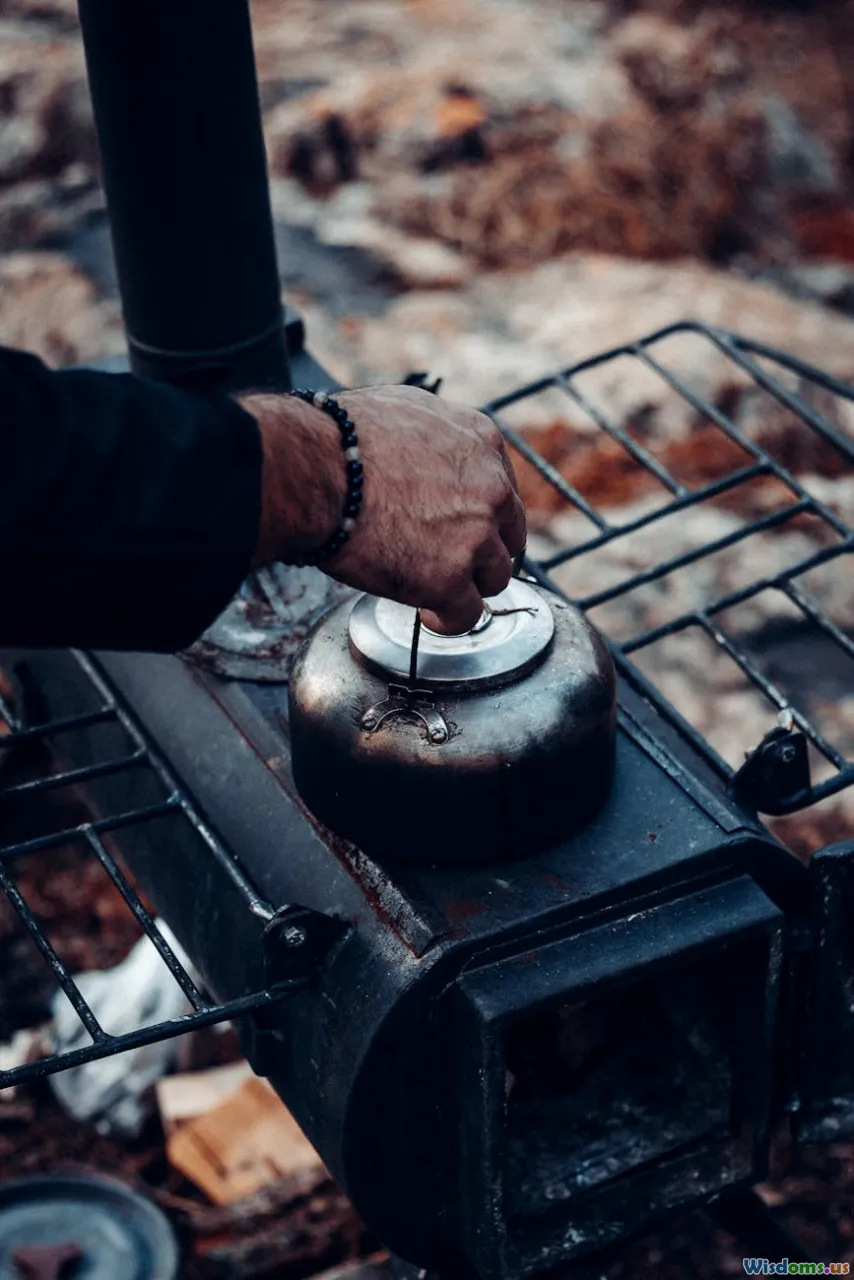
If circumstances allow, boiling is a time-proven way to render most water sources biologically safe. High temperatures kill bacteria, protozoa (like Giardia), and viruses by disrupting their cellular structure.
How to Boil Water in the Desert
Key Steps:
- Build a Fire: Create a safe fire pit using local wood, dry twigs, or even animal dung (cow “chips” have fueled fires for millennia).
- Use a Container: Any metal vessel is ideal. In a pinch, a tin can or a metal flask will work. Ceramic or stone-lined cavities can also function for emergency heating.
- Bring to a Rolling Boil: Let water boil for at least 1 minute (3 minutes above 2000 meters/6562 feet, as water boils at lower temperatures in high elevation).
- Cool and Decant: Let sediment settle post-boil; pour carefully into a clean cup.
Desert Fire Building Challenge: Fuel is scarce in many arid regions. Traditional Bedouin nomads would collect camel dung during travel, letting it sun-dry. Today, solar cookers (parabolic reflectors or improvised aluminum-foil-lined boxes) offer a flameless way to boil water using nothing but the desert sun.
Example: Solar kettles—for example, the GoSun Solar Cooker—can bring a small amount of water to a boil in 20–30 minutes on a clear day, presenting a fuel-free option in many environments.
Chemical Disinfection: Lightweight and Effective
When boiling is impractical, chemical purification is the next best thing for killing microscopic pathogens in desert water.
Common Chemical Purification Options
- Iodine Tablets/Tincture: Effective for bacteria and viruses. Add tablets or a few drops per manufacturer instructions. Wait 30 minutes; longer if water is cloudy or very cold.
- Chlorine Dioxide Tablets: More effective than iodine, especially against resistant parasites like Cryptosporidium. Wait times range from 15 minutes to 4 hours, depending on clarity and tablet type.
- Household Bleach: In dire emergencies, add 2 drops of unscented bleach per liter (1 quart) of water; stir and wait 30 minutes.
Downsides and Considerations:
- Chemical taste can be unpleasant; let treated water air out, or improve flavor with vitamin C tablets.
- Not effective against chemical pollution or heavy metals that may be dissolved in water from mining runoff (such as in parts of Nevada or Chile’s Atacama Desert).
Example: Long-distance desert hikers rely on Micropur MP1 (chlorine dioxide) tablets for fast, packable water disinfection, as heat and weight constraints make boiling less viable.
Sunlight-Based Purification: Solar Disinfection (SODIS)
One of the lowest-tech but surprisingly effective methods for eliminating microbes involves using the sun itself as a disinfectant—a technique known as SODIS (Solar Water Disinfection).
How SODIS Works
- Use the Correct Bottle: Clear PET (polyethylene terephthalate) bottles are best—never use colored or glass bottles, which reduce UV penetration. Labels should be peeled off, and the bottle should be clean.
- Fill With Clear Water: SODIS only works with water that's already clear. Pre-filter to remove sediment and turbidity.
- Expose to Sunlight: Lay the bottle flat on a reflective surface (aluminum foil, a light T-shirt, or even sun-bleached sand). Direct sun—at least 6 hours (or 2 days under cloudy sky) is needed.
- Drink Directly or Transfer to Clean Container
Facts and Efficacy: More than 2 million households in Africa and Asia use SODIS daily (Source: Swiss Federal Institute of Aquatic Science and Technology). It’s about 99% effective for bacteria and viruses. However, SODIS is not effective for toxic chemical or heavy metal contamination. For emergencies where you only have a PET bottle and lots of sun—like the Mojave or Sahara—SODIS converts dangerous water into something much safer.
Desalination: Making Saltwater Safe in Coastal Deserts
Many deserts border seas—the Namib against the Atlantic, the Atacama against the Pacific, the Arabian Desert at the Persian Gulf. Ocean water is fatal to drink due to its high salt content. Desert survivors must use specialized methods to desalinate salt water.
Techniques for Emergency Desalination
- Solar Stills (as Above): Work remarkably well with saltwater—the condensed vapor is pure.
- Boiling with Condensation Trap: Boil ocean water in a covered pot; run a condensation tube to a clean vessel (like distilling alcohol). The pure steam drips out, leaving salt and most impurities behind.
- Emergency Desalination Kits: Hand-pumped membranes (like the Survivor-06 Desalinator) can turn limited amounts of seawater into potable water—critical equipment for mariners washed ashore or desert coast survivors.
Fact: U.S. Navy lifeboat rations routinely include portable desalination devices or instructions to construct solar stills. While slower than freshwater purification, every drop counts in desert survival.
Emergency Water Sources from Unusual Places
Desert ingenuity comes from not just traditional knowledge but creative adaptation. Some unconventional options for emergency water collection include:
- Collecting Dew: Nighttime temperature drops can cause dew to form on rock outcrops or metal surfaces—lick it off, mop it up with a cloth, and wring it out into a container.
- Vehicle Radiator Water: In dire scenarios, the water from old or deserted vehicles’ radiators may be distilled further. Caution: it may contain antifreeze and heavy metal contaminants; only use this if death by dehydration is imminent, and after maximal purification/filtration.
- Air Well or Condensation Traps: A tarp or rain poncho set up overnight channels condensation into a collection vessel. Even in the Gobi or Atacama, a clever setup can yield tens to hundreds of milliliters, especially after a fog event.
Real-world Story: Andrés Ruzo, a National Geographic Explorer, once survived two days in Chile’s Atacama by wringing dew-soaked cloth from car windows at dawn—demonstrating that every avenue for water acquisition should be explored in extremis.
Advanced Modern Tools: What to Carry for Desert Survival
Today’s advances in technology mean that desert travelers can rely on a selection of lightweight, portable tools engineered for water purification. Some essentials include:
- Filter Straws: Ultralight (e.g., LifeStraw, Sawyer Mini), fit in a pocket, remove bacteria/protozoa instantly.
- Collapsible Bottles with Inbuilt Filters: Vestergaard HQ, Katadyn BeFree—ideal for space-constrained survival kits.
- Ultraviolet (UV) Purifiers: Small devices like the Steripen use UV light to deactivate viruses, bacteria, and protozoa in 1–2 minutes per liter (must be used in clear—not muddy—water).
- Chemical Tablets: Chlorine dioxide or iodine—lightweight, compact, last for years in a hot pack.
- Solar Kettles or Parabolic Mirrors: Boil water using sheer sunlight, no fuel needed.
Advice: A modest investment in modern gear dramatically increases safety. Always test devices at home and learn their limitations before field deployment.
Practical Tips for Maximizing Water Safety and Conservation

Purifying water is only part of the puzzle—conserving what you have, minimizing loss, and staying hydrated are just as vital in the desert.
Hydration Wisdom for Desert Survival
- Travel at Night or Early Morning: Minimize physical exertion when temperatures soar, and humidity drops—your sweat rate and water needs spike dramatically between 10 a.m. and 5 p.m.
- Cover Up: Loose, light-colored clothing shields your skin from the sun and slows dehydration. A wet bandana over your head or neck cools your body efficiently (using little water).
- Take Frequent Rests in Shade: Overexertion leads to heavy sweating. Improvised shade (tarp, rock, vehicle) reduces water loss by as much as 20% during peak sun hours.
- Plan Your Route Around Water Sources: Modern mapping (satellite imagery, topographic maps) often shows dry lake beds, historical oases, or seasonal creeks. Even in the Kyzylkum or Sonoran deserts, plotting a path near likely water points vastly raises your margin of safety.
- Don’t Ration Water Too Harshly: Contrary to Hollywood tropes, it is usually better to drink when thirsty and maintain physiological function than to sip tiny amounts and collapse from dehydration. Use your supply wisely, but avoid crippling conservation.
Field Hygiene: Preventing Illness in Remote Settings
Never assume any source—even rainwater—is automatically safe. Always:
- Clean your hands before handling purified water.
- Regularly clean bottles, canteens, and purification devices.
- Avoid drinking unprotected from animal-affected pools or obvious chemical runoff.
Statistic: Studies in the Sahara found that contaminated water is a leading cause of illness for both travelers and nomadic herders—more deaths result from waterborne disease than from lack of water alone.
Purifying water in harsh desert conditions is as much about planning and methodical technique as it is about luck. By mastering a suite of practical skills—from solar distillation to modern filter technology—you dramatically increase your odds in even the most inhospitable wilderness. Encounters with the raw edge of nature test not just endurance, but the ingenuity to transform every drop into a chance for survival. Before setting foot in the desert, equip your mind and pack with knowledge—because in the world of sand and stone, preparation is your truest oasis.
Rate the Post
User Reviews



Popular Posts