Decoding the Rise of Online Spiritual Mentorship Networks
15 min read Explore the factors fueling the surge of online spiritual mentorship networks and their transformative impact on modern spirituality and personal growth. (0 Reviews)
Decoding the Rise of Online Spiritual Mentorship Networks
The quest for spiritual growth is an ancient one, but the pathways to enlightenment have transformed dramatically in recent years. Once rooted in local communities or formal religious settings, spiritual seekers are now increasingly turning to the internet to find guidance, mentorship, and community. The proliferation of online spiritual mentorship networks has fundamentally changed how people connect with guides, share teachings, and pursue personal transformation across the globe. Let's explore the forces behind this digital phenomenon, examine its dynamics, and consider what it means for seekers and mentors alike.
A New Era of Spiritual Connectivity
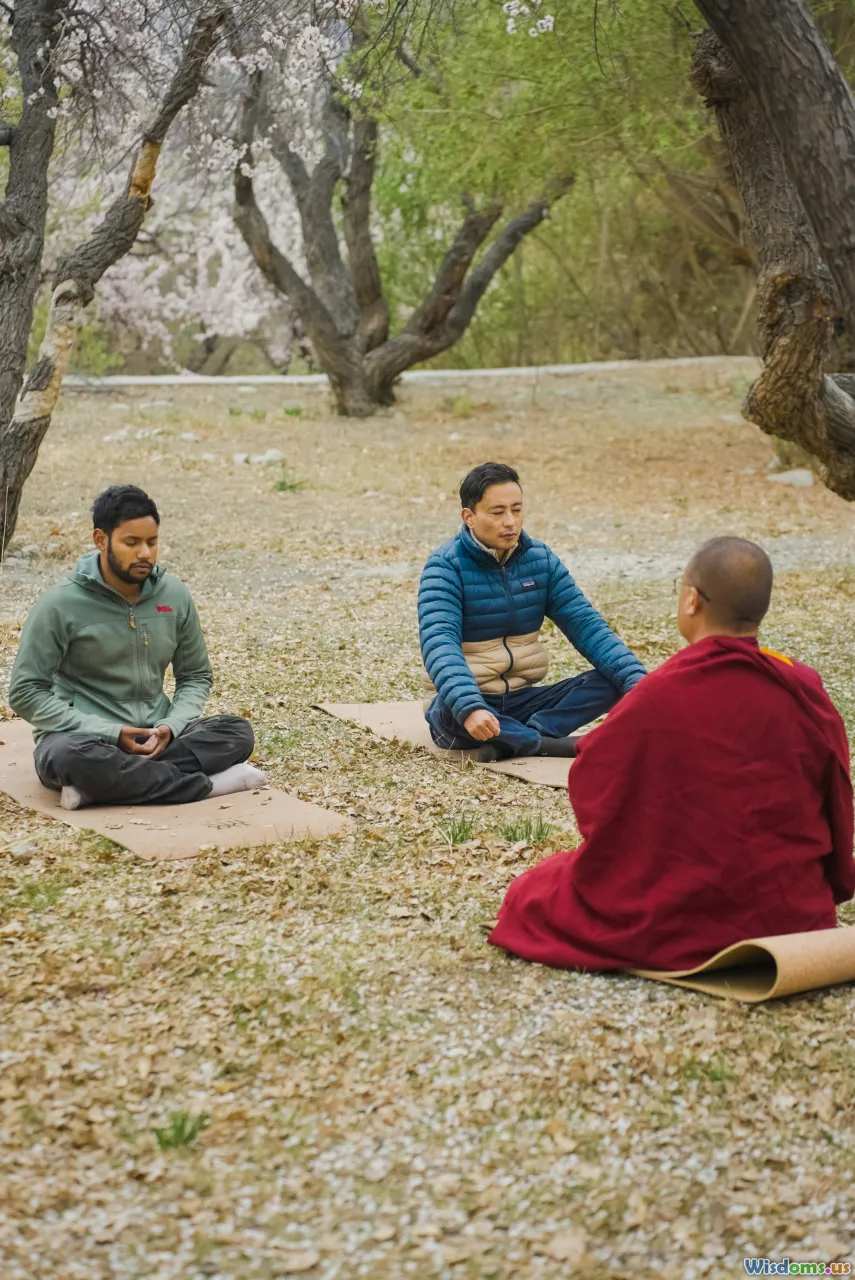
Not long ago, finding a spiritual mentor typically meant seeking out local teachers, priests, rabbis, gurus, or counselors within geographical proximity. Now, the boundaries are remarkably flexible. Busy professionals, rural dwellers, or those looking for specialized wisdom can connect with mentors across time zones at the click of a button.
The COVID-19 pandemic served as a major accelerant. With physical gatherings restricted, traditional spiritual leaders quickly adapted by moving sessions onto Zoom, WhatsApp, and specialized apps. This shift not only maintained continuity for existing communities but also attracted fresh interest from people who found the digital format more accessible. Services like InsightTimer, Saged, and InnerSpace flourished, providing guided meditations, wisdom circles, and one-on-one mentorship packages from teachers worldwide.
According to a study by the Pew Research Center in 2022, online participation in spiritual or religious activities doubled compared to pre-pandemic levels, with the majority of younger respondents expressing a preference for hybrid or entirely digital engagement. What was once a niche has blossomed into a global network where seekers from Lagos, London, and Lima gather in shared cyberspace.
Diversity of Platforms and Spiritual Traditions

Online mentorship networks are not monolithic. Platforms cater to myriad backgrounds, spiritual leanings, and user preferences. Some, such as Saged and the InsightTimer App, offer curated content from diverse traditions including Buddhism, Hinduism, New Thought, Indigenous practices, and secular mindfulness. Others, like MySpiritWay or Mentorly, act as directories linking seekers with credentialed teachers for personalized guidance.
Even major social media platforms like Instagram and TikTok have become informal mentorship arenas. For instance, hashtags such as #spiritualcoach garner millions of views, enabling micro-influencers to share wisdom and offer paid mentorship sessions via video calls or group workshops. Meanwhile, holistic marketplaces like Etsy complement this scene, where spiritual mentors sell everything from tarot readings to custom manifestation journals as value-adds to their services.
One notable example is Modern Mystic Shop, whose online mentorship program pairs apprentices with certified intuitive guides. Similarly, Upaya Zen Center offers virtual meditation instruction and structured mentorship for participants far beyond its physical campus in New Mexico.
Case in Point: "I couldn’t find a local teacher who resonated with me, especially after moving to a small town," shares Priya S., an engineering executive based in Canada. "Connecting with my mentor in India online allowed me to deepen my yoga and meditation practices in a way that fit my schedule and heritage."
Benefits of the Online Mentoring Model

The surge in online spiritual mentorship networks isn't just about convenience. Several key advantages are increasingly clear:
Accessibility & Inclusivity
People with physical disabilities, caregiving responsibilities, or unconventional schedules often found traditional spiritual gatherings unaccommodating. Digital platforms erode these barriers. Community spaces, guided sessions, and one-on-one mentoring can now happen from the comfort of one's home. Closed-captioning services, multilingual options, and customizable meeting times widen the circle of inclusion.
Example: Many online Buddhist sanghas conduct accessible, donation-based retreats with interpreters for deaf and hard-of-hearing participants—an option rarely found in physical dojos.
Customization & Choice
With mentorship networks extending globally, seekers are no longer limited to the traditions or personalities in their immediate community. Whether it’s eco-spirituality, shamanism, or secular mindfulness, the digital model allows for highly tailored journeys.
A 2023 survey by Spiritual Directors International found that over 65% of participants reported higher satisfaction with their online mentorship compared to in-person experiences, primarily due to the ability to select mentors whose philosophies and backgrounds closely aligned with personal goals.
Anonymity & Psychological Safety
For those exploring vulnerable topics—such as spiritual trauma, crises of faith, or taboo beliefs—distance can offer comfort. Video or audio calls, anonymous chatrooms, and text-based coaching allow individuals to test the waters without the pressure of a traditional, face-to-face dynamic. Especially for marginalized groups, this sense of safety often empowers deeper, more authentic exploration.
How to Choose the Right Online Spiritual Mentor
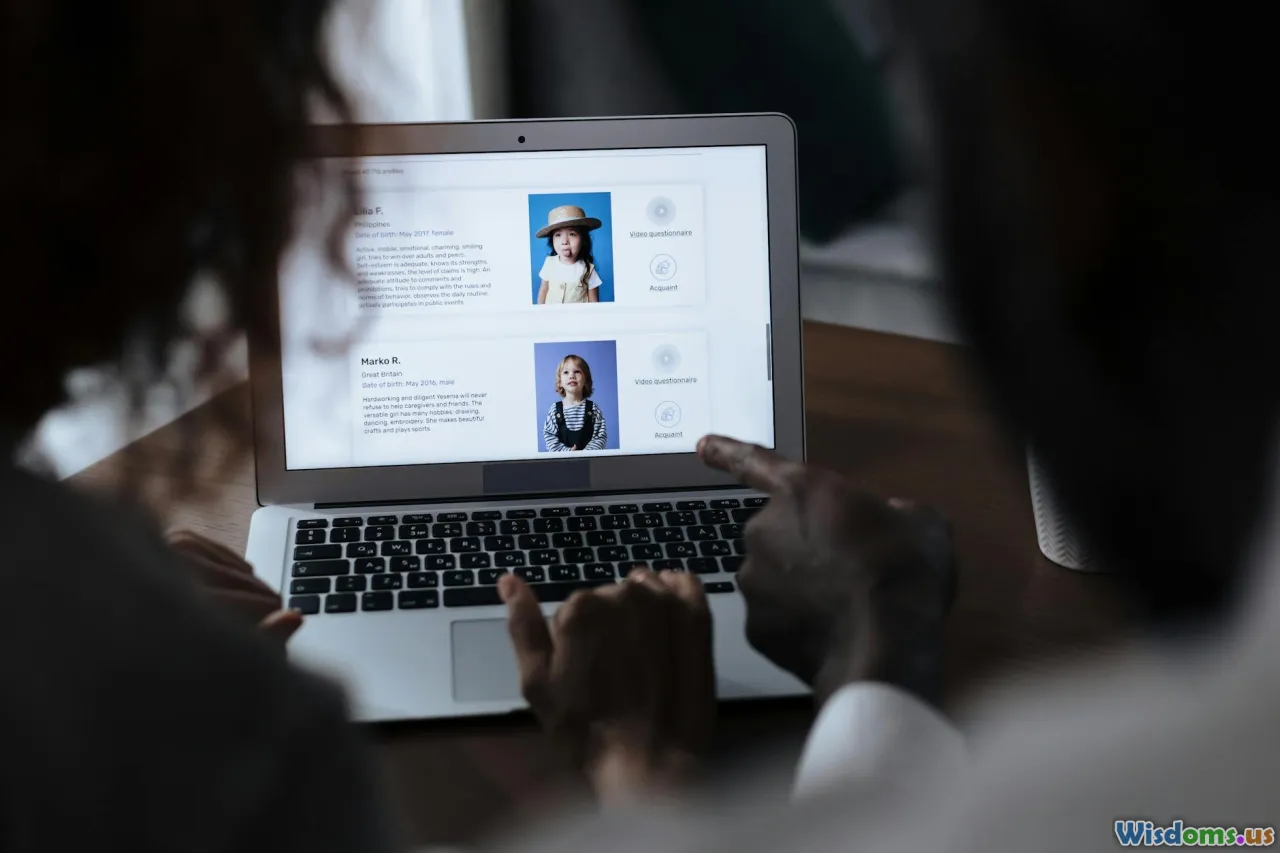
With the explosion of options comes the challenge of discernment. The stakes are higher when engaging about one's innermost beliefs, so careful selection is critical. Here’s a step-by-step approach:
1. Authenticity Check
Confirm a mentor’s credentials, track record, and testimonials. Are they affiliated with reputable organizations? Do they share verifiable stories or endorsements?
- Seek third-party reviews or recommendations on platforms like Spiritual Directors International.
- Look for transparent explanations of the mentor's training and personal journey.
2. Philosophical Alignment
Assess whether the mentor’s worldview matches (or respectfully challenges) your values. Scan their published works, introductory videos, or social posts to gauge tone and content. Don't hesitate to ask about their approach to inclusivity, diversity, and cultural sensitivity.
3. Clarity of Boundaries & Ethics
Professional spiritual mentors should clearly outline the boundaries of the engagement: confidentiality, session limits, legal disclaimers, and clear ethical standards.
- Tip: Insist on a "discovery session" before committing. Review their policies around privacy and personal data—especially important on apps and marketplaces.
4. Technology Fit
Consider how you prefer to communicate: Video, voice calls, asynchronous chats, or email-based guidance? Compatibility here can be crucial for ongoing rapport and comfort.
5. Pricing Transparency
While many online mentors offer sliding scale or donation-based models, others charge premium rates. Don't be shy to ask about costs upfront, and look for avenues to participate in free group sessions or workshops before signing up for long-term work.
The Business of Belief: Monetization and New Ventures
As spirituality migrates online, entrepreneurial energy has blossomed alongside genuine service. Spiritual mentorship has become a robust micro-economy, leveraging subscription models, online marketplaces, and "edutainment" streams.
Virtual Retreats and Masterclasses
Signature online events bundle group teachings, personalized advice, art, music, and even digital wellness kits. For example, Sounds True, a major publisher of spiritual wisdom, routinely hosts virtual summits featuring bestselling authors. Participants receive exclusive video lessons, downloadable workbooks, and access to global peer communities.
App-Driven Personalization
Apps like Headspace and Calm have set the stage, inspiring hundreds of niche competitors. Many now offer in-app mentorship programs, daily affirmations, live Q&A sessions, progress tracking, and algorithmic matching of seekers to available mentors.
The Rise of Micro-Investment in Mentorship
Web3 projects and decentralized funding pools have introduced mentorship "tokenization," where users support mentors through cryptocurrency-based patronage. This model, while still experimental, enables direct compensation for spiritual labor while sidestepping traditional payment platforms.
Insight: In 2023, the spiritual mentorship market worldwide was valued at approximately $1.8 billion, with projected annual growth of 9%, according to market research firm IBISWorld. Growth areas include AI-based spiritual advice, live streaming Q&A, and culturally specific workshop series.
Key Challenges and Ethical Considerations

While the digitally-enabled spiritual mentorship boom brings unprecedented opportunity, it also presents new complexities:
Risk of Spiritual Bypass and Consumerism
Without regulation or face-to-face accountability, some mentors might downplay deep psychological or medical issues, promising simplistic solutions to complex problems—a phenomenon known as spiritual bypass. It's essential to recognize when a mentor is substituting platitudes for real guidance.
Similarly, as the sector monetizes, there’s a temptation to commodify meaning itself. Are programs designed for sustainable change, or merely as dopamine-rich content feeds?
Actionable Advice:
- Complement spiritual mentorship with licensed counseling if dealing with trauma or mental health concerns.
- Be skeptical of mentors promising "instant enlightenment" or mandating large financial commitments upfront.
Data Privacy and Security
Sessions may be recorded, chat transcripts stored, and payment information logged. Seek out platforms with up-to-date privacy protocols, transparent data handling policies, and GDPR (General Data Protection Regulation) compliance, especially for EU-based users.
Cultural Appropriation and Authenticity
With the ease of online access, sacred traditions risk being diluted, misrepresented, or stripped from community context. Responsible mentors explicitly honor, cite, and obtain permissions for teachings that don’t stem from their own lineage. As a best practice, seek mentors who prioritize respect, accuracy, and mutual enrichment over trend-chasing.
Community, Belonging, and the Future of Spirituality Online

Perhaps the most transformative effect of online mentorship networks is the new sense of community they foster. Where early adopters might have feared isolation, today’s platforms use creative methods to create authentic connection:
- Virtual Circles: Real-time group spaces for storytelling, Q&A, creative ritual, or simply holding space—a digital evolution of ancient fireside traditions.
- Peer Mentoring: Community-driven mentorship, where experienced participants guide newcomers, fosters mutual support and horizontal learning.
- Social Accountability: Many mentorship programs prompt participants to share milestones, challenges, and reflections, building a sense of shared journey.
Example: The Queer Dharma Network’s online sangha facilitates spiritual friendship and celebration across continents, contextualizing ancient teachings for LGBTQ+ seekers in a highly supportive, live video-based structure.
Emerging technologies hint that the future may hold even more immersive and interconnected possibilities:
- Virtual Reality Mediation Rooms: VR apps now allow users to meet in serene, custom-built temples and landscapes, meditating together regardless of physical location.
- AI-Enhanced Guidance: Large language models and adaptive chatbots serve as spiritual "sparring partners," offering round-the-clock support—but with the caveat that human oversight remains key to depth and discernment.
- Global Rituals: Online solstice ceremonies, collective prayer events, and synchronistic intention sessions allow people everywhere to tap into group energy, echoing the most potent aspects of collective rites in accessible ways.
As spiritual mentorship networks continue to evolve, seekers and mentors alike will face new choices and questions. By staying grounded in authenticity, inclusiveness, and ethical practice, the online realm can augment—not replace—the age-old pursuit of connection, meaning, and personal expansion. The digital age has revealed that the journey inward can begin anywhere—and, often, with someone just a click away.
Rate the Post
User Reviews
Other posts in Spiritual Guidance & Mentorship







Popular Posts