
What I Learned from My First Spiritual Guidance Session
15 min read Reflections and transformative lessons gained from experiencing a first spiritual guidance session. (0 Reviews)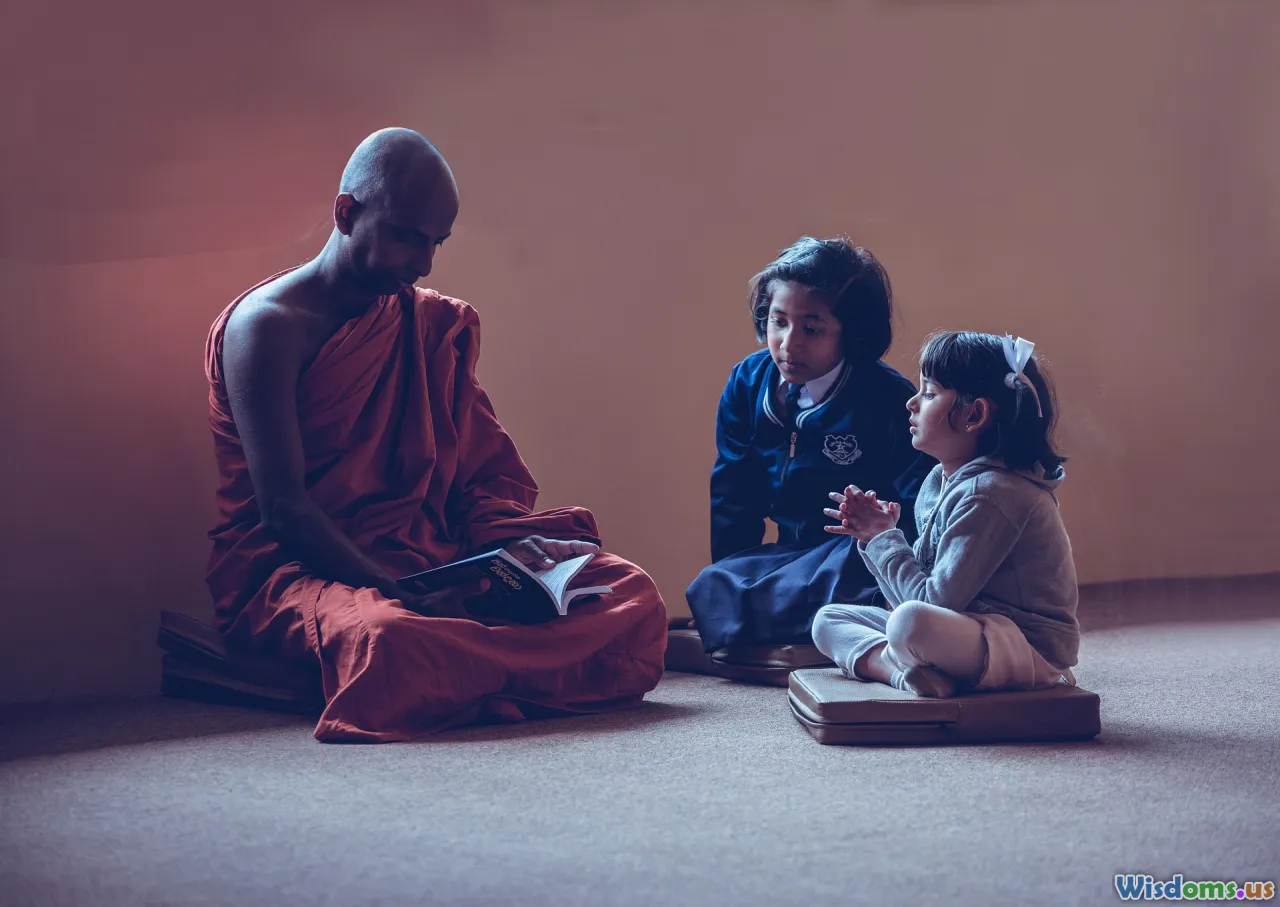
What I Learned from My First Spiritual Guidance Session
Embarking on a spiritual journey can be both exhilarating and daunting, especially when you step into unfamiliar territory. My first encounter with a spiritual guidance session was one such pivotal moment—filled with curiosity, skepticism, and an unexpected sense of peace. In sharing my experience, I hope to demystify the process, offer insights on its practical value, and encourage thoughtful exploration for those considering a similar path.
Unveiling the Experience: What Happens in a Spiritual Guidance Session
When people imagine spiritual guidance, they often picture incense-filled rooms, chanting, or mystical beings. The reality of my first session was refreshingly grounded. The practitioner, an experienced spiritual director with a warm demeanor, welcomed me into a cozy, well-lit space. It felt more like entering a counselor’s office than a sequence from a fantasy novel.
What really happens:
- Active Listening: The practitioner began by inviting me to share why I sought guidance. There was no agenda, just empathetic listening—a quality often lacking in everyday conversations.
- Open Dialog: Rather than dictating solutions, the facilitator asked open-ended questions such as, “What is stirring within you right now?” This encouraged reflection rather than rote answers.
- Guided Reflection: Using breathing exercises and short meditations, the session created space to genuinely notice my emotional and spiritual state. For example, a brief silence allowed dormant anxieties to surface, which we then explored without judgment.
I left the session with a sense that I’d been heard deeply, without the need to justify or censor my feelings—a rare and transformative encounter.
Demystifying the Approach: It's Not About Religion
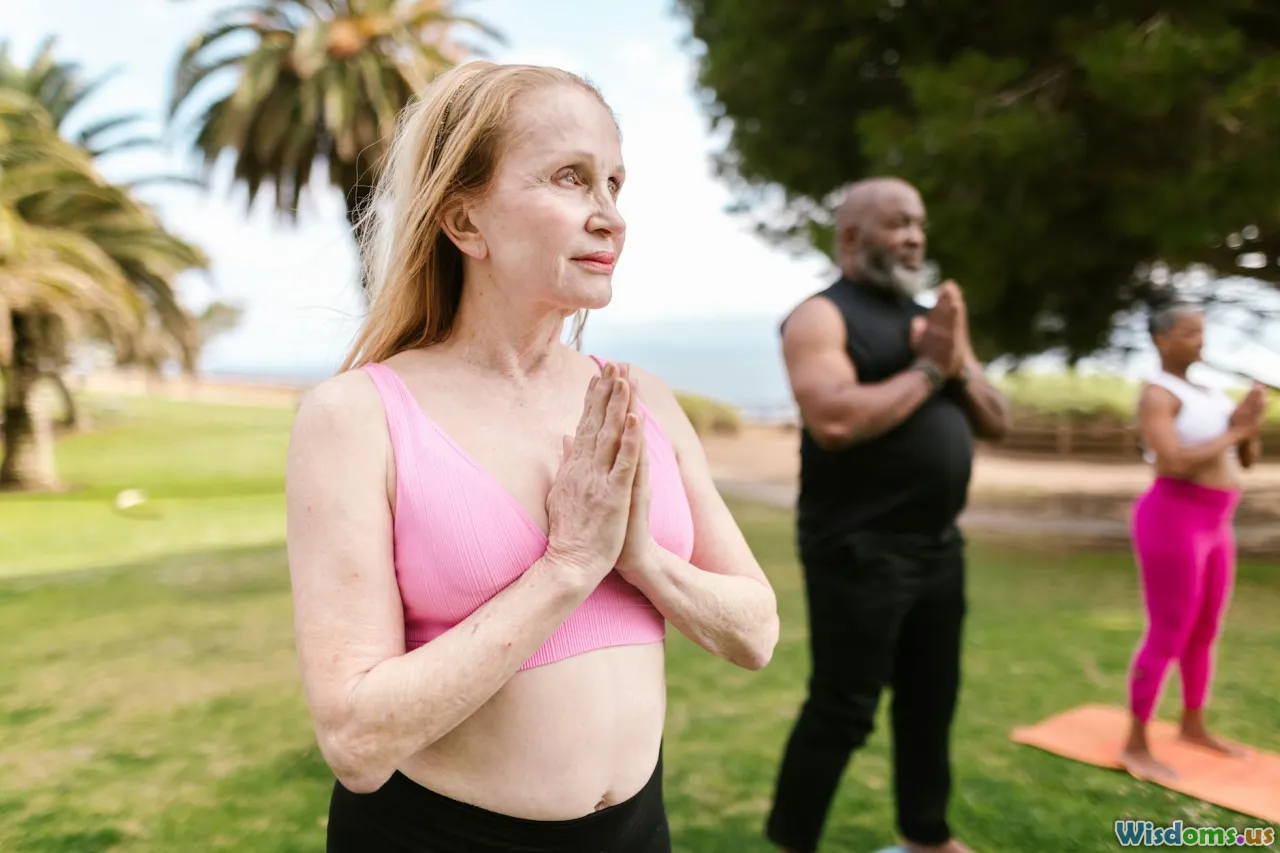
A common misconception is that spiritual guidance is inherently religious or dogmatic. I went into my session wary of being proselytized, especially as a person who identifies as spiritual but not religious.
The facilitator clarified this immediately: "This space is for you to explore your beliefs, doubts, and spirituality in your own way."
Key Learning:
- Inclusivity: Spiritual guidance is adaptable to various worldviews, from structured religious backgrounds to those seeking meaning outside formal religion.
- Emphasis on Meaning: Rather than pushing doctrine, the conversations centered on sources of personal meaning, connection, and wholeness.
Example: A friend from a secular background found solace in guidance sessions focused on nature and mindfulness, rather than scripture or prayer. This proved that spiritual exploration is as diverse as its seekers.
Facing Vulnerability: The Value of Safe Space

Perhaps the most striking realization was how the session fostered a sense of psychological safety—a space where vulnerability was not only welcomed but celebrated.
What made it safe?
- Non-judgmental Attitude: My guide was intentionally neutral, never labeling feelings as "good" or "bad." Instead, she inquired about what emotions signaled for me personally.
- Confidentiality: I was assured of strict confidentiality, which offered reassurance when discussing sensitive topics.
- Permission to Pause: During moments when emotions became overwhelming, the guide encouraged gentle pausing and deep breaths instead of pushing through uncomfortably.
I discovered that true vulnerability takes shape not in the absence of fear, but in the presence of spacious, compassionate listening.
Practical Tools and Takeaways

Far from being theoretical or abstract, my session yielded real-world takeaways. The practitioner equipped me with tools to integrate spiritual reflection into my daily life:
- Journaling: Documenting thoughts and emotions after the session provided clarity, revealing patterns that might otherwise go unnoticed.
- Mindful Breathing: A simple grounding technique, taught during our conversation, now serves me in stressful situations—whether during work conflicts or moments of self-doubt.
- Setting Intentions: At the session’s end, I was encouraged to set one gentle, actionable intention for the week. Instead of grand resolutions, it could be as simple as "spend ten minutes noticing the natural world outside." This made spiritual growth feel attainable and measurable.
Tip: I created a dedicated journal to track intentions and small victories—a resource I now turn to during challenging periods.
Breaking Stereotypes: Not Therapy, Not Fortune-Telling

A recurring misconception is that spiritual guidance is merely therapy wrapped in new language, or, conversely, that it’s akin to psychic readings. My own experience firmly dispelled both notions.
How is it different from therapy?
- Focus on Soul: While both prioritize well-being, therapy is typically diagnostic and problem-solving, while spiritual guidance emphasizes soul-level exploration: questions of purpose, presence, and interconnectedness.
- No Medicalization: Spiritual directors avoid pathologizing experiences. Instead, they listen for "deeper invitations" beneath the surface of problems, such as growth or wisdom.
- No Predictive Claims: Unlike fortune telling, guidance sessions do not interpret futures or destinies. It is about increasing awareness, not delivering certainties.
Example: When I expressed confusion about a tough decision, the practitioner didn’t offer an answer. Instead, she helped me explore what each option resonated with in my values—a shift from solution-finding to self-discovery.
Unexpected Benefits Beyond the Session

My session's influence lingered far beyond our scheduled hour. Recognizing this helped me understand the value of continued spiritual work.
Tangible Outcomes:
- Greater Clarity: Recurrent worries became easier to compartmentalize. By observing anxieties in a calm space, I could spot unhelpful thought patterns elsewhere in life:
- At work, noticing when I was motivated by fear of failure instead of genuine passion.
- Improved Relationships: Practicing attentive listening, modeled by my guide, enhanced my connections with friends. I became less prone to jump in with advice, and more able to hold space for their feelings.
- Adaptive Coping: When an unexpected setback occurred, I felt more resilient. Simple tools like mindful pause helped prevent emotional overwhelm.
Case in point: A week later, when a family disagreement flared up, I consciously drew on the session's pause-breathe-reflect technique, defusing tension and clarifying my thoughts before responding.
How to Choose the Right Spiritual Guide

If you’re curious about spiritual guidance, finding the right facilitator—one who respects your beliefs and matches your needs—is key. My own journey underscored the importance of good fit:
Actionable Tips:
- Research Training and Approach: Look for practitioners who have completed accredited programs in spiritual direction or pastoral counseling.
- The practitioner I met shared their cross-denominational training, emphasizing inclusivity.
- Interview Before Committing: Most guides offer introductory sessions. Use this opportunity to ask about their process, philosophy, and boundaries.
- Clarify Expectations: Let the practitioner know your hopes and hesitations upfront. A good guide welcomes questions, rather than prescribing a set path.
- Assess Comfort Level: Trust your gut. Even a well-credentialed practitioner may not be the right match for your personality or belief system.
Preparing for Your First Encounter
Walking into the unknown is easier with a bit of preparation. Reflecting on what I wish I’d known, here are steps to make your first session meaningful:
- Set an Intention: Before arriving, ask yourself—what do I hope to gain? Am I seeking guidance on a specific issue, or looking for general exploration?
- Be Honest: The more open you are about joys, doubts, or hurts, the more fruitful the conversation becomes.
- Bring a Journal: Jotting down insights as you go can help clarify thoughts, reduce anxiety, and extend the value of the session.
- Maintain Openness: Even if parts of the session feel strange or new, approach them with curiosity rather than judgment.
Tip: For nervous newcomers, communicating boundaries ahead of time (such as reluctance to engage in certain rituals or topics) helped me take ownership of the experience.
Integrating Insights into Daily Living

The transformative power of spiritual guidance is best measured not during the session, but in daily life. Intentional practices offer a bridge between inspiration and everyday action:
- Create Micro-Rituals: Light a candle or spend a quiet moment before your morning routine—something I adopted to remind myself to start each day mindfully.
- Schedule Reflection Time: Block off a weekly half-hour for personal check-in. How do I feel spiritually, emotionally, and physically? This became a touchstone for my well-being.
- Embrace Nature: Inspired by my guide’s suggestions, I started occasional outdoor meditations. Noticing birdsong or watching clouds became grounding ways to connect with something greater than myself.
Example: On particularly stressful weeks, these small rituals made a cumulative difference. They fostered a sense of continuity and intentionality—even amidst busy days.
Advice for the Spiritually Curious or Cautious

Not everyone is ready or even interested in a “spiritual” approach—but my experience suggests there’s something universally valuable in its core practice: deep listening, discovery, and gentle self-awareness.
If you're curious, consider:
- Delay Judgment: Try one session before forming an opinion. You may be pleasantly surprised at the feeling of spaciousness and clarity.
- Explore in Community: Group spiritual reflection, book circles, or meditation meet-ups can be wonderful entry points.
- Respect Your Own Pace: There’s no rush to have answers or hit milestones. The value is in the journey, not a destination.
Note: For those with unresolved trauma or mental health issues, spiritual guidance does not substitute medical care—but it often complements other modes of healing when used thoughtfully.
My first spiritual guidance session was far from what I expected—it was deeper, calmer, and more practical than any preconceptions. Rather than offering answers, it delivered new ways to be present with myself, and to hold both struggle and joy with more compassion. If you find yourself yearning for more meaning or simply a safe harbor for reflection, consider carving out space for your soul’s questions. The journey, as I learned, begins with a single, gentle step.
Rate the Post
User Reviews
Other posts in Spiritual Guidance & Mentorship







Popular Posts