Feminist Anthems That Shaped Modern Society
35 min read A curated history of feminist anthems that galvanized activism, reshaped pop culture, and advanced gender equality, with timeline highlights, artist spotlights, and measurable social impact. (0 Reviews)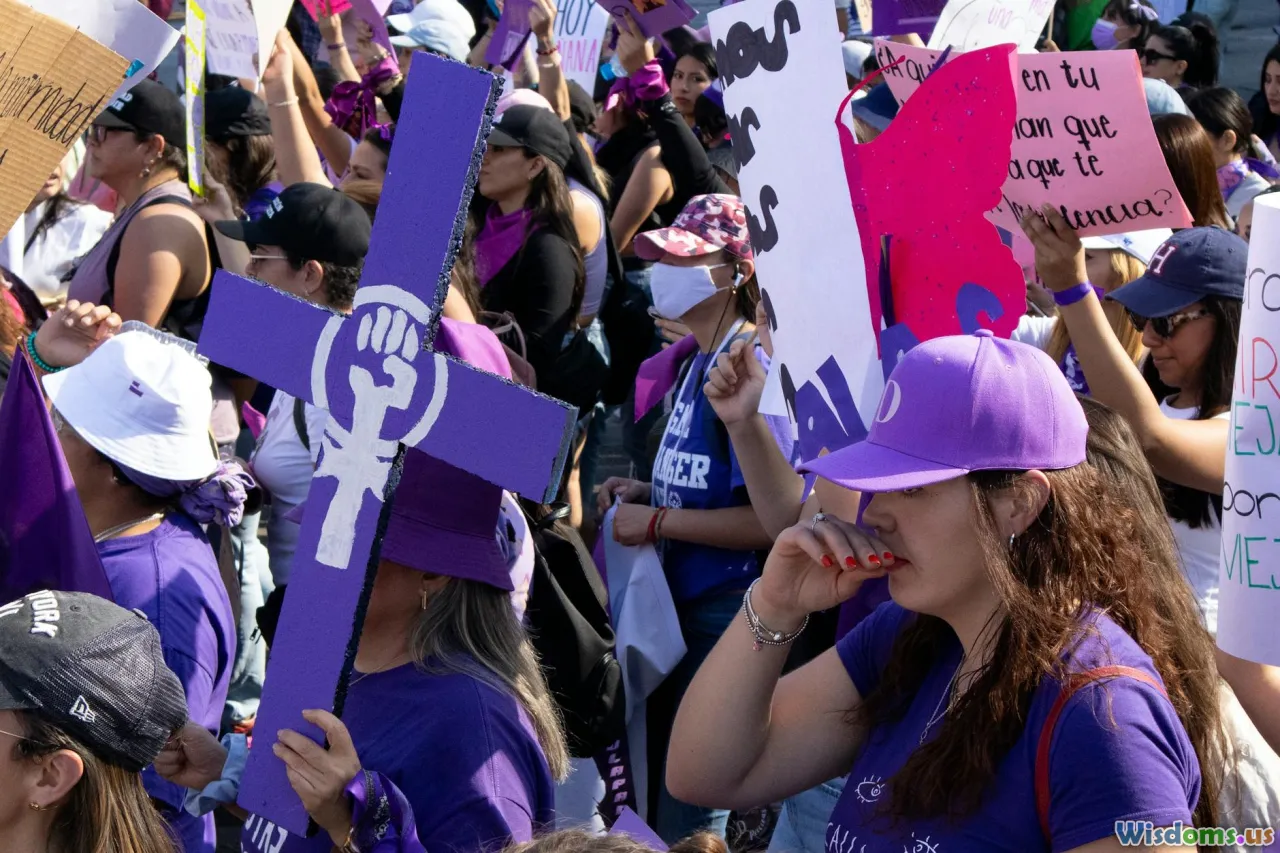
If you’ve ever belted out a chorus with strangers at a protest, or found your posture straighten when a certain bassline drops in the gym, you already understand the quiet power of feminist anthems. They don’t just soundtrack our lives—they teach vocabulary for courage, knit communities across cultures, and, at pivotal moments, push policy debates into public view. From soul and country to hip-hop, punk, and global street performance, feminist anthems have been the steady backbeat of social change. This is the story of how those songs shaped modern society—and how to use them with precision and purpose today.
What Turns a Song into a Feminist Anthem?
It’s tempting to call any feel-good empowerment track an anthem, but the songs that stick and shift norms usually share concrete qualities:
- Clarity of message: The heart of the song addresses power, rights, or dignity. Aretha Franklin’s 1967 “Respect” didn’t just celebrate self-worth; it reframed a workplace and home demand into a universal claim to recognition.
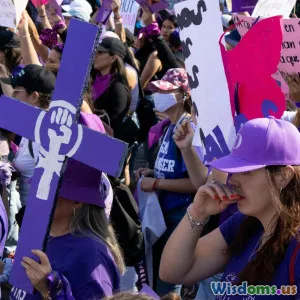
- Collective chant-ability: Anthems thrive when a line can be shouted together. The Chilean performance piece “Un violador en tu camino” (2019) by the collective Las Tesis spread precisely because its movements and call-and-response made civic squares its natural stage.
- Timing with movements: Helen Reddy’s “I Am Woman” (1972) crested as second-wave feminism pushed for legal and economic equality; it gave soundtrack and slogan to a rising constituency, even winning a Grammy (1973) and planting a refrain in living rooms via AM radio.
- Intersectional resonance: The best songs connect gender justice to race, class, and sexuality. Queen Latifah’s “U.N.I.T.Y.” (1993) confronted street harassment and misogyny in hip-hop while claiming public space for Black women; Janelle Monáe’s “Q.U.E.E.N.” (2013) stitched together queerness, race, and femme futurism.
- Longevity and adaptability: A real anthem can be reinterpreted by new generations. Gloria Gaynor’s “I Will Survive” (1978) began in disco, became an LGBTQ+ staple, and still scores resilience videos decades later.
Think of these elements as a practical checklist. When you evaluate whether a track is more than catchy—whether it might move a room or hold up on a march—run it through this lens: Is the message assertive and situationally useful? Can a crowd own it? Does it speak across differences?
The 1960s–70s: Laying the Sonic Groundwork

Modern feminist music didn’t start from a blank slate. It emerged from civil rights, labor struggles, and the everyday negotiations women made at work and at home.
-
Aretha Franklin, “Respect” (1967): Written by Otis Redding and alchemized by Franklin, this recording shifted the ask. Backed by the Muscle Shoals sound and the spell-it-out “R‑E‑S‑P‑E‑C‑T” hook, Aretha made an interpersonal appeal into a demand aligned with the era’s broader fights for dignity. The single topped the Billboard Hot 100 and became a north star for both civil rights and women’s movements.
-
Loretta Lynn, “The Pill” (1975): Country radio tried to ban it. Listeners couldn’t get enough. Lynn’s cheerful twang about birth control and family planning cut through stigma and surfaced a kitchen-table truth: reproductive autonomy shapes economic futures. The controversy amplified its message; it also signaled that country music, often stereotyped as conservative, could host radical honesty from women.
-
Helen Reddy, “I Am Woman” (1972): What might have been a tidy pop tune became an organizing hymn. Reddy’s insistence on self-definition rode the crest of legal fights around employment and education—Title IX passed the same year—and found mass acceptance that surprised many gatekeepers. The song’s success showed that mainstream radio would carry overtly feminist content when women called in and turned it up.
-
Dolly Parton, “Just Because I’m a Woman” (1968): Without sermonizing, Parton redesigned a country ballad into a double-standard indictment, pleading neither innocence nor apology. In a decade of cultural realignment, this kind of plainspoken lyric schooled listeners in quiet boundary-setting.
These records mattered because they threaded personal stakes with public forces. They redefined the “private sphere” as a legitimate site of feminist politics, normalizing that demands for respect—at home, on the job, at the doctor—are within political scope.
Disco, Rock, and Rebellion: Late 70s–80s Empowerment
As the 70s rolled into the 80s, the dance floor turned into a classroom, and rock’s refusal found new narrators.
-
Gloria Gaynor, “I Will Survive” (1978): It turned heartbreak into a masterclass in boundary-setting. The track later earned preservation honors in national archives and became, for many, the ultimate ritual of self-rescue. Crucially, queer dance floors claimed it early; survival anthems cross-pollinate where communities rehearse resilience.
-
Joan Jett, “Bad Reputation” (1980): Jett’s snarl wasn’t just aesthetic. In shredding the good-girl expectation, she authored a durable blueprint for women in rock to define success on their own terms, long before TikTok valorized the “unbothered” persona.
-
Cyndi Lauper, “Girls Just Want to Have Fun” (1983): Originally written by a man, Lauper’s version flips the gaze. With a technicolor video and street-party energy, it reframed women’s joy as political—pleasure without permission. Its candy coating carried a deeper assertion: fun is not frivolous; it’s freedom.
-
Madonna, “Express Yourself” (1989): In a suit, in a factory, or in a boardroom, the song insists on standards—economic and romantic. The David Fincher-directed video, a nod to Metropolis, paired pop maximalism with labor imagery, hinting at the wage gap before it became a mainstream talking point in the 2010s.
By the end of the 80s, feminist arguments had mastered the hook. They could be camp, gritty, or lush—but they counseled women on money, bodies, and boundaries with radio-ready precision.
Hip-Hop Speaks Back: 1990s Voices of Agency and Respect

In the 90s, hip-hop and R&B reframed feminist discourse with pinpoint specificity.
-
Queen Latifah, “U.N.I.T.Y.” (1993): The chorus rebukes street harassment and the casual slur. It won a Grammy for Best Rap Solo Performance (1995) and gave women (and men) a call-out toolkit—naming disrespect in public spaces where silence had been standard.
-
Salt-N-Pepa, “None of Your Business” (1993/1994): Sexual double standards met their match. The group defended women’s sexual autonomy without apology, winning mainstream awards while sparring with censors, and normalizing that desire needn’t be disguised to be respectable.
-
TLC, “Unpretty” (1999) and “No Scrubs” (1999): “Unpretty,” inspired by a poem by member Tionne “T-Boz” Watkins, addressed beauty culture, eating disorders, and surgical coercion—topics typically left to after-school specials. “No Scrubs” moved the power dynamic further, naming economic freeloading as a dating red flag and shifting vernacular nationwide.
-
Bikini Kill, “Rebel Girl” (1993): The riot grrrl manifesto in three minutes. Zines plus shows equaled movement architecture. Scenes from Olympia to DC incubated a feminist network that would later feed into nonprofit leadership and music industry reform.
-
Alanis Morissette, “You Oughta Know” (1995); Meredith Brooks, “Bitch” (1997); Lauryn Hill, “Doo Wop (That Thing)” (1998): These records normalized anger as credible, layered accountability for gendered expectations, and shot to the top of charts while doing it. Hill’s single, with its split-screen video and moral bite, offered a thoughtful peer-to-peer sermon on self-worth and social traps.
-
Spice Girls, “Wannabe” (1996): Dismissed by some critics as bubblegum, the song’s “girl power” ethos proved sticky and exportable. Twenty years later, the United Nations used its beat in a Global Goals campaign to highlight gender equality metrics, proof that a bright pop hook can carry development policy content.
The 90s democratized voice. Artists spoke directly to harassers, lovers, gatekeepers, and girlfriends. The focus sharpened from abstract freedom to granular negotiations—what to tolerate, how to demand, why to opt out.
Millennium Women: Independence Goes Mainstream (2000–2010)
The 2000s brought feminist messaging into coordinated pop choreography and prime-time television.
-
Destiny’s Child, “Independent Women Part I” (2000): Eleven weeks at No. 1 on the Billboard Hot 100 made the quiet part loud: financial autonomy is attractive—and expected. Tied to a blockbuster film franchise, the track made boardroom talk danceable.
-
Christina Aguilera feat. Lil’ Kim, “Can’t Hold Us Down” (2003): A duet that named sexual double standards and demanded equal play in discussions of desire and reputation, unpacking the dichotomy of “assertive” versus “aggressive” with unapologetic clarity.
-
The Chicks (then Dixie Chicks), “Not Ready to Make Nice” (2006): After speaking out about the Iraq War, the band weathered boycotts and death threats. This song’s refusal to capitulate won Record and Song of the Year at the 2007 Grammys. It reframed “nice” as a silencing tactic, instructing women in public life to distinguish civility from compliance.
-
Alicia Keys, “Superwoman” (2008): Soulful, steady, and direct, it honored endurance while underlining the cost of overwork—an early mainstream nod to conversations that would later be framed as “emotional labor” and burnout.
In this decade, mainstream pop presented “independent” as baseline. Crucially, country and R&B kept extending feminism’s map, proving an anthem’s credibility comes as much from audience identification as from genre boundaries.
2010s: Intersectionality, Virality, and Global Choruses
Streaming rewired how songs spread, and movements rewired what counted as a stage. The 2010s normalized intersectional feminism in pop.
-
Beyoncé, “Run the World (Girls)” (2011) and “Flawless” (2013): The first mixed military choreography and Afrobeats elements into a march of defiance; the second sampled Chimamanda Ngozi Adichie’s TEDx talk, helping the term “feminist” spike in mainstream search queries and bookstore displays. Together they aligned pop spectacle with unapologetic theory.
-
Janelle Monáe, “Q.U.E.E.N.” (2013) and “PYNK” (2018): Monáe’s catalog positioned Black, queer femininity as a technological and aesthetic vanguard, not just identity but instrumentation. “PYNK” used visual symbolism as a body-positivity lecture without saying the quiet parts out loud.
-
M.I.A., “Bad Girls” (2012): The visual of women drifting cars in the desert referenced Saudi Arabia’s (then) ban on women drivers. The juxtaposition of outlaw glamor and policy critique made sovereignty legible across language barriers.
-
Dua Lipa, “New Rules” (2017): Less a protest, more a practical bulletin for escaping cycles of manipulation. Its crisp choreography made it algorithm gold; its memorability made it behavioral science.
-
Halsey, “Nightmare” (2019): The track clamped a lens on the expectation that women smile through disrespect. It showcased a generation comfortable naming misogyny’s micro-level mechanics.
-
Global civic songs: MILCK’s “Quiet” (2017) scaled from a Washington, D.C. flash mob at the Women’s March to an online movement (#ICantKeepQuiet) funding survivor support. Meanwhile, Las Tesis’ “Un violador en tu camino” (2019) pulsed from Chile outward, replicated by thousands who used blindfolds and synchronized choreography to connect sexual violence to state accountability.
By decade’s end, anthems had new vectors: dance challenges, subtitled lyrics, and activist toolkits. Intersectionality was no longer academic shorthand; it was a playlist category.
2020s: Power, Pleasure, and Policy
The 2020s opened with a flood of songs examining consent, power imbalance, and sexual self-ownership under social-media spotlights.
-
Cardi B & Megan Thee Stallion, “WAP” (2020): Few songs have triggered such bipartisan handwringing while logging record-breaking U.S. streams in their debut week. The debate was the point: if men’s explicit boasts are celebrated, what does it mean when women narrate desire with the same exuberance? Like earlier controversies around Salt-N-Pepa, the backlash clarified double standards.
-
Taylor Swift, “The Man” (2020): Beyond a singalong, the video’s prosthetics-layered gender swap became classroom fodder for discussions of bargaining power, media framing, and how careers accumulate credibility. Swift’s intentional crediting of a female-led crew in her later tours echoed the song’s thesis offstage.
-
Billie Eilish, “Your Power” (2021): Whisper-quiet and indicting, Eilish turned the spotlight on grooming and the entertainment industry’s power imbalances. In a decade when survivor narratives moved institutions, subtlety landed hard.
-
Lizzo, “Good as Hell” (2016, surging again by 2019) and “Like a Girl” (2019): Lizzo’s brass-powered pep talks, bolstered by inclusive casting and messaging, helped normalize body diversity in prime-time ads and live TV. The metric here wasn’t just streams; it was costume racks and casting calls changing in response.
-
Global rallying songs: Vivir Quintana’s “Canción sin miedo” (2020) became a feminist protest standard across Mexico and beyond, memorializing victims of femicide and equipping demonstrators with a solemn, beautiful insistence that safety is non-negotiable.
These tracks exist in a media environment where one TikTok edit can outpace a TV slot. The upside: movements can seed songs deliberately, and artists can engage directly with activists. The risk: message dilution through trend-chasing. The lesson: intentionality matters more than virality.
How Anthems Move the Needle: Four Mechanisms of Change
Understand the machinery to use it well:
- Narrative reframing
- What it does: Reinterprets common situations—breakups, job reviews, family planning—as political choices.
- Example: Loretta Lynn’s “The Pill” repositioned contraception from taboo to household planning, nudging conversations into daylight.
- Collective identity-building
- What it does: Offers shared language and ritual. Chants, call-and-response, and repeatable gestures allow rapid scaling.
- Example: Las Tesis built choreography into the message, enabling instant, embodied adoption from Santiago to Stockholm.
- Agenda-setting via controversy
- What it does: Harnesses backlash to put issues on front pages and city council agendas.
- Example: “WAP” forced a national media apparatus to debate women’s sexual speech on women’s terms, not as a footnote to men’s lyrics.
- Resource mobilization
- What it does: Converts listens into dollars and attention into advocacy.
- Examples: MILCK’s #ICantKeepQuiet channel raised funds for survivor services; collaborations like “This Is for My Girls” (2016), convened to support girls’ education, tied star power to a concrete program.
Use this as a campaign checklist: if your chosen track can rewrite a narrative, rally a crowd, dominate a news cycle briefly, and point people toward action, you’ve likely picked an anthem that does more than lift mood.
Practical: Build a Feminist Anthem Playlist That Works (for Events, Classrooms, Teams)
Here’s a step-by-step way to curate with intention:
-
Define your purpose.
- Protest march: You need chantable hooks and mid-tempo tracks that travel well outdoors. Try “Respect,” “Rebel Girl,” “Run the World (Girls),” and “Canción sin miedo.”
- Workshop/classroom: Opt for songs that open discussion without derailing it. “The Man,” “U.N.I.T.Y.,” and “Unpretty” pair well with short readings.
- Corporate ERG event: Mix cross-generational crowd-pleasers—“I Will Survive,” “Independent Women”—with newer cuts like “PYNK” for inclusivity.
-
Sequence for energy arcs.
- Start mid-tempo to build confidence (e.g., “Doo Wop [That Thing]”), crest with a stomp (“Bad Reputation” or “Run the World”), land on reflective resolve (“Your Power”).
-
Mind content warnings.
- Anthems about assault or explicit sexuality can be vital—and triggering. Flag them in printed agendas or offer alternate tracks in sensitive contexts.
-
Localize and diversify.
- Include at least two non-English or locally relevant songs. In Francophone spaces, Angèle’s “Balance ton quoi” (2018) channels #MeToo as a linguistic revolt. In South Asia, “Mann ke Manjeere” (2000) by Shubha Mudgal—part of a domestic-violence awareness campaign—pairs art with measurable advocacy impact.
-
Test with a small group.
- Five minutes of feedback can save a program: Are there tracks that feel overplayed? Do lyrics land differently across age groups? Adjust.
-
Document impact.
- Track singalongs, participation spikes, and post-event signups. Treat the playlist as a tool you iterate, not a trophy you dust.
Mini-sets you can borrow:
- Warm-up set (10 minutes): “Girls Just Want to Have Fun” → “Doo Wop (That Thing)” → “Independent Women.”
- Protest street set (10 minutes): “Respect” → “Rebel Girl” → “Un violador en tu camino” (performance adaptation) → “Run the World (Girls).”
- Reflection set (10 minutes): “Unpretty” → “Your Power” → “Quiet.”
Case Studies: Three Songs, Three Kinds of Impact
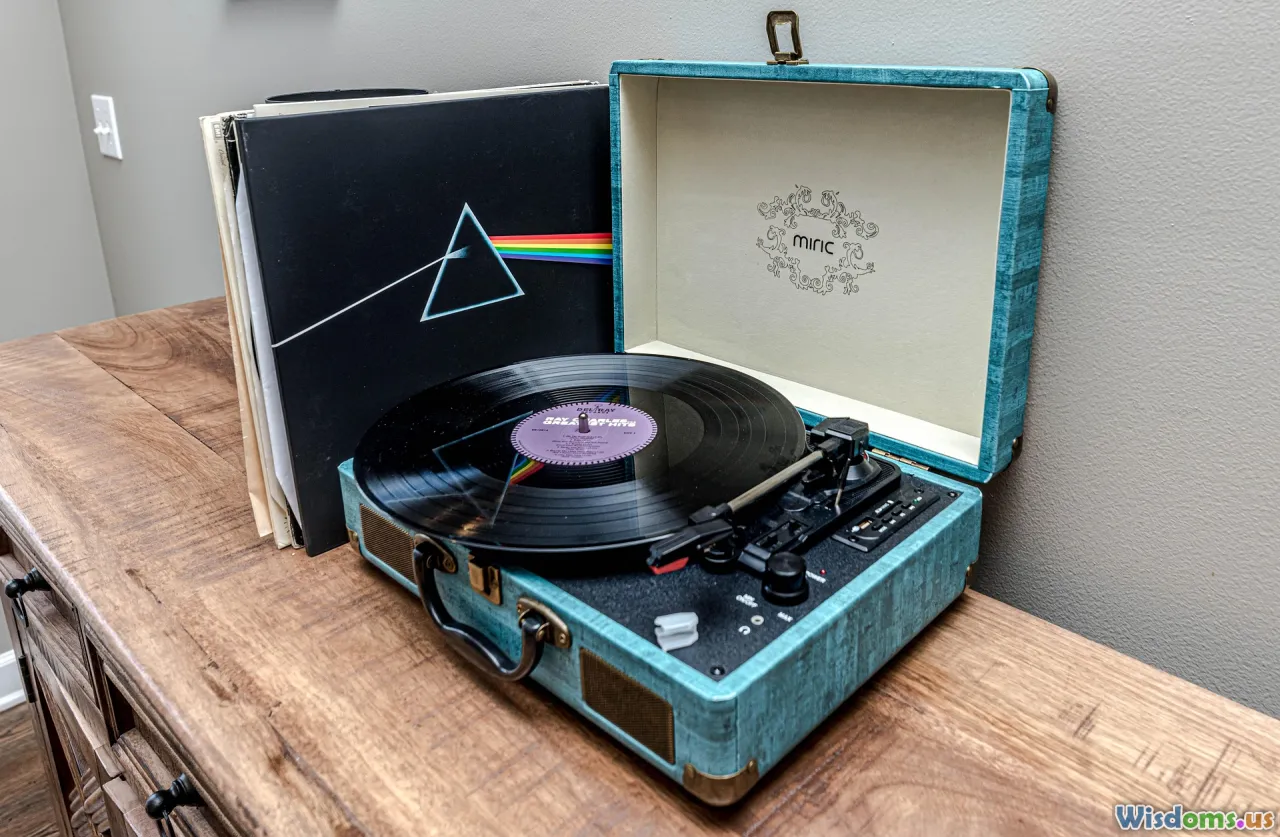
- Aretha Franklin, “Respect” (1967)
- Context: Mid–civil rights era; second-wave feminism coalescing.
- Mechanism: Narrative reframing + collective identity. Aretha inverted a male-penned track and spelled out a demand, inviting listeners into the chorus.
- Evidence of impact: Immediate chart dominance; enduring placement in “greatest songs” canons; decades of use at rallies and graduations; shorthand in headlines for pay equity debates. The spelling hook makes it evergreen in noisy environments—a design advantage for marches.
- Beyoncé, “Flawless” (2013)
- Context: Feminism’s image problem in mainstream culture; TEDx talk by Chimamanda Ngozi Adichie percolating online.
- Mechanism: Intersectional theory via pop spectacle + agenda-setting. The song normalized saying “I am a feminist” on Top 40 radio and spurred a visible uptick in curiosity about feminist writing. The track also sparked debates about capitalist feminism versus movement feminism, which, while messy, broadened the tent and kept the term in circulation.
- Evidence of impact: Viral think pieces; book sales for Adichie’s essay surged; live performances (2014 VMAs) made the word FEMINIST a stage set—less an identity to defend than a concept to perform with pride.
- Las Tesis, “Un violador en tu camino” (2019)
- Context: Protests in Chile over inequity and state violence; global #MeToo momentum.
- Mechanism: Collective identity + embodied pedagogy. The performance taught participants how to inhabit public space safely together—blindfolds, synchronized moves—and embedded legal critique in a chorus easy to translate.
- Evidence of impact: Rapid replication across cities and continents; adoption outside courthouses and police stations; press coverage that forced institutions to respond. Even where lyrics weren’t understood word-for-word, the visuals communicated unmistakably: accountability is public business.
These three case studies cover the spectrum: a mainstream single, a superstar’s theory-forward banger, and a grassroots performance piece. Together they show that “anthem” is a function, not a format.
Beyond the Anglophone: Global Anthems Broadening the Chorus
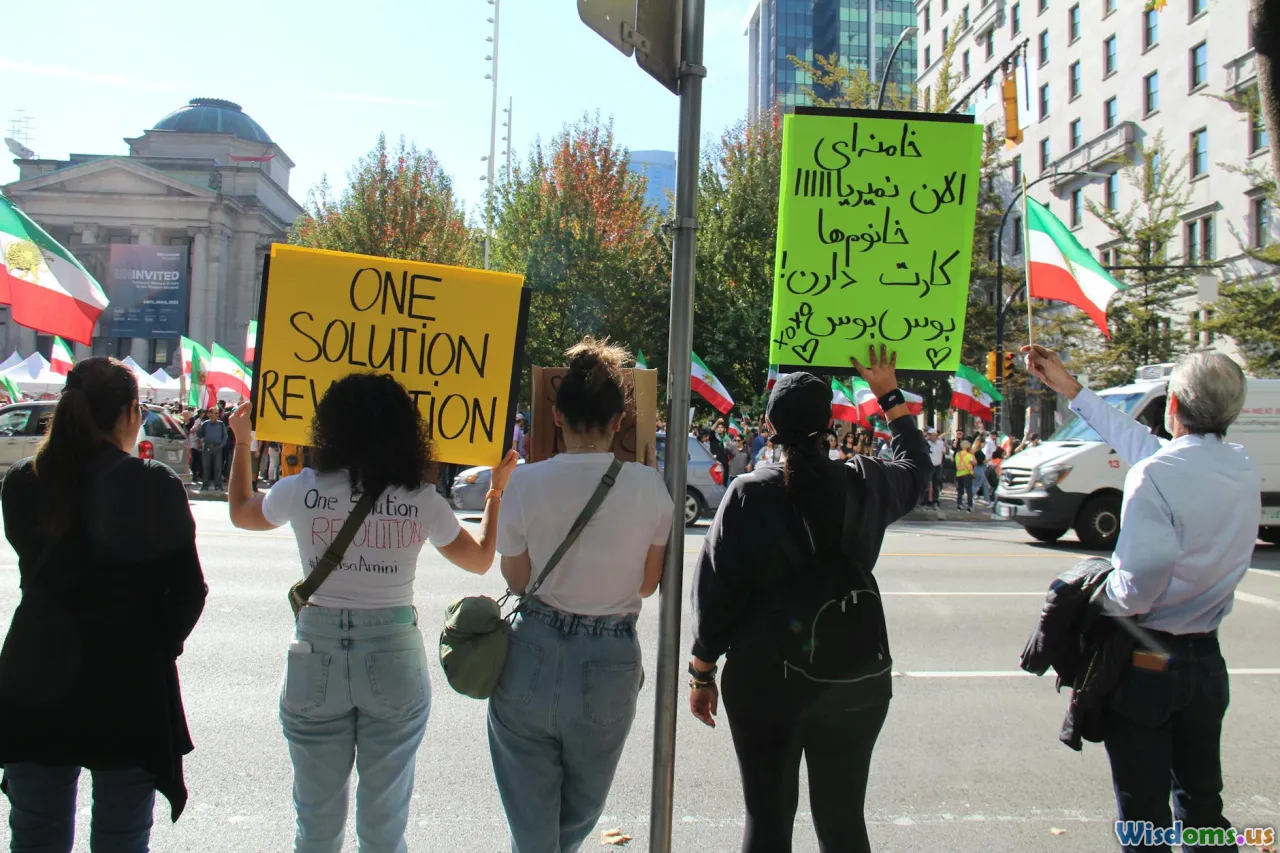
Feminism is multilingual. Some of the most potent anthems aren’t in English, and their effects ripple through region-specific debates.
-
Mexico: Vivir Quintana’s “Canción sin miedo” (2020) has become a central hymn of marches against femicide. Its verses often get customized with local names, turning grief into pressure.
-
France/Belgium: Angèle’s “Balance ton quoi” (2018) parodies excuses and demands respect in a #MeToo context, proving satire can be a scalpel.
-
India: “Mann ke Manjeere” (2000) by Shubha Mudgal, part of a national campaign, highlighted domestic violence and women’s economic self-reliance. The song’s music video—centered on a woman driving a truck to support her family—helped shift perceptions of who belongs in “masculine” jobs.
-
Chile (and far beyond): Las Tesis’ performance piece remains a high-water mark for translatability without translation.
-
Global pop crossovers: K-pop’s 2NE1, “I Am the Best” (2011), leans into braggadocio and armor, not policy—but its export across continents normalized women claiming dominance in a genre that often ties confidence to male protagonists.
For organizers and educators, weaving these tracks into programming signals that feminism is not a Western import but a world language with dialects.
Tips for Artists and Brands: Using Empowerment Without Co‑option
Anthems are not props. If you’re an artist plotting a release or a brand planning a campaign, here’s how to do this ethically:
-
Start with lived expertise.
- Co-create with activists or scholars—early. Not as last-minute consultants. Compensate them.
-
Back the chorus with commitments.
- If your ad blasts “Run the World,” align spending with childcare stipends on set, pay equity audits, and transparent hiring for women and gender-diverse people.
-
Avoid prescriptive empowerment.
- Don’t police appearance or sexuality under the guise of empowerment. Celebrate multiplicity—covered and uncovered, loud and quiet—without ranking.
-
License responsibly.
- When using legacy anthems, consider directing a portion of licensing fees to organizations aligned with the track’s themes. Fans notice when money follows message.
-
Test for unintended readings.
- Diverse focus groups catch tone-deaf pairings (e.g., pairing a breakup empowerment song with a product that surveils or controls users). The line between hype and hypocrisy is thin.
-
Measure beyond clicks.
- Track volunteer signups, scholarship applications, or policy engagement driven by your campaign. Empowerment that never leaves the comment section is branding, not change.
Backlash as a Barometer: Why Controversy Often Confirms Impact

When a song angers gatekeepers, it often means it touched power. Consider patterns:
- Radio bans rarely suppress demand; they publicize it. Loretta Lynn’s “The Pill” picked up sales while some stations balked.
- Moral panic can spread the syllabus. Debates over “WAP” forced daytime TV to hash out consent, double standards, and the history of policing women’s speech.
- “Think of the children” critiques ignore that children already learn norms from media. Anthems make those norms discussable in families and classrooms, where adults can guide the conversation.
As a rule: if a track’s critics can’t articulate harm beyond discomfort, you’ve likely struck a useful nerve. Use that spotlight to pivot audiences toward education and action.
Measuring Impact: From Charts to Policy Conversations
A song’s peak position tells only part of the story. A better dashboard includes:
- Media echo: Did the song seed op-eds, classroom syllabi, and panel topics?
- Movement adoption: Did protests, nonprofits, or campaigns adopt it formally?
- Institutional response: Did a university revise harassment guidelines after a campus anthem gained traction? Did a streaming service curate a sustained empowerment hub rather than a one-off holiday playlist?
- Cross-demographic stickiness: Did the hook travel across age, race, or language lines? Example: “I Will Survive” is a grandma-grandkid bridge—a rare asset.
- Durability: Does it return during crises, graduations, or strikes? Songs that become rituals become scaffolding for collective memory.
Quantify where you can (event signups post-performance, donation spikes after artist shout-outs), but don’t ignore qualitative signals—chants remembered, tears shed, stories told.
The Future Playlist: What’s Likely to Join the Canon Next

Emerging trends hint at the next wave:
-
Labor feminism in pop: With union drives resurgent, expect more songs aligning workplace dignity with gender justice—think a new generation’s “Express Yourself,” written for freelancing, caregiving, and gig economies.
-
Trans-inclusive anthems: As attacks on gender-diverse people escalate, tracks by trans and nonbinary artists claiming safety, joy, and ordinary love will likely migrate from niche to mainstream, expanding what “women’s anthems” playlists include.
-
Local-to-global pipelines: TikTok empowers a street chant in one city to become a playlist staple worldwide within days. Producers who design for call-and-response will win.
-
Data-aware songwriting: Writers increasingly craft hooks for protest acoustics (percussive syllables, vowel-forward refrains) and for algorithmic boosts (memorable 15-second clips). Dual-optimized anthems will travel farther.
If you’re an artist, build a “protest mix” version of your single: slightly slower tempo, foregrounded percussion, easy harmonies. Give organizers a tool, not just a track.
Listening Across Difference: Practical Tips for Using Anthems in Dialogue

Use songs as bridges, not bludgeons.
-
Start with stories, then songs.
- Ask participants to name a track that taught them something about themselves. Then play a relevant anthem. Framing matters.
-
Pair with questions that invite nuance.
- After “U.N.I.T.Y.”: Where do you feel least safe speaking up, and what would support look like? After “The Man”: What metrics in your workplace reward the same traits differently by gender?
-
Honor silence.
- Some anthems open wounds. Offer opt-outs and quiet corners. Empowerment shouldn’t require performance.
-
Keep it local.
- Invite a regional artist or activist to share a song from your area. Ownership increases uptake.
-
Close with commitments.
- After a listening session, ask for one personal and one institutional action. Play a calm, affirming track as folks write. Music helps action stick.
The Playlist as a Living Archive

Feminist anthems are not static hits; they’re living documents that record where we’ve been and point to where we could go next. Aretha’s spelling lesson, a country star’s candor about contraception, a rapper’s street-level boundary, a pop visionary’s TEDx sample, a Chilean collective’s blindfolded choreography—they’re all pages in the same songbook.
When we treat these tracks as tools, we make change practical: a lyric turns into a chant; a chant turns into policy language; a policy shifts a life. And when we keep adding to the canon—translating, localizing, inviting new voices—we preserve not only melodies but hard-won knowledge. So build the playlist. Bring it to the classroom, the meeting, the march. Sing the old standards and write new ones. That’s how anthems shape society: one chorus learned, one boundary named, one future rehearsed together.
Rate the Post
User Reviews

Popular Posts