First year roadmap to professional development without burnout
32 min read A step-by-step first-year career roadmap balancing rapid skill growth with well-being: 90-day goals, mentorship, learning sprints, boundaries, and metrics that protect energy while accelerating professional development. (0 Reviews)
Your first year in a new role is a sprint that masquerades as a marathon. The excitement to prove yourself collides with real constraints: limited context, shifting priorities, and a finite amount of energy. The difference between sustainable momentum and slow-burn exhaustion rarely comes down to talent alone; it is about design — of goals, systems, relationships, and recovery. This roadmap gives you a quarter-by-quarter plan, tools to control your workload, and energy practices backed by research so you can grow fast without burning out.
What professional growth without burnout really means

Burnout is not just feeling tired. The World Health Organization classifies it as an occupational phenomenon that arises from chronic workplace stress that has not been successfully managed, characterized by energy depletion, mental distance or cynicism about work, and reduced efficacy. That definition matters because it hints at the levers you can control: workload, clarity, support, and recovery practices.
A sustainable first year optimizes for three compounding assets:
- Skill compounding: learning the right things at the right depth so each win unlocks new, higher-leverage work.
- Social capital: relationships, trust, and reputation that grant you access to opportunities and honest feedback.
- Energy capacity: habits that increase your available attention and resilience, so you can perform consistently.
Compare two new hires with similar talent. One says yes to everything, works long hours, and ships a lot of low-visibility tasks. The other clarifies outcomes, selects a few catalytic projects, and gets help early when stuck. Six months later, the second person is known for dependability and insight, while the first is exhausted and still firefighting. This roadmap is built to make you the second person, without sacrificing health or joy.
Your 12-month arc at a glance

Here is a high-level structure you can personalize:
- Days 0–30: Stabilize and map the terrain. Clarify expectations, absorb context, and protect energy.
- Days 31–60: Build a learning system and define measurable outcomes. Set up weekly reviews and capture everything you learn.
- Days 61–90: Deliver two to three visible wins. Calibrate pace, narrate progress, and avoid overcommitment.
- Months 4–6: Expand scope and network. Mentor lightly, standardize repeatable work, and learn your team’s pressure points.
- Months 7–9: Specialize strategically. Deepen a strength, publish internal artifacts, and influence decisions through evidence.
- Months 10–12: Consolidate and negotiate altitude. Refresh goals, show your portfolio, and co-create your next-level scope.
Across all phases, you will also run a continuous practice: weekly reviews, energy checkpoints, and proactive manager alignment. The rest of this guide shows you exactly how to do each piece without burning out.
Days 0–30: Stabilize and map the terrain

Your first month is for speed-to-context, not speed-to-output. Rushing to prove yourself often creates rework and stress downstream. Aim to leave day 30 with a crisp understanding of expectations, people, systems, and your personal energy baseline.
How to proceed:
- Clarify expectations in writing. In your first one-on-ones, ask your manager: What does great look like in 90 days? What should I not do? What metrics or artifacts will we use to assess progress? Send a recap email to confirm alignment.
- Build your personal operating manual. One page that explains your work hours, preferred communication channels, response times, decision style, and how to escalate to you. Share it with close collaborators. This prevents many small frictions that drain energy.
- Create a stakeholder map. List the 10–15 people whose work intersects with yours. For each, note their goals, pain points, and how success is measured. In your first chats, ask about recent wins and frustrations; listen more than you talk.
- Set an energy baseline. Track sleep, focus blocks, and perceived energy for two weeks. Notice when you do your best work. Protect those hours. The National Sleep Foundation recommends 7–9 hours for most adults; better sleep often does more for performance than squeezing in extra late-night emails.
- Choose one low-risk initiative. Something useful that helps you learn the system: clean a small dataset, write a process note, fix a minor but visible bug, or close a nagging ticket. Ship it end-to-end to learn the release path and who to notify.
Signals you are on track by day 30:
- You can state your top three priorities in one sentence each.
- You have a documented 30-60-90 plan agreed with your manager.
- You know where essential information lives and who to ask before guessing.
Days 31–60: Build your learning system and define outcomes

This phase sets the scaffolding that will carry you all year. You want a repeatable way to learn fast, retain what matters, and translate knowledge into results without working unsustainably long hours.
Build a 70-20-10 learning plan:
- 70 percent: on-the-job challenges. Pick two projects that overlap with team goals and stretch you slightly.
- 20 percent: guided learning via mentors and peers. Shadow a senior colleague’s workflow; schedule a recurring office hours slot.
- 10 percent: coursework and reading. Choose one course or book that directly supports your projects; skip generic material.
Use learning methods proven by cognitive science:
- Retrieval over review. Instead of rereading notes, write weekly one-page summaries from memory and compare with source materials.
- Spaced repetition. Review core concepts on a 1-3-7-14 day cadence; a simple flashcard app or even a checklist works.
- Interleaving. Mix practice across related topics to build flexible understanding rather than siloed recall.
Set measurable outcomes, not just activities:
- Replace vague goals like learn the analytics platform with observable outcomes such as produce two dashboards used weekly by team X, with data freshness under 24 hours.
- Use a SMARTER framing: specific, measurable, achievable, relevant, time-bound, evaluated weekly, revised when needed.
Systemize your week:
- Block two to three deep-work sessions of 60–90 minutes with zero notifications. Many people perform best in ultradian cycles; even elite performers cap intense practice at a few hours per day because attention is a limited resource.
- Reserve one afternoon for collaboration and one for admin. Defend at least one no-meeting block midweek.
- End Friday with a 30-minute review: what moved the needle, what felt heavy, what to drop or delegate next week.
By day 60, you should be producing output aligned to explicit outcomes, and your learning system should be humming without demanding nights and weekends.
Days 61–90: Deliver small wins, avoid big traps
The third month is often where burnout risk spikes: stakes rise before systems are mature. Your job is to deliver visible wins while managing commitments with rigor.
How to pick your wins:
- Choose work with high leverage and low uncertainty: automation of a repetitive task, a customer-facing improvement with clear value, a document that clarifies a confusing process.
- Co-create a definition of done. For each win, write acceptance criteria, test cases, sign-off stakeholders, and expected impact. Confirm in writing.
- Plan a communication rhythm. Post a short Monday plan and a Friday demo or summary. Public progress reduces anxiety and prevents surprise escalations.
Guardrails to avoid overcommitment:
- Maintain 20 percent slack. Keep one day’s worth of buffer across your week for the unplanned. Without slack, every interruption cascades into late nights.
- Use a trade-off script with your manager: I can take this, which would shift project B by two days. Which priority should move? This protects you from silent scope creep.
- Timebox experiments. If you do not see traction after a defined attempt, switch approach or ask for help.
By day 90, you should have two to three shipped wins you can point to, an understood cadence with your manager, and a realistic map of what excellent execution takes in your context.
Months 4–6: Expand scope and social capital

Now that you are stable and shipping, turn to scale. Your aim is to do more through better systems and stronger relationships, not longer hours.
Tactics that multiply impact:
- Standardize what repeats. If you run a recurring analysis or deployment, write a one-page runbook with prerequisites, steps, and verification. This frees future you and creates on-ramps for teammates.
- Build a lightweight mentoring loop. Offer a weekly 30-minute office hours for peers on the topics you have mastered. Teaching consolidates your learning and increases your internal visibility.
- Map cross-functional dependencies. Identify two adjacent teams whose success influences yours. Set up monthly syncs to exchange roadmaps and risks. When you proactively reduce surprises across teams, you become a linchpin.
- Tell better stories with data. Summaries that combine numbers, context, and a clear recommendation make you a trusted voice. Use before-and-after graphs and one-sentence headlines per slide to keep it crisp.
Energy watchpoint: social expansion takes time. Protect your deep-work blocks and schedule collaboration windows instead of being continuously available.
Months 7–9: Specialize strategically and influence decisions

At this stage you can choose a focus that differentiates you. The goal is T-shaped growth: broad collaboration skills with one or two deeper spikes of expertise that the team relies on.
How to choose a spike:
- Follow pain plus pull. Where do recurring problems hurt outcomes, and where are leads already seeking your input? That intersection is fertile ground.
- Size the bet. Spend one month exploring and two months deepening. Read the top two papers, take one advanced course, talk with internal experts, and ship one artifact that applies your learning.
Influence without authority:
- Publish internal artifacts. Write a decision memo that frames options, constraints, and recommended trade-offs. Reference prior incidents or data and state what would change your mind.
- Run pilots, not debates. Offer a two-week A/B or a small canary rollout instead of arguing in meetings. Results beat opinions and reduce conflict-driven stress.
- Practice upward communication. Send your manager a monthly half-page update: wins, risks, decisions needed. Busy leaders reward concise clarity; you earn trust while protecting your attention.
Energy watchpoint: deep specialization can tempt you into nighttime rabbit holes. Use a cutoff time and keep a parking lot note for ideas to revisit during designated learning sessions.
Months 10–12: Consolidate, showcase, and set the next level

Your final quarter is for making your progress legible and negotiating altitude for year two.
Build and show your portfolio:
- One-pagers per project: objective, your role, impact metrics, lessons learned, links to artifacts.
- A live demo or walkthrough for the team or stakeholders. Showing systems at work prompts better feedback than static slides.
- Testimonials. Ask two or three collaborators for brief notes on how your work helped them. These are gold in performance reviews.
Run a data-informed self-review:
- Compare outcomes to your 12-month plan. What worked disproportionately well? What drained energy for little return? Trim the latter from next year’s scope.
- Audit your calendar. Tag hours by category and look for creep in low-value meetings. Suggest changes to team rhythms with data.
Co-create your next step with your manager:
- Present a draft scope for the next six months that stretches you by 10–20 percent while remaining sustainable.
- Ask: If I nail this, what raises the quality bar for my level? What evidence do we need to make that case? Agree on checkpoints.
The anti-burnout toolkit: energy, not just time

Burnout is not solely about workload; it is the ratio between demands and resources. Raise resources.
Core practices that compound:
- Sleep: Aim for 7–9 hours. Keep a consistent wake time, limit screens in the hour before bed, and treat late work as an exception, not a badge of honor. Even one extra hour of sleep improves mood and reduces errors.
- Breaks: Work in 60–90 minute focus blocks followed by 5–15 minutes of real rest: a short walk, stretching, or a conversation unrelated to tasks. Micro-breaks reduce cognitive fatigue and help you return with clarity.
- Movement: The World Health Organization recommends 150–300 minutes of moderate exercise weekly. Two 30-minute brisk walks, two strength sessions, and a weekend hike fit into most calendars and significantly improve energy.
- Nutrition and hydration: Stable blood sugar means stable attention. Build a default lunch with protein, fiber, and healthy fats. Keep water visible on your desk.
- Mental load hygiene: Write things down instead of carrying them in your head. A capture tool and a weekly review relieve constant low-level anxiety.
Early warning dashboard:
- You skip meals or breaks three days in a row.
- Your off-hours are consumed by intrusive thoughts about work.
- You stop doing activities that previously restored you.
- You are making more small mistakes or rereading the same lines.
If two or more show up for a week, intervene: cut scope, ask for help, and take a day to reset. Addressing small warning lights early prevents larger fires later.
A simple system to control time and attention

Time management advice fails when it is too complicated. Here is a minimal system that works in demanding environments:
- Weekly planning on Friday or Monday morning: list up to five outcomes (not tasks) that matter most. Schedule deep-work blocks for them first; meetings fill the edges.
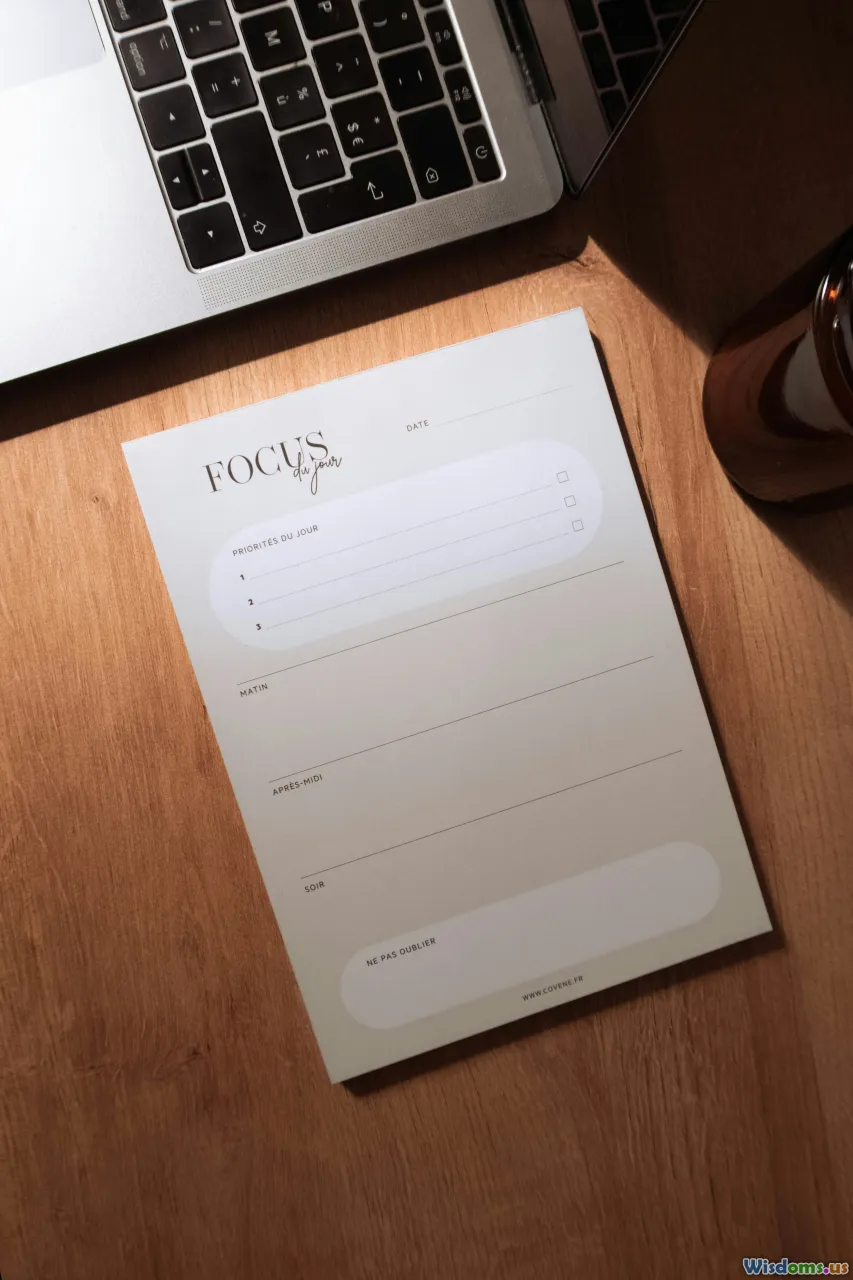
- Daily focus ritual: open the day by rewriting the top three tasks by hand and closing the day by logging what you finished and what you will start tomorrow.
- One list, one calendar: avoid maintaining multiple competing to-do lists across apps. Consolidate to a single source of truth.
- Do-not-do list: explicit items you are pausing or delegating this week. This protects energy as much as what you add.
Protecting focus in a notification-heavy world:
- Use app-specific quiet hours. Slack and email can wait during deep work. Most colleagues adapt once they learn your response windows.
- Batch communication twice daily. Reading messages constantly raises stress and reduces throughput without improving responsiveness.
- Choose one dashboard for priorities and close the rest. Context switching is energy expensive.
Manager alignment: scripts that keep you safe

Good managers want you to pace yourself; busy managers appreciate clarity. Use scripts to make trade-offs explicit and reduce burnout risk.
Scope alignment:
- Trade-off prompt: I can take on initiative A. Based on my current plan, it will delay B by three days. Is that acceptable, or should we swap priorities?
- Clarification prompt: To deliver X by next Friday, I will need access to Y and a 30-minute review with Z by Wednesday. Does that sound right?
Saying no without friction:
- When asked to join a meeting with a murky purpose: Happy to contribute. What decision will be made, and what do you need from me? If my input is a quick update, I can send it async.
- When asked to rush a low-priority task: I can do this today if we pause the dashboard work. If the dashboard stays top priority, I will schedule this for next Tuesday. Which do you prefer?
Escalate healthily:
- If your workload is unsustainable for two weeks running, quantify the work, propose options, and ask for a call to reset. Data plus solutions keeps the conversation constructive and protects your reputation.
Learn faster without longer hours

More time is not always more learning. You gain speed by raising learning quality per minute.
Deliberate practice for knowledge work:
- Define a skill slice. Instead of get better at stakeholder communication, practice crafting a one-paragraph recommendation with a clear ask and rationale. Get feedback on three attempts in one session.
- Tight feedback loops. Ask for one specific critique: If you would change one thing to make this proposal more persuasive, what is it?
- Retrieval and teaching. After a learning sprint, explain the concept to a colleague or record a two-minute audio summary for your future self.
Sprints that fit your calendar:
- 45-20-5 rhythm: 45 minutes of focused learning, 20 minutes of application, 5 minutes to record notes and next steps. One or two of these beats per week compounds.
- Constraint-based challenges: reduce scope intentionally. For example, build the same report using only tool X’s native features. Constraints force deeper understanding and prevent rabbit holes.
Avoid the trap of scattered learning. Tie each learning block to an active project or an anticipated decision. If it will not pay off within 90 days, reconsider the investment or shrink the scope.
Remote and hybrid realities: protect your edges

Distributed work magnifies both flexibility and the risk of always-on availability. Design your edges.
- Publish your status doc. Include your working hours by time zone, typical response times, and how to reach you for urgent issues. Pin it to your profile.
- Use agenda-first meetings. Decline sessions without a written purpose or a decision to be made; propose asynchronous alternatives.
- Rethink visibility. Record short loom-style demos of progress instead of more meetings. Asynchronous demos help colleagues in other time zones and reduce meeting fatigue.
- Noise hygiene. Mute nonessential channels, disable badge counts, and use summary digests. Treat notifications as pull, not push.
At home, create a physical and mental boundary for work shutdown. A short closing ritual — write tomorrow’s top three, tidy your desk, step outside for two minutes — tells your brain the workday is done.
Troubleshooting guide: common pitfalls and fixes
- Vague goals leading to scope creep: rewrite outcomes with acceptance criteria and owners. Share publicly to anchor expectations.
- Too many priorities and constant context switching: cut projects to a maximum of two primary and one secondary at any time. Track a work-in-progress limit and enforce it.
- Perfectionism causing late deliveries: adopt versioning explicitly. Ship v1 with a review date and a clear plan for v2. Most stakeholders prefer earlier, good-enough results with iteration over late perfection.
- Isolation from feedback: schedule a monthly 360 micro-check with three colleagues. Ask two questions: what is one thing I should keep doing; what is one thing I should change next month?
- Chronic overwork: measure hours for two weeks, then renegotiate scope using your data. If cultural norms push unsustainable pace as the default, raise it with your manager; if change is impossible, consider whether the environment fits your health and values.
Templates you can copy today
-
30-60-90 day plan outline:
- 30 days: context, relationships, one small win, energy baseline.
- 60 days: two outcome goals with metrics, learning system, weekly review cadence.
- 90 days: two to three shipped wins, stakeholder update rhythm, slack policy.
-
Weekly review checklist:
- What three outcomes moved us forward?
- What felt heavy and why? Cut, delegate, or timebox it.
- What decisions are blocked and who owns them?
- What one energy habit will I emphasize next week?
-
One-on-one agenda:
- Wins since last week and learnings.
- Risks and trade-offs needing manager input.
- Support requests and resources.
- Growth topic: one skill to improve and a micro-plan.
-
Stakeholder update format (send Fridays):
- Progress: two sentences on what shipped.
- Next: two sentences on what is coming.
- Risks: one sentence per risk with mitigation.
- Asks: decisions or resources needed with deadlines.
-
Boundary scripts to keep handy:
- Meeting guardrail: I want to contribute effectively. Could we confirm the decision to be made and my role? If an async update works, I will send it by 3 pm.
- Priority trade-off: Happy to take this. It will push the testing timeline by two days. Should we proceed?
A realistic weekly rhythm that respects your energy
- Monday: Plan outcomes, confirm with manager, protect two deep-work blocks. Quick check-in with top stakeholders to prevent surprises.
- Tuesday: Focus work in the morning, collaboration in the afternoon. One learning block tied to an active project.
- Wednesday: No-meeting block until noon. Demo or share midweek progress async.
- Thursday: Cross-functional syncs, reviews, or pilots. Keep one buffer hour for the unexpected.
- Friday: Ship something visible, even if small. Run weekly review, close loops, and write Monday’s starting task.
Integrate restoration:
- Micro-rest: two 5–10 minute breaks per morning and afternoon.
- Movement: one short walk after lunch on at least three days.
- Shutdown ritual: choose a consistent time window for end-of-day wrap-up and stick to it at least four days a week.
Consistency beats intensity. This rhythm, repeated for months, will outpace unsustainable bursts every time.
When the system itself is the problem

Sometimes burnout stems less from personal habits and more from structural issues: chronic under-resourcing, unclear leadership, or a culture that rewards heroics over planning. Indicators include frequent emergency work that was predictable, decisions that are routinely overturned without new information, or leaders who dismiss boundary setting as lack of commitment.
What to do:
- Document patterns neutrally: dates, impact, and who was involved. Avoid blame; focus on outcomes.
- Propose process fixes: clearer intake forms, decision records, or a rotating on-call that spreads load. Pilot within your sphere of control.
- Escalate with solutions. Bring two options and trade-offs; ask leaders to choose and own the implications.
- If little changes after fair attempts, protect yourself. Leverage your portfolio to explore roles that value sustainable excellence. There is no prize for enduring a broken system.
The first year can be the most important of your career in a new place. By designing your work around energy, outcomes, and relationships, you will ship more, learn faster, and enjoy the process. A year from now, you should recognize not just a stronger resume but a calmer, more capable version of yourself — someone who knows how to build momentum that lasts.
Rate the Post
User Reviews









Popular Posts