How Gardening Together Boosts Family Immunity and Happiness
40 min read Discover how family gardening boosts immunity, mood, and connection with soil microbes, vitamin D, fresh produce, and shared routines—plus kid-friendly tasks and seasonal tips. (0 Reviews)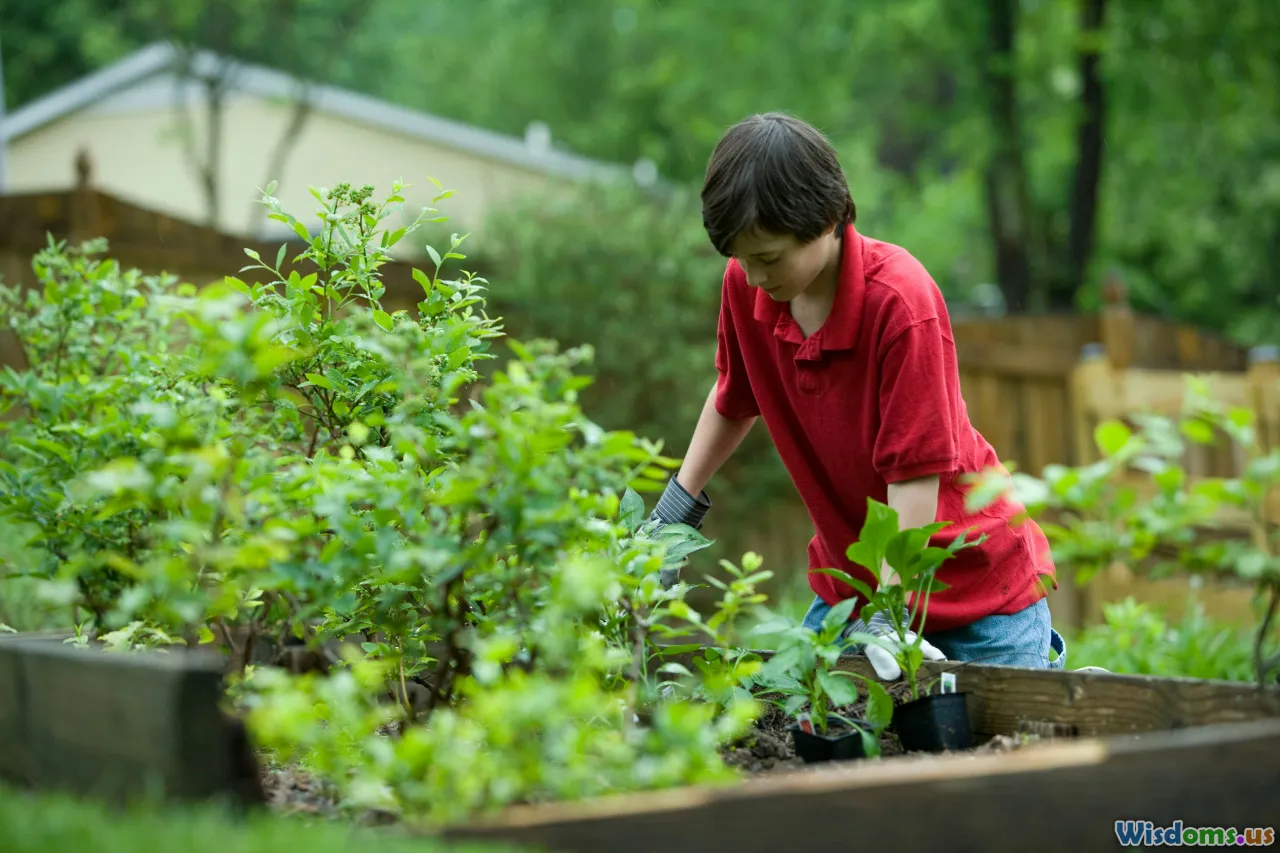
Families across the world are rediscovering a deceptively simple way to feel better, get sick less often, and feel closer to one another: gardening together. It is not a miracle cure, but a stack of small, powerful habits tucked into one activity. A garden serves vegetables and herbs at their peak, but it also offers sunshine for vitamin D, moderate exercise, microbe-rich soil that trains the immune system, and a quiet place to slow the stress response. When kids, parents, and grandparents share the work and the harvest, the garden becomes a living classroom and a mood-lifting ritual. In an age of screens and stress, a few square feet of soil can change the tone of a household.
This guide blends science with practical advice. You will find a step-by-step plan to launch a family immunity garden in 30 days, a comparison of garden types for any home or budget, and a season-by-season playbook to keep momentum. It also includes safety notes so you welcome helpful microbes while avoiding harmful ones, plus simple ways to measure what matters: energy, mood, and time together.
Why shared gardening strengthens the body and mind

A garden compresses many health-promoting behaviors into one ritual. That stack includes movement, fresh produce, sun exposure, exposure to nature, and social connection. Each link has evidence behind it:
- Moderate movement: Digging, raking, and weeding typically land in the 3–6 MET range, a level of moderate physical activity that supports cardiovascular health and immune surveillance. Thirty to forty-five minutes of moderate activity most days is associated with fewer upper respiratory infections across populations. A family weeding session can be a meaningful contribution toward the 150 minutes per week of movement recommended for adults.
- Sunlight and vitamin D: Sensible sun exposure helps maintain vitamin D, which influences immune function, bone health, and mood. Short sessions in morning or late afternoon with protective clothing and sunscreen as needed strike a practical balance. Families who garden regularly tend to spend cumulative minutes outside without the intensity of a midday beach trip.
- Microbial exposure and the immune system: Healthy garden soil is teeming with harmless microbes. Contact with this microbial diversity may help train the immune system to be less reactive to benign triggers, a concept often called the hygiene or old friends hypothesis. Soil-dwelling bacteria such as Mycobacterium vaccae have been studied for their mood and immune-modulating effects in animals; while that does not make garden soil a medicine, it strengthens the idea that everyday nature contact influences immune balance.
- Stress reduction: Time in green spaces consistently lowers markers of stress, including cortisol, perceived stress scores, and heart rate. Japanese forest-bathing research shows boosts in natural killer cell activity after immersive nature time; a backyard garden offers a scaled-down but steady version of that parasympathetic nervous system reset. Less stress means fewer opportunistic infections and better sleep.
- Shared purpose and mood: Working toward a harvest creates a shared goal with tangible progress. That fuels a sense of mastery and social support, two reliable ingredients in happiness research.
A quick example: a Sunday afternoon in the garden can combine 40 minutes of moderate exertion, 20 minutes of gentle sun, a handful of cherry tomatoes packed with vitamin C and lycopene, a few laughs, and a sense of progress when the bean teepee climbs another foot. None of those elements alone changes a family overnight; together and repeated, they create a trajectory.
The happiness pathway: meaning, mastery, and belonging
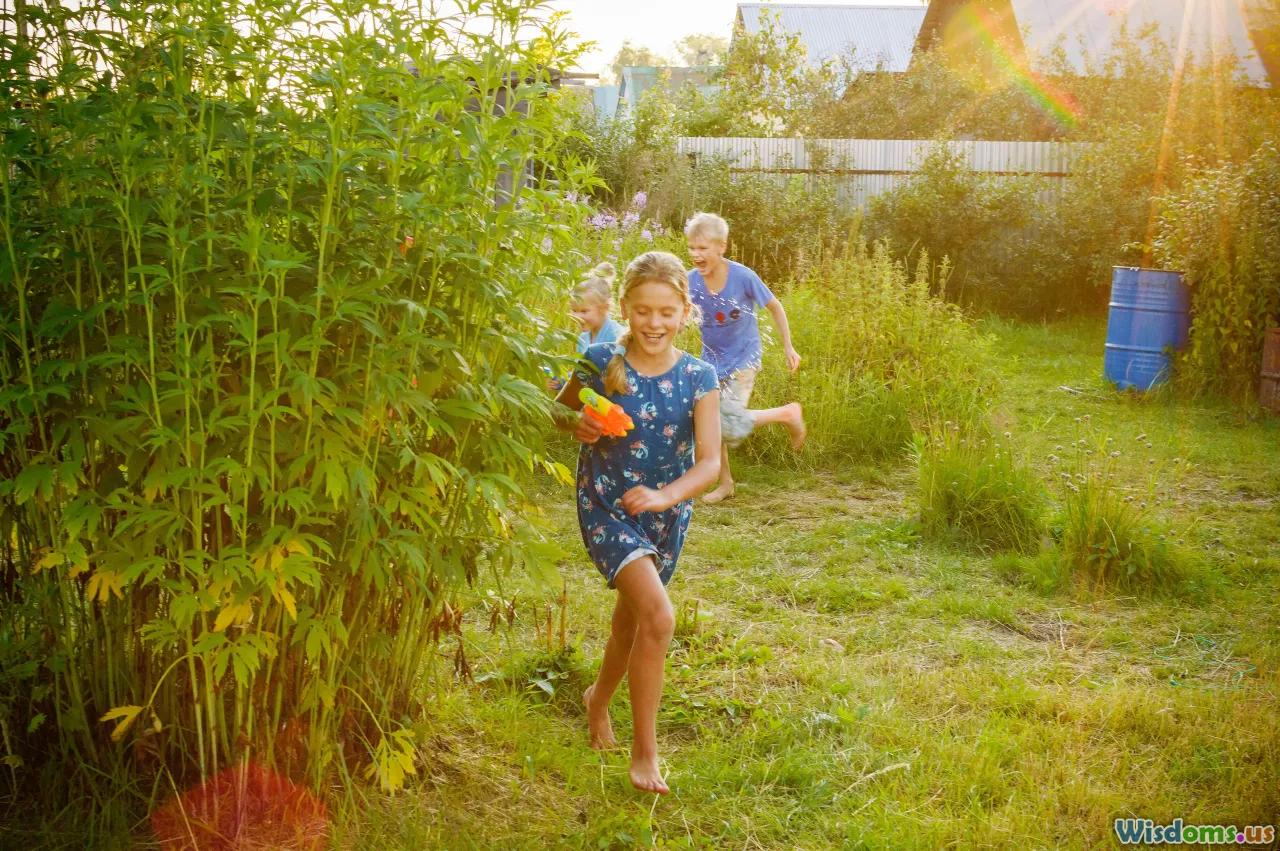
Happiness does not arrive only after big events. It grows from routines that deliver competence, connection, and a sense of contribution. Gardening hits all three elements laid out in self-determination theory: autonomy, mastery, and relatedness.
- Autonomy: Kids choose which seeds to plant, adults decide layout and priorities, grandparents share wisdom. Everyone owns a piece of the process.
- Mastery: Plants grow in response to effort that is visible in days, not quarters or years. Children can measure the height of sunflowers, compare leaf sizes of lettuces, and taste the payoff. Adults track how soil texture and mulching improve results over seasons.
- Relatedness: Family members depend on one another for watering schedules, harvest timing, and pest patrol. Even five-minute stand-up meetings in the yard build shared language and roles.
In real households, these abstract benefits show up in small moments.
- A teen who shrugs at chores asks to build a trellis because the peas are flowering.
- A six-year-old who refused salads picks baby leaves she grew and eats them without fuss, because they feel like hers.
- A grandmother shares a trick for keeping slugs off strawberries, a skill passed down rather than a lecture.
School garden programs consistently report that kids who grow vegetables are more likely to try them and to accept variety. Family gardens extend that effect beyond a semester, turning every dinner into a conversation about flavors, weather, and seasons rather than one about picky eating. The daily micro-adventures of seedlings emerging or a butterfly visiting the zinnias create free dopamine hits that are wholesome and non-digital. That matters because novelty and progress are antidotes to boredom and rumination.
The science under the leaves: microbes, nutrients, and stress hormones
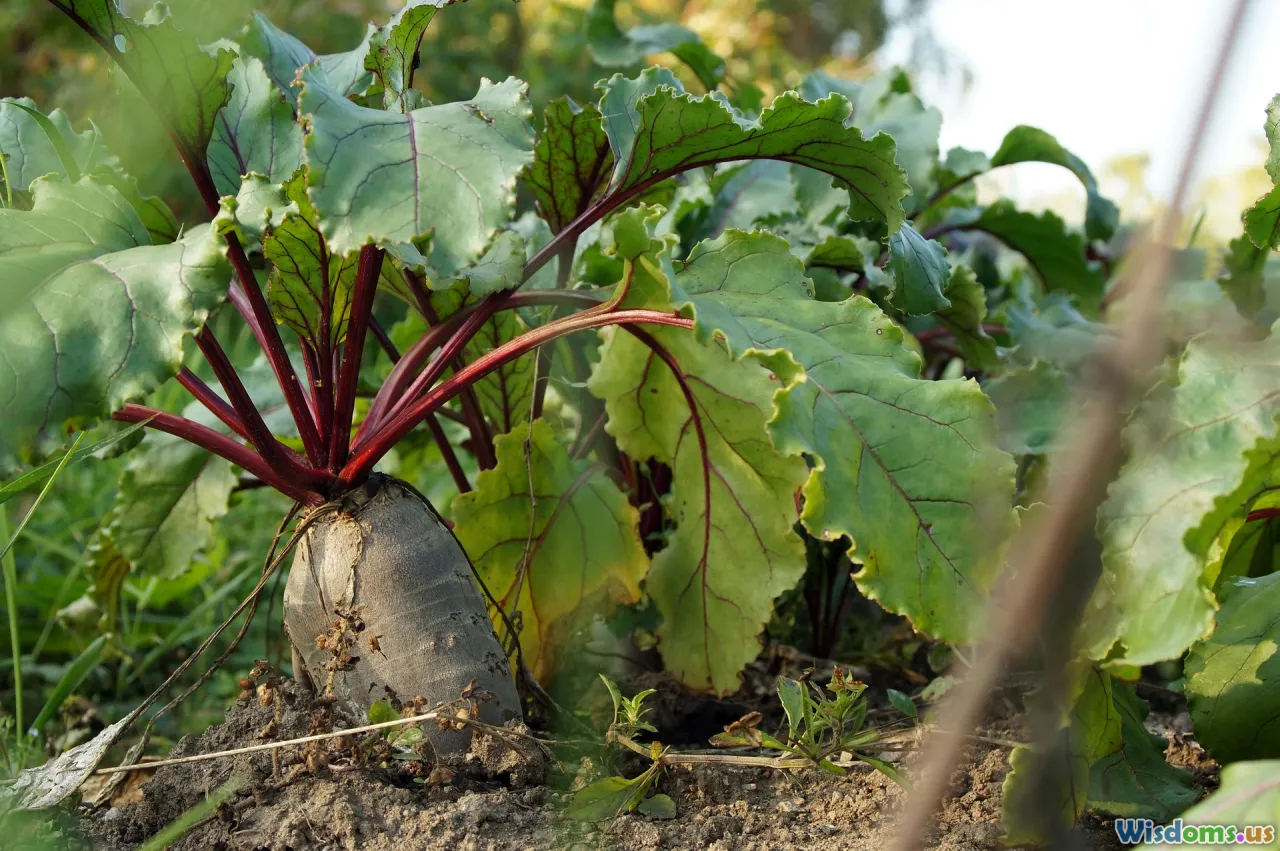
If you enjoy clear mechanisms, consider these three pathways.
- Microbial diversity and immune training
- Garden soil and plant surfaces present a huge diversity of benign microbes. Repeated, low-dose exposure can guide a maturing immune system toward tolerance rather than overreaction. This is especially relevant for kids with urban indoor lifestyles where microbe exposure can be narrow.
- Not all microbes are helpful. The goal is contact with living soil, compost that has been properly managed, and plant surfaces, not with animal feces or contaminated water. Smart practices (see the safety section) maximize benefit and minimize risk.
- Nutrient density and phytochemicals
- Home-grown produce can be eaten at peak ripeness. Vitamin C in leafy greens and herbs begins to degrade after harvest; eating minutes after picking preserves more of it.
- Herbs such as thyme, oregano, and rosemary carry polyphenols like rosmarinic acid and thymol that have been studied for antimicrobial and anti-inflammatory properties in vitro.
- Brassicas like kale, arugula, and broccoli contain glucosinolates; chopping and lightly steaming activates compounds such as sulforaphane. A practical tip: chop garlic and let it sit for 10 minutes before cooking so the enzyme alliinase can generate allicin, preserving more of garlic’s bioactive benefits.
- Stress physiology and nature therapy
- Acute stress is part of life, chronic stress erodes immune function. Gardening invites mindful attention, repetitive movements, and a focus on the near-term present. That combination often lowers sympathetic drive and nudges the body toward recovery.
- In practice: 20–30 minutes of focused, low-distraction gardening—thinning seedlings, harvesting beans, or deadheading flowers—can feel like a moving meditation while still accomplishing work.
The point is not to memorize the names of molecules. The point is to create routines that activate these levers predictably, week after week.
How to launch a family immunity garden in 30 days

You can start in almost any home, with any budget and schedule. Here is a practical one-month blueprint.
Week 1: Quick assessment and plan
- Choose your site: Aim for 6–8 hours of sun for fruiting crops like tomatoes; leafy greens and many herbs tolerate partial shade. Balconies work well for containers; a sunny window can host microgreens.
- Water: Identify a convenient spigot or plan to use a watering can. In apartments, consider self-watering containers to reduce daily chores.
- Soil: For raised beds and pots, use a high-quality potting mix with compost, not topsoil alone. For in-ground beds, loosen soil 8–12 inches deep and add 2–3 inches of compost.
- Family roles: Assign simple roles to each person—watering captain, pest spotter, harvest lead, compost manager. Keep it playful.
Week 2: Build and prep
- Beds and containers: A 4x8 raised bed offers room for salad greens, herbs, a cherry tomato, and a trellis for beans. For balconies, use 5-gallon buckets with holes or fabric grow bags for tomatoes and peppers; 1–3-gallon pots work for herbs.
- Tools: Hand trowels, a watering can or hose with a gentle nozzle, gloves that fit each family member, and a kneeling pad for comfort. Consider child-sized tools for younger gardeners to build ownership.
- Mulch: Add 2 inches of straw, shredded leaves, or wood chips around (not touching) plant stems. Mulch conserves water, suppresses weeds, and moderates soil temperature.
Week 3: Plant immunity-supporting staples
- Fast wins: Radishes (25 days), baby lettuce (30 days), and microgreens (7–10 days) give early momentum.
- Workhorses: Kale, chard, and spinach for steady greens; cherry tomatoes for consistent snacking; green onions for flavor; herbs like basil, thyme, and parsley to amplify meals.
- Pollinator companions: Marigolds, calendula, or alyssum to attract beneficial insects and spark curiosity.
Week 4: Rituals and simple measurement
- Set a schedule: 10 minutes most mornings or evenings for watering and pest checks; one family hour on weekends for planting or harvesting.
- Log the basics: A small notebook or shared phone note can track what you planted, first harvest dates, and what you liked.
- Celebrate: Plate a garden salad, make pesto with the basil, or brew mint tea from fresh leaves. Name the meal after your family to make it special.
This 30-day sprint is enough to shift momentum. By then, the garden will start rewarding you with visible growth, early harvests, and small conversations that did not need a screen to start.
Immune-supporting plants and how to use them
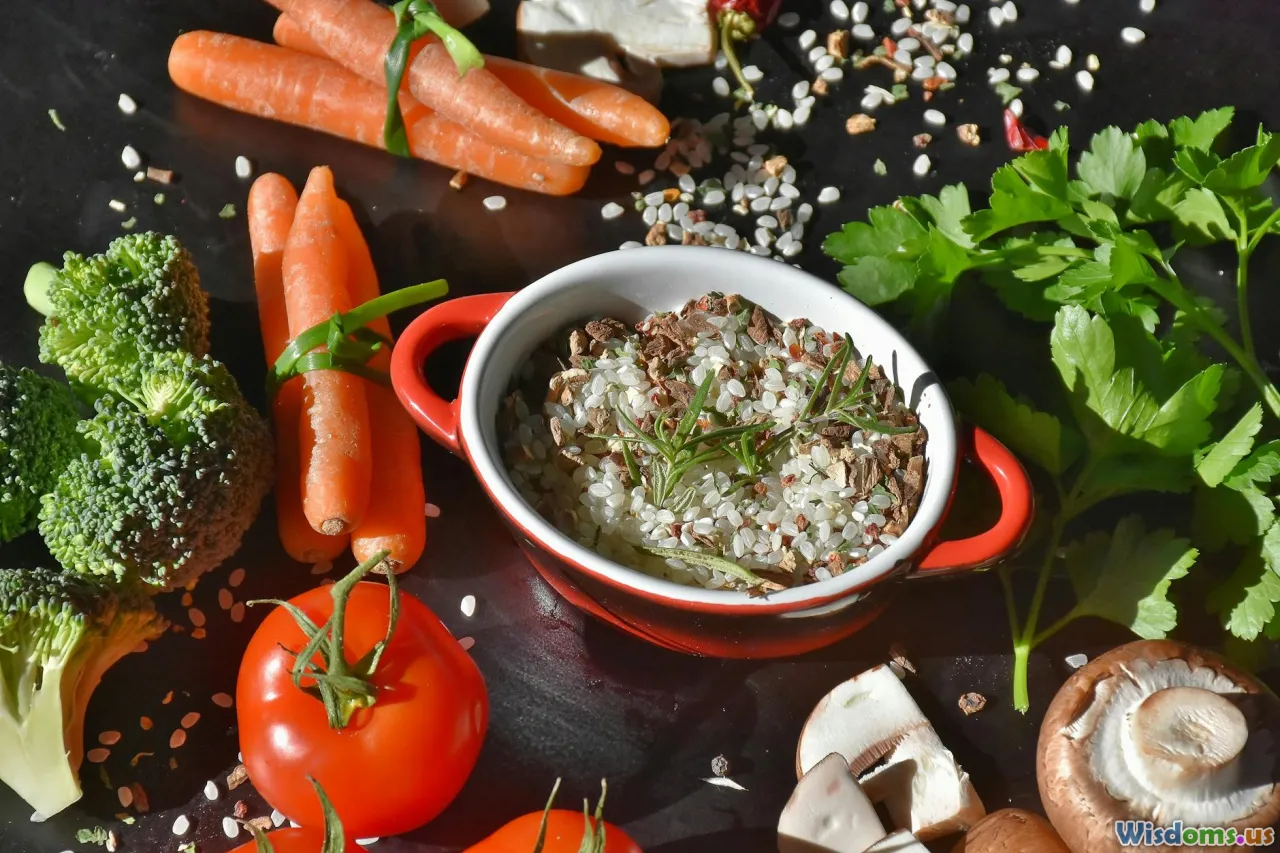
Load your plot with plants that are both forgiving to grow and packed with nutrients and phytochemicals.
- Garlic and onions: Plant garlic in fall in colder climates (or very early spring in milder areas); harvest bulbs in summer. Use raw crushed garlic in dressings and cooked for depth in soups. Onions add quercetin and flavor to almost anything.
- Leafy greens: Kale, spinach, chard, and arugula are nutrient-dense and forgiving. Harvest outer leaves to keep plants producing. Quick meal idea: sauté chard with garlic and lemon, top with toasted seeds.
- Brassicas: Broccoli, cabbage, bok choy. Steam lightly or stir-fry to retain texture and compounds. Grow varieties suited to your season to avoid bolting.
- Berries: Strawberries are easy in containers and a joy for kids; they provide vitamin C and polyphenols. In small spaces, alpine strawberries are productive and ornamental.
- Herbs: Thyme, oregano, rosemary, sage, mint, and parsley thrive in pots or beds. They offer powerful flavor, which can shift family meals toward less salt and sugar while adding polyphenols with studied anti-inflammatory properties.
- All-star add-ons: Peppers (vitamin C), cherry tomatoes (lycopene), and green onions (prebiotic fibers) are resilient and high-return.
Preserve the good stuff with a few kitchen tactics:
- Chop garlic and let it rest for 10 minutes before heating.
- Dress leafy greens with lemon or vinegar to enhance iron absorption.
- Steam broccoli 3–4 minutes rather than boiling; it preserves texture and compounds.
- Brew fresh herb tea with mint, lemon balm, or thyme for a caffeine-free evening ritual.
A daily habit: one family member picks a handful of something green or aromatic to add to dinner. It might be a few basil leaves torn onto pasta, a handful of chopped parsley in scrambled eggs, or a mint sprig in water. The habit matters more than the recipe.
Getting the good microbes while avoiding the bad ones
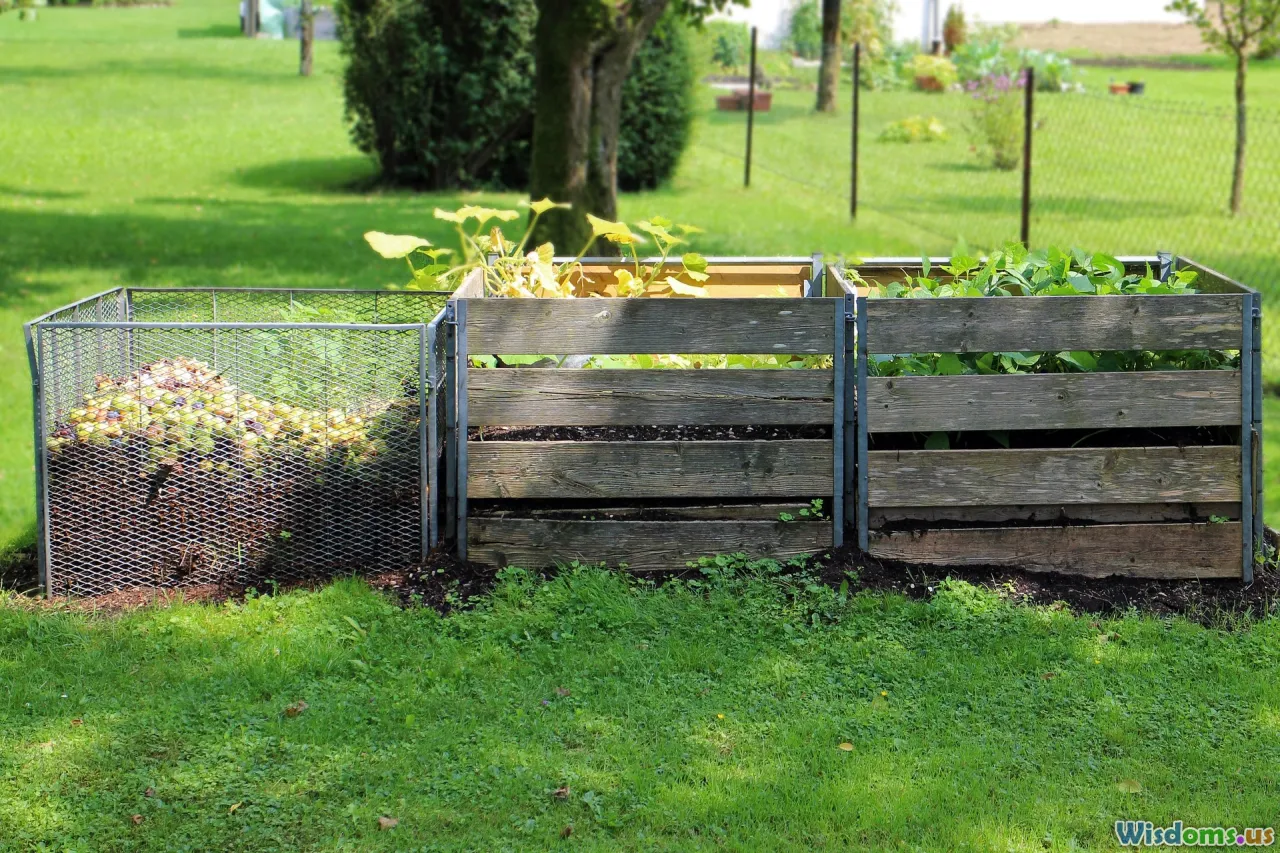
You want contact with living soil and plant surfaces without inviting pathogens. A few straightforward practices tip the balance.
- Hand hygiene: Treat the garden like a kitchen. Enjoy the dirt on your hands, then wash with soap and running water before eating or cooking. Keep nails trimmed and clean under them.
- Glove and boot wisdom: Wear gloves if you have cuts. Keep a pair of dedicated garden shoes outside to avoid tracking soil through the house.
- Compost clarity: Hot compost that reaches 130–160°F and is turned several times is safer than cold piles for breaking down pathogens. Do not compost meat, dairy, or pet waste. If you use manure, make sure it is well-composted or apply it to beds months before planting.
- Irrigation: Water soil, not leaves, to reduce foliar disease. Use clean water sources; avoid using surface water from streams onto edible leaves without treatment.
- Produce prep: Rinse harvested greens and vegetables under running water. Pat dry in a salad spinner. There is no need for soaps or bleach on produce.
- Tetanus and gardens: Make sure adults and older kids are up to date on tetanus vaccination. Wear shoes and cover scrapes.
Pregnant family members and those who are immunocompromised can enjoy the garden with extra care: gloves, meticulous handwashing, and avoiding direct contact with compost or raw manure reduce risk while preserving the benefits of green time and light activity.
Backyard beds vs balconies vs community plots: choosing your arena
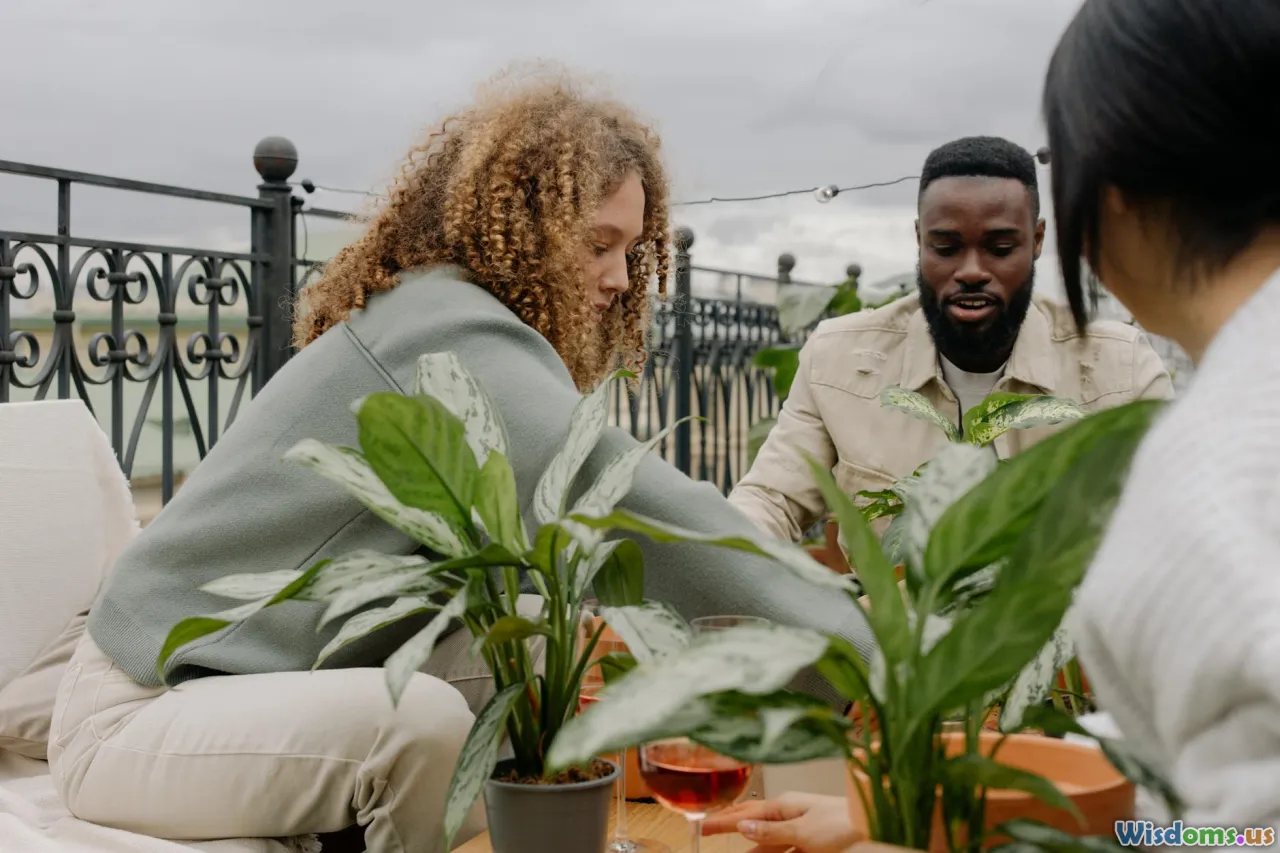
Every home can support a garden version. Compare your options.
Backyard raised beds
- Pros: Highest yields, customizable soil, room for compost, space for kids to roam. Easy to add trellises and seasonal extensions like cold frames.
- Cons: Upfront cost for lumber and soil. Time for building and maintenance. Requires yard access and sometimes HOA approval.
- Good for: Families planning to grow a significant portion of greens and herbs with room for experiments.
Balcony and windowsill containers
- Pros: Low cost, close to the kitchen, easy to manage with a watering can, safe from many ground pests. Minimal setup.
- Cons: Wind and heat can stress plants, limited root volume, weight limits in some buildings. Need to manage water runoff.
- Good for: Busy households, renters, and those starting small. Herbs, salad greens, and cherry tomatoes thrive here.
Community garden plot
- Pros: Built-in social support and knowledge exchange, larger space, often shared tools and compost, extra sun.
- Cons: Travel time, rules and schedules, less spontaneous access. Security for tools and crops varies.
- Good for: Apartment dwellers and families who enjoy the community aspect as much as the harvest.
Budget snapshot
- Shoestring start: Two 5-gallon buckets, potting mix, basil, and cherry tomato starts can launch for a modest sum and produce pounds of food.
- Middle path: A 4x8 cedar bed, quality soil, a few starts, and a basic tool kit is attainable for most families and yields hundreds of dollars in produce over a season.
- Shared investment: A community garden fee often includes water and shared tools; the social network pays dividends in advice and surplus produce swaps.
The right arena is the one you will use three days a week. Pick convenience over perfection.
Build family rituals that stick
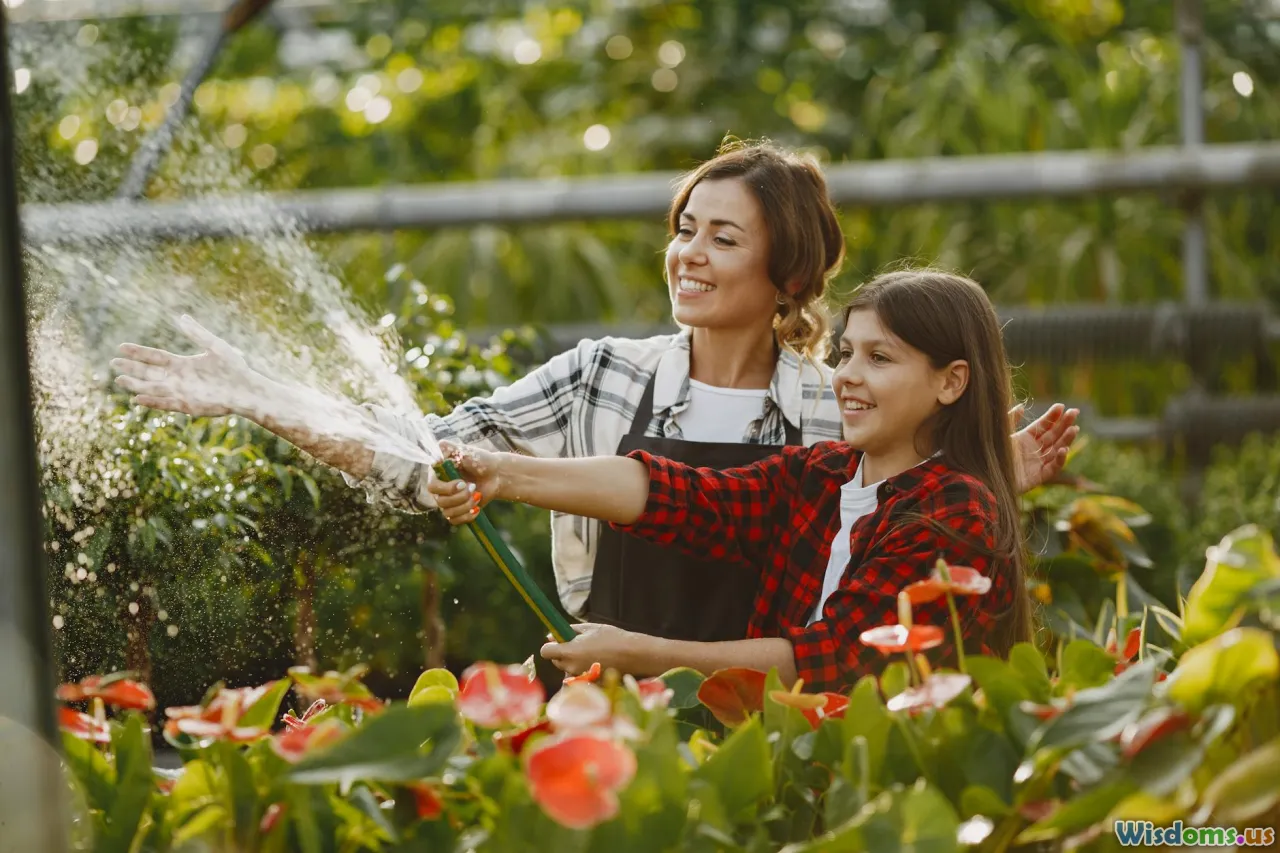
Rituals turn good intentions into reliable outcomes. Design them around your family’s rhythms.
- The 10-minute habit: Agree that most days, one person will do a 10-minute garden check. Tasks include watering, lifting leaves to look for pests, and picking anything ready. Rotate the role.
- Weekend power hour: A fixed weekly hour for planting, mulching, and building means less calendar friction. Put on music or set a kitchen timer and treat it as a family sprint.
- Roles by age: Young kids are great at watering, seeding large seeds like beans, and harvesting berries. Tweens can build trellises, prune tomatoes, and photo-document changes. Teens can design drip irrigation or plan crop rotations.
- Garden stand-up: A 3-minute huddle at the start—what needs attention, who wants which task, what’s the fun add-on (say, a mint lemonade afterward). End with a single photo for your family album.
- Weather plan: On rainy or windy days, move the ritual indoors: sow microgreens, clean tools, plan next crops, or cook with harvested food.
Habit science tells us to connect new actions to existing routines. Water right after making coffee. Harvest herbs while the pasta water boils. Check the soil when you take the dog out. The easier the cue, the more consistent the behavior.
A season-by-season playbook

Keeping momentum across the year protects the habit and the immune benefits.
Spring
- Sow cool-weather crops: peas, spinach, arugula, radishes. Start brassicas indoors in colder climates.
- Prep soil: top-dress beds with compost, add mulch once seedlings are established.
- Build structures: trellises for peas and beans; install drip irrigation if you want set-it-and-forget-it watering.
Summer
- Plant heat lovers: tomatoes, peppers, basil, cucumbers, beans. Keep consistent watering to prevent blossom end rot in tomatoes.
- Harvest often: snipping herbs and picking fruits early and often stimulates more growth and keeps plants healthy.
- Shade planning: Use shade cloth over greens in heat waves to keep salads from turning bitter.
Autumn
- Sow fall crops: kale, carrots, beets, and lettuce for a second harvest. Plant garlic in colder regions.
- Clean and protect: remove diseased leaves, apply a fresh layer of mulch, and plant cover crops like clover or rye to feed the soil.
- Reflect and plan: note varieties that excelled, pests to expect next year, and tool upgrades that would simplify work.
Winter
- Grow indoors: microgreens, sprouts, and windowsill herbs keep the green habit alive. Try pea shoots for fast rewards.
- Compost and leaves: make leaf mold by bagging leaves with holes and letting them break down into a superb soil amendment.
- Education: read seed catalogs together, watch a pruning video, and set a budget for spring.
A year’s cycle offers built-in novelty. Each season has its own small victories, even if yields dip in winter.
Measure what matters: small metrics, big motivation

To reinforce the habit and see benefits, track a few simple indicators.
- Produce servings: Count how many meals include a home-grown ingredient. Aim for 3–7 per week, depending on season.
- Minutes outside: Tally how many days you logged at least 20 minutes in the garden. This one correlates with mood improvements.
- Mood check: Use a 1–5 quick rating before and after garden time. Families often notice a one-point uplift on average.
- Sick days: Track days missed from school or work over a year. Do not expect miracles, but noticing a gentler cold season can be motivating.
- Steps or exertion: A pedometer or smartwatch might show you hit your movement goal on garden days more often.
Run a simple experiment: two months of baseline living, then two months with a consistent garden routine. Track the same items and compare. Even if you cannot control all variables, you will learn what matters most for your family and which rituals deliver the best return.
Troubleshooting common barriers

Every garden encounters friction. Solve problems once with systems.
Time constraints
- Use self-watering containers and drip irrigation with a timer.
- Pre-mix a big tote of potting mix to speed up planting.
- Focus on high-yield, low-maintenance crops: salad greens, herbs, cherry tomatoes, bush beans.
Heat waves and drought
- Mulch deeply. Water early in the morning. Use shade cloth on frames above tender crops.
- Group containers to create a cooler microclimate.
Pests
- Scout twice a week. Hand-pick large pests such as tomato hornworms.
- Encourage beneficial insects by planting flowers like alyssum and calendula.
- Use physical barriers: row covers for brassicas to block cabbage moths; copper tape around pots to deter slugs.
Allergies and asthma
- Garden when pollen counts are lower, often after rain. Wear a hat and glasses; consider a mask on high-pollen days.
- Choose lower-pollen plant selections and focus on harvesting and watering rather than mowing or weed-whacking.
- Rinse off after heavy pollen days and wash work clothes.
Space and HOA rules
- Use attractive containers and tidy layouts. Herbs and compact varieties offer beauty and function.
- Consider a shared community plot if home rules are restrictive.
Travel interruptions
- Recruit a neighbor to water; repay with a share of the harvest.
- Set up wicking systems for containers and mulch heavily before leaving.
Treat snags as design feedback, not failure. One small system change often removes a recurring headache.
Smart tools and simple tech that help, not distract
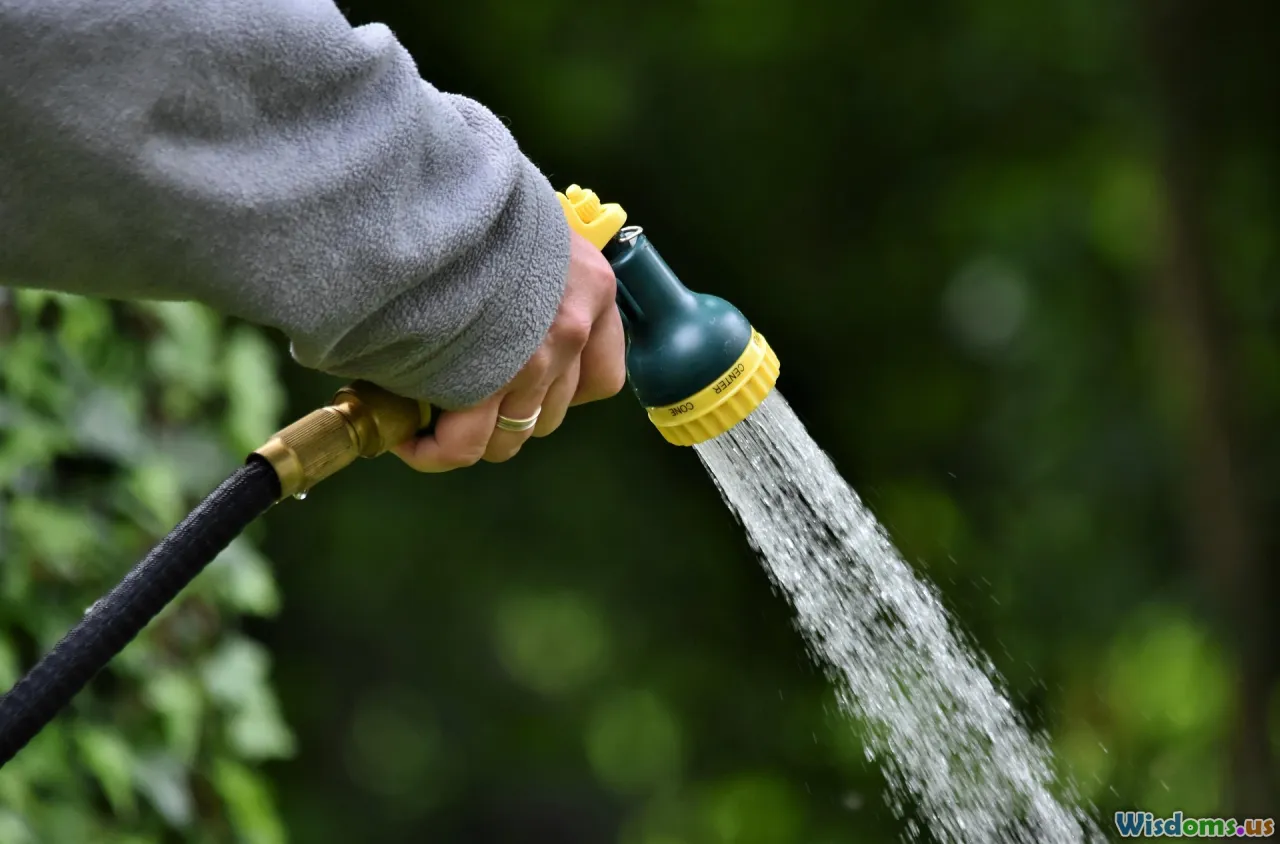
Use tools that reduce friction and protect joints without turning the garden into a gadget lab.
- Ergonomic gear: Ratcheting pruners, lightweight hoses, and kneeling benches protect hands and knees. Child-sized tools foster ownership.
- Watering timers and drip kits: A basic timer plus a few drip lines can turn watering from a daily chore into a weekly check.
- Moisture meters: Simple analog meters help kids learn when soil is actually dry rather than guessing.
- Light meter apps: Check whether a site gets 6–8 hours before you plant tomatoes. If it is less, favor greens and herbs.
- Garden journals and apps: Record plantings, harvests, and notes. Kids can log photo observations and build a timeline.
Tech should serve the ritual. If a gadget insists on notifications, turn them off and rely on your eyes and hands.
Two stories to model your own

The Martin family, suburban backyard, two kids
- Starting point: Both parents work full-time, kids 7 and 10, small backyard with a sunny side yard.
- Design: One 4x8 raised bed, four 5-gallon pots, drip irrigation on a timer. Crops: kale, lettuce, cherry tomato, green onions, basil, strawberries.
- Rituals: 10-minute morning check on school days, Saturday power hour, Sunday harvest-and-cook ritual.
- Outcomes after one season: Kids tried new vegetables without bargaining, the family averaged four garden ingredients per week at dinner, and both parents reported less Sunday evening anxiety. The family also met two neighbors who now share surplus cucumbers, creating a mini produce co-op on their street.
The Alvarez household, fourth-floor apartment, one child
- Starting point: Balcony with strong afternoon sun, no yard, limited time.
- Design: Six containers—three herbs, two salad greens, one cherry tomato—plus a shallow tray for microgreens indoors.
- Rituals: Watering after dinner, microgreen sowing every two weeks. Weekly visit to a nearby community garden meetup.
- Outcomes after one season: The balcony hosted pollinators, their child earned a class presentation topic about plant growth, and salads became a staple. The community garden connection led to weekend outings that replaced an hour of screen time with fresh air and conversation.
Neither family became a homestead. Both turned a small space into a habit that supported health and happiness.
Environmental ripple effects that boomerang back to health
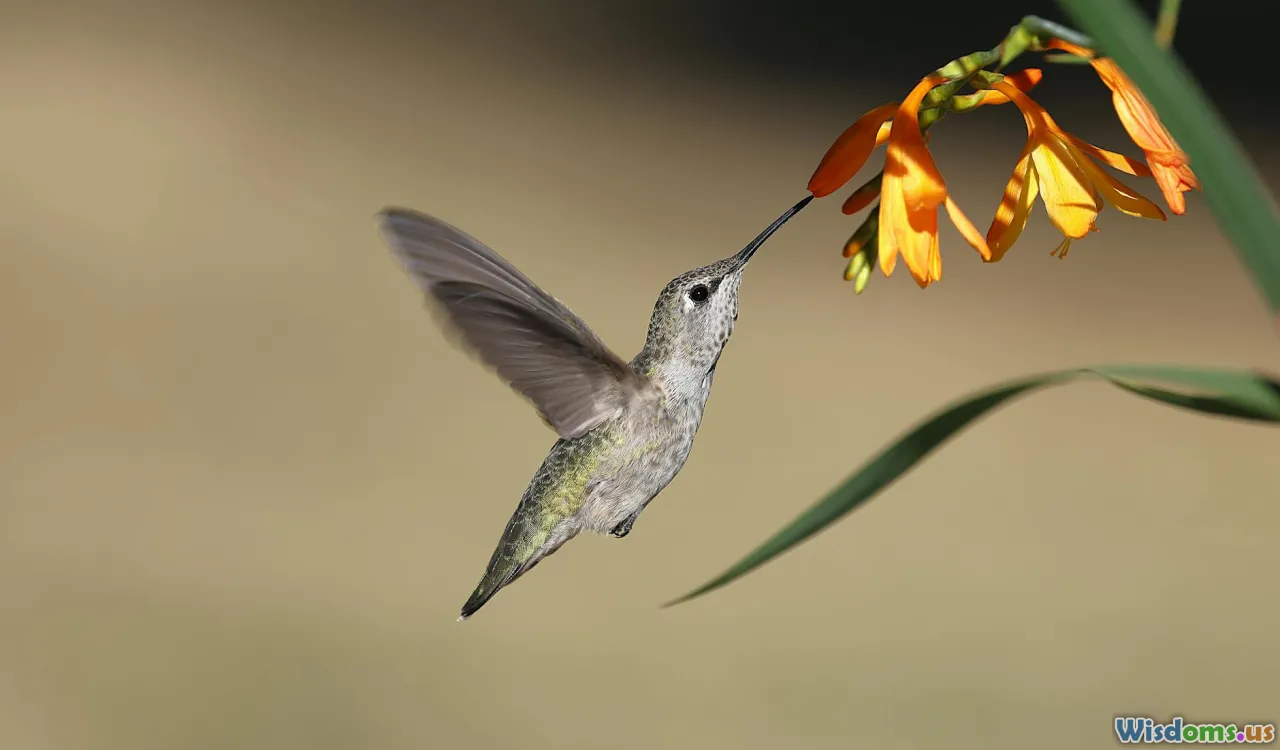
Gardens improve the micro-environment around your home, and that indirectly supports family wellbeing.
- Pollinator habitat: Flower-rich gardens help bees and butterflies. Watching them is a simple joy, and better pollination can improve yields.
- Soil health: Composting returns nutrients to soil, reduces landfill waste, and improves water retention. Healthier soil means plants that resist pests with fewer interventions.
- Heat island relief: Plants and mulches cool immediate surroundings, making summer evenings more comfortable and reducing heat stress during outdoor time.
- Water mindfulness: Using mulch, drip irrigation, and drought-tolerant varieties is a hands-on way to teach conservation.
These ripples build a sense of agency. Family members see that their actions change the environment at a scale they can witness.
A one-page checklist to get started this weekend
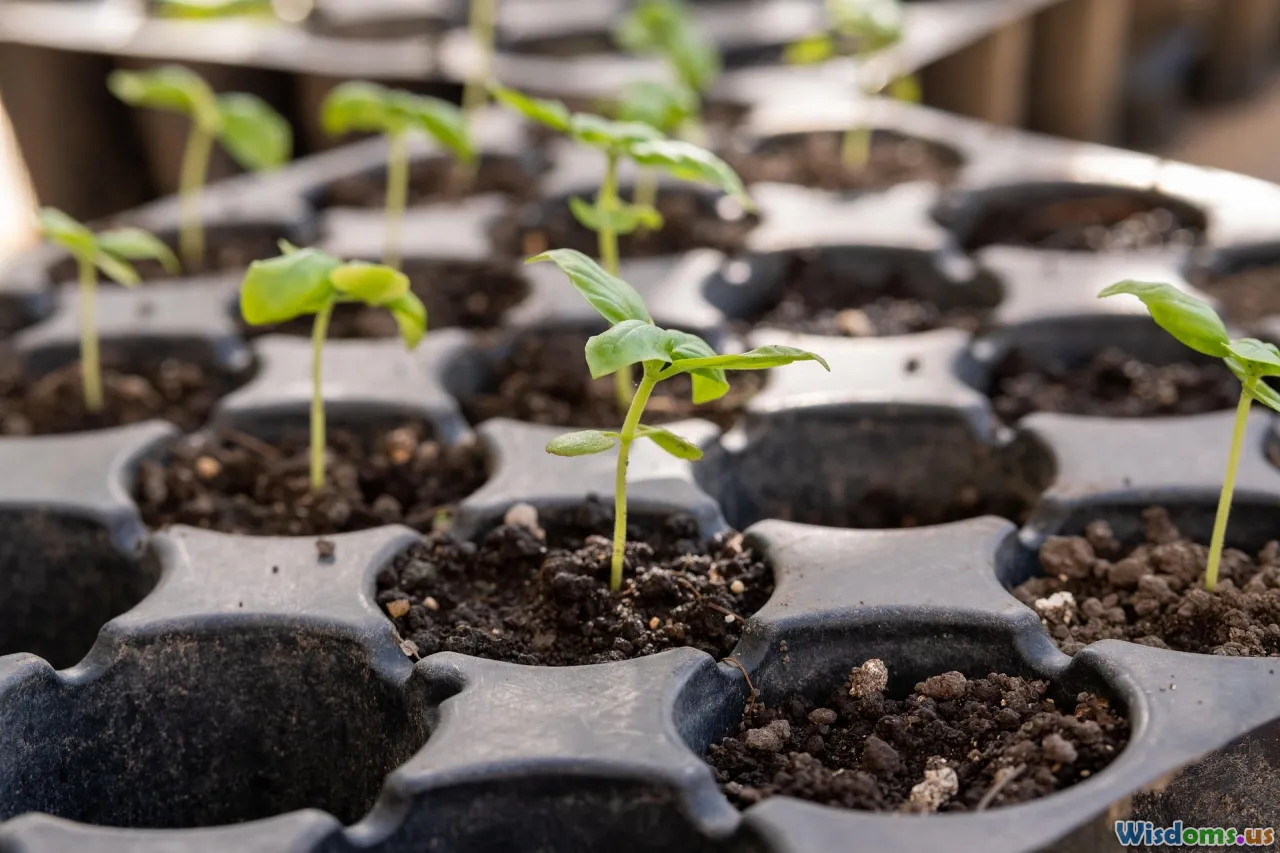
- Pick your space: yard, balcony, or community plot.
- Acquire basics: gloves for all, hand trowel, watering can or hose, potting mix or compost.
- Choose five starter plants: one leafy green, one herb you love, one fruiting plant, one quick win like radishes, and one flower for pollinators.
- Set roles and a 10-minute daily window.
- Mulch as soon as you plant to reduce watering and weeding.
- Start a simple log: what you planted, when you watered, first harvest date.
- Plan a first meal that features your garden: herb omelet, tomato salad, or mint tea.
If this looks too ambitious, cut it in half. The point is traction, not perfection.
When kids lead, magic happens

Children are natural experimenters. Invite them to design a corner of the garden.
- Bean teepee: Three or four poles tied at the top, with pole beans planted at the base. Kids measure growth, snack on beans, and hide inside the living tent.
- Pizza bed: A round bed with wedges of basil, oregano, tomatoes, and peppers. The theme keeps interest high and makes dinner irresistible.
- Insect safari: Plant dill, fennel, and parsley to attract swallowtail caterpillars. Kids watch metamorphosis in real time and learn about life cycles.
- Taste tests: Grow two lettuce varieties and vote on favorites. Encourage descriptive words: buttery, crisp, peppery.
Children who plant feel responsible for living things. Responsibility grows empathy, patience, and pride—traits that spill into schoolwork and friendships.
A gardener’s kitchen: translate harvests into easy meals
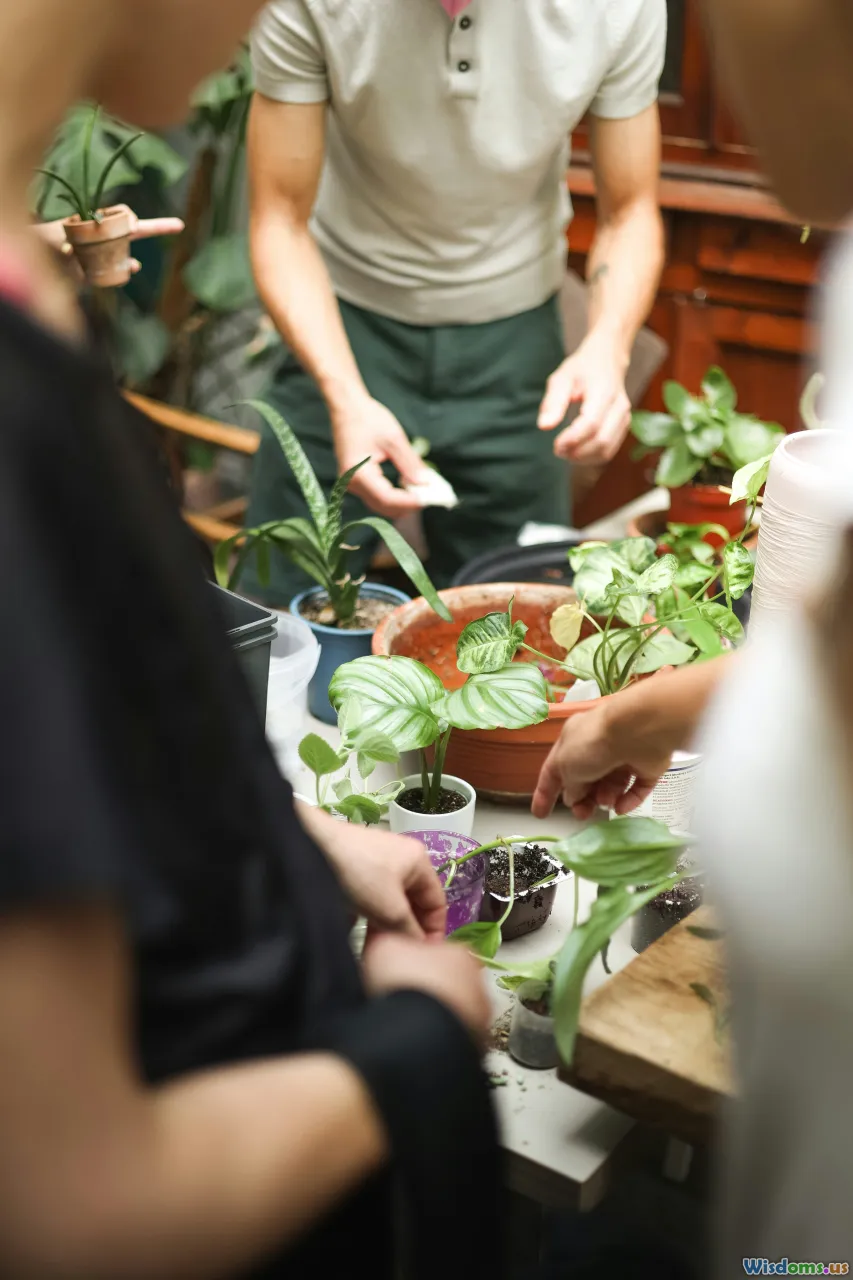
Cooking with garden produce multiplies the benefits.
- Five-minute pesto: Blend basil, parsley, or arugula with olive oil, nuts or seeds, garlic, and lemon. Toss with hot pasta or drizzle on roasted vegetables.
- Herb-loaded omelet: Whisk eggs with chopped parsley, chives, and thyme. Serve with a side of sliced tomatoes.
- Quick pickles: Thinly slice cucumbers or radishes, toss with vinegar, a pinch of salt, and herbs. Ready in 20 minutes.
- Garden tacos: Sauté onions and peppers, add beans, top with shredded lettuce and chopped cilantro.
- Mint and berry yogurt: Stir chopped mint and sliced strawberries into plain yogurt. A low-sugar dessert that feels celebratory.
Invite kids to tear herbs, spin salad, or plate the dish. Ownership in the kitchen cements the garden-to-table loop.
The long view: tiny investments that compound
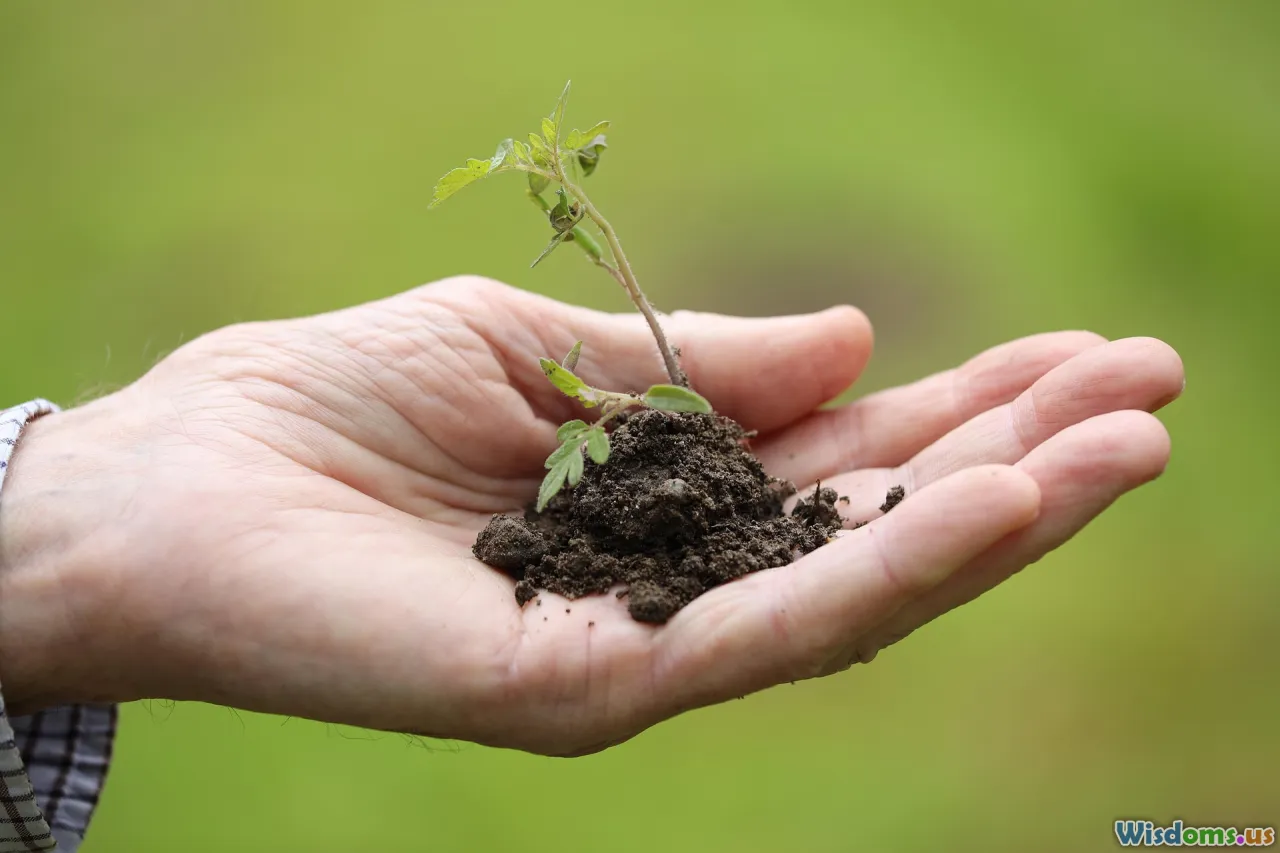
You do not need a big yard, hours of free time, or a perfectly planned layout to tap the immune and happiness benefits of gardening. You need a patch of sun, a handful of plants, and simple rituals that your family will actually do. The science under the soil is a comforting bonus: moderate movement, varied microbes, nutrient-dense food, and lower stress hormones are not fads—they are physiological realities. When layered together and repeated, they can nudge your immune system toward resilience and your mood toward steadier ground.
The garden also offers something rare in modern family life: a place where effort and attention are rewarded in days, not months, and where the reward is tangible and delicious. The smallest successes—a new leaf, a first strawberry, a salad that your child built—are enough to keep momentum. And momentum is the currency of any lasting habit.
So pick a spot, assign roles, and put a few seeds in the ground or pots this week. Make your 10-minute promise and keep it. Months from now, you might look back and notice that the family laughs a little more, colds pass a little faster, and dinner tastes brighter. That is the quiet power of gardening together: an ordinary act that steadily builds immunity and happiness, one small harvest at a time.
Rate the Post
User Reviews
Other posts in Health & Wellness





Popular Posts