Can Educational Apps Replace Tutoring for Family Study Time
15 min read Examines whether educational apps can effectively substitute tutoring during family study time, highlighting pros, cons, and best practices. (0 Reviews)
Can Educational Apps Replace Tutoring for Family Study Time?
The modern family faces a unique balancing act: juggling work, play, and study within limited hours. As more households embrace digital tools, educational apps have become part of the evening routine, promising personalized learning at the tap of a screen. But can these apps genuinely replace the tailored guidance of a tutor during family study time? Let's explore the capabilities and limits of educational technology in this vital context.
Understanding the Appeal: Why Families Turn to Educational Apps

Educational apps boast an array of benefits crafted for today's busy families. Their allure lies in portability, instant feedback, and often, a gamified learning experience that captures kids' attention.
Flexibility When Schedules Collide
In dual-income or multi-child households, calendars seldom align. Unlike traditional tutors who may only be available at set times, apps offer on-demand support: a quick vocabulary quiz at breakfast, a math game before bed, or a science video during an afternoon car trip.
For example, apps like Khan Academy Kids, Duolingo, and ABCmouse let learners of different ages engage simultaneously at their own paces—something even the most dedicated tutor might struggle to offer.
Affordability and Access for All
Tutoring, though highly effective, can be expensive or difficult to access in certain areas. Educational apps eliminate geography as a barrier. A family in a small town or rural corner with a decent internet connection gains access to prestigious content, often free or for a nominal fee. Less affluent families get a shot at enrichment formerly reserved for the privileged.
Personalization at Scale
Sophisticated apps adapt to a learner's needs. If a child struggles with fractions, the app might focus more on that skill. ABCmouse, for example, assesses students frequently and reshapes curriculum accordingly, mimicking one-on-one instruction's adaptability.
What Can an Educational App Really Do?

While educational apps can be dazzling, what's happening under the hood? Can software truly replicate the human nuance of a great tutor?
Reinforcing Core Skills
Apps excel in domains requiring repetition and active recall—phonics drills, times tables, spelling, or language vocabulary. For example, Quizlet's flashcard interface helps students drill facts, while DreamBox provides algorithm-driven math lessons proven to raise standardized test scores, especially for grades K–8.
Gamification for Engagement
Points, badges, and digital adventures transform dull drill into compelling quests. Prodigy Math, for instance, motivates children to solve math problems to progress in an imaginative fantasy world. This dopamine-fueled approach sustains attention far better than nagging or old-fashioned worksheets.
Guided Learning Paths
Many apps curate guided pathways. A child logs in and discovers a tailored daily assignment, similar to what a tutor might prescribe. Parental dashboards, such as those with Khan Academy and Adventure Academy, give families insight into progress and growing areas of mastery.
The Tutor's Advantage: Human Nuance and Active Coaching

Despite advancing algorithms, tutoring offers qualities that technology still struggles to emulate—notably, emotional intelligence and real-time responsiveness.
Reading Between the Lines
Human tutors detect confusion hidden by a child's nods or half-finished answers. They sense boredom or discouragement, responding with humor or supportive encouragement. Such emotional attunement remains absent in apps relying on user taps and multiple-choice selections.
Adaptive Explanation
Ask a real tutor about a tricky math concept and you'll get custom analogies, drawn diagrams, or crafty hints based on years of experience. If the first explanation doesn't work, they'll shift tactics and scaffold learning, whereas apps—no matter how sophisticated—must rely on their programmed logic and content bank.
Fostering Broader Skills and Discipline
Tutoring often extends beyond academics: time management, study skills, and confidence-building are all part of the package. A tutor supports task breakdown, models how to approach research, encourages self-reflection, and helps children develop metacognitive skills. Such personalized mentorship is simply hard-coded out of even the best-designed app routines.
Impact on Family Study Dynamics: Collaboration or Isolation?

The question isn't just technology versus tutoring—it's about family roles. Study time can become a period of shared focus, with parents and siblings collaborating on tasks.
Apps: Independent, Sometimes Isolating Study
Most educational apps are designed for solo learning—a boon for busy households, but sometimes at the cost of interaction. Children might retreat into their screens, missing the social dimension of learning: discussion, debate, and mutual encouragement. Studies by the Pew Research Center have noted how screen time, while beneficial for literacy or numeracy, can displace crucial family dialogue if not carefully monitored.
Tutors as Connectors
Tutors often act as bridges, involving family members in learning. A skilled tutor might draw a parent into a science experiment, or encourage group discussion about a history reading. This collaborative atmosphere underscores learning as a shared journey, not just an individual pursuit.
Blended Approaches: App + Person
Some families harness the strengths of both: assigning app-based skill drills, followed by a real-world discussion or project led by an adult, older sibling, or occasional online tutor. For example, a child might complete reading challenges on Epic!, then select a favorite book to summarize in a family book club. This synergy supports academic mastery and connection.
Case Studies: Real-World Experiences with Educational Apps and Tutoring

1. The App-First Household
The Johnsons, a family in Portland, adopted a wholly digital approach during the pandemic. They relied on platforms like IXL for math and language practice and Tynker for coding challenges. Over two years, both children improved standardized test scores in reading and math. Yet their mother, Emily, noticed challenges with writing assignments and critical thinking tasks. She reflected, "The kids nailed quizzes, but when a question required deeper reasoning, they’d freeze."
2. Hybrid Success Story
In Miami, the Fernandez twins leveraged both an afterschool tutor and Khan Academy Kids. The tutor tackled writing structure, project planning, and organization. Meanwhile, the app served for multiplication review and phonics. The combination not only improved their grades but also lowered homework stress. "Our study time is now balanced, and my children actually enjoy it," noted father Luis Fernandez.
3. Tutoring with App Supplements
The Smiths in rural Nebraska could only budget for one monthly tutoring session. Their third-grader, Jamie, used DreamBox for daily math while the tutor focused on reading comprehension and goal-setting skills. "The apps kept Jamie practicing, but the tutor got him truly excited about stories and books," explained mother Trina, describing a newfound interest in reading outside school.
Evidence from Academic Research: Effectiveness in Practice

How do educational apps match up to tutoring in large-scale studies?
App Effectiveness Across Subjects
- Math: Programs like DreamBox and Prodigy have shown measurable improvements for K–8 students, especially in basic facts and fluency. A 2022 Johns Hopkins University meta-analysis found that elementary students using adaptive math apps for 15–25 minutes daily outperformed peers after a semester.
- Reading: Apps supporting phonics and vocabulary (e.g., Homer, Epic!) often raise early literacy rates, especially when integrated with parent engagement.
- Writing & Critical Thinking: Most app-based programs lag behind here. Studies reveal little progress without human guidance, especially in skills involving structure, argumentation, and nuanced composition.*
- Socio-Emotional Learning: No current app matches a human's role in fostering confidence, cooperation, and study habits. Even apps designed for mindfulness (e.g., Smiling Mind) are supplements, not replacements.
Tutoring’s Edge in Higher-Order Learning
Research consistently shows that face-to-face or high-quality online tutoring fosters better results in open-ended assessments, project-based tasks, and motivation. Even virtual tutors, if they offer back-and-forth conversation and authentic mentorship, outperform static or gamified apps in these domains.
Making Educational Apps Work for Your Family: Best Practices
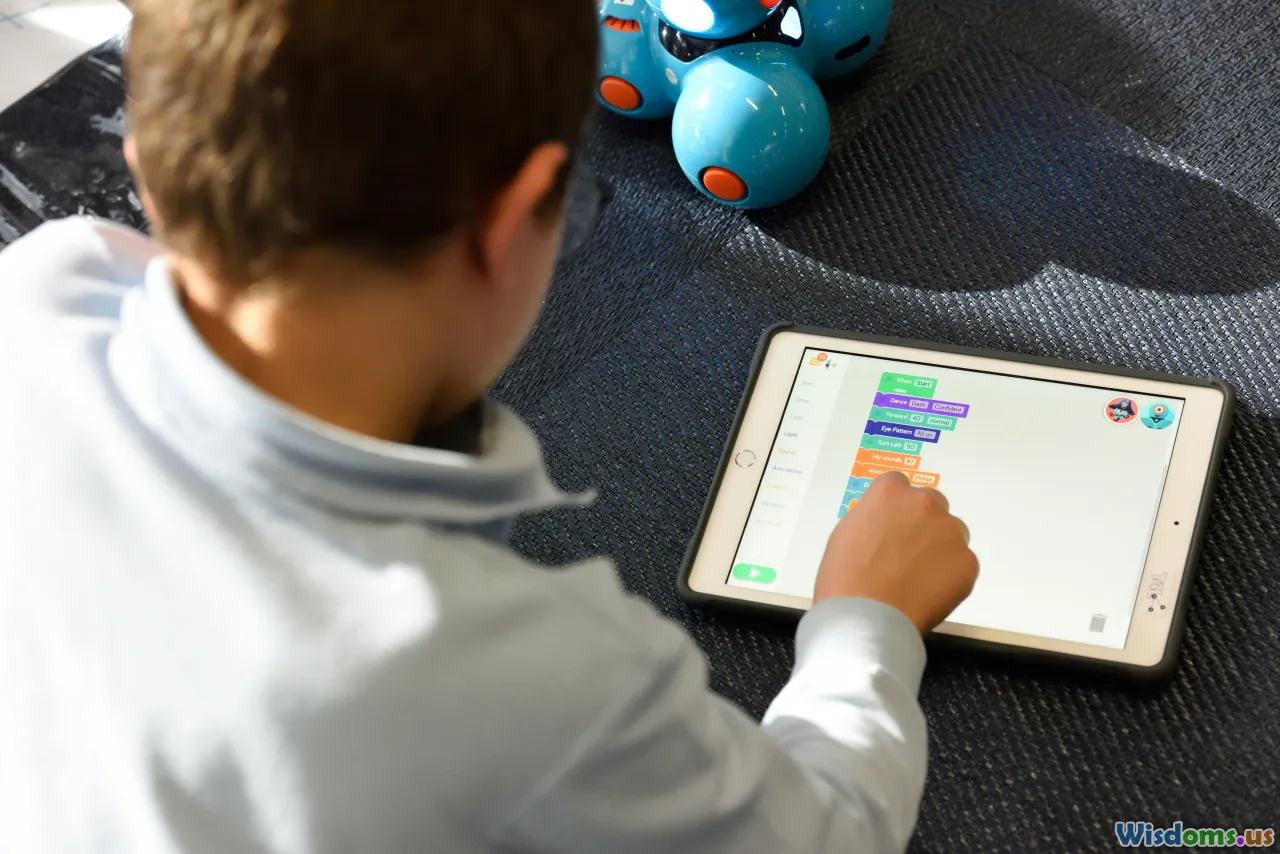
Apps can shine for family study time, but only if used with intention.
1. Set Clear Goals
Decide what each child should focus on: Is it vocabulary building, math problem-solving, or test prep? Shortlist apps that excel in your target area instead of generic "edutainment" games.
2. Schedule Strategically
Balance independent app sessions with analog activities: a spelling bee, family discussion, or practical experiment. Schedule "no device" windows to ensure face-to-face reflection and teamwork.
3. Review Progress Together
Check parental dashboards weekly. Praise milestones achieved and help with tricky sections missed. Use the app’s adaptive feedback as a springboard for conversations.
4. Blend Apps with Human Support
For critical thinking skills, essay development, or motivation, use apps as drills but have an adult or older sibling guide deeper exploration. If possible, budget for occasional tutoring—even bi-weekly virtual sessions—to coach skills that require nuance.
5. Protect Screen Time Quality
Not all apps are created equal. Select those endorsed by educators and avoid apps overloaded with ads or mindless repetition. The American Academy of Pediatrics suggests capping non-school screen time and integrating regular movement, social, and creative breaks.
Navigating the Future: Will Apps Replace Tutoring Completely?

Educational apps are evolving rapidly. Advances in artificial intelligence hint towards more dynamic, semi-human tutoring bots. Companies like Socratic by Google and Photomath provide instant, stepwise solutions to tough homework problems—sometimes incorporating natural language explanations or chat-based guidance.
Still, the leap from mechanical instruction to true mentorship is significant. Enthusiasm for pure digital solutions must be checked against families' broader goals: not only skills and facts, but creativity, cooperation, and independent thought.
In coming years, expect the lines to blur further. Hybrid formats—AI-augmented tutors, collaborative platforms, or family-focused app guides—may redefine what "study time" looks like. Until then, families are best served treating educational apps as dynamic assistants in the learning process, not outright replacements for the support, wisdom, and encouragement of a caring human tutor.
Ultimately, the most enriching family study times will likely blend the best of both: the adaptive magic of software with the irreplaceable inspiration found in real human connection—making success not just a solo journey, but a shared adventure.
Rate the Post
User Reviews










Popular Posts