How Personal Struggles Inspire Celebrities Best Performances
27 min read Explore how adversity fuels celebrities' most powerful performances, with examples, psychology insights, and practical takeaways for creators. (0 Reviews)
Some performances feel less like acting and more like confession—a presence so true that the screen or stage seems to disappear. Often, those unforgettable moments are born from personal battlefields that audiences never fully see: addiction recast as resilience, grief braided into courage, heartbreak sharpened into honesty. When celebrities channel their own struggles into craft, they don’t just entertain; they translate pain into stories the rest of us can carry.
The relationship between adversity and artistry is not a romantic myth. It’s a disciplined practice—equal parts psychology, technique, boundary-setting, and bravery. And while pain is never a prerequisite for great art, many artists have learned to metabolize it safely and purposefully, transforming private wounds into universal language.
Why Struggle Can Supercharge Performance
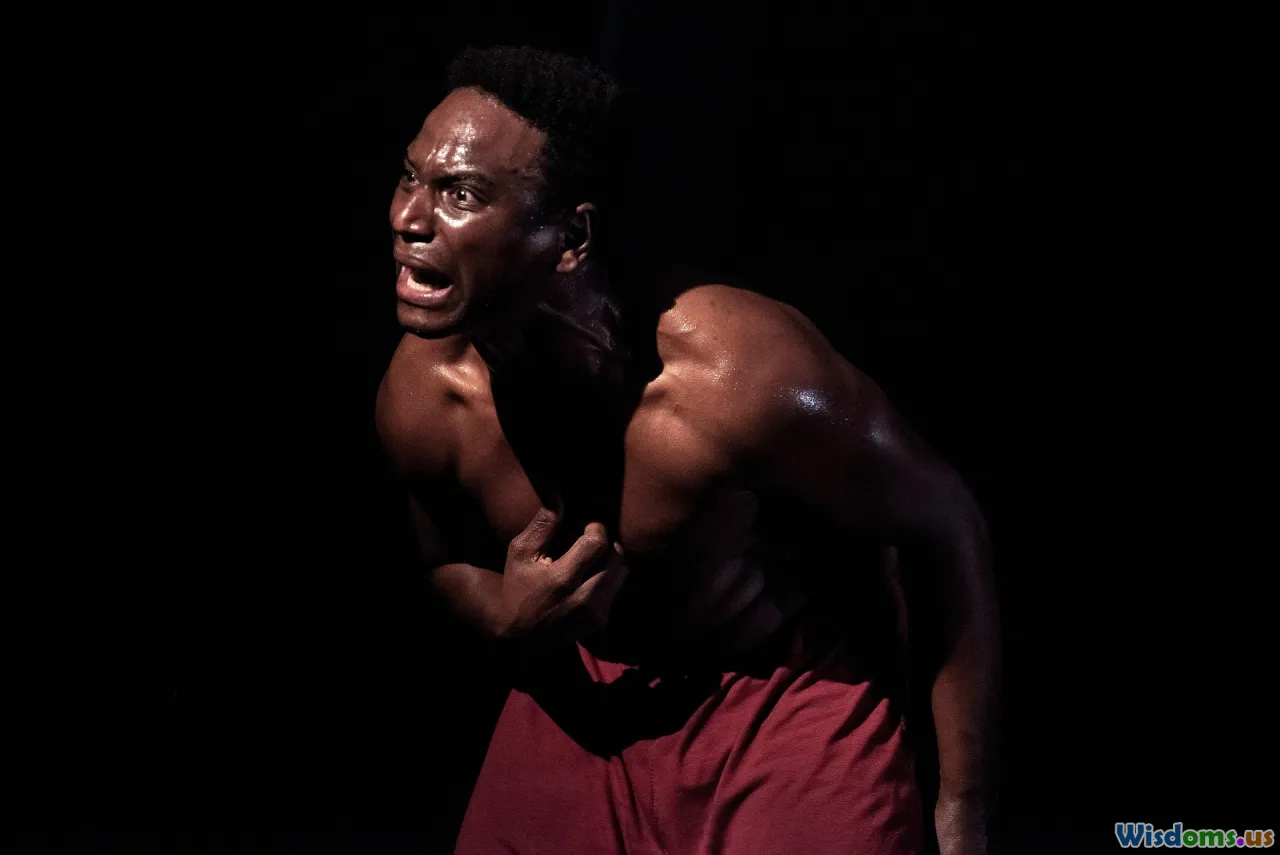
Artists who draw from real hardship often access a level of presence that feels electric, even in quiet scenes. A core reason is emotional specificity. In acting and music, the more vividly an experience is encoded in memory, the more distinct the emotional colors available on cue. Affective neuroscience has long noted that autobiographical memories linked to high emotion can be easier to retrieve and more physiologically activating. For performers, that can translate to micro-expressions, breath patterns, and vocal textures that feel less “performed” and more lived-in.
Technique bridges the gap. Actors trained in methods that explore emotional recall or substitution can carefully summon the temperature of a past experience—without recounting it literally—so the body registers authentic sadness, worry, or release. Singers and musicians do something similar with phrasing: a slight delay before a difficult lyric, an exhale between verses, or a tremor held one beat longer can communicate inner conflict as clearly as any line of dialogue.
Importantly, turning struggle into art is a skill, not simply a matter of suffering. The craft choices that protect an artist—rituals to enter and exit intense states, collaborative boundaries, and grounding techniques—are just as crucial as the emotional well they draw from.
Case Study: Robert Downey Jr.—From Recovery to Reinvention

Robert Downey Jr.’s public battles with addiction in the 1990s and early 2000s were widely chronicled. His comeback as Tony Stark in 2008 did more than relaunch a career; it reframed a character and a genre. Stark wasn’t just quippy and brilliant; he was a man attempting to earn his second chance in real time. The subtext of recovery, responsibility, and relapse is everywhere in the arc from Iron Man through Iron Man 3.
Consider Iron Man 3’s treatment of anxiety and trauma. The panic attacks Stark experiences aren’t cinematic hiccups; they’re narrative fuel. Downey plays them with a mix of denial and razor-sharp self-awareness that feels intimately understood. This resonance likely benefited from his own history of confronting self-sabotage and rebuilding trust, both internally and publicly. The improvisational edge Downey brings—start-stop phrasing, restless physicality, and the crooked grin that betrays fear—gives Stark’s bravado a heartbeat.
Key takeaway: Recovery isn’t just a backstory; it’s a performance engine. In Downey’s hands, the superhero trope opens up to vulnerability, and the films gain a human center that helped anchor an entire cinematic universe.
Music Spotlight: Adele and the Architecture of Heartbreak

Adele’s catalog is a masterclass in distilling personal upheaval into vocal architecture. Her 2011 album “21,” written in the wake of a breakup, became one of the best-selling albums of the 21st century, and she collected six Grammys in a single night in 2012. But the statistics only hint at what’s happening in the performances themselves.
Technically, Adele leverages control to reveal chaos. She uses restrained melisma, not flashy runs, to make emotion land; she often begins a phrase with breathy vulnerability and ends it with chest-voice solidity, tracing a journey from fragility to certainty in a single line. “Someone Like You” is engineered for catharsis: a pulse of piano that leaves generous space for her voice to crack at the edges, the occasional swallowed consonant that suggests a lump in the throat.
On “30,” which folds in themes of divorce, self-examination, and motherhood, the dynamic palette darkens. You can hear it in the held notes that refuse to resolve too quickly and the conversational asides that feel like journal entries. The lesson for performers is instructive: specificity sells emotion. Adele doesn’t sing “sad.” She sings the disbelief, bargaining, and dignity within sadness.
Actionable insight for musicians:
- Map your emotional arc to your vocal arc. Decide where breath is audible, where you widen vowels, where you allow a crack.
- Use arrangement to mirror recovery: strip instrumentation at the lyric’s most exposed point, then let harmony re-enter as acceptance arrives.
When Comedy Meets Pain: Robin Williams and the Weight Behind Laughter

Robin Williams channeled velocity and vulnerability in equal measure. His comedic flights—improvisations so fast they felt gravitationally impossible—often concealed hard-won empathy. Offstage, Williams spoke candidly about addiction and recovery, and onstage and on-screen, he treated wounded characters with fierce tenderness.
In Good Will Hunting (1997), for which he won the Academy Award for Best Supporting Actor, Williams plays therapist Sean Maguire with a grounded presence that seems to absorb other people’s storms. Watch the film’s quiet beats: a gaze held one second longer than comfort allows, a softening of the jaw before a difficult truth. The character’s grief and resilience feel inhabited, not performed, suggesting an actor who knew what it meant to stitch himself back together and keep showing up for others.
For comedians in particular, personal struggle often recalibrates timing. The contrast between levity and gravity becomes a tool: a pause that once set up a punchline can also carry the weight of what’s not being said. Williams turned that contrast into a signature—joy as a bridge to honesty.
Embodying Trauma On Screen: Lady Gaga in A Star Is Born
By the time Lady Gaga stepped into A Star Is Born (2018), she had already been open about trauma and mental health challenges. In the film, she and director Bradley Cooper insisted on live vocals for key sequences, a choice that collapses the usual buffer between take and truth. When Ally first sings on stage, you can watch a private story break into public sound: tight shoulders release, tone warms, and eye contact widens with the crowd. It isn’t only a character becoming a star; it’s an artist using real vulnerability to unlock an on-camera transformation.
Gaga’s acting choices rely on micro-calibration. She often lets silence finish her sentences, allowing breath to carry subtext. Her voice, more raw than on polished studio tracks, reveals edges that studio processing typically sands down. The result is a performance that earned her an Oscar for Best Original Song (“Shallow”) and a nomination for Best Actress, and it showcases how a performer’s lived negotiations with fear and exposure can make a fictional debut feel autobiographical.
Practical tip for performers: If you choose to sing or speak live rather than lip-sync, structure rehearsals to include controlled “first takes.” The slight unpredictability of live delivery can amplify sincerity—but only when paired with preparation that prevents harm to voice and nerves.
Silent Battles, Thundering Roles: Chadwick Boseman’s Final Performances

Chadwick Boseman privately underwent treatment for colon cancer while delivering some of his most indelible work. In Spike Lee’s Da 5 Bloods (2020), he plays “Stormin’ Norman” with a serene gravitas that haunts the film’s memory-scape. In Ma Rainey’s Black Bottom (2020), his Levee is kinetic and combustible—anger and yearning wrapped tight inside a young man convinced he can outrun history.
The knowledge, revealed after his passing, that Boseman was managing illness while filming recasts these performances. You can feel urgency in Levee’s monologues, but also a profound listening—Boseman tracking every note in conversations about dignity and survival. He received numerous posthumous honors and nominations for Ma Rainey’s Black Bottom, reflecting not only the tragedy of his loss but the completeness of his work.
For audiences and performers alike, Boseman’s legacy highlights a subtle truth: struggle doesn’t automatically produce great art. Choice does. He chose scripts that wrestled with identity and mortality and delivered them with discipline and depth.
Resilience Reborn: Brendan Fraser’s Return in The Whale

Brendan Fraser’s trajectory—from 1990s star to years of physical injuries, personal challenges, and professional setbacks—culminated in a late-career renaissance with The Whale (2022), for which he won the Academy Award for Best Actor. As Charlie, a reclusive writing instructor seeking reconciliation, Fraser crafts a performance built on breath and listening. The character’s labored respiration sets tempo for the entire film; sentences arrive like small victories.
Fraser brings compassion without sentimentality. He finds dignity in limited movement, channels apology into glance and posture, and lets self-loathing leak in only to be met by stubborn hope. It’s a portrayal that suggests an artist who understands alienation and the long road back to self-respect—an understanding that deepens rather than distorts the narrative.
Applied lesson: When your personal history echoes a role, pare back. Resist over-explanation. Trust stillness and the music of breath to carry stakes.
Beyond Pop: Kendrick Lamar and the Cartography of Inner Conflict

Kendrick Lamar’s albums map trauma, faith, family, and systemic pressure with documentary precision. “DAMN.” earned the 2018 Pulitzer Prize for Music—the first for a non-classical, non-jazz album—recognizing his fusion of autobiography and social commentary. Live, he frames that interiority with spare staging and needlepoint timing; a slight rhythmic drag on a bar or a clipped consonant turns into an x-ray of ambivalence.
Kendrick’s performances teach a transferable principle: narrate your contradictions. Rather than presenting polished resolution, he lets opposing impulses coexist—confidence and doubt, rage and reflection—so listeners encounter a mind at work, not a thesis. For creatives, the invitation is clear: complexity is more engaging than certainty when handled with craft.
The Ethical and Practical How-To of Using Pain in Art

Harnessing personal struggle doesn’t mean re-injuring yourself on schedule. It means synthesizing experience into choices that are artistically potent and psychologically safe. Try this practical framework:
- Define your boundary. Write down what you will not use on stage or set (e.g., specific traumatic details, names, or triggers). Share it with a trusted collaborator if relevant.
- Choose a theme, not a wound. Instead of “I’ll relive my breakup,” try “I’ll explore fear of abandonment,” which is broader and easier to regulate.
- Build a proxy. Create a sensory anchor that suggests the emotion without reproducing the source: a certain playlist, a scent, a piece of clothing, a line of poetry.
- Rehearse the exit. Design a de-roling routine—stretching, a shower, journaling, a short walk, or a phone call—so your nervous system gets a consistent “we’re done” signal.
- Enlist support. Work with coaches, therapists, or dialect/vocal professionals who can spot overuse and help you calibrate.
A safe process doesn’t dull art; it sharpens it by making the energy repeatable.
Method vs. Technique: A Comparison

There’s persistent mythology that only “method acting” can bottle lightning from real life. In truth, multiple schools teach reliable ways to access truth without harm.
- Method acting and affective memory: Some strands encourage recalling personal experiences to kindle real emotion. Pros: can produce visceral immediacy. Cons: risks emotional flooding or blurring of self/role if not carefully bounded.
- Meisner technique: Trains attention on the other actor and moment-to-moment truth. Pros: reduces self-obsession; spontaneity feels authentic. Cons: requires strong scene partners and concentration to keep discovery fresh.
- Adler/Stella Adler lineage: Emphasizes imagination and circumstances over mining your own history. Pros: protective; expands range beyond personal biography. Cons: may feel less “hot” emotionally without robust imaginative training.
- Chekhov technique: Uses physical gesture and imagery to evoke internal states. Pros: concrete, repeatable; supports de-roling. Cons: can read as stylized if not integrated.
Smart performers blend approaches. They might borrow an autobiographical tone color for a key beat, then return to imaginative work that preserves distance. The question isn’t which method is “real” acting; it’s which method lets you be truthful, safe, and consistent.
Turning Scars into Skills: A Step-by-Step Micro-Process

For actors, singers, and comedians looking to responsibly refine struggle into performance, here’s a practical, 30–60 minute micro-process you can repeat in rehearsal:
- Name the emotional verb.
- What are you doing to the audience or partner in this moment? Comforting? Provoking? Pleading? Choose one.
- Pick a proxy from your life.
- Select a memory or sensation that suggests the verb without detailing trauma. If “pleading,” recall a time you needed help urgently but safely (e.g., convincing a friend to wait for you).
- Create a sensory cue.
- Music, a scent, or a small physical gesture (e.g., pressing thumb to forefinger) that you’ll use to summon the state. Practice triggering it, then releasing it.
- Score the scene or song.
- Mark where the proxy helps and where imagination should take over. Not every beat needs personal fuel; too much can blur nuance.
- Perform a constrained run.
- Limit intensity to 70%. Focus on breath, diction, and listening while holding the emotional verb. Record it.
- Debrief and de-role.
- Journal two minutes: What felt true? What felt forced? Then perform a physical reset (shake out limbs, sip water, change wardrobe piece) to send a clear end-signal.
- Iterate with feedback.
- Adjust where the proxy enters/exits. If you notice lingering distress, shrink the proxy or swap it for a purely imaginative substitution.
This cycle builds stamina and keeps your nervous system from associating performance with danger.
Pitfalls and Safeguards: What Fans and Media Should Remember

- Don’t romanticize suffering. Great art can spring from joy, discipline, and curiosity. Pain is neither necessary nor inherently ennobling.
- Respect privacy. Many artists, like Chadwick Boseman, choose to keep health matters confidential. That boundary protects dignity and craft.
- Separate role from person. A raw performance doesn’t obligate confession or tabloid inquiry.
- Value safety professionals. Intimacy coordinators, on-set mental-health resources, and trauma-informed coaches exist to help artists do daring work without collateral damage.
- Reward complexity. When audiences praise nuanced, layered portrayals instead of only the most “extreme” ones, they reshape incentives toward healthier processes.
Behind the Scenes: Rituals, Teams, and Tools Celebrities Use
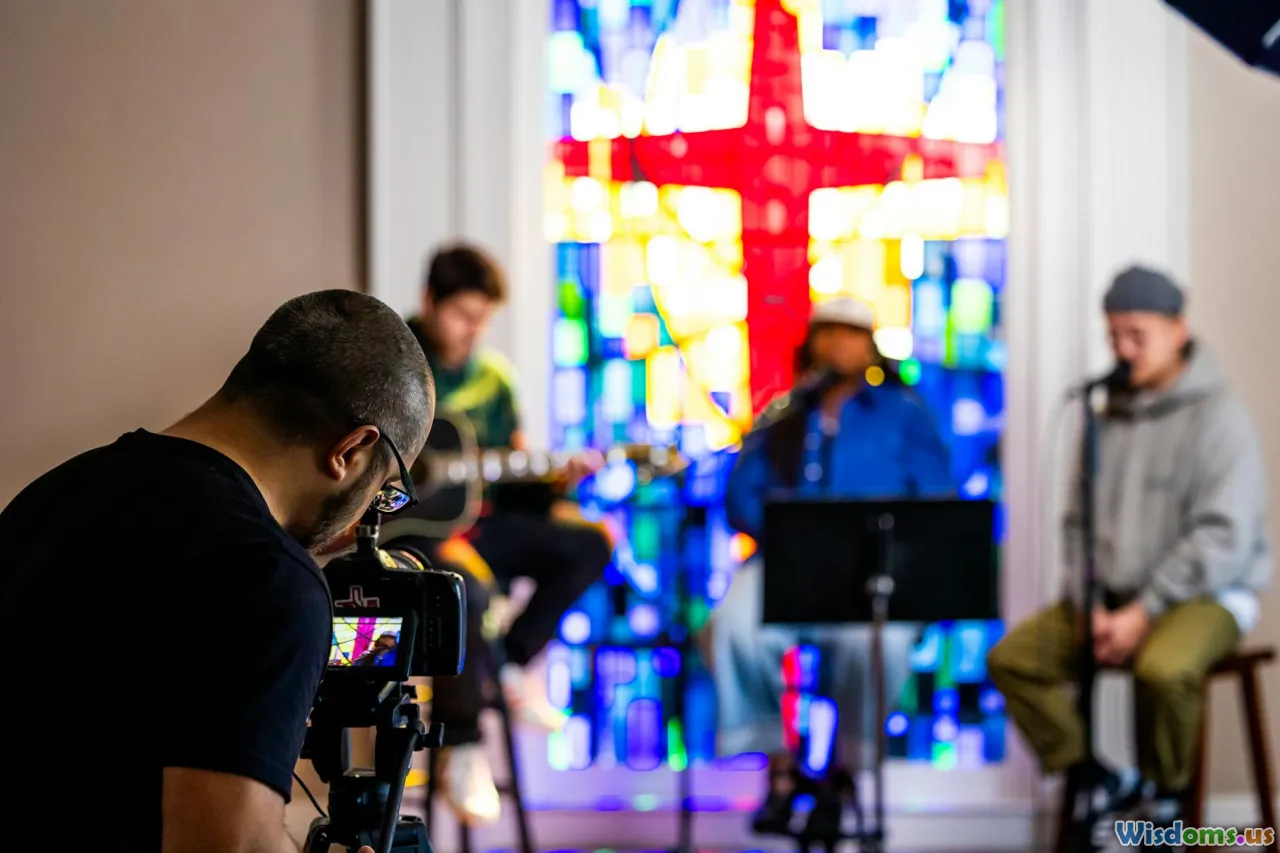
What looks like solitary brilliance is usually carefully scaffolded.
- Rituals: Many performers bookend intense work with repeatable cues—warming tea, breath ladders (inhale four counts, exhale six), or brief meditations to downshift cortisol. Dancers and singers track heart-rate variability or use gentle vocalizations to ensure they’re not carrying tension across takes.
- Coaches: Dialect coaches, movement specialists, and acting teachers help translate life into technique. For instance, turning grief into a specific posture (collapsed sternum, guarded shoulders) might be a choice in rehearsal but gradually softened on camera so it reads as human rather than schematic.
- Intimacy coordination: Since the late 2010s, intimacy coordinators have become standard on many sets, ensuring boundaries and consent in scenes that can trigger personal histories. The structure frees actors to explore vulnerability with clarity.
- Health allies: Artists increasingly integrate therapists, nutritionists, and physical therapists into their teams, recognizing that emotional strain often expresses in the body. Preventing injury and burnout preserves the ability to perform truthfully over time.
These supports don’t sanitize art; they enable risk without wreckage.
Additional Spotlights: Selena Gomez and the Discipline of Disclosure
Selena Gomez’s documentary “My Mind & Me” (2022) opened a window into years lived with lupus and mental-health challenges. In music like “Lose You to Love Me,” she threads self-compassion through restrained vocal lines and uncluttered production: a plainspoken piano progression, a melody that resists vocal gymnastics, and lyrics that prioritize clarity over metaphor. The restraint reads as maturity, not minimalism.
Gomez’s approach suggests that disclosure is a craft decision, not a marketing one. She calibrates what to share in song, what to explore on camera, and what to hold back for her own life, modeling a boundary-savvy public voice. For creatives, that’s a vital template: let your work speak first; let your disclosures support the work, not replace it.
How Audiences Can Spot the Craft in a “Personal” Performance

Next time a performance is praised as “raw” or “brave,” look for these telltale signs that craft—not chaos—is in charge:
- Breath as punctuation: Are inhales placed intentionally before certain emotional beats?
- Micro-contradictions: Does a smile land with wet eyes, or a confident line ride on a wobbly exhale? Mixed signals often mean deep character work.
- Controlled imperfection: A purposeful voice crack or stumble that enhances meaning rather than derails it.
- Listening: Watch the non-speaker in a scene. Authenticity lives in reactions as much as speeches.
- Repeatability: Interviews describing rituals and processes—rather than “I just went there”—usually indicate sustainable methods.
Recognizing technique honors the labor behind the magic and dispels the myth that great art requires self-destruction.
Bringing It Home: Using Your Own Story Without Getting Lost in It

You don’t need a global platform to turn hardship into meaningful performance. Whether you’re prepping a community theater role, an open-mic set, or a demo track, the same principles apply:
- Start with respect for your limits. If a topic still spikes your heart rate or disturbs your sleep, it likely isn’t ready for stage time. Park it; choose adjacent themes you can handle.
- Craft the container. Decide in advance how long you’ll rehearse the intense section, who you’ll debrief with, and what reset ritual ends the session.
- Build the metaphor. Art becomes universal when it’s specific and symbol-rich. Instead of narrating the exact event, find images and gestures that carry feeling.
- Edit toward clarity. Keep only the choices that advance your intended verb or arc. Cut anything that is cathartic for you but confusing for the audience.
- Celebrate growth, not glamour. The goal is a meaningful, sustainable practice—not the mythology of torment.
When celebrities deliver their best work out of personal struggle, they remind us that pain is not a performance, but a resource that, with humility and discipline, can be transformed. The brilliance we witness—Downey’s wry resilience, Adele’s unflinching tone, Williams’s compassionate stillness, Gaga’s trembling ascent, Boseman’s charged serenity, Fraser’s gentle gravity, Kendrick’s layered candor—emerges from choices honed in rehearsal, supported by teams, and bounded by care.
Art that lasts doesn’t simply expose wounds; it stitches experiences into forms others can touch. In that stitching—the deliberate turning of private battles into shared light—audiences find both recognition and relief, and performers find a way to honor their history without being consumed by it.
Resilience Creative Process Entertainment Behind the Scenes Movies & TV Celebrity Interviews & Profiles Celebrity Culture Case Studies Film & TV Creativity & Psychology celebrity performances personal adversity method acting authenticity in art mental health in entertainment acting technique music storytelling award-winning roles
Rate the Post
User Reviews
Other posts in Behind the Scenes





Popular Posts