The Secret to Ozark’s Gritty Storytelling Success Revealed
27 min read A strategic breakdown of how Ozark’s stripped-down scripts, bleak visuals, and moral ambiguity create addictive tension, with concrete lessons creators can use to craft high-stakes, character-driven stories. (0 Reviews)
The first image many viewers remember of Ozark isn’t a character at all—it’s a feeling: cool air off a slate-water lake, cicadas droning, a sky that never quite turns daylight. That chill isn’t just a mood; it’s the show’s storytelling engine. Across four seasons, creators Bill Dubuque and Mark Williams and showrunner Chris Mundy constructed a thriller that swaps fireworks for pressure, quips for quiet calculation, and hero worship for the cost of survival. The secret to Ozark’s gritty storytelling success isn’t a single flourish; it’s a network of craft choices—visual, structural, and ethical—working with ruthless consistency.
The Engine Beneath the Blue: What “Grit” Means in Ozark

Grit in Ozark isn’t about blood spatter or body counts. It’s about inevitability. The show’s defining trait is a sustained feeling that consequences are always accruing, even when characters sit perfectly still. Jason Bateman’s Marty Byrde and Laura Linney’s Wendy Byrde don’t descend into crime across a series of spectacular turns; they operate inside a logic trap where every solution seeds the next emergency.
Three craft pillars support that trap:
- Moral math: Every choice carries compound interest. Favors invite debts, lies require maintenance, and violence tears a thread that can’t be re-woven. The show’s grit comes from honoring that math without mercy.
- Tactile realism: From cash-heavy businesses to county politics, Ozark grounds tension in ordinary systems. The dirt under the fingernails is real: bait shops, tax offices, church fundraisers, zoning boards.
- Understatement: The series resists sermonizing or grand speeches. It lets the room—light, framing, silence—do equal work to the dialogue. That restraint gives small gestures outsized gravity.
For writers, grit becomes achievable when incident density drops and consequence density rises. Replace three explosive set pieces with two well-chosen decisions whose ripples appear again and again.
Geography as an Antagonist

The Ozarks aren’t a backdrop; they’re a lever. The show traps characters between watery expanses and wooded isolation, exploiting the way a lake town operates on tourism, cash, and gossip. Even though Ozark filmed primarily in Georgia (lakes Allatoona and Lanier doubling for Missouri’s Lake of the Ozarks), it captures the region’s paradox: sleepy and exposed at once. This is strategic storytelling.
- Isolation without anonymity: A dock offers no alleys to vanish into, and a marina clerk knows every boat and bill. When Ruth Langmore hustles or when the Byrdes pivot businesses, there’s always a neighbor peering across the water.
- Nature as clock: The show often lets fog, dusk, and storms set deadlines more effectively than dialogue. A deal must close before the weekend crowd arrives. A drop happens after sundown when the cove goes quiet.
- Community ecology: The Snells’ poppy fields, a floating church sermon, a bait-and-lodge economy—these overlapping ecosystems create narrative friction. Moving one piece (say, shutting down a preacher’s river service) upsets livelihoods, not just plot beats.
How-to tip: Before you outline a crime plot, outline the physical and social maps. Label who controls access (to docks, money, pulpits, permits), and then force characters to negotiate with those gatekeepers.
The Math of Consequences: A Story Structure That Bleeds

Ozark’s seasons function like double-entry ledgers. A placement in one column (trust earned with a cartel) demands a balancing entry in another (law enforcement scrutiny, a rival’s retaliation, a family fracture). The show rarely resets to zero after a tense episode; it compounds.
- Placement, layering, integration—drama edition: Laundering terms become narrative principles. The Byrdes “place” an action in the world (buy a business, make a pledge), then “layer” it by masking its intent (charity fronts, shell companies, a foundation), and attempt “integration” where the illicit blends into the community (jobs created, donors thanked, officials courted). At each phase, exposure risk changes.
- The payment schedule: A major victory in Ozark demands down payments immediately. When the Byrdes secure a political or business win, someone else’s ledger suddenly shows a deficit—Ruth’s cousins, a rival dealer, an FBI agent’s caseload. That person will come to collect.
- The pressure multiplier: Time is always shrinking. Patrol shifts end, storms roll in, delivery windows close. The series treats the calendar like a vice: statewide primaries, tourist high seasons, fiscal year deadlines.
Try this exercise: For your protagonist’s next “win,” list three stakeholders who inherit new problems because of it. Then build at least one of those problems into your next episode’s spine.
Antiheroes Without Alibis: Character Design for Pressure
Ozark resists a common antihero trick: the moral alibi. Instead of giving Marty a noble motive that washes his schemes (say, a single selfless crusade), the show lets decency and desperation wrestle in real time. He’s competent, often calm, but never absolved. Wendy, initially the political strategist behind the scenes, evolves into a force whose clarity is both powerful and chilling.
What keeps them compelling is constraint:
- Profession as trap: A financial advisor knows how to fix balance sheets, not broken loyalties. The very skills that power Marty’s survival—optimizing flows, reducing volatility—are terrible for parenting and friendship.
- Visibility as danger: Wendy’s talent for coalition-building is useful until everyone can trace the coalition back to her. When she launches initiatives, the doorbell never stops ringing.
- No clean exits: The show bars any safe confession. Law enforcement isn’t a church; it’s another bargaining table.
For writers, design antiheroes whose best traits are also their worst options under pressure. Then, force them to use those traits anyway.
Ruth and Wendy: Two Paths Through the Same Fire

Ozark’s grit sharpens in the counterpoint between Ruth Langmore (Julia Garner) and Wendy Byrde (Laura Linney). Both are strategic, ferociously resilient, and allergic to self-pity; their differences expose the show’s moral x-ray.
- Source of leverage: Ruth’s leverage comes from competence she’s earned in view of those who doubted her—managing crews, reading scams, fixing operational leaks. Wendy’s leverage evolves from institutions—political connections, donors, law firms, clinics. One fights from the shop floor; the other builds a boardroom.
- Vocabulary of power: Ruth speaks in precise, often profanity-laced terms that slice through euphemism. Wendy uses language like a rally—framing, agenda-setting, “what’s best for the family.” Both are tactical, but their rhetoric signals who they must convince at any given moment.
- Cost accounting: The show honors costs: Ruth pays in grief and isolation; Wendy pays in the erosion of boundaries she once claimed as lines. The writing never congratulates either for their sacrifices; it counts them.
Practical takeaway: When sketching parallel characters, give them identical problems and opposing solutions. Let each succeed in the other’s blind spot, then force a choice that only one can survive without shattering.
The Criminal Economy Actually Adds Up
Ozark’s crimes are not abstract. They’re spreadsheets, shift schedules, and zoning permits disguised as drama. That realism makes tension feel earned.
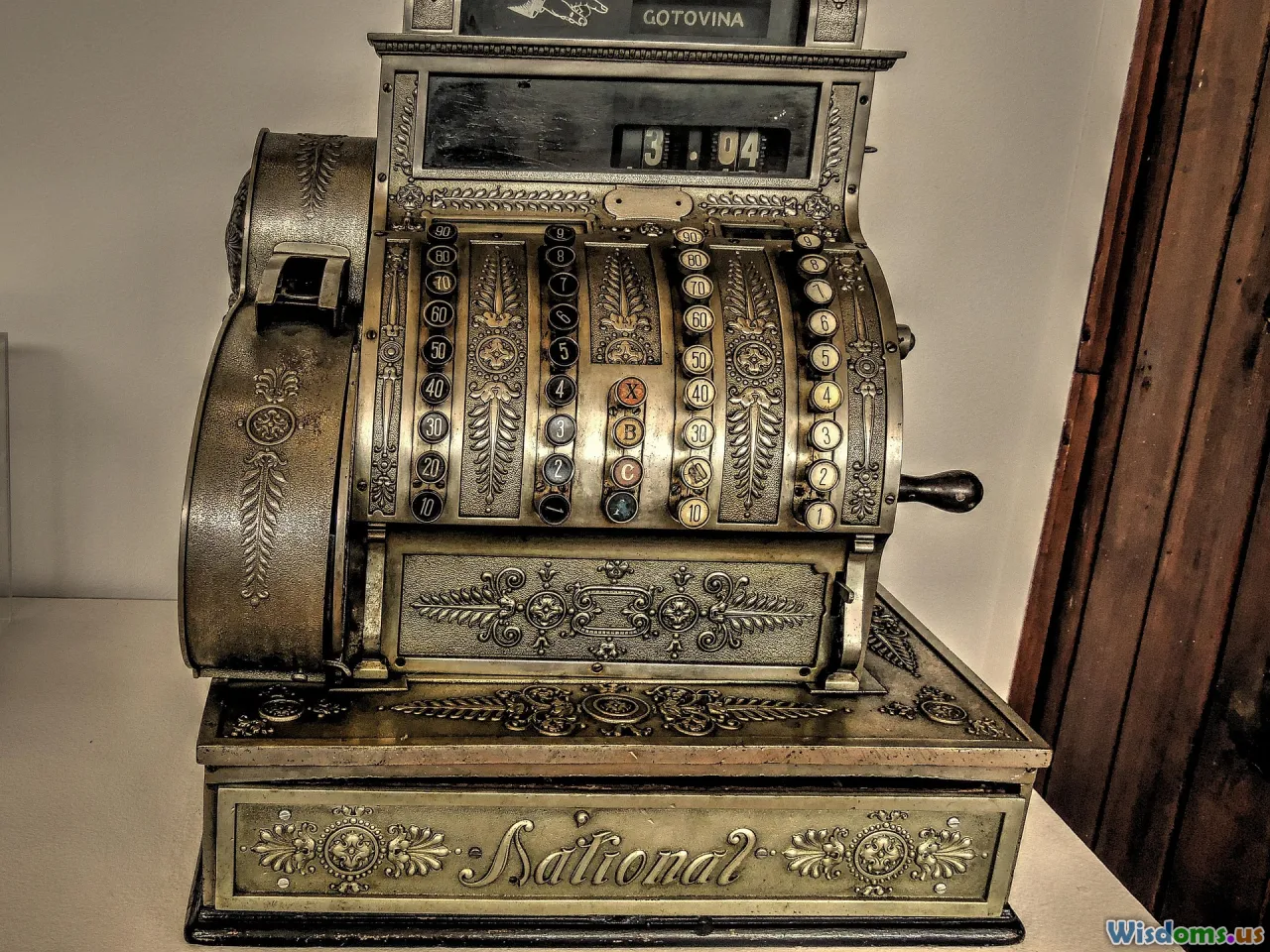
- Cash-intensive fronts: Marinas, motels, strip clubs, and small restaurants appear throughout because they generate plausible cash throughput. Viewers see tills, tip jars, and room bookings—not just glossy montages—and intuit why laundering might work there.
- Three-step laundering logic: The show sticks to a disciplined outline—place dirty cash into a legitimate venue; layer it through transfers, vendors, or charitable vehicles; integrate it back as clean revenue or investment. Even when it shortcuts for pacing, it nods to the necessary frictions: bookkeeping, surveillance risk, and human error.
- Community partnerships: The Byrdes often need locals with permits or reputations to front a venture. That means stakes aren’t limited to law versus cartel; it’s also neighbor versus neighbor, donor versus pastor, contractor versus inspector.
Tip for writers: Treat crime as operations management. Build the bottlenecks—supply limits, staffing gaps, seasonality—and let conflict emerge from trying to patch those with lies.
Visual Grammar of Dread
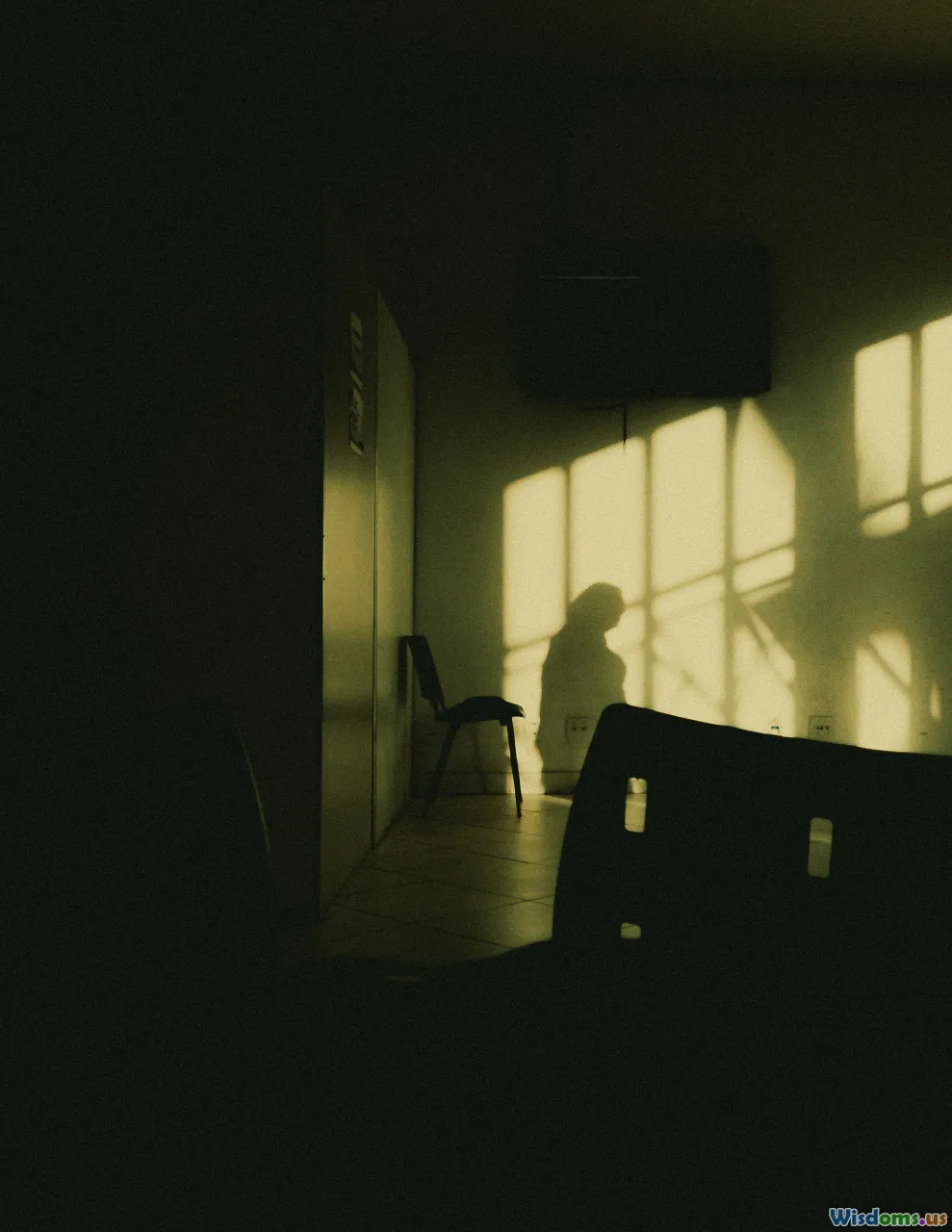
Ozark’s look is not just teal for teal’s sake. It’s a system. Cinematographers including Ben Kutchins and Armando Salas lean on underexposure, practicals (lamps, signage), and cool grades to compress emotional space. The palette tells us this world withholds warmth.
Key choices worth stealing ethically for your own projects:
- Negative space as forecast: Characters framed small against water or windows telegraph vulnerability. You feel the cold air around them—room for consequences to walk in.
- Occlusion: Foreground objects—door frames, boat rigging, venetian blinds—slice the image. That grid echoes entrapment.
- Horizon discipline: Shots often keep the lake’s horizon low, inviting the sky’s heaviness into the frame. It reads as pressure.
- Clothing and light: Marty’s blues and grays blend into the grade; Wendy’s professional wardrobe often gleams against the cool, asserting presence; Ruth’s Carhartt neutrals root her to labor. Costume folds into the mood machine.
Practical exercise: Storyboard a dialogue scene where no one raises their voice. Use framing alone to shift power from one character to another in three beats.
Sound That Tightens the Chest

If Ozark’s images whisper dread, its sound mixes breathe it. The score—minimalist drones, pulses, and sparse textures—rarely tells you what to feel. Instead, it tightens the room like a tourniquet. Even more potent is what you don’t hear.
- Cicadas and current: Natural ambiences are not filler; they’re tempo. A louder insect chorus can feel like a countdown; lapping water suggests secrets carrying across the cove.
- Needle drops with rules: When popular music appears, it tends to underline place (a bar, a boat party) rather than act as a morality cue. That restraint prevents tonal whiplash.
- Silence as weapon: Negotiations often include beats you could drive a truck through. Those beats are decisions made visible. You hear the compromise harden.
Advice: Score against the grain. If the plot is screaming, let the sound whisper. And remember that every location has a native sound you can turn up or down to control pulse.
The Four Symbols Inside the O: Micro-Foreshadowing

Ozark’s cold opens land with a visual signature: the “O” of Ozark framed by four pictograms that hint at the episode’s contents. Cleverly, those icons also align to form the letters Z, A, R, K. It’s a formal flourish that doubles as promise and puzzle.
- Narrative usefulness: Each icon primes the audience to scan for visual rhymes—a lure, a cross, a handgun, a bird. When the symbol reappears later, it reads as fate fulfilled, not a cheap surprise.
- Tonal consistency: The drawings are bleak, simple, and sharp-edged, like the show. Even the foreshadowing avoids melodrama.
- Viewer engagement: The icons activate a detective mode before dialogue starts, making the viewer complicit in connecting dots.
Steal this idea: Design a repeatable, minimal title-card ritual that encodes thematic or plot hints. Keep it spare to preserve rewatch value.
Cliffhangers You Don’t See Coming (But Should)

Ozark’s endings feel shocking but retrospectively fair. That’s the holy grail of cliffhangers: surprise growing organically from character and circumstance.
- Plant the off-ramp early: The show quietly installs future exits—an old grudge, a loose firearm, a permit delayed. The twist isn’t “out of nowhere”; it’s a line the episode drew, now suddenly bolded.
- Pay in the next scene, not the next season: Many mini-cliffs resolve in the first two minutes of the next episode. That trains the audience to trust the writers. Trust buys you patience for slow-burn moves later.
- Mix cliff sizes: Ozark alternates between personal cliffs (a relationship ultimatum) and operational cliffs (a shipment rerouted). That mosaic keeps adrenaline from blunting.
Actionable method: End your act on a choice, not an event. “The gun goes off” is noise; “She decides to bring the gun to dinner” is story.
Dialogue That Cuts, Not Explains
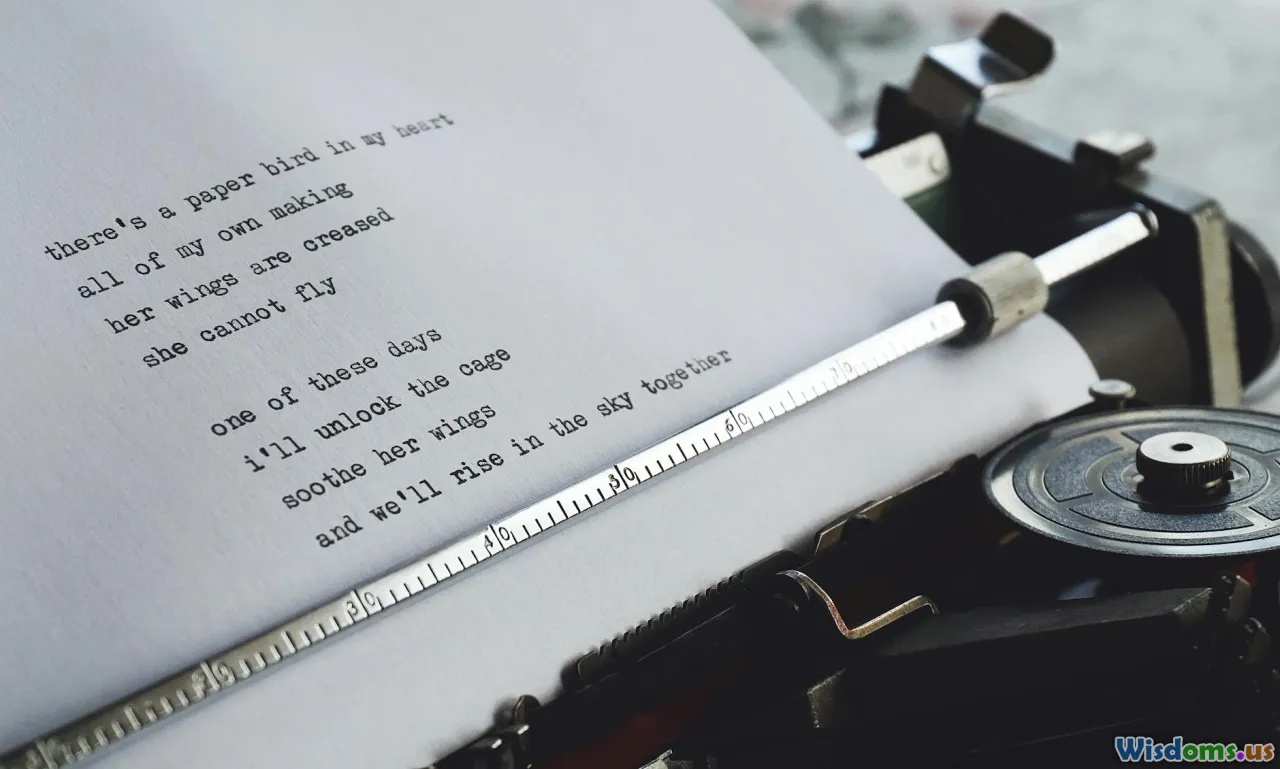
In Ozark, the sharpest lines often do two jobs at once: move the plot and reveal how a character imagines power. There’s little exposition-by-speech; the lake, the office, and the ledger carry that weight.
Characteristics you can emulate:
- Concrete nouns, active verbs: Characters talk about docks, permits, shifts, votes, shipments. Abstractions (“respect,” “destiny”) are suspect unless weaponized.
- Withheld subjects: People avoid naming what they fear. A character says, “We’re short three” before clarifying “staffers” or “thousand,” forcing the other person—and the audience—to lean in.
- Asymmetric politeness: Civility becomes a blade. Wendy can package a threat as community uplift. Ruth can package loyalty as terms of service.
Exercise: Rewrite a monologue from your draft into five clipped exchanges. Keep subtext intact. Replace two metaphors with one physical object shared in the scene.
Grounding Stakes in Community, Not Just Cartels

Ozark refuses to treat “the cartel” as the only weather system. Sheriff’s offices, county boards, small business owners, preachers, and contractors all have their own storm fronts. That density of normal stakeholders creates grit because every illegal fix drags a legal process behind it.
- Public optics: Announcing a foundation or clinic forces the Byrdes into school board meetings, ribbon cuttings, and donor vetting. Success now demands smiling for cameras as much as dodging surveillance.
- Moral triangulation: When a pastor, a teacher, or a motel manager suffers, the audience sees the damage in familiar terms—missed rent, a closed playground, a funeral they can’t afford. Crime no longer floats above life; it sits at your table.
- Law as character: Agents and detectives are not moral referees; they’re ambitious professionals with budgets, bosses, and scars. Their presence narrows exits without granting absolution.
For writers, chart the legitimate institutions your story touches, then make at least one of them smarter than your protagonist expected.
Pacing the Spiral: Escalation Without Noise

Ozark escalates like an accountant’s nightmare: quietly, with numbers that don’t lie. There’s no whiplash of genre; the show accelerates by compressing time, increasing interdependence, and tightening oversight.
- Compress windows: Move deadlines closer: A ledger review scheduled for next week now happens today. A storm shutters the marina a day early. We feel the squeeze.
- Stack dependencies: Make solution B require solution A to hold steady. When A wobbles—because of a teenager’s panic or a contractor’s sick day—both fall.
- Broaden visibility: The more “good” the Byrdes attempt (schools, clinics, charities), the more public they must become. Publicity is a pacing device; it multiplies watchers.
Try it: Mark three scenes in your outline as “visibility increases.” Add a camera (literal or figurative) to each—press, donors, agents, neighbors—and revise the dialogue to account for performance.
Lessons for Writers: A Practical Playbook

Use Ozark’s craft choices as prompts, not templates. Here’s a condensed playbook you can adapt to any grounded thriller:
- Start with consequence, not spectacle.
- Before scripting your pilot’s “jaw-drop,” list five ongoing consequences it creates. Bake at least two into episode two.
- Treat place like a contract.
- Define what your setting grants (cover of night, nosy neighbors, seasonal cash floods) and what it withholds (privacy, quick exits). Enforce those rules every time.
- Make money a character.
- Track where every dollar originates and where it claims to go. Assign a human face to each transfer: a clerk, a bookkeeper, a vendor.
- Build antiheroes who can’t use their strengths for free.
- Every signature skill should worsen a personal relationship when used at scale.
- Use silence like punctuation.
- Outline beats where characters have nothing left to say but must keep sitting together. Score those beats with environment, not violins.
- Foreshadow small, pay off sharp.
- Plant an object or rule (permit requirement, dock light, church raffle). Cash it in two or five episodes later without fanfare.
- End on a choice, not a crash.
- Reserve literal explosions for when every line of human decision-making converges.
- Cast institutions, not just people.
- Give the school board, sheriff’s department, loan office, and clinic agendas as legible as your villain’s.
- Dress the world to the mood.
- Decide your palette and light rules. Keep them so consistent that a warm bulb feels like a plot point.
- Keep secrets expensive.
- Every withheld truth must cost effort to maintain. Show that effort: lies rehearsed, alibis purchased, staff shifted.
What Filming Locations and Production Choices Teach Us
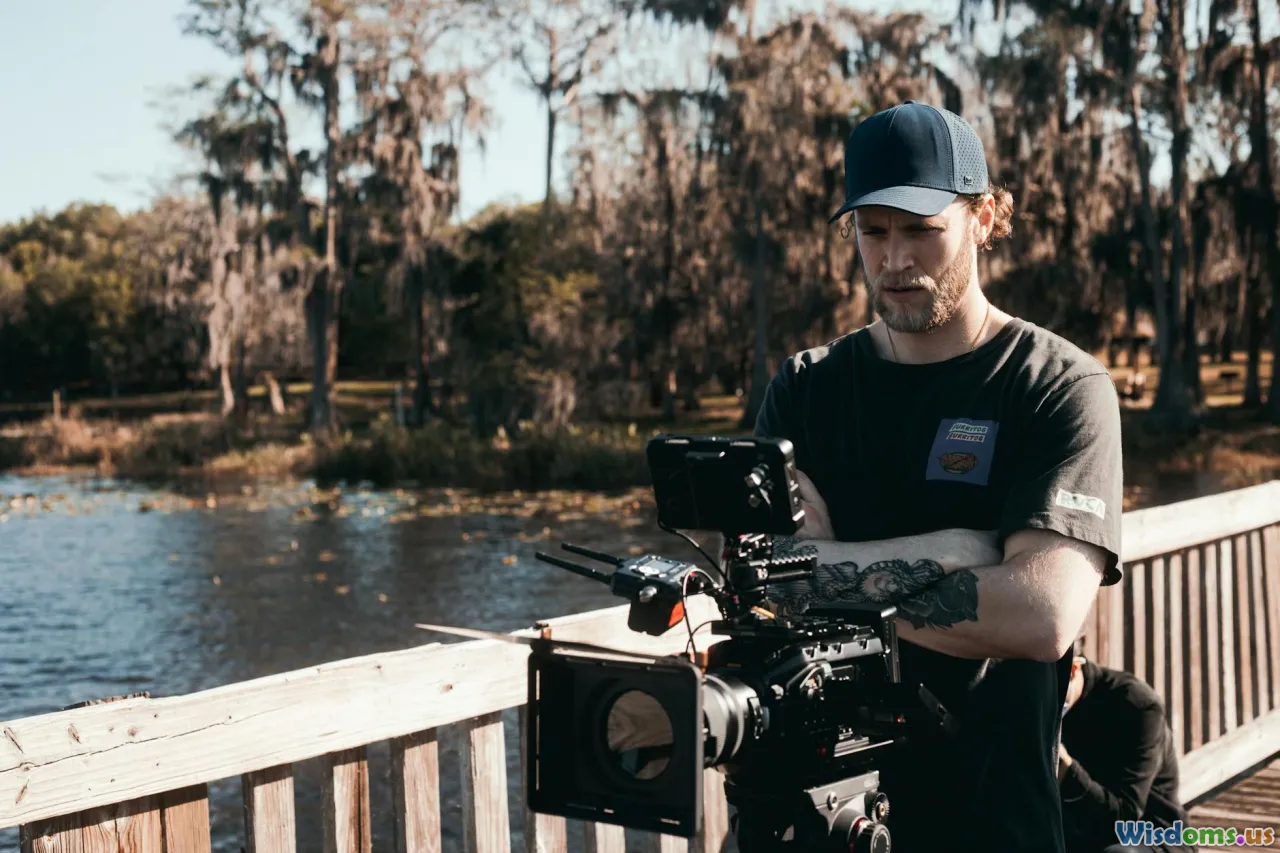
Ozark’s production decisions are masterclasses in turning constraint into style. Filming in Georgia while setting the story in Missouri could have felt like a cheat. Instead, it became a lens.
- Controlled authenticity: Lakes Allatoona and Lanier offer coves, marinas, and wooded banks that match the Lake of the Ozarks’ geography closely enough to ground the drama. What sells it isn’t geography alone; it’s the art department’s obsession with local texture—signage fonts, bait coolers, faded paint.
- Weather as collaborator: Overcast days and humid haze aren’t scheduling annoyances; they’re mood enhancers. The team leaned into them, letting cloud cover do half the grading.
- Director’s continuity: With Jason Bateman directing key episodes and a tight stable of directors across seasons, the show maintained visual and rhythmic coherence. That steadiness lets the writing take bigger swings without tonal fracture.
For indie creators, the lesson is liberating: Choose locations that can play your setting with minimal dressing, then invest the budget you saved into sound, texture, and a strict visual rulebook.
Why Ozark Endures
Ozark premiered in 2017 and wrapped in 2022, but its current keeps pulling because it respects audience intelligence. It shows work—the work of building fronts, smoothing donors, repairing family narratives, and wearing a public face while the private one crumbles. Its grit isn’t an aesthetic pasted on in post; it’s the residue of choices that can’t be undone.
The secret, then, isn’t a single bold move; it’s a thousand quiet ones. It’s four glyphs inside an O that whisper what’s coming. It’s the drone that won’t swell into safety. It’s a lake town where everyone counts the boats and the bills, and where even the sun looks like it has questions.
For anyone writing the next grounded thriller, start by making a place that can say “no,” give your characters talents that cost them dearly to use, and let every solution write its own invoice. Then, when the audience shivers, they won’t be admiring your style—they’ll be feeling the cold air off the water.
Rate the Post
User Reviews







Popular Posts