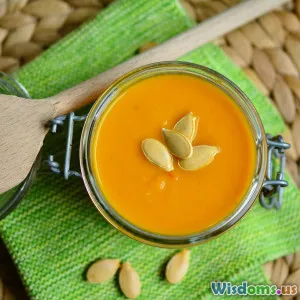
How to Make Creamy Soups Without Heavy Cream
31 min read Learn proven techniques to make creamy soups without heavy cream using purees, starches, nuts, and dairy-free swaps, with ratios, example recipes, and nutrition tips for silky, satisfying bowls. (0 Reviews)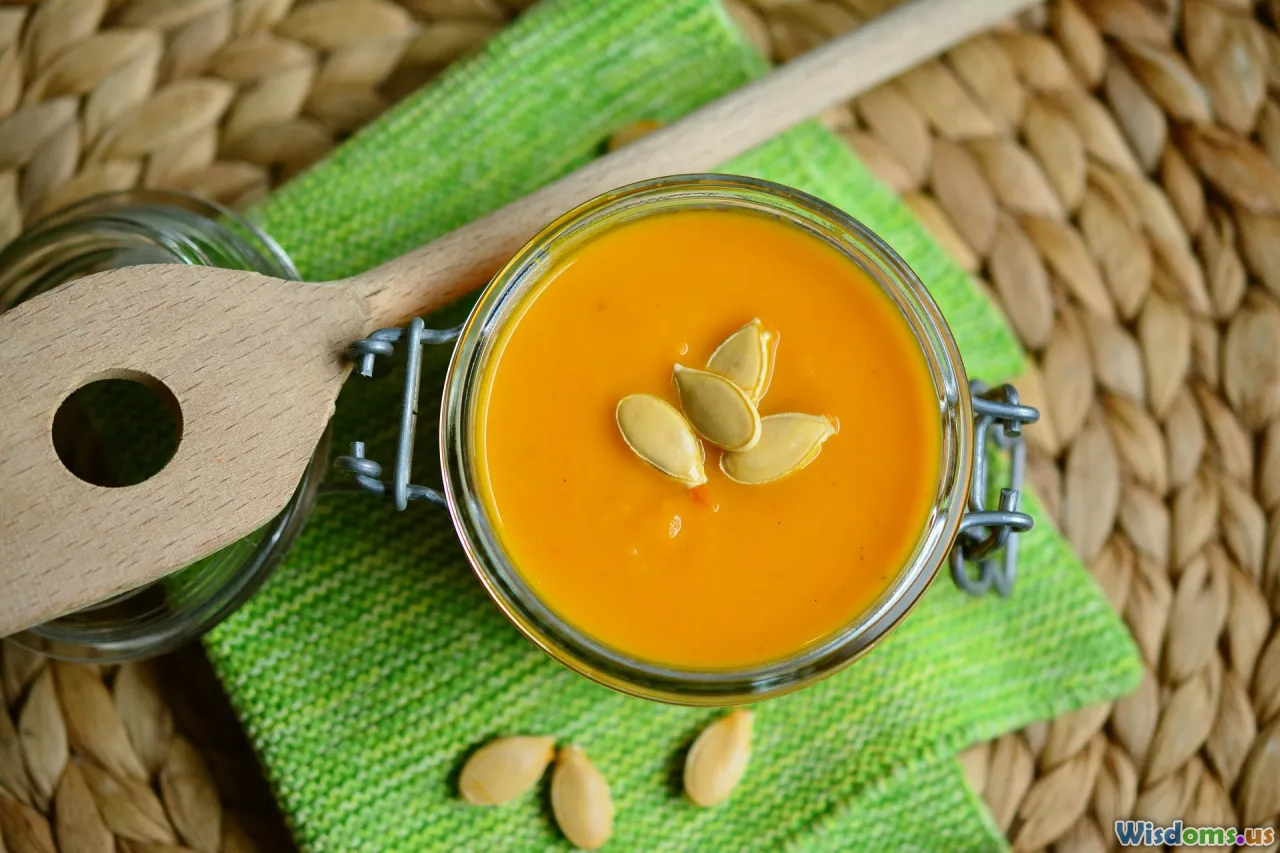
Creamy soup is a feeling as much as a flavor. It is the velvet glide of each spoonful, the way steam smells rich and satisfying before you taste anything at all. Heavy cream can certainly create that effect, but it is not the only route. With a few techniques and smart pantry swaps, you can build soups that are lush, silky, and deeply flavored without relying on cream. Here is how to do it, plus when to choose each method, how to keep everything from curdling, and several plug-and-play blueprints.
What makes a soup feel creamy

Creaminess is about texture, not just dairy fat. Three things produce that texture:
- Fat droplets suspended in liquid, which create a smooth and lubricated mouthfeel. You can get those droplets from olive oil, butter, coconut milk, nut creams, and even egg yolks.
- Starch and gel networks that make the liquid more viscous. Flour, potatoes, rice, bread, beans, and cornstarch all build body by thickening the water phase of your soup.
- Shear and particle size. Blending breaks down solids into smaller particles that feel smoother on your tongue. A powerful blender or an immersion blender is one of the most effective tools for creaminess.
A pot of pureed cauliflower with a drizzle of olive oil can feel as indulgent as cream of cauliflower. A chowder thickened with pureed corn kernels and a touch of cornstarch can deliver the same spoon-coating cling as a cream-based chowder. Understanding these levers lets you combine them to get the texture you want with the flavor you prefer.
Quick comparison: what to use and when
Here are dependable options and how they behave in soup:
- Pureed vegetables and legumes: Potato, cauliflower, butternut squash, white beans, and parsnips yield natural body. Ideal when you want the vegetable flavor to be front and center; vegan-friendly.
- Bread or rice: Classic European soups use stale bread to thicken; rice purees into silky starch. Great for tomato or garlic soups, and for a neutral thickener that adds gentle body.
- Nut and seed creams: Cashew cream is famously silky; tahini adds both creaminess and sesame depth. Ideal for mushroom, carrot, or squash soups; vegan; calorically dense.
- Coconut milk or coconut cream: Rich, stable, and great for curries and spiced soups. Brings coconut flavor, so pair with compatible profiles.
- Dairy but not heavy cream: Evaporated milk (about 7.5 to 8 percent fat) resists curdling; Greek yogurt adds tang and protein; cottage cheese or ricotta blended become silky. For lighter but still dairy-rich results.
- Starch thickening: Cornstarch, potato starch, or tapioca slurry creates glossy body without added flavor. Best for brothy, delicate soups where you want to keep flavors pure.
- Egg yolk liaison: Tempered yolks add luxury without cream, as in avgolemono. Adds richness and mild thickening; avoid boiling afterward.
- Gelatin or collagen-rich stock: Bone broth or added gelatin gives body and a luxurious mouth-coating finish without visible thickness. Great for meat-based soups and broths.
Build body with pureed vegetables

Vegetable purees thicken by delivering starch and fiber. They also concentrate flavor as water evaporates.
- Potato: Yukon Golds puree into a buttery texture without dairy. For a silky potato leek soup, sweat 2 cups sliced leeks in 2 tablespoons olive oil with a pinch of salt until soft. Add 1 pound peeled, diced potatoes and 4 cups stock. Simmer until the potatoes are tender, then blend. Finish with 1 to 2 tablespoons olive oil and a squeeze of lemon. Potato starch starts to gelatinize around 150 to 180 F, so simmer gently to avoid gluey textures from overworking the starch.
- Cauliflower: Roast florets at 425 F with olive oil and salt until browned, then simmer in stock and blend. Roasting builds Maillard flavors, which add depth that cream usually contributes.
- White beans: Cannellini or Great Northern beans bring body and protein. Add 1 to 2 cups cooked beans to almost any vegetable soup before blending. White bean and rosemary tomato soup is plush without any dairy at all.
- Butternut squash and carrots: These naturally sweet vegetables offer plush texture and a vibrant color. Roast before blending to enhance their sweetness and drive off water. A carrot-ginger puree becomes restaurant-silky with nothing more than a splash of olive oil.
Practical tip: For ultra-smooth results, blend longer than you expect. Then pass through a fine-mesh strainer for the most polished texture. If you plan to freeze the soup, vegetable-thickened soups freeze very well.
Thicken with bread or rice like old-world cooks
Bread and rice are classic European thickeners. They lend body without dominating the flavor when used thoughtfully.
- Stale bread: A slice or two of country bread, crusts trimmed, simmered in soup and then blended gives a luxurious texture. Tomato and garlic soups across Spain and Italy rely on this trick. For creamy tomato soup, simmer 1 slice of torn bread per quart of soup, then blend until smooth. Add a couple of tablespoons of olive oil while blending to emulsify, and you have dairy-free creaminess.
- Rice: A handful of white rice simmered until very soft can be blended to create a silky base. For a neutral cream substitute, simmer 3 tablespoons rice in 2 cups water until broken and tender, then blend with 1 cup stock. This rice cream folds into soups for body without a clear rice flavor. The starch gel stabilizes when cooled, so reheat gently to restore silkiness.
- Pappa al pomodoro template: Olive oil, garlic, tomato, stock, stale bread, and basil, simmered and blended, yields a soup that eats like comfort food without a drop of dairy.
Note: Bread made with sourdough can add pleasant tang, but if your soup is already acidic, taste before adding extra acid at the end.
Use nut and seed creams for unmatched silk

Cashews are the gold standard for nondairy cream. They have a high fat content and emulsify smoothly.
- Cashew cream method: Soak 1 cup raw cashews in hot water for 30 minutes, drain, then blend with 3 to 4 cups hot soup liquid until completely smooth. Return to the pot. This reliably creates a silky, cream-like body without graininess. If you do not have time to soak, simmer the cashews for 10 minutes and blend while hot.
- Flavor pairing: Cashew cream vanishes into mushroom, tomato, and roasted vegetable soups. Try a mushroom soup with 1 cup cashew cream, 1 tablespoon soy sauce for umami, and a splash of sherry.
- Tahini: A couple of tablespoons thinned with hot broth give sesame depth and creamy texture, especially in carrot, squash, or chickpea soups. Add near the end to keep it from seizing and to preserve its nutty aroma.
- Almonds or sunflower seeds: Blanched almonds create a delicate, sweet creaminess (think ajo blanco), while sunflower seeds offer a nut-free alternative. Blend thoroughly and strain if needed for a refined texture.
Heat stability: Nut creams are stable if the soup is not vigorously boiled after adding. Keep at a gentle simmer to maintain a smooth emulsion.
Dairy-light paths that avoid heavy cream
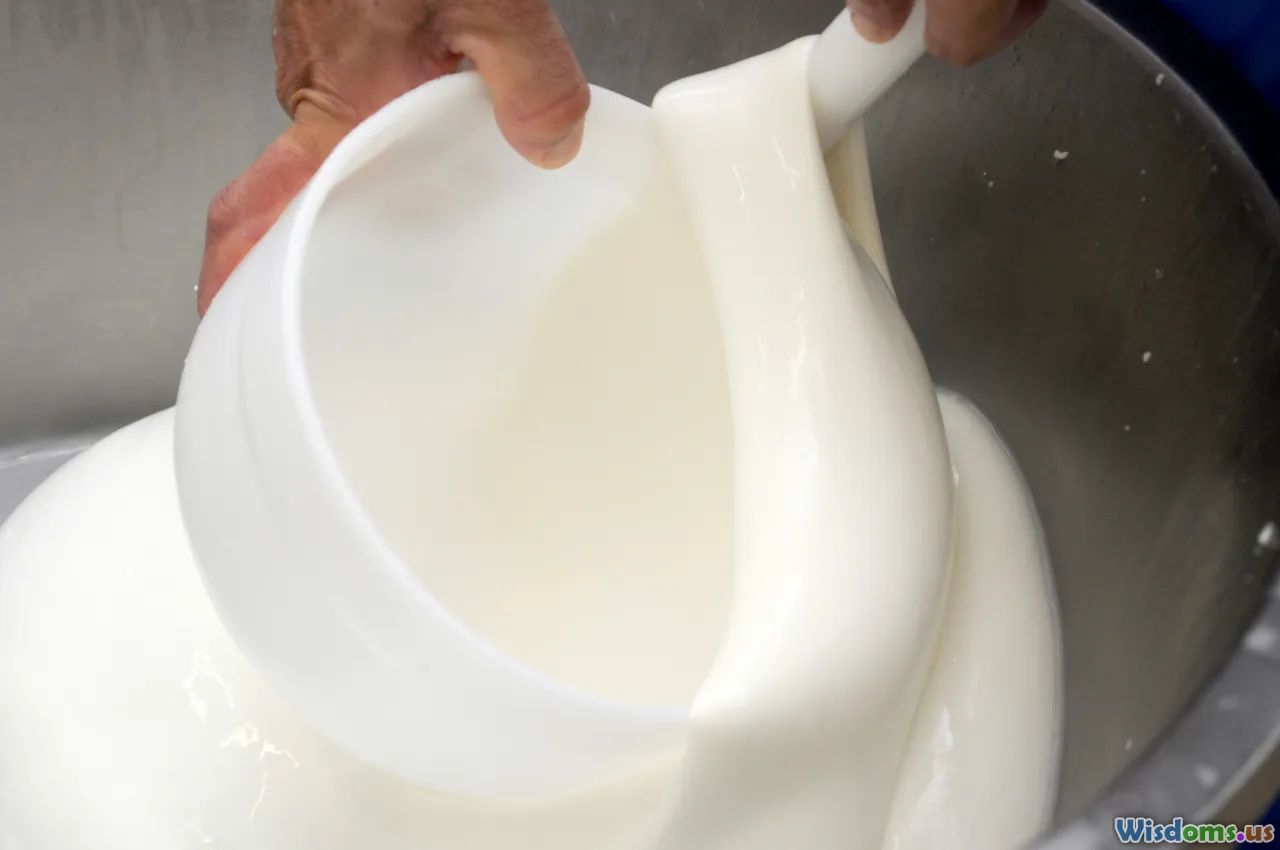
You can absolutely use dairy without heavy cream.
- Evaporated milk: With roughly 7.5 to 8 percent fat, it is richer than milk and less likely to curdle than fresh milk because of its lower water content and heat processing. It is excellent in chowders and cream-style soups. Add it near the end and avoid hard boiling.
- Greek yogurt or skyr: Stir in 1 to 1.5 cups per quart of soup after removing the pot from heat, then warm gently. Greek yogurt’s tang is wonderful in squash or beet soups. Temper first: whisk 1 cup hot soup into the yogurt, then whisk that back into the pot to minimize curdling. Keep the soup below a bare simmer afterward.
- Ricotta or cottage cheese: Blend 1 cup with a ladle of hot soup until smooth, then return to the pot. This delivers protein and creaminess, especially good in tomato basil or spinach soups. Use whole-milk versions for best texture.
- Creme fraiche stand-in: Mix equal parts full-fat yogurt and sour cream as a stand-in, but add off heat and do not boil.
Note on fat math: Heavy cream has around 36 percent fat. If you replace 1 cup heavy cream with 1 cup evaporated milk, you reduce fat by about two-thirds while preserving creaminess via protein and milk solids. If you replace with yogurt, you also add tang and protein, but avoid boiling.
Coconut and other plant milks for richness
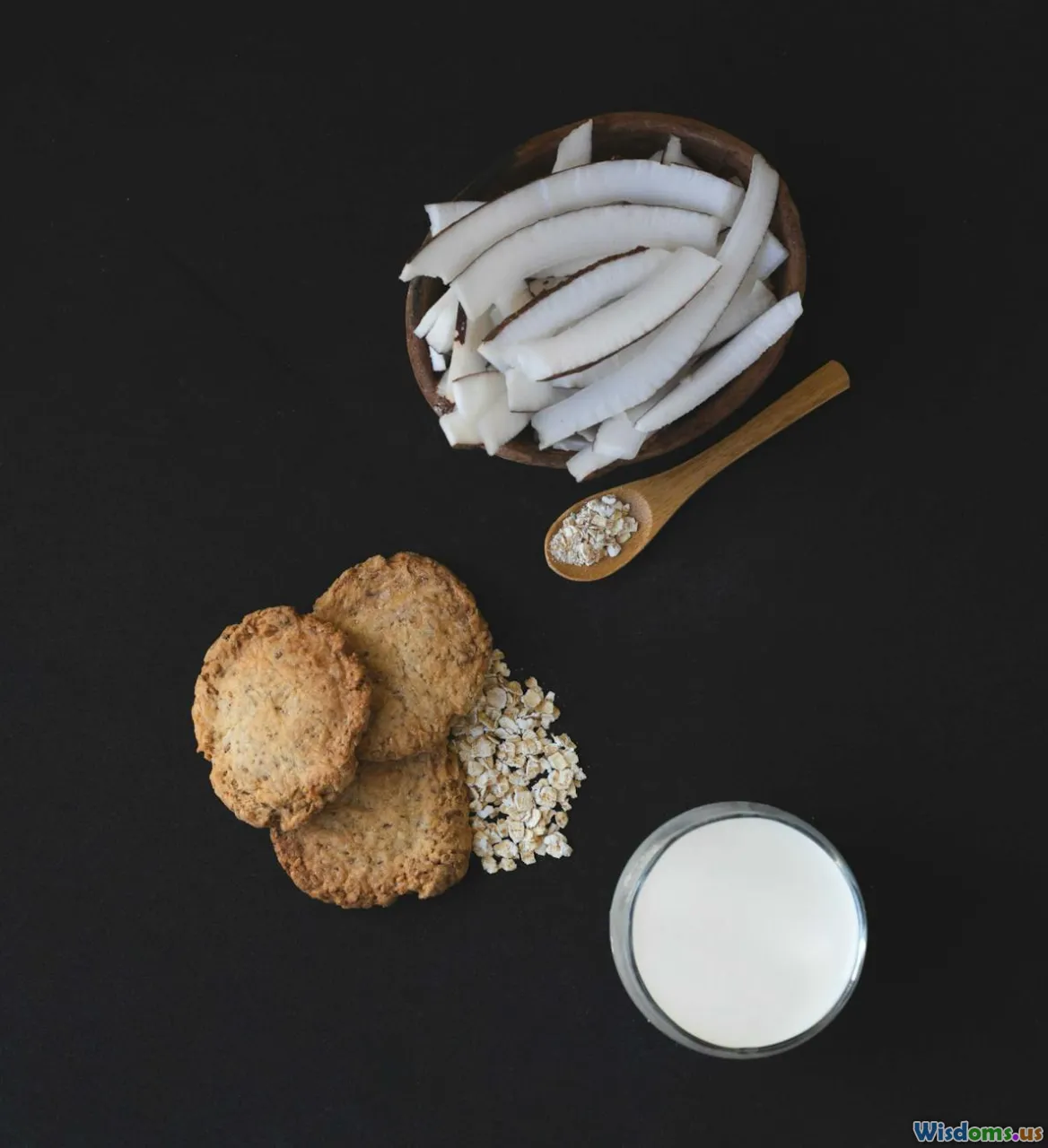
- Coconut milk: Full-fat coconut milk commonly ranges from 17 to 24 percent fat depending on the brand. It is impeccable in carrot, pumpkin, sweet potato, red pepper, or curry-style soups. Simmering reduces and concentrates flavor. If you prefer less coconut flavor, use half coconut milk and half stock, then finish with a neutral oil or olive oil.
- Coconut cream: For maximum richness, use a few tablespoons of coconut cream whisked in off heat.
- Oat milk: Barista-style oat milks are formulated to foam and emulsify, which makes them useful in savory soups. For an even better texture, make a quick oat cream: blend 1 cup rolled oats with 2 cups very cold water for 30 seconds, strain through a fine mesh or nut-milk bag, then whisk into hot soup off heat. Avoid boiling to reduce the risk of slime-like textures.
- Soy milk and pea milk: Both are higher in protein and fairly stable. Choose unsweetened, unflavored versions. Soy pairs nicely with mushroom and miso-based soups.
Tip: Many plant milks are stabilized for coffee, which can also help in soup. Always taste for sweetness and salt, as plant milks vary widely.
Starch slurries and roux: precision thickening
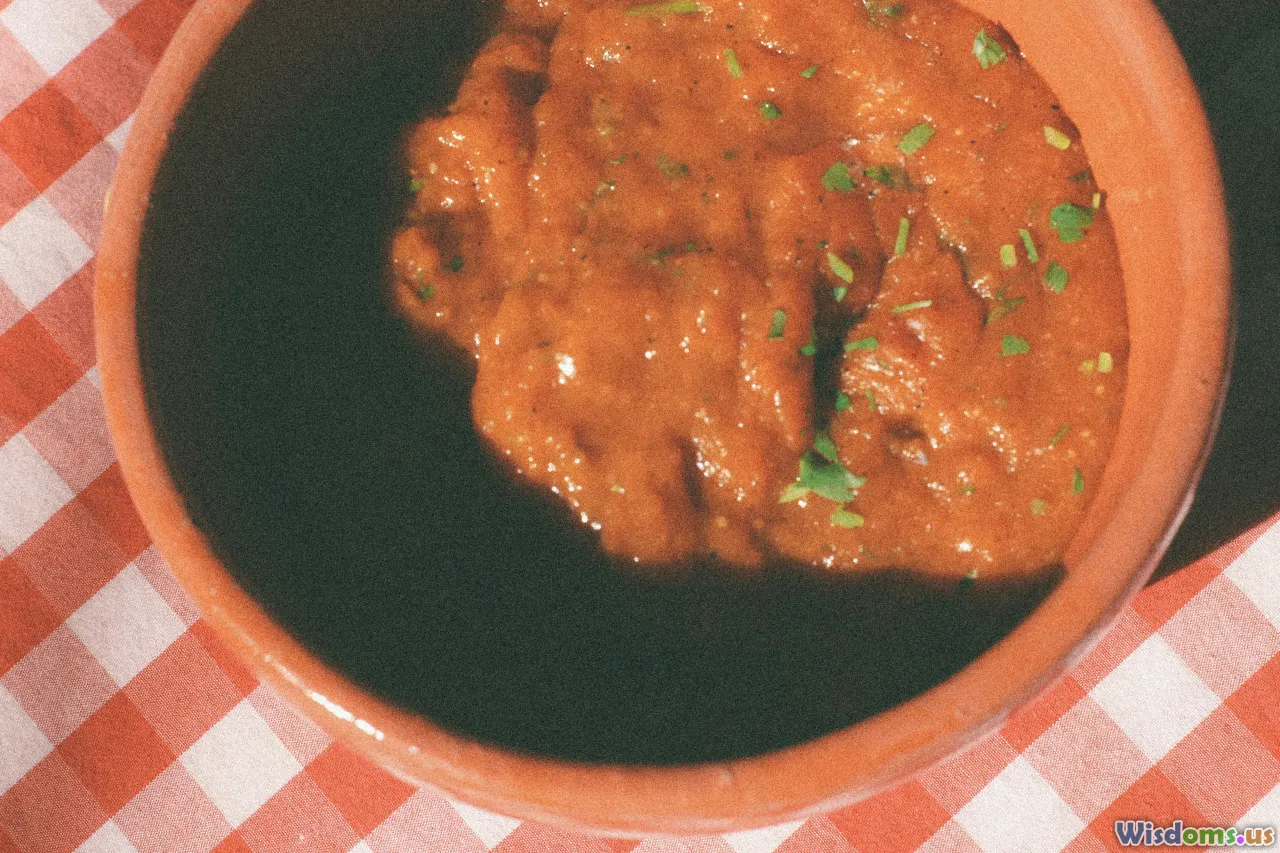
Starch is a clean way to add body when you love the base flavor and do not want nuts, dairy, or coconut in the mix.
- Roux: Cook equal weights of fat and flour. A white or blond roux retains maximum thickening power and mild flavor. For 4 cups of soup, start with 2 tablespoons butter or oil and 2 tablespoons flour, cook 2 to 3 minutes, whisk in stock, and simmer until thickened. Then add your vegetables or puree later for a double-smooth finish.
- Cornstarch slurry: Mix 1 tablespoon cornstarch with 1 tablespoon cold water for every cup of soup you want to thicken lightly. Whisk into simmering soup and cook 1 to 2 minutes until glossy. Do not boil hard for long; overcooking can thin the slurry and dull the texture.
- Potato starch: Thickens at slightly lower temperatures and gives a plush mouthfeel; great in delicate soups. Add near the end.
- Tapioca starch: Excellent freeze-thaw stability and a slightly elastic finish; use sparingly for silky chowders.
- Arrowroot: Shines in acidic mixtures and gives a clear sheen. It can turn a bit slippery with dairy, so avoid pairing with milk-based soups.
Practical ratio: 1 tablespoon of cornstarch per cup yields noticeable but not heavy thickness. For moderate thickness in 4 cups soup, 2 to 3 tablespoons is usually enough.
Egg yolks: the liaison that elevates

French liaisons and Greek avgolemono use eggs to enrich without cream.
- How to: Beat 2 egg yolks (or 1 whole egg and 1 yolk) in a bowl. Slowly whisk in 1 to 2 cups of hot soup to temper, then pour back into the pot off heat and stir until slightly thickened. Do not simmer afterward; aim for around 160 to 170 F to set proteins gently.
- Where it shines: Lemon chicken and rice soup, asparagus soup, or a bright spring pea soup. The result is glossy, gently thick, and luxurious.
Food safety note: Tempering prevents curdling; use pasteurized eggs if you are concerned, and be sure the final soup reaches safe temperatures.
Build body with collagen-rich stock or added gelatin
Long-simmered stock from bones contains gelatin, which increases viscosity and provides a rounded mouthfeel.
- Make gelatin-rich stock: Simmer chicken backs, wings, or pork trotters with aromatics for 6 to 8 hours or pressure-cook for 1.5 to 2 hours. When chilled, the stock should gel. Use it as your soup base for built-in body.
- Add powdered gelatin: Bloom 1 teaspoon powdered gelatin in 2 tablespoons cold water per quart of soup, melt it into hot soup off heat, and stir. This can subtly enhance body without changing flavor. Do not boil vigorously afterward.
This technique is especially helpful in brothy soups that you want to drink from a mug, where viscosity rather than thickness carries the creaminess.
Emulsify with healthy fats and smart blending

- Olive oil or butter finish: Whisk in 1 to 3 tablespoons per quart while blending to create a stable emulsion. Drizzle the oil through the blender’s lid hole or while using an immersion blender to disperse droplets.
- Mustard or miso as emulsifiers: A teaspoon of Dijon or a tablespoon of miso can help stabilize the emulsion while layering flavor.
- High-shear blending: The smaller the particles, the smoother the soup. Blend for 60 to 90 seconds in a countertop blender for a restaurant finish.
- Safe blending: Vent hot blender lids and cover with a towel to avoid pressure buildup. Immersion blenders are safest in-pot, but tilt the head slightly and keep it submerged to avoid splatter.
Remember that an emulsion plus starch is extra stable. For example, in a roasted cauliflower soup, blend with olive oil for emulsion and rely on cauliflower starch for structure.
Flavor layering when you use less dairy fat
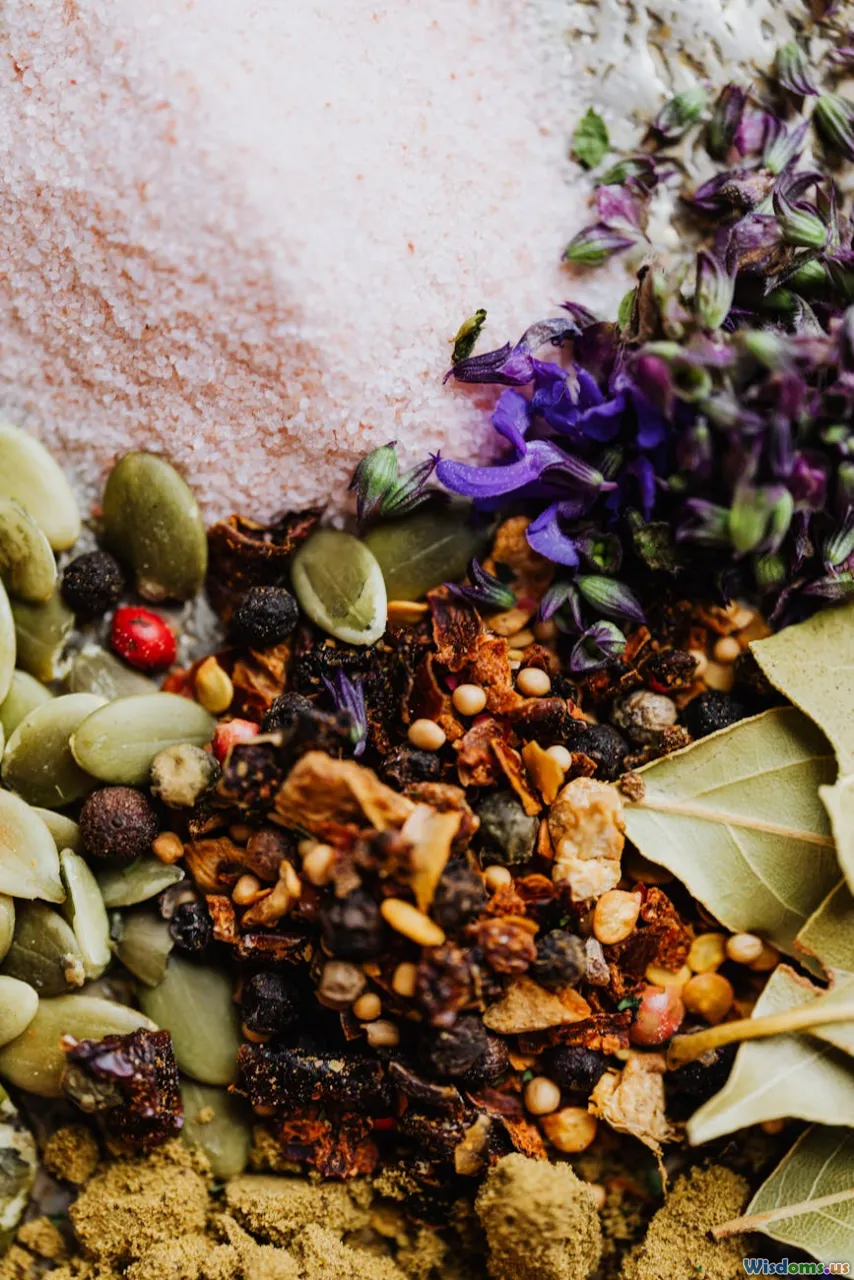
Heavy cream softens edges and carries flavor. When you skip it, double down on other flavor builders.
- Aromatic base: Sweat onions or leeks slowly in oil with a pinch of salt until translucent and sweet. Add garlic later to avoid scorching.
- Umami boosters: Tomato paste, soy sauce, miso, anchovy paste, parmesan rind, dried mushrooms, or nutritional yeast give depth. One tablespoon tomato paste browned in the pot makes a big difference.
- Acidity and brightness: Add a teaspoon of sherry vinegar, lemon juice, or a splash of white wine at the end to pop flavors.
- Heat and spice: Freshly ground black pepper blooms in hot oil; a pinch of Aleppo pepper adds warmth without harshness. For Indian flavors, bloom curry powder, cumin, or garam masala in oil before adding liquid.
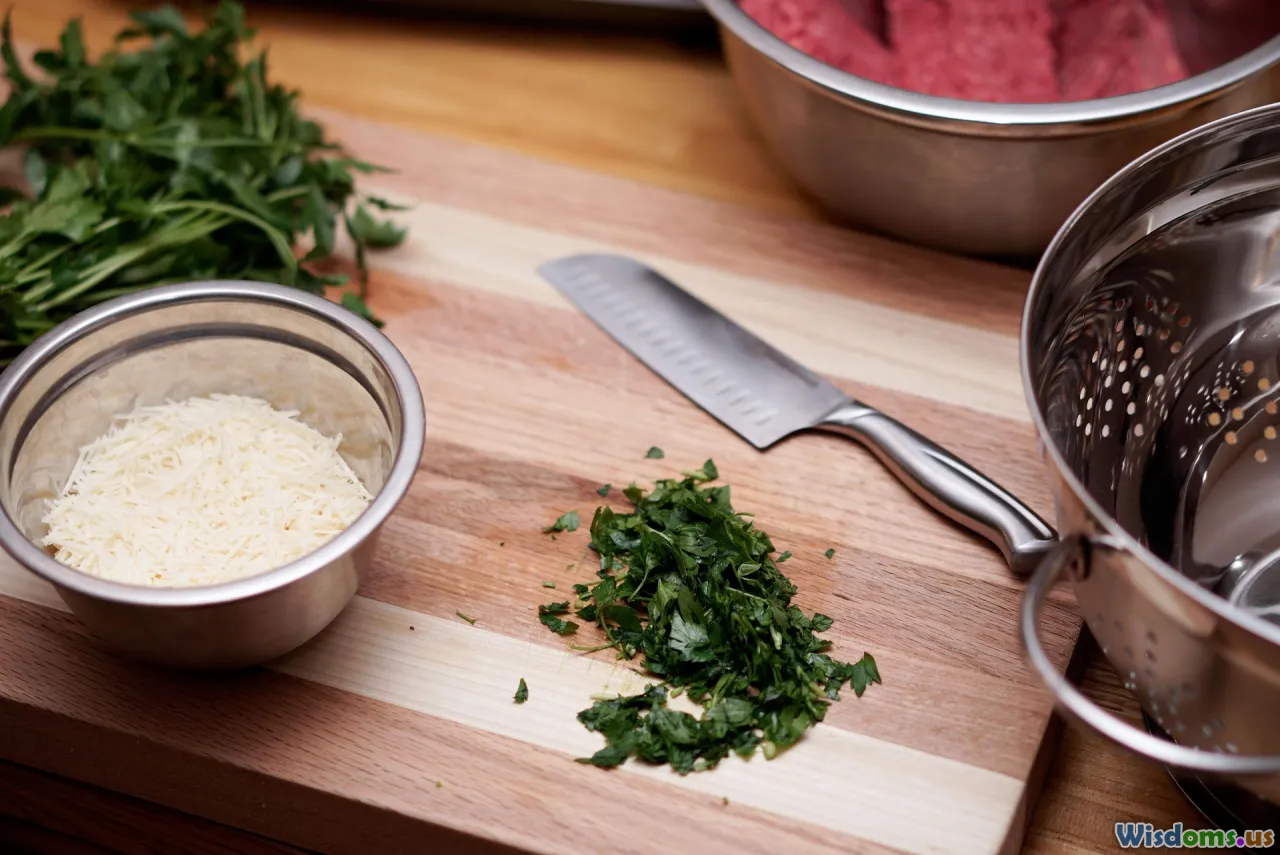
- Fresh finishers: Cilantro, dill, chives, toasted nuts, chili oil, or herbed breadcrumbs create contrast that makes soups taste richer.
Fixing common problems
- Too thin: Simmer to reduce by 10 to 20 percent; add a cornstarch slurry; or blend in a cup of cooked white beans, bread, or rice. A tablespoon of nut butter whisked in can rescue texture and add subtle richness.
- Too thick: Add stock, water, or a splash of plant milk; adjust salt. Remember that soups thicken as they cool.
- Split or curdled dairy: Remove from heat, blend smooth if possible, and add a little starch slurry to bring it back together. For yogurt, temper first next time and keep heat low.
- Grainy nut cream: Blend longer or strain. A pinch of baking soda can soften bean skins when cooking beans ahead of time, but add carefully and taste to avoid soapy flavors.
- Starchy slickness: If oat or arrowroot feels slick, balance with a small amount of olive oil and an acid like lemon juice to rebalance mouthfeel.
Four fast templates to try tonight
- Creamy tomato soup, no cream
- Sweat 1 diced onion in 2 tablespoons olive oil with a pinch of salt until soft. Add 2 tablespoons tomato paste; cook until darkened. Pour in 1 large can crushed tomatoes, 2 cups stock, and 1 slice stale bread torn up. Simmer 15 minutes. Blend until smooth, streaming in 2 tablespoons olive oil. Season with a teaspoon sugar if needed, salt, and black pepper. Finish with basil and a splash of sherry vinegar.
- Silky mushroom and cashew soup
- Brown 1 pound mushrooms in 2 tablespoons olive oil with thyme. Add 1 diced shallot and a pinch of salt; cook until tender. Deglaze with 1 tablespoon sherry. Add 4 cups stock; simmer 10 minutes. Blend half the soup with 1 cup soaked cashews and return to the pot. Simmer gently, season with soy sauce and pepper, and finish with chopped parsley.
- Potato-leek soup with white beans
- Sweat 2 cups sliced leeks in 2 tablespoons oil. Add 1 pound diced potatoes, 1 cup cooked white beans, and 4 cups stock. Simmer until tender. Blend smooth, then finish with 1 tablespoon lemon juice and 1 to 2 tablespoons olive oil. Garnish with chives.
- Carrot-ginger coconut soup
- Roast 2 pounds carrots with oil and salt at 425 F until caramelized. Simmer with 1 tablespoon grated ginger, 1 can full-fat coconut milk, and 3 cups stock for 10 minutes. Blend smooth. Add lime juice and fish sauce or soy sauce to taste. Top with chili oil and cilantro.
When to choose each technique: a quick decision guide

- You want neutral flavor and a gloss like cream: Use a cornstarch or potato starch slurry, or a blond roux.
- You want added nutrition and plant-based richness: Choose white beans or cashew cream.
- You want lighter dairy without heavy cream: Evaporated milk for chowders; Greek yogurt for tangy vegetable soups.
- You want tropical or spiced profiles: Coconut milk.
- You want elegance without obvious starch: Egg yolk liaison and collagen-rich stock.
- You want rustic comfort: Bread or rice thickened soups.
Make-ahead and freezing tips

- Freeze-friendly thickeners: Vegetable purees, bean-thickened soups, and tapioca-starch soups freeze best. Dairy-light soups with yogurt can split upon thawing; add yogurt after reheating instead.
- Portion smartly: Freeze in 1 to 2 cup containers so you can thaw only what you need. Leave headspace for expansion.
- Reheat gently: Bring slowly to a simmer to preserve emulsions. If a soup separates, reblend briefly with a teaspoon of oil.
- Flavor after thawing: Frozen soups can taste dull; finish with acid, fresh herbs, and salt to restore brightness.
A few evidence-based notes on texture and stability
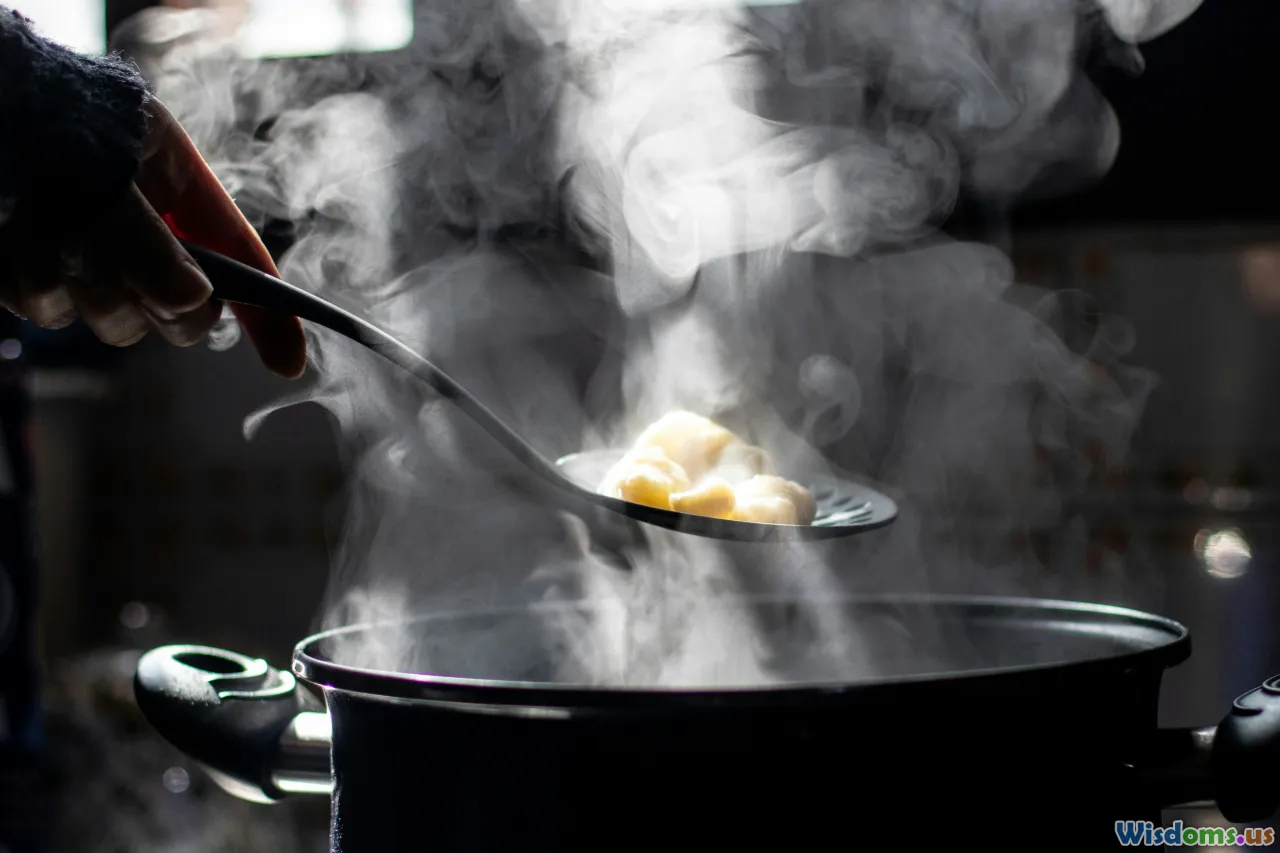
- Starch gelatinization: Most common starches thicken between about 150 and 180 F. They need movement and time to hydrate but will thin if overcooked or stirred aggressively after thickening, especially cornstarch.
- Milk proteins: Casein and whey can curdle in acid and high heat. Evaporated milk holds better because of concentration and heat treatment, but avoid rapid boiling.
- Coconut fat: Solid at room temperature for many brands; gently melt and whisk to disperse before blending into soup.
- Emulsion stability: Droplet size matters. Streaming in oil while blending creates smaller droplets that resist separation. Small additions of emulsifiers like mustard or miso help.
Garnishes that amplify creaminess without cream
- Herb oils: Blend parsley or basil with olive oil and a pinch of salt; drizzle for aroma and silk.
- Crunch vs. silk: Toasted seeds, croutons, or herbed breadcrumbs give contrast that makes the base feel creamier by comparison.
- Dairy-light swirls: A spoon of yogurt, ricotta, or tahini swirled on top provides a creamy signal without loading the base.
- Citrus and zest: Finishing with lemon zest or a squeeze of lemon awakens your palate and balances richness.
Putting it all together: a master method

Use this flow for almost any creamy soup without heavy cream:
- Sweat aromatics in oil with salt until soft and sweet. This is your flavor foundation.
- Add your main vegetable or mushroom; roast first for deeper flavor if time allows.
- Add stock chosen for body: vegetable stock for lightness, collagen-rich chicken stock for body.
- Choose your thickener path: bread or rice for neutral thickness, beans or cauliflower for nutritious bulk, or a starch slurry for clean gloss.
- Simmer until everything is tender. Reduce slightly to concentrate.
- Blend thoroughly. For extra silk, pass through a fine mesh.
- Emulsify: stream in olive oil or whisk in cashew cream, coconut milk, or evaporated milk, depending on your goal.
- Balance and finish: adjust salt, add acid, and garnish for texture and freshness.
Try combining two methods: for example, roasted cauliflower plus a little cashew cream and olive oil yields a soup so lush that most tasters assume it contains dairy.
A bowl of soup that is rich, comforting, and nourishing should not depend on a single ingredient. With vegetable purees, nut creams, smart starches, and just a bit of culinary science, you can cook soups that feel indulgent yet fit any table, whether you are cooking vegan, watching saturated fat, or simply out of cream. The next time a recipe calls for heavy cream, consider it optional rather than mandatory—and reach for the methods above to build your own signature velvet.
Rate the Post
User Reviews
Other posts in Healthy Cooking





Popular Posts