Lighting Techniques to Make Runway Photos Stand Out
17 min read Explore essential lighting techniques to make runway photos visually striking, dynamic, and professional for standout fashion photography results. (0 Reviews)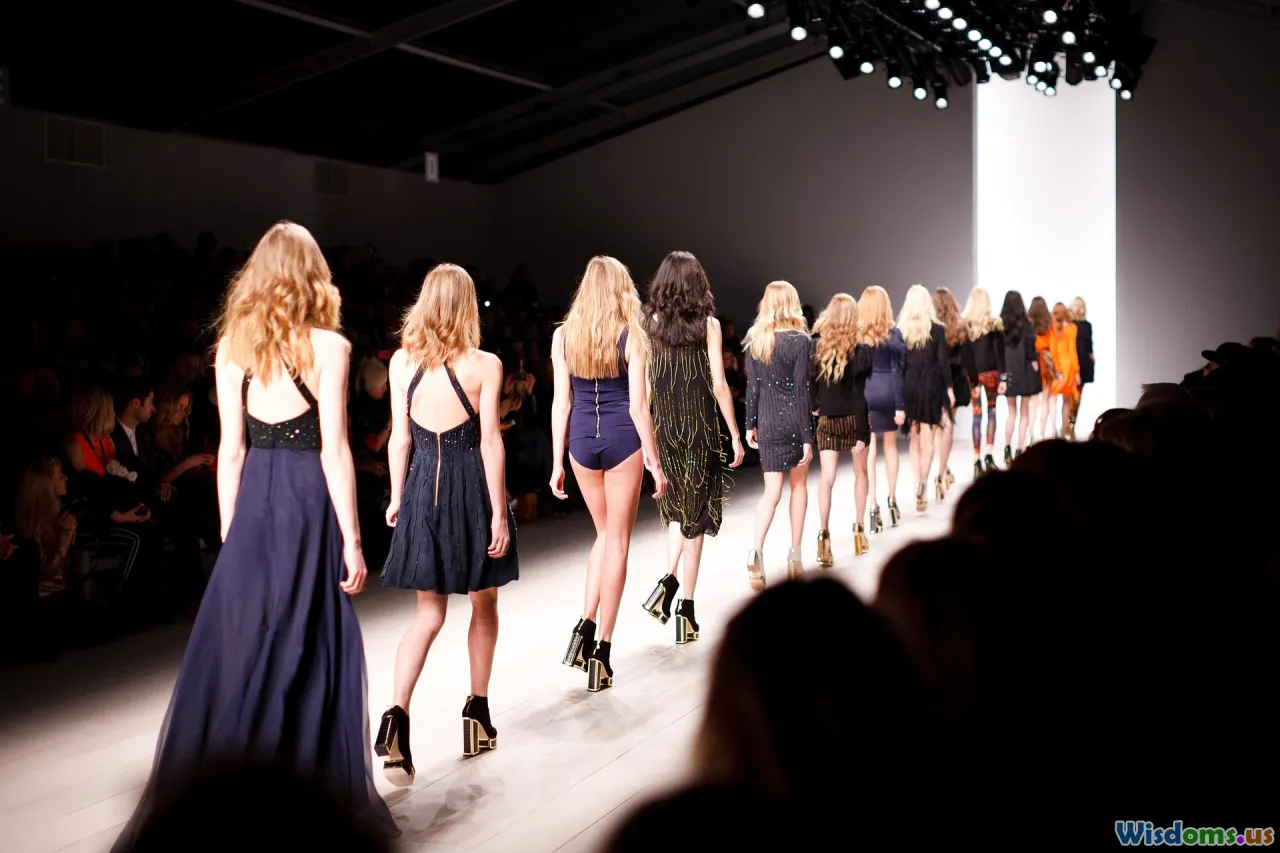
Lighting Techniques to Make Runway Photos Stand Out
The camera flashes, the audience leans forward, and models stride down the runway draped in haute couture. But what determines whether these fleeting moments will translate into stunning, magazine-worthy images? Lighting is the secret ingredient that can elevate or flatten any fashion show capture. Understanding and mastering lighting techniques ensures that runway photos pop with vibrancy, clarity, and artistic flair, truly reflecting the brilliance of the garments and the excitement of the show.
Harnessing the Power of Directional Lighting
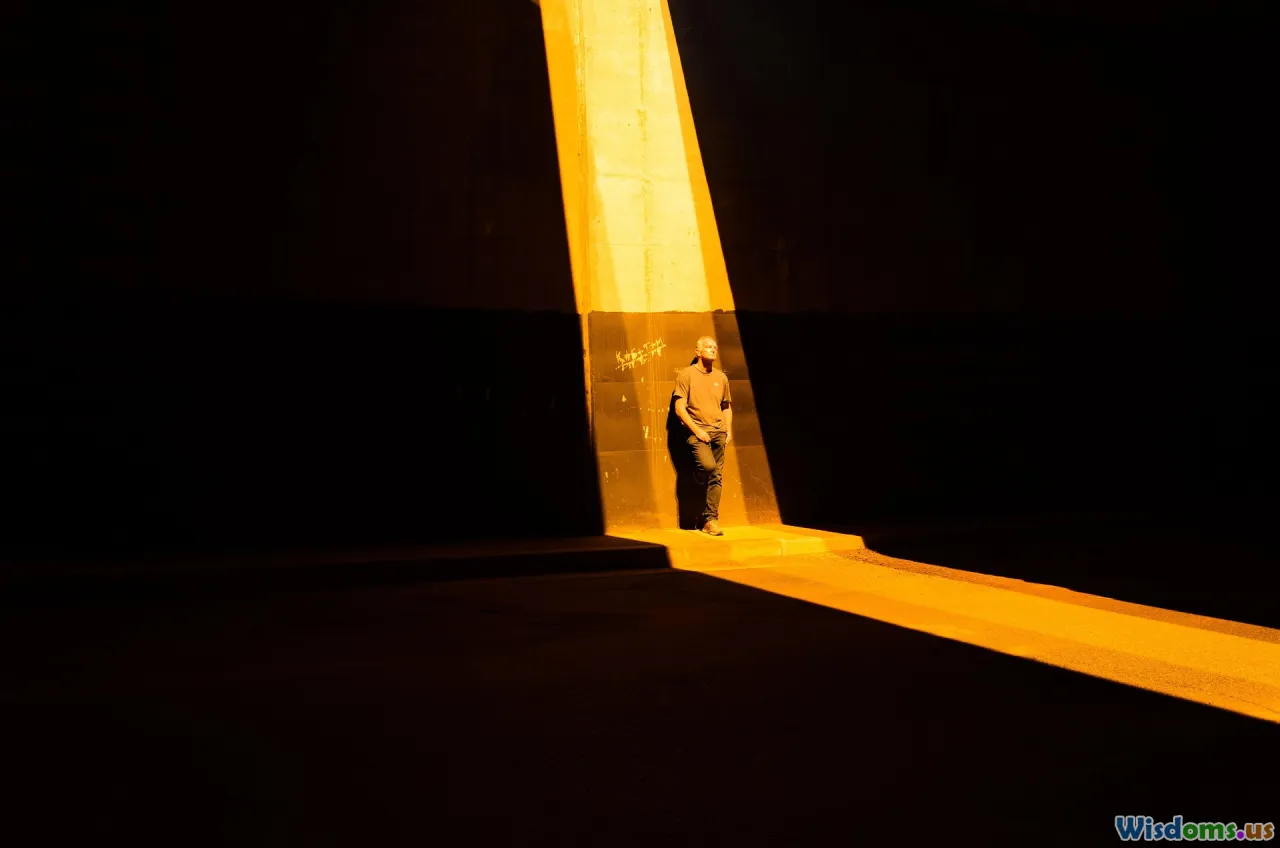
In runway photography, standard overhead lighting is rarely sufficient for dramatic effect. Directional lighting is crucial, as it controls shadow placement, highlights contour, and helps models and fashions leap from the images.
Spotlights: Most fashion shows use spotlights along the runway path. To maximize their impact, position them at a 45-degree angle relative to the stage and just above head height. This directs the light towards the model’s face and clothing, avoiding harsh shadows and dark eye sockets. For instance, at Paris Fashion Week, designers often collaborate with experienced lighting directors to place key spotlights strategically, ensuring every sequin and silhouette shines.
Side Lighting: Adding subtle fill lights from the side reduces shadows while enhancing textures and details in costumes. The interplay between strong directional lighting from above and gentle side light creates a three-dimensionality that photographers love.
Tips:
- Be mindful of "hot spots"—areas overexposed by too many overlapping beams.
- Use colored gels on accent lights for mood-setting or to complement designer color palettes.
The Importance of Consistent Color Temperature
With evolving technology, runways employ an array of light types—LEDs, tungsten, fluorescent—that vary widely in color temperature. Mismatches in lighting hues make post-processing difficult and can distort garment colors, ultimately failing to represent the designer’s vision correctly.
Practice: Set all lights to a unified color temperature, typically aiming for daylight (around 5600K) or tungsten (around 3200K), discussed beforehand with show producers. Use gels or color-correcting filters to standardize mismatched fixtures.
For example, the Milan Fashion Week is known for its pristine white runners and cool lighting, creating a crisp, true-to-color effect in every shot. Photographers setting white balance manually on their cameras, matched to the lighting’s Kelvin rating, achieve consistently flattering skin tones and fabric hues.
Pro Tip: Many photographers carry portable color checkers or gray cards to confirm and quickly adjust their in-camera settings before the show begins, especially under mixed lighting situations.
Creative Backlighting for Silhouette and Drama
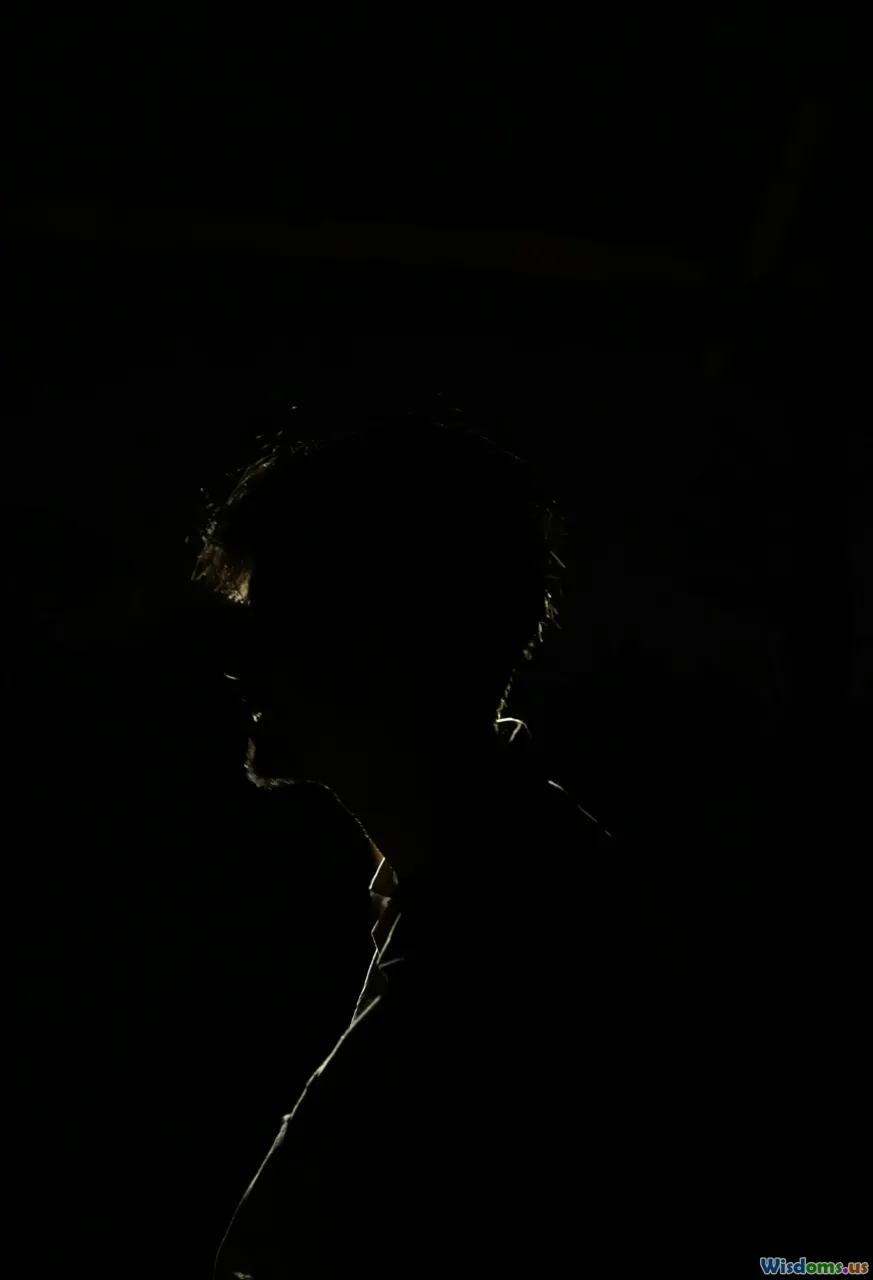
Designers and photographers alike relish the drama of a backlit runway. Placing strong lights behind or underneath models as they walk accentuates their shapes and the fluid movement of fabrics.
How-To:
- Position spotlights or LED bars behind the catwalk directed toward the audience.
- Use haze or fog machines sparingly to catch and diffuse rays, making outlines and silhouettes stand out even more.
A masterful example can be seen at Alexander McQueen shows, where backlights add a sense of mystique, forging halos around models and creating a painterly chiaroscuro effect. This not only grabs attention but isolates the subject, removing distracting backgrounds and drawing every gaze to the clothing and pose.
Caution: Don’t make backlights too harsh. A slightly lower intensity prevents subjects from being swallowed by halos or blown-out exposure.
Balancing Ambient and Artificial Lighting
Not all runway shows happen in perfectly controlled studio environments. Outdoor or unconventional venues may introduce unpredictable ambient light—from windows, skylights, or even street lamps. Integrating this ambient light with artificial sources is essential for natural-looking, professional results.
Balancing Act:
- Meter for the HD Camera, Not the Eye: Film crews often optimize lighting for video. Still photographers, however, must spot meter for their camera sensors. Test shots are invaluable.
- Light Modifiers and Flags: To tame overpowering sunlight or harsh venue lights, use diffusers (softens and spreads light) and flags (blocks stray illumination).
- Reflectors: For outdoor evening shows, you may add reflectors to catch residual natural light and illuminate subject faces naturally.
During a beachfront show in Saint-Tropez, for instance, golden hour sunlight was balanced with soft LED panels equipped with diffusers. The result was glowing, cinematic stills that felt organic and editorial.
Innovative Use of Rim and Accent Lighting
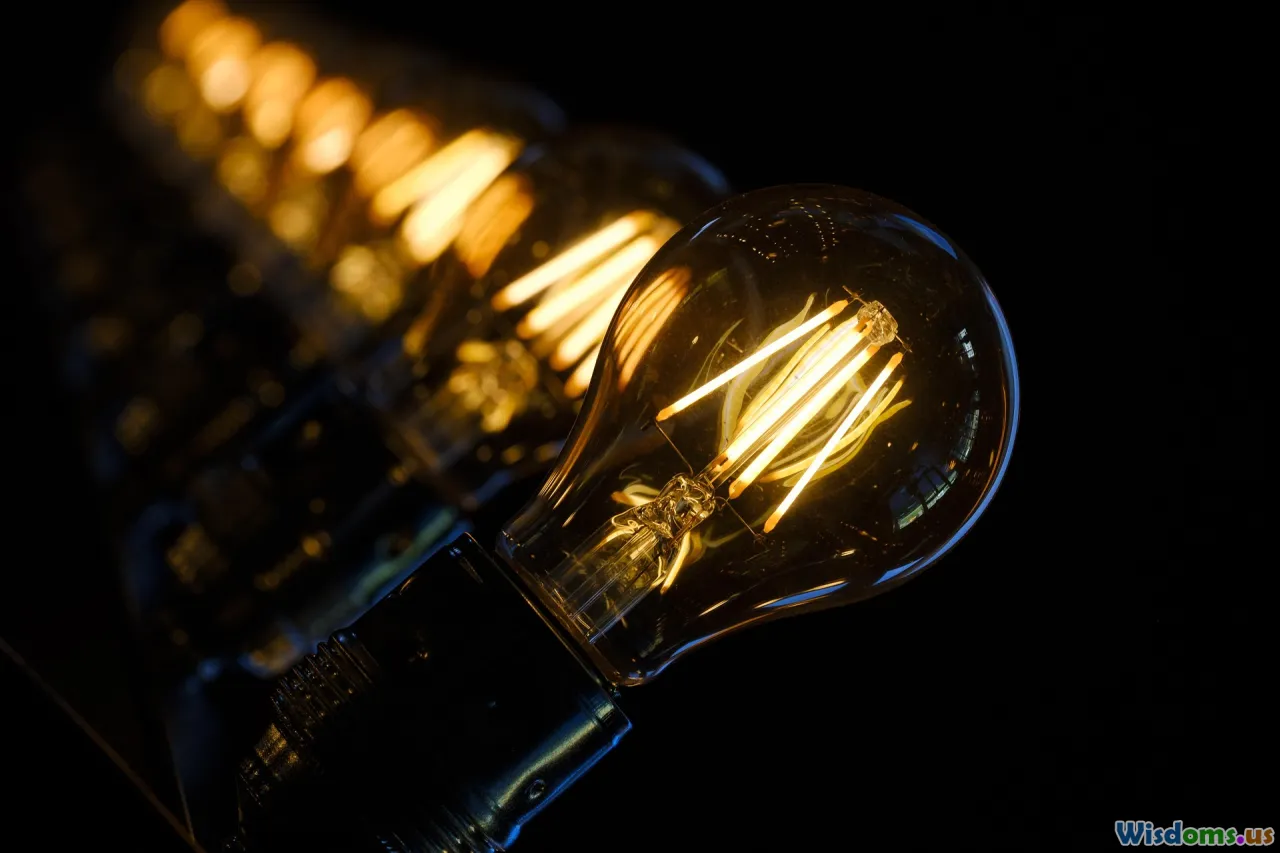
Rim lighting involves positioning light sources behind the subject, off to each side, so it grazes the model’s outline and separates them from the background. Accent lighting, meanwhile, targets specific features like intricate beadwork, gloves, or hairstyles to make them pop.
Technique:
- Place small LED panels on either edge of the runway aimed parallel to the walkway.
- Adjust power so only a subtle outline forms along the shoulders and profile, adding depth without stealing attention from the main subject.
Designers showcasing nude palettes or monotone styles, like Calvin Klein’s classic minimalism, often request rim lighting to delineate silhouettes against pale backgrounds. When executed by a skilled technical crew directing accent lights at a model’s jewelry or metallic shoes, photographs take on a luxurious, editorial energy.
Example: Prada’s 2022 winter collection show utilized edge lighting on glossy accessories, making them appear almost luminous against matte-fabric dresses—a night-and-day difference in image impact.
Advanced Flash Techniques: On-Camera vs. Off-Camera
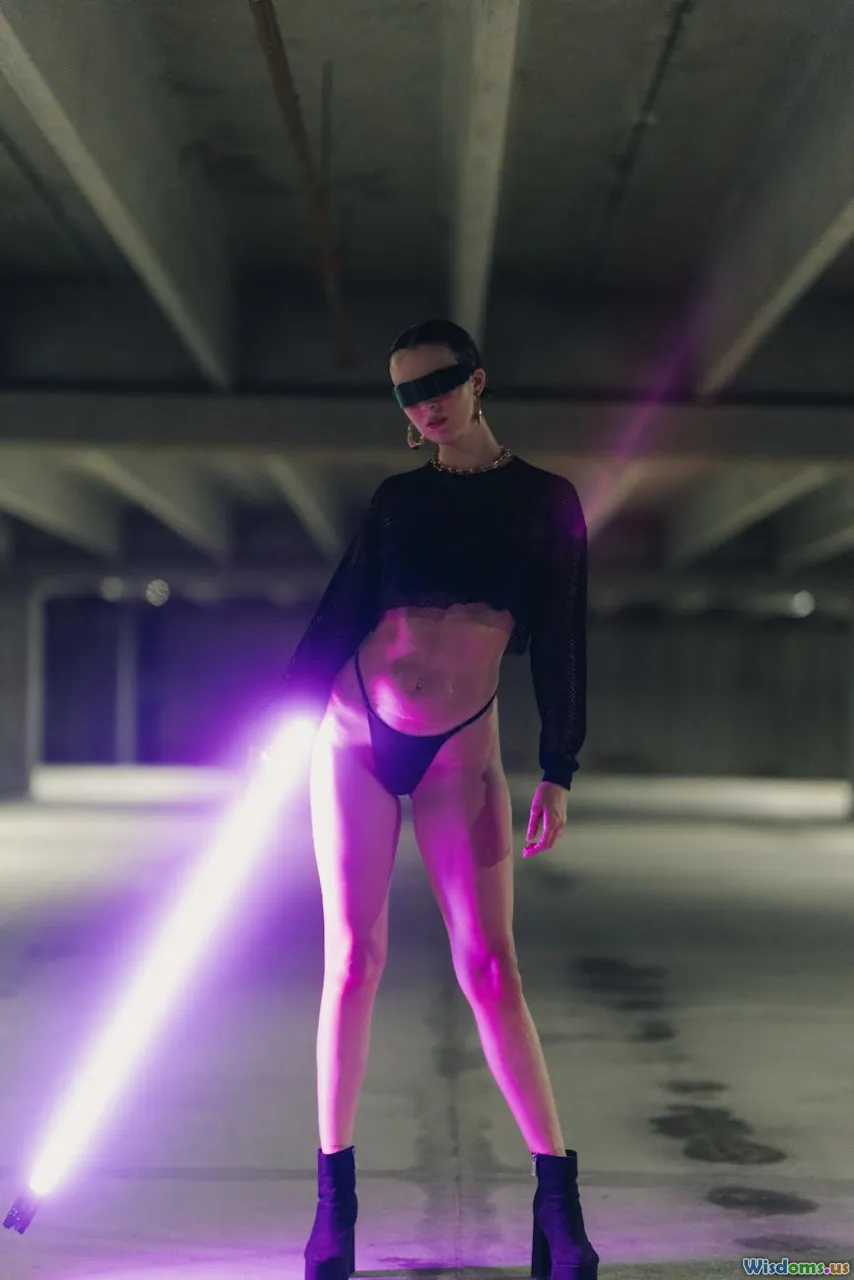
On-camera flash is the simplest tool—useful for freezing movement and adding fill in dark venues. However, direct flash often flattens texture and creates shadowy backgrounds. Modern runway photographers favor off-camera techniques for greater control and atmosphere.
Off-Camera Advantages:
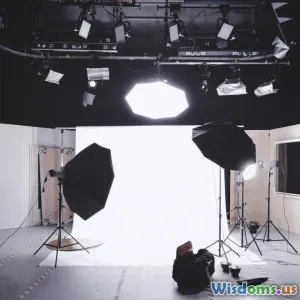
- Mount speedlights or portable strobes on stands parallel to the runway, angled towards the model.
- Use wireless triggers to synchronize shots.
- Diffuse flashes with softboxes or umbrellas to mimic natural light and soften skin.
An iconic example: Some photographers at the Victoria’s Secret Fashion Show use a duo-flash system, balancing one on-camera flash with a slightly offset second flash to one side. This combo delivers catchlights in the eyes and sculpted cheekbones, plus an even, fashion-magazine polish. It’s a popular technique for runway shows where dynamic posing and athletic movement demand split-second, consistently-lit frames.
Tip: Mind the distance to the subject—overpowering flashes often result in "blown out" faces or washed-out garments. Practice behind the scenes with light intensity and placement until the look is both flattering and realistic.
Mood Enhancement with Colored Lighting Gels
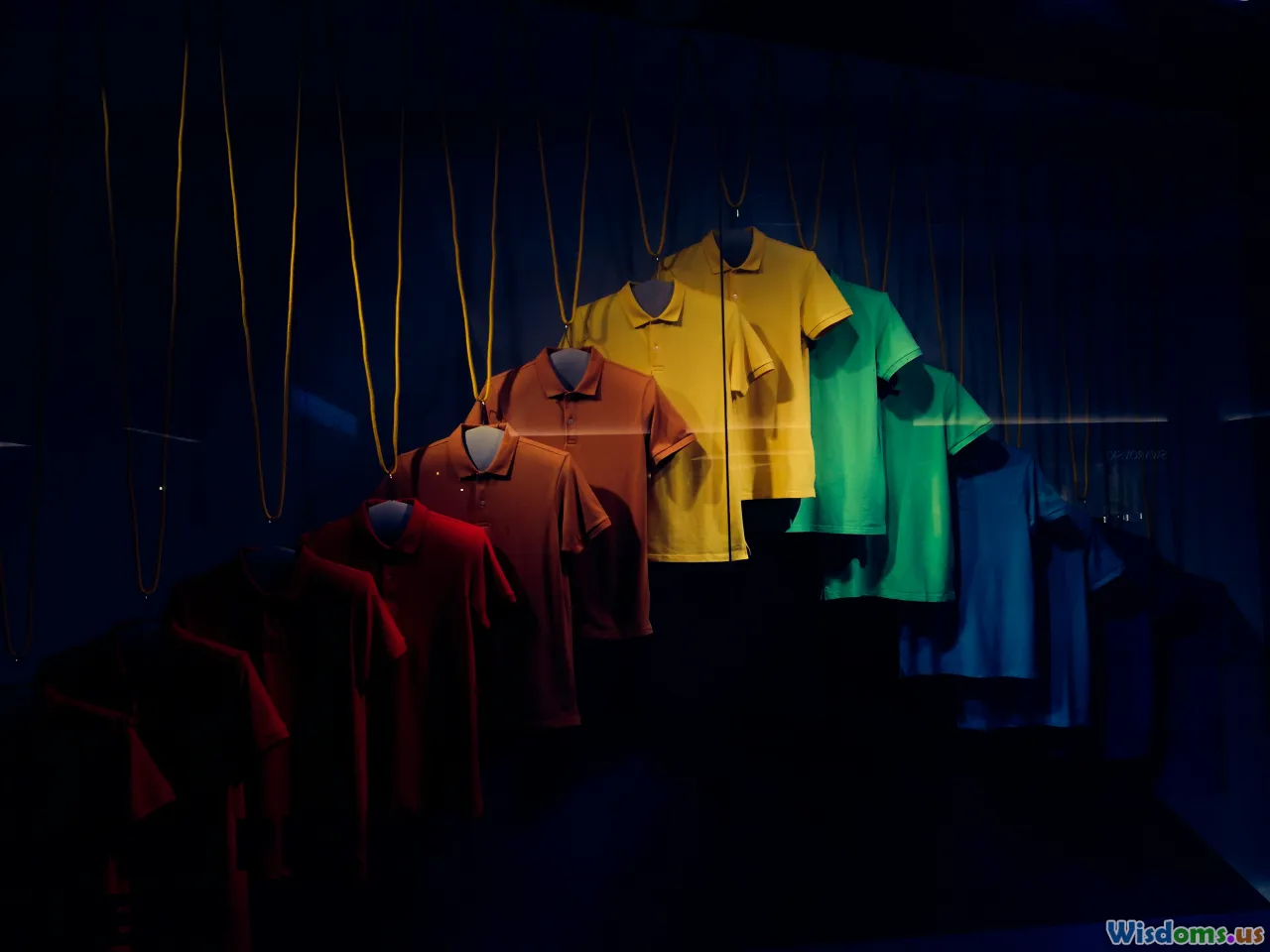
Lighting gels—thin sheets of colored plastic placed over fixtures—allow creative directors and photographers to tint runway environments, set moods, or match thematic color schemes.
Applications:
- For an "underwater" effect, try layering blue and green gels over accent and fill lights.
- to evoke fall warmth, amber and orange gels infuse the scene with golden tones.
For example, Versace’s neon-themed resort shows have used magenta and purple gels to energize every shot, seamlessly tying runway ambiance to brand identity. Multi-gelled lights can transform an otherwise stock standard runway into a visual spectacle—even before post-production begins.
Caution: Balance saturated colors with strong white or neutral key lights so models’ skin hues and the true color of garments don’t get lost.
High Key vs. Low Key: Sculpting Atmosphere
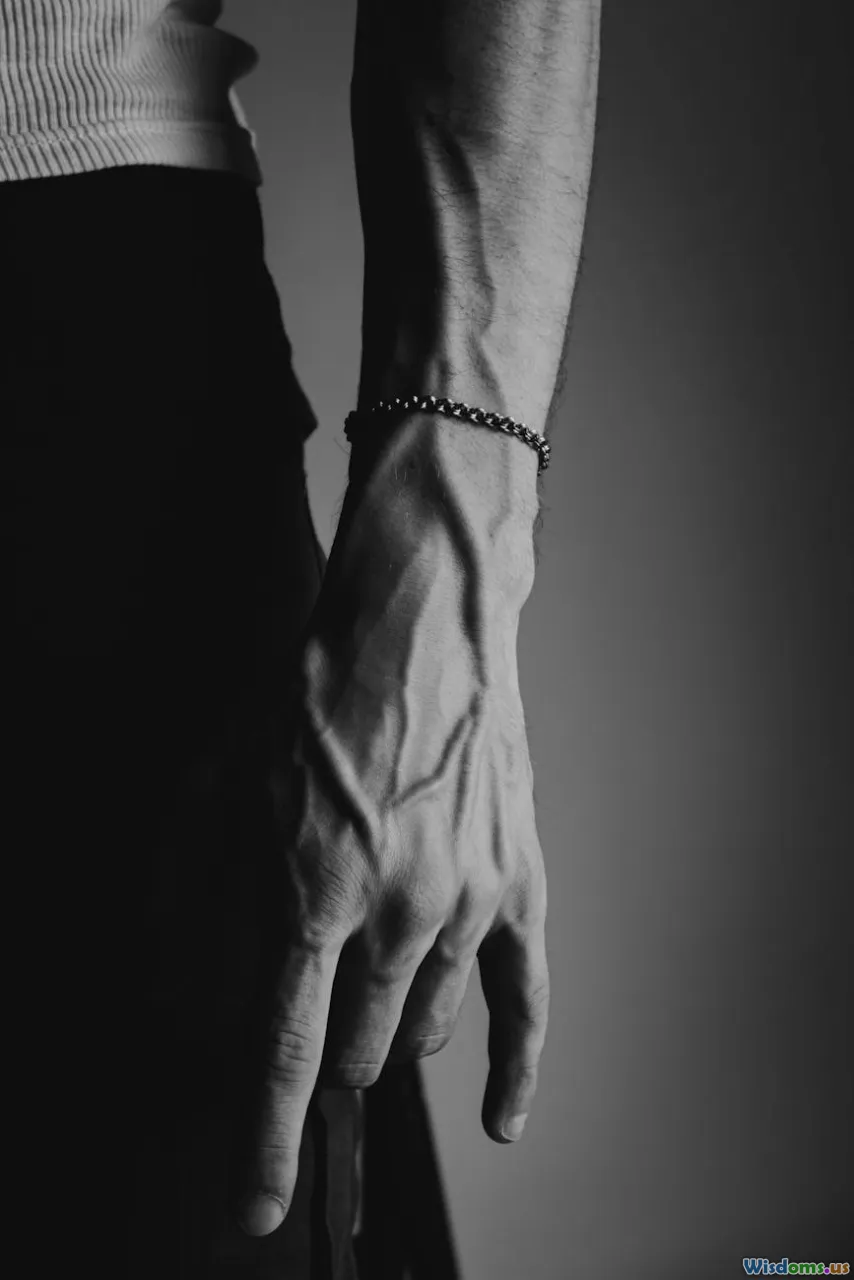
Choice of overall lighting style dramatically changes the tone of runway photos. High key lighting employs multiple bright light sources for even illumination, beloved for editorial looks that ‘pop’ on magazine covers. Low key setups, in contrast, use selective pools of bright light and deep shadows for drama, mystery, and old-Hollywood glamour.
High Key Example:
- New York Fashion Week often opts for bright, shadowless lighting on white runways, helping bold colors and intricate details stand out crisply.
Low Key Example:
- Rick Owens’ avant-garde shows sometimes feature models stepping through intentionally narrow light beams, surrounded by shadow. The approach emphasizes form and motion, yielding fashion-forward, almost ethereal images.
How to Achieve:
- For high key: Dome diffusers, softboxes, and multiple overlapping lights.
- For low key: Isolate beams with snoots or barn doors; increase contrast in-camera with lower ISO and a slightly underexposed background.
Strategic Use: Mixing both within a sequence (for instance, high key during grand entrances, low key for dramatic finales) delivers a versatile photographic portfolio and mirrors the emotional tempo of a show.
Stroboscopic Effects and Motion Freeze
Chasing motion is intrinsic to runway photography. To capture the energy of moving fabric and dynamic walks, consider freezing action with a burst of rapid strobe lights or introduce controlled motion blur for artistic interpretation.
Stroboscopic Flash: Set flashes to fire multiple times over a quick duration. This can create layered images showing a model’s stride, akin to Eadweard Muybridge’s chronophotography. When employed sparingly, as seen in futuristic shows by designers like Gareth Pugh, it adds visual dynamism and makes standout editorial images.
Motion Blur: Slow the shutter speed slightly—not enough for total blur, but just to trace moving hems or props. Accentuate with rim or back lighting to define edges even as other details melt away.
Technical Tip: Experiment during rehearsals before the main event to determine your camera’s flash syncing speeds or strobes’ recycle times, as timing is critical to avoid missed shots or ghosting.
Syncing Lighting Control With Live Runway Elements
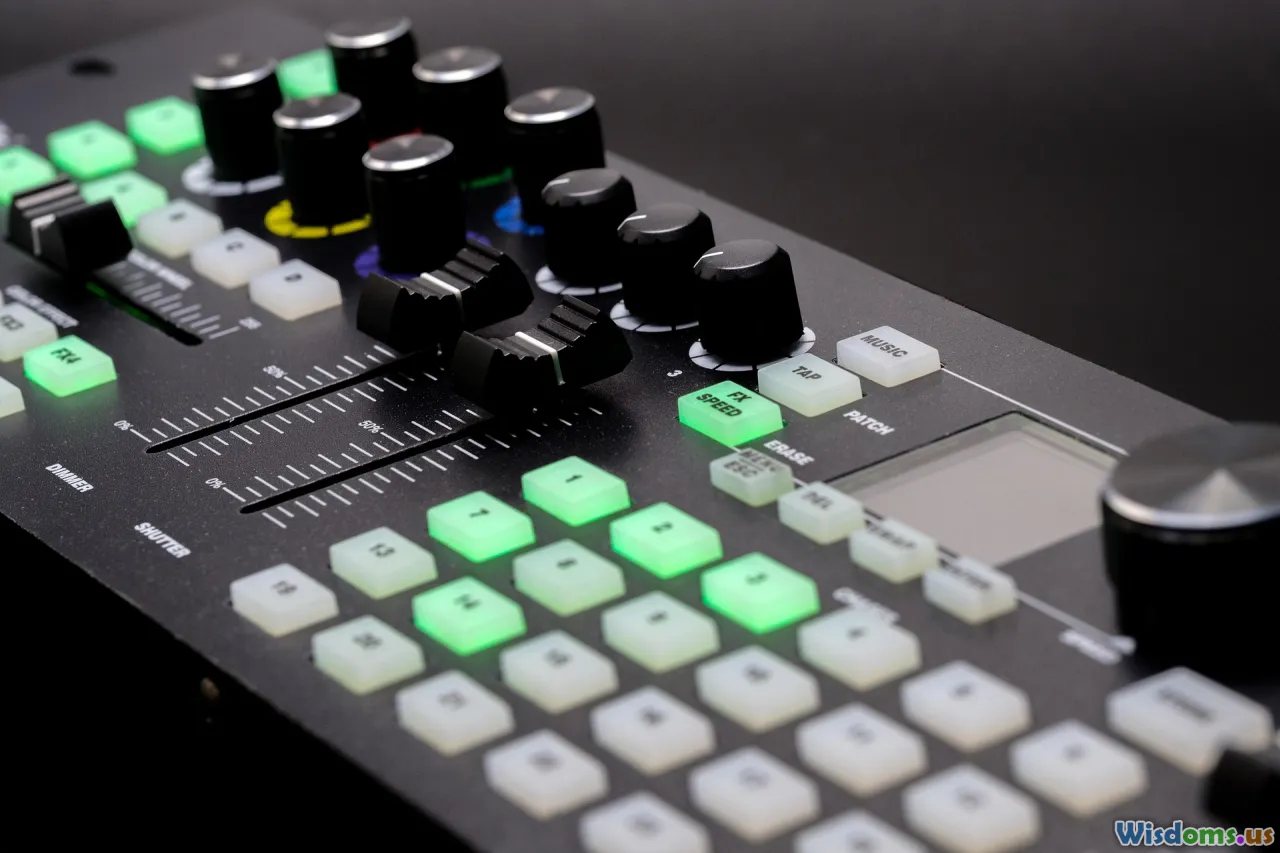
Modern runways often feature light shows programmed in real-time, tailored to choreography and musical cues. Photographers who coordinate in advance with light techs can anticipate "signature looks" when optimal lighting hits key moments.
How Photographers Can Prepare:
- Engage with the show director about lighting cues, especially dramatic changes during finales.
- Use burst or continuous shooting modes at anticipated peaks of light transitions.
- Many venues rely on DMX-controlled boards for switching scenes—know the cue sheets or request a rehearsal run-through to strategize shot timing.
When Marc Jacobs debuted his monochrome collection amid shifting strobes and pulsing colors, top photographers identified the precise seconds when core spotlights blanketed the models in soft light, ensuring flawless results despite a challenging, changing visual environment.
Embracing Minimalism: The Power of a Single, Well-Placed Light
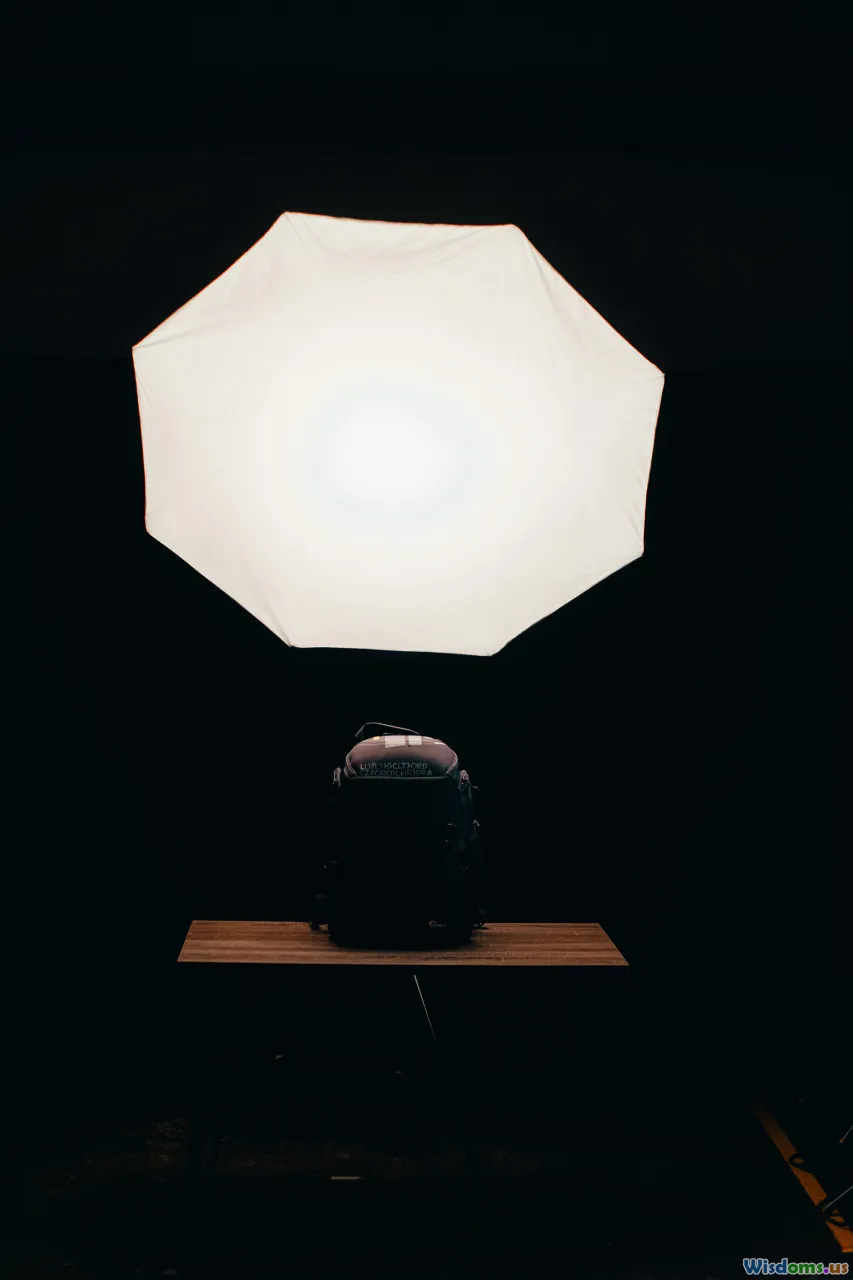
While complexity can dazzle, sometimes simplicity truly stands out. A single, well-placed spotlight can create gallery-worthy images that contrast selectively between the model and surrounding darkness—think of Yves Saint Laurent’s legendary plain black-canvas runways.
By restricting ambient lighting and relying on one high-powered, diffused spotlight (suspended overhead or to the side), sharp detail and feature-defining contrast emphasize garment cuts, model expressions, and runway texture. This stark aesthetic, popular in editorial shoots, finds its way into live fashion events for segments that celebrate essential design purity.
Advantages:
- Forces audience and camera alike to focus strictly on the subject.
- Reduces lighting logistics and technical complications during setups—ideal for pop-up or experimental shows.
Tips:
- Carefully meter exposure to prevent blown highlights.
- Ask models to pause briefly at the apex of the beam for that iconic, gallery-ready shot.
Lighting on the runway is both science and art—a dialogue between designer, technician, photographer, and model. From blending the ambient and artificial to embracing shadows or flooding with brilliance, it is lighting mastery that makes runway photos leap from digital screens onto the glossy covers and portfolios that define a designer’s legacy. By deploying these techniques with creativity and technical prowess, you don’t just capture fashion—you illuminate its heart.
Rate the Post
User Reviews


Popular Posts