
The Role of Decluttering in Staging Home Photos
15 min read Explore how decluttering impacts home staging photos, boosting appeal and buyer interest. (0 Reviews)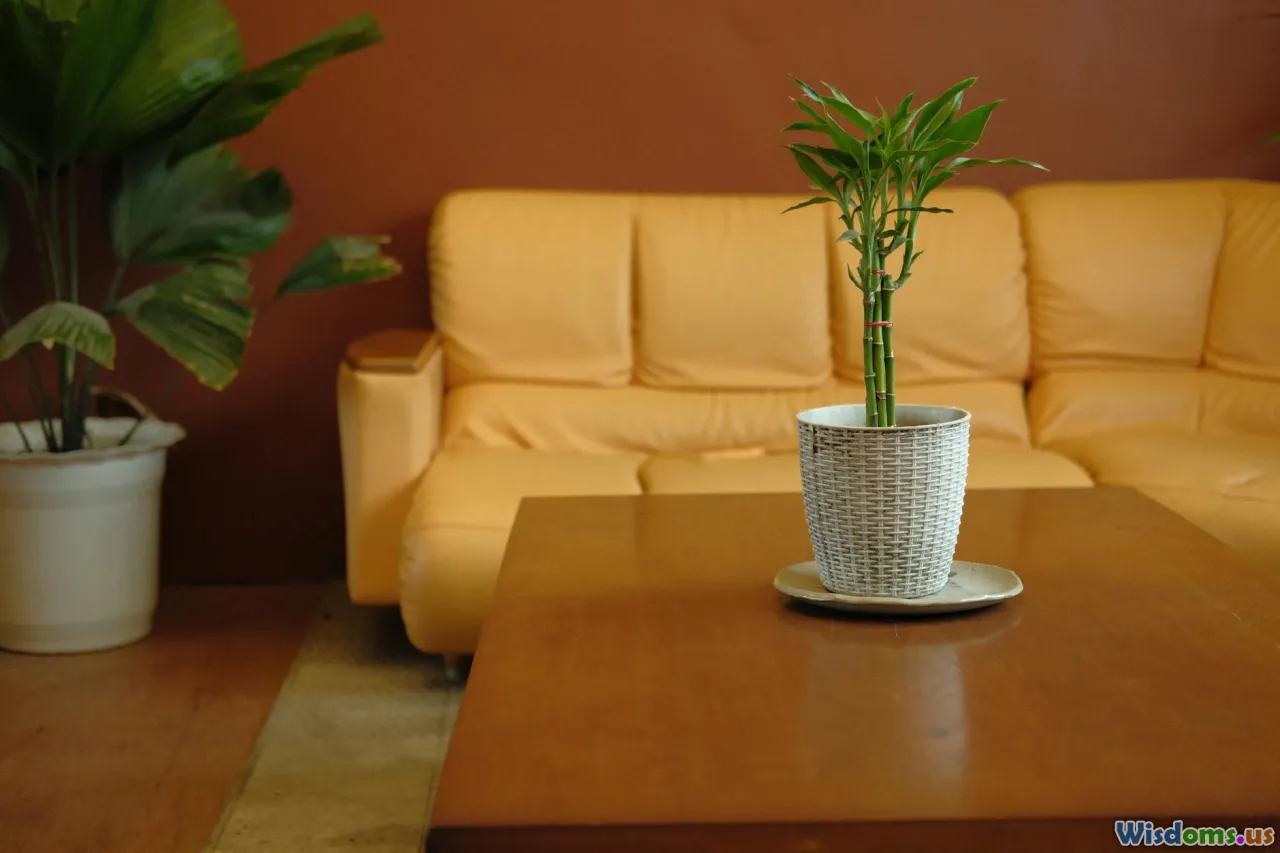
The Role of Decluttering in Staging Home Photos
A flawless first impression is crucial when selling a home, and in today's digital marketplace, that moment happens online. Stunning listing photos can make all the difference in attracting prospective buyers, setting the tone before they ever step inside. In this visual age, decluttering isn't just a tip—it's a foundational strategy in staging, ensuring every listing photo tells the story buyers want to hear.
The Psychology Behind Clutter-Free Photos

People’s brains are wired to seek order. A study by Princeton University Neuroscience Institute found that physical clutter competes for attention, reducing the ability to focus and process information. In real estate, this means visible clutter in photos distracts buyers, drawing their eyes away from a home's best features. Instead of seeing spacious countertops or elegant flooring, buyers fixate subconsciously on piles of mail or too many knick-knacks on a mantel.
Decluttered, thoughtfully staged rooms evoke feelings of calm and possibility. They help potential buyers imagine their own lives unfolding in each space. Take, for instance, the kitchen—a major selling point for most homes. A sparkling countertop free of gadgets, spice racks, or paperwork instantly appears more spacious and inviting in photos, suggesting a high standard of care.
Example: Before and After Comparison
Consider a bedroom photo where one version displays stacks of books, scattered clothing, and an overflow of accessories. The same room, after decluttering, features made-up bedding, clear surfaces, and selective décor. The after-image feels not only brighter but also larger and more luxurious, demonstrating how decluttering directly shapes perception.
How Decluttering Enhances Home Photo Quality
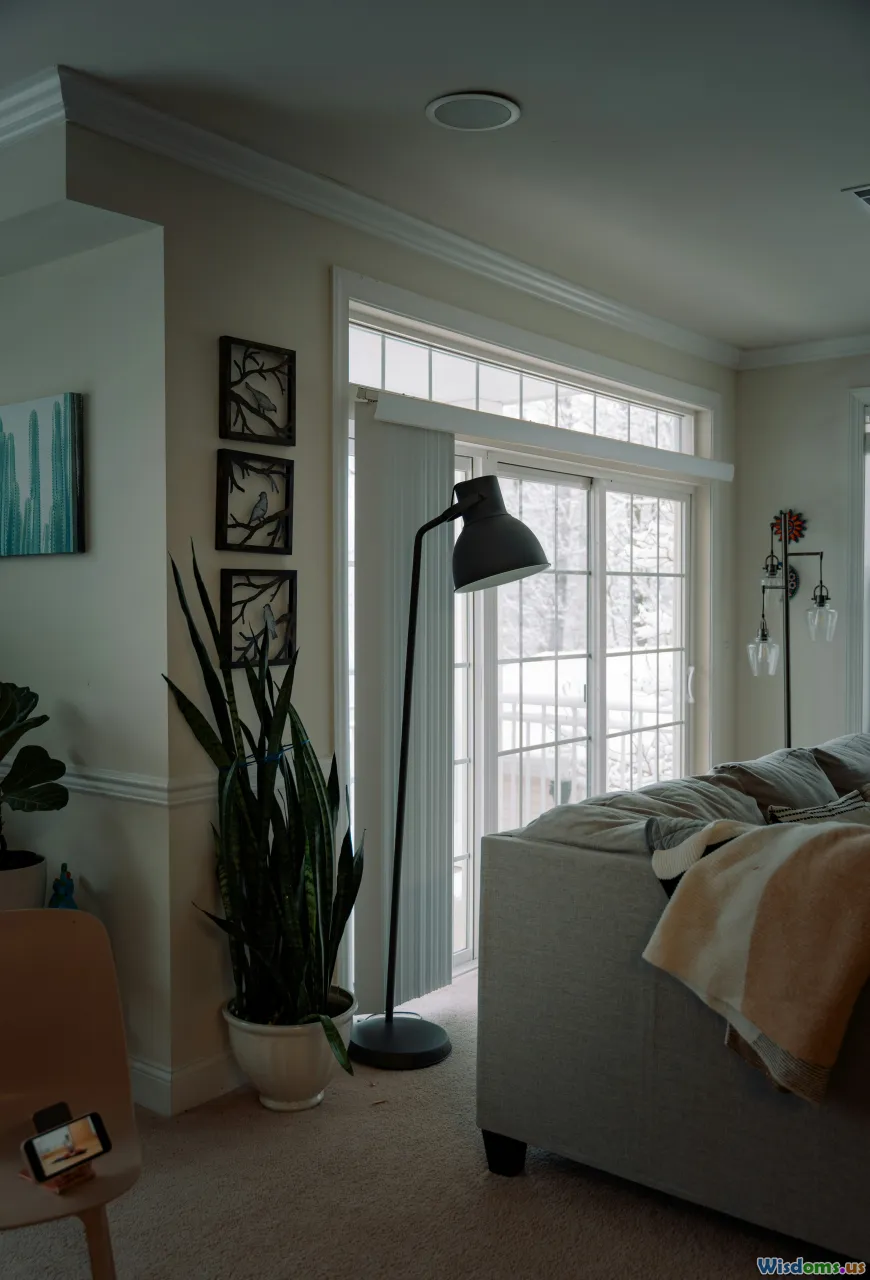
Every contemporary home photographer knows the difference between a good shot and a great one often comes down to fewer, not more, objects in the frame. Clutter absorbs light, creates visual chaos, and makes rooms feel cramped. By stripping away unnecessary items, each capture showcases essential features: architectural details, finishes, and flow.
When professional photographers arrive to shoot a property, their first move is often to walk through and suggest simple edits—packing up family photos, corralling kids' toys, hiding pet supplies. These minor adjustments:
- Minimize distractions so buyers focus on the home itself
- Help natural and artificial lighting bounce freely (no shadows from bulky furnishings)
- Make every square foot appear maximized
Photographer Jenna Stevens, who specializes in real estate, explains, "A decluttered living room reads as twice the size. It lets my lens take in the space as a buyer would—in full, not in fragments."
Actionable Decluttering Tips for Compelling Photos

Ready to prepare your home for photos (and ultimately, for sale)? Here’s a step-by-step approach that turns chaos into simplicity:
1. Start With High-Impact Zones
Prioritize the spaces that make headlines in listings: the living room, kitchen, bathrooms, and primary bedroom. Tidy bookshelves, reduce pillow overload, and clear surfaces in these areas provide the most bang for your buck.
2. The Rule of Three
When styling shelves, mantels, or tables, use the designer 'rule of three'—no more than three objects grouped together. This keeps visual interest without clutter.
3. Edit Functional Non-Essentials
Pack up small appliances, excess seating, and visible cords. Store pet gear, remote controls, and bulky throws until after the photoshoot.
4. Doors and Windows Matter
Windows should be free from crowded sills; let light flood the frame. Close closet and cabinet doors so only open, usable space is featured.
5. Remember the Floors
Rugs are fine (if clean and modern), but shoes, laundry baskets, and stacks of magazines have no place in the shot. The flooring itself is a selling feature; show it off.
Example Checklist Before Shooting:
- Living: Remove extra magazines, minimize family photos, fluff pillows
- Kitchen: Hide dish racks, clear fridge magnets, wipe counters
- Bath: Stash toiletries, fold towels neatly, clean mirrors
- Bedroom: Make the bed, organize nightstands, put away personal items
Real-World Success Stories

John and Priya, first-time sellers in Austin, Texas, credit decluttering as the secret ingredient in their fast home sale. "We never realized how much our lived-in space could overwhelm someone seeing it for the first time. After boxing up half our belongings—books, collectibles, mail trays—the photographer managed to capture these bright, airy rooms that didn't quite feel like ours, but really sold the place. We got multiple offers above asking in just three days."
Real estate agents echo this outcome consistently. Properties professionally staged and decluttered spend 73% less time on the market, according to a 2023 report from the Real Estate Staging Association. More telling, these homes fetch 1–5% higher offers than comparable properties without staging, thanks an inviting, neutral sense of space buyers crave.
Balancing Personal Touch and Universality

Some sellers worry that removing too much will render a home cold or generic. The trick is to maintain warmth without personalization. Swap out family portraits for tasteful artwork, keep a few coffee table books or a plant to add life, but skip idiosyncratic collections or hobby gear (sports trophies, rare figurines). Neutral tones and organic accents—think wooden bowls, greenery, a cozy throw—tick the boxes for broad visual appeal.
Designer Ashley Madison offers this insight: "Buyers should feel instantly comfortable, able to envision their own routines here. Overly personalized clutter can make people subconsciously feel like intruders, while subtle, refined staging says, ‘Come live here.’"
Digital Decluttering: Editing the Final Touch
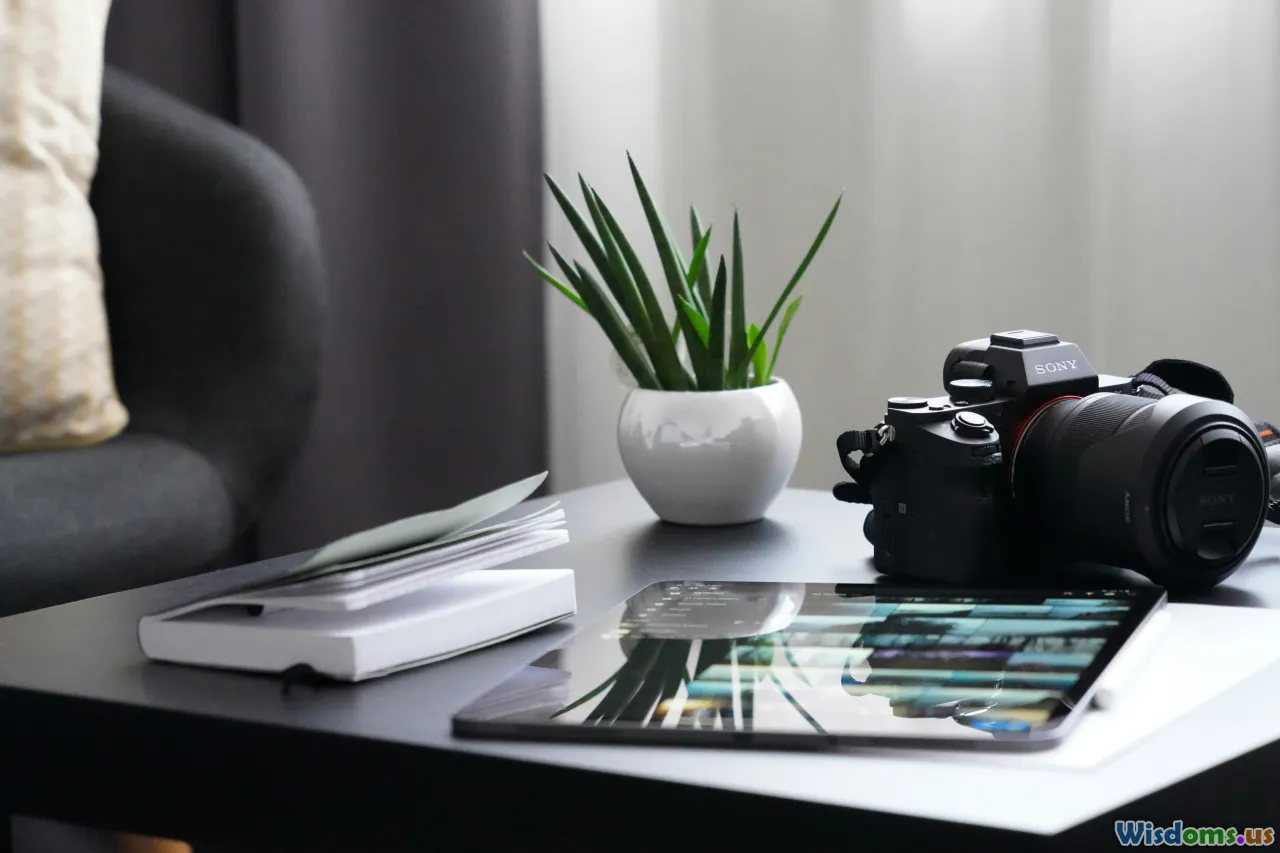
Decluttering doesn’t end after packing away boxes. Once photos are taken, digital decluttering steps in. Editors may adjust lighting, remove lingering cord reflections, or tweak color balances. However, the industry frowns on digitally erasing things like actual walls or structures, as that can mislead buyers and damage trust.
Many real estate photographers offer light retouching as part of their packages, helping the already clean space shine even more. For example, a photographer might brighten dark corners or gently remove a single light switch's shadow, but the overall impression should remain faithful to reality—the result of hands-on decluttering.
Decluttering and ROI: The Value Proposition

Decluttering isn’t just about looks; it’s a strategic investment with tangible returns. According to the 2024 National Association of Realtors (NAR) Profile of Home Staging, 73% of agents reported that a staged and decluttered home boosted the offer value 1-5% compared to similar homes. On a $400,000 home, that translates to $4,000–$20,000 extra—often for a weekend of effort and perhaps a few hundred dollars spent on storage or cleaning.
Moreover, homes that appear spacious and move-in ready attract a wider range of offers, increasing not only price but the speed of transaction. For homes sitting on the market, even small decluttering refreshes (like updating bedding or removing excess wall art) have been shown to jumpstart flagging interest and reinvigorate listings.
Overcoming Common Decluttering Challenges
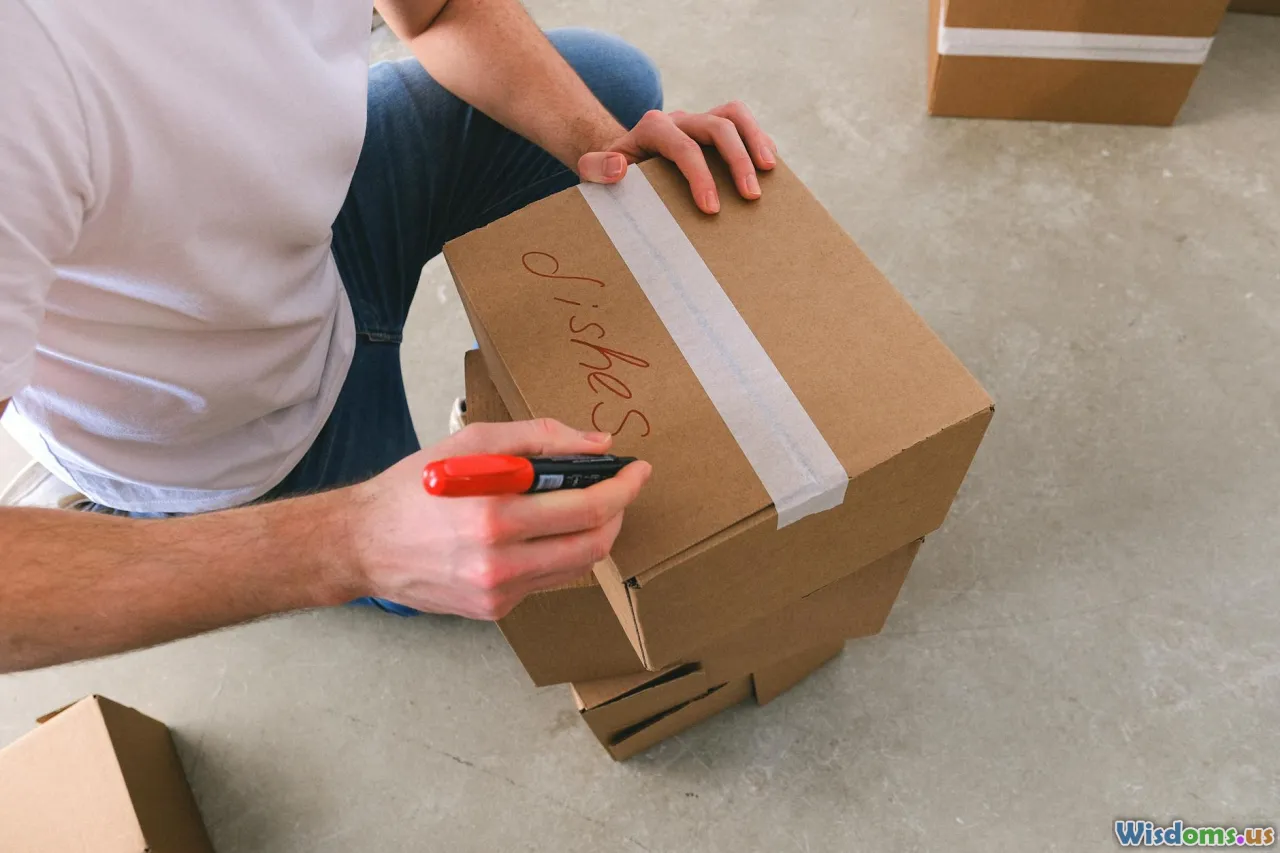
Decluttering can be a daunting task, especially for those who have lived in a space for years. Here’s how to smooth the process:
1. Set Achievable Goals
Focus on one room or even one zone (like the entry or kitchen counters) at a time. Divide the home into manageable sections and aim for daily progress instead of perfection.
2. Use the Four-Box Method
Label boxes as ‘Keep,’ ‘Donate,’ ‘Store,’ and ‘Trash.’ This creates a decision-making structure and speeds up sorting.
3. Consider Temporary Storage
If moving items offsite isn’t an option, designate a rarely-used closet or under-bed area for hidden, labeled bins until the home is sold.
4. Involve a Neutral Third Party
Friends, professional organizers, or even your real estate agent can offer valuable, less-attached opinions about what detracts from photo appeal.
Example: The "60-40" Rule
Many staging services advise keeping only 60% of items on display, removing 40% to storage. This keeps spaces feeling lived-in but crisp and edit-worthy for photos.
Integrating Decluttering into the Listing Timeline

Prepping for listing photos is a process best woven into the overall selling plan. Here’s how sellers and agents should time their approach:
Step 1: Plan in Advance
Ideally, begin the decluttering process two to three weeks before the photo session. This leaves time for deep cleaning, minor repairs, and sourcing small-stage props, if needed.
Step 2: Work Room By Room
Daily goals keep motivation high and prevent burnout. Start with less-frequented spaces—spare bedrooms, guest baths—and finish with the main living areas, keeping them show-ready for photography.
Step 3: Schedule Photography Smartly
Arrange for the photo shoot as soon as the declutter-and-stage process is complete. Avoid big events at home (kids’ parties, remodeling) that could reintroduce clutter.
Tip: Document Your Effort
Take before-and-after phone photos of each room. They’ll help you visualize progress and will serve as a reminder of what ‘photo-ready’ should look like for showings—or if a reseller wants to list for rent later.
Final Impressions: Why Decluttering Delivers Results
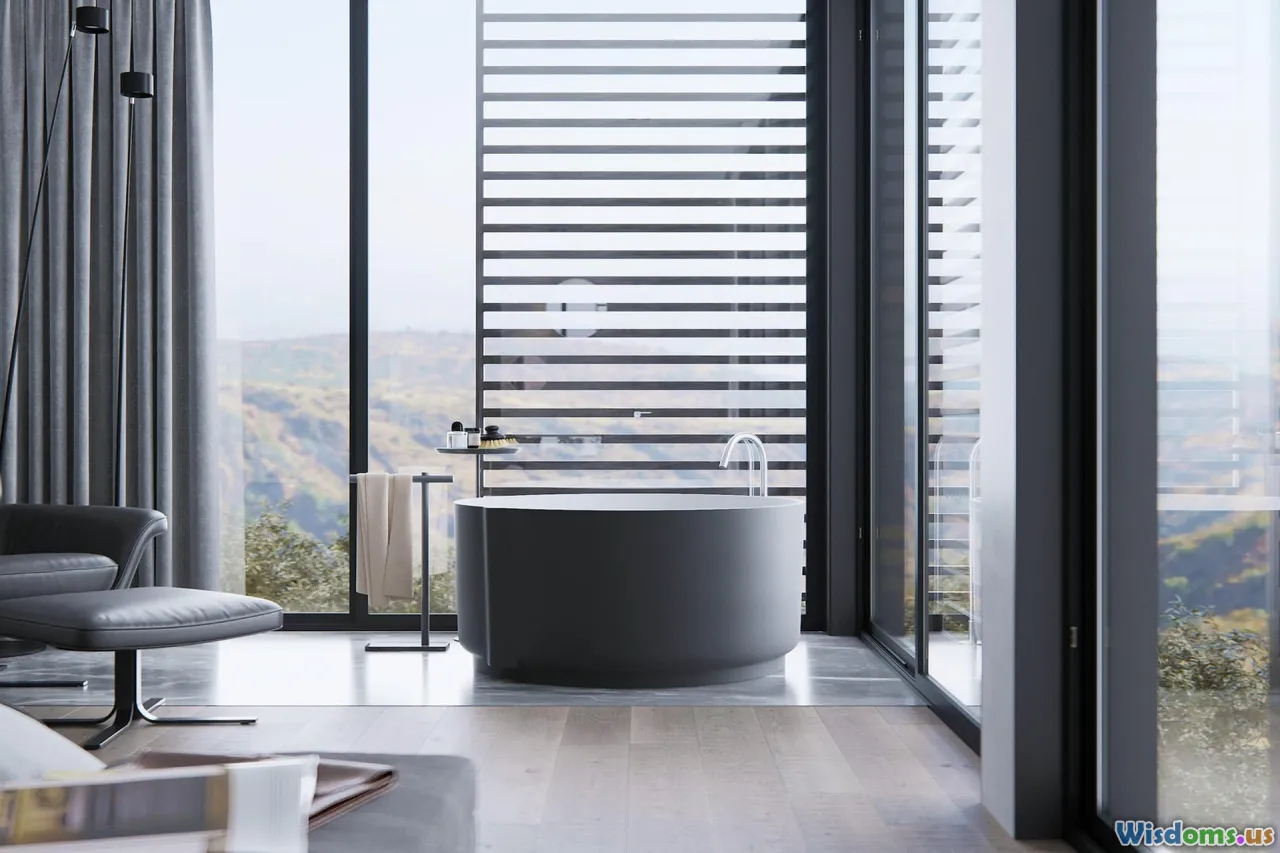
In the real estate world, selling a home is as much about storytelling as square footage. Thoughtful decluttering for listing photos isn’t about scrubbing a home of character, but about helping buyers see themselves as the main character moving forward. It’s the simplest, most cost-effective boost for maximizing visual appeal and offer value.
Homes that dazzle in photos, free from distractions and clutter, invite buyers to linger over each room, click through the gallery, and book a showing. If first impressions win offers, then decluttering is the silent hero every home seller needs—even before the camera clicks.
Rate the Post
User Reviews








Popular Posts