Steps To Improve Inmate Rehabilitation Outcomes
28 min read Actionable, evidence-based steps for corrections leaders to boost inmate rehabilitation, reduce recidivism, and strengthen reentry through education, mental health care, vocational pathways, family ties, and data-driven case management. (0 Reviews)
Accountability without opportunity is a dead end. When incarceration includes structured care, education, and real-world practice, people return home safer, healthier, and more employable. Decades of research and practical examples from around the world show that rehabilitation works when it is intentional, measured, and connected to the community. The steps below translate that evidence into a clear, actionable blueprint for improving inmate rehabilitation outcomes at the system and facility levels.
Start With Safety and Dignity
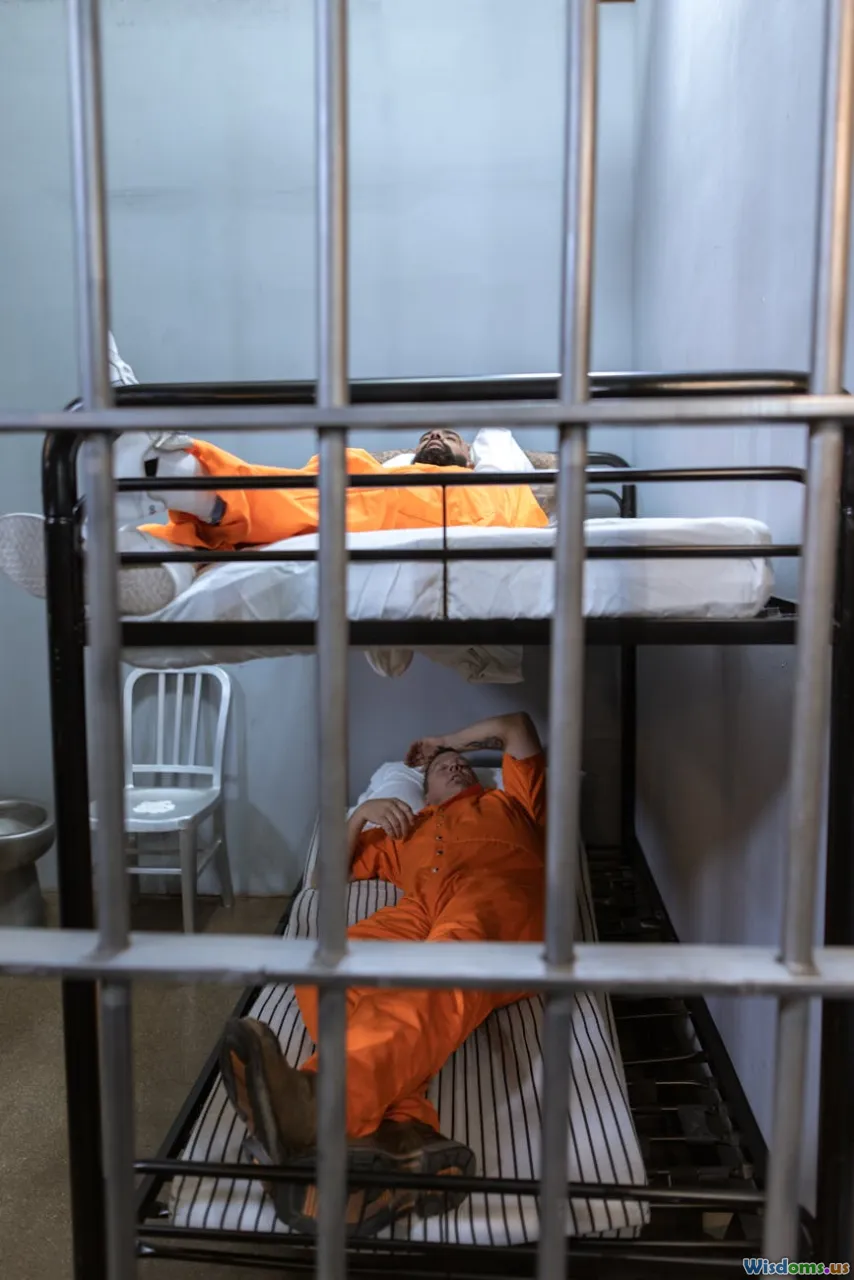
Rehabilitation cannot take root where fear, chaos, or neglect dominate. A safe, predictable environment—paired with humane treatment—creates the conditions for people to think long-term and engage in change.
Actionable steps:
- Normalize daily life. Support practices that mirror the outside world where possible: regular schedules, clean and well-lit spaces, access to basic hygiene products, and meaningful human contact.
- Shift from static to dynamic security. In addition to physical controls, rely on staff who know the people in their units, de-escalate conflict, and build trust. This reduces contraband, assaults, and self-harm incidents.
- Train officers as change agents. Provide training in motivational interviewing, crisis intervention, trauma-informed care, and cultural humility. A realistic target: 40–80 hours of annual professional development per officer focused on communication, de-escalation, and rehabilitation-supportive supervision.
- Use graduated, restorative responses to rule violations. Instead of reflexive isolation, favor problem-solving sanctions and restorative practices that teach skills and repair harm.
Illustrative examples:
- Norway’s “normalization” principle—seen at Halden Prison—prioritizes safety, respectful relationships, and purposeful activity. Its reoffending rates are among the lowest globally.
- In U.S. facilities that trained officers in de-escalation and consistent incentives, administrators report fewer uses of force and better program attendance, creating a virtuous cycle that supports change.
Use Validated Risk-Need Tools To Individualize Plans

Resources must match needs. The Risk-Need-Responsivity (RNR) model is the backbone of modern correctional rehabilitation: focus intensive services on higher-risk people; target criminogenic needs (such as antisocial cognition or substance use); and tailor delivery to learning style, culture, and motivation.
How to implement:
- Screen early and thoroughly. Within 72 hours, use validated tools (for example, LSI-R, ORAS, or comparable instruments vetted by your jurisdiction) to assess risk and dynamic needs—substance use, mental health, education level, antisocial beliefs, housing and employment history, and trauma exposure.
- Build one living case plan. Within two weeks, translate assessment results into a written plan that covers programming, health, education, work, family contact, and reentry milestones. Update quarterly.
- Prioritize dosage. Higher-risk individuals often need 200–300 hours of cognitive-behavioral programming to shift entrenched patterns; lower-risk individuals should avoid over-programming that disrupts pro-social anchors like family or work.
- Align teams. Case managers, educators, health staff, and security should co-create and track the same plan. A caseload target of 1 case manager to 30–40 people improves follow-through.
Stabilize Health: Mental Health, Substance Use, and Chronic Conditions

Health drives behavior. Untreated depression, psychosis, PTSD, and addiction derail progress in education and work. Stabilizing health early improves safety and rehabilitation outcomes.
Core elements:
- Universal screening and triage. Use standardized tools for mental health (e.g., PHQ-9 for depression), PTSD, and substance use (e.g., ASSIST/DAST). Flag serious conditions for immediate clinical attention.
- Medication for opioid use disorder (MOUD). Methadone, buprenorphine, and extended-release naltrexone reduce opioid cravings and post-release overdose risk. After Rhode Island introduced MOUD across facilities in 2016, overdose deaths among people recently released fell substantially in the following year.
- Continuity of care. Ensure uninterrupted psychiatric medications and chronic disease treatment (diabetes, hypertension, HIV) with refill protocols, telepsychiatry in scarce areas, and warm handoffs to community clinics.
- Overdose prevention. Provide naloxone on release and train people and families in its use. The first two weeks post-release are especially high risk; planning must anticipate that window.
- ADA-compliant services. Screen for cognitive and physical disabilities; offer accommodations and accessible program formats.
Embed Cognitive-Behavioral Programming That Targets Criminogenic Needs

People can learn to think and act differently. Cognitive-behavioral interventions (CBIs) help participants recognize triggers, challenge thinking errors, regulate emotions, and practice prosocial skills.
What works:
- Evidence-based curricula. Programs like Thinking for a Change, Moral Reconation Therapy, and Aggression Replacement Training have shown meaningful reductions in reoffending when delivered with fidelity.
- Quality control. Train facilitators, observe groups, and use fidelity checklists. Many programs only “work” when facilitators adhere to the model; shortcutting reduces impact.
- Skill practice and reinforcement. Pair classroom learning with role plays, in-unit coaching by staff, and incentives that reward demonstrated skills (for example, conflict resolution without infractions for 60 days).
- Dosage and sequencing. Start with motivation and stabilization modules before moving to higher-level CBT and then to education or vocational tracks.
Make Education Non‑Negotiable

Education is one of the strongest predictors of successful reentry. A widely cited meta-analysis by RAND found that incarcerated people who participated in education programs had significantly lower odds of recidivating and higher odds of employment. Corrections education also tends to pay for itself: each dollar invested yields multiple dollars in avoided incarceration costs.
Essential moves:
- Guarantee access to basic education. Offer adult basic education, English language learning, and GED/HiSET prep on predictable schedules. Use adaptive assessments to place learners correctly.
- Build college pathways. With Pell Grants reinstated for eligible students, partner with accredited colleges to provide credit-bearing courses that stack into degrees. Prioritize fields with clear labor market demand.
- Leverage technology wisely. Deploy secure tablets and learning management systems for self-paced coursework, with offline content and proctoring for exams. Ensure content aligns with recognized standards.
- Measure progress. Track skill gains (e.g., TABE or GED pass rates), credit accumulation, and post-release enrollment and completion.
Example: College-in-prison programs such as the Bard Prison Initiative have demonstrated high persistence and employment among alumni, many in fields requiring analytical and communication skills honed through study.
Build Real Job Pathways, Not Just Workshops

Work is therapy when it leads to a career. Vocational training must culminate in credentials employers actually value, with bridges to real jobs upon release.
Action steps:
- Use industry-recognized credentials. Offer NCCER certifications in construction, ServSafe in food service, CompTIA in IT, or state-licensed cosmetology—aligned with regional employer demand data.
- Create registered apprenticeships. Partner with unions and employers to register pre-apprenticeships and apprenticeships through the U.S. Department of Labor so hours count after release.
- Engage employers early. Create an employer advisory council to shape curricula, visit facilities, conduct mock interviews, and commit to hiring pipelines. Provide fair-chance hiring education and liability protections where available.
- Bridge programs. Michigan’s Vocational Village equips participants in carpentry, CNC machining, robotics, and automotive repair with modern equipment and live employer interviews—leading to high placement rates upon release.
- Job developers and placement. Fund in-house job developers who coordinate interviews before release and continue supports for 6–12 months post-release.
Practice Freedom: Gradual Steps To The Community

Change sticks when people can test skills in realistic settings. Provide structured exposure to community norms and responsibilities before the gate opens.
Practical options:
- Work release and transitional employment. Shift suitable participants into community-based work centers or on-campus jobs that interact with outside employers, with coaching and savings plans.
- Graduated privileges. Tie increased movement, community service, and family passes to clear behavioral metrics.
- Transitional housing. Reserve capacity in halfway houses, recovery residences, or supportive housing for people with limited options. Coordinate curfews, case management, and coaching.
- Transportation practice. Before release, set up transit cards, driver’s license reinstatement where possible, and route planning to work or treatment.
Plan Reentry Early—and Backward From Day One

Reentry is a process, not a date. Start with the end in mind and work backward.
Build a 6–9 month timeline:
- Documents and benefits. Secure state ID, Social Security card, and birth certificate; pre-enroll in Medicaid or marketplace plans 30–90 days pre-release; resume or modify child support orders to realistic levels; restore driver’s license if eligible.
- Housing plan. Apply early for supportive housing or reentry-friendly landlords; consider family reunification with mediation support.
- Employment and education. Schedule interviews, job fairs, and campus visits before release; ensure credentials and transcripts are in hand.
- Financial basics. Open a bank account (if policy allows), clear up outstanding fines/fees with payment plans, and set a savings target.
- Release day kit. Provide a phone with a basic data plan if possible, transit pass, appointment schedule, and a week of essential medications.
Programs that start reentry planning at admission and revisit it quarterly report smoother transitions and fewer crises in the first 90 days post-release.
Surround People With Pro‑Social Supports

Change is contagious. Family, mentors, and supportive peers help people apply new skills, ride out setbacks, and celebrate wins.
Strategies that work:
- Protect and expand family contact. Regular in-person visits are associated with better behavior in custody and lower recidivism after release. In Minnesota, one study found that visits correlated with notable reductions in reoffending and technical violations. Keep costs reasonable, avoid replacing in-person visits with video, and offer child-friendly spaces.
- Parent-focused programs. Offer parenting classes, family therapy, and special visitation days that strengthen bonds and reduce intergenerational harm.
- Peer mentoring. Train “credible messengers”—people with lived experience—to mentor participants inside and in the community. Peers often outperform traditional case managers in engagement and trust.
- Faith and community partnerships. Invite vetted community organizations to co-facilitate groups and plan supports that continue outside.
Remove Structural Barriers That Undo Progress

People who do the work still face locked doors. System leaders can tackle the policy barriers that block housing, work, and stability.
Priority levers:
- Fair chance hiring. Adopt “ban-the-box” policies, offer employer incentives or bonding, and ensure government contractors follow fair-chance standards.
- Occupational licensing reform. Remove blanket bans, use individualized assessments, and apply “time since offense” and “direct relationship to the job” tests. Publish clear decision timelines.
- Clean slate pathways. Expand record sealing and expungement for eligible offenses; host in-facility legal clinics to start the process pre-release.
- Fines and fees relief. Review and consolidate court debts; create realistic payment plans and ability-to-pay hearings to prevent license suspensions that derail employment.
- Housing access. Encourage housing authorities and landlords to adopt offense-specific, time-limited screening rather than blanket exclusions; expand supportive housing slots for those with behavioral health needs.
Specialize Services For Distinct Populations

One-size-fits-all fails in practice. Tailor approaches to the needs and strengths of specific groups.
Key adaptations:
- Women. Emphasize trauma-informed care, family reunification, reproductive health, and programs that account for caregiving roles. Offer gender-responsive CBT groups and pathways to careers that pay living wages.
- Young adults. Focus on education first, with mentorship, cognitive skills training, and apprenticeship tracks that capitalize on neuroplasticity.
- Veterans. Screen for service-connected benefits, PTSD, and traumatic brain injury; link to Veterans Justice Outreach and VA health care.
- LGBTQ+ individuals. Ensure safe housing, anti-discrimination enforcement, and affirming health and mental health care.
- People with disabilities. Provide accommodations, accessible materials, and supported employment or education where indicated.
- Language access. Offer interpretation and translated materials to ensure meaningful participation.
Train Staff And Align Incentives

Rehabilitation is a team sport. Staff culture and incentives determine whether programs flourish or flounder.
Build the foundation:
- Invest in motivational interviewing (MI). MI equips staff to resolve ambivalence and increase engagement. Require MI for case managers and officers who lead programming.
- Set clear incentives. Offer earned time credits, preferred job assignments, expanded visitation, and educational scholarships for program milestones.
- Reduce burnout. Manage staff-to-participant ratios; rotate high-stress posts; provide mental health resources for staff.
- Reward outcomes, not just outputs. Recognize teams for reduced misconduct, program completion, and successful transitions, not only for headcounts in seats.
Use Technology To Close Gaps, Not Create New Ones

Technology can expand reach, but fees and poor design can undermine trust.
Smart practices:
- Learning platforms. Use secure tablets and kiosks for coursework, cognitive skills boosters, and digital literacy. Preload content to avoid connectivity barriers.
- Telehealth. Expand psychiatric and specialty care with telemedicine. Ensure privacy and continuity into community clinics.
- Case management systems. Integrate assessments, plans, program attendance, sanctions, and incentives into a single platform accessible to authorized partners.
- Keep communication affordable. Cap or eliminate fees for video calls and e-messaging; prioritize in-person contact.
- Data security. Comply with HIPAA where applicable and protect data sharing with formal agreements and role-based access.
Measure What Matters And Improve Relentlessly

What gets measured gets managed. Go beyond recidivism to track the stepping stones of desistance.
Build a metrics suite:
- Safety and engagement. Incidents per capita, grievances resolved, program attendance and completion, waitlist times.
- Human capital. Literacy gains, credentials earned, apprenticeships started, job offers at release.
- Health stabilization. Treatment initiation and adherence, MOUD participation, continuity of medications, overdose reversals and mortality.
- Reentry outcomes. Housing stability at 30/90/365 days, employment at 90/365 days, income levels, family reunifications, compliance with supervision.
- Equity. Disaggregate by race, ethnicity, gender, age, and disability to detect disparities and target fixes.
Use continuous quality improvement (CQI): run small pilots, A/B test practices (for example, appointment reminders by text vs. phone), audit fidelity, and publish dashboards. Partner with universities or independent evaluators to validate impacts.
Fund What Works And Sunset What Doesn’t

Stable funding accelerates what works. Fragmented, short-term grants do not.
Strategies:
- Braid funding. Combine corrections budgets with workforce dollars (e.g., WIOA), Medicaid for eligible behavioral health services, education funds, and philanthropy for innovation.
- Use federal opportunities. Second Chance Act grants, Pell Grants for higher education in prison, and apprenticeship funds can jumpstart programs.
- Demand ROI. Prioritize programs with a strong evidence base—such as education, CBT, MOUD—and conduct cost-benefit analyses. Prior research suggests that each dollar spent on correctional education can yield multiple dollars in avoided costs.
- Sunset low-impact programs. If an initiative doesn’t move key metrics after a fair test, reallocate funds to stronger options.
A Practical 12‑Month Implementation Roadmap

Transforming rehabilitation can start now. Here’s a staged plan for a mid-sized system:
Months 1–2: Baseline and buy-in
- Map current programs, staffing, and outcomes; build a cross-functional steering team including security, health, education, reentry, and lived-experience advisors.
- Select 3–5 priority metrics and set targets (for example, program completion up 20%, GED passes up 30%, MOUD coverage at 70%).
Months 3–4: Quick wins
- Launch universal screening protocol and a single case plan template.
- Start MI training for frontline staff; pilot one CBT group with fidelity monitoring.
- Begin ID and benefits pre-enrollment workflow with motor vehicle and social services agencies.
Months 5–6: Build pathways
- Finalize college and apprenticeship partnerships; procure secure tablets with approved learning content.
- Stand up a reentry navigator team with a 1:35 caseload; create employer advisory council.
- Expand MOUD access and telepsychiatry; implement naloxone on-release protocol.
Months 7–9: Community bridges
- Launch work-release or on-campus transitional employment; sign MOUs with housing providers.
- Host in-reach job fairs and legal clinics for record relief and fines/fees plans.
- Pilot peer mentoring and family engagement weekends.
Months 10–12: Measure and adjust
- Publish a public-facing dashboard; hold quarterly CQI reviews.
- Lock in braided funding and plan to scale high-performing pilots; sunset one low-impact program to fund growth.
- Document lessons learned and refine the roadmap for year two.
Field Notes: Programs Showing The Way

Snapshots of efforts that improved outcomes:
- Statewide MOUD in corrections. Rhode Island implemented methadone, buprenorphine, and naltrexone in all state facilities and coordinated community handoffs. The state observed a sharp decline in overdose deaths among people recently released, demonstrating the life-saving power of continuity.
- Michigan’s Vocational Village. Purpose-built units integrate modern shops—robotics, CNC machining, carpentry—and soft skills coaching, with employer engagement throughout. Graduates often leave with multiple credentials and job offers.
- College-in-prison partnerships. Programs like the Bard Prison Initiative and state university collaborations show strong academic achievement and alumni employment, benefitting campus culture inside and employer perceptions outside.
- Normalization in practice. European models such as Norway and Germany emphasize dignity, purposeful activity, and professionalized staff roles, correlating with lower reoffending compared to more punitive models.
- The Last Mile. Technology and entrepreneurship training inside, with pathways to internships at software companies, show that modern skills and employer partnerships can overcome stigma when training quality is high.
Common Pitfalls—and How To Avoid Them

Avoiding errors is as important as launching innovations.
Watch-outs and fixes:
- Over-programming low-risk people. This can increase recidivism by disrupting healthy routines. Use RNR to target intensity.
- “Check-the-box” classes. Low-fidelity CBT or generic life-skills courses rarely move outcomes. Invest in training, supervision, and fidelity checks.
- No continuity of care. Abrupt drops in medication or services at the gate lead to crises. Start handoffs 60–90 days pre-release with scheduled appointments and warm introductions.
- Predatory tech fees. High costs for e-messaging or video visits erode family ties and trust. Cap fees and protect in-person visits.
- Data silos. If education, health, and case management systems don’t talk, people fall through cracks. Integrate or create shared views with strong privacy governance.
- Staff burnout. Culture change fails without staffing relief, mental health supports, and recognition. Track turnover and act early.
What Success Looks Like To People Who Come Home

Systems often celebrate reduced recidivism; people celebrate stability and dignity. Centering the lived experience clarifies targets:
- A safe place to sleep the first night—and every night after.
- A job that pays enough to support a household and offers a future.
- Access to health care that continues seamlessly from inside to outside.
- The skills and confidence to navigate setbacks—relapse prevention, conflict resolution, and problem-solving.
- Repaired relationships with children, partners, and parents.
- Identification, a bank account, and a phone—small items that enable everything else.
When these boxes are checked, public safety improves as a byproduct. People who have reasons to succeed rarely return to crime.
Bringing these steps to life is not about a single silver bullet. It is about weaving safety, health, skills, family, and opportunity into one coherent journey from intake to long after release. The jurisdictions that commit to this blueprint—measured, humane, and relentlessly practical—consistently see fewer victims, healthier communities, and more people writing their next chapter on the right side of the law.
Criminology Performance Metrics Public Policy Rehabilitation criminal justice reform Corrections and Incarceration Prison Education Vocational Training Recidivism Reduction Corrections Inmate Rehabilitation reentry evidence-based corrections risk-needs-responsivity mental health treatment substance use disorder treatment reentry planning family engagement case management
Rate the Post
User Reviews










Popular Posts