The Hidden Costs of Frequent Stock Trading Explained
19 min read Explore the often-overlooked financial and psychological costs tied to frequent stock trading. (0 Reviews)
The Hidden Costs of Frequent Stock Trading Explained
Stock trading has never been more accessible. With just a smartphone and an app, millions have delved into the world of buying and selling shares. Stories of day traders making fortunes—and sometimes losing them—abound on financial news and social media platforms. The allure is clear: the possibility of quick profits, the thrill of the market, and the sense of autonomy. But beneath the surface, frequent stock trading harbors hidden costs that can quietly erode returns, sometimes dramatically so.
Whether you're a novice hoping to outsmart the market, or an experienced hand looking to fine-tune your strategies, understanding these unseen factors is crucial. Let's explore the multitude of ways in which frequent trading can undermine even the most well-intentioned investment goals—and what you can do to avoid common pitfalls.
Transaction Fees: The Small Bites That Add Up
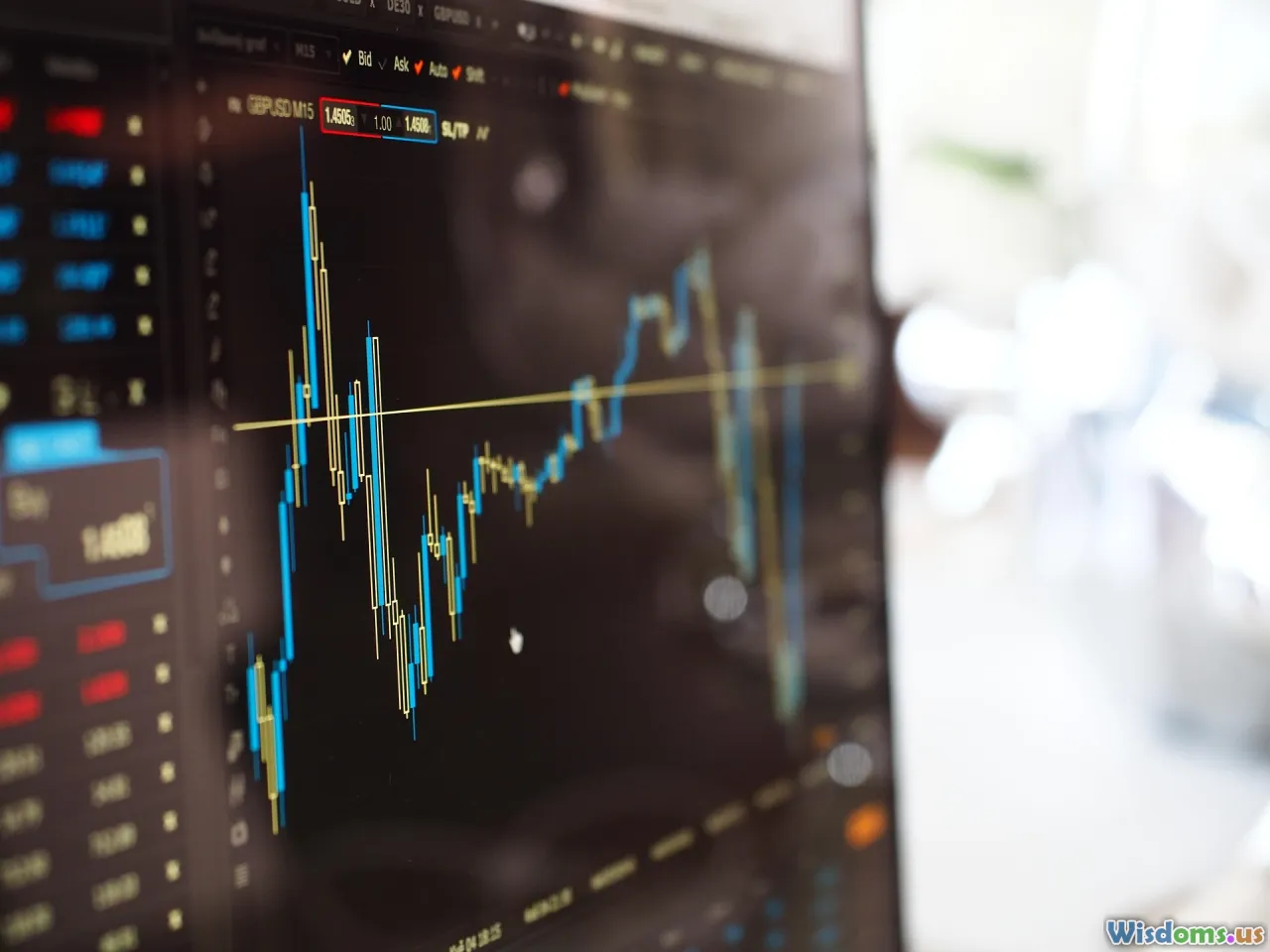
Zero-commission trading has fundamentally changed retail investing, but that doesn't mean every trade is cost-free. Brokerage advertising often touts no fees, but the reality is nuanced. Even at zero-commission brokerages, hidden costs exist.
Regulatory and Exchange Fees
Every executed trade incurs tiny, regulatory fees such as those imposed by the SEC (Securities and Exchange Commission) and FINRA (Financial Industry Regulatory Authority). While these are often just fractions of a penny per share, over hundreds or thousands of trades, they accumulate.
Take for example, an active trader executing 500 trades per month. Even at $0.01 average per trade, that's $5 per month, not to mention miscellaneous fees. Some specialized exchanges and complex order types can also attract additional charges, such as ECN (Electronic Communications Network) fees.
Indirect Trading Costs
Platforms may include other subtle expenses: wide bid-ask spreads (addressed later) or subscription fees for premium trading tools, market data, and advanced quote access. While negligible for infrequent investors, they bite into the returns of frequent traders.
Tip: Always review your broker's full fee schedule. Look beyond headline commissions and examine regulatory, exchange, and ancillary charges.
Taxes: The Silent Return Slayer

One of the least understood costs of frequent trading is its tax impact. Unlike traditional long-term investing, where you may qualify for favorable capital gains rates, many trades fall under short-term gain rules—taxed at higher rates.
Short-Term vs Long-Term Capital Gains
- Short-Term Cap Gains: If you sell a stock for profit after holding it for less than one year, your gain is taxed as ordinary income. For some, this rate can be as high as 37%.
- Long-Term Cap Gains: Trades held longer than a year generally face rates from 0% to 20%.
Imagine flipping a stock for a $1,000 profit after just a few days—a win, right? But if you’re taxed at the high end of your bracket, over $370 of that could go straight to the IRS versus perhaps $150 (15%) if you’d held for one year and qualified for long-term rates.
Wash Sale Rule Headaches
The wash sale rule further complicates taxes for the active trader. Selling at a loss and buying a substantially identical security within 30 days prevents you from claiming the loss on your taxes.
Example: Suppose you sell Tesla shares at a $2,000 loss, expecting to deduct it. If you buy back Tesla—or a related ETF tracking Tesla—within 30 days, the IRS disallows that loss until you dispose of the replacement shares, complicating tax filing and sometimes causing investors to lose track of cost bases.
Bookkeeping and Filing Complexity
Frequent trades generate long, complex tax forms like Form 8949 and Schedule D. Errors in reporting could lead to penalties. Many traders wisely invest in robust tax software or professional tax preparers to avoid headaches and missed deductions.
Actionable Advice: Before making frequent trades, forecast the net return after taxes—not just the gross profit.
Bid-Ask Spreads: The Inescapable Drag
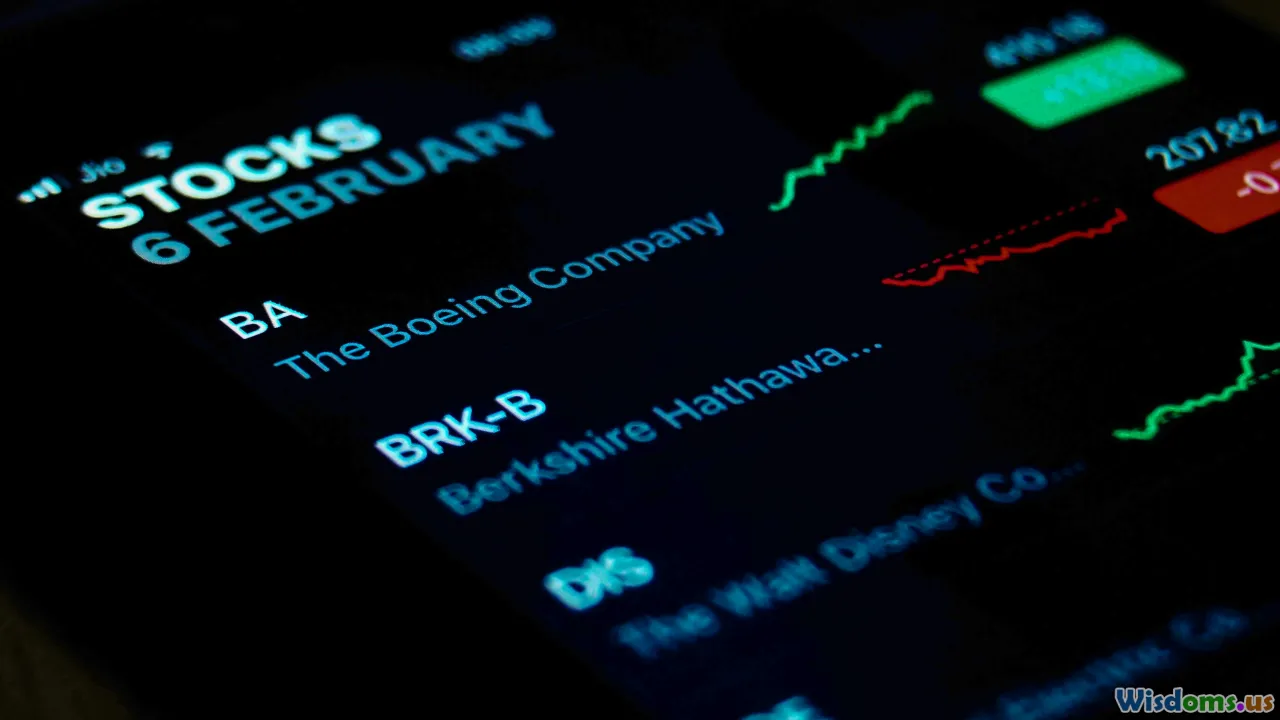
Many investors focus on buy and sell prices without considering the spread—the gap between what a buyer is willing to pay (bid) and what a seller asks (ask).
How Bid-Ask Spreads Work
Every time you buy a stock, you typically pay the higher ask price; selling receives the lower bid price. The difference may only be a few cents, but frequent trades amplify its effect.
For example, a stock trading at a $20.00 bid and a $20.05 ask has a $0.05 spread. If you buy at the ask and immediately sell at the bid, you lose $0.05 per share. With 10,000 shares traded monthly, that’s $500 lost purely to spreads.
Impact on Liquid vs Illiquid Stocks
Highly liquid stocks like Apple tend to have tight spreads (often $0.01), but small-cap stocks or ETFs can have wider spreads (sometimes $0.10 or more per share). Day traders in lesser-known equities may find their profits whittled down by these persistent, silent drags.
Tip: Avoid thinly traded stocks for regular trading; review the typical spread before entering or exiting a position.
Emotional and Behavioral Costs: The Psychological Toll

Frequent trading can take a sharp psychological toll, often underappreciated by those chasing quick gains.
Overtrading and Decision Fatigue
The more decisions we make, the more fatigued we become. Research in behavioral finance shows that active traders are susceptible to overtrading—buying and selling more than is rational—due to emotion or the mistaken belief in their skills.
Overtrading erodes discipline, causing traders to chase losses or miss sound opportunities. Market swings can induce fear and greed, clouding judgment even in seasoned professionals. Performance commonly suffers: a 2020 study by the North American Securities Administrators Association (NASAA) found that frequent traders often earn lower returns, sometimes negative, after costs.
Stress and Mental Health
Constant market monitoring, reacting to volatility, and experiencing losses can lead to anxiety, insomnia, and even depression. Studies suggest that persistent stress not only impacts trading decisions but spills over into personal health and relationships.
Insight: Many highly successful investors embrace deliberate, long-term strategies to sidestep these emotional traps.
Opportunity Costs: The Price of Not Staying Invested

Churn—rapidly entering and exiting positions—means traders may miss out on sustained market gains, commonly known as the opportunity cost of trading.
The Power of Compounding Missed
Legendary investor Warren Buffett lauds the magic of compounding returns over time. Rarely do frequent traders let their capital ride long enough to benefit from this principle. Data show that most of the stock market’s annual gains occur during just a handful of critical days. Actively hopping in and out increases the likelihood of missing big moves.
Example: A study by JP Morgan found that if investors missed the 10 best days in the S&P 500 over 20 years, their returns were cut in half. Day trading increases the chances of being out of the market during these pivotal times.
Favorable Dividends and Loyalty Programs Lost
Dividend-paying stocks and programs offering breakpoints or loyalty benefits often require minimum holding periods. Trading out too soon forfeits these advantages, costing investors additional returns.
Tip: Periodically review your reasons for a trade versus simply maintaining a quality investment.
Slippage and Market Impact: Hidden Execution Costs

Filling an order does not always happen at the price committed in a trading app. Slippage—getting filled at a worse price than expected—can eat into profits, especially in fast-moving or volatile markets.
Slippage in Practice
When submitting market orders, stocks can move a few pennies (or even dollars, for thin stocks or turbulent sessions) before your trade executes. Example: You see an ask price of $25.00 and hit Buy. However, by the time the order fills, the price has moved to $25.07. In volatile conditions, this difference can be much larger.
Market Impact Considerations
Large trades, particularly in illiquid stocks, may move the market against you. That is, your own buying pushes the price up; your selling depresses it. For institutional traders, this effect is well-studied, but even retail trades can be enough to see a stock move unexpectedly. Using limit orders rather than market orders can help, but may introduce the risk of missing fills altogether.
Actionable Advice: Always use limit orders for significant or volatile trades to help cap adverse price moves.
Trading Tools and Data: Premium Access Isn’t Free
Success in high-frequency trading often depends on sophisticated tools and timely data. Few retail brokerages provide advanced charts, real-time analytics, newsfeeds, and algorithmic scanning technology free of charge.
Ongoing Subscription Expenses
Professional-grade trading platforms typically charge monthly fees—ranging from $25 to several hundred dollars. Real-time quotes for multiple exchanges or asset classes may be extra. Many traders also subscribe to specialized research or trading signals, easily adding hundreds or thousands in annual expenses.
For example, a trader paying $199/month for a high-end platform and $29/month for equities data spends over $2,700 a year, regardless of returns. If your trading style requires these tools, factor in these costs against your real profits.
Tip: Audit your trading tool subscriptions annually to gauge utility versus cost. Don't pay for features you rarely use.
The Hidden Cost of Time: Value It Like Money
Few investors reckon with the amount of personal time spent researching, waiting, reacting, and monitoring positions. Especially for frequent traders, it's not uncommon to dedicate several hours per week—or per day—fiddling with trades and screens.
What Else Could You Do?
Time devoted to high-frequency trading is “opportunity cost” in itself. What could that time generate if redirected toward career advancement, family, health, or even passive investing activities? For those not consistently beating market averages, the value of time can quickly dwarf any trading gains.
Example: Spending 10 hours each week on trading that nets $2,000 after all costs equates to an effective wage of $5/hour if you make 200 trades per week ($1 net profit per trade). This doesn't even consider stress and emotional input.
Reflection: Conscious investing often involves weighing not just capital outlays, but also the hours invested—and exploring whether that time is optimally spent.
Frequent Trading vs. Long-Term Investing: A Critical Comparison

It's worth examining how frequent trading stacks up against long-term investing on key metrics:
Long-Term Investing Benefits:
- Minimal transaction and spread costs due to fewer trades
- Preferential tax treatment on gains (capital gains rates)
- Compounding power through sustained exposure
- Less stress and less emotional roller-coaster
- Lower time requirements—invest, monitor periodically, and let it ride
Frequent Trading Downsides:
- Constant battle against spreads, slippage, tool costs, and regulatory fees
- Higher tax burdens and complex filing
- Increased emotional wear-and-tear
- Challenging to consistently beat the market
Historical numbers reinforce this. Research by Dalbar, Inc. shows that over 20-year periods, the average active trader lagged behind basic index fund investors by 4–6% annually, largely due to behavioral and frictional costs.
Pro Advice: Even for those desiring to trade actively, a core and explore strategy—keeping the majority of wealth in long-term portfolios while allocating a fixed, small portion to trading—can balance excitement with long-term gain.
Smart Approaches to Trading: Avoiding the Trap

If you still prefer a dynamic investment experience, apply smarter practices to minimize hidden pitfalls:
- Set Trade Limits: Cap the number of trades or allocate only a small fraction of your portfolio to active strategies.
- Use Tax-Advantaged Accounts: Execute trades inside accounts like IRAs, where gains and losses may not be taxed annually, minimizing IRS drag.
- Predefine Loss Exits: Control losses with automated stop-losses rather than deciding on the fly. Having a clear plan curtails emotional chaos.
- Choose Liquid Securities: Stick to stocks and ETFs with narrow spreads and deep liquidity to avoid large implicit costs.
- Analyze Real Returns: Regularly calculate your after-fee, after-tax, and after-time profits versus a passive index investment.
- Embrace Learning: The markets are ever-changing. Invest in education, not just speculation, to boost the odds of long-term success.
Staying vigilant to the overlooked drags—some visible, many hidden—distinguishes thoughtful, successful traders and investors from the masses who unwittingly undermine their goals.
Fast-paced markets and modern technology make trading exhilarating. But as with most things, it's the unseen leaks—those hidden costs—that sink many a well-planned ship. By dissecting every subtle fee, drag, and risk, investors can better harness the power of markets—without being their unwitting victim. Whether you trade daily or invest for decades, awareness is your best defense.
Rate the Post
User Reviews




Popular Posts