
Will Rising Interest Rates Stall the Property Market
32 min read Explore how rising interest rates affect housing demand, affordability, prices, and investment, and what it means for buyers, sellers, and landlords in today’s property market. (0 Reviews)
When interest rates rise, property conversations tend to split into two camps: those predicting a housing freeze and those insisting that “real estate always goes up.” The truth sits in between—and it’s more interesting. Rate hikes don’t work on property the way a light switch works on a lamp; they seep through the market via affordability, credit, investor yields, and psychology, often with long and uneven lags. Whether the market stalls depends on how those channels intersect with supply shortages, demographics, and local policy.
This article unpacks how rising interest rates affect residential and commercial property, what history tells us, how to read the next 12–24 months, and what buyers, sellers, and investors can do now.
What Rising Rates Actually Do—and Don’t Do

A higher policy rate (and the bond yields it pulls up) doesn’t directly “kill” housing. Instead, it:
- Raises mortgage costs and reduces buying power.
- Lifts required returns for investors (cap rates), putting downward pressure on valuations.
- Tightens credit as banks and lenders become more cautious.
- Increases the hurdle rate for development financing, slowing new construction.
What it doesn’t automatically do:
- Force existing owners to sell—especially where fixed-rate mortgages dominate and unemployment is low.
- Collapse prices in markets where supply is structurally constrained and demand is resilient (for instance, due to population growth or tight zoning).
In other words, rising rates cool demand fast, but price impacts depend on how supply and credit respond. In many recent cycles, the first casualty isn’t price—it’s transaction volume.
The Payment Math: Why Affordability Takes the First Hit

Mortgage rates are the most visible transmission channel. A change from 3% to 7–8% on a fixed 30-year mortgage transforms the monthly payment and shrinks the budget of every buyer who needs financing.
Concrete example:
- At 3% interest, the monthly principal-and-interest payment is roughly $422 per $100,000 borrowed. A $400,000 loan costs about $1,690 per month.
- At 7.5%, the payment is about $699 per $100,000. The same $400,000 loan costs roughly $2,800 per month.
That’s a jump of around 65% in the monthly payment. With property taxes and insurance, the total housing cost increases even more. If a household aims to keep their debt-to-income ratio around 36% of gross income, the required income to qualify jumps dramatically.
Rule of thumb buyers use: for typical 30-year fixed loans, every 1 percentage point increase in mortgage rates reduces the maximum home price a buyer can afford by about 8–12%, depending on the rate level and income assumptions. This creates a wedge:
- Sellers want last year’s prices.
- Buyers can no longer afford them.
The result? Fewer deals get done unless prices or rates shift, or buyers bring more cash.
The “Lock-In” Effect and the Inventory Puzzle

Rising rates should, in theory, cool prices by reducing demand. But in markets like the U.S. where most homeowners have long-term fixed mortgages, there’s a counterforce: the rate lock-in effect.
- During 2020–2021, millions refinanced into sub-4% mortgages. As of late 2024, roughly two-thirds of U.S. mortgage holders had rates near or below 4%, and over 90% were below 6%.
- When rates jump to 7–8%, moving means swapping a cheap mortgage for an expensive one. Many owners simply don’t list their homes unless they must.
Impact on supply:
- New listings fall and “months of inventory” stay low, even as affordability worsens.
- The constrained supply props up prices relative to what pure affordability models would predict.
- Transaction volumes slump, but median prices often prove sticky or decline modestly rather than collapse—particularly for entry-level, move-in-ready homes in high-demand areas.
Case study vignette: In 2023–2024, several U.S. metros saw year-over-year sales volumes fall 20–40% while prices dipped only single digits. That is a hallmark of lock-in: markets clear through fewer transactions, not necessarily much lower prices.
Credit Conditions: The Silent Channel That Matters More Than You Think

Beyond the headline mortgage rate, lending standards shape what gets financed:
- Debt-to-income limits and stress tests. In the U.K. and Canada, borrowers must qualify at a higher “stress rate”—often 2–3 percentage points above their actual rate—to prove they can handle future increases. These rules curb marginal demand when rates rise.
- Appraisal and loan-to-value (LTV) constraints. If valuations soft-check downward, appraisals cap loan sizes, pushing buyers to bring more cash or walk away.
- Bank risk appetite. Higher rates and recession fears often tighten credit. Banks pull back on higher-risk loans (e.g., investor properties, condos, new development), raising spreads and fees.
- Regulatory capital. Tougher capital rules (such as the U.S. Basel III “endgame” proposals) can make real estate lending more expensive for banks, leading to fewer loans at higher spreads.
For commercial real estate (CRE), the credit channel is decisive. Many CRE loans are floating-rate or have shorter maturities. Refinancing at higher rates stresses debt service coverage ratios (DSCR). Properties with flat or declining net operating income (NOI)—notably offices—face the most pressure.
Price Dynamics: Why Volume Falls First, Then Prices (Sometimes)
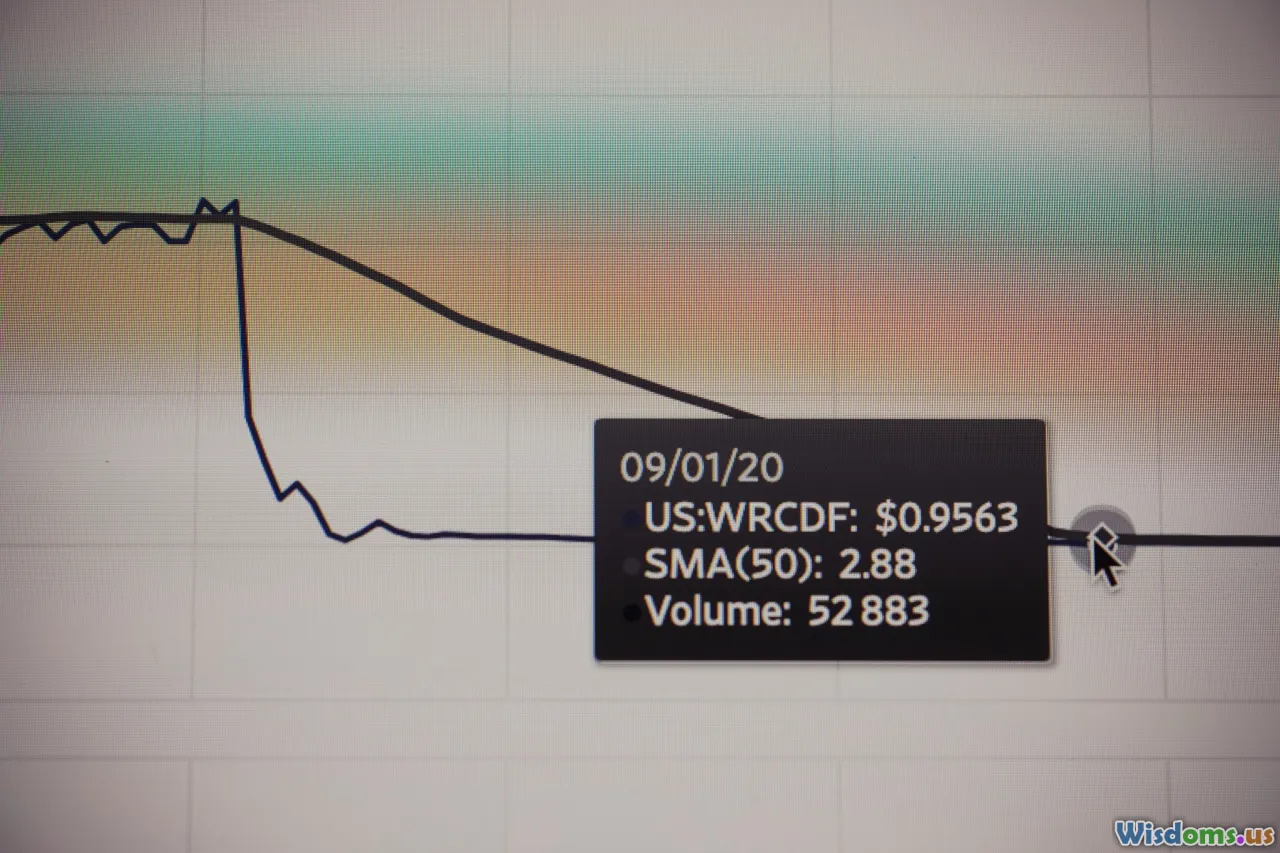
Housing markets tend to adjust in stages:
- Affordability shock hits. Rates spike, buyers step back.
- Sellers anchor to past prices. Listings are withdrawn or delayed.
- Transactions drop. Time-on-market stretches, agents report more price cuts.
- Prices drift or step down. Distress, forced sales, or builder incentives provide comp signals.
This sequence means you can see an “icy” market without a broad price crash. Prices are sticky downward because:
- Most owners don’t need to sell right now.
- Demographics and local economies support baseline demand.
- Appraisals and comps lag; price discovery takes time.
However, prices can adjust more rapidly where:
- Variable-rate or short-reset mortgages dominate, creating a refinancing cliff.
- Investor-heavy segments unwind as carry costs rise.
- Local economies weaken, driving forced moves.
Rents, Yields, and the Own-vs-Rent Trade

Rents are a separate, crucial leg of the stool:
- When rates rise, some would-be buyers stay renters longer, supporting demand for rentals.
- But rent growth depends on local supply. In 2023–2024, many U.S. Sun Belt metros absorbed a wave of new multifamily supply, pushing vacancies up and rent growth down or even negative.
For investors, the arithmetic is unforgiving:
- Cap rate = NOI / Price. If the risk-free rate rises, investors demand higher cap rates. All else equal, rising cap rates mean lower prices for a given NOI.
- Value is also influenced by expected NOI growth. A simple way to think about valuation is that property value moves inversely with the discount rate and positively with expected income growth. If rates rise 200 basis points but you expect NOI to grow faster due to strong demand and limited supply, some of the valuation hit can be cushioned.
Owner-occupiers weigh a different trade: rent vs mortgage.
- At 3% mortgages, buying often cost less per month than renting a similar home in many markets.
- At 7–8%, in many metros the monthly cost to buy (with typical down payments and taxes) exceeds renting by hundreds to over a thousand dollars. This pushes marginal demand into rentals—unless buyers value stability, tax benefits, or future appreciation more than monthly savings.
Watch the rent-to-price ratio (or its cousin, the price-to-rent multiple). If rents flatten while rates rise, yields compress, pushing investor buyers to the sidelines until prices adjust or rates ease.
Builders and Development: Cost of Capital Meets Construction Costs
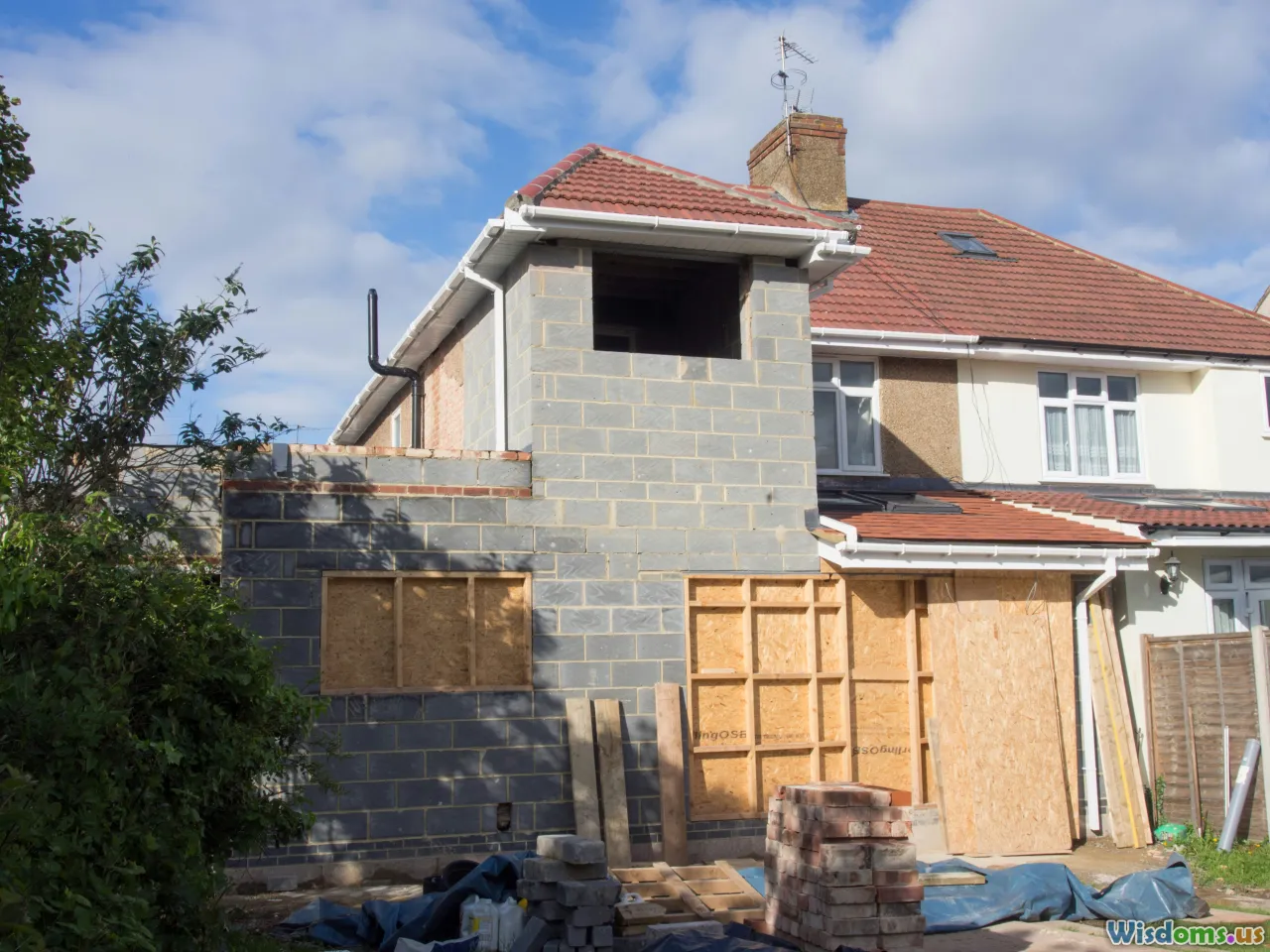
Developers live and die by spreadsheets—and interest rates are a big line item.
- Construction loans are typically floating-rate and shorter-term. A project underwritten at SOFR + 300 bps can look very different when base rates and spreads both rise.
- Higher debt costs mean pro formas require either higher rents/sale prices or lower land and construction costs to pencil.
- Lenders tighten: lower loan-to-cost (LTC), higher interest reserves, and greater pre-sale/pre-lease requirements.
Recent dynamics:
- Single-family builders responded to mortgage rate spikes with incentives: rate buydowns (e.g., 3-2-1 buydowns), closing cost credits, and price adjustments. Many national builders used their scale to offer temporary mortgage rates in the 5% range via buydowns, supporting sales in 2023–2024 even as resale inventory stayed scarce.
- Multifamily saw a surge of completions in many U.S. markets in 2023–2024, pressuring rents and slowing starts. Developers delayed new projects until pricing, rents, or rates looked more favorable.
Outcome: New supply moderates just as household formation continues, creating a potential medium-term undersupply if rates stabilize and demand remains.
Commercial Property: Cap Rates, NOI, and the Reset

CRE valuations hinge on cap rates and NOI growth expectations. A rough decomposition of the cap rate is: risk-free yield + risk premium − NOI growth expectation. When risk-free yields jump faster than growth expectations, cap rates expand.
Impacts vary by sector:
- Office: Most exposed. Remote/hybrid work cut structural demand while financing costs rose. Many offices saw valuation declines of 30–50% from peak. Refinancing risk is acute for older, commodity assets with weak leasing.
- Industrial/logistics: Still supported by e-commerce and supply chain shifts, but cap rates also moved up 100–200 bps from ultra-low levels, trimming valuations even as NOI held up.
- Multifamily: Softening in fast-building metros, steadier in supply-constrained cities. Cap rate expansion and rising expenses (insurance, taxes) pressured values despite strong long-run fundamentals.
- Retail: Neighborhood and necessity retail proved more resilient than expected, but higher rates still weigh on valuations.
Debt maturity walls matter. Properties financed at 3–4% rates in 2020–2021 must refinance at 6–8% or sell. If NOI doesn’t cover the new debt costs, owners face capital calls, partial paydowns, or distressed sales. This is why CRE can see sharper price resets than owner-occupied housing during rate spikes.
Global Snapshots: Why Country Structure Matters

- United States: Dominated by 30-year fixed mortgages. Rate lock-in is strong, curbing listings. Transaction volumes fell sharply post-2022, while national median prices proved more resilient than expected, with wide regional variation. Builders helped bridge the gap with rate buydowns and incentives.
- United Kingdom: Shorter fixed periods (often 2–5 years) and widespread stress tests mean higher rates filter through to households faster. The 2023–2025 refi cycle created payment shocks for some, tempering prices and activity. Policy changes to landlord taxation also affected the buy-to-let segment.
- Canada: High household leverage and five-year fixed/variable mortgages deliver a quicker transmission of rate hikes. Stress tests required borrowers to qualify at higher buffer rates, which helped resilience but limited new demand. Investor-heavy pockets saw more pronounced slowdowns.
- Australia and New Zealand: Higher variable-rate share means rate changes hit monthly payments more quickly. Despite rate pressure, supply constraints and population growth (immigration) supported prices in many areas after an initial wobble.
- Eurozone: Banks dominate mortgage origination with varied national structures; some countries have long-term fixed loans, others more variable exposure. City-level supply constraints and rental regulations create divergent outcomes.
The lesson: Mortgage structure and policy shape how quickly higher rates bite. Markets with shorter fixes or variable rates feel the pain sooner and may see more price adjustment. Markets with long fixed-rate loans often stall on volume instead.
Historical Echoes: What Past Cycles Reveal

- 1979–1982 (U.S. Volcker shock): Mortgage rates soared into the teens. Home sales collapsed, and prices stagnated or fell in real terms, but nominal declines were uneven. High inflation partially offset rate shock for nominal prices.
- 1994 Fed hike cycle: Rapid rate increases cooled housing and bond markets. Prices showed pockets of softness, but the downturn was relatively brief.
- 2004–2006: Rates rose gradually, but credit excess (subprime, no-doc loans) fueled a bubble. The subsequent collapse was driven more by lax lending and leverage than by rates alone.
- 2018: A smaller rate rise slowed sales and new listings; mortgage rates near 5% cooled demand but did not trigger a broad price drop. When rates eased in 2019, activity rebounded.
- 2022–2024: One of the fastest hiking cycles in decades. Mortgage rates leapt from ~3% to ~7–8%. Sales volumes plunged; prices were more resilient in supply-constrained areas but corrected more where variable rates and investor exposure were high. CRE—especially office—faced a pronounced reset.
Takeaway: Rates are a catalyst, but leverage, credit quality, supply, and local economic health determine the magnitude of the property response.
Will Rising Rates Stall the Property Market? A Nuanced Answer

Short answer: Rising rates can stall transaction volumes quickly and cool prices gradually, but a full freeze or crash typically requires additional stressors (forced selling, job losses, credit crunch). The 2022–2024 experience in many markets shows a stall in activity with selective price adjustments rather than a uniform collapse.
Key conditions that determine the outcome:
- Depth and duration of high rates. A quick spike followed by stabilization can be absorbed; a prolonged plateau near cycle highs stresses affordability and refinancing.
- Labor market strength. Low unemployment limits forced selling; rising joblessness amplifies price declines.
- Mortgage mix and refi schedule. Variable or short-reset loans transmit pain faster.
- Supply elasticity. Strict zoning and slow construction limit price declines; abundant buildable land accelerates correction.
- Investor share. Markets heavily owned by leveraged investors are more sensitive to rate-driven holding costs.
In many countries today, residential markets are partly stalled on volume, with price paths diverging by region and segment. CRE, by contrast, has experienced a more pronounced valuation reset where debt maturities collide with weaker fundamentals (especially office).
Scenario Planning: What the Next 12–24 Months Could Look Like

Consider three plausible macro paths:
- Higher-for-longer plateau
- Rates hover near current levels; inflation cools slowly.
- Residential: Transaction volumes remain subdued. Prices drift sideways or down slightly in higher-priced, supply-lax areas; remain firmer where inventory is scarce and incomes are strong. Builders continue incentives; new starts subdued, implying future supply shortfalls.
- CRE: Continued cap rate expansion where financing or fundamentals are soft. Refinancing stress drives selective distress and opportunistic buying in 2025–2026.
- Soft-landing glide path
- Inflation slows; central banks cut rates gradually.
- Residential: Affordability improves modestly. Pent-up demand re-emerges; volumes rebound before prices. Sellers with low-rate mortgages begin to move as the rate gap narrows. Builders ramp measuredly.
- CRE: Cap rates stabilize. Assets with solid NOI growth see valuation floors; distressed office remains a carve-out.
- Recession and faster cuts
- Growth weakens; rates fall meaningfully; unemployment rises.
- Residential: Lower rates boost affordability but job losses curb demand. Prices could dip in weaker labor markets but stabilize faster as financing costs improve.
- CRE: Distress rises in cyclical sectors. Deep-value opportunities emerge for patient capital with dry powder.
Signals to watch to choose among these paths are covered below.
Practical Strategies by Role

For first-time buyers:
- Get pre-approved and understand your real DTI with taxes, insurance, HOA, and maintenance. Many underestimate total costs by 10–20%.
- Rate buydowns vs points: Compare temporary buydowns (e.g., 2-1) with permanent points. If you expect to refinance within 2–4 years, a temporary buydown can bridge affordability. If you plan to hold long-term and rates may not fall much, permanent points can pay off.
- Expand your search radius and criteria. Slightly older homes or those needing cosmetic updates can be 5–10% cheaper, offsetting rate effects.
- Lock your rate strategically. Use a float-down option if available when rate volatility is high.
For trade-up or downsizing sellers:
- Price to the market that exists, not the one you remember. Today’s buyers are payment-constrained; small price adjustments can restore deal flow.
- Offer concessions that matter: rate buydowns, closing credits, or pre-paid HOA can be more effective than headline price cuts.
- Consider renting your current home if the low-rate mortgage and local rents make it cash-flow positive, but weigh landlord obligations and vacancy risk.
For small investors/landlords:
- Underwrite conservatively: assume slower rent growth, higher insurance and taxes, and realistic vacancy. Stress test DSCR at +200 bps higher rates.
- Favor markets with durable demand drivers: job growth, population inflows, and supply barriers. Avoid chasing yield where supply pipelines are heavy.
- Ladder your debt maturities and keep liquidity. Refinancing optionality is priceless when credit tightens.
- Watch the price-to-rent ratio. If buying yields a cap rate meaningfully below your cost of debt, patience—or value-add—may be wiser.
For developers/builders:
- Renegotiate inputs: land terms, materials, and contractor schedules. Even a 3–5% cost reduction can restore viability when debt costs rise.
- Secure interest reserves and lock a portion of construction debt when feasible. Explore rate caps or swaps to limit exposure.
- Phase projects and pre-sell/pre-lease strategically. Incentives can widen the buyer pool without cutting headline prices too far.
For CRE owners:
- Map your maturity wall. Engage lenders 12–18 months in advance. Evaluate partial paydowns, extension options, and capital partners.
- Focus on NOI resilience: leasing, tenant retention, and expense control. Strong NOI can offset some cap rate drift.
- Triage assets: prepare to sell non-core properties to protect core holdings.
Metrics and Signals Worth Watching

- Mortgage rate trend and spreads: It’s not just the policy rate; watch mortgage spreads to Treasuries. Wider spreads keep mortgage rates elevated even if the policy rate pauses.
- Job market: Unemployment and wage growth directly influence housing demand and rental strength.
- New listings and months of inventory: Low inventory sustains prices; a rise often precedes price softening.
- Price cuts and time on market: Early indicators of shifting seller expectations.
- Rent growth and vacancy: Especially in multifamily-heavy metros.
- Construction starts and permits: Signal future supply. A sustained dip sets up a later undersupply.
- Bank lending standards: Surveys and earnings commentary often foreshadow credit tightening.
- CRE transaction volumes and cap rates: Where deals clear tells you where values really are.
Myths to Retire (and the Reality Checks)

- Myth: “Higher rates automatically crash housing prices.” Reality: They crush affordability and volumes first; prices adjust unevenly, often slowly, and depend on supply, credit, and local economics.
- Myth: “As long as unemployment is low, prices can’t fall.” Reality: Prices can fall without a jobs recession, especially in investor-heavy pockets or where supply surges.
- Myth: “Rents always rise when rates rise.” Reality: Rents track supply and demand in the rental market. Large waves of new apartments can cool rents even as mortgage rates climb.
- Myth: “It’s never a good time to buy in high-rate environments.” Reality: Value can appear when others step back—especially with motivated sellers, builder incentives, or overlooked submarkets. But underwriting discipline is non-negotiable.
A Concrete Example: Reconciling the Numbers

Suppose a household targets a $500,000 home with 10% down and considers two rate environments.
- At 3%: Loan ≈ $450,000. P&I ≈ $1,900/month. Add taxes/insurance/HOA of ~$600–$800 → total ~$2,500–$2,700. With a 36% DTI target, they’d want gross monthly income of ~$7,000–$7,500 (roughly $85,000–$90,000 annually).
- At 7.5%: Same loan. P&I ≈ $3,150/month. With the same $600–$800 in taxes/insurance/HOA, total ~$3,750–$3,950. That implies a gross monthly income of roughly $10,500–$11,000 ($126,000–$132,000 annually) to maintain similar DTI.
If income hasn’t risen in proportion, either the household buys cheaper, brings more cash, or pauses. Multiplied across a market, this math explains why transactions slow rapidly when rates rise.
What Could Unlock Stalled Markets?

- Rate relief: Even a 100–150 bps decline in mortgage rates can revive volumes as affordability improves and lock-in weakens.
- Income growth: Wage gains without equivalent home price growth expand purchasing power.
- Policy tweaks: Streamlined permitting, zoning reform, and incentives for infill can lift supply, moderating price pressures long-term.
- Builder strategies: More rate buydowns, smaller and more efficient homes, and creative financing options (assumable loans where permitted) can grease the gears.
- Secondary market spreads: Narrower mortgage spreads to government bonds can lower mortgage rates even without policy cuts.
None of these are silver bullets, but in combination they can unstick a market more effectively than waiting solely on central banks.
Putting It All Together

Will rising interest rates stall the property market? They can—and in many places they already have in the sense that volumes are slow and buyers are extraordinarily rate-sensitive. But a broad, extended freeze or a uniform price collapse is not a foregone conclusion. The outcome depends on four interlocking pieces:
- Affordability: Rates shape monthly payments; the math bites fast and hard.
- Supply: Lock-in keeps listings low; new construction cools, preventing oversupply in many regions.
- Credit: Lending standards and refinancing risks amplify or cushion rate impacts, especially in CRE.
- Local fundamentals: Jobs, migration, and regulation determine how much demand persists and how quickly prices adjust.
For participants, the practical stance is disciplined flexibility. Buyers and investors should run stricter numbers and hunt selectively for motivated sellers or value-add opportunities. Sellers should be realistic and use concessions intelligently. Builders and owners should secure financing early, manage maturities, and prioritize resilient income streams.
The rate cycle will turn at some point; it always does. The question is what your plan looks like between now and then. Markets rarely move in straight lines, and exactly in that messiness lie the opportunities for those prepared to quantify risk, watch the right signals, and act when the math finally pencils.
Investing Inflation Personal Finance Economics Real Estate real estate investing Investing & Finance Housing Market rising interest rates property market outlook mortgage affordability home prices housing supply rent growth central bank policy cap rates first-time buyers refinancing inventory levels
Rate the Post
User Reviews








Popular Posts