
Tips For Introducing Stepchildren Into Blended Families
14 min read Practical tips for smoothly introducing stepchildren into blended families and fostering positive relationships. (0 Reviews)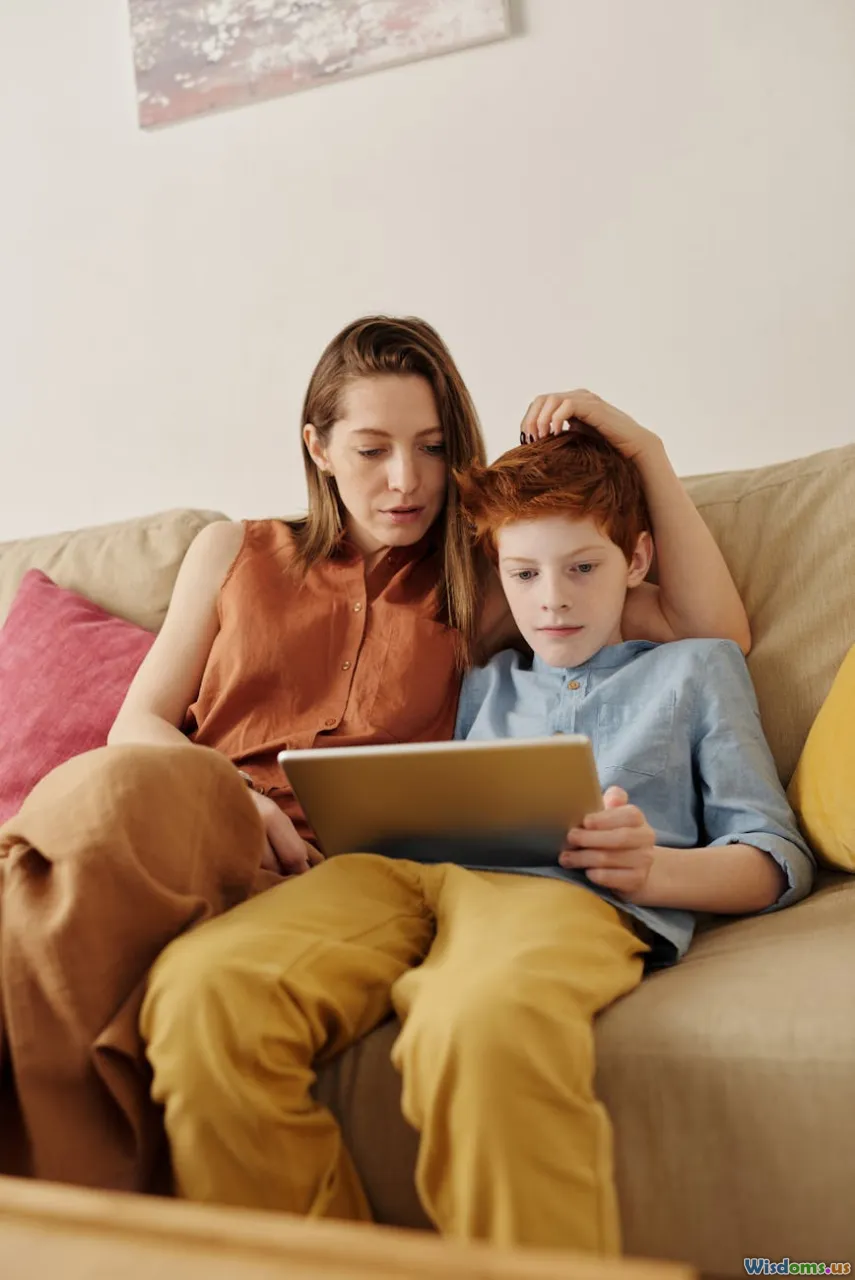
Building Bridges: Tips for Introducing Stepchildren Into Blended Families
Blended families are more common today than ever before. Nearly one in three American households now includes a step-parent, stepchild, or half-sibling. Yet despite being so prevalent, blending families is rarely easy. One of the most sensitive milestones is introducing stepchildren into their new family environment—a step that requires patience, empathy, and practical planning. This article provides actionable tips and insights to help parents and stepparents ease kids through this significant transition with understanding and care.
Start With Open, Honest Communication

Clear communication lays the groundwork for a thriving blended family. Prepare both your children and your partner's children well before they officially come together under one roof. Set aside special one-on-one time to discuss upcoming changes and candidly address the concerns everyone may feel.
Practical example: When the Martinez and Johnson families decided to blend, both sets of parents hosted regular pizza nights where everyone could talk freely about their feelings, fears, and questions. Initially, one child worried they'd have to share their beloved childhood bedroom; another was nervous about new daily routines. These candid group conversations helped each child feel heard and preempted later misunderstandings.
Tips for effective communication:
- Listen more than you talk. Give kids a judgment-free space to share worries.
- Share your own feelings. Normalize nervousness or excitement by being open about your emotions, within age-appropriate limits.
- Answer questions honestly, even if that means admitting you don't have all the answers yet.
Respect Individual Paces of Adjustment

Blended families rarely mesh overnight. Every child adjusts on their own timeline, and that's perfectly normal. Research from the American Academy of Child & Adolescent Psychiatry suggests it may take between two to five years for a blended family to truly feel unified.
Consider the story of 10-year-old Caleb, who initially resented his new stepmom and younger stepsiblings. While his older brother quickly bonded with new family members, Caleb needed more time, preferring to observe family activities before joining in. His parents respected his pace, involving him gently but never forcing participation.
Actionable steps:
- Allow kids alone time when needed.
- Don't compare children’s adjustment speeds.
- Celebrate small milestones—such as sharing a meal or a family joke—as markers of growing trust.
Create New Shared Traditions (But Don't Erase the Old)

Shared rituals offer blended families a sense of unity and belonging. However, merging traditions isn’t about erasing the past—honor children’s previous memories while carefully establishing new, inclusive customs.
When the Wus and Campbells became stepfamily, their combined household felt pulled in many directions—one child missed old Christmas brunches, while another clung to a weekly Saturday board game night. By incorporating both family rituals, and inventing new ones, such as monthly movie marathons, the new step-siblings eventually found connection and pride in their shared experience.
Tips for blending traditions:
- Host a family brainstorming session where everyone contributes ideas for new traditions.
- If possible, keep some favorite traditions from both sides. Alternating years or combining elements can be a compromise (e.g., celebrating Hanukkah and Christmas).
- Take photos or keep a family journal to solidify and remember these special moments together.
Clarify Roles and Responsibilities
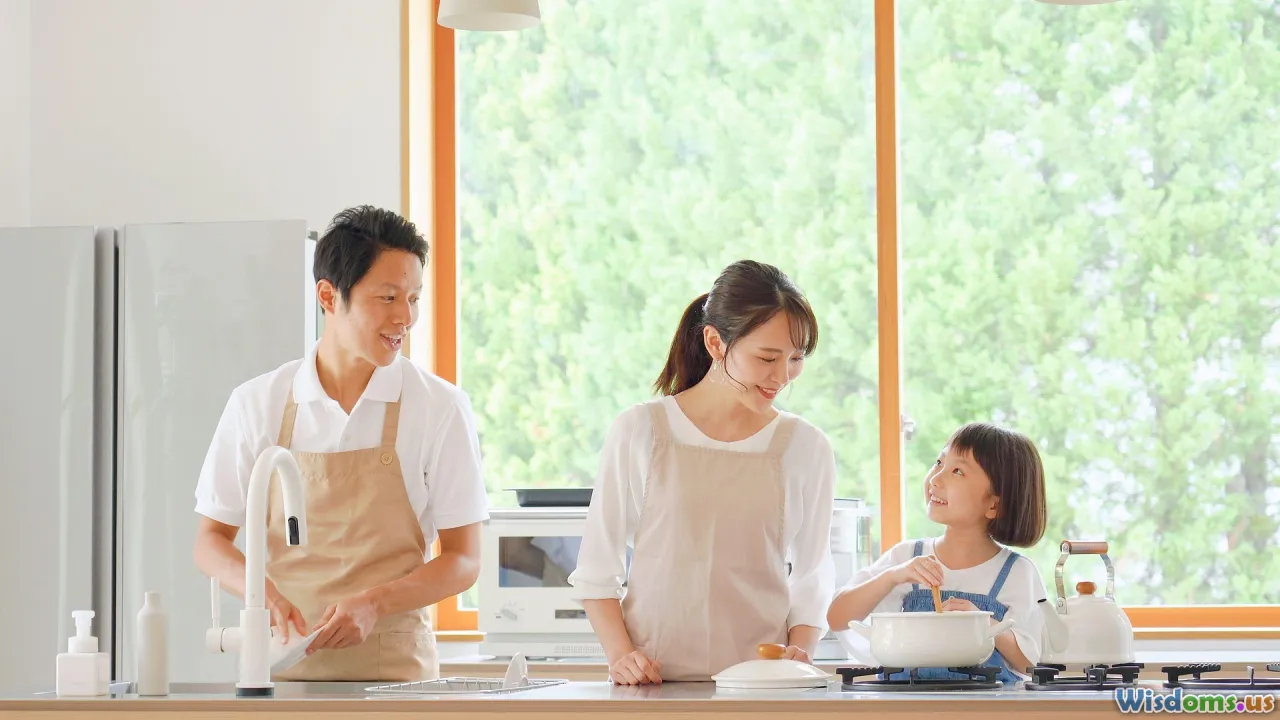
Kids feel most secure when they know what to expect. In blended families, role confusion can trigger insecurity, especially around issues of discipline, chores, and boundaries.
Parenting experts recommend clearly defining the roles of biological parents versus stepparents. For younger kids, routines and visual aids—like chore charts—can alleviate misunderstandings. Step-parents should initially take on the role of caring adult and friend, gradually earning the authority to discipline as trust builds.
Example scenario: In the Lewis household, stepdad Michael took time to build rapport—helping with homework and showing interest in the kids’ hobbies—before stepping into more authoritative roles. The family held regular meetings where each child's chores were listed and rotated, so everyone had clarity about expectations.
Actionable tips:
- Discuss parenting approaches with your partner privately first.
- Present unified guidelines for discipline and problem-solving to the children.
- Be open about revisiting and tweaking family routines as needed.
Address Feelings of Loyalty and Guilt Head-On

Children entering a blended family may struggle with feelings of loyalty or guilt. Many worry that bonding with a stepparent betrays their biological parent, especially if that parent is still involved. These emotions are valid—and need acknowledgment, not dismissal.
Dr. Patricia Papernow, a leading expert on stepfamily dynamics, emphasizes that pushing children to call a step-parent “mom” or “dad” prematurely can create unnecessary pressure. Instead, let the relationship develop naturally while offering reassurance.
Some supportive tactics include:
- Allowing children to define the relationship at their own speed (stepmom, Ms. Sarah, or by first name).
- Encouraging children to continue loving both biological parents.
- Validating that mixed feelings are normal, and support is always available—whether from parents, school counselors, or therapists.
Foster One-on-One Relationships
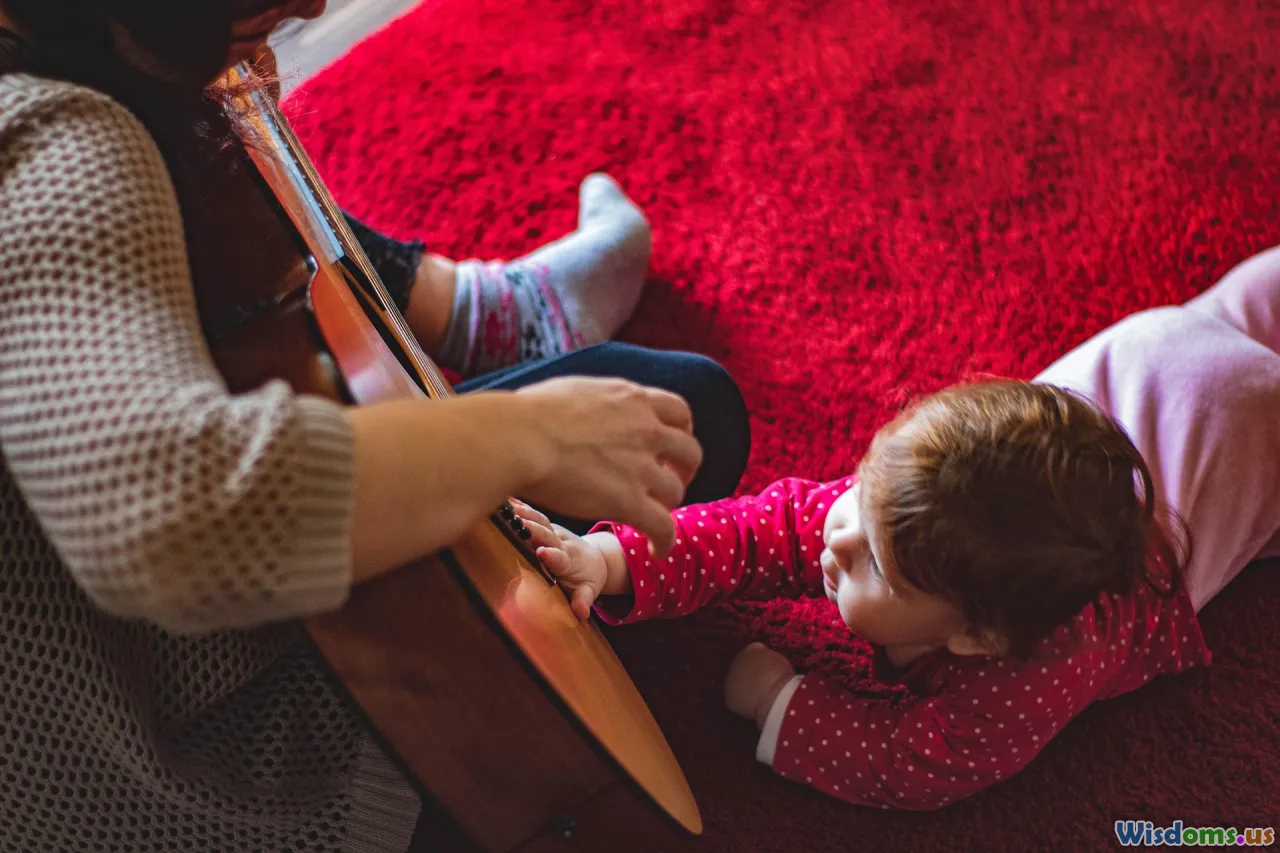
Strong stepfamily bonds aren’t formed in group settings alone. Prioritizing individual time between stepparent and stepchild—separate from siblings and parents—builds trust and connection.
Sarah, a stepmother to 13-year-old Zoe, initially struggled to connect. Rather than competing for attention, she found common ground in their mutual love for pottery. Weekend pottery classes became their unique ritual, eventually breaking down walls that group activities hadn’t.
Ideas to foster one-on-one connections:
- Attend the child’s favorite events—even if it’s something you’re learning about, like robotics club or ballet.
- Share regular activities unique to you and the child (reading aloud, baking, bike rides).
- Respect older children’s autonomy—sometimes, time spent just listening means more than forced fun.
Maintain a Connection With Biological Parents

Respectful acknowledgment of the child’s biological parent, whether involved regularly or only occasionally, eases children’s sense of wholeness. Tensions can arise if children feel forced to cut ties or "pick sides."
Blending the Harris and Nkomo families, the parents ensured kids could call or spend time with biological parents freely. Special occasions were planned with input from all parents when possible, and no one felt left out or unwelcome.
Best co-parenting practices:
- Encourage regular communication with the non-custodial parent (calls, FaceTime, shared activities).
- Avoid speaking negatively about your ex in front of the children.
- When possible, make transitions between households smooth and conflict-free.
Be Prepared for Setbacks—and Seek Support When Needed

Even with the best intentions, setbacks will come. A child may act out, regress, or even temporarily reject new family members—this is normal and not a reflection of parenting failure.
If challenges persist, don’t hesitate to seek professional help. Family counselors or therapists specializing in blended family dynamics can provide critical guidance, opening lines of communication and validating everyone’s experiences.
Recent study highlight: A 2022 study in the Journal of Family Psychology showed that stepfamilies who engaged in even brief family therapy reported higher satisfaction and lower conflict levels one year later compared to those who weathered difficulties alone.
Signs that support may be warranted:
- Ongoing rivalry or hostility between step-siblings
- Mood or behavioral shifts that persist for weeks
- Stepchildren withdrawing from school, friends, or activities
Square Up On Discipline With Consistency and Compassion

Discipline can be a potential flashpoint in blended families. Children may resent discipline from a stepparent whom they don't yet feel attached to, while stepparents sometimes struggle with authority boundaries.
Parenting experts recommend the “parallel parenting” model in the early stages: biological parents lead major discipline decisions with their own children, while stepparents act as supportive figures enforcing set house rules. Gradually, as bonds develop, stepparents can assume more discipline authority.
Example: Beth, a stepmom, found that enforcing screen time rules for her two stepsons only worked when backed by their father’s clear and unwavering expectations. Over time, as trust and liking grew, the boys accepted gentle discipline from Beth, especially when it was applied consistently and fairly to all siblings.
Tips for success:
- Establish clear family rules that all adults back consistently.
- Resolve adult disagreements about discipline out of children’s earshot.
- Praise positive behavior as much as correcting mistakes.
Encourage Family Growth With Patience and Perspective

Long-term success for blended families hinges on patience—genuine bonds build over months and years, not days. Reflect regularly on progress, celebrate how far you’ve come, and remember that perfect unity isn’t the goal: loving connection is.
A useful family exercise is reviewing a “journey calendar,” marking milestones like the first family vacation, the first group laugh, or the day chore squabbles finally abated. Step by step, each moment adds up to a resilient, unique family.
Empathy, creativity, firm-yet-gentle routines, and acceptance of all emotions will help your blended family thrive together. With persistence and an open heart, your family can build bridges that last a lifetime.
Rate the Post
User Reviews
Other posts in Family Relationships








Popular Posts