Unlock Your Hidden Talents by Prioritizing Play
28 min read Discover how deliberate play unlocks hidden talents, fuels creativity, and accelerates learning, with science-backed strategies, examples, and simple routines you can start today. (0 Reviews)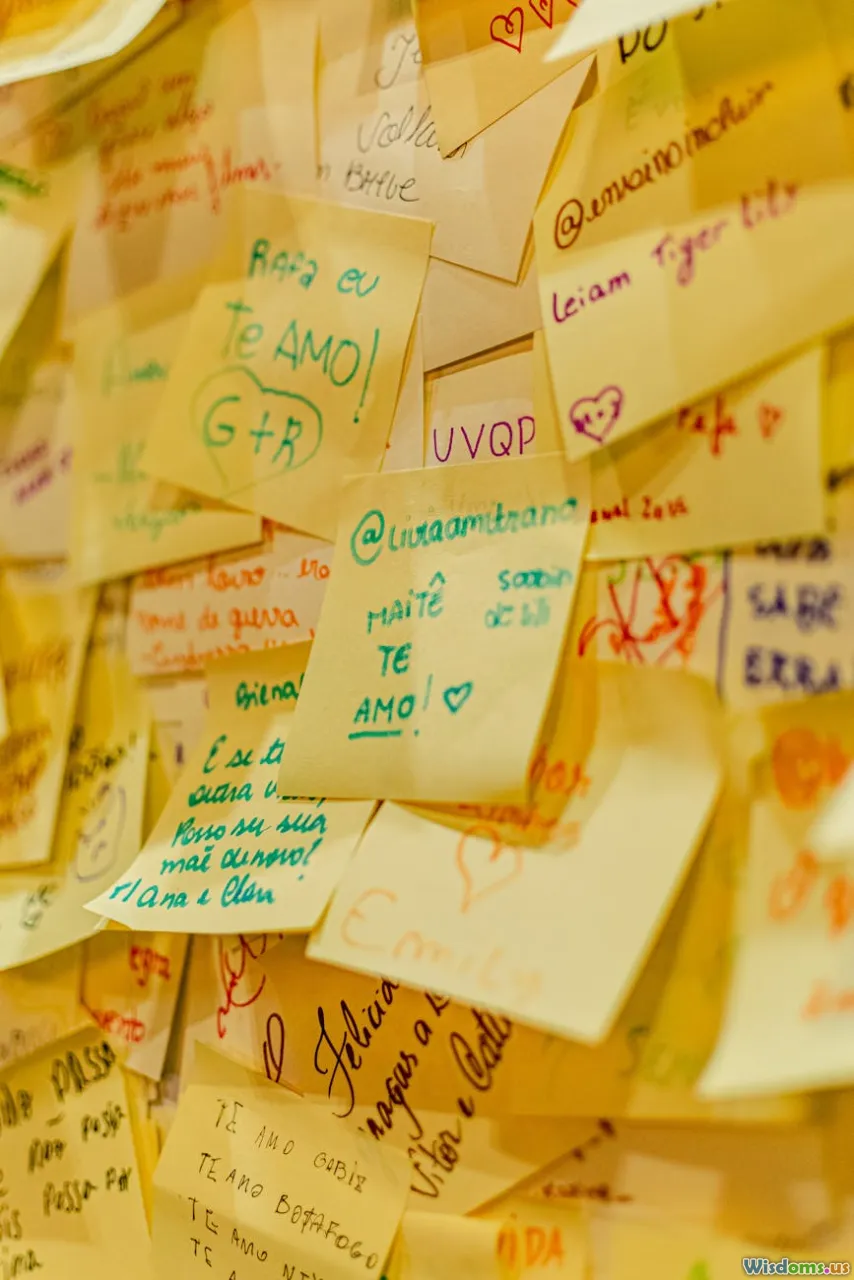
Play is not just what happens after the real work. It is the rehearsal room for imagination, the gym for agility of mind, and the shortcut to discovering strengths you did not know you had. When you prioritize play, you reduce the pressure that narrows your choices and you create the conditions for insight. This is not about juggling balls or downloading another game; it is about restoring an experimental spirit to your days so the skills you care about can surface, strengthen, and startle you with what they can do.
Think about the last time you felt completely absorbed in an activity that was low-stakes yet strangely difficult to stop. Maybe it was sketching while on a call, hacking together a spreadsheet trick that made you smile, composing beats on your phone, or rearranging your living room for the fourth time to chase a new mood. Those episodes, often dismissed as diversions, are diagnostic: they reveal what your brain considers energizing and what your hands reach for when no one is watching. That is where hidden talent tends to live.
Why Play Unlocks Talent

When we play, we temporarily trade outcomes for options. This swap changes our brain chemistry and our problem-solving stance in ways that unlock ability.
- Cognitive flexibility: Play invites divergent thinking, the capacity to generate many possible solutions. Lab tasks that measure divergent thinking often show higher idea fluency after playful priming activities like improvisation or free drawing. In a playful state, your brain explores more paths before it chooses one.
- Neurochemistry: Enjoyable, low-pressure activity can increase dopamine, a neurotransmitter linked with motivation, learning, and the willingness to explore. With more dopamine, the brain marks novel patterns as worth investigating instead of threats to avoid.
- Networks at work: Alternating focused effort with playful mind-wandering engages the brain's task-positive network and default mode network in healthy rhythms. These shifts support insights that refuse to appear under constant strain.
- Intrinsic motivation: Research in creativity shows that people produce more original work when they care about the process itself rather than external rewards. Play tunes you to intrinsic signals: curiosity, amusement, the satisfaction of making.
Concrete example: A data analyst stuck on a dashboard layout set a timer for 20 minutes and built the same view out of sticky notes on a wall, using colors and shapes with no code allowed. The tactile play exposed inconsistent grouping and inspired a far cleaner design, a fix that had stayed invisible on-screen.
The Science and History of Adult Play
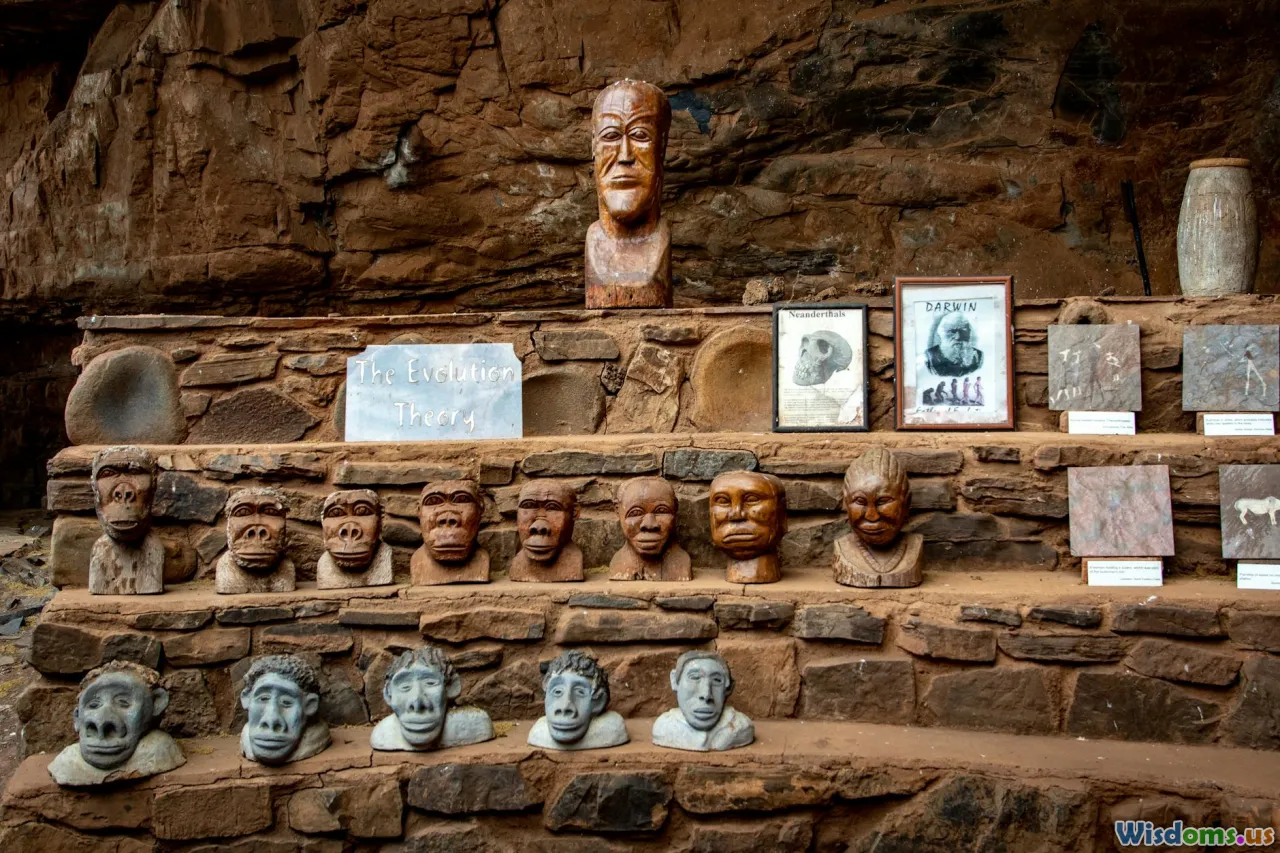
Play is not a childish habit to be outgrown; it is an adaptive behavior across species. Primates wrestle and chase to rehearse social cues. Juvenile animals stage mock hunts to practice survival skills without the associated risk. Anthropologists have documented how early craft traditions often blended utility with ornamentation, a form of playful elaboration that honed skill while delighting the maker.
Adult play has also powered innovation. Renaissance workshops treated sketchbooks as playgrounds, not just plans. In more recent times, product design firms popularized brainstorming exercises that look like games because games lower social friction and raise option count. Psychologist Stuart Brown has argued that play literacy helps people pivot professionally, while positive psychology's broaden-and-build theory suggests that positive emotions broaden attention and build enduring resources.
Important nuance: Play differs from escape. Real play challenges you enough to require attention and improvisation, but not so much that you lock up. Escapism flattens attention and postpones engagement. The sweet spot is what many call flow, and it is reachable through consciously designed play.
A Practical Framework: The PLAY Method
Use this simple system to bring purposeful play into your day.
- P — Permission: Give yourself explicit permission to play. Write a brief contract with yourself: 'I will spend 20 minutes each weekday exploring without judgment.' Put it on your calendar. Without permission, play gets squeezed out by urgent tasks.
- L — Loose constraints: Great games have rules. So does productive play. Choose constraints that reduce paralysis: 10-minute sprints, three colors only, one melody line, five lines of code. Loose constraints create focus without pressure.
- A — Alternation: Switch between exploratory and evaluative modes. For 15 minutes, explore wildly; then for 5 minutes, select one promising direction. Alternation prevents aimless drift and perfectionist freeze.
- Y — Yes-and: Borrow from improv. Agree with your previous move and add one element. Instead of discarding early attempts, build on them. This habit compounds small wins into visible progress.
Example application: A marketer trying to level up copywriting talent runs a 30-minute PLAY block. Permission: calendar slot titled 'Copy sandbox.' Loose constraints: rewrite a landing page in three distinct tones. Alternation: two rounds of 10-minute drafting, with 5-minute selection. Yes-and: take the most interesting line from each draft and combine them. Within days, her drafts become livelier and faster to produce.
Designing a Weekly Play Plan
Build a schedule that guarantees repetition without feeling like homework.
- Choose two anchor days: For example, Tuesday and Thursday mornings for 25 minutes each. Protect these blocks as you would a meeting with a key client.
- Name the blocks descriptively: 'Sketch to think,' 'Sound lab,' or 'Prototype hour.' Names matter; they set the mental posture.
- Pre-stock materials: Keep a play kit within reach. For writing, index cards and markers. For coding, a scratch repo and test data. For music, a minimal set of instruments and a loop pedal. Reduce setup friction.
- Rotate focus monthly: Month 1 could be visual thinking. Month 2 could be storytelling. Month 3 could be systems tinkering. Rotation keeps novelty high and reveals transfers between areas.
- Set light goals: Choose process goals rather than outcome goals. 'Complete six micro-experiments' beats 'Write a viral post.'
Sample week:
- Monday: 10-minute idea dice warm-up; later, jot two ideas linked to a current project.
- Tuesday: 25-minute PLAY block on sketching customer journeys with sticky notes.
- Wednesday: 15-minute improvisational speaking drill while walking.
- Thursday: 25-minute PLAY block building a no-code mini app to automate a chore.
- Friday: 10-minute reflection: What surprised me? What felt effortless? Capture samples in a folder.
Micro-Play Routines for Busy People
If you cannot carve out an hour, you can seed your day with micro-moments of play.
- Two-minute doodle: Pick a theme like 'circles only' and fill a sticky note. Patterns and constraints exercise spatial sense.
- Constraint email: Write a status update in exactly five sentences. You will tighten prose and sharpen priorities.
- Vocabulary shuffle: Open a random word list and force-fit two words into a pitch idea. This strengthens associative thinking.
- Movement puzzle: Arrange five objects on your desk into a design that communicates 'calm.' Noticing compositions trains aesthetic judgment.
- Instant improv: Use a prompt card (make your own set) and record a 60-second voice memo story. This builds spontaneity.
Link these routines to existing habits: after your first coffee, before the noon meeting, during transit. Micro-play builds consistency, and consistency reveals talent.
How to Turn Hobbies Into Talent Labs
Hobbies are natural laboratories because they attract your voluntary attention. With a few tweaks, you can convert them into structured learning engines.
- Cooking to systems thinking: Treat recipes as prototypes. Change one variable per session (heat, spice, texture), take notes, and run A/B taste tests with friends. This mirrors controlled experiments in product work.
- Photography to storytelling: Assign yourself themes like 'waiting' or 'edges.' Sequence ten shots to imply a narrative arc. You will train pacing, framing, and emotional beats that transfer to presentation design.
- Music to pattern recognition: Compose with a timer and a limited scale. Rearrange a motif in multiple ways. This hones sensitivity to variation, essential in data analysis and writing.
- Gardening to delayed gratification: Plan a seasonal cycle with staggered plantings. Log outcomes versus hypotheses. The patience and record-keeping will strengthen long-term project planning.
Case in point: A software engineer who produced electronic music on weekends began scoring his code walkthroughs with short loops. The playful soundtrack kept viewers engaged and clarified section breaks. He became the go-to presenter, and his influence grew.
Play at Work Without Looking Unprofessional
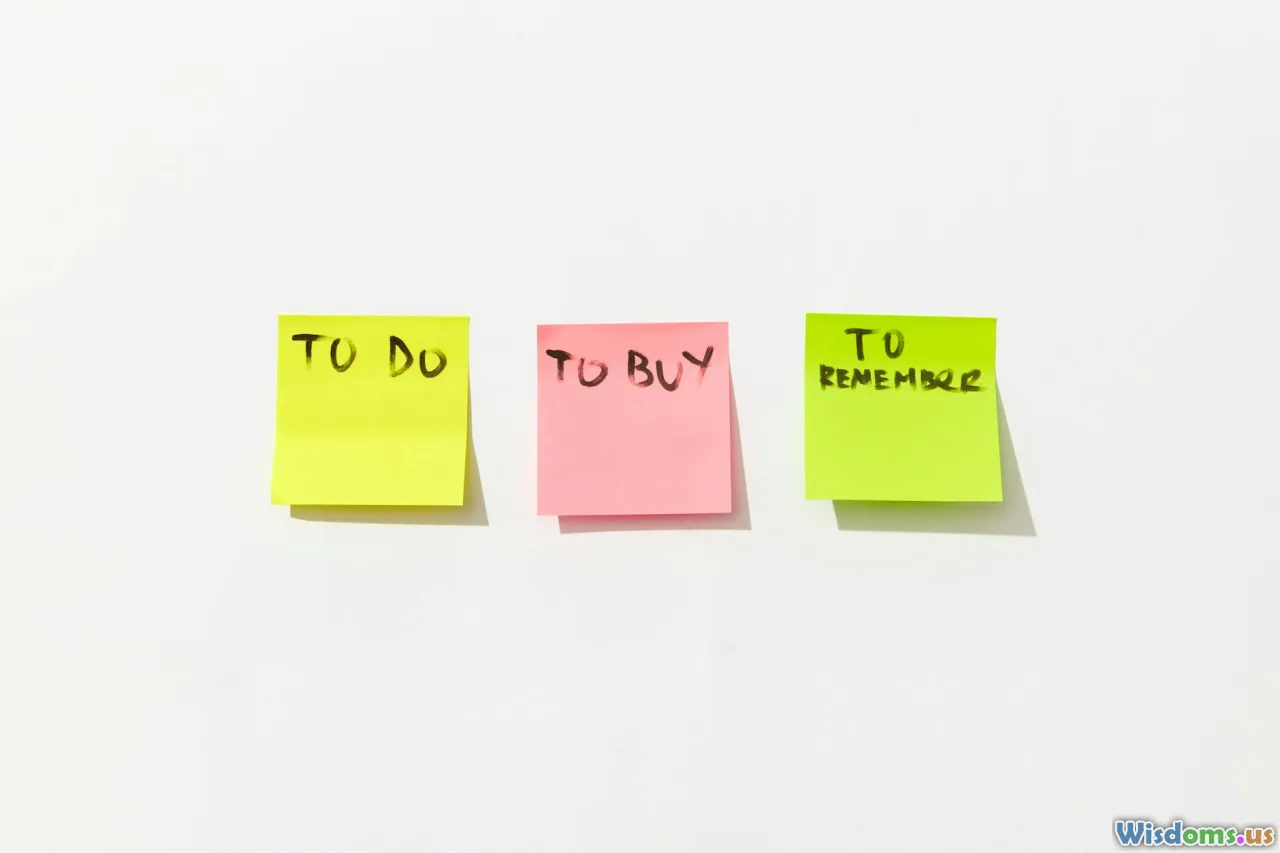
There is a difference between frivolity and fruitful play. Done right, play can be the most professional move in the room.
- Low-fidelity first: Bring tangible materials to early meetings: sticky notes, index cards, Lego, pipe cleaners. Rapid builds unblock abstract debates. The practice known as Lego Serious Play uses bricks to build metaphors, making complex systems visible.
- Game the constraints: Turn dull tasks into contests with clear rules. Example: In a backlog grooming session, each idea gets 60 seconds of 'elevator pitch' and one 'wild card' improvement from a teammate.
- Time-box visible experiments: Set 15-minute 'sandbox' windows within otherwise standard agendas. Label them clearly to reassure stakeholders that play has boundaries.
- Share precedent: Reference well-known practices like hack days. Atlassian has publicized its ShipIt days, and many teams run internal hackathons where playful exploration has delivered real features.
- Script the why: Open with a one-sentence rationale: 'We are going to prototype this with paper for 10 minutes because touching a version exposes issues at least a week earlier.' Framing protects the exercise from skepticism.
Pro tip: Capture artifacts. Photos of rough prototypes earn trust when paired with the final polished result. They tell a story of diligence, not distraction.
Tools and Toys With Serious Payoff

A small kit of playful tools can transform how you think.
- Story cubes: Roll icons and connect them into a product pitch or a user story. This trains narrative coherence under constraint.
- Tangrams or magnetic tiles: Build interfaces, floor plans, or process flows. Spatial play reveals unseen arrangements.
- Blank playing cards: Create your own prompt deck: verbs on one set, contexts on another. Draw one from each and invent a solution.
- Whiteboard markers and large paper: Scale up your thinking. Physical space helps you see relationships and gaps.
- Simple game engines or no-code tools: Try Scratch, Twine, or a drag-and-drop automation tool to prototype interactions without the overhead of full coding.
- Everyday objects: Rubber bands, paper clips, tape, and string often do more for ideation than expensive software.
Tip: Keep the kit visible. Visibility invites impulse play; a kit buried in a drawer gathers dust.
Overcoming Guilt and Resistance
Guilt is the enemy of play. Common objections and counters:
- 'I do not have time.' Counter: Play saves time by revealing dead ends quickly. Set a 12-minute cap and prove it to yourself.
- 'It looks silly.' Counter: So does a blank slide after two hours. Share your process and the rationale.
- 'I am not creative.' Counter: Creativity is not identity; it is a set of actions. Follow the PLAY method and let process deliver outcomes.
- 'What if it fails?' Counter: Then you have learned for the price of 15 minutes rather than 5 days.
Practical reframes:
- Language: Replace 'wasting time' with 'running a low-cost experiment.'
- Metrics: Track micro-wins, not just big wins. Keep a log of 3 insights per week from playful sessions.
- Allies: Recruit one colleague to try a sandbox exercise with you each Thursday. Shared play normalizes the behavior.
Measuring the Return on Play

If you can measure it, you can manage it. Try lightweight gauges that matter.
- Idea throughput: Count distinct options generated per hour on comparable tasks before and after you start playful practices.
- Time to first draft: Track how long it takes to produce a rough version. Play tends to reduce this.
- Error discovery rate: During playful prototyping, how many issues do you find earlier than usual?
- Energy index: After each session, rate your energy 1 to 5. Rising energy is a strong leading indicator of sustainable practice.
- Transfer moments: Record instances where a skill from one playful domain helped another task. These notes become your personal case studies.
Create a simple dashboard in a notebook or spreadsheet. Review monthly and adjust your constraints (
- shorter sprints if energy dips;
- new tools if idea throughput stagnates).
Safety and Inclusivity in Shared Play

Group play can amplify results, but only if people feel safe.
- Set consent and opt-outs: Make participation voluntary. Offer observer roles for those who prefer to warm up gradually.
- Normalize warm-ups: Begin with low-stakes, silly exercises that require no personal disclosure. For instance, build the tallest paper tower in 5 minutes.
- Design for neurodiversity: Offer multiple modalities: drawing, building, speaking, typing. Provide quiet corners and headphones.
- Establish time-boxes and debriefs: Start and end on time. Close with a 5-minute reflection: what worked, what felt awkward, what to tweak next time.
- Credit fairly: Document contributions and rotate facilitators so play does not become a performance by a few.
Done well, inclusive play fosters psychological safety, which strongly correlates with team learning and performance.
Advanced: Play to Accelerate Expert Practice

Expertise grows fastest at the edge of your competence. Play is a precise way to reach that edge frequently and safely.
- Constraint variation: Like chess puzzles that isolate a tactic, design micro-challenges that exaggerate a subskill. Writers might draft only dialogue for a day; developers might cap themselves at five lines per function.
- Rapid feedback loops: Play thrives on immediate signals. Use checklists, heartbeat monitors for pace (a metronome is underrated), and peer feedback to close the loop.
- Error embracing: Gamify mistakes. Keep a 'best fail' log with date, what was tried, what was learned, and a star rating for bravery.
- Cross-domain remix: Transfer strategies between domains. A musician's call-and-response pattern translates into Q&A rhythm in presentations.
This is deliberate practice smuggled into your schedule under a fun banner. The result is skill growth without the burnout that pure grind can cause.
30-Day Play Challenge

Commit to four weeks and notice what surfaces.
Week 1: Permission and exploration
- Day 1: Write your play contract. Pick a time slot and a focus area.
- Day 2: Assemble a play kit. Keep it visible.
- Day 3: Run two 10-minute sprints with one loose constraint.
- Day 4: Try a new tool from your kit. Log one surprise.
- Day 5: Invite a friend to a 15-minute co-play session.
- Day 6: Reflect: jot 5 things that felt natural.
- Day 7: Rest or take a playful walk, collecting textures or sounds.
Week 2: Constraints and alternation
- Day 8: Single-color sketch or one-function script challenge.
- Day 9: Two rounds of explore-then-select on a real work task.
- Day 10: Yes-and practice: iterate on yesterday's output without deleting anything.
- Day 11: Time-boxed play in a meeting: 10-minute paper prototype.
- Day 12: Cross-domain day: apply a hobby lens to a work problem.
- Day 13: Energy check and kit tweak.
- Day 14: Capture a before-and-after of a task done with and without play.
Week 3: Social play and feedback
- Day 15: Host a micro-hack session with one partner.
- Day 16: Story cube product pitch; record it.
- Day 17: Play-test your idea with a friendly user.
- Day 18: Debrief with your partner; list 3 insights.
- Day 19: Revise using Yes-and and one new constraint.
- Day 20: Share a thread of process photos or notes.
- Day 21: Rest or toy with a tool you have never tried.
Week 4: Integration and metrics
- Day 22: Define your 3 personal metrics.
- Day 23: Run a focused session aiming to move one metric.
- Day 24: Micro-celebration. Pick a 'best fail' of the month.
- Day 25: Teach a 10-minute version of your favorite exercise to someone else.
- Day 26: Apply playful prototyping to a stubborn task.
- Day 27: Review your dashboard. What pattern emerges?
- Day 28: Plan your next month's rotation.
- Day 29: Take a victory lap session with no goal.
- Day 30: Write a one-page play manifesto for yourself.
Real Stories and Examples

- The coder and the drum machine: A backend developer fiddled with a drum sequencer app during breaks. He became fascinated by polyrhythms and started mapping request patterns as beats. That playful analogy helped him spot periodic bottlenecks in traffic and tune the system, cutting latency spikes.
- The teacher and improv: A high school teacher joined an improv group. In class, she introduced 'Yes-and summaries' where each student added one sentence to a lab report recap. Engagement rose, and students retained more procedural detail.
- The nurse and simulation games: A nurse who enjoyed cooperative video games proposed quick, low-tech ward simulations using index cards to practice triage decisions. The team reported smoother handoffs and fewer near-misses during busy shifts.
- The marketer and collage: A brand manager kept a collage book. Before a rebrand, she created mood collages instead of a standard brief. The visual play persuaded leadership to choose a bolder palette and typography that better matched audience research.
Notice the pattern: playful practice exposed structure. Beats became performance metrics, improv became instructional design, simulation became safety training, collage became strategy. Hidden talents found daylight because the door was labeled 'play,' not 'prove yourself.'
When Play Becomes Avoidance: Guardrails

Like any powerful tool, play can drift off-mission. Use these guardrails:
- Define a finish line: Even a playful sprint ends. Use timers and set a maximum of three rounds per session.
- Tie at least 30 percent of sessions to real problems: Keep a balance between pure exploration and applied tinkering.
- Watch for sameness: If you always reach for the same toy or tactic, your talent may plateau. Rotate constraints and tools.
- Beware of performance play: If you start designing play to impress others, you lose the low-stakes safety that makes it effective.
- Schedule re-entry: After a playful ideation chunk, calendar a review block to pick one idea to operationalize.
Litmus test: Does this play increase or decrease your sense of agency about the thing you care about? If it increases, you are on track. If it decreases, adjust your constraints or take a rest.
Your Next Move

The fastest way to find out what you are good at is to do more things that invite your best attention and least self-conscious effort. Prioritizing play is not self-indulgence; it is talent discovery on a clock, with a kit, and with rules that bring out the best in you.
Pick a 20-minute slot in the next 48 hours, name it 'sandbox,' and do one thing you can finish within it: sketch a system you want to fix, draft a one-page story about your product's future, build a prototype out of office supplies, or remix a melody until it makes you grin. Capture what you notice. Repeat twice this week. In a month, you will see patterns in your notes that point to strengths. In a season, those strengths will look like talents to other people. And it all begins the moment you give yourself permission to play.
Rate the Post
User Reviews
Other posts in Time for Hobbies & Recreation





Popular Posts