Behind the Scenes of Capturing Celestial Bodies
14 min read Discover how astrophotographers and astronomers capture extraordinary images of celestial bodies using advanced techniques and technology, revealing the unseen wonders of our universe. (0 Reviews)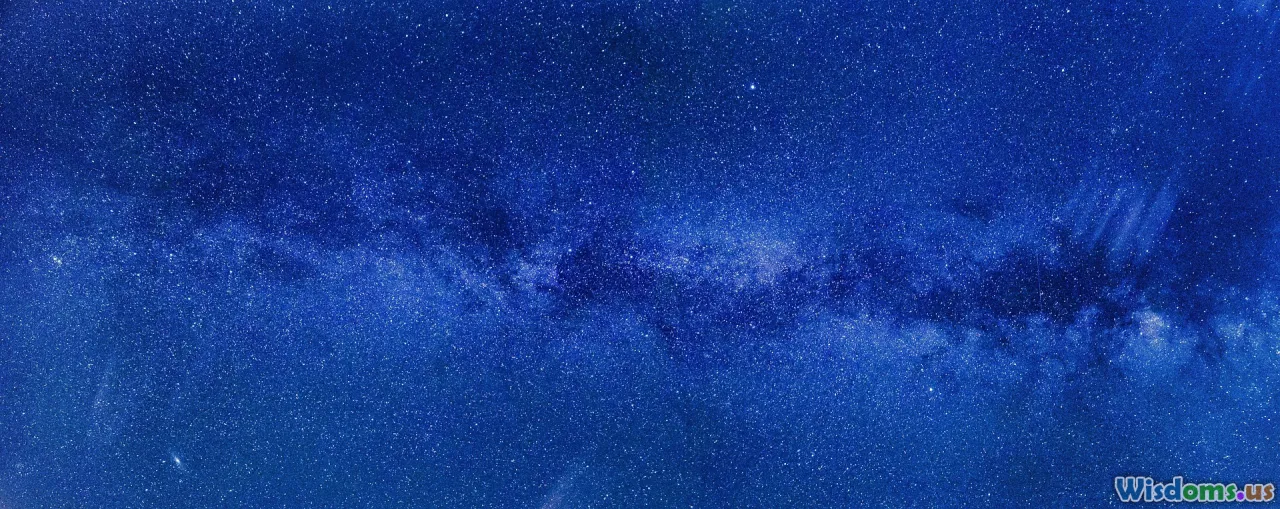
Behind the Scenes of Capturing Celestial Bodies
On a crisp winter night, under a tapestry of stars, a lone photographer readies a tripod, adjusting settings to chase after flickers from Jupiter. Yet, the beauty of ethereal nebulae and luminous planets is matched only by the complexity it takes to reveal them. "Capturing celestial bodies" is not just an inherent passion for cosmic grandeur—it’s a blend of scientific precision, patience, and artistry that takes viewers beyond the naked eye, illuminating the marvels tethered deep in our universe.
Setting the Stage: Understanding the Cosmos
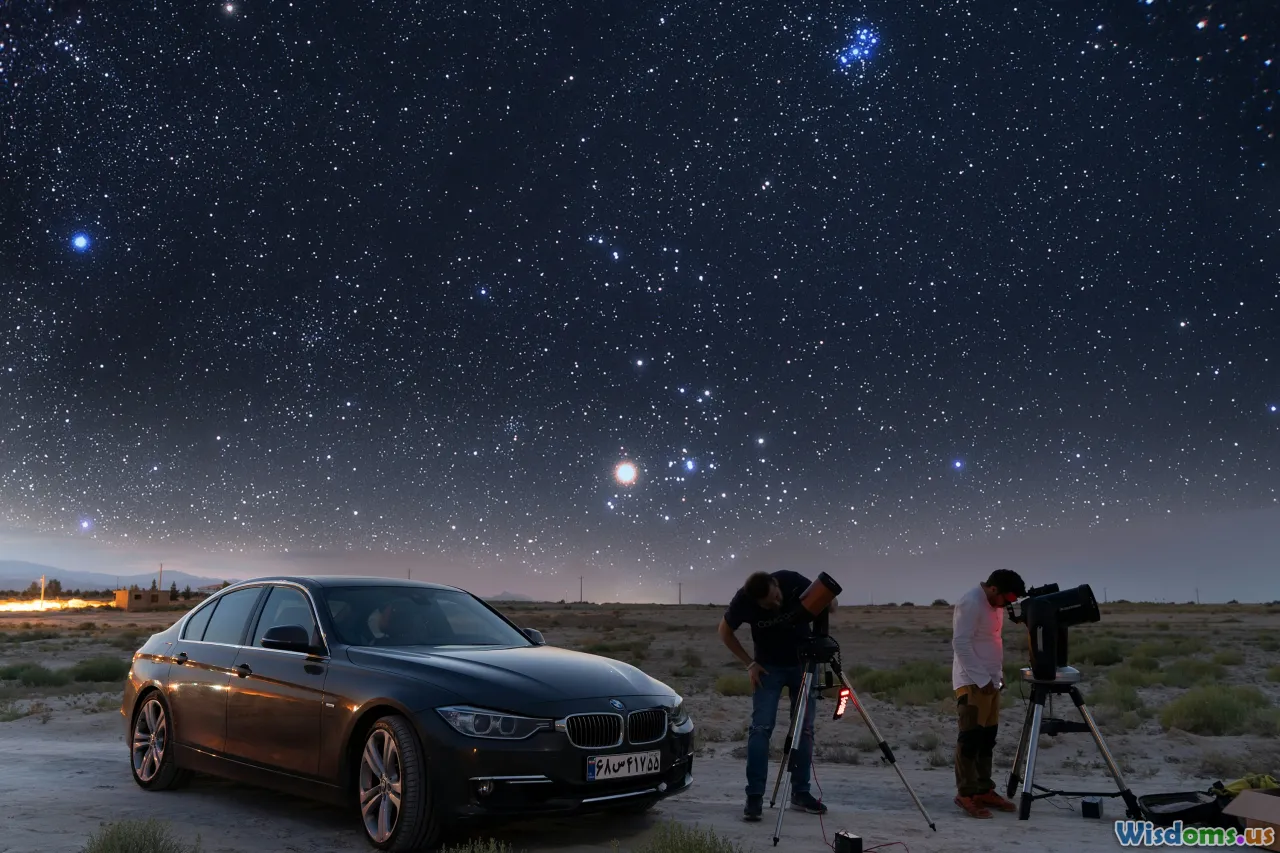
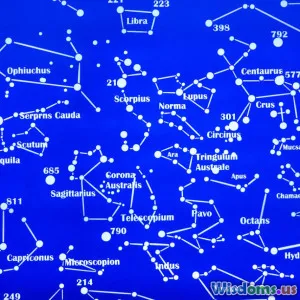
Photography of celestial bodies begins long before clicking the shutter. Knowledge is power: successful astrophotographers meticulously learn about the movement of planets, phases of the moon, and transits of distant objects. Observatories and star charts are indispensable tools. Consider the annual Perseid meteor shower—without anticipating its August peak and understanding radiant points, a photographer is almost certainly going home empty-handed.
Useful resources abound. Applications like Stellarium and SkySafari can pinpoint star positions tailored to your GPS. Astrophotographer Don Goldman recalls waiting weeks for the rare alignment of Mars and the Pleiades; planning allowed him to catch a fleeting, once-in-a-decade image. Modern tools let amateurs track international space station (ISS) passes or rare eclipses with precision that was unimaginable a generation ago.
Gear Assembly: Essentials and Innovations
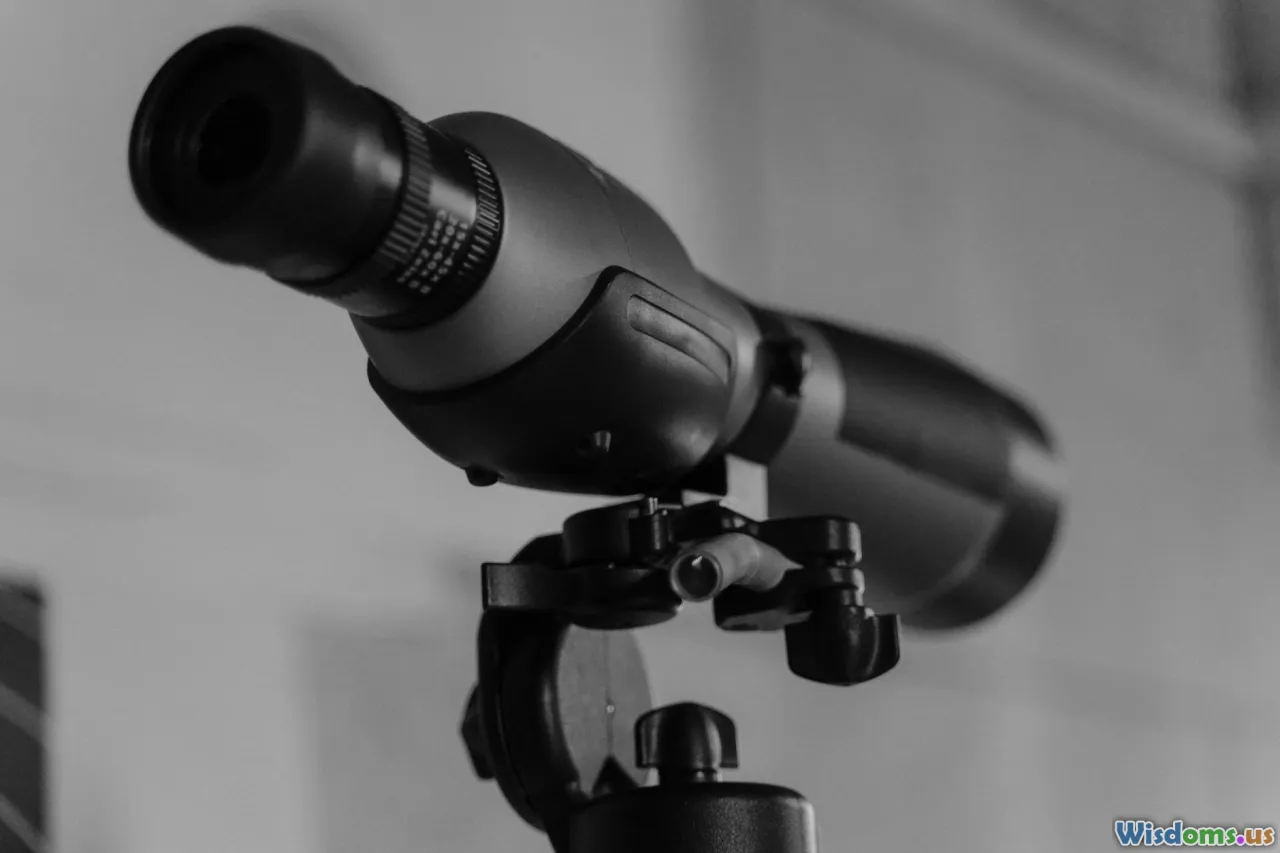
Celestial imaging runs the gamut—from a smartphone atop a city rooftop to state-of-the-art observatories in the Chilean desert. Most start with these core items:
- Tripod: Stability is fundamental when shooting exposures measured in minutes.
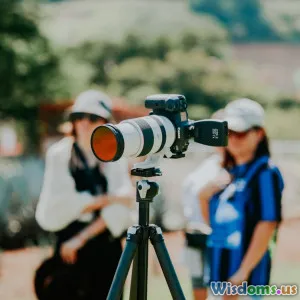
- Telescope: Optical tubes vary from basic refractors (great for planets and the Moon) to large reflecting telescopes (ideal for distant galaxies and nebulae).
- Cameras: While DSLRs made astrophotography more accessible, dedicated astro-cameras with cooled sensors and high sensitivity redefine the genre.
- Mounts: Equatorial mounts track Earth’s rotation, preventing star streaks during long exposures.
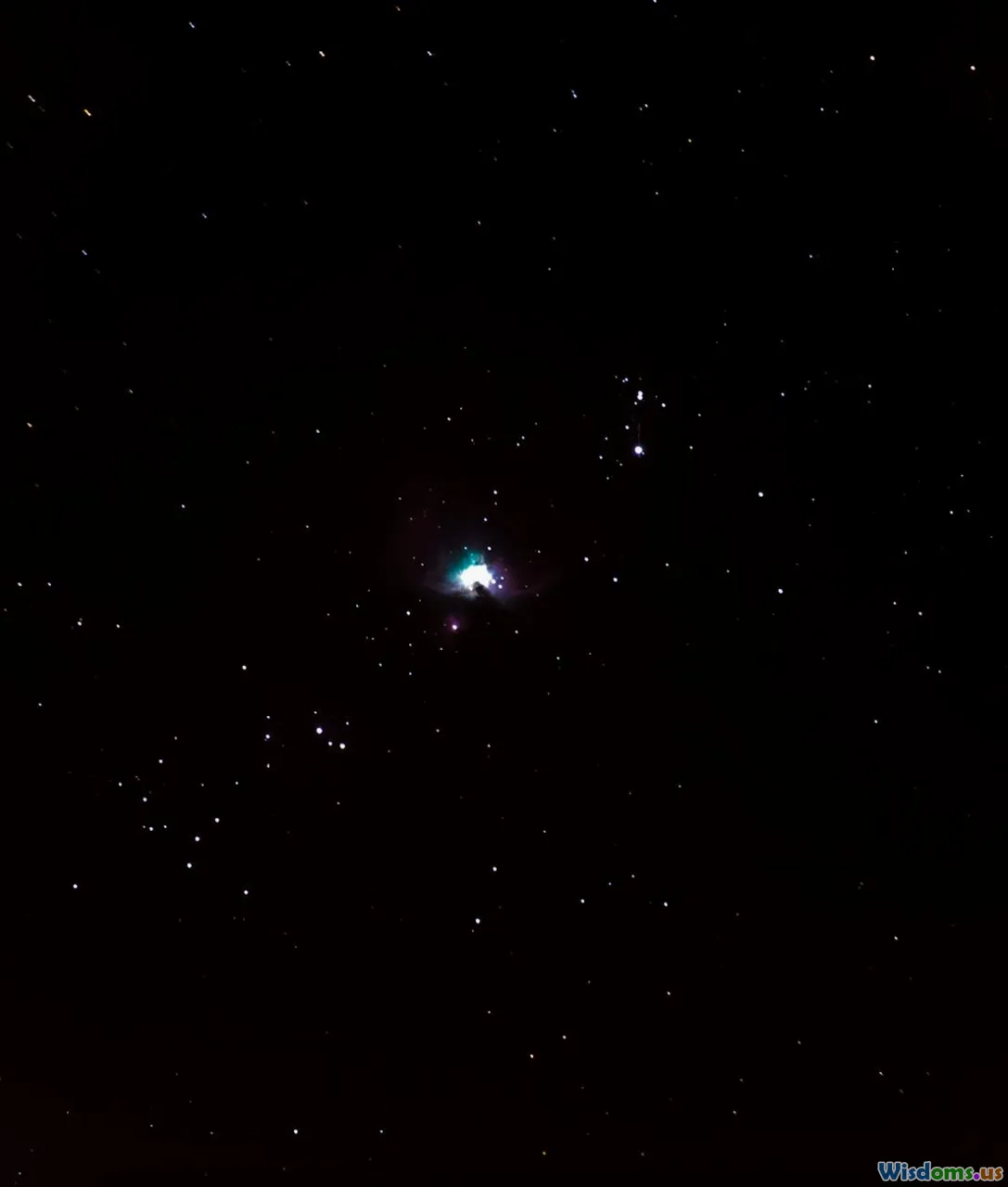
Today’s innovations are democratizing the field. The Celestron StarSense system uses AI to align telescopes automatically. Portable battery-powered mounts simplify under-the-stars sessions from almost anywhere. Additionally, filters crafted to block out city light let urban photographers reveal Orion’s core without leaving home.
Example: A recent breakthrough was the ASI AIR device—combining image capture, mount control, and remote focus into a single wireless box, streamlining the shooting process for hobbyists.
Mastering the Art of Light and Exposure
Photographing celestial bodies challenges basic photographic concepts. Ambient light, star movement, and atmospheric conditions all skew the approach. Instead of fraction-of-a-second exposures common in daily photography, astronomers regularly shoot 30 or even 600-second frames, stacking hundreds to fight off digital noise.
Core consideration: ISO (light sensitivity). High ISO values (such as 6400 or beyond) help catch faint stars but introduce graininess. Balancing this with wider apertures (low f-stop numbers) and tight focus is an endless challenge.
Astrophotographers regularly use 'stacking’—combining several low-noise images into one sharp, detailed composite. Processing software like DeepSkyStacker or PixInsight has become as vital as any lens. In 2022, astrophotographer Tanja Schmitz produced an award-winning spiral galaxy shot by layering 60 exposures using custom noise reduction scripts to bring out hidden dust lanes.
Overcoming Challenges: Weather, Light Pollution, and Timing

Unlike a controlled studio, the cosmos offers little mercy. Weather can abruptly ruin a night’s work—clouds sweep over, humidity fogs optics, and cold snaps drain batteries. Tools like Clear Dark Sky predict cloud cover down to the hour, helping brave trekkers save time.
Light pollution plagues city dwellers. The Bortle scale, from 1 (pristine dark) to 9 (bright inner-city), helps locate best spots. Many photographers venture miles from city glow. However, pollution filters—like the IDAS LPS series—mute sodium vapor lamp emissions, reclaiming a slice of the night.
Timing is everything. The lunar calendar dictates the best stargazing periods (dark, moonless new moons); time-lapses for planet rises or rare meteor storms require days of planning or luck. For the 2020 Neowise comet, dedicated observers camped under predawn skies to catch the once-in-7000-years apparition. Their patience produced viral images that inspired skywatchers globally.
Refining the Shot: Focus, Framing, and Tracking
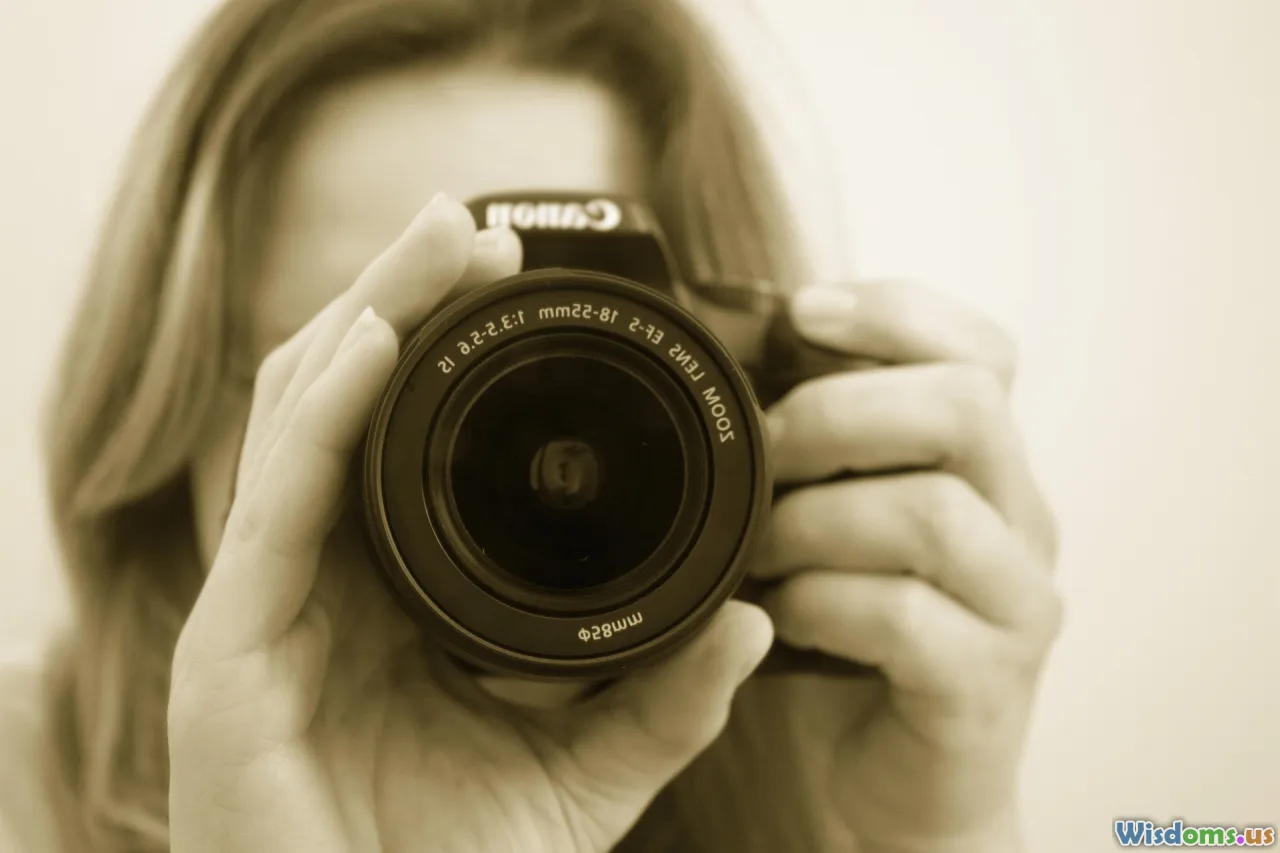
Achieving sharpness and maintaining composition in darkness is a feat. Autofocus rarely works on star points, so manual focus using "live view" and focusing aids (like Bahtinov masks) is standard practice. For tight planetary shots, a small miscalculation throws results awry.
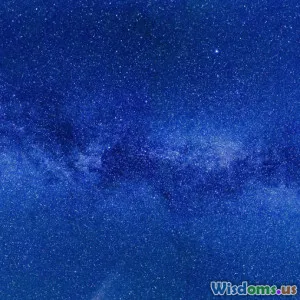
Framing also matters—even a wide galaxy can be lost in a vast backdrop. Astrophotographers employ the "rule of thirds" and foreground details, such as trees or mountains, to add context and drama. The Milky Way arch over Utah’s Arches National Park, for instance, stands as both an astrophotography icon and a lesson in blending earth and universe.
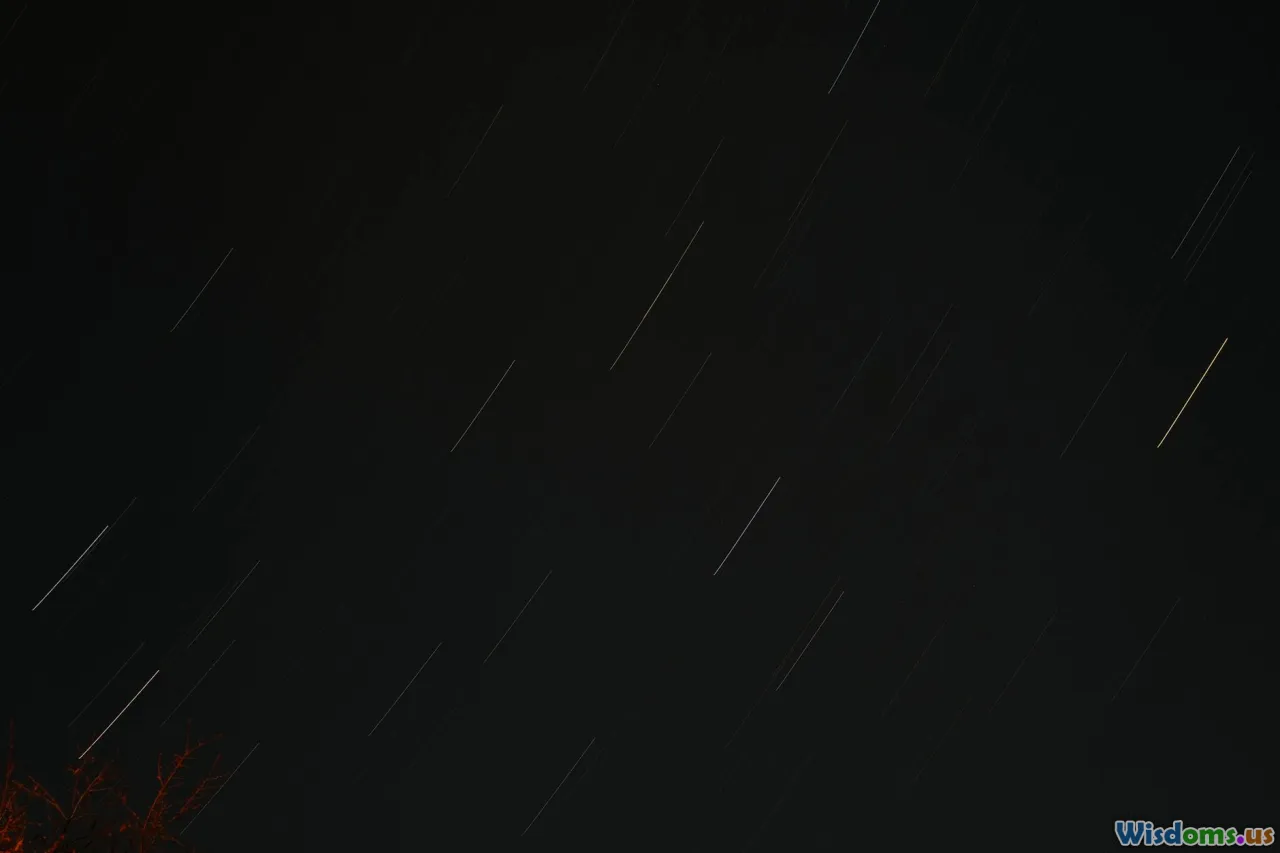
Tracking is crucial for clarity. Beginners might try "star trails", where the camera stays fixed as Earth rotates, producing hypnotic circular bands. For clarity in deep-sky images, however, a guided mount follows celestial objects for pin-sharp definition over long exposures. Modern auto-guiders—using secondary scopes and software to make tiny, real-time corrections—mean even modest backyard setups can deliver professional-quality result.
Post-Processing: Turning Data into Art
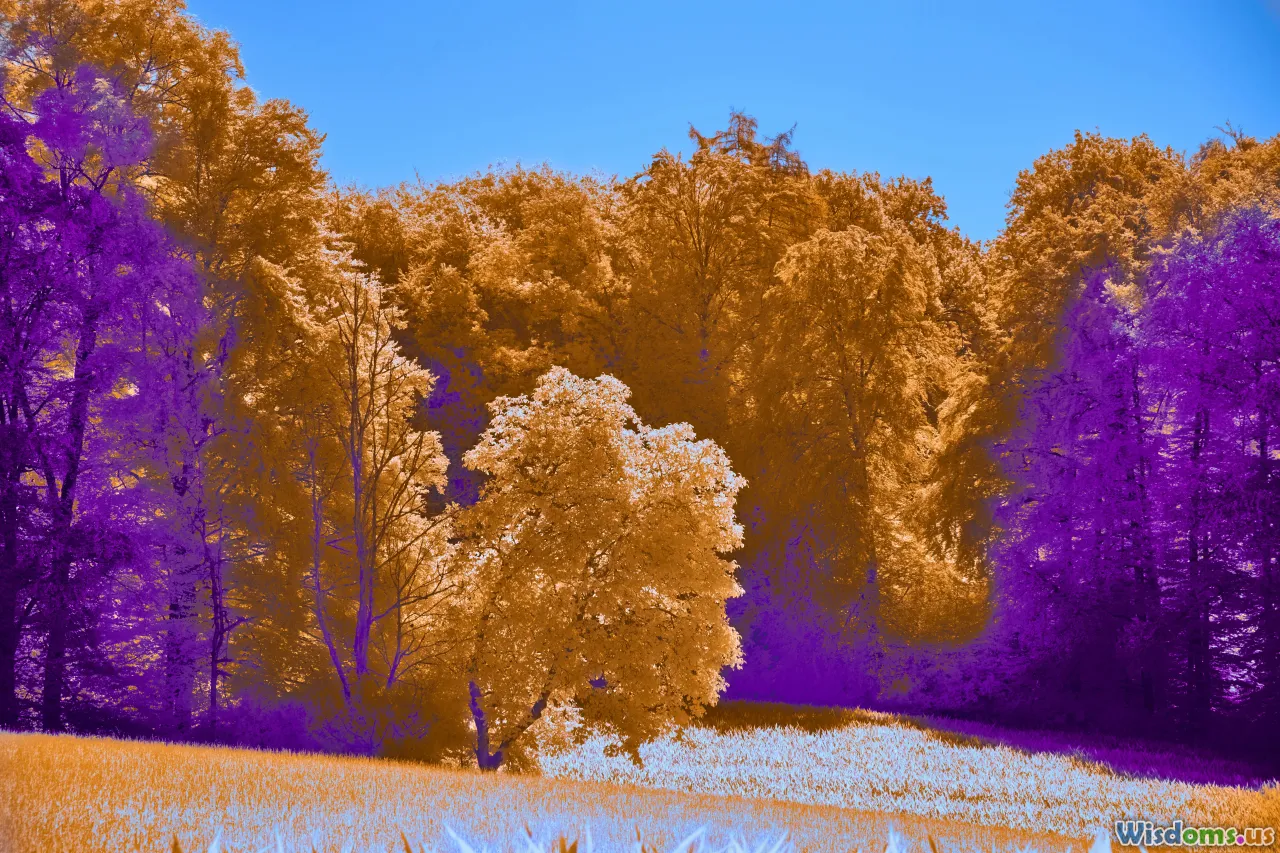
The pictures that inspire us most are hard-won in the digital darkroom. Raw data captured during a cold midnight session is only the start. Stacking software aligns images, removing satellite trails and airplane tracks. After stacking, software like Photoshop or Siril provides curves adjustments to enhance contrast, saturation, and detail.
Consider the famous Pillars of Creation captured by Hubble: the original image required assembly of different filtered light—hydrogen-alpha, oxygen-III, and sulfur-II—to distinguish structure unseen by ordinary sensors. Amateur tools now allow similar multi-channel techniques, revealing color and fine detail based on specific elements (the so-called Hubble Palette).
Metadata is equally important. Recording exposure details, times, and setup notes not only improves workflow—it allows others to reproduce the process, advancing collective knowledge. Online forums like AstroBin and Cloudy Nights serve as global workshops, fostering growth through shared processing techniques.
Timing and Patience: The Cosmos Teaches the Art of Waiting
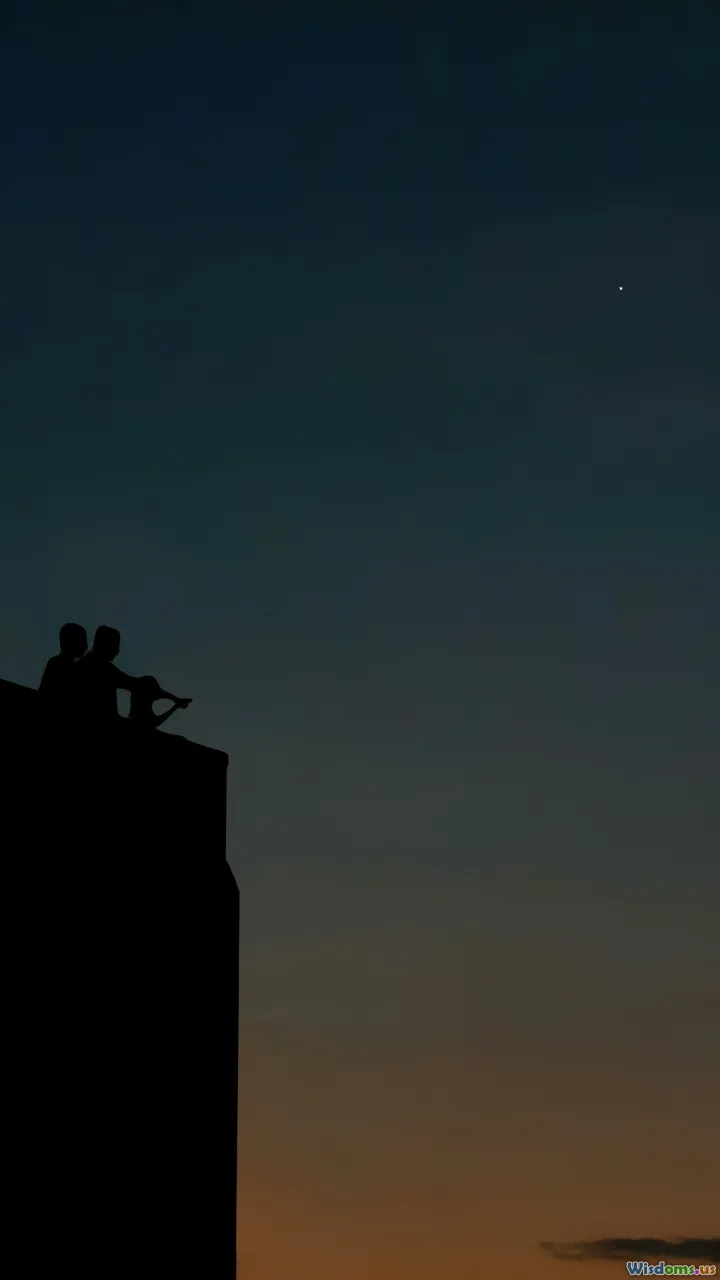
Planning is futile if one lacks patience. Celestial events operate on their own timescales—sometimes measured in decades or centuries. The 2017 Great American Eclipse, a phenomenon last witnessed coast-to-coast in 1918, drew thousands of photographers who spent months mapping transits and rehearsing their exposure schemes. A single passing cloud or equipment glitch could scuttle years of hope.
Maria Silva, a Chilean astrophotographer, spent 14 freezing winter nights chasing the southern Milky Way through the Atacama Desert’s clearest air. Despite her methodical preparation, clouds blanketed the final night. Her advice: "The next alignment, the next spotless sky, always comes again. Let the setbacks inspire innovation and deeper curiosity."
Telling Stories Through the Cosmos
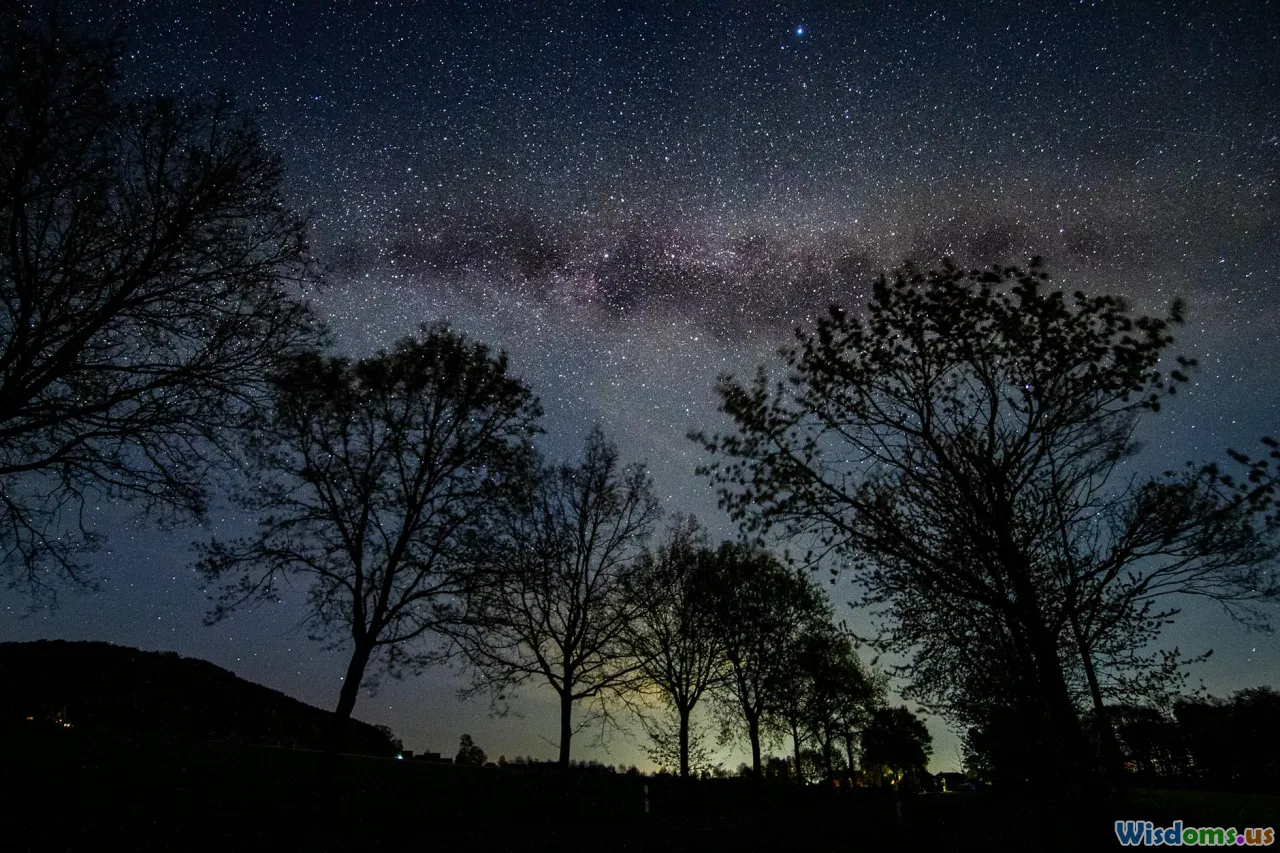
Beyond the science, great astrophotography captivates because it tells stories—from ancestral navigation using Polaris to intimate portraits of our lunar companion. An image of Saturn’s rings marks Voyager’s legacy; a hand-framed shot of the Andromeda Galaxy relays both technical prowess and existential awe.
Many photographers add personal touches—photographing their children beneath the rising moon, or timing the International Space Station’s arc above hometown landmarks. Such imagery is uniquely evocative, bridging human experience with cosmic scale.
Tip: Compose shots not just for aesthetic, but narrative. In 2021, British photographer Will Gater juxtaposed Stonehenge against the summer solstice sunrise, melding history, geology, and astronomy in a single evocative frame.
The Community and the Journey Beyond
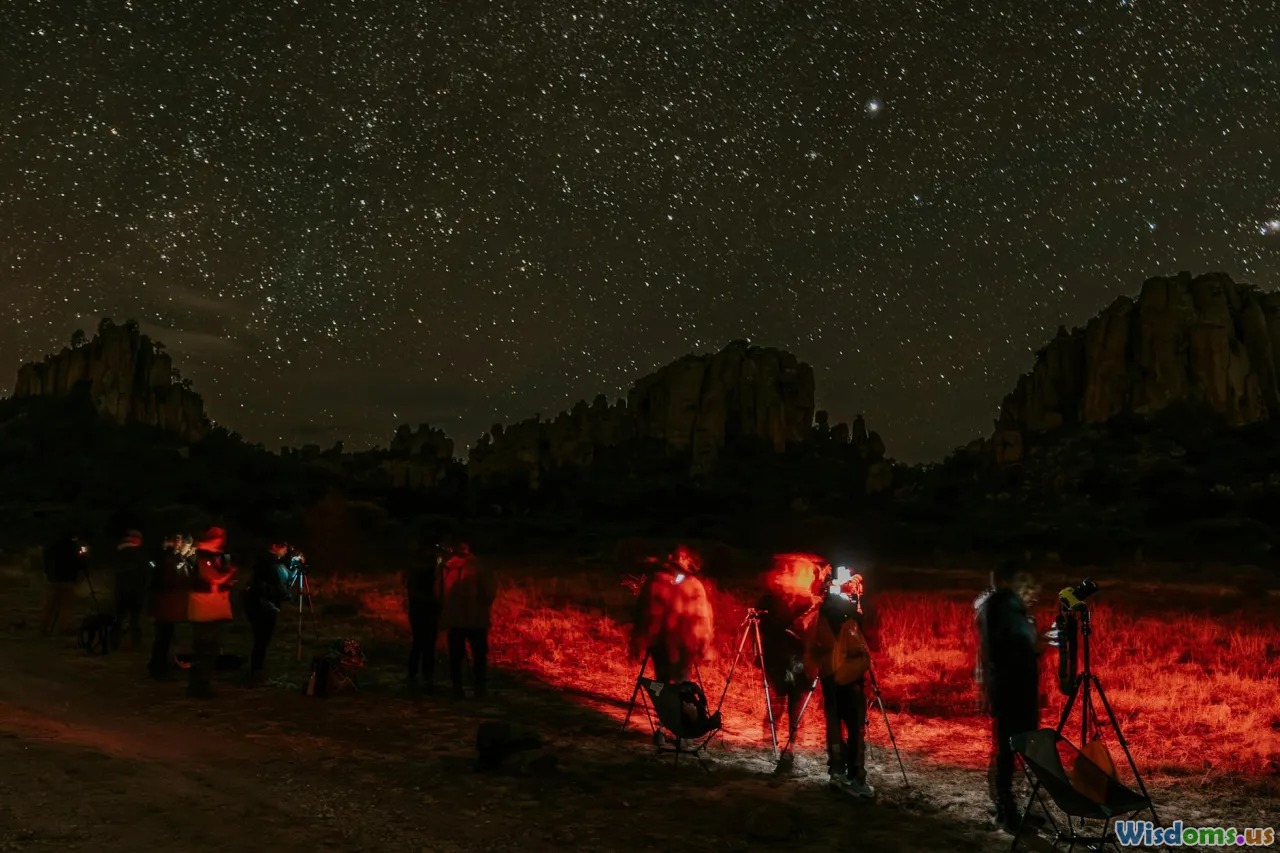
Astrophotographers rarely work in isolation. Online groups, regional astronomy clubs, and workshops form a backbone of shared advice and camaraderie. Aspiring shooters benefit from seasoned experts eager to help troubleshoot, share location tips, or even loan gear. High-profile contests—such as the Royal Observatory’s "Astronomy Photographer of the Year"—catalyze participation and lift lesser-known voices.
"Each person brings a piece of the cosmos to their community," observes veteran astronomer Dr. Katie Mack. In pooling efforts—coordinated lunar eclipse shoots across time zones, mosaic panoramas assembled from data shot on different continents—the resulting images carry collective pride and boundless curiosity.
Humanizing the Night: Why We Gaze Upward
Though techniques and technologies evolve, the essence of celestial photography persists: a yearning to see the unseen, to share wonder. For generations, shooting under the stars has meant chasing not only photons across light-years but fleeting moments that expand our place in the universe.
As you witness the shimmering veil of the Northern Lights or quietly persist beneath a swarm of Geminid meteors, remember you’re part of a lineage—one bridging scientific adventure, technical prowess, and creative heart. The next time you hold a camera up to the sky, know you’re not simply capturing light; you’re unraveling the cosmic story, one frame at a time.
Rate the Post
User Reviews
Other posts in Space Exploration



Popular Posts