Best Sleep Monitoring Apps Compared For Better Night Rest
21 min read Compare the best sleep monitoring apps to discover which tools can help enhance your sleep quality and overall wellness. (0 Reviews)
Best Sleep Monitoring Apps Compared For Better Night Rest
In today’s always-on world, quality sleep is often sacrificed in the pursuit of productivity. Yet, reliance on caffeine and late-night scrolling leads to chronic fatigue and poor health. Fortunately, sleep monitoring apps have entered the scene, empowering us to decode our nightly rest and make adjustments grounded in data. This article offers a thorough comparison of the best sleep monitoring apps available, helping you sleep smarter—and ultimately, live better.
Why Sleep Tracking Matters In Modern Life

While sleep might seem passive, it’s actually a dynamic process with far-reaching implications. According to the Centers for Disease Control and Prevention, 1 in 3 Americans do not get the recommended 7 hours of sleep. Without adequate rest, concentration, mood, metabolism, and heart health all suffer. Sleep tracking goes beyond simple bedtime logs: today’s apps analyze sleep stages, interruptions, ambient sound, and more, translating your sleep into actionable insights.
Monitoring sleep offers:
- Objective data about your sleep duration and deep versus light sleep.
- Understanding of trends and identifying patterns linked to daily habits.
- Personalized coaching to help you craft better routines.
- Early detection of issues like sleep apnea or frequent nighttime arousals.
In practice, this means you can swap guesswork for real feedback—and improve the backbone of your wellbeing.
How Sleep Monitoring Apps Work
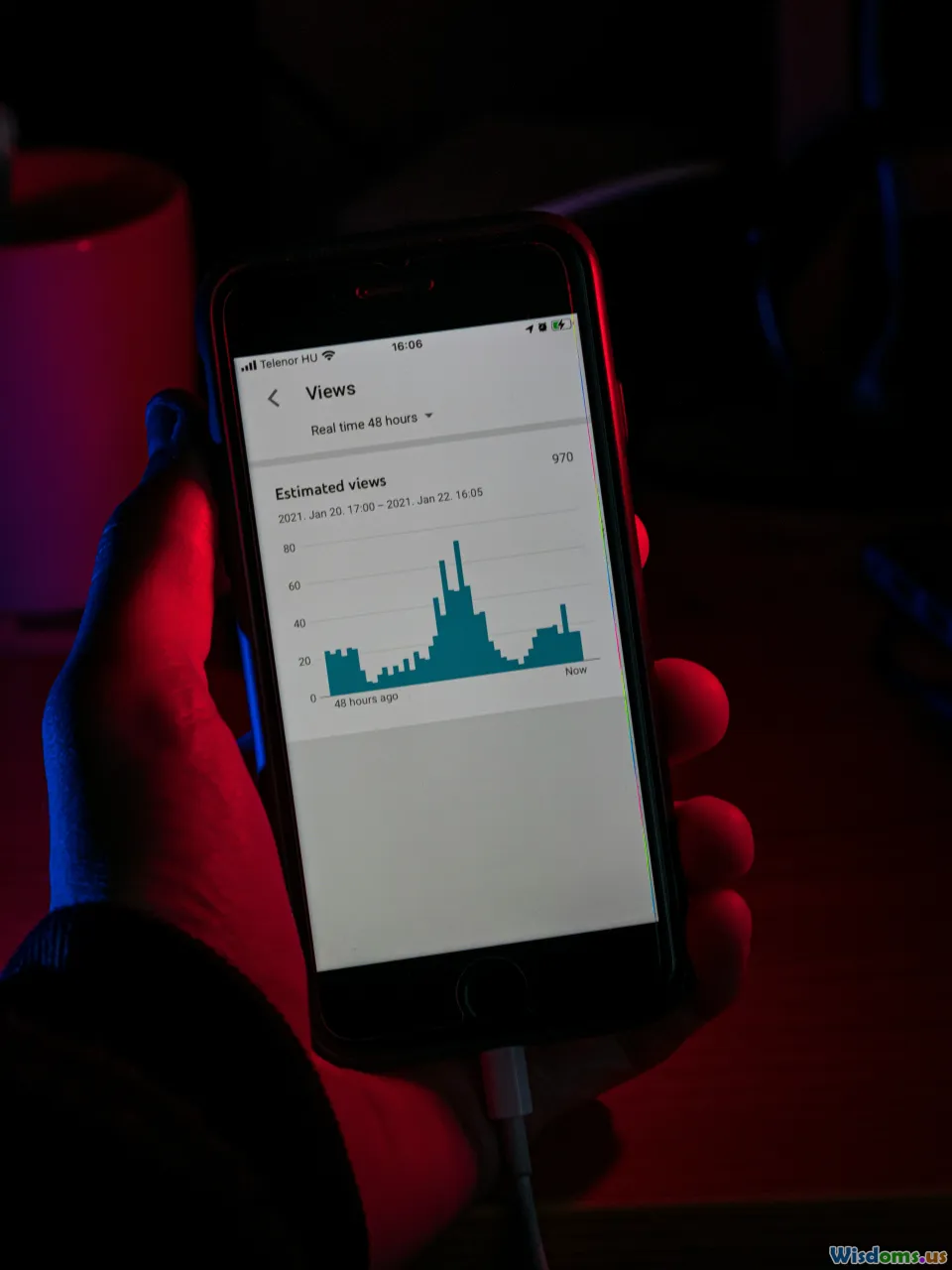
Most leading apps harness sensors in your smartphone, smartwatch, or fitness tracker to collect a range of biometric signals. These may include heart rate, motion (actigraphy), ambient noise, and sometimes blood oxygen levels. Once collected, algorithms slice this data to estimate:
- Time spent awake, in light sleep, deep sleep, and REM
- Total sleep time
- Bedtime variability
- Number and duration of sleep interruptions
For example, motion tracking can indicate when you toss and turn, while your wearable’s heart rate variability signal can estimate when REM cycles occur. More advanced apps soothe you with soundscapes, offer a smart alarm to wake you at the optimal moment in your sleep cycle, and suggest adjustments based on your data.
Key players in the market include:
- Sleep Cycle
- Sleep as Android
- Pillow
- Fitbit and Garmin’s native solutions
- Apple Health’s Sleep module
- AutoSleep
We’ll now put the top contenders under the microscope.
Sleep Cycle: Gentle Alarms & Powerful Insights
Sleep Cycle is often the entry point for those new to sleep tracking. Available on iOS and Android, this app is both an alarm clock and a nuanced tracker.
Key Features:
- Smart alarm wakes you in the lightest phase of your cycle (within a set window), making mornings less groggy.
- Uses the phone’s accelerometer and microphone to detect movement and sound (e.g., snoring, coughing).
- Delivers detailed graphs showing time in different sleep stages and trends over weeks or months.
- Minimal setup: simply place your phone on the nightstand or mattress.
Expert Opinion: Users—and sleep specialists—praise its user-friendly interface and the way its alarms genuinely shave the edge off waking up. However, for medical-grade data (such as oxygen saturation), external hardware is still needed.
Best for: People looking for a balanced mix of hands-off tracking and actionable feedback.
Sleep as Android: The Customizable Powerhouse
Sleep as Android rivals paid solutions despite its freemium status. A favorite for Android power users, it fuses deep tracking with smart home and wearable integrations.
Standout Capabilities:
- Tracks sleep stages, snoring, and even sleep talking via phone sensors or compatible wearables (such as Galaxy Watch, Garmin, or Mi Band).
- Integrates with smart lighting (Philips Hue, IFTTT): your lights dim as you fall asleep and brighten during wake-up.
- Offers “CAPTCHA” alarm options—making you solve puzzles to ensure you’re really awake.
- Anti-snoring module vibrates your wrist or phone if you snore loudly.
- Lucid dream cues allow budding oneironauts to trigger in-dream awareness.
Drawbacks: With its extensive settings comes a learning curve, and the interface can feel busy. But for Android loyalists seeking deep personalization, it's tough to beat.
Best for: Tech enthusiasts, tinkerers, and those hungry for advanced features.
Pillow: Seamless Sleep Tracking For Apple Ecosystem
Dedicated Apple users gravitate to Pillow for its harmonious integration with iOS devices and Apple Watch.
What Sets Pillow Apart:
- Fa�0t-track sleep detection based on movements, sounds, and heart rate, especially when using Apple Watch.
- Gorgeous, intuitive visualizations with support for sleep stage trends, sleep notes, and mood tracking.
- Records audio automatically to catch snoring, sleep apnea signs, or sleep talking.
- Syncs with Apple Health and other wellness apps for comprehensive analysis.
- Features power nap and sleep aid modules for optimized short rest sessions.
While many features are free, advanced sleep analytics and audio recordings require a premium subscription.
Considerations: Battery consumption is minimal if using Apple Watch. Pillow’s elegant design attracts users who appreciate Apple’s aesthetic standards—making nightly data check-ins a pleasure, not a chore.
Best for: iOS and Apple Watch users invested in a frictionless tracking experience.
Fitbit & Garmin: Sleep Tracking Meets Activity Tracking

Sleep doesn’t exist in a vacuum—it’s shaped by activity, stress, and daily habits. Fitbit and Garmin wearables integrate all these areas, offering a broader view.
Fitbit:
- Tracks sleep stages using heart rate, motion, and SpO2 sensors (available on models like Sense, Charge, Versa).
- Generates nightly sleep scores and actionable tips.
- Offers monthly trend reports, and learns your "typical" cycle.
- SpO2 monitoring can detect possible breathing disruptions, flagging potential sleep apnea risk.
- Sleep logging syncs with diet, exercise, and mindfulness activities through the Fitbit app.
Garmin:
- Uses advanced heart rate and movement algorithms to estimate light, deep, and REM sleep.
- Provides Pulse Ox data and Pre-bedtime routines analysis.
- Widgets show bite-sized summaries, while deeper dive reports live in the app.
Both ecosystems allow users to spot connections between late-night exercise, stress, and sleep quality, nudging you toward healthier choices.
Best for: Fitness enthusiasts seeking a unified dashboard for sleep, activity, and overall health.
AutoSleep: Deep Dive Analytics For Apple Watch
For those desiring near-clinical analysis without separate hardware, AutoSleep combines Apple Watch precision with exhaustively detailed analytics.
What Sets It Apart:
- Detects hours slept automatically; just wear your Apple Watch to bed and data is logged instantly.
- Delivers granular metrics: sleep quality, deep sleep percentage, sleep onset latency, and readiness score.
- Heart rate, ring progress for goals, and color-coded graphs provide intuitive feedback.
- Integrates tightly with Apple Health data—no login or external registration needed.
- One-time purchase with all features unlocked (no subscriptions).
Trade-Offs: New users may be overwhelmed by the amount of data, and setup instructions may require close attention.
Best for: Apple Watch fans who love granular, visual analytics and want to avoid ongoing subscriptions.
Key Considerations When Choosing A Sleep Monitoring App
When making your choice, consider these pivotal factors:
1. Hardware Compatibility
- Are you mainly a phone user, or do you own a smartwatch (Apple Watch, Fitbit, Garmin, Samsung)?
- Some features require wearable sensors for maximum accuracy—such as heart rate or SpO2 monitoring.
2. Analytic Depth & Feedback
- Do you want simple sleep/wake times, or rich analysis of sleep stages and habits?
- Apps like AutoSleep and Sleep as Android offer more advanced metrics; Sleep Cycle aims for approachable insights.
3. Usability & Design
- An intuitive interface makes the nightly routine sustainable.
- Consider notification options (gentle alarms, reminders), visualization clarity, and the learning curve level.
4. Ecosystem Integration
- If you track fitness or wellness, integrating sleep with health dashboards (Apple Health, Google Fit, Fitbit) magnifies benefits.
5. Cost
- Watch out for recurring subscription fees for features like historical trend analysis or audio logging.
Sleep Monitoring App Showdown: Head-to-Head Comparison
| App | Platform | Wearable Support | Notable Features | Pricing |
|---|---|---|---|---|
| Sleep Cycle | iOS, Android | Limited (Apple Watch) | Smart alarm, snore detection, trends | Free w/ IAP |
| Sleep as Android | Android | Most smartwatches | Custom alarms, smart home sync, audio logs, lucid dream module | Free |
| Pillow | iOS | Apple Watch | Audio analysis, elegant visuals, insights, mood tracking | Free |
| Fitbit | Multi | Fitbit devices only | Full sleep stage breakdown, SpO2 monitoring, health sync | Device incl. |
| Garmin | Multi | Garmin devices only | Advanced sleep scores, fitness integration | Device incl. |
| AutoSleep | iOS | Apple Watch | Granular metrics, no subscription | Paid (one time) |
Pros:
- Sleep Cycle: Great for beginners; minimal setup.
- Sleep as Android: Most flexible; feature-rich for Android.
- Pillow: Stylish, seamless for Apple fans.
- Fitbit/Garmin: Integrates whole health picture; excellent for athletes.
- AutoSleep: No subscription, high analytical depth.
Cons:
- Advanced metrics may require wearables.
- Audio tracking can drain phone battery.
- Some features rely on premium/unlocked payment tiers.
Maximizing Results: Tips For Better Sleep Tracking

Accurate data is only the starting point—the real value comes from turning insight into action. Here’s how to get the most from sleep monitoring:
- Consistency Is Key: Wear your device or run the app every night for credible trends.
- Review Trends, Not Just Nightly Results: Spot gradual improvements (or setbacks) over weeks for lasting adjustments.
- Log Bedtime Routines: Use sleep notes to jot down caffeine intake, exercise, stress, or medication—helpful for isolating culprits of poor rest.
- Act On Sleep Coaching: Many apps suggest actionable tweaks—like shifting bedtime, cutting evening screen time, or managing naps more strategically.
- Share With Your Doctor: Data can inform discussions if you suffer persistent insomnia, snoring, suspected apnea, or restless sleep.
- Prioritize Comfort & Battery: For wearable users, choose bands and watch faces that don’t interrupt your sleep or run out of power mid-night.
Real-World Examples: Sleep Tracking Transformations

Case Study 1: Lisa’s Battle With Insomnia—Solved By Sleep Cycle
Lisa, a software manager, suffered from morning grogginess and mid-day energy crashes. By using Sleep Cycle's smart alarm, she found her wake-up times better aligned with her natural cycles. Over two months, Lisa’s average total sleep time rose by 41 minutes, with her self-reported alertness in the morning increasing dramatically.
Case Study 2: John’s Nightly Restlessness—Revealed By Fitbit
John, a fitness enthusiast, was puzzled by frequent tiredness. His Fitbit showed significant reductions in deep sleep after late-night weight training sessions. By shifting workouts to earlier in the evening, his deep sleep scores improved, and so did his daytime performance at work and in the gym.
Case Study 3: Emma’s Hidden Snoring—Discovered By Pillow
Emma, a graphic designer, downloaded Pillow to take advantage of its sound recording feature. She was surprised to hear patterns of intense snoring, prompting her to seek a medical evaluation. The diagnosis: mild sleep apnea. With treatment, Emma now sleeps soundly and wakes refreshed.
These stories highlight how even small adjustments—guided by sleep tracking insights—can generate outsized benefits.
The Future Of Sleep Monitoring: What’s Next?
Expect tomorrow’s sleep tech to raise the bar as artificial intelligence (AI) and sensor miniaturization advance. Trends on the immediate horizon:
- Enhanced Accuracy: Integration of blood oxygen, temperature, and continuous ECG for precise sleep stage detection.
- Non-Invasive Sensors: Companies are working on ultra-thin sensors embedded in bed linen or pillows for unobtrusive tracking.
- AI-Powered Analysis: App algorithms will surface more deeply personalized suggestions using machine learning trained on millions of nights’ data.
- Improved Sleep Coaching: Predictive interventions (“Sleep Forecasts”) tailored to your shifting routines and stressors.
While no app yet replaces a sleep laboratory, the gap is closing fast, bringing sleep science home to your bedside.
Reaching for better sleep isn’t about perfection—it’s about curiosity, consistency, and progress. By choosing the right sleep monitoring app for your device and lifestyle, you empower yourself with the awareness and data you need. Smarter sleep means brighter days. Tonight could be your best rest yet; let technology help you get there.
Rate the Post
User Reviews





Popular Posts