Boosting Productivity With Quick Workouts Via Mobile Apps
29 min read Use 5–10 minute mobile workouts to sharpen focus, elevate energy, and structure breaks. Evidence-backed tips, app examples, and scheduling strategies for busy professionals. (0 Reviews)
The fastest way to reclaim focus in a hectic workday often is not another coffee or a longer to-do list—it is a quick burst of movement. Done right, a 4–12 minute workout can sharpen attention, lift mood, and prime your brain for deep work. With today’s mobile apps, you can cue up targeted sessions, track results, and nudge yourself at the right moments without leaving your workspace. This guide shows how to turn short, app-guided workouts into a reliable productivity lever—backed by research, grounded in practical routines, and easy to sustain.
Why tiny workouts boost focus and output

Short bouts of exercise act like a cognitive switch. When you move—even briefly—your body increases blood flow, oxygenation, and the release of neurochemicals linked to alertness and learning. The highlights:
- Fast neurochemical effects: A few minutes of moderate effort can raise dopamine and norepinephrine, which enhance attention and working memory. Many people feel this as being ‘switched on’ within 5–10 minutes.
- BDNF and plasticity: Light-to-moderate movement elevates brain-derived neurotrophic factor (BDNF), which supports learning and memory. Small boosts in BDNF after single sessions have been observed in both lab and field settings.
- Prefrontal activation: Studies on acute exercise and cognition show that a single 10–15 minute session can improve executive functions—task switching, inhibition, and decision-making—for up to an hour after activity. In research settings, brief walking or cycling bouts often outperform passive breaks for post-task accuracy and speed.
- Mood and stress: Movement downregulates stress hormones and elevates endorphins, contributing to a calmer, clearer state. That makes difficult tasks feel more doable and reduces procrastination loops.
Real-world takeaway: You do not need a gym or 60 minutes. A 7–12 minute routine can be a high-yield tool to reset during the day, especially around cognitively demanding blocks.
What counts as a quick workout (and how hard should it feel)
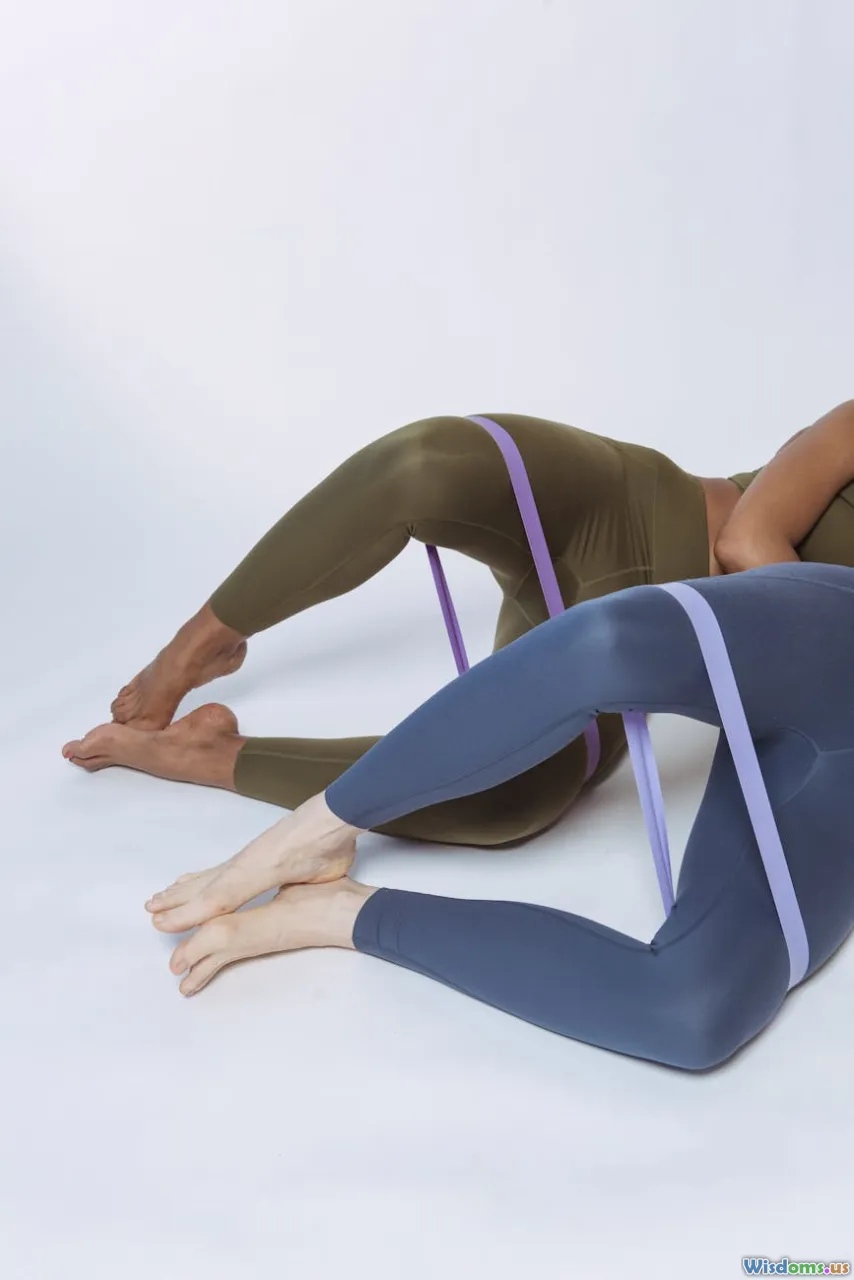
Quick workouts are short, intentional bouts of movement: 3–15 minutes, ideally with a specific goal (energy, calm focus, or mobility). Three categories work well during the workday:
- Low-impact mobility flows (3–10 minutes)
- Purpose: restore posture, reduce stiffness, and create calm focus without sweating.
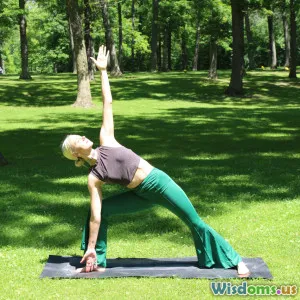
- Examples: 8-minute hip and thoracic spine mobility, shoulder CARs (controlled articular rotations), ankle rocks, cat-cow to thread-the-needle.
- Intensity: light; you can speak comfortably throughout (RPE 2–3 out of 10).
- Brisk, moderate cardio (6–12 minutes)
- Purpose: quick energy and attention lift without draining your tank.
- Examples: fast walk with stairs, light jog in place, shadow boxing rounds, low step-ups.
- Intensity: conversational pace (RPE 4–6). Stay below all-out; finish feeling more alert, not exhausted.
- Micro-HIIT (4–10 minutes)
- Purpose: spike alertness, break a mental stalemate, and get a fast sense of accomplishment.
- Examples: 20 seconds on / 40 seconds off x 6 rounds with air squats and mountain climbers; 30 seconds on / 30 seconds off EMOM (every minute on the minute) for 8 minutes of kettlebell swings or jump rope.
- Intensity: challenging but controlled (RPE 7–8). Stop while you still have 1–2 good reps in reserve.
Helpful rules of thumb:
- If you need calm focus: choose mobility or breath-to-move flows.
- If you need energy: choose brisk cardio or a gentle interval circuit.
- If you need to blast through procrastination: choose micro-HIIT for 4–6 minutes, then sit down to your most important task immediately.
Picking the right app for the job

Mobile fitness apps have matured to the point where you can program your entire workday movement strategy from your phone or watch. Look for these features:
- Time filters: Sessions under 5, 10, and 15 minutes should be easy to find.
- Audio-first guidance: Voice cues mean you can watch the clock less and move more.
- Quiet/low-impact options: For apartments or shared spaces (no jumps, no equipment).
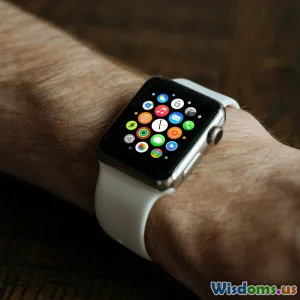
- Wearable integration: Heart rate and timers on your wrist reduce friction.
- Custom timers: Tabata, EMOM, AMRAP presets with haptic alerts.
- Offline downloads: For travel or patchy office Wi‑Fi.
- Progress tracking: Streaks, taggable sessions (focus, energy), and notes.
Use-case matches (non-exhaustive):
- Habit-focused and fast: Seven; Streaks Workout; Apple Fitness+ Time to Walk for brisk, guided walks.
- Strength and HIIT variety: Nike Training Club; Peloton App; Down Dog HIIT; FitOn.
- Custom timers: Seconds; Interval Timer; SmartWOD Timer (great for EMOM/AMRAP).
- Mobility and recovery: GOWOD; Pliability (formerly ROMWOD); Down Dog Yoga.
- Data-driven programs: Fitbod; Strong; Jefit (more for strength blocks, still useful for short sets).
Pro tip: Install two complementary apps—one for quiet mobility and one for intervals. Pin each to your home screen and create two widgets: Focus Flow (low-intensity) and Energy Blast (interval). Reducing the decision cost makes the habit stick.
A two-week starter plan you can run from your phone

This plan builds momentum without overhauling your routine. Each day takes 4–12 minutes. Use any app you prefer; the key is consistency and how you time the session relative to work.
Week 1 (familiarization and consistency)
- Day 1 (Mon): 8-minute Mobility Flow before your first focus block. Example circuit: 60s thoracic rotations, 60s hip flexor rocks, 60s ankle dorsiflexion, 60s shoulder CARs; repeat once.
- Day 2 (Tue): 6-minute Brisk Cardio between meetings. Example: 3 x 60s fast walk or marching in place + 60s easy pace.
- Day 3 (Wed): 4-minute Micro-HIIT just before deep work. Example: 20s fast air squats + 40s rest; 20s mountain climbers + 40s rest; repeat.
- Day 4 (Thu): 10-minute Mobility + Breath session at mid-day. Example: 4 minutes of mobility, then 3 minutes box breathing (4-4-4-4), 3 minutes nasal walking.
- Day 5 (Fri): 8-minute EMOM: 8 rounds of 30s work, 30s rest alternating push-ups (elevated if needed) and reverse lunges.
- Day 6 (Sat): Optional 12-minute recovery walk outdoors; tag mood before/after in your app.
- Day 7 (Sun): Off or 5-minute stretch while syncing your calendar for the week.
Week 2 (progress and personalization)
- Day 8 (Mon): 10-minute Moderate Cardio. Climb stairs or brisk walk; keep nasal breathing to cap intensity.
- Day 9 (Tue): 6-minute HIIT Primer. 3 rounds: 30s fast jump rope or high knees + 30s rest; 30s plank + 30s rest.
- Day 10 (Wed): 8-minute Mobility targeting your tightest area (hips if you sit, thoracic if you type). Add controlled 3-second eccentrics to movements.
- Day 11 (Thu): 10-minute Strength Circuit. 40s work / 20s rest x 5 moves: chair squats, desk incline push-ups, band rows, split squats, dead bugs. Repeat once.
- Day 12 (Fri): 5-minute Creativity Walk. Go outside, no podcasts, gaze at the horizon periodically; tag 1 idea you had.
- Day 13 (Sat): 12-minute Zone 2 jog or cycle if available; or extended brisk walk.
- Day 14 (Sun): Off; review week. Note which sessions most improved focus and schedule those around your hardest tasks.
Progression options:
- Add 1–2 minutes to your favorite blocks.
- Swap harder variations (e.g., regular to decline push-ups, air squats to goblet squats with a backpack).
- Keep at least one low-intensity day to protect recovery and prevent mental fatigue.
How to slot workouts into a busy workday
Timing matters as much as content. Use movement as a strategic insert, not an afterthought:
- Morning primer (3–6 minutes): A gentle mobility or brisk walk sets posture and energy. Stack it with an existing habit: start the coffee machine, then do a 5-minute flow.
- Pre-meeting activation (4 minutes): If you need sharpness, do 2 minutes of brisk movement plus 2 minutes of breath-controlled squats (inhale down 3 seconds, exhale up 2 seconds). You will enter more alert but not sweaty.
- Post-lunch slump reset (6–10 minutes): Choose moderate cardio or a short EMOM to raise alertness without spiking stress. Then sit for a 60–90 minute deep work block.
- Afternoon decompression (3–8 minutes): When your brain is saturated, pick a quiet mobility flow plus 2 minutes of box breathing to reduce mental noise.
Pair with work rhythms:
- 90/15 rhythm: After 90 minutes of focused work, spend 5–10 minutes on movement, then transition tasks.
- Pomodoro: After every 2–3 Pomodoros, insert a 5–8 minute session.
- Meeting buffer: Block 10 minutes before any high-stakes meeting for an Energy or Calm micro-workout depending on your state.
Implementation tip: Set two repeating app reminders, named by intent rather than time—Focus Fuel (before deep work) and Stress Melt (after tough calls). These labels make the why clear and reduce resistance.
Evidence-based protocols for different cognitive needs

Not all work requires the same mental state. Match your workout style to the task:
- For fast focus before analytical work (10 minutes total)
- 6 minutes brisk movement: stairs, marching, or air bike at RPE 6.
- 2 minutes of controlled nasal breathing while walking.
- 2 minutes of power moves: 20s fast step-ups + 40s easy x 3.
- Why it works: Moderate cardio elevates catecholamines and blood flow to prefrontal areas; the short power finish adds alertness without too much lactate.
- For calm clarity before writing or design (8 minutes total)
- 5-minute mobility flow: spine, hips, shoulders.
- 3-minute box breathing (4-4-4-4) or 4-7-8 breathing.
- Why it works: Mobility reduces discomfort that steals attention; slow exhale breathing activates parasympathetic tone, lowering background anxiety and improving sustained attention.
- For breaking procrastination (4–6 minutes total)
- EMOM x 6 minutes alternating: 30s high knees or jump rope; 30s plank or hollow hold.
- Why it works: Brief intensity creates a state shift and a win; finishing at RPE ~7 curbs overthinking and primes action.
- For creative resets between tasks (6–12 minutes)
- Go outside for a walk with periodic panoramic gaze (look at distant objects, then return to your path). Avoid music for at least 5 minutes.
- Why it works: Visual expansion reduces stress and encourages idea generation; mild exertion increases divergent thinking performance in several experiments.
- For late-afternoon tension (5–8 minutes)
- 3-minute neck, jaw, and shoulder release; 2 minutes of 6 breaths per minute pacing; optional 2 minutes of light band pull-aparts.
- Why it works: Releasing high-strain areas plus slow breathing lowers muscle tone and perceived stress without sedating you.
Measure what matters: linking workouts to productivity

To prove value, track a few light-touch metrics. Keep it simple and behavior-friendly:
Work output and state metrics
- Focus minutes: minutes of uninterrupted work blocks completed after a workout.
- Time to first meaningful action (TTFMA): minutes from sitting down to making tangible progress on a task.
- Task completion rate: number of key tasks finished per day.
- Error rate: mistakes discovered in code, documents, or emails (weekly snapshot).
- Mood/energy tags: simple 1–5 rating before and 20 minutes after movement.
Fitness and recovery metrics
- RPE: how hard the session felt (1–10). Helps prevent overdoing it.
- Heart rate zones (if you wear a device): aim for Zone 2 for steady cardio days; brief dips into Zone 4 for micro-HIIT.
- HRV trend: a downward trend plus rising resting heart rate suggests you should favor mobility and low-intensity days.
Minimal analytics workflow
- Use your app’s notes or a companion app like Notion/Apple Notes to log: Session type, Minutes, RPE, Focus minutes after, Mood change.
- Each Friday, look for patterns: Which session type yields the highest focus minutes with the lowest RPE? Schedule more of those before your hardest tasks.
- Try simple A/B weeks: Week A, do micro-workouts before deep work; Week B, do them after. Compare focus minutes and TTFMA.
Light math you can use
- Focus Yield Score = Focus minutes after session ÷ Session minutes. A score above 6 is excellent for workday ROI.
- Strain Balance = Total weekly RPE × minutes. Keep this rising slowly; steep jumps correlate with fatigue and lower motivation.
Small-space setup and gear that make it effortless

You do not need much to move well in a small office or apartment. Prioritize quiet, compact tools and a layout that invites action.
Space and layout
- Create a ‘movement square’: a 6x6 foot clear area near your desk.
- Keep a mat rolled out or easily accessible to lower activation energy.
- Store bands on a hook within arm’s reach; visible gear invites use.
Low-cost gear (under $50 total if you prioritize)
- Long resistance band and set of loop bands: rows, pull-aparts, hip work.
- Jump rope or cordless rope handles for low-noise cardio.
- Mini sliders or small towel for core and hamstring work on hard floors.
- Door anchor for band rows and presses.
Noise and neighbor-friendly options
- Swap jumps for power step-ups, fast marches, or shadow boxing.
- Use sliders for intense but quiet core sets.
- Time sessions when ambient office noise is high to mask movement sounds.
Hygiene and comfort
- Keep a small towel and sanitizing wipes nearby.
- If sweating is a concern, cap higher-intensity sessions at 4–6 minutes and schedule them earlier in the day.
Safety, accessibility, and common pitfalls
Movement should help you work better, not sideline you. A few safeguards and adaptations go a long way.
Safety fundamentals
- Warm-up rule: for HIIT, always do at least 2 minutes of easier movement first.
- Talk test: If you cannot speak in short sentences, dial down intensity for workday sessions.
- Pain vs. effort: Effort is okay; joint pain is not. Modify or stop.
- Screen posture: Keep your gaze neutral during on-screen guided sessions; avoid cranking your neck to watch your phone. Prop it up at eye level.
Accessibility and modifications
- Chair versions: Chair squats, seated marches, seated band presses are powerful and accessible.
- Range adjustments: Shallow lunges or wall push-ups are valid; depth comes with consistency.
- Low-vision users: Choose apps with robust audio cues and haptic timings.
- Hearing-impaired users: Favor apps with large visual timers and crisp on-screen demos.
Common pitfalls
- Over-amping: Daily all-out HIIT can wreck sleep and focus. Keep most sessions moderate; save intense work for 2–3 short days per week.
- Late-night sprints: Intense evening sessions can delay sleep. Choose mobility or slow breathing after 7 pm.
- Notification overload: Disable non-essential pings while using workout apps; otherwise your reset becomes a stressor.
- All-or-nothing thinking: Missing a session? Do a 2-minute stretch. Consistency beats perfection.
When to seek professional advice
- If you have cardiovascular, orthopedic, or metabolic conditions, consult a clinician before starting intervals; begin with low-intensity walking and mobility.
Team rollouts: making micro-workouts a culture

Teams that move together often focus better together. The key is respectful, opt-in culture.
Practical ideas
- Walking one-on-ones: Convert one weekly 30-minute meeting into a phone walk; encourage outdoor routes.
- Opt-in Slack nudges: Create a channel for movement prompts with 5–10 minute options; silence is acceptable.
- Shared calendar blocks: A recurring 10-minute ‘Reset’ holds space without forcing participation.
- Challenges with privacy: Use step or streak challenges where people can anonymize names and share only opted-in metrics.
Managers set the tone
- Normalize breaks: Share your own micro-workout routine; model 5-minute buffers between meetings.
- Output over optics: Reward outcomes, not always-on status. This reduces the stigma of stepping away for a 6-minute recharge.
Measurement without surveillance
- Team-level metrics (no individual tracking): Meeting length, decision latency, error rates, and project cadence before and after introducing movement breaks.
Two short case studies

Case 1: Remote software developer
- Context: 34-year-old backend engineer working in 2–3 deep work blocks daily. Afternoon slump at 2:30 pm; often doomscrolls and starts late on key tasks.
- App setup: Seconds timer for EMOMs; Pliability for 10-minute mobility flows.
- Protocol: Morning 5-minute mobility before first code session; 6-minute moderate cardio at 2:15 pm; 4-minute EMOM before the hardest task on days with procrastination.
- Metrics after 4 weeks: Time to first meaningful action dropped from ~18 minutes to ~6 minutes post-session. Focus minutes per block rose from ~65 to ~80. Error rate in code reviews dipped 10% week over week in weeks 3–4 (correlated with consistent mobility days).
- Notes: The developer reports feeling less lower-back discomfort, which they believe reduced context switching driven by discomfort.
Case 2: Regional sales manager
- Context: 41-year-old with a heavy meeting schedule and travel. Energy crashes after lunch; confidence dips before high-stakes calls.
- App setup: Peloton App for quick cardio; Interval Timer for custom 30/30s.
- Protocol: 8-minute brisk treadmill walk before the first call block; 4-minute micro-HIIT (jump rope + plank) before the largest client call; 6-minute mobility in hotel rooms.
- Metrics after 6 weeks: Close rate on late-day calls improved from 22% to 28% (multi-factor, but manager attributes increased composure). Self-rated pre-call confidence rose from 3/5 to 4/5. Sleep improved on travel nights when late sessions were replaced with mobility.
- Notes: The manager emphasized the psychological win of having done something physical before negotiating—more assertive tone, steadier breathing.
Tips that keep the habit alive when life gets busy

Behavior sticks when it is easy, obvious, and satisfying. Use these levers:
- Identity framing: Tell yourself, I am the kind of professional who resets with movement to do better work. This reframes workouts as a tool, not a chore.
- Implementation intentions: If it is 1:55 pm and I have a 2 pm focus block, then I start a 5-minute Calm Flow. Tie it to time and context.
- Habit stacking: Start coffee, then 5-minute mobility. End a meeting, then 4-minute walk. Small, fixed pairings build a chain.
- Friction removal: Keep bands visible, phone stand ready, and your two go-to sessions preloaded.
- Micro-wins: Tag a session complete in your app, add a one-line note about how you feel, and get back to work. Completion creates momentum.
- Choice architecture: Pre-decide the day’s two options (Energy vs Calm). Decision fatigue kills action.
- Social accountability: Share once a week with a peer or in a private channel. Opt-in only; keep it positive.
- Travel survival kit: Pack a long band, sliders, and your timer app. Save three hotel-room routines as favorites.
Common quick routines you can save in your app today
Copy these into your interval or coaching app as named presets:
- Focus Fuel 6: 90s brisk walk, 30s mobility spine, 90s marches, 30s hip openers, 90s stairs or step-ups, 30s nasal breathing.
- Calm Flow 8: 60s cat-cow, 60s thread-the-needle, 60s hip flexor rocks, 60s hamstring flossing, 60s shoulder CARs, 60s box breathing, 60s child’s pose, 60s diaphragmatic breathing.
- Break the Stall 4: EMOM x 4 minutes: 30s high knees or rope + 30s plank or hollow hold.
- Desk Undo 10: 45s band pull-aparts, 45s scap retractions, 45s thoracic extension over foam roller or rolled towel, 45s hip bridges; rest 30s; repeat.
- Meeting Prep 5: 2 minutes brisk walk, 90s air squats with slow exhale, 30s shoulder circles, 30s nasal breathing.
Name these with clear intents so that tapping the right choice takes one second.
Putting it all together: your next steps

Here is a simple way to put this into practice this week:
- Download two apps: one interval timer, one mobility or short guided workouts.
- Create two presets: Focus Fuel (energy) and Calm Flow (reset). Pin them as widgets.
- Block two 10-minute windows on your calendar across workdays: one before your main deep work session, one before or after the midday slump.
- Track the basics for five workdays: Session minutes, RPE, Focus minutes after, Mood change.
- Review on Friday: Keep what clearly improved your work; adjust the rest.
In a world crowded with hacks and complicated systems, quick workouts via mobile apps are refreshingly simple: a few minutes of smart movement for a measurable lift in attention, mood, and output. Start with one 6–10 minute session tomorrow, right before the work that matters most. Then keep doing the small thing that makes the big thing easier.
Rate the Post
User Reviews



Popular Posts