Will AI Powered Fitness Apps Replace Human Trainers Soon
18 min read Explore if AI-powered fitness apps will replace human trainers and how technology shapes the future of personal training. (0 Reviews)
Will AI Powered Fitness Apps Replace Human Trainers Soon?
The fitness industry stands at a crossroads. On one hand, personalized apps powered by artificial intelligence have become more sophisticated, offering tailored workouts and real-time form feedback in ways unimaginable a decade ago. On the other, human trainers continue to provide motivation, custom approach, and emotional support for their clients. The real question is: can AI-powered fitness apps truly replace human trainers, or will the future demand new blends of both?
Let’s explore what’s currently possible, where human trainers and AI shine, and what you need to know as we move deeper into the age of smart fitness.
The Rise of AI Fitness Technology

In recent years, the fitness world has seen an explosion of artificial intelligence integration. Fitness apps have evolved from simple step counters to full-featured platforms capable of designing, modifying, and tracking complex fitness plans. Major players like Freeletics, Fitbod, and Nike Training Club now employ AI to analyze users’ data such as activity levels, progress, and even sleep patterns to adjust workout recommendations on the fly.
Key Features Fueling the Hype
- Dynamic Personalization: Apps like Freeletics use AI to craft workouts based on individual goals, preferences, and available equipment. This level of customization, once the domain of professional trainers, is now a tap away for anyone with a smartphone.
- Real-Time Video Feedback: Tempo Smart Home Gym and Peloton Guide utilize cameras and computer vision to monitor form, count reps, and suggest corrections instantaneously.
- Adaptive Intensity: Platforms such as Fitbod track fatigue and muscle group engagement, helping avoid overtraining and structuring recovery phases intelligently.
These features point to a future where training applications not only respond to user behavior but anticipate needs and proactively provide solutions—arguably encroaching on roles traditionally filled by human experts.
What Human Trainers Bring to the Table
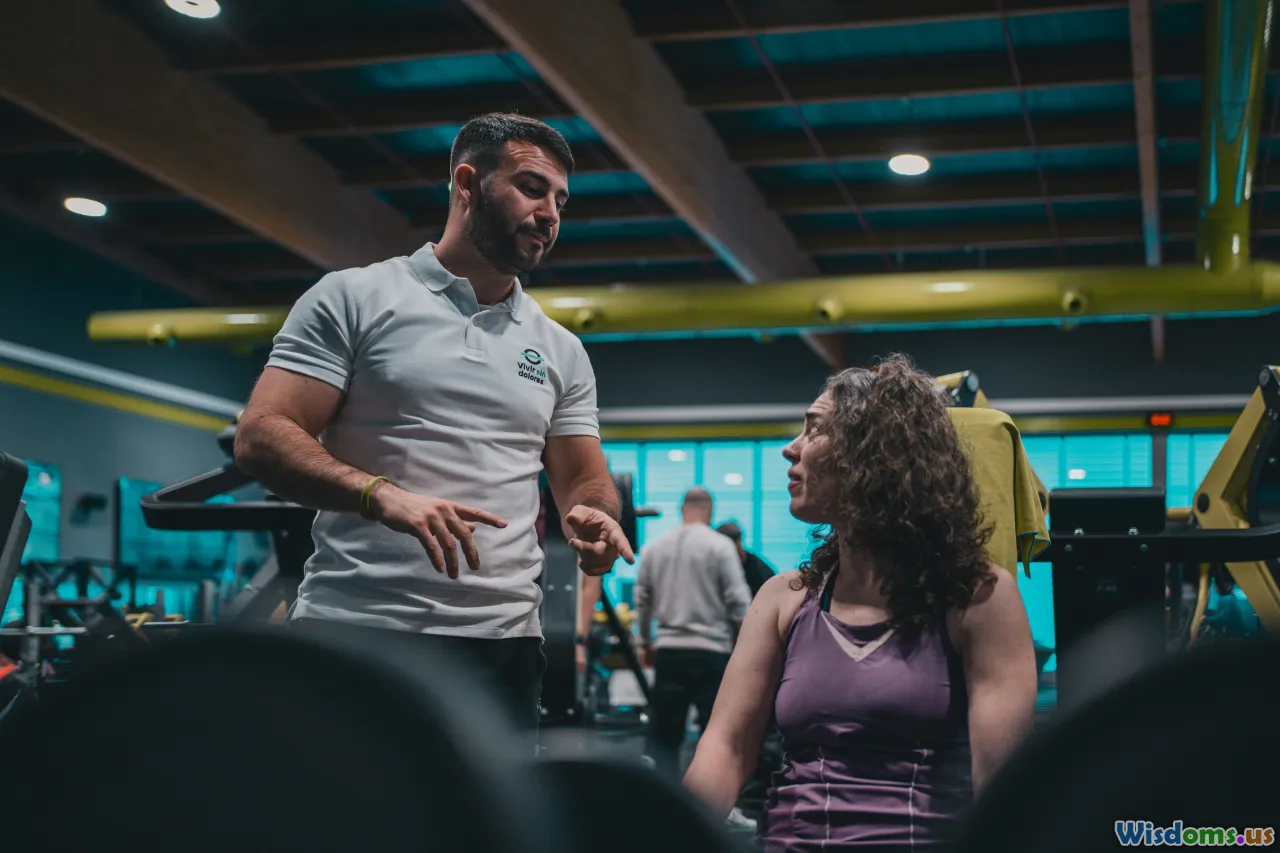
Despite the rapid development of smart tech, the value of a great trainer goes beyond programming workouts. Human trainers provide unique benefits that technology still struggles to replicate:
- Motivation and Accountability: Knowing that someone expects you at each session drives consistency. Personal trainers can also sense subtle cues of discouragement or burnout and reframe goals on the spot.
- Emotional Intelligence: Human trainers use empathy, humor, and encouragement, adapting with nuance to their client's mental states and life circumstances. They know when to push and when to ease off.
- Technical Expertise In Action: Trainers often adapt exercise routines mid-session based on an individual's posture, mobility, or energy. For example, if a client has slight knee pain during squats, a trainer can immediately correct the movement or substitute a joint-friendly alternative.
- Holistic Lifestyle Advice: Beyond workouts, human coaches frequently guide clients on nutrition, sleep, stress management, and even foster networks of community support.
Consider the role of trainers working with clients recovering from illness or injury. Human trainers can coordinate rehabilitation plans with medical professionals or physical therapists and adjust as progress occurs. Though AI is advancing in health recommendations, nuanced case-by-case handling remains best delivered by humans—at least for now.
Where AI Outshines Traditional Coaching
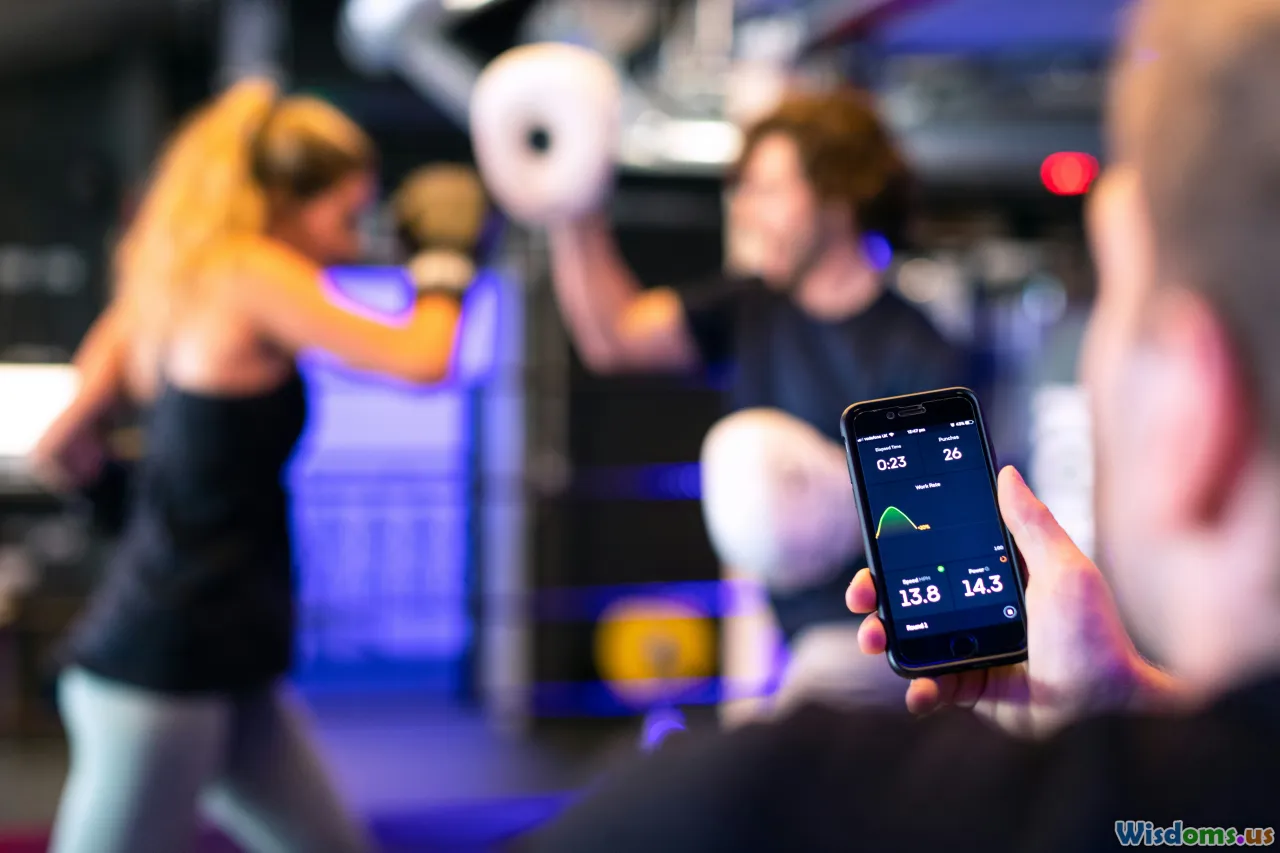
AI fitness apps bring notable advantages that are difficult for even the best trainers to match:
- Unmatched Data Processing: Apps aggregate activity, biometrics, and performance over months or years, revealing patterns and optimization opportunities that may elude even the most diligent coach.
- Accessibility 24/7: While a personal trainer may have limited availability, AI-powered apps can provide instant guidance in any timezone, for any schedule. Whether someone travels frequently or works odd hours, the AI is always at hand.
- Scalability: AI apps are democratizing expert advice at scale. Affordable or even free options make personal coaching accessible where budget or geography would otherwise be a barrier.
- Anonymity and Comfort: For those new to fitness or self-conscious in gym environments, apps may feel less intimidating. The private, judgment-free nature of digital trainers can help users get started with confidence.
A compelling example: In 2023, the AI wellness company WHOOP integrated machine learning to help over half a million users optimize training loads, sleep, and recovery—using billions of data points to personalize advice that no individual coach could physically process.
A Direct AI vs. Human Trainer Comparison

| Aspect | AI Fitness Apps | Human Trainers |
|---|---|---|
| Customization | Algorithmic, data-driven | Experience-based, nuanced |
| Motivation | Gamification, reminders | Emotional encouragement, rapport |
| Skill Correction | Video feedback (sometimes limited) | Hands-on adjustments, adaptation |
| Cost | Often lower (subscription model) | Higher (hourly or session charges) |
| Availability | 24/7 | Scheduled sessions |
| Emotional Support | Minimal (some chatbot interactivity) | High |
| Community Building | Forums, leaderboards | Personalized, group activities |
Choosing the Right Approach
A newcomer with limited budget or those seeking self-guided structure may benefit from apps like Fitbod or Jefit to experiment freely and at lower cost. Meanwhile, individuals needing high accountability (such as post-injury, older adults, or competitive athletes) will consistently see greater returns from direct human coaching.
How Hybrid Models Are Changing the Game

The future of fitness may not be a zero-sum game. Increasingly, trainers and apps are working together, not in competition but partnership. Innovative studios, such as F45 and Orangetheory, utilize digital tracking aids during group classes—providing both the human element and high-tech feedback.
Personal trainers now leverage apps to monitor clients' progress between sessions. For example, a trainer might prescribe at-home routines delivered via Trainerize, review biometric data, and offer motivational nudges virtually. This approach extends coaching beyond the gym and keeps clients engaged even on non-session days.
Benefits for Everyone:
- Trainers: Access deeper client data (sleep, biofeedback, activity logs) and use insights to tailor programs.
- Clients: Enjoy flexibility, increased accountability, and have expert support without scheduling constraints.
- Studios: Can scale offerings by combining live coaching with remote programming, appealing to broader demographics.
In fact, recent surveys suggest hybrid models may be preferred for the foreseeable future. According to a 2023 IHRSA report, over 60% of fitness professionals believe technology enhances—not diminishes—their ability to deliver results when integrated thoughtfully.
Challenges and Limits Facing AI Apps

While promising, AI in fitness isn’t flawless yet. Its limitations can impact results, safety, and adherence:
- Insufficient Individualization: Despite claims of personalization, algorithms are only as good as the data and variables they manage. Unusual injuries, disabilities, or lifestyle factors are often oversimplified or missed entirely.
- Form and Safety Oversights: While AI can flag obvious errors (like an incomplete push-up), it’s often less adept at subtle biomechanical flaws or situational hazards (e.g., compensations due to an old injury).
- Emotional Flatness: For users battling motivation plateaus, depression, or life stressors, app-generated reminders may fall flat versus heartfelt support from a trainer with a personal connection.
- Tech Dependency and Data Privacy: Reliance on devices raises concerns around overtracking (obsession with numbers rather than progress) and risks of data breaches or misuse of sensitive health data.
Real World Cautionary Tales:
- A 2022 study published in the Journal of Strength and Conditioning found that novice users relying solely on video-based feedback apps had an elevated rate of minor injuries compared to those guided by trainers—in part due to missed warnings about improper equipment setup.
- The AI running a major wearable reportedly suggested a high-intensity HIIT regimen for a user suffering from mononucleosis. Only intervention from a medical professional prevented potential harm—a stark reminder that omitting nuance can be risky.
Who Will Benefit Most From AI Apps Now?

AI-powered fitness apps are making strides, but who stands to gain the most from using them now?
- Self-motivated Intermediates: Those comfortable with exercise basics who want structure, progress tracking, and challenge variety.
- Cost-Conscious Starters: Users on tight budgets or without access to quality gyms or trainers, including rural or underserved areas.
- Technology Enthusiasts: Early adopters who thrive on gamification, data, and digital progress badges.
- Travelers: Those whose work or lifestyle precludes consistent attendance at in-person sessions but still seek workout guidance.
- Metrics-Driven Athletes: Runners tracking split times with Strava or cyclists using Garmin Connect get insights into training trends and recovery.
However, as needs become more advanced or specialized—returning from injury, skill acquisition, or pursuing challenging athletic goals—blending AI structure with human guidance continues to win out.
Insights for Trainers: Adapting, Not Competing

The message for trainers is clear: AI isn’t a threat, but an opportunity. By integrating technology into their service, trainers can amplify their value in the following ways:
- Leverage Data: Use client-tracked data to spot trends, enhance programming, or flag early signs of overtraining.
- Offer Hybrid Services: Combine in-person sessions with app-guided, remote, or virtual check-ins.
- Stay Current: Continue professional development with courses on digital coaching, wearable tech, or health informatics.
- Market Unique Human Skills: Brand your expertise around empathy, top-tier problem solving, and holistic support—skills AI can’t replicate.
- Prioritize Community: Foster connections among clients, using forums or group events to deliver motivation where apps fall short.
Not only do these approaches protect revenues against high-tech encroachment, but studies suggest clients genuinely prefer professionally supported digital journeys over standalone, algorithm-powered workouts.
What the Next Five Years Might Hold

Experts anticipate radical changes to the fitness landscape by the late 2020s:
- Smarter Sensors: Wearables and smart clothes will collect richer biomechanical and physiological data, radically improving feedback precision.
- Emotion Recognition: Early-stage efforts to integrate mood detection (via voice, text, even facial expressions) may help apps learn when and how to adapt tone or instructions like a skilled trainer.
- Health Integration: Direct integration with health records and telemedicine platforms will close the gap between conventional fitness, rehabilitation, and preventive medicine.
- Virtual Communities and Social AI: Group fitness in virtual reality, coach avatars, and AI-driven social motivation tools could offer communities rivaling in-person support.
Ultimately, the proliferation of AI in fitness most likely brings not a replacement but a reimagining of what training is and can be.
The smartest approach for individuals is to combine the strengths of both worlds: let algorithms track and adjust your plan, but don’t underestimate the profound value of human connection, mentorship, and motivation. In this blended fitness future, everyone stands to win: clients, coaches, and technology itself.
Rate the Post
User Reviews






Popular Posts