Can Mindfulness Really Improve Your Focus During Exams
34 min read Discover how mindfulness techniques sharpen attention, reduce test anxiety, and boost working memory, with simple practices you can use before and during exams. (0 Reviews)
Exams compress months of study into a handful of hours, and in that pressure-cooker environment, focus becomes the difference between knowing the answer and retrieving it in time. You can master the syllabus and still underperform if your attention scatters, your mind wanders, or nerves hijack your working memory. That is why mindfulness has moved from yoga studios into lecture halls and libraries. But can it really sharpen exam focus, or is it just a trendy add-on?
Mindfulness, at its simplest, is deliberate, nonjudgmental attention to what is happening right now. That sounds soft, but the claim is hard: with practice, mindfulness changes how your brain allocates attention and responds to stress. In the next sections, you will find what the research shows, what actually works on exam day, step-by-step routines, pitfalls to avoid, and how to measure whether any of this is helping you.
What science actually says about mindfulness and attention

There is a difference between feeling calmer and performing better. For exam focus, we care about attention networks, working memory, and mind wandering. Several controlled studies on mindfulness-based practices point to benefits that matter directly for exams:
-
Reduced mind wandering: In a randomized study, a brief mindfulness course reduced mind-wandering episodes and improved reading comprehension in college students during GRE-style passages. Participants also showed better working memory scores compared to controls after the training. The practical takeaway: fewer drift-off moments on dense texts and better capacity to hold information in mind during complex questions.
-
Faster attentional shifts and response inhibition: Experimental studies using tasks like the Attention Network Task and go/no-go paradigms found that short daily mindfulness practice improved alerting and executive control components of attention. The ability to inhibit a knee-jerk response is central to exam questions that include distractors or trick options.
-
Better stress regulation linked to performance: Lab work following high-demand training cohorts has shown that mindfulness training can reduce physiological markers of stress reactivity. In academic settings, lower stress reactivity correlates with preserved working memory under pressure. On an exam timeline, that means your prefrontal cortex stays online when the heart rate spikes.
-
Quick wins from brief training: Studies on brief mindfulness training, even around five to 10 days of short daily sessions, have shown measurable improvements in attentional control and mood. While outcomes vary, the consistent signal is that you do not need months of retreat-level practice to see cognitive benefits relevant to studying and test-taking.
If you prefer a bottom-line view: short, structured mindfulness practice can reduce mind wandering, fortify working memory under stress, and improve attentional control. These three pillars map directly to reading long prompts, solving multistep problems, and staying composed when a question looks unfamiliar at first glance.
How mindfulness improves focus: the attention systems you use in exams

Think of attention as three systems working together during an exam:
- Alerting: Maintaining a ready state. You need this in the first minutes of the test and during the slow middle when energy dips.
- Orienting: Selecting the right information. This is deployed when scanning a page, switching from question 3 to question 18, or finding the relevant line in a graph.
- Executive control: Holding rules in mind, inhibiting wrong impulses, and reorienting after errors.
Mindfulness practice targets these systems in complementary ways:
-
Attention stability. Anchoring to the breath and gently returning when distracted trains re-engagement. The act of noticing distraction and coming back is a push-up for executive control.
-
Reduced default mode chatter. The default mode network, active during internal narrative and mind wandering, tends to quiet during mindfulness practice. Less background self-talk frees bandwidth for task-relevant processing.
-
Emotion regulation. By noticing bodily sensations and labeling thoughts without fusing to them, you reduce amygdala-driven hijacks. When a tough question triggers panic, this regulation preserves working memory resources.
-
Metacognitive awareness. Mindfulness trains you to detect the moment focus slips. On an exam, catching the slip within seconds is the difference between a quick reset and losing two minutes to a thought spiral.
To visualize it, picture a mental dashboard: an attention meter, a stress meter, and a self-monitoring light. Mindfulness raises the sensitivity of that self-monitoring light, dampens the stress meter, and keeps the attention meter in the green zone longer.
Exam-day focus blockers mindfulness actually helps

Not all concentration problems are equal. Here are specific blockers and how mindfulness addresses them:
-
Test anxiety spikes: Rapid heart rate, sweaty palms, tunnel vision. Mindfulness applied to bodily sensations normalizes them as signals rather than threats. A student I worked with used a 90-second breath-and-label sequence right after opening the test booklet. Her pulse slowed, and she moved from blanking to scanning questions calmly.
-
Rumination about past questions: You might replay a mistake on Question 7 while on Question 12. Mindfulness introduces a rule: name it, note it, and return. Label the thought mistake replay, then bring attention back to the current item. The labeling short-circuits the loop.
-
Mind wandering during reading: Long-text questions trigger daydreaming. Practicing single-point attention on breath trains you to notice the exact moment of drift. On exam day, you can insert a 10-second breath at the top of a long passage to prime focus.
-
Digital afterglow: Even if phones are off, your brain can crave the micro-hits from notifications. A two-minute pre-exam practice that includes a focused gaze point and slow exhale dampens that craving by shifting the nervous system to a more parasympathetic state.
-
Fatigue and attention lapses: When energy is low, the tendency to skim increases. Mindfulness does not replace sleep, but it helps you spot the onset of skimming and apply a micro-reset before errors accumulate.
A 10-minute pre-exam focus protocol

Use this just before the exam starts. It fits into a hallway, seat, or quiet corner, and requires no equipment.
Minute 0: Position and intent
- Sit upright with feet flat. Hands resting loosely. Eyes soft or half-closed.
- Pick a simple intention: For the next hour I will return to the current question, one breath at a time.
Minutes 1–3: Physiological downshift
- Take three cycles of extended exhale breathing: in through the nose for 4, out through the nose or mouth for 6–8. Longer exhales increase parasympathetic tone.
- Add one cycle of a double inhale, relaxed long exhale. This can quickly reduce the feeling of breathlessness.
Minutes 3–6: Narrowed attention reps
- Choose a concrete anchor: sensation of breath at the nostrils or the feeling of the pen in your fingertips.
- Practice 10–12 attention reps: notice contact, sustain for 10–15 seconds, label any distraction silently as thought, sound, or body, and return. Keep the labels neutral.
Minutes 6–8: Open monitoring
- Widen awareness for two minutes. Let sounds, sensations, and thoughts arise and pass. Do not chase or suppress. This reduces reactivity to unexpected stimuli during the test.
Minutes 8–10: Performance rehearsal
- Visualize turning the paper over, writing your name, skimming the sections, and answering the first easy question. Imagine one moment of doubt and see yourself applying a single breath reset. Make the imagery crisp but brief.
At the call to begin, keep one cue: touch the pen to the page and take one slow exhale. That becomes your reset each time focus wobbles.
Micro-practices you can use during the exam
-
The 10-second breath: When you notice racing thoughts, close your mouth gently, inhale through the nose for 4, exhale for 6. Do one cycle. Return to the question. You have reset the autonomic tone without announcing a break to anyone.
-
Label and leave: If a thought nags you, name it briefly, such as doubt or future. Then move your eyes back to the question stem and underline the operative words. The tactile act of underlining anchors attention.
-
The one-breath rule before changing questions: Take one breath before flipping a page or clicking next. This reduces impulsive switching.
-
Soften your gaze to avoid tunnel vision: If stuck, widen your visual field by relaxing the eyes for two seconds, noticing the page edges, then refocus on the specific line. Wider field can lower stress and increase cognitive flexibility.
-
Tiny body scan for endurance: Every 20–30 minutes, relax shoulders and jaw, press feet into the floor for one second, and return. Tension burns energy and narrows attention; releasing it restores stamina.
A 14-day build-up plan for exam season
You do not need hours of meditation. Consistency beats duration. Here is a minimalist ramp that fits busy schedules.
Week 1: Foundation
- Day 1–2: 5 minutes breath-focused mindfulness. Sit, pick breath at nostrils, count inhales to 10, restart at 1. When distracted, label and return.
- Day 3–4: 5 minutes breath plus 2 minutes open monitoring. Begin to observe thoughts as events, not commands.
- Day 5–7: 7 minutes total. Add one rep of visual focus by softening gaze on a single point on the wall while maintaining breath awareness. This mimics screen or page fixation.
Week 2: Performance integration
- Day 8–9: 8 minutes. Insert a 1-minute visualization of starting the exam and performing the one-breath reset after a hard question.
- Day 10–11: 8–10 minutes. Practice a mini reading block: read a dense paragraph for 90 seconds, notice mind wander, mark it, and continue. Debrief with a 1-minute mindful breath.
- Day 12–13: 10 minutes. Mix 4 minutes focused breath, 3 minutes open monitoring, 2 minutes of labeling thought types on paper after the session. This strengthens metacognition.
- Day 14: Dress rehearsal. Do the 10-minute pre-exam protocol at the same time of day as your real test. Then complete 20–30 minutes of timed practice questions.
Optional add-ons
- One mindful walk per week: 10 minutes at a slow pace, paying attention to footfalls and surroundings. This trains focus under movement, useful when pre-exam jitters make stillness difficult.
- One device detox block: 45 minutes of study with phone in another room, starting with two minutes of breath practice. This conditions your brain to pair focus and phone-free time.
How to practice correctly without fluff
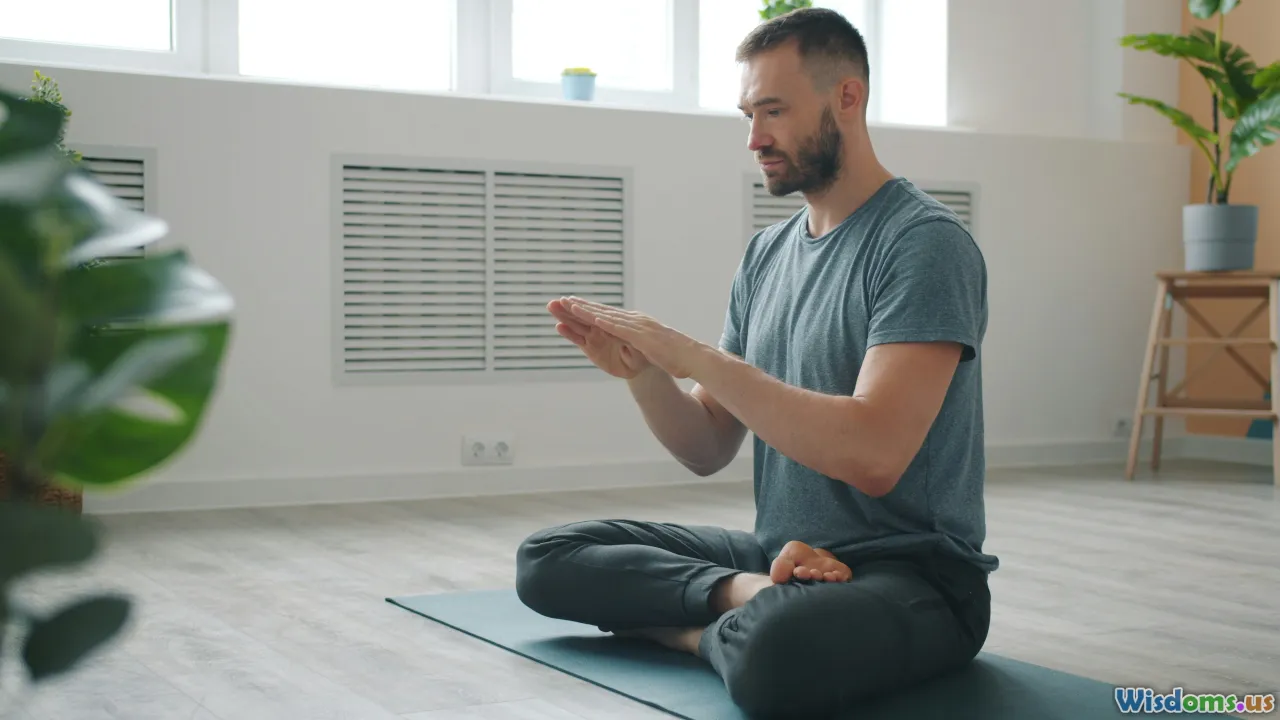
Mindfulness is a skill, not a vibe. These checks improve quality:
-
Posture: Upright but not rigid. If your back slumps, your mind often follows. Imagine a string gently lifting the crown of your head.
-
Anchor clarity: Pick one anchor per session. Breath sensation at the nostrils is fine. If breath is uncomfortable, use contact points like feet on the floor or the feel of your hands.
-
The return is the rep: You will get distracted. That is the point. Each nonjudgmental return strengthens attentional control. Treat distractions as weight plates, not failures.
-
Specific labels: Use short, neutral tags for distractions: thought, sound, urge, memory. Avoid storytelling. After labeling, return immediately to the anchor.
-
Timing: Short daily sessions beat long, rare ones. Five minutes done daily for two weeks can produce noticeable differences.
-
Eyes: Try eyes half-open during some sessions to resemble exam conditions where you cannot close your eyes to focus.
-
Breath pacing: Natural rhythm is fine. If anxious, favor slow exhales. If drowsy, slightly longer inhales can lift alertness.
Comparing mindfulness with other focus strategies
Mindfulness is not the only tool in the kit. Here is how it interacts with common strategies:
-
Pomodoro timers: Alternating 25 minutes on with 5 minutes off is popular. Mindfulness enhances the switch quality. Use the first minute of a break for breath and a short body scan, then decide deliberately whether to check messages. This prevents spillover distraction.
-
Caffeine: It boosts alertness but can amplify anxiety. Pair moderate caffeine with mindful breathing to prevent jitters. Try coffee 60–90 minutes before the exam, then one round of extended exhale breathing right before you begin.
-
Music: For study, some benefit from low-arousal, non-lyrical tracks. For exams, music is not allowed, so train silence tolerance with mindfulness. Practice on low-level background noise so the exam hall feels familiar.
-
Nootropics and supplements: Evidence is mixed and individualized. Mindfulness has fewer side effects and generalizes to stress management. If you do experiment, do not combine new supplements with first-time mindfulness on exam day; test everything during practice sessions.
-
Time management and question triage: Mindfulness supports better decisions when time pressure rises. Use one breath before choosing to skip or attempt a hard item to avoid sunk-cost bias.
-
Sleep: Mindfulness cannot replace sleep, but it improves sleep onset for many by reducing pre-sleep rumination. A 5-minute body scan before bed during exam week can lead to higher-quality rest, indirectly improving focus.
Special cases: ADHD, high anxiety, or low sleep

-
ADHD: Some students with ADHD find breath-focus frustrating. Modify the anchor to be more tactile or movement-based: mindful walking for 5 minutes, a hand-squeeze cycle, or a focus stone in hand during practice. Keep sessions short and physical. Mindfulness does not replace clinical treatment; coordinate with your clinician if you are on medication.
-
High anxiety: Start with grounding techniques that emphasize safety cues. One simple protocol: 3 cycles of 4-in, 8-out breathing; then name five things you can see, four you can feel, three you can hear; then hold the pen and sense its temperature and weight. Only then transition to breath focus.
-
Sleep deprivation: Prioritize an early night over an extra mindfulness session. On the morning of the exam, keep the practice short and energizing: two minutes of upright posture, slightly longer inhales, and a gentle open-monitoring check to stay alert. Avoid long body scans that may increase drowsiness.
Measurable ways to track your gains

Subjective calm is not the only indicator. Use simple, objective markers:
-
Mind-wandering tally: During a 10-minute reading block, draw a small tick each time you notice a drift. Over two weeks, you should see fewer ticks or faster detection.
-
Practice test stability: Compare your first 10 minutes and last 10 minutes accuracy across practice sets. Improved focus often shows as less drop-off late in the session.
-
Recovery time from derailment: Time how long you take to resume after a distraction. With practice, you can go from 60–90 seconds to 10–20 seconds.
-
Rate of careless errors: Track errors that stem from misreading stems or skipping units rather than not knowing content. Mindfulness often reduces these mistakes.
-
Pre-exam arousal rating: Before you begin, rate your nervousness from 1 to 10. After the 10-minute protocol, rate again. A consistent 1–3 point drop indicates useful physiological regulation.
-
Sleep quality notes: Quick nightly log of sleep onset time and perceived restfulness. Mindfulness that reduces ruminative thoughts can improve this, feeding next-day focus.
Common mistakes and how to fix them
-
Expecting to feel zen: The goal is not to feel a certain way but to perform certain attentional actions: notice, label, return. You can be focused and anxious at the same time. Performance improves when you behave skillfully despite mood.
-
Overtraining right before the test: Do not do a new, long practice on exam day. Stick to the familiar 10-minute protocol. Novelty adds uncertainty.
-
Using mindfulness to avoid studying: Mindfulness complements content mastery. Schedule practice after or before a study block, not instead of one.
-
Self-judgment spirals: Many quit because they think they are bad at meditating. Replace judgment with data. Did you do five minutes today? That is a win. Did you notice distraction and return even once? That is a rep.
-
Inconsistent environment: Train in a setting similar to your exam context at least a few times. Upright chair, bright light, minimal background music. Context specificity boosts transfer.
-
Breath discomfort: If slow breathing increases anxiety, shift to a neutral anchor like feeling the feet on the floor or the contact of fingertips. The skill is attention, not breath control per se.
Myths and facts about mindfulness for exams

-
Myth: Mindfulness will make you perfectly calm and therefore you will ace the test. Fact: It improves attentional control and emotion regulation, which supports better performance, but it does not replace preparation, sleep, or strategy.
-
Myth: You need to meditate for an hour daily to benefit. Fact: Studies show benefits from brief, consistent practice, sometimes as little as 10–15 minutes per day over one to two weeks.
-
Myth: Mindfulness is about emptying the mind. Fact: It is about noticing and relating differently to thoughts, not deleting them. The return to the task is the core skill.
-
Myth: It is religious or requires special beliefs. Fact: You can practice in a secular, evidence-informed way with simple attention and breath exercises.
-
Myth: It is only for anxious students. Fact: Even low-anxiety students gain in sustained attention and reduced careless errors.
Mindful environments and tools that actually help

-
Desk setup: Clear the immediate workspace. One writing instrument, one water bottle, exam materials. Visual clutter is cognitive clutter.
-
A physical cue: Put a small dot sticker on your pen or watch. That is your external cue to take one breath before switching questions.
-
Timers and alarms: For study, set a short chime for mindful micro-breaks. On exam day, track time with a simple watch to avoid extra stimuli.
-
Earplugs or earmuffs in practice: Train with mild noise and learn to label sounds, then let them go. This makes the exam hall less jarring.
-
Apps: If you like guidance, choose a straightforward, secular app that offers 5–10 minute sessions and a focus pack. Avoid gamified distractions if you tend to chase streaks at the expense of studying.
-
Lighting and posture: Bright, even light and a chair that supports upright posture reduce drowsiness. Posture is a performance enhancer, especially for long tests.
Scripts and prompts you can use today

Use these short scripts verbatim or adapt them.
Pre-exam three-breath script
- Breath 1: In through the nose, long exhale. Mentally note, arriving.
- Breath 2: In, long exhale. Note, this breath.
- Breath 3: In, long exhale. Note, next step.
- Then write your name and scan the sections.
Stuck-on-a-question reset
- Notice the urge to push harder.
- Label, stuck thought.
- One breath with a slow exhale.
- Read the stem again and underline the operative words. If still stuck after 30 seconds, mark and move, trusting the plan.
Mid-test slump lift
- Eyes soften for two seconds, expand peripheral vision, then refocus.
- Two breaths with slightly longer inhales to raise alertness.
- Quick body release: drop shoulders, unclench jaw, press feet.
Evening wind-down to protect next-day focus
- Lie down, three rounds of 4-in, 8-out.
- Body scan from toes to head, 60–90 seconds.
- If thoughts arise, label planning and return to the scan.
What to do in specific exam formats
-
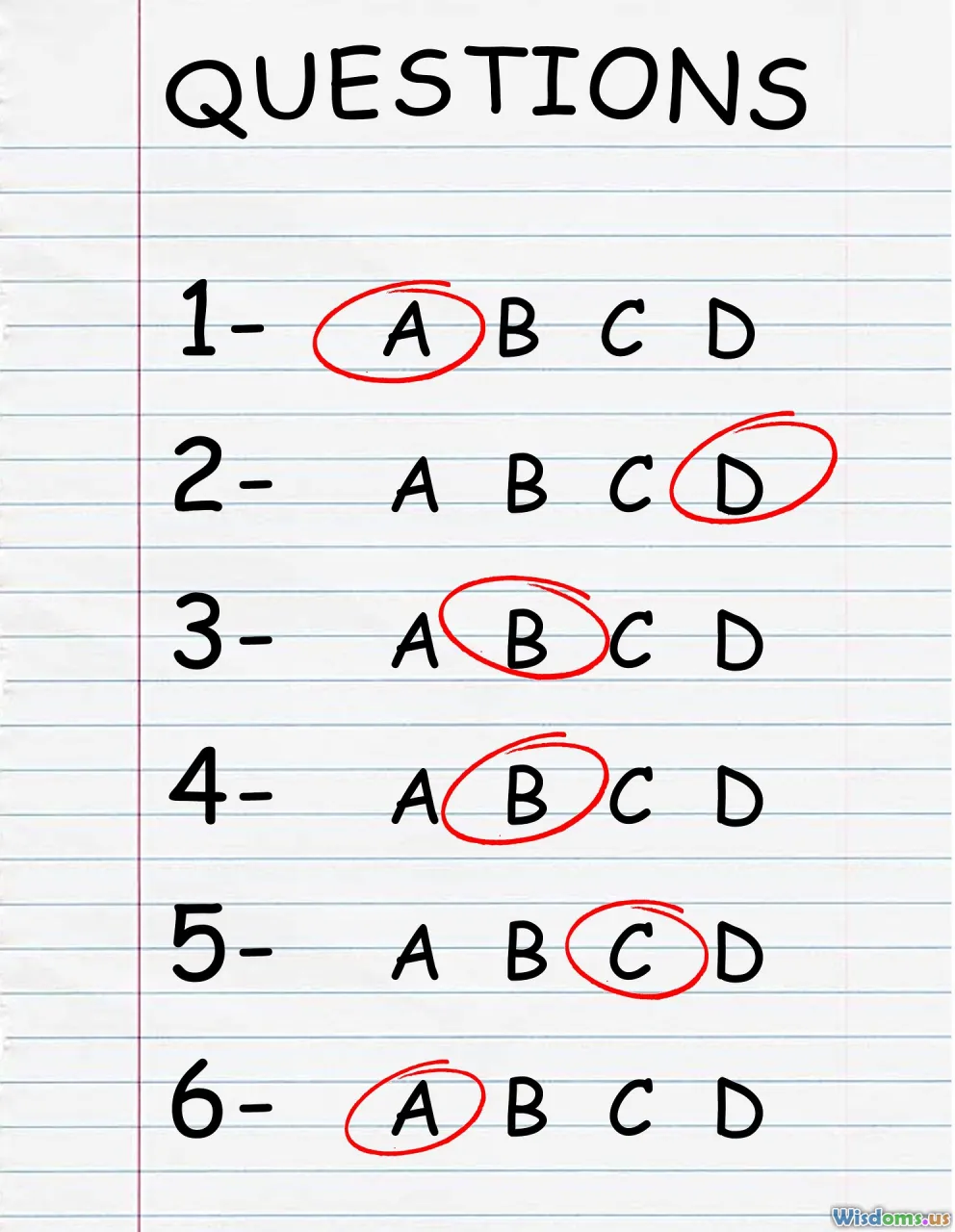
Multiple-choice with heavy traps: Apply the one-breath rule before selecting an answer. Use labeling to prevent anchoring bias. For example, if option B looks familiar, label familiarity and then check each option for alignment with the stem.
-
Math or physics with multistep problems: Before writing, take one slow exhale and list the knowns and unknowns. Notice any impulse to skip steps; label rush and return to the setup. Reduced rush leads to fewer algebraic slips.
-
Essay exams: Start with a two-minute outline after a single grounding breath. During writing, every paragraph break is a cue for one breath and a quick check: Does this sentence answer the prompt? Mindfulness translates to disciplined structure.
-
Languages and reading comprehension: Do a 10-second breath before long passages, then read with a finger or pen as a pacing guide. If mind wandering occurs, mark the margin with a dot and reread the sentence rather than pushing forward half-focused.
-
Practical or lab assessments: Use open-monitoring skills to take in the environment and instructions without over-focusing on one tool. A single slow exhale before handling equipment helps steady fine motor control.
A realistic case example

Sofia, a second-year biology student, scored below her practice range on midterms despite solid preparation. She reported pre-exam jitters, mid-test blanking on familiar concepts, and racing through the last quarter with careless mistakes.
Plan
- Two weeks of 7–10 minute daily practice: five minutes of breath focus, two minutes of open monitoring, and a one-minute visualization of the first five minutes of the exam.
- Pre-exam 10-minute protocol on test days.
- During the exam: one-breath rule before page turns; label and leave for rumination.
- Tracking: tally of mind-wanders during a nightly 10-minute reading block; log of careless errors in practice sets.
Outcomes after two weeks
- Mind-wandering ticks during reading fell from 9 to 4.
- Careless errors in practice dropped by about one-third.
- On the next exam, she reported two brief panic spikes but recovered within 20–30 seconds using labeling and extended exhale. Her final section accuracy matched her first section for the first time that term.
This is not a controlled trial, but it illustrates the applied mechanics: awareness, physiological downshift, micro-resets, and objective tracking.
If you only have five minutes a day

- Minute 0–1: Sit upright, decide your anchor.
- Minute 1–3: Focused attention on breath or touch. Label distractions and return.
- Minute 3–4: Open monitoring. Let stimuli pass without engagement.
- Minute 4–5: Visualize the exam start and your one-breath reset.
Do this daily for two weeks and add the pre-exam 10-minute protocol on test day. It is a compact, high-yield formula.
When mindfulness is not enough

Mindfulness is not a cure-all. If you face severe test anxiety, panic attacks, or attention difficulties that significantly impair functioning, combine mindfulness with other supports:
- Cognitive-behavioral strategies targeting test anxiety, like gradual exposure to timed tests and cognitive restructuring of catastrophic thoughts.
- Skills coaching on time allocation, question triage, and pacing.
- Sleep hygiene, nutrition, and movement habits that stabilize energy.
- Professional evaluation for learning differences or ADHD if concentration issues are longstanding across contexts.
Use mindfulness as the thread that ties these supports together, not as the single rope holding everything up.
Putting it all together for exam day

- Prepare content thoroughly. No mental technique compensates for knowledge gaps.
- Practice short, daily mindfulness to tune attention and reactivity.
- Use the 10-minute pre-exam protocol to set your state.
- Apply micro-resets during the test to stay on track.
- Track results with simple metrics and adjust your routine.
The real payoff is not a mystical calm, but a reliable ability to notice when attention drifts, return in seconds, and keep thinking clearly when pressure peaks. That reliability turns a pile of study hours into points on the page. In an exam hall, where you get only one shot, that is exactly the kind of focus you want on your side.
Rate the Post
User Reviews






Popular Posts