Do Modern Libraries Still Matter for Social Equity
16 min read Explores how modern libraries support social equity and community empowerment today. (0 Reviews)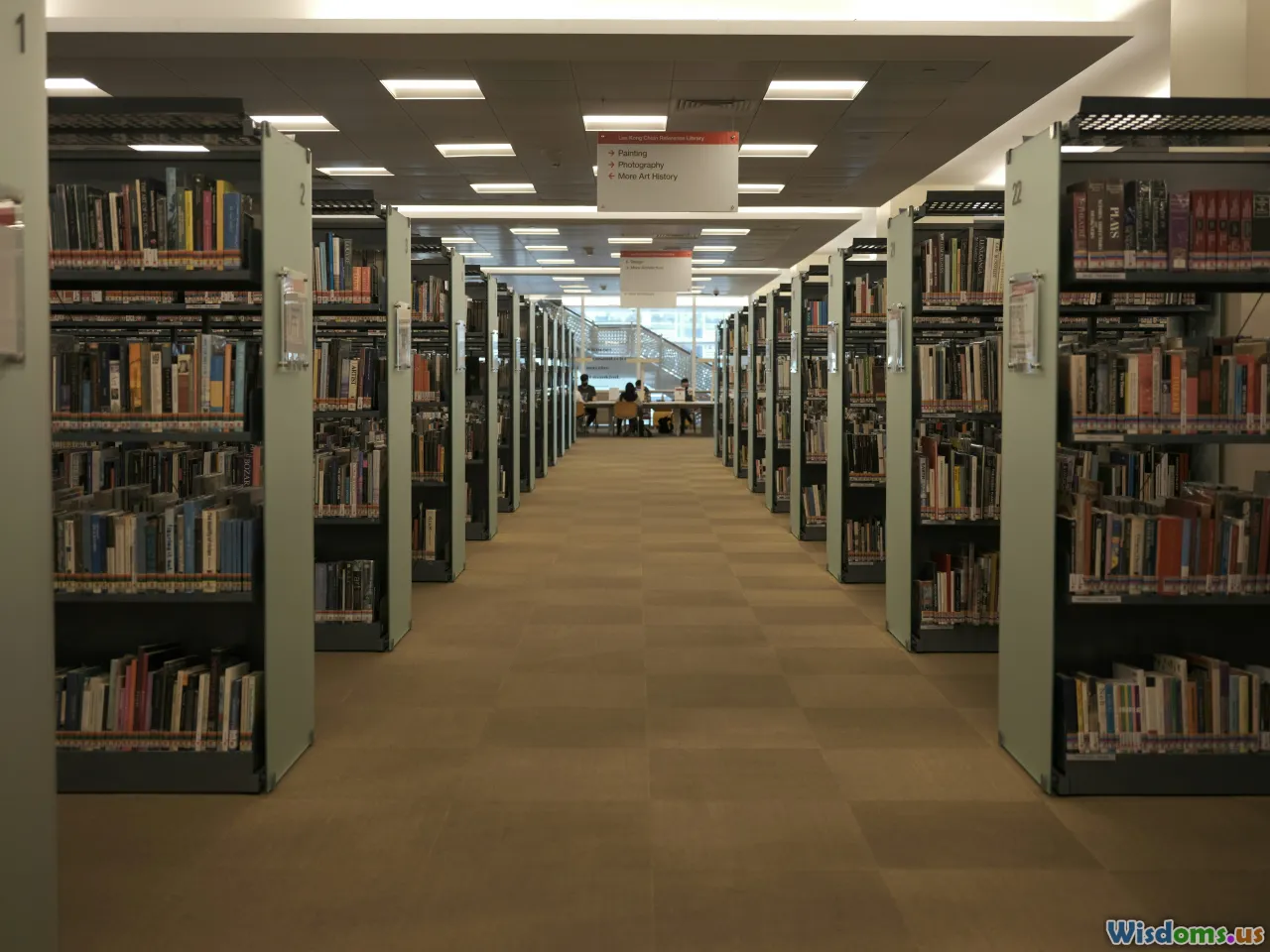
Do Modern Libraries Still Matter for Social Equity?
In an evolving digital landscape, questions are increasingly raised about the relevance of physical libraries. Yet, beneath the surface-level debate over ebooks versus hardbacks lies a more profound concern: the continued fight for social equity. As society pivots towards greater reliance on technology, do modern libraries still hold transformative power in bridging social divides? Let's unpack the pivotal role they play and how their impact stretches far beyond stacks of books.
Libraries as Equalizers in a Digital Age
For millions around the globe, a library is much more than a quiet place to read. Public libraries serve as crucial access points for individuals who may lack resources at home: internet connectivity, computers, educational materials, and even basic utilities. According to the Public Library Association (PLA), over 65% of U.S. public libraries serve as the only source of free internet access within their communities. In rural areas and low-income neighborhoods, this statistic rises sharply. Without these services, children can't complete homework assignments, job seekers can't fill out online applications, and elders cannot access telehealth appointments.
Concrete Example: During the COVID-19 pandemic, the Peoria Public Library in Illinois turned its parking lot into a Wi-Fi hotspot, allowing students and families to maintain internet access even when the building was closed. In Brooklyn, New York, library branches loaned out portable Wi-Fi hotspots, making a direct dent in the local digital divide.
The digital gap isn't just about browsing; it's about inclusion in education, employment, and civic life. Libraries step firmly into this breach, acting as public equalizers by providing cutting-edge technology, software, and basic tech literacy support—resources often unavailable in underfunded schools or at home in marginalized communities.
More Than Books: Holistic Services Empowering Communities
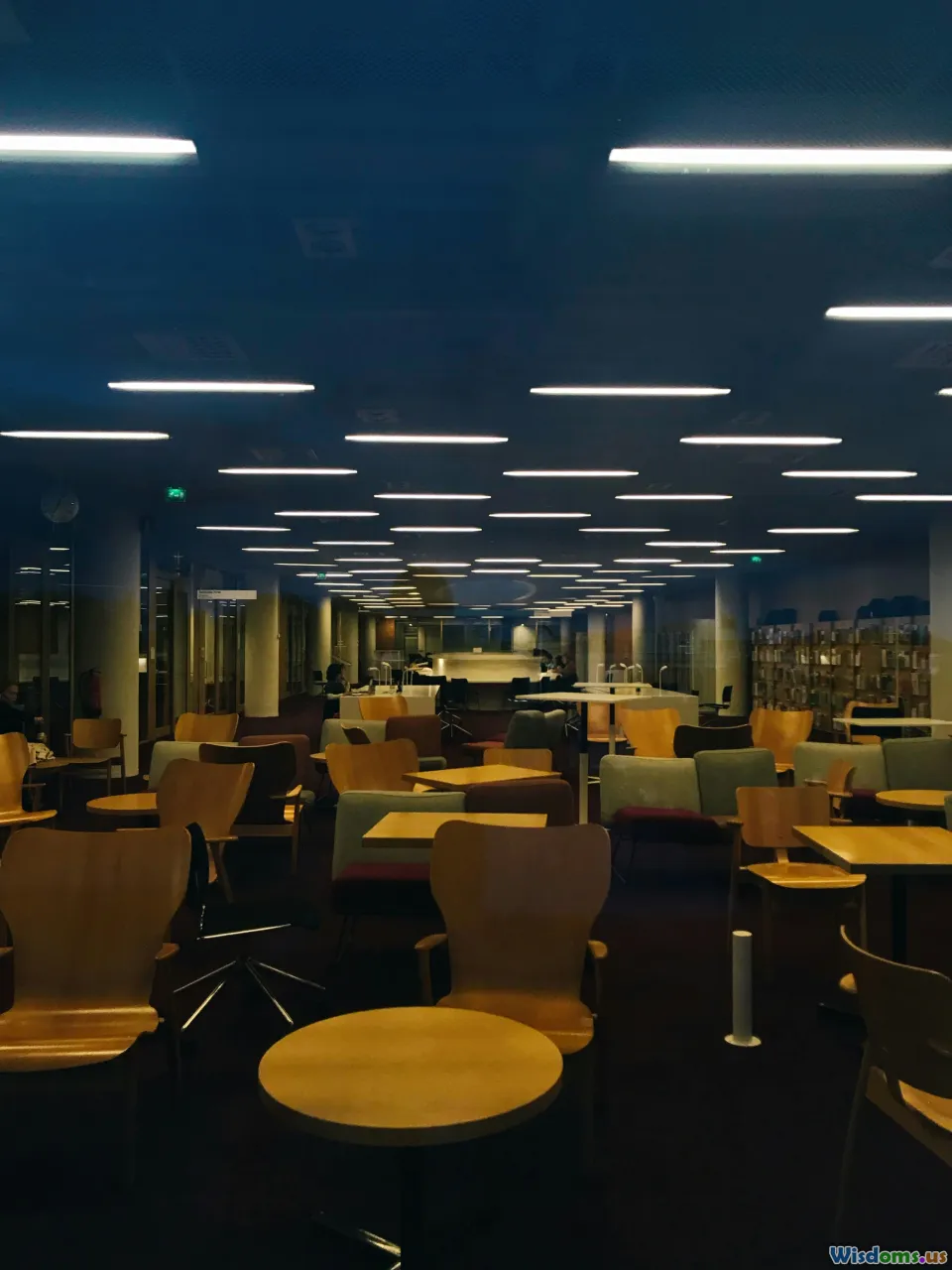
Modern libraries have transcended their traditional role, morphing into vibrant community hubs. Walk into a public library in almost any city and you'll likely find much more than books: language classes, ESL programs, small business assistance, youth STEAM (Science, Technology, Engineering, Art, Mathematics) clubs, voter registration drives, and financial literacy workshops. Each of these services is deliberately tailored to address issues of inequity.
Analysis: The Charlotte Mecklenburg Library in North Carolina provides citizenship workshops for immigrants—including mock interviews and legal resources. Meanwhile, libraries in Los Angeles offer health and wellness programs in partnership with local clinics, targeting marginalized populations who might otherwise slip through the cracks of traditional service systems.
Such holistic approaches bolster wellbeing and confidence, giving all community members a fair shot at personal and professional growth. In many neighborhoods, a library is the only stable, trusted, and safe environment for lifelong learning and human connection, illustrating its enduring necessity for social development.
Safe Spaces for the Vulnerable and Marginalized
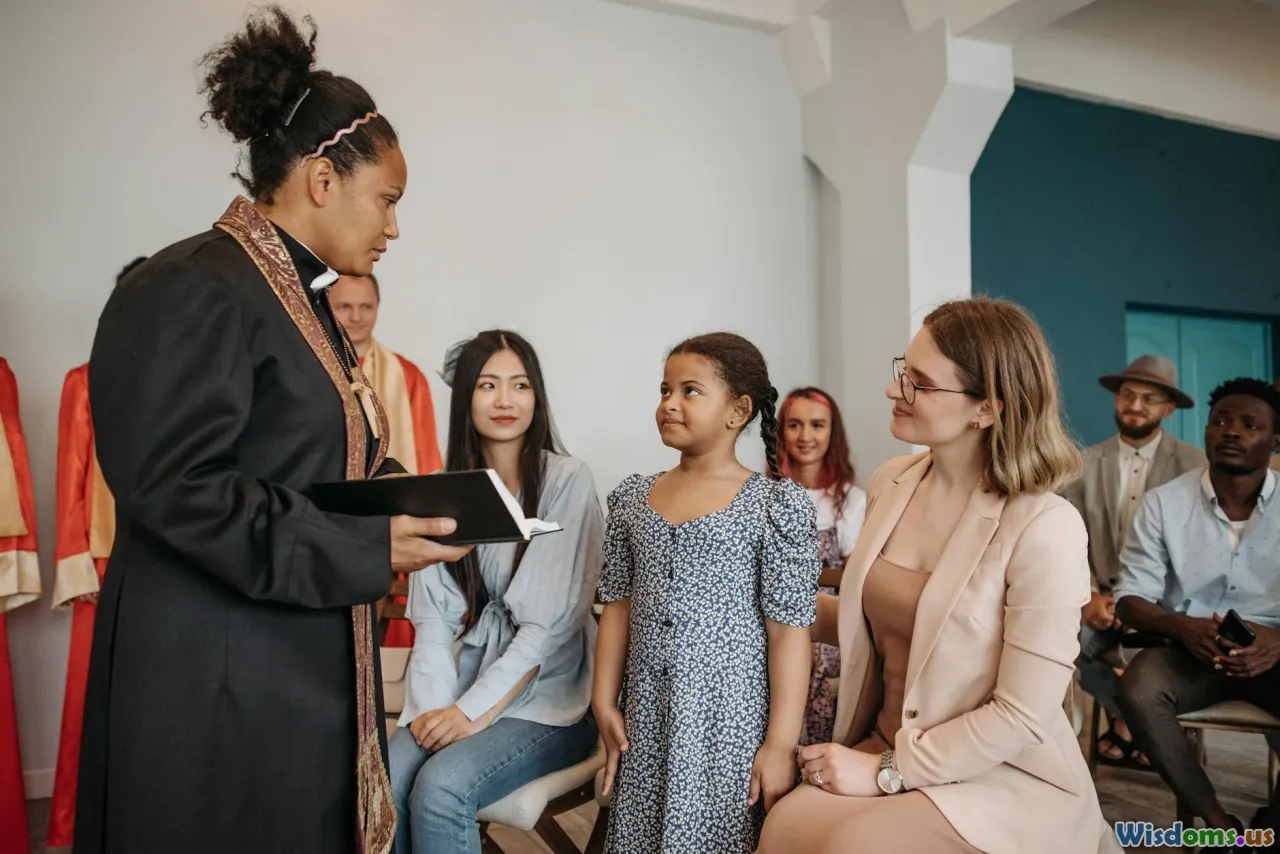
Safety and acceptance are fundamental to social equity, and the best libraries fulfil this mandate for all. For LGBTQ+ teens, people experiencing homelessness, or survivors of domestic violence, public libraries often represent sanctuaries—places where tolerance is written into policy and practice.
In Seattle, librarians undergo trauma-informed care training, learning to deescalate situations with empathy and refer patrons toward housing or mental health services when needed. The Salt Lake City Public Library was among the first in the U.S. to hire a full-time social worker to reach out to people showing signs of distress, poverty, or potential harm, providing nonjudgmental support and connection to critical assistance.
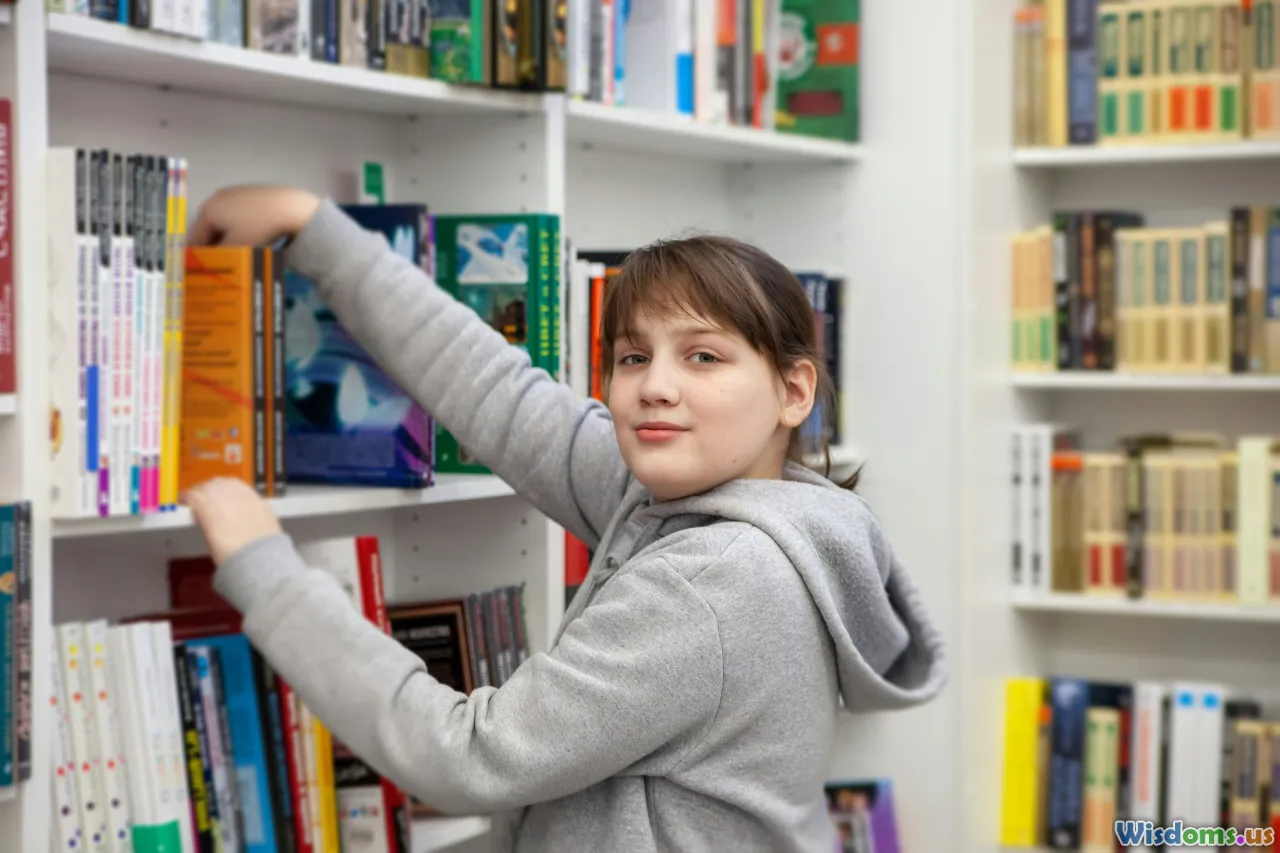
Youth, particularly those at-risk, benefit as well. Holiday camps, after-school activities, and reading programs prevent academic slide and offer a respite from potentially unstable home environments—offering stability, nourishment, and mentorship where it is most desperately required.
Lifelong Learning and Workforce Development
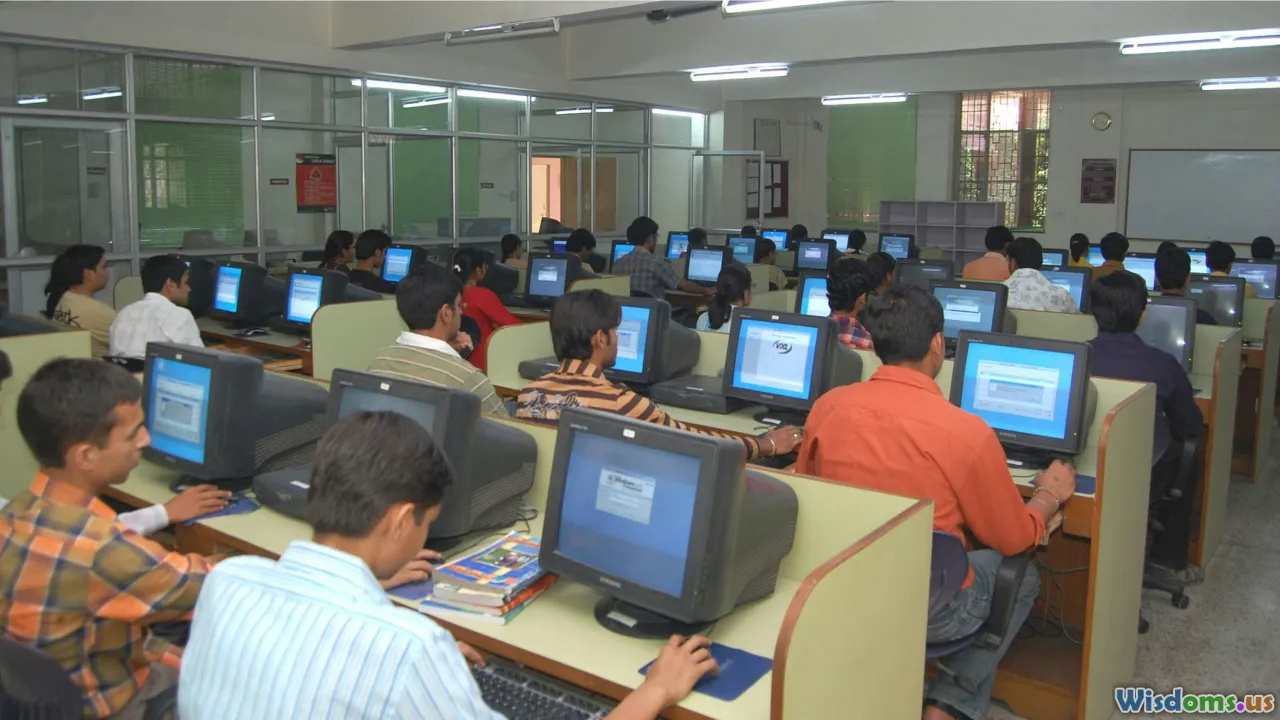
A competitive workforce demands perpetual skill updating. Yet, job training is a privilege for some: costly courses, expensive commute times, and prerequisite technology keep many out of the running. Libraries bridge these gaps with job-hunting assistance, adult literacy training, coding bootcamps, and resume workshops.
Case in Point: The Queens Library in New York City operates a Job & Business Academy, offering over 100 annual workshops covering everything from computer basics to advanced entrepreneurship. More than 10,000 job seekers participate every year, many of whom are recent immigrants or adults retraining after layoffs. Similarly, the Toronto Public Library runs "Career Coaches in Residence," where patrons schedule free one-on-one counseling—breaking through barriers often defined by bank account size.
Such programs raise the baseline for everyone, particularly benefiting those from low-income or disadvantaged backgrounds. When every resident has a pathway to upskilling, the entire community progresses toward economic equity.
Libraries in the Battle Against Information Poverty

We live in an information-rich world, yet in some circles, poor access to accurate data is a persistent barrier. Modern libraries actively wage war on "information poverty": the phenomenon where marginalized groups lack the resources to find or interpret trustworthy content.
Librarians are on the frontlines, teaching media literacy skills and running workshops on fact-checking, discerning fake news, and safe digital navigation. Libraries in Finland, for example, launched a nationwide initiative in 2014 that quickly became a model in educating citizens about disinformation.
Example: During election seasons, many U.S. library systems double down on nonpartisan voter education efforts, partnering with nonprofits to produce multilingual ballots, offer election guides, and provide myth-busting sessions on voting rights.
Trusted guides ensure that everyone—not just the digital elite—can participate knowingly in public discourse, democracy, and the marketplace of ideas.
Culturally Inclusive Spaces and Collections
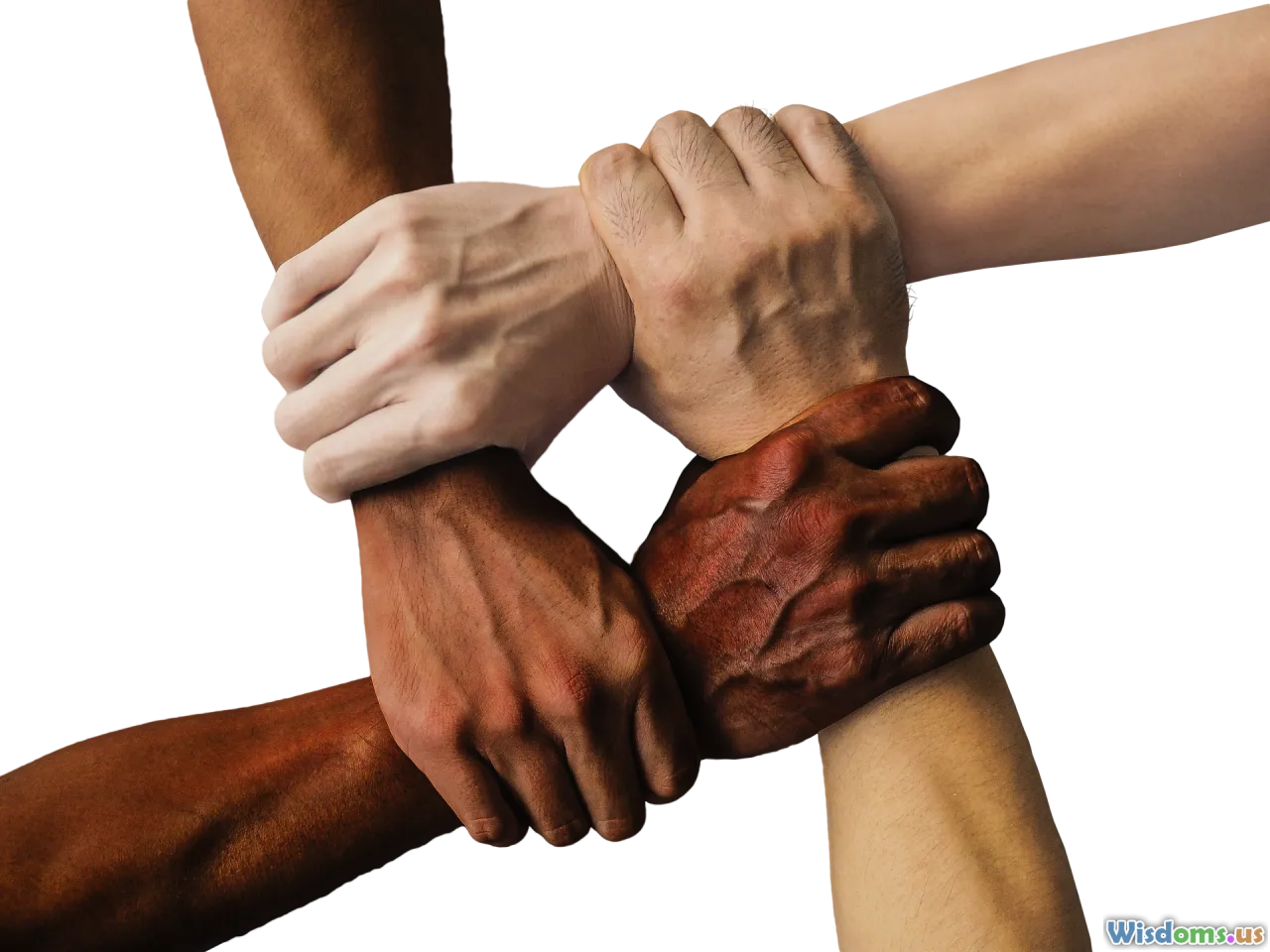
True social equity means everyone seeing themselves reflected in the public sphere. Libraries have become powerful forces for multicultural inclusion, curating collections that showcase underrepresented voices from every genre and organizing events that honor local customs and languages.
Fact: The Chicago Public Library curates over 50,000 volumes in non-English languages and runs heritage months that celebrate African American, Hispanic, Asian, and Native American literature and histories. Storytimes are offered in Spanish, Mandarin, and Polish, meeting patrons where they are linguistically and culturally.
Tips for Libraries:
- Engage with Local Communities: Work with cultural associations to select books and materials that matter most.
- Diverse Hiring: Employ librarians from different backgrounds who understand and can connect with their communities.
- Adaptive Programming: Offer translation services and cultural programming that make newcomers feel at home.
Such efforts dismantle cultural and linguistic barriers, nurturing empathy and understanding among different community groups.
Libraries and the Fight Against Food Insecurity and Homelessness

While most people associate libraries with food for thought, many have expanded their role to combat food insecurity. For children from low-income families who rely on school meals, holidays can pose a severe hunger risk. Recognizing this, hundreds of public libraries have become distribution centers for healthy meals during school breaks.
The San Antonio Public Library (SAPL) provides thousands of free lunches each summer, partnering with the city’s Department of Human Services. Staff sometimes deliver books and meals door-to-door for homebound youth and seniors. In Cleveland, the main library has an on-site pantry serving families in immediate need.
Beyond food, staff are often first responders to patrons seeking warmth or shelter during extreme weather. Libraries now collaborate with housing organizations, providing lists, connections, and a safe base for outreach to the unhoused.
Digital Lending and the Threat of the Digital Divide

As bookshelves increasingly share space with digital content, libraries walk a tightrope: embracing innovation without inadvertently deepening structural inequalities. E-books, online databases, and learning resources are invaluable—but only for those who can afford devices and reliable internet access. Libraries recognize this, and many have risen to the challenge.
Key Initiative: The Boston Public Library, for example, runs "Tech Goes Home," lending out laptops, tablets, and mobile hotspots alongside traditional items. They offer digital literacy classes, ensuring no one is left behind in the age of digital consumption. Such efforts extend educational opportunity to all and ensure that the digital revolution does not become an elitist project.
Tip for Libraries:
- Regularly update and circulate electronic devices and provide proactive digital guidance for technological newcomers. With this tech-forward but equity-focused strategy, libraries narrow—not widen—the yawning digital divide in their communities.
Libraries as Democratic Commons
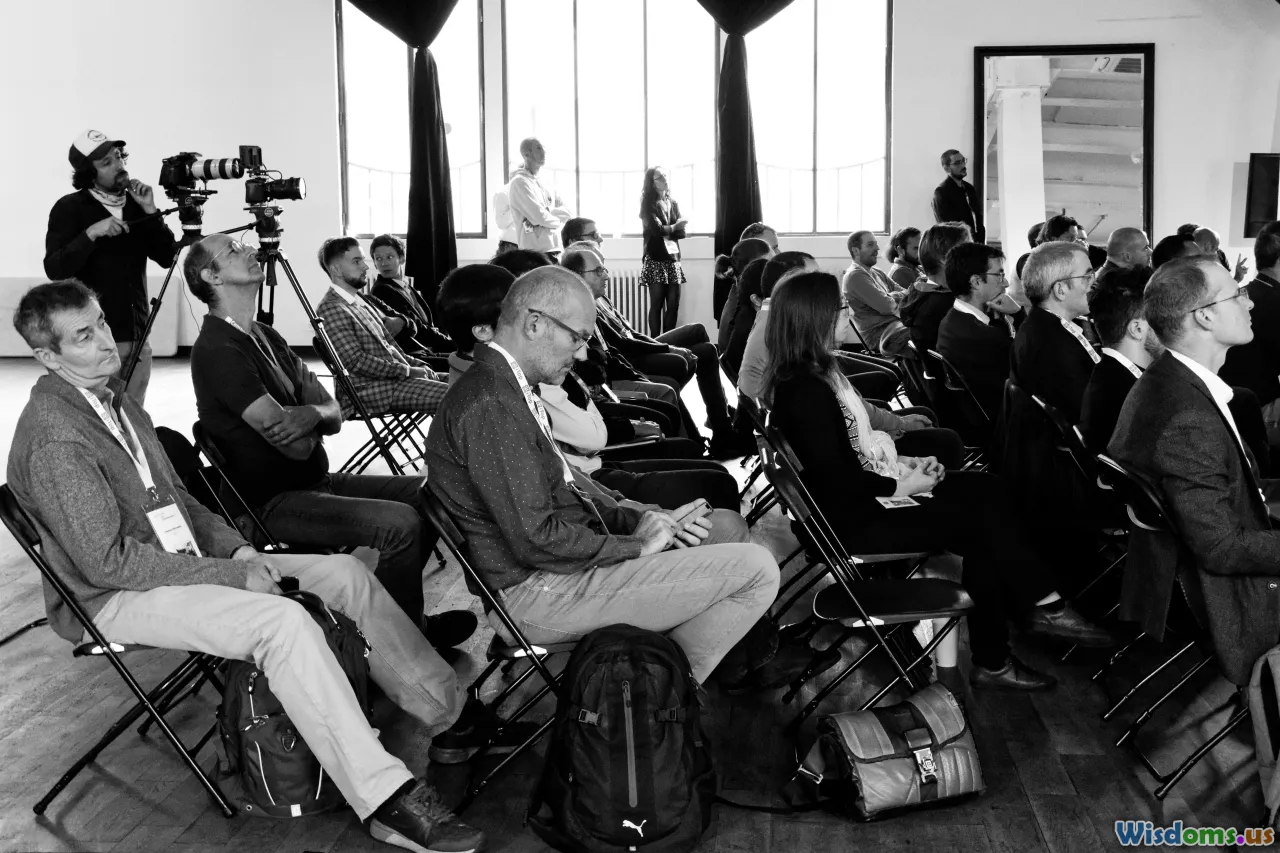
Social equity also means unfettered access to participatory democracy. Libraries house public meeting rooms, election forums, and workshops on civic engagement. Their open-door policies guarantee that language, income, or age present no barriers to community involvement.
Case Study: The Multnomah County Library in Portland has become the go-to venue for public discourse, from city council feedback sessions to debate nights. Libraries maintain neutrality, providing trusted civic spaces amid increasing partisanship elsewhere in society.
Patrons encountering city officials, law enforcement, or local leaders can voice concerns and shape the future of their neighborhoods. When even the most marginalized can participate openly and safely, libraries fulfill their deepest promise as democratic commons.
The Road Ahead: Challenges and Opportunities for Modern Libraries
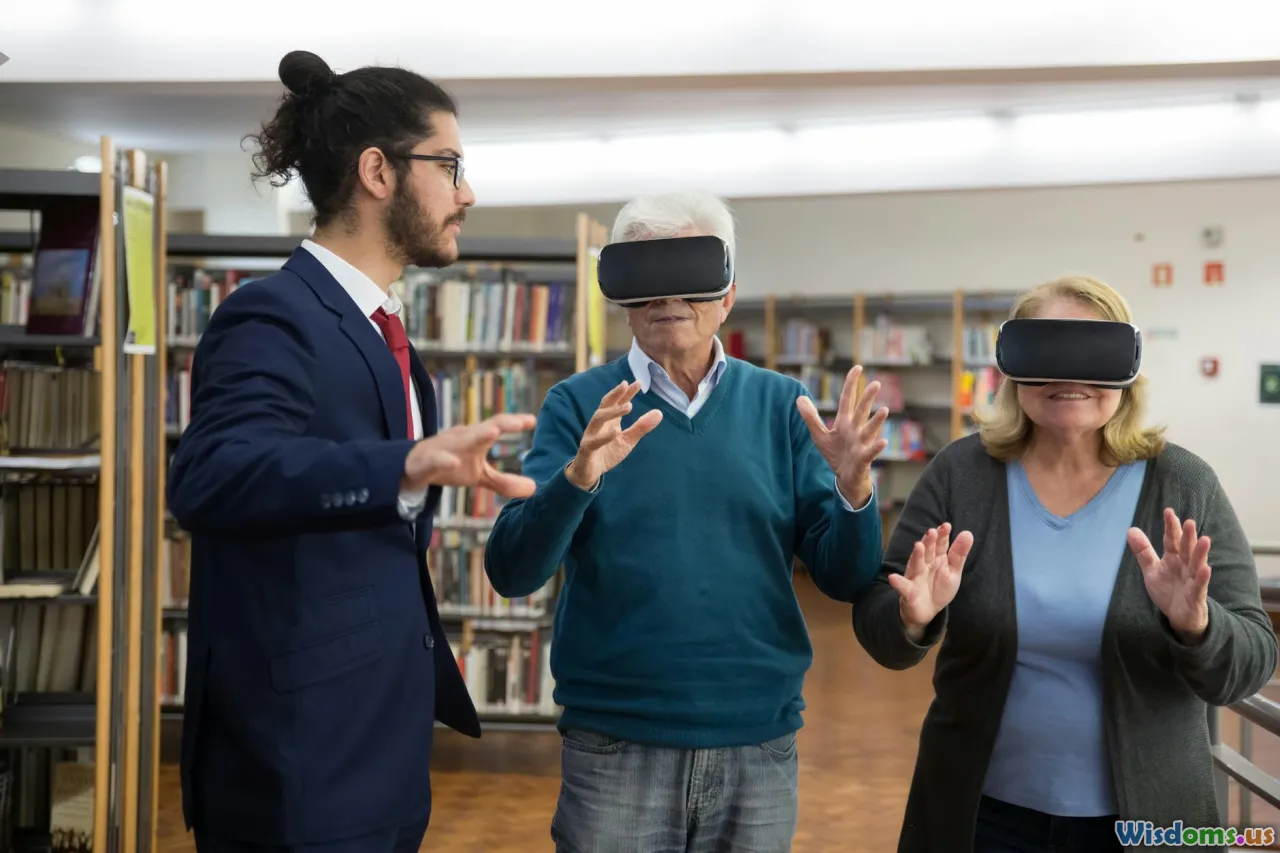
Public libraries face hurdles. Funding shortages, political challenges, and the escalating costs of technological updates threaten ongoing expansion. Yet, their irreplaceable position as engines of equity continues to galvanize widespread civic support and creative adaptation.
Insights and Opportunities:
- Innovative Partnerships: Collaborating with tech giants, local startups, NGOs, and private donors to expand services sustainably.
- Flexible Spaces: Designing libraries with flexible, multipurpose areas capable of transforming from quiet study spots to vibrant community meeting halls.
- Community Advisors: Involving community members in library decision-making to keep priorities and solutions local and relevant.
- Policy Advocacy: Empowering librarians to advocate for policy reforms in city, state, and national governments, amplifying the voice of the underrepresented.
Libraries that boldly reimagine their mission—not merely as collectors of media, but as active architects of equity—will thrive.
Even as the world races further into the digital unknown, the enduring idea of the free, public library beckons. The shelves, screens, and smiling faces found inside remain a living promise: social equity, for anyone who walks through the doors. In troubled times and triumphs alike, modern libraries matter—in ways both familiar and entirely new.
Rate the Post
User Reviews









Popular Posts