Essential Skills Every Beginner Magician Should Master
35 min read A concise guide to the core abilities new magicians must master: sleight of hand, misdirection, patter, audience control, practice systems, ethics, and troubleshooting common performance pitfalls. (0 Reviews)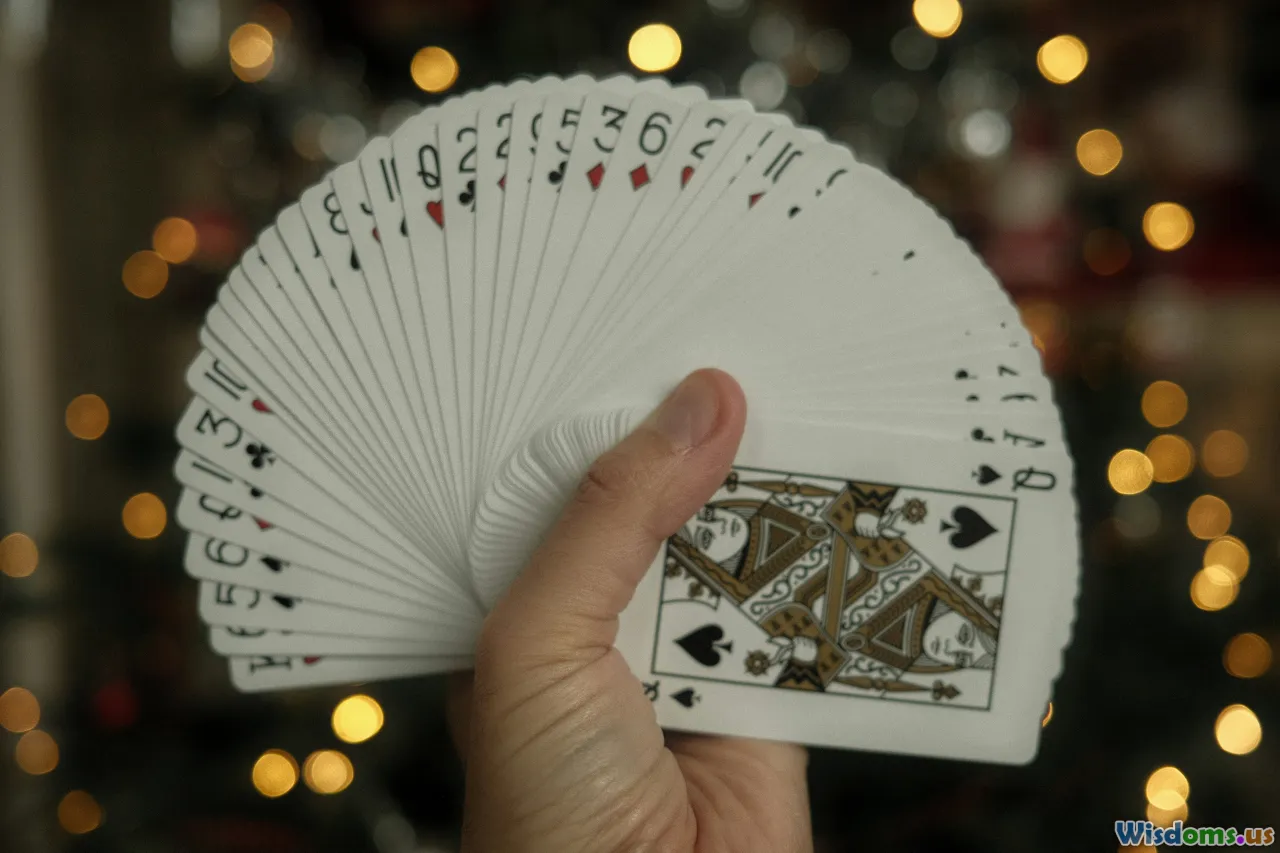
Essential Skills Every Beginner Magician Should Master
You do not need a top hat, cape, or a grand stage to begin in magic; you need a set of core skills that make simple effects feel astonishing. The gap between an awkward trick and a memorable miracle is not a single secret move but a toolkit: how you practice, direct attention, structure your performance, and recover when things do not go to plan. This guide outlines the essential skills every beginner magician should master, grounded in practical examples and the habits that turn techniques into true wonder.
Start where you are, with what you have. A borrowed deck of cards, a few coins, a rubber band from a coffee shop, and your willingness to rehearse on purpose. As you read, pick two or three areas to train this week, then rotate. Magic rewards consistency more than intensity.
Build a Magician’s Mindset and Practice Discipline

Magic is a craft first and an art second. The mindset that accelerates progress is one of deliberate practice: short, focused sessions that target a specific weakness rather than endless hours of casual fiddling.
Actionable plan:
- Set micro goals. Today: hold a relaxed mechanics grip without tension; tomorrow: keep a pinky break invisible while speaking.
- Use a timer. Ten-minute blocks of one move, then stop. Your hands learn best in sprints, not marathons.
- Practice slow, then smooth, then fast. Speed is a side effect of accuracy.
- Track reps. A pocket notebook or notes app with entries like: Overhand shuffle control, 6 sets x 15 cards.
Example routine for a week:
- Day 1: Card control drill (double undercut) and one coin vanish.
- Day 2: Audience management lines and eye-contact cues in a mirror.
- Day 3: False shuffle plus script for a two-minute opener.
- Day 4: Retention vanish on camera, review and adjust hand timing.
- Day 5: Perform for a friend or camera; note one win and one fix.
Treat mistakes as data. If a double lift flashes once per minute, your job is to change the conditions: grip, angle, or rhythm. Improvement follows intention.
Attention Control and the Art of Misdirection

Misdirection is not distraction; it is direction. You are not hiding; you are guiding. A few foundational tools will give you elegant control over where people look and when they remember key moments.
Core principles:
- Gaze leads gaze. Look at the card you want them to see, then look at a spectator while you execute a secret action elsewhere. Eyes are social magnets.
- Action beats words. Begin moving your hand before you speak the important line; use the line’s emphasis to pull attention to your face.
- Contrast creates focus. Stillness is powerful. Freeze one hand; move the other. The still hand becomes invisible.
- Make the dirty moment look like nothing. The move should occur on an off-beat: the exact instant after a laugh, nod, or shared reaction.
Practical example: During a French drop vanish, do not stare at the hand supposedly holding the coin. Look up at the spectator and ask a light question as the transfer happens. Their attention will mirror yours.
Design moments that are easy to follow. Clarity reduces suspicion. If people cannot track the effect, they will focus on methods instead of magic.
Card Fundamentals You Will Use Forever
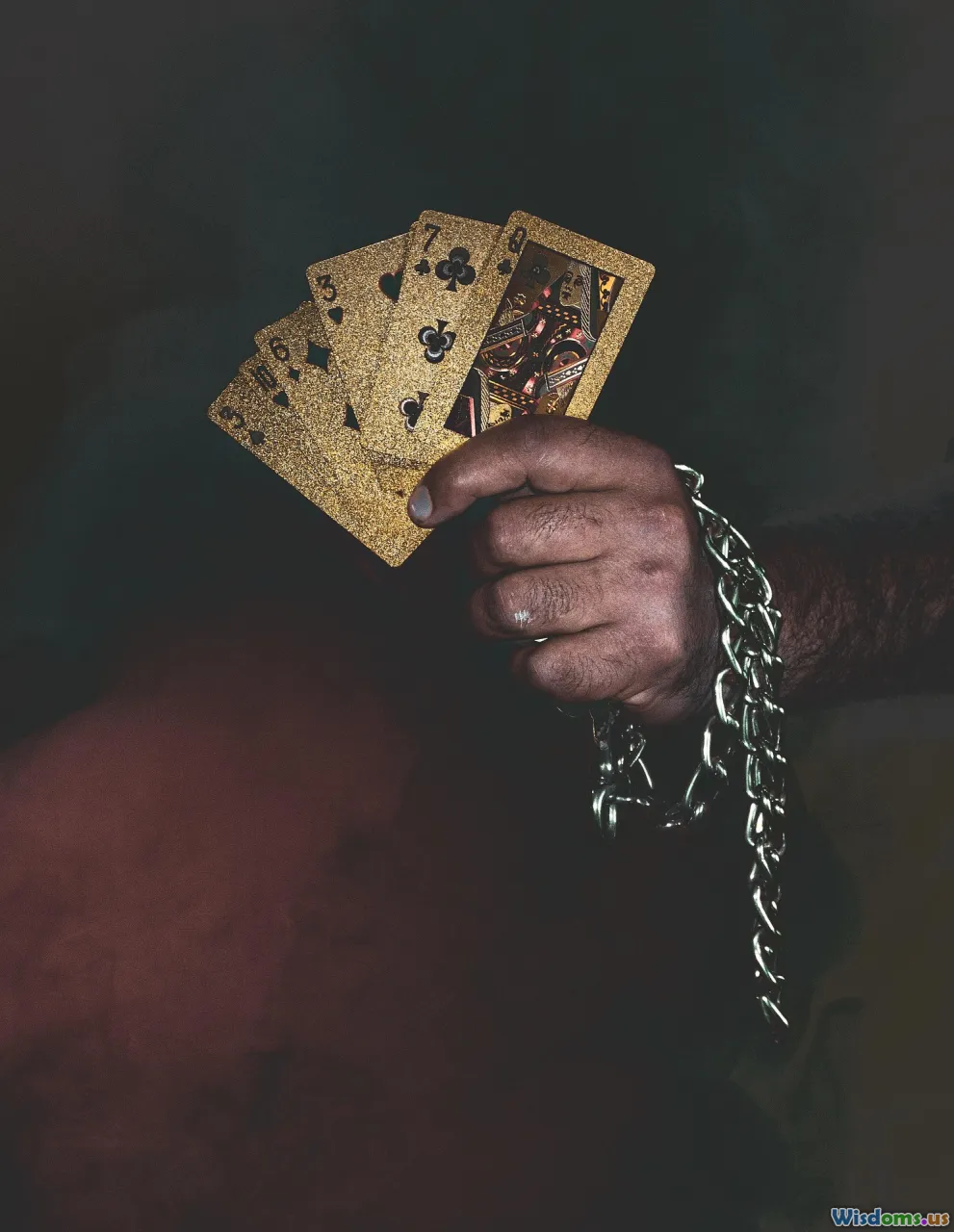
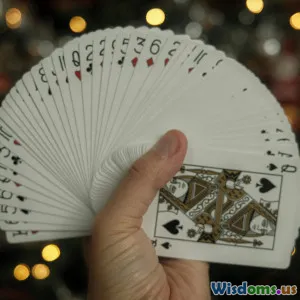
Card magic remains the best sandbox for beginners because a single pack can produce hundreds of astonishments. Start with fundamentals you will still rely on years from now.
Foundational grips and actions:
- Mechanics grip: Cards rest along the base of the fingers in the non-dominant hand, thumb along the left edge. Keep a natural curl; tension is louder than any flash.
- Overhand shuffle: Learn to retain the top card and top stock. Practice with 10 cards, calling out their positions as you shuffle.
- Hindu shuffle: Useful for a casual force and for showing faces while retaining top stock.
- Pinky break and swing cut: The break is an information anchor; the swing cut gives you controlled, motivated movement.
Two high-value moves to prioritize:
- Double lift: Present one card as two, or two as one. Work toward a soft, silent turnover that matches your single-card actions.
- Glide or push-off get-ready: Tiny setup moments that make bigger miracles possible.
Drill example: Record your hands executing ten single turnovers and ten double lifts in random order. Can you tell them apart on playback? If you can, so can an observant spectator; unify the handling until they are indistinguishable.
Coins and Everyday Objects: Magic on Demand

Everyday objects earn instant credibility. A borrowed coin, a pen, a rubber band, or a ring invites trust because the props are familiar.
Key coin skills:
- Finger palm and classic palm: Learn to hold a coin without tension and without gaps in the hand.
- French drop: The simplest transfer; the secret is in the eyes and the relaxed, open hand after the steal.
- Retention vanish: A visual vanish where the coin seems to remain as the hand closes. Train it against a dark background and record in slow motion to polish the timing.
Everyday object ideas:
- Rubber band penetration: A band jumps from two fingers to two others; it is visual, angle friendly, and resets instantly.
- Ring and string: A borrowed ring repeatedly penetrates a shoelace. Useful for learning the language of phases and convincers.
- Pen through bill (with a borrowed bill): Teaches you to manage props, angles, and audience tension while leveraging a strong effect.
For coins, strive to make the dirty hand look more honest than the clean one. Wash movements, casual gestures, and purposeful actions create the illusion of simplicity.
Forces and Controls: Fair Choices, Secret Outcomes

A force creates the illusion of free choice while secretly determining the outcome. Controls maintain the location of a selected card. Mastering a couple of reliable options will amplify your confidence.
Beginner-friendly forces:
- Cross-cut force: Slow and casual; the fairness is in the time delay and the story you tell between actions.
- Riffle force: Light touch and eye contact are your allies. The rhythm matters more than the exact mechanics.
Ethical equivoque (magician’s choice): Use sparingly and clearly. Keep the language neutral, avoid manipulative phrasing that feels like a trap, and make the process short. For beginners, stick to binary choices that lead to the same outcome, and have a genuine effect ready even if they sense the game.
Controls to learn early:
- Double undercut: Direct, motivated, and easy to justify while speaking.
- Overhand shuffle control: Retain top or bottom selections under the guise of shuffling.
- Top card control after a peek: Essential for location effects.
Practice tip: Whisper the actions under your breath while you train: retain top stock, get break, undercut to break, square, pause. The narration slows you down and preserves crisp beats.
False Shuffles and Cuts: The Illusion of Disorder

Nothing sells a stacked deck like chaos. If you can convincingly mix cards while secretly retaining order, you can perform effects that feel like real mind reading.
Start with these:
- False overhand shuffle: Preserve the top block or the full order while the hands move the way an honest shuffle does.
- Optical shuffle: Use rhythm change to show apparent interlacing; the conviction comes from the sound and the squaring.
- False tabled cut: A simple swing cut or triple cut that ends with the deck as it began.
Motivation matters. Give a reason to shuffle: to make the game fair, to remove any suspicion, to involve the spectator. Invite a spectator to cut; most casual cuts maintain your controls if you plan ahead.
Test protocol: Place four aces on top. Execute your false shuffles and cuts, then spread the cards face up. If the aces are still in the top positions and the handling felt natural, you are on track. If not, review where your grip changed or tempo rushed.
Presentation, Scripting, and Patter That Serves the Effect

Sleights create possibilities; presentation creates meaning. A simple card revelation can be a story about chance, a demonstration of influence, or a shared moment about intuition. Script the experience you want the audience to have.
How to build a script:
- Define the premise in one sentence: We will test whether your memory is stronger than mine.
- Map the beats: hook, build curiosity, create a decision, reveal a consequence, deliver a payoff.
- Write patter that motivates actions: While I show the faces, I want you to commit to one card.
- Trim anything that competes with the effect’s clarity.
Example snippet for a two-phase card effect:
- Hook: People say memory is a muscle; let’s see how strong yours is.
- Action: Spectator peeks a card.
- Off-beat line during control: When you picture it, focus on color first; red or black.
- Reveal: After a false shuffle, you reveal the card and tag the spectator’s effort: You made that look easy.
Record your script, then rehearse doing nothing but speaking it while holding a deck quietly. Next, add the moves. Keeping the words steady while the hands work will smooth your performance under pressure.
Timing, Rhythm, and the Power of Silence

Magic is rhythmic: there are beats of action and beats of reaction. The way you pace those beats can disguise a method or ruin it.
Principles to practice:
- Off-beat misdirection: The fraction of a second after a laugh or acknowledgment is ideal for a secret action. Earn the laugh with a line, pause to let it crest, then move.
- Metronome drills: Practice certain sleights at a steady tempo to prevent rushing. Set a metronome to 60–80 bpm and execute one beat per micro-action: lift, transfer, square, pause.
- Use silence deliberately: A quiet moment before a reveal builds tension and emphasizes the impossibility.
Exercise: Perform a simple transposition with two cards. Vary only the timing: once rushed, once with slow, intentional beats. Watch the recordings and note which moments felt suspicious or magical. Most often, the meaningful pauses produce conviction.
Angles, Staging, and Lighting for Real-World Conditions

Great technique fails if the audience can see the wrong side at the wrong time. Managing angles and lighting is a professional habit that beginners can learn early.
Guidelines:
- Choose your performance position. In close-up settings, stand at a slight diagonal to the main spectators so your hands aim inward, not outward toward open angles.
- Keep the dirty side away. For palming, the back of the hand faces the audience; the cupped side faces the body.
- Control the height. Cards at chest level draw focus and hide edges better than waist-level work that invites top-down views.
- Lighting matters. Side lighting highlights edges and gaps; soft, frontal lighting is forgiving. If a lamp is to your left, keep palmed objects in your right hand when possible.
Reality check: Practice in the worst lighting you can find. If a move survives harsh overhead lights and a low couch vantage point, it will withstand most social situations.
Spectator Handling, Participation, and Consent

People are part of the show. How you invite participation determines whether the interaction feels delightful or awkward. Respect and clarity create trust.
Best practices:
- Ask before touching. Even guiding a hand for a palm-down display should begin with verbal consent: May I guide your hand for a second?
- Be specific. Instead of Pick a card, say Please touch one card as I spread.
- Give roles. You are the decision maker; you are the memory expert. Roles build investment and cue attention.
- De-escalate hecklers with warmth. Acknowledge the energy, then redirect: I love that you are curious; watch this part closely because it fooled me the first time.
Use inclusive language and avoid humor that punches down. Your spectators are the heroes; you are the guide who helps them experience something impossible.
Constructing a Routine and a Cohesive Set

Great magicians do not perform tricks at random; they build sets that flow. A routine has a beginning, middle, and end, with escalating interest and variety of texture.
Structure templates:
- Three-phase build: Repeat a core effect with increasing fairness or impossibility. For example, ambitious card rises to top, then under a spectator’s hand, then to a sealed envelope.
- Texture contrast: Alternate visual magic (a color change) with mental moments (a thought-of card), then a hands-off reveal.
- Opener, meat, closer: Opener is short, visual, and low risk. The middle holds your strongest material. Closer is clean and emotionally satisfying, even if methodically simple.
Example 12-minute set with a borrowed deck:
- Opener: Two quick visual color changes to establish skill and capture attention.
- Middle 1: A fair selection controlled and revealed in the spectator’s hands.
- Middle 2: A triumph plot with a false shuffle to demonstrate order from chaos.
- Closer: An impossible location where the signed card appears in a wallet or sealed envelope.
Think about reset and pockets. If you plan to perform table to table, choose effects that reset instantly and store props in accessible locations.
Practice Tools and Record-Keeping That Accelerate Growth

The right tools make practice measurable and objective. A mirror provides immediate feedback; a camera gives truth.
Toolkit checklist:
- Mirror: For checking angles and posture. Beware of mirror bias; practice with and without it.
- Phone camera on a tripod: Record from spectator height, not bird’s-eye view.
- Slow-motion playback: Crucial for timing-based sleights like the retention vanish.
- Metronome: Keeps your hands honest and discourages rushing.
- Notebook or app: Track drills, insights, and lines that worked in performance.
Journal format suggestion:
- Date, focus, drills, discoveries, next steps.
- Example: 9/7 — Focus: double lift consistency. Drill: 60 turnovers at 70 bpm. Discovery: right thumb tends to hitch. Next: lighten pressure and align thumb closer to index.
Quantify where you can: time to execute, failure rate, number of clean reps before fatigue. Numbers keep you honest and show progress when your feelings lag.
Ethics, Credit, and Community

Magic grows when we respect creators and share wisely. Learn to credit methods, buy original works when possible, and avoid exposing secrets casually.
Ethics checklist:
- Do not publish methods you did not create without permission. If teaching, reference the original source and encourage purchase.
- Support working pros by buying books, lectures, and legitimate downloads.
- Share feedback privately and constructively; public exposure erodes trust and diminishes the art.
Foundational books worth studying:
- Royal Road to Card Magic by Hugard and Braue
- Card College series by Roberto Giobbi
- Modern Coin Magic by J. B. Bobo
- Strong Magic by Darwin Ortiz
- Maximum Entertainment 2.0 by Ken Weber
- The Magic Way by Juan Tamariz
Join a community: local magic clubs and online forums from reputable organizations like the International Brotherhood of Magicians, Society of American Magicians, or The Magic Circle can provide mentorship and performance opportunities.
Managing Nerves and Performing Live

Nerves mean you care. The goal is not to eliminate them but to channel them into focus.
Performance routine:
- Pre-show checklist: props set, pockets arranged, opener rehearsed three times, water sipped, one deep breath.
- Box breathing: inhale 4, hold 4, exhale 4, hold 4. Repeat for one minute.
- Micro-goals: Instead of I must be perfect, choose I will make eye contact before the reveal and pause for two beats.
Start with small, low-stakes shows: family gatherings, Zoom calls with friends, a casual set for a colleague. Each performance is a data point. If something goes wrong, acknowledge it lightly and move on. A confident, unbothered magician increases the audience’s enjoyment even when the method hiccups.
Record your live performances when appropriate. You will learn more from 10 live sets than from 100 drills alone because real audiences breathe, blink, laugh, and interrupt.
The Psychology of Surprise, Memory, and Conviction

Magic exploits how humans pay attention and remember. Understanding a few psychological effects will make your routines more deceptive and more satisfying.
Useful concepts:
- Primacy and recency: People best remember the first and last moments of an experience. Make your opener and closer tight and strong.
- Time misdirection: A pause between method and effect dissolves the causal link. Use a beat or a phase change before the reveal.
- False solutions: Let the audience form a plausible but incorrect explanation early, then quietly dismantle it later.
- Emotional tags: A spectator’s signature, a photograph, or a personal choice creates a stronger memory trace.
Practical application: In a signed card to impossible location, do not rush from the signature to the reveal. Insert an intermediate phase that appears to eliminate the only possible method. The longer the distance between method and revelation, the more impossible the effect feels.
Utility Props and Everyday Carry for Beginners

A few utility items expand your repertoire dramatically without requiring bulky setups.
Starter kit suggestions:
- Thumb tip: Enables vanishes, transpositions, and color changes with small objects. The secret is handling it like a bare thumb—no hiding, just natural use.
- Elastic loops: For animations like floating rings or haunted deck moments. Start with simple effects in controlled lighting.
- Invisible thread and wax: Advanced in terms of setup; begin with short, direct animations where lighting favors you.
- Double stick tape and magnets: Offer subtle, hands-off convincers when used sparingly.
- Rubber bands: Jumps, links, and penetrations with instant reset.
Carry fewer props than you think and master them deeply. A single rubber band routine performed with charm and confidence is stronger than a pocket full of half-learned gimmicks.
Troubleshooting and Recoveries: Outs Save the Day
Even pros miss breaks, drop cards, or forget lines. What separates a beginner from a seasoned magician is the ability to pivot gracefully.
Build outs into your routines:
- Multiple revelation paths: If you miss a control, transform the effect into a triumph or a mind-reading plot.
- Psychological outs: If a peek fails, ask the spectator to visualize drawing the card and name a few features. Pivot to a color or suit reveal.
- Physical outs: Carry a duplicate card or a blank for emergency transformations.
Lines that release tension:
- Sometimes the ink takes a second to dry; let’s try something even more fair.
- I wanted you to think I was going to do that. Here is what I am actually doing.
Recovery drill: Intentionally fail a control during practice and force yourself to complete the effect without restarting. The ability to improvise under pressure grows only by practicing in chaos.
Building a Repertoire and Avoiding the YouTube Trap

The internet offers infinite tricks and instant explanations. Tempting, but corrosive to depth. Build a small, personal repertoire and refine it.
Guidelines for curation:
- Choose 6–10 effects that span textures: visual, interactive, mental, and one hands-off miracle.
- For each, learn one primary method and one alternate handling.
- Rehearse transitions between pieces so the set feels intentional.
- Retire weak material and replace it only after a period of real-world testing.
Keep a repertoire card in your wallet: list the set order, reset notes, and one or two lines to remember. Professionalism begins with readiness.
Safety, Respect, and Age-Appropriate Choices
Some props and methods carry safety risks: sharp objects, fire, or chemicals. As a beginner, avoid dangerous methods. Even if you see them online, leave them to trained professionals with proper safety protocols and insurance.
Respect your audience’s boundaries. If you perform for children, choose effects without gambling or suggestive themes. If you perform at a workplace, keep the material inclusive and short. Magic is hospitality: your goal is to give people a beautiful experience, not to dominate the room.
From Practice to Performance: A 30-Day Skill Plan

Structure accelerates progress. Here is a 30-day plan you can adapt.
Week 1: Hands and habits
- Daily: 10 minutes of mechanics grip and overhand shuffle control.
- Learn: Cross-cut force and one false cut.
- Script: A 60-second opener with a clear premise.
Week 2: Coins and attention control
- Daily: 10 minutes of retention vanish and French drop on camera.
- Drill: Eye contact and off-beat timing using simple lines.
- Perform: For a mirror, then record a one-take performance.
Week 3: Controls and presentation
- Daily: 10 minutes of double undercut and pinky break maintenance.
- Learn: A triumph plot or another structured routine.
- Script: Tighten your patter; mark pauses and beats.
Week 4: Performance and revision
- Perform: For three different people or groups.
- Review: Take notes after each show; identify one fix and one keeper.
- Refine: Replace a weak move with a cleaner handling; polish your closer.
At the end, you will not be finished; you will be launched, with a sustainable practice habit and a working mini set.
Real-World Examples of Skill Synergy

Consider how skills combine:
Example 1: Spectator-as-hero card revelation
- Skills: Overhand shuffle control, cross-cut force, scripting.
- Flow: Invite a choice using a fair-looking force, control the card calmly, then have the spectator reveal it themselves from a pocket or a prediction. The method hides inside clarity and the audience’s own actions.
Example 2: Coin vanish to ring flight
- Skills: Retention vanish, audience management, timing, and pocket management.
- Flow: A borrowed ring vanishes from your hand in a clean retention vanish, reappearing clipped to your key ring. The vanish’s conviction comes from timing and silence; the reappearance feels fair because everything appears in view before the reveal.
Example 3: Triumph with false shuffles and memory patter
- Skills: False shuffle, script about order and chaos, time misdirection.
- Flow: Cards are mixed face up and face down. You speak about patterns, then square slowly. After a deliberate pause, you spread to show order restored and a single odd card: the selection. Timing and narrative heighten the shift from chaos to miracle.
Example 4: Rubber band routine as an opener
- Skills: Angle control, pacing, and spectator roles.
- Flow: A band jumps visibly, then links, then penetrates a spectator’s finger. Quick, visual, and interactive, it sets tone and trust without needing a table or deck.
These examples show that technique alone is not enough; presentation, timing, and structure transform moves into moments people retell.
When and How to Learn Advanced Material

You will encounter advanced sleights and apparatus early. Resist the urge to sprint. Learn them when they serve a clear performance goal or deepen your understanding of fundamentals.
Healthy progression:
- Master the basics until they vanish. If your double lift consistently fools you on video, you are ready to add a top change.
- Add one advanced skill at a time. For example, a tabled faro or a diagonal palm shift is a long-term investment; do not load your practice with five at once.
- Pair advanced method with simple presentation. The audience should see fewer complications even as your method becomes more sophisticated.
Remember: an advanced sleight done poorly weakens the effect. A simple method done beautifully overwhelms suspicion.
Magic is the craft of turning attention, time, and story into the feeling of impossibility. The essential skills are not glamorous, but they are durable: a relaxed grip, a natural break, a gentle pause, a confident line, the habit of recording your work, and the grace to recover when the road curves. Start with one deck, one coin, one routine, and a calendar. Build from there.
If you want a next step, pick any five of the following and commit to daily practice for two weeks: overhand shuffle control, cross-cut force, double lift, retention vanish, false overhand shuffle, write a one-page script, perform for one person, record and review, join a local magic meet-up, read one chapter of Card College.
The secrets will change your hands; the skills will change your magic. Keep going.
Rate the Post
User Reviews





Popular Posts