How Air Pollution Threatens Children's Health Worldwide
32 min read How dirty air harms children's bodies and brains worldwide, from asthma and stunting to missed school, with solutions spanning cleaner fuels, traffic control, and indoor air improvements. (0 Reviews)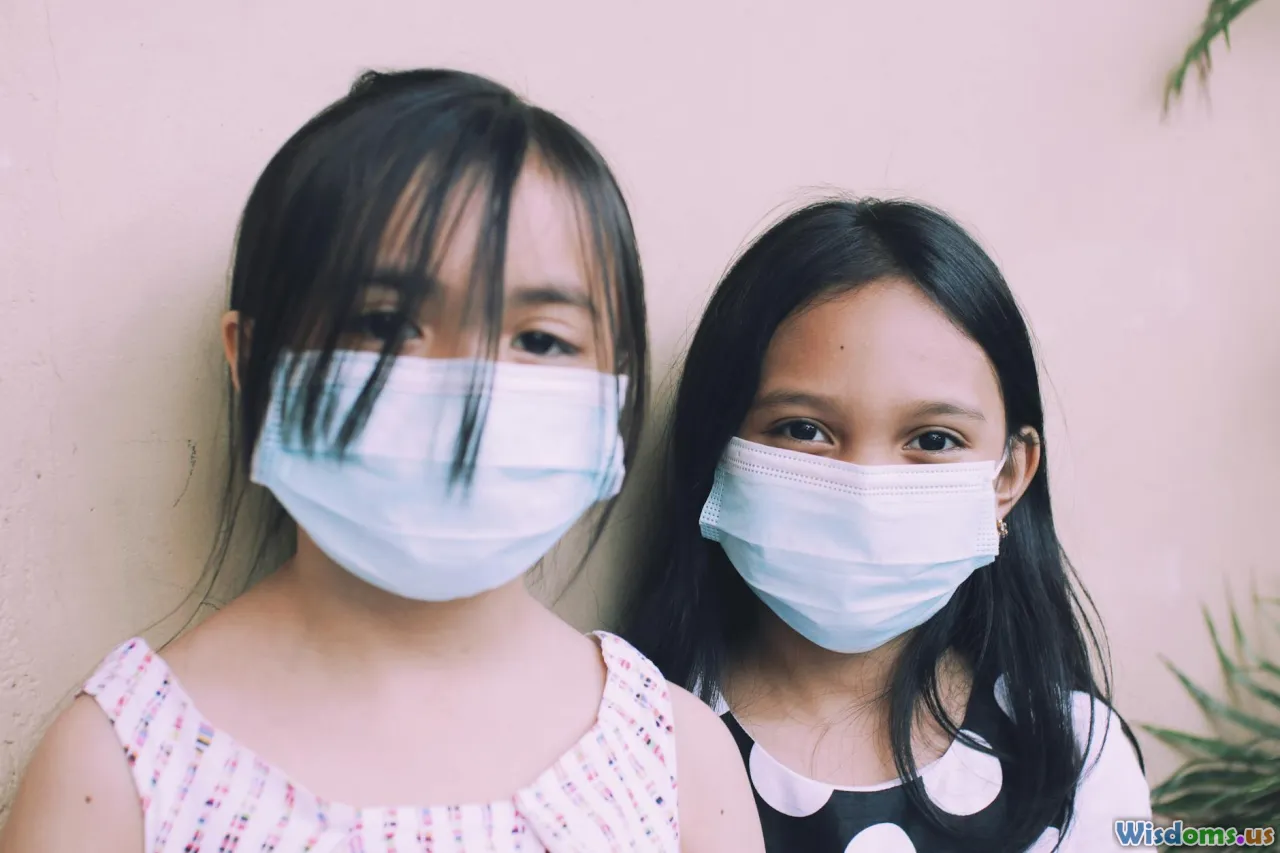
A child takes about twice as many breaths per minute as an adult. Each breath draws more air per kilogram of body weight into developing lungs, a growing brain, and a body that learns, plays, and builds resilience for a lifetime. When that air is polluted, the consequences are immediate—more coughs, more missed school days—and enduring, from higher asthma risk to subtle changes in cognitive development. Air pollution is a global problem, but children pay a disproportionate price.
Air may look clear, yet the most dangerous particles are invisible. Around the world, from wildfire-smoked towns to traffic-choked megacities and coal-heated winters, polluted air threatens children’s health every day. The good news: we have practical steps families, schools, and city leaders can take now, and policies with a strong track record of success. The challenge is urgency and equity—getting help to the places and people who need it most.
What’s in the air that children breathe?
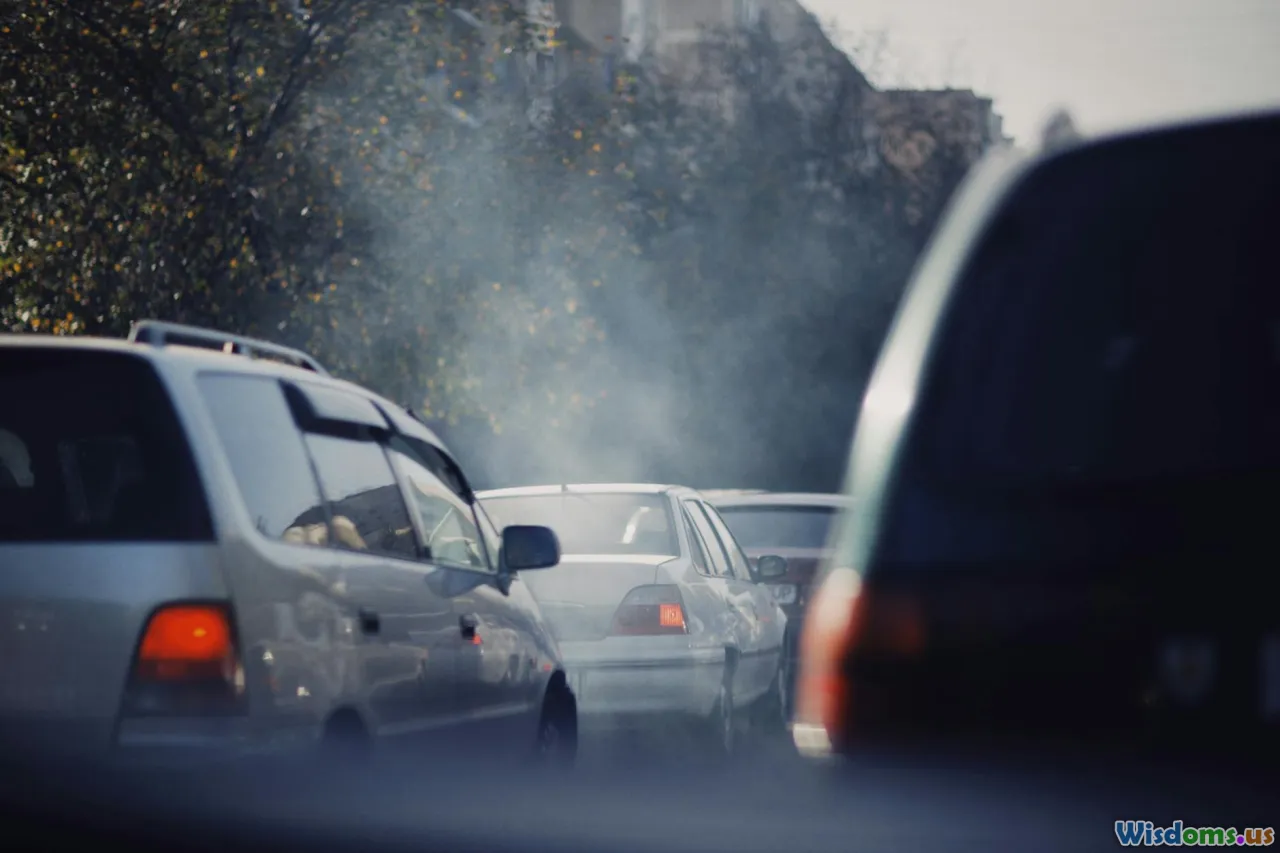
Air pollution is not one thing; it’s a cocktail whose ingredients change by neighborhood, season, and time of day. The main culprits affecting kids include:
- Fine particulate matter (PM2.5): Particles with a diameter of 2.5 micrometers or less—about 30 times smaller than a grain of sand. They penetrate deep into the lungs and can enter the bloodstream. Sources: vehicle exhaust, coal or oil combustion, wood burning, industrial emissions, wildfires, and secondary formation from gases like sulfur dioxide (SO2), nitrogen oxides (NOx), and ammonia (NH3) from agriculture.
- Ultrafine particles (UFP): Even smaller than PM2.5, often abundant near busy roads. They carry metals and organic compounds that can stoke inflammation. Most regions don’t regulate UFPs, despite mounting evidence of health effects.
- Nitrogen dioxide (NO2): A traffic pollution marker produced by high-temperature combustion. NO2 irritates airways and is strongly linked to the development of childhood asthma and respiratory infections.
- Ozone (O3): A gas formed when pollutants react in sunlight. High on hot afternoons, ozone irritates lungs, reduces exercise tolerance, and can trigger asthma attacks.
- Black carbon: A component of soot from diesel engines and biomass burning. It absorbs heat (warming the climate) and transports toxic compounds into the lungs.
- Non-tailpipe emissions: Tires, brakes, and road dust add metals and particles. Even electric vehicles, if heavy, can contribute via these non-exhaust pathways.
Every setting has a signature. In wintertime cities that burn coal for heat, PM2.5 and black carbon soar. In farming regions, ammonia from fertilizer reacts downwind to form PM2.5. On sunny days in car-centric metros, NO2 peaks at rush hour, while ozone rises in the afternoon. Wildfire seasons now inject huge pulses of PM2.5 into towns that rarely worried about air before.
The World Health Organization (WHO) updated air-quality guidelines in 2021, setting an annual PM2.5 guideline of 5 µg/m³ and a 24-hour guideline of 15 µg/m³. Many cities exceed these numbers by wide margins during routine commutes, and by orders of magnitude during severe smog or smoke events.
Why children are uniquely vulnerable
Children are not just small adults. Their anatomy, behaviors, and biology create unique exposure and risk patterns:
- Faster breathing and higher intake per body weight: A toddler’s breathing rate can be double that of an adult, delivering more pollutants per kilogram.
- Developing organs: Lungs, immune systems, and brains are still forming. Exposure during these critical windows can alter lung growth trajectories, influence immune responses, and affect neurodevelopment.
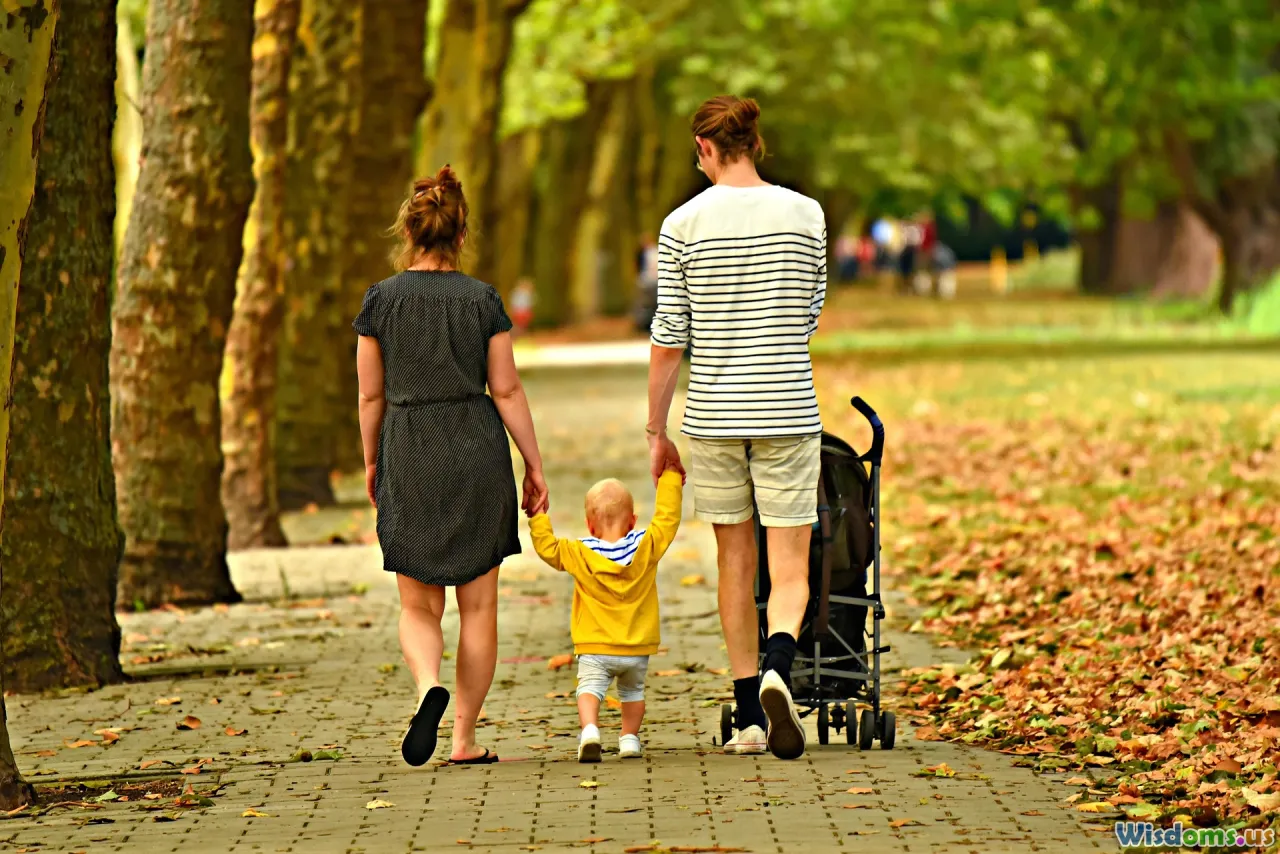
- Closer to the source: Young children spend more time at ground level where tailpipe emissions collect. Strollers sit at an altitude with measurably higher NO2 and particle concentrations along busy roads.
- Activity patterns: Running and playing increase ventilation rates, pulling more pollutants deeper into the lungs.
- Prenatal vulnerabilities: Soot-like particles have been found in placental tissue, indicating that maternal exposure can reach the developing fetus. Elevated maternal PM2.5 exposure is associated with lower birth weight and higher risk of preterm birth.
Consider a practical example: two routes to school. One is a leafy side street; the other hugs a congested arterial with idling buses. Several studies show that choosing the low-traffic route can cut a child’s exposure to NO2 and particles by 20–50%—a simple behavior change with outsized benefits.
The global map of risk—and who bears it
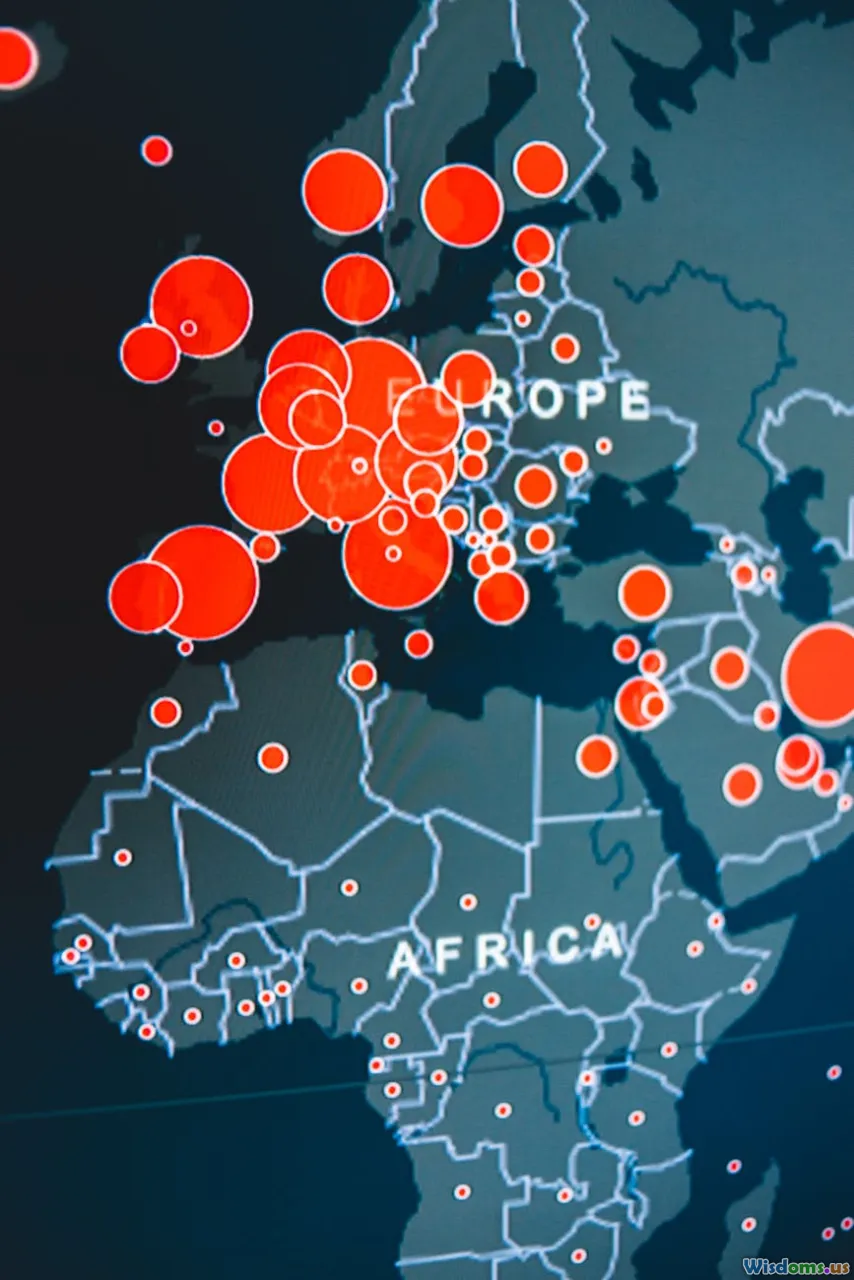
Air pollution is a global health problem with uneven burdens. UNICEF has reported that hundreds of millions of children live in areas where air pollution exceeds WHO guidelines many times over. Low- and middle-income countries shoulder the largest share of severe exposures, but no region is untouched.
- South Asia: Winter smog in parts of India, Pakistan, and Bangladesh routinely pushes daily PM2.5 above 150–300 µg/m³, especially during crop-residue burning and temperature inversions. Episodes in Delhi frequently hit levels that are hazardous even for short outdoor play.
- East Asia: Rapid improvements in some Chinese cities have cut coal and industrial emissions, yet winter spikes remain. In Ulaanbaatar, Mongolia, coal-based heating has produced winter PM2.5 levels exceeding 500 µg/m³ on the worst nights.
- Sub-Saharan Africa: Rapid urbanization, diesel generators, open burning, and dusty harmattan winds contribute to a complex mix. In Port Harcourt, Nigeria, a 2016–2017 soot crisis starkly revealed the health and social toll when emissions controls are weak.
- High-income countries: The profile differs—less from coal, more from traffic, wood stoves, and wildfires. During the 2023 wildfire smoke episodes, North American cities saw PM2.5 soar above 100–400 µg/m³, illustrating how climate-amplified hazards can quickly erase perceived safety margins.
- Rural risk is real: Indoor smoke from cooking with wood, charcoal, or kerosene remains a major source of pediatric exposure in many regions. Transitioning to clean fuels dramatically lowers PM2.5 inside homes.
Where monitoring is sparse, the problem is often underestimated. Satellite-based estimates and expanding low-cost sensor networks now reveal hotspots that national networks miss. The pattern is consistent: the poorest neighborhoods—often near ports, freeways, or industrial zones—breathe more pollution. In the United States, children in historically redlined communities, disproportionately Black and Latino, face higher NO2 and PM2.5 levels than peers in wealthier districts a few miles away.
From coughs to cognition: what the science shows

The strongest evidence links traffic-related air pollution and PM2.5 to respiratory disease in children, but research has widened to include pregnancy outcomes, brain development, and long-term cardiometabolic risks.
- Asthma: A 2019 analysis in Lancet Planetary Health attributed roughly 4 million new pediatric asthma cases per year worldwide to NO2 exposure, with the majority occurring in urban areas. Traffic pollution increases both the risk of developing asthma and the frequency of attacks in those who have it.
- Infections: Children exposed to higher levels of PM2.5 and NO2 experience more bronchitis and pneumonia. Fine particles also impair mucociliary clearance, making it easier for pathogens to take hold.
- Pregnancy and early life: Higher maternal exposure to PM2.5 is associated with increased odds of low birth weight and preterm birth. Even small average shifts at the population level translate into large numbers of vulnerable infants.
- Neurodevelopment: Studies have linked early-life exposure to traffic pollution with reduced cognitive test scores, attention problems, and more behavioral symptoms. Mechanisms include neuroinflammation, oxidative stress, and vascular changes that affect the brain’s white matter.
- Cardiometabolic effects: Childhood exposure correlates with elevated blood pressure, insulin resistance markers, and later-life heart disease risk. Black carbon and metals appear particularly potent in triggering vascular inflammation.
Dose matters—and so does timing. Short-term spikes on a smoky day can drive acute symptoms; long-term averages shape growth and chronic disease risk. That’s why strategies must address both the high peaks (e.g., wildfire days, inversion events) and the everyday baseline (e.g., routine traffic exposure near schools).
Indoor versus outdoor: the exposure puzzle

Children spend the vast majority of time indoors—at home, school, and in transit—so indoor air quality is pivotal. Outdoor pollution leaks in through cracks and ventilation systems; the fraction that enters (the infiltration factor) often ranges from 0.3 to 0.8 depending on building tightness and filtration. On top of that, indoor sources can be major drivers:
- Cooking: Frying and grilling produce ultrafine particles and irritants. Gas stoves add NO2. Using a properly vented range hood and, where possible, switching to electric or induction reduces both particles and NO2.
- Heating and lighting: Wood stoves, kerosene heaters, and some incense or candles contribute substantial particulate matter indoors.
- Cleaning products and sprays: Some release volatile organic compounds (VOCs) that can react indoors to form secondary pollutants, including ultrafine particles.
- Secondhand smoke and vaping aerosols: Both add fine particles and chemicals; no level of tobacco smoke is safe.
The reassuring part is that effective filtration and source control work. A well-sized HEPA air purifier can reduce indoor PM2.5 by 30–80% in a room, depending on leaks and sources. In many homes, using a high-efficiency central HVAC filter (MERV 13 or better) continuously during pollution episodes substantially lowers fine particle levels throughout the house.
Measuring the invisible: AQI, sensors, and what numbers mean

Understanding numbers helps you act at the right time. Key concepts:
- PM2.5 concentration (µg/m³): A direct measure of fine particles in air. WHO’s annual guideline is 5 µg/m³; the 24-hour guideline is 15 µg/m³.
- NO2 (µg/m³ or ppb): An indicator of traffic emissions. WHO’s annual guideline is 10 µg/m³.
- AQI (Air Quality Index): A color-coded system that translates pollutant levels into categories. In many countries, AQI is driven by the highest pollutant. For example, in the U.S., PM2.5 above about 35 µg/m³ typically triggers an ‘unhealthy for sensitive groups’ category.
Tools you can use:
- Official networks: Government sites and apps aggregate data from certified monitors—examples include AirNow (U.S.), the European Environment Agency, and many national portals.
- Open platforms: OpenAQ and similar services combine data sources globally.
- Low-cost sensors: Neighborhood devices (e.g., PurpleAir) dramatically expand coverage. While not as precise as regulatory instruments, they are useful for spotting local spikes and route-level differences, especially when calibrated.
Practical tip: For wildfire smoke days, a sudden PM2.5 jump above 50–100 µg/m³—visible on both official and community sensors—should trigger home filtration, mask use for older children, and rescheduling of outdoor sports. For daily commutes, look at hourly NO2 or traffic patterns; exposure often halves just by shifting a walk 50 meters off a major road.
Daily protection playbook for families

You can’t control the wind, but you can control exposure. A realistic, step-by-step plan:
-
Start with information
- Check AQI or PM2.5 each morning. Save a trusted source on your phone.
- Note local patterns: Is 8–10 a.m. rush hour the worst? Do afternoon sea breezes clear pollution? Build a routine around these rhythms.
-
Shape your routes and schedules
- Choose side streets and greenways over arterials. Even a one-block detour can cut traffic pollutant exposure by 20–50%.
- Time outdoor play for cleaner hours: mornings for ozone-prone cities; late mornings in winter inversion-prone areas once cold air lifts.
- In stroller years, use stroller covers sparingly; they reduce wind but can trap heat. The bigger win is route choice away from tailpipes.
-
Reduce sources at home
- Use a properly vented range hood on high when cooking; run it a few extra minutes after you finish.
- If feasible, cook on an electric or induction burner. Portable induction hobs are affordable and can replace many gas uses.
- Avoid indoor smoking or vaping entirely.
-
Filter the air you breathe
- Size a HEPA purifier for key rooms (bedroom, living room). Target 4–6 air changes per hour (ACH) during smoke or smog events.
- Quick math: ACH = 1.7 × CADR (cfm) ÷ room volume (ft³). Example: A 12×12×8 ft bedroom is ~1,150 ft³. To reach ~5 ACH, you need about 3,400 cfm-ft³/h ÷ 60 ≈ 57 cfm CADR; most small purifiers exceed this. Bigger rooms need proportionally more.
- In central HVAC homes, install a MERV 13 (or higher, if your system supports it) filter and set the fan to ‘on’ during pollution spikes.
- Build a DIY Corsi–Rosenthal box (box fan + high-efficiency furnace filters) for cost-effective whole-room filtration.
- Size a HEPA purifier for key rooms (bedroom, living room). Target 4–6 air changes per hour (ACH) during smoke or smog events.
-
On high-pollution days
- Create a clean room: close windows, run HEPA purifiers on high, and minimize door openings.
- For children over age 2, use a well-fitted mask (KF94/FFP2) when outdoors during wildfire smoke or severe smog.
- In the car, use recirculation with a clean cabin air filter (consider HEPA-grade replacements when available).
-
Don’t chase myths
- Houseplants are great for mood, but they do not meaningfully clean indoor air compared with HEPA filtration and source control.
- Fragrant sprays that ‘freshen’ air often add pollutants. Ventilate and filter instead.
Small, sustained improvements add up. A family that shifts to a cleaner commute route, uses a vented hood routinely, and filters bedrooms at night can cut a child’s annual PM2.5 exposure by a meaningful margin—even before citywide changes arrive.
Smarter, cleaner schools

Children spend thousands of hours at school, often in buildings near roads or urban canyons. Administrators and educators can reduce exposure with practical, budget-aware steps:
-
Buses and traffic
- Enforce no-idling policies at pickup and drop-off. Diesel exhaust can infiltrate classrooms and playgrounds.
- Prioritize electric or clean-fuel buses as fleets turn over. Districts that retrofitted or replaced diesel buses have documented reductions in student exposure and improved respiratory outcomes.
- Re-route queues away from classroom air intakes where possible.
-
Ventilation and filtration
- Target 4–6 ACH in classrooms using a combination of outdoor air and filtration. When outdoor air is dirty, maintain ventilation for CO₂ control but add HEPA units to clean recirculated air.
- Deploy one appropriately sized HEPA purifier per classroom. Place it to promote mixing and avoid obstructing vents.
- Maintain HVAC filters at MERV 13 or higher if systems can handle the pressure drop; change filters on schedule.
-
Space use and scheduling
- Hold intense physical activity indoors when AQI is poor; shift to indoors with good filtration or reschedule for cleaner hours.
- Move reading corners or nap areas away from windows facing busy roads.
-
Green buffers and design
- Dense, well-chosen hedges or tree belts can reduce roadside particle levels by 20–50% at playground edges. Effective barriers are tall, thick, and continuous, with gaps sealed.
- Seal obvious building leaks on the traffic-facing side; close the gap between portable classrooms and sidewalks.
-
Monitoring and communication
- Add a low-cost sensor on campus and tie it to a simple flag system: green (all clear), yellow (sensitive kids take care), red (limit outdoor time, run HEPA units high). Publish actions in advance so families know what to expect.
These measures not only protect lung health but also boost attendance and readiness to learn. Cleaner air correlates with fewer missed school days and better performance—benefits that compound year after year.
Policies that work—and why equity must lead

Individual actions matter, but the biggest wins come from policy. Decades of experience show what works:
- Emission standards deliver: In the United States, emissions of the six most common pollutants dropped by roughly three-quarters since 1970 while the economy grew. Similar patterns follow strong standards elsewhere. Modern tailpipe rules, sulfur reductions in fuels, and industrial controls consistently yield cleaner air and healthier children.
- Clean power transitions: Phasing down coal and scaling renewables slash PM2.5 and SO₂. Regions that retired coal plants documented immediate drops in downwind hospital admissions for respiratory issues.
- Low-emission and congestion zones: Cities like London have seen roadside NO2 fall substantially after implementing and tightening ultra low-emission zones, especially around central areas and schools.
- Household energy upgrades: Programs that enable shifts from biomass and kerosene to LPG, electricity, or clean district heating can cut indoor PM2.5 by 50–80% and reduce childhood pneumonia.
- Ports, freight, and non-tailpipe dust: Shore power for ships, electrified cargo handling, street sweeping, and tire/brake standards address pollution beyond car exhaust.
Equity must be the organizing principle. Children in low-income neighborhoods and marginalized communities often live closest to highways, depots, and industrial corridors. Policies should prioritize:
- Monitoring in overburdened areas, with transparent, open data.
- Investments first where health burdens are highest—school air upgrades, bus electrification, and green buffers in vulnerable zones.
- Community-led planning, so solutions match lived realities (e.g., safe walking routes, lighting, and shade that make low-exposure commutes truly feasible).
When clean-air rules are paired with equity-focused implementation, the benefits reach those who need them most—faster.
Innovation to watch

Technology is speeding up diagnosis and response:
- Satellites and fusion models: Combining satellite observations with ground sensors and weather models now provides street- to neighborhood-scale PM2.5 estimates in regions without dense monitoring. Health departments can spot emerging hotspots and issue targeted advisories.
- Forecasting with machine learning: New models incorporate traffic, meteorology, wildfire behavior, and emissions to predict pollution hours in advance—enough time to reschedule recess or alert families.
- Dense sensor networks: Cities and schools are deploying hundreds of calibrated, low-cost sensors to inform real-time operations (e.g., raising ventilation only when outside air is clean). Data dashboards make invisible risks visible to decision-makers.
- Cleaner mobility: Rapidly improving electric bus ranges and charging times make full-fleet transition more practical. E-bikes and safe micro-mobility lanes offer family-friendly alternatives to short, high-exposure car trips.
- Filtration advances: Quieter, energy-efficient HEPA units and smarter HVAC controls deliver more clean air per watt—vital for scaling in schools and clinics.
Innovation is not a substitute for enforcing proven standards, but it dramatically improves targeting, accountability, and day-to-day protection.
Myths versus facts

-
Myth: If I can’t see or smell smog, the air is fine.
- Fact: The most harmful particles are invisible. Use data, not your eyes, to judge safety.
-
Myth: Plants will clean indoor air enough to replace filters.
- Fact: Even lots of houseplants barely dent particle levels compared with a single HEPA purifier.
-
Myth: Driving protects kids from traffic pollution.
- Fact: Without recirculation and good cabin filters, in-car levels can match or exceed roadside air. Choosing cleaner routes and using recirculation on dirty days reduces exposure.
-
Myth: Masks don’t help kids with air pollution.
- Fact: Well-fitted respirators (KF94/FFP2) filter more than 90% of fine particles for older children; fit and comfort are key.
-
Myth: Only outdoor air matters.
- Fact: For many families, indoor sources (cooking, heating, smoking) drive a large share of exposure. Source control and filtration at home are essential.
A practical roadmap: who can do what this month

You don’t need to fix everything at once. Start where you are.
-
Families
- Pick a go-to air app and check it daily for a week. Note patterns; plan outdoor play accordingly.
- Identify and practice one low-traffic route to school, even if it adds a few minutes.
- Buy or build one HEPA filter for the child’s bedroom; run at medium during sleep, high during smoke or smog.
- Use the range hood every time you cook; if you rent, ask for a functional hood that vents outdoors.
- Create a two-sentence air plan: ‘If PM2.5 > 100, we close windows, run HEPA on high, and postpone outdoor sports.’ Put it on the fridge.
-
Schools
- Install at least one calibrated sensor on campus; publish thresholds and actions.
- Enforce no-idling this week. Send a reminder to families and bus contractors.
- Procure portable HEPA units for the most-occupied rooms; measure noise and placement to ensure comfort and effectiveness.
- Pilot a green barrier along a playground fence using species suited to local climate; design it to be dense and continuous.
-
Clinicians
- Add a one-liner exposure screen to well-child visits: ‘Any gas stove without a vent? Any smokers at home? Busy road within one block?’
- Provide a simple handout: how to read AQI, when to use a purifier, and mask guidance for older kids.
-
City leaders
- Map pollution inequities using the latest satellite and sensor data; commit public reporting.
- Tackle a quick win: electrify or retrofit a set of school buses on routes serving the most burdened neighborhoods.
- Tighten and enforce anti-idling near schools, clinics, and parks.
- Begin community design for a low-emission school zone—slower speeds, restricted through-traffic, and safe walking routes.
-
Everyone
- Share data and stories. When neighbors and parents see local numbers and real examples, momentum builds for bigger changes.
Breath by breath, air shapes childhood. It determines whether lungs grow to full capacity, whether a child can sprint on the soccer field without wheeze, whether a morning of learning is crisp or fogged by a headache. The science is clear: cleaner air delivers immediate, measurable benefits for kids.
We know what to do. Families can make simple, powerful changes at home and on the route to school. Educators can turn classrooms into clean-air havens. City leaders can enforce standards, electrify fleets, and redesign streets so the quiet route is also the safe, fast route. And we can insist that equity guides every investment, because the children who breathe the dirtiest air today should be first in line for relief. If we act with urgency and care, a generation from now our children will inherit not just longer lives, but ones filled with easier breaths, clearer minds, and wider horizons.
Rate the Post
User Reviews
Other posts in Pollution Control & Air Quality




Popular Posts