How Classic Cars Shape Modern Automotive Design Trends
31 min read How classic-car cues shape modern EV forms, lighting, UX, and materials, with examples and takeaways for designers, marketers, and enthusiasts. (0 Reviews)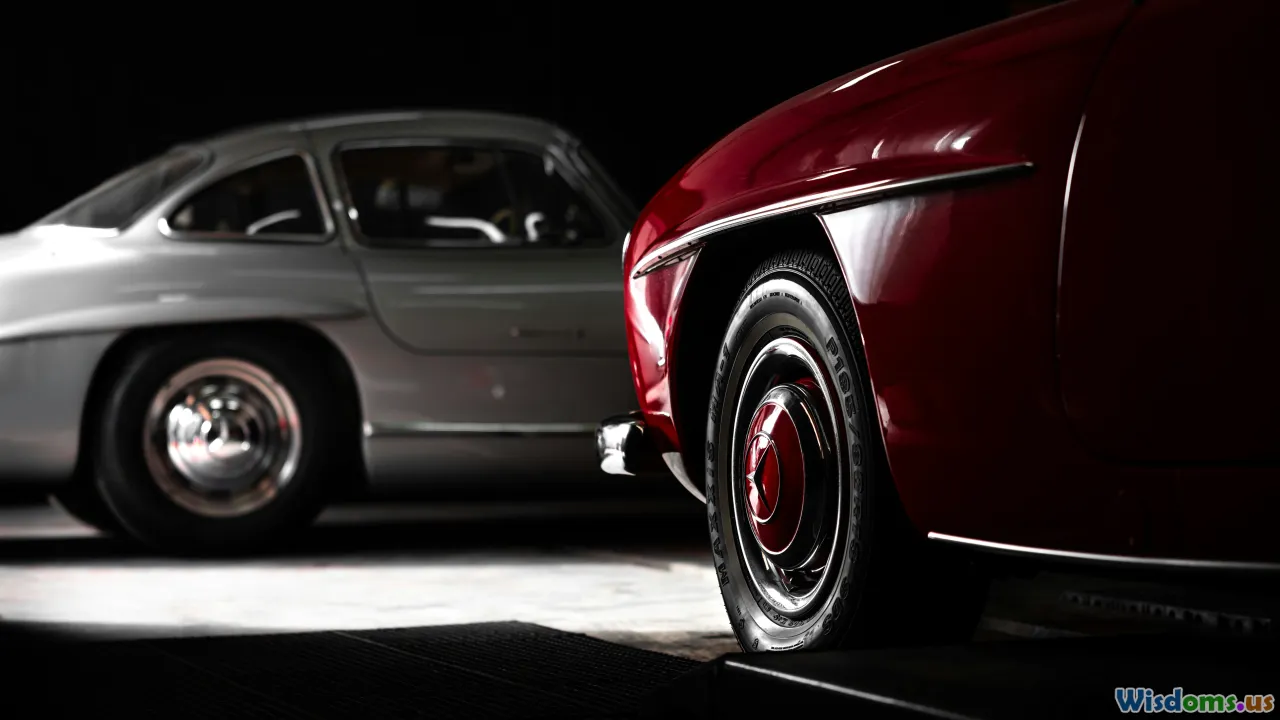
Cars do not forget. Even when the latest model is shaped in wind tunnels and validated by software, the lines, lights, and layouts often carry memories of machines that roared to life half a century ago. The best modern designs feel fresh yet strangely familiar because they’re built on the grammar of the classics: a long hood, a crisp shoulder line, a signature grille, a taillight you could sketch from memory. This is not nostalgia for its own sake; it is brand continuity, human-scale ergonomics, and proven proportions reimagined with new technology. Here is how classic cars still shape—sometimes quietly, sometimes boldly—the way modern vehicles look and feel.
Proportions That Won’t Quit

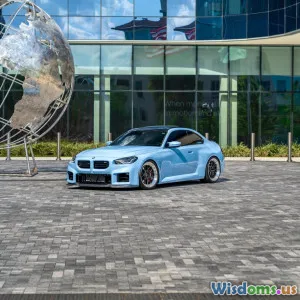
There is real power in stance. Classic silhouettes—long hood, short deck, rear-drive posture—visually signal performance and mechanical clarity. You see this in the current Ford Mustang and BMW 2 Series Coupe, both channeling 1960s fastback energy even as their platforms and safety requirements differ dramatically from their ancestors. The Mazda MX-5 Miata is a masterclass here, drawing inspiration from the Lotus Elan and other mid-century roadsters: low cowl, tight overhangs, simple fenders that gently swell over the wheels.
EVs complicate this. Electric skateboard platforms often demand a long wheelbase and short overhangs, a packaging gift for interior space but a potential challenge for the romantic long-hood look. Designers respond with visual tricks: clamshell hoods that stretch seam lines forward, blacked-out A-pillars to keep the greenhouse light, and strong beltlines that pull the eye rearward. The Hyundai Ioniq 5, for example, feels like a crisp 1970s hatchback on modern proportions; the stance is upright and planted, yet the wheelbase is limousine-long for cabin comfort.
Then there is the Kamm tail—an aerodynamic cut-off rear end named after engineer Wunibald Kamm. Born in the mid-20th century to reduce drag without endless taper, the Kammback now hides in plain sight on everything from hyper-efficient hybrids to fast coupes. It is a clear link between classic efficiency thinking and today’s obsession with range and fuel economy.
Tip for spotting proportion cues: step back 10 paces and squint. If the silhouette alone tells a story—swoop, wedge, or upright utility—you are probably looking at classic DNA reframed.
Grilles, Signatures, and Brand DNA
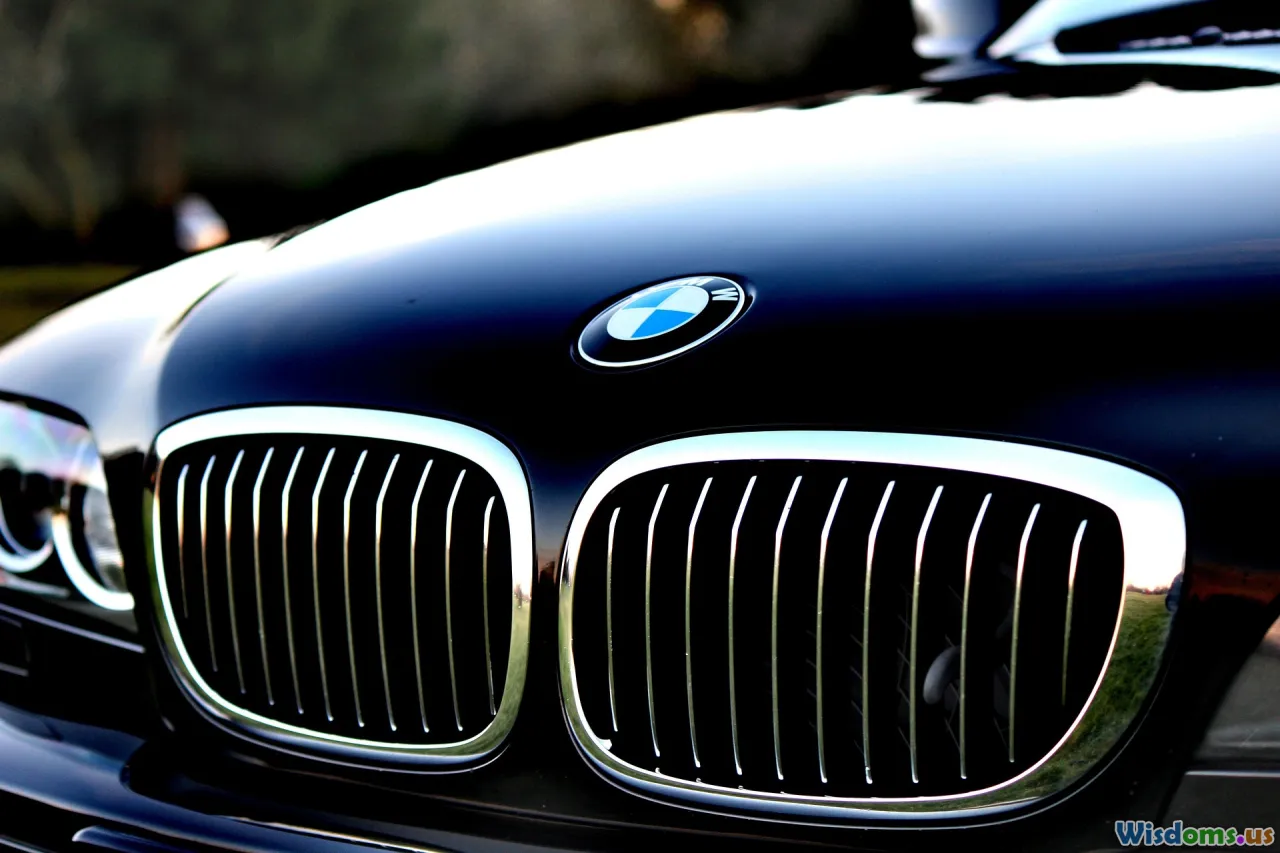
Some design elements act like a brand’s signature on a check. BMW’s kidney grille has morphed and grown since the 1930s but remains instantly recognizable. Jeep’s seven-slot grille is a totem of off-road credibility. Porsche’s round headlights paired with a smooth hood line are so iconic that every 911 update is judged on how faithfully it preserves that face.
Modern regulations around pedestrian safety and aero efficiency mean the grille is as much a texture as it is an opening. Active shutters close at speed; some EVs barely need airflow at the nose at all. Designers therefore treat heritage shapes as graphic motifs rather than literal intakes. The new electric Mini retains a clean, upright grille frame and a round-lamp expression even though beneath the surface it cools far less than its petrol forebears. On the other end, the Ford Bronco spells its name across a simple horizontal aperture—just as the 1960s original favored bold lettering over chrome filigree.
Light signatures do similar brand work. Mustang tri-bar tail lamps, Audi’s dynamic turn signals, and the four-point daytime running lights on Porsches make identity legible at a glance. These cues are classic in spirit even when executed with next-gen LEDs and micro-optics.
Retro Revival, Done Right (and When It Stumbles)
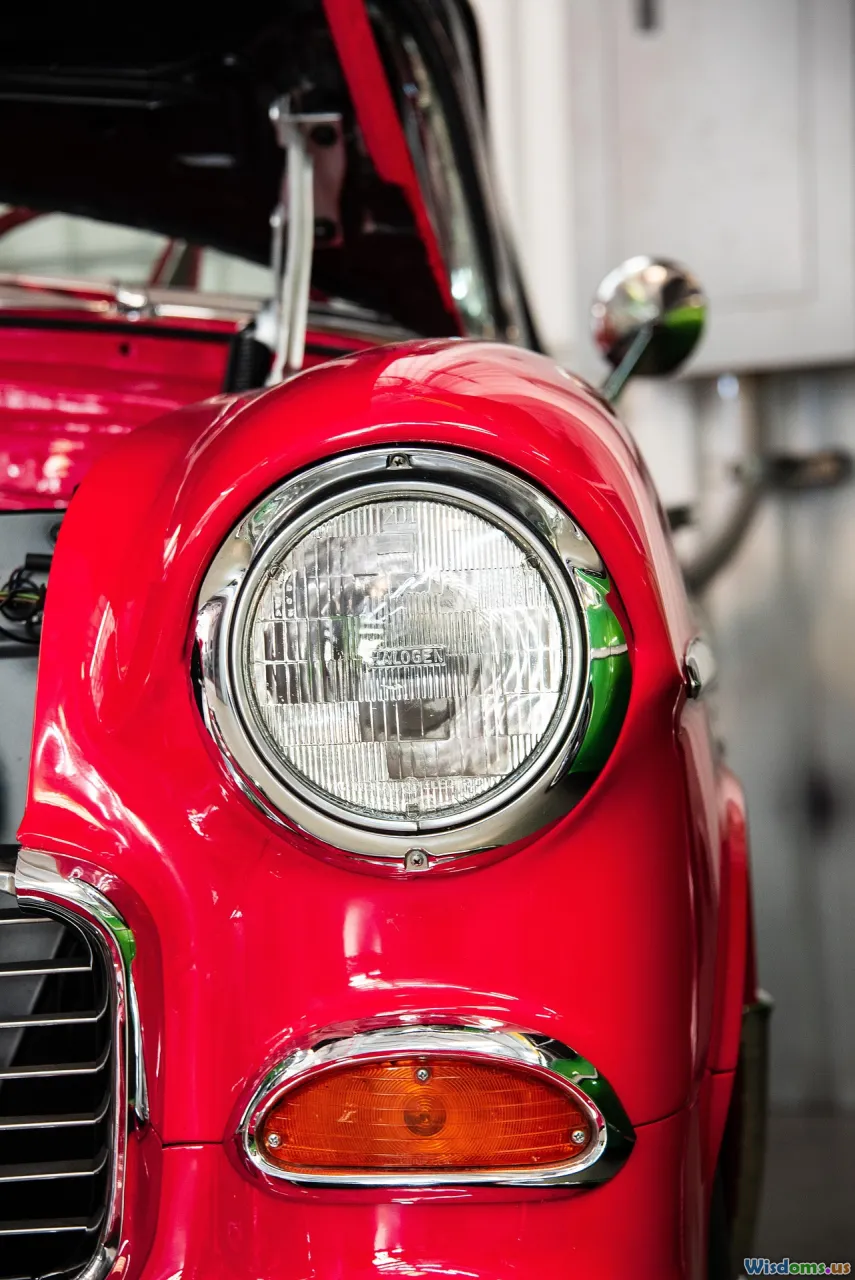
The modern era has seen two main strategies for summoning the past. One is the faithful revival: the Volkswagen New Beetle (1997), the BMW Mini (2001), and the Fiat 500 (2007) turned beloved silhouettes into contemporary products. The best of these kept the friendliness and approachable scale of their inspirations while upgrading dynamics and safety. Mini leaned into playful toggles and a central round display that riffs on the classic speedometer; Fiat retained a cheerful face and color palette. Both balanced wink-and-nod nostalgia with real usability.
The second strategy is reinterpretation rather than replication. The trio of American muscle car rebirths—Mustang, Camaro, and Challenger—used long-hood proportions and historic details, but moved the surfacing and lighting into the present. When this works, it creates a timeless backbone for facelifts and powertrain evolution. When it stumbles, you get pastiche: forms that copy too literally, then struggle to evolve as tastes and regulations shift.
Lessons from successes and missteps:
- Anchor the brand gesture (grille frame, roofline, lamp graphic), not every crease.
- Translate material cues—like chrome—into modern textures, such as brushed aluminum or satin black, to avoid costume drama.
- Validate retro ergonomics. A 1960s driving position with thin pillars feels great in a museum; it needs modern reinterpretation for safety and comfort today.
Classic Aerodynamics, Modern Speed
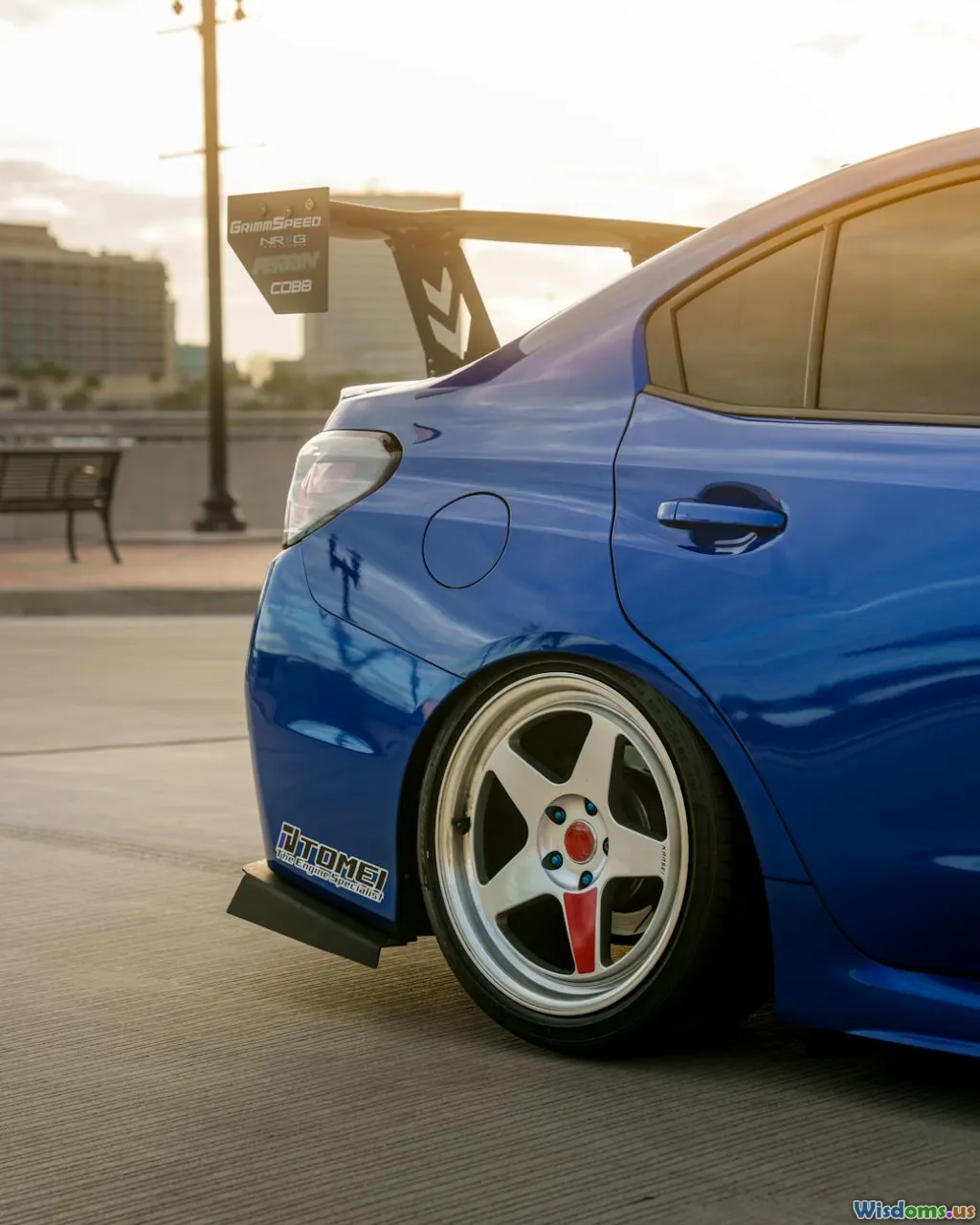
Before computers, the wind tunnel and race track were the lab. The streamline movement of the 1930s, influenced by engineers like Paul Jaray and Kamm, produced teardrop profiles and chopped tails. Today, designers nest those principles under contemporary skin. The Kammback yields efficient drag numbers for EVs; subtle ducktail spoilers nod to the 1973 Porsche 911 Carrera RS 2.7 while smoothing flow at the separation point.
Even purely visual heritage can become functional. Remember the NACA duct? Developed for low-drag inlets on aircraft, it appeared on classic race cars and now shows up selectively on performance hoods where cooling and drag reduction align. Modern CFD lets designers sculpt air with accuracy undreamed of in the 1960s, but the results often rhyme with classic forms: clean break lines, tapered rear glass, flush glazing, and minimized protrusions.
For context, top-tier modern sedans like the Mercedes EQS have achieved drag coefficients around 0.20, a number that would have been unthinkable when chrome bumpers and protruding lamps were the norm. Yet the profile that gets you there—rounded front, controlled taper, crisp tail cutoff—echoes a century of aero learning.
Analog Soul in a Digital Cockpit

Open the door of a modern car and classic influence is everywhere, if you know what to look for. The latest Mini retains aircraft-style toggles and a central round display that evokes the classic speedo without sacrificing modern HMI clarity. Porsche’s Heritage Design options bring back Pepita (houndstooth) upholstery and green-tinted gauge fonts, bridging memory and modern materials. Many brands now offer digital gauge clusters with classic skins—needle-like indicators, serif typefaces, understated color palettes—because they are quick to read and emotionally resonant.
But retro is not an excuse to regress. The best interiors blend tactile, mechanical-feeling controls with the flexibility of software. Designers use knurled metal textures instead of shiny chrome, warm open-pore wood in place of glossy veneers, and real switches for high-frequency functions even as rarer tasks get tucked into menus. Safety requirements for larger pillars and airbags mean the classic slimness must be suggested with careful color blocking and light-friendly trim.
Actionable idea for designers: identify two or three tactile anchors—one primary control, one material, one pattern—that call back to heritage. Repeat them consistently across trims and model cycles. That cadence builds brand muscle memory without clutter.
Lighting as Storytelling, Past to Future
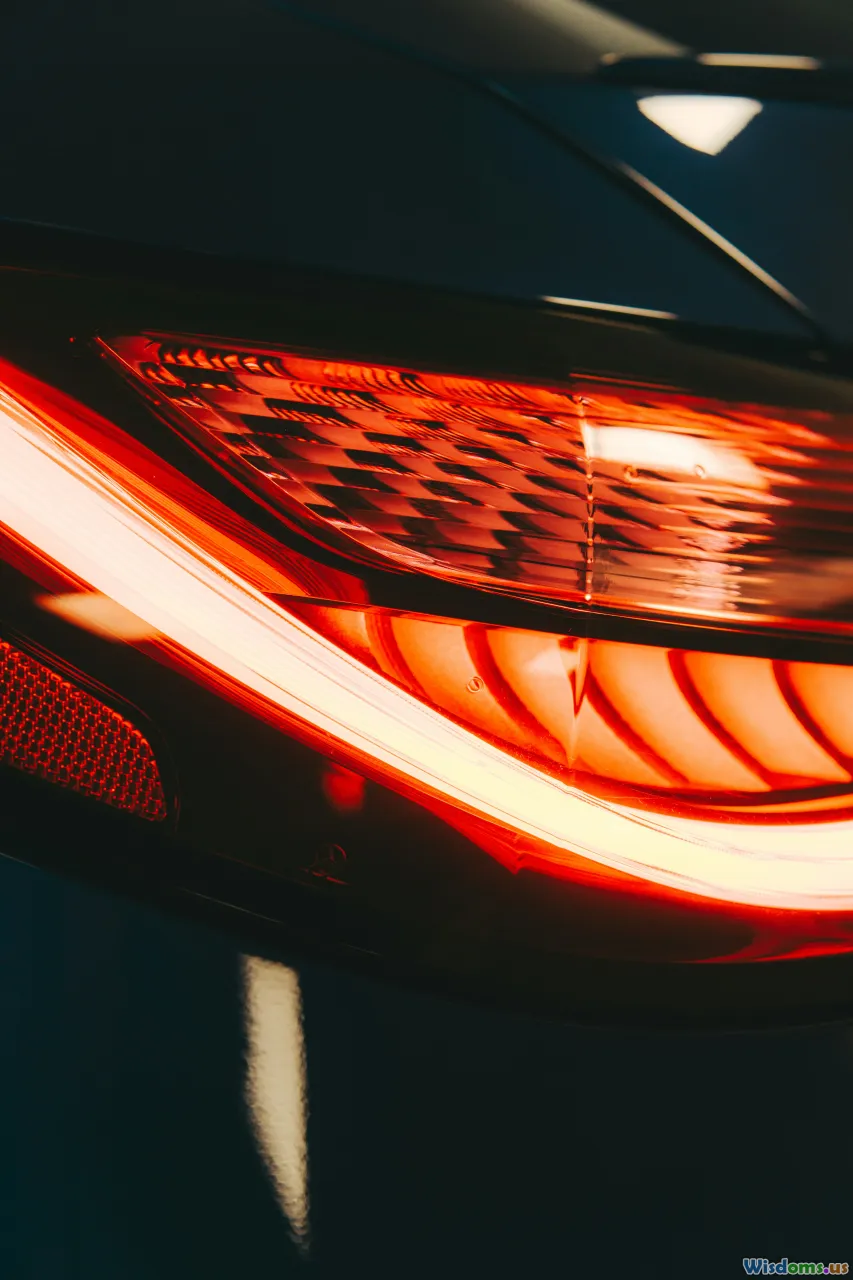
Lighting technology has advanced at breakneck speed—from halogen to xenon to LED and laser. This evolution unlocked new freedom to echo classic shapes. Round lamps no longer require physical reflectors; they can be sculpted LED modules behind clean lenses. Thin, crisp DRLs let brands draw signature outlines with the precision of a designer’s pen.
A few touchpoints:
- Mustang’s tri-bar tails are a textbook case of classic-to-contemporary translation; they now dance with sequential indicators yet retain the fundamental three-segment rhythm.
- Porsche’s four-point DRLs read 911 at a glance day or night, even as headlamp internals evolved from reflector to matrix LED.
- Late-2000s pioneers like the Lexus LS 600h and the Audi R8 helped usher full-LED headlamp tech into the mainstream; today even compact cars have complex signatures.
Practical takeaway: treat the lamp signature as a logo in motion. It must be recognizable in three states—off, as a shape; on, as a graphic; and animated, as a behavior. Classic inspiration provides the root form; new tech supplies the nuance.
Off-Road Icons, Reimagined
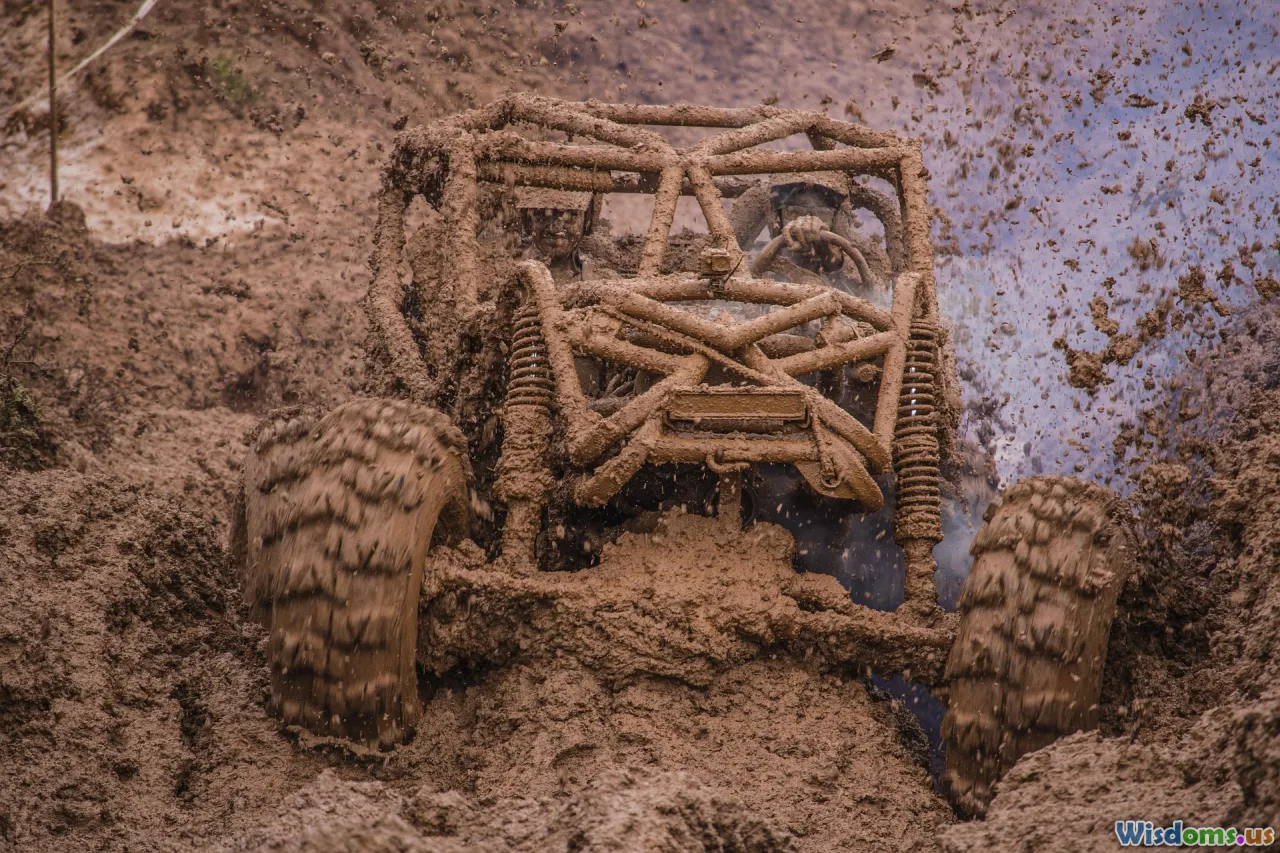
Utility vehicles might be the most honest expression of classic influence. The latest Land Rover Defender wears square shoulders, an upright windshield, and floating alpine windows—visual DNA lifted from its hardworking predecessor—while blending in flush glazing and gentle radii for aero and wind noise control. The Ford Bronco revival adopts round headlights, a simple grille bar with block letters, and boxy fenders that recall field serviceability even as they house complex independent suspensions and airbags.
Jeep’s Wrangler remains a living classic, its proportions and removable roof panels an unbroken line to post-war Jeeps. Suzuki’s Jimny is another excellent study: compact, squared, and cheerful, leveraging classic off-roader cues in a tidy footprint that meets modern safety laws. Even Toyota’s 2024 Land Cruiser leans into heritage with slab sides and a horizontal beltline, a reset from the previous generation’s luxury tilt.
Observations for modern 4x4 design:
- Keep the corners visual: exposed fasteners and defined edges telegraph durability.
- Use color and texture to read function: matte blacks for scratch zones, bright accents for recovery points.
- Preserve a friendly face. Round lamps and simple grilles humanize tall, upright vehicles in urban settings.
Restomods and Continuation Cars as R and D
The rise of restomods—classic bodies reengineered with modern powertrains, brakes, and interiors—has become an informal research and development lab for the industry. Companies like Singer Vehicle Design (reimagined 911s), Eagle (E-Type), and Alfaholics (GTA-R) prove that customers will pay for designs that fuse vintage spirit with present-day dynamics. Their work highlights what people cherish: honest materials, analog tactility, classical surfacing renewed with precision.
Continuation cars—factory-sanctioned, low-production rebirths like Aston Martin’s DB4 GT and Jaguar’s Lightweight E-Type—carry that message into brand studios. Even EV converters such as Lunaz and Everrati, which electrify classic Bentleys, Jaguars, and Porsches, are instructive. They reveal how much of an icon’s appeal is visual and ergonomic rather than purely mechanical noise and vibration. When a silent classic still stirs the soul, you have learned which forms are non-negotiable.
Mainstream impact: heritage colors and fabrics migrate into option books, wheel designs regain tasteful sidewall and dish, and the integrity of panel gaps and shutlines is treated with near-coachbuilt respect across price points.
Heritage Colors, Textures, and Graphics
Classic hues are shorthand for attitude. British Racing Green on a compact sports car whispers tradition. Mopar muscle tones—Plum Crazy purple, Go Mango orange—shout across a parking lot. Porsche’s Heritage Design packages reintroduce colors like Irish Green and Gulf Blue-inspired shades while pairing them with Pepita or corduroy seats. Ford’s Grabber Blue and Toyota’s recent black-over-white two-tone on GR86 Trueno Edition nod to colorful late-60s and 1980s eras respectively.
Textures matter too. Satin chrome and brushed metal feel more contemporary than mirror-bright plating, especially paired with warm browns or textured fabrics that nod to mid-century interiors. Two-tone exteriors, long a classic trope, are now technically easier with precision masking and durable clearcoats; they appear on everything from city cars to the VW ID. Buzz, which channels the original Microbus with pastel-over-white schemes.
Practical advice for buyers: if you want a modern car that ages gracefully, choose a heritage-anchored color with medium-brightness wheels and avoid hyper-trendy blacked-out everything. The car will photograph better, accumulate patina more handsomely, and carry sentimental value longer.
EVs With Retro Faces and Future Hearts
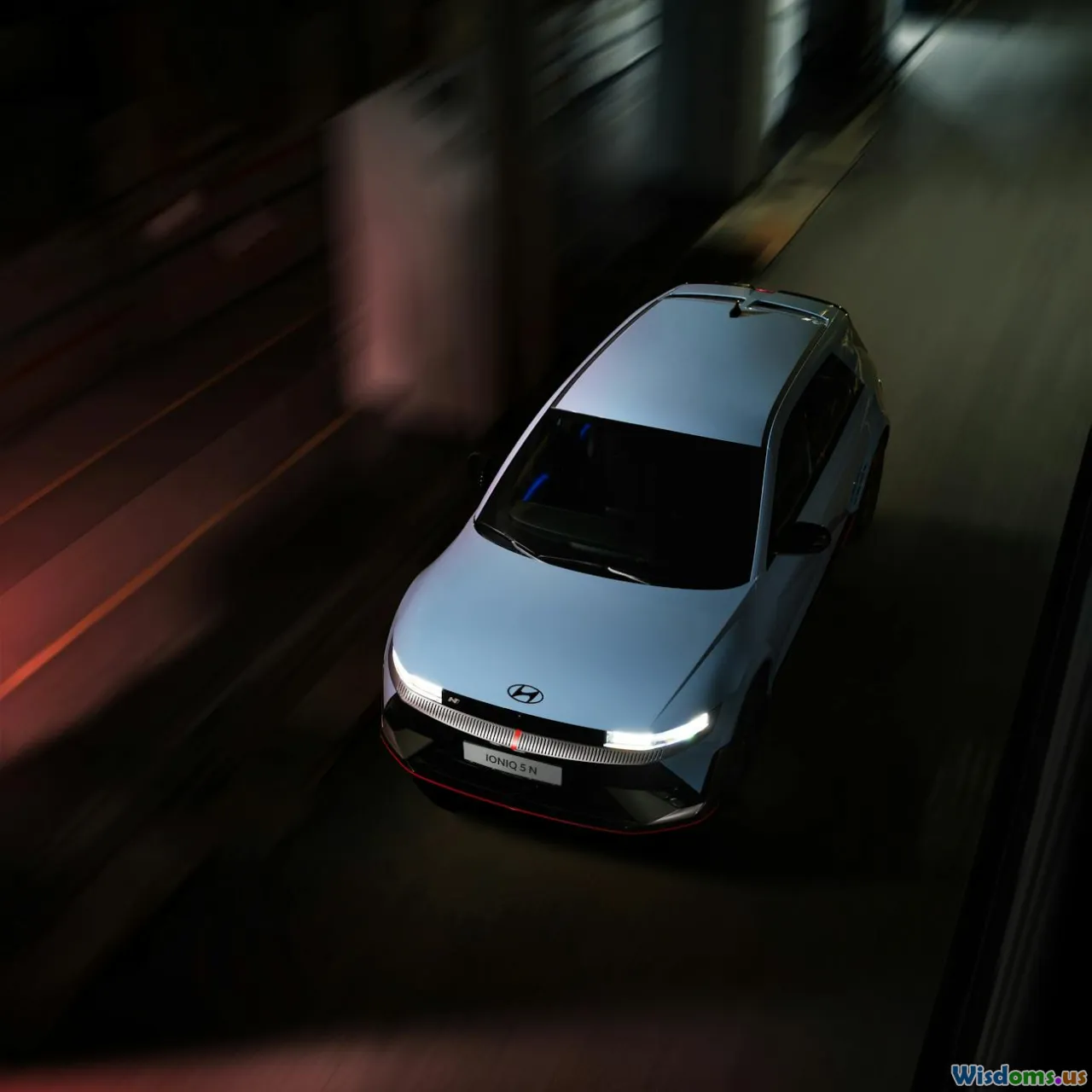
EVs seem futuristic by default, yet many of the best-loved electric designs borrow openly from the past. The Hyundai Ioniq 5 channels the 1970s Pony with crisp lines and pixelated lamps. Renault’s reborn 5 E-Tech keeps the cheeky hatchback stance that made the original a European staple, while modernizing the face and proportions. Fiat’s 500e is perhaps the purest continuity play: the friendly round headlights and compact footprint remain, now with a whisper-quiet drivetrain. The Honda e leans into round lamps and a minimalist cabin, a soft echo of early Civics.
Why it works: classic visual cues make cutting-edge tech feel humane and familiar. EV platforms also enable heritage-friendly packaging: flat floors recall bench-seat sociability, big greenhouses recall the airy visibility of old compacts, and the absence of a big powertrain frees the nose to be calmer, more elegant. Designers then layer in pixel graphics and seamless light bars to telegraph modernity.
Key point for brands: if your history includes beloved city cars or simple utility vehicles, electrification is your opportunity to revisit them—aesthetically and spiritually—without the constraints that previously forced a specific hood length or drivetrain hump.
What Designers Borrow Beyond Looks
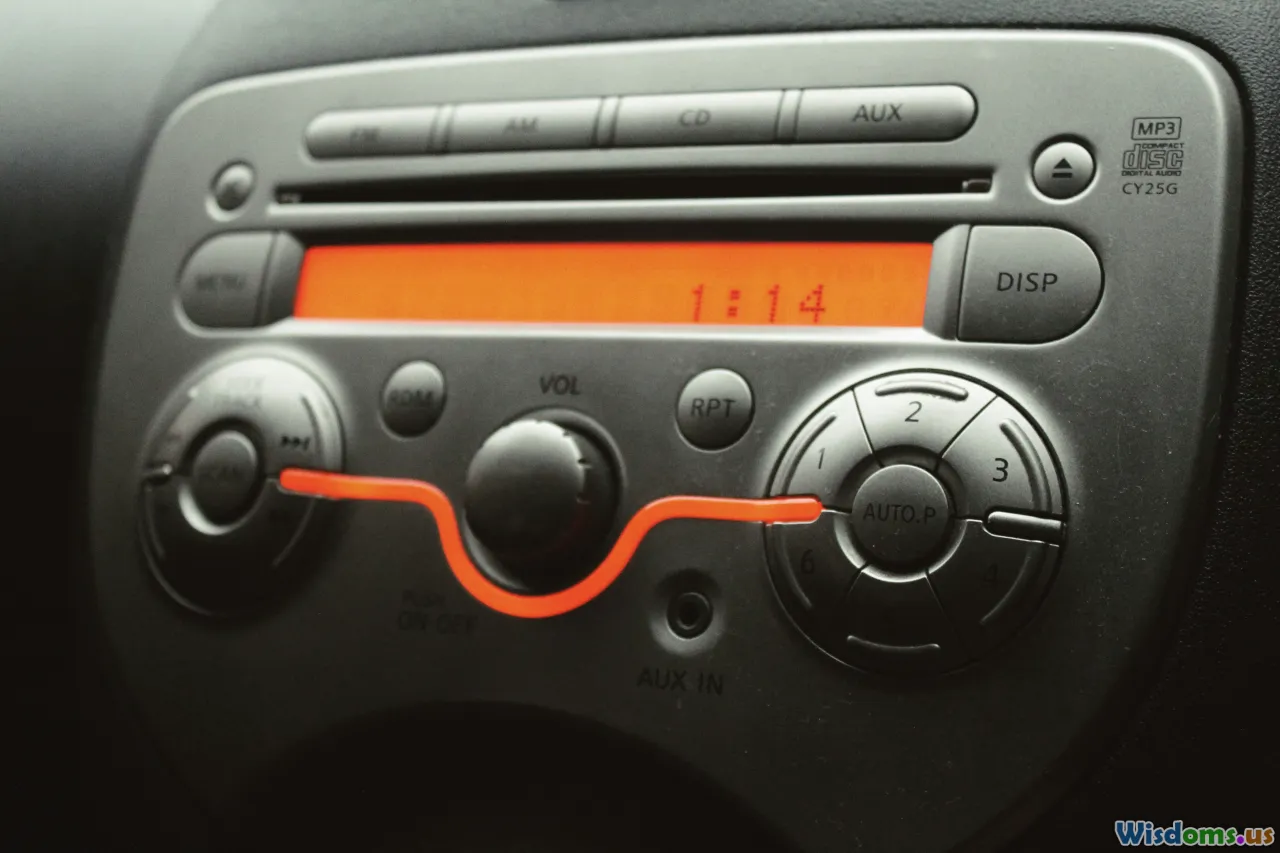
There is a deeper layer to classic influence: human-scale thinking. Thin pillars and big windows made old cars easy to place on the road; today’s safety rules thicken structures, but designers use color, glass curvature, and low dashboards to restore a sense of airiness. Classic switchgear tended to be singular and legible; modern cabins that prioritize a few hard keys for the most-used functions channel that clarity.
Mechanical honesty is another inheritance. Lightweight sports cars of the 1960s felt lively at sane speeds. Mazda’s long-running Miata philosophy—jinba ittai, rider and horse as one—echoes that. Keeping curb weight in check, tuning steering for feel rather than just effort, and visually underscoring wheel placement with gently flared arches all communicate classic virtues without copying shapes.
For performance models, stance and track width remain critical. Classics often looked athletic because the body snugly wrapped the hardware. Modern cars can fake that by exaggerating fender volume and tapering the body-in-white, but the best executions are engineered in, not styled on.
How to Read a Modern Car’s Classic DNA
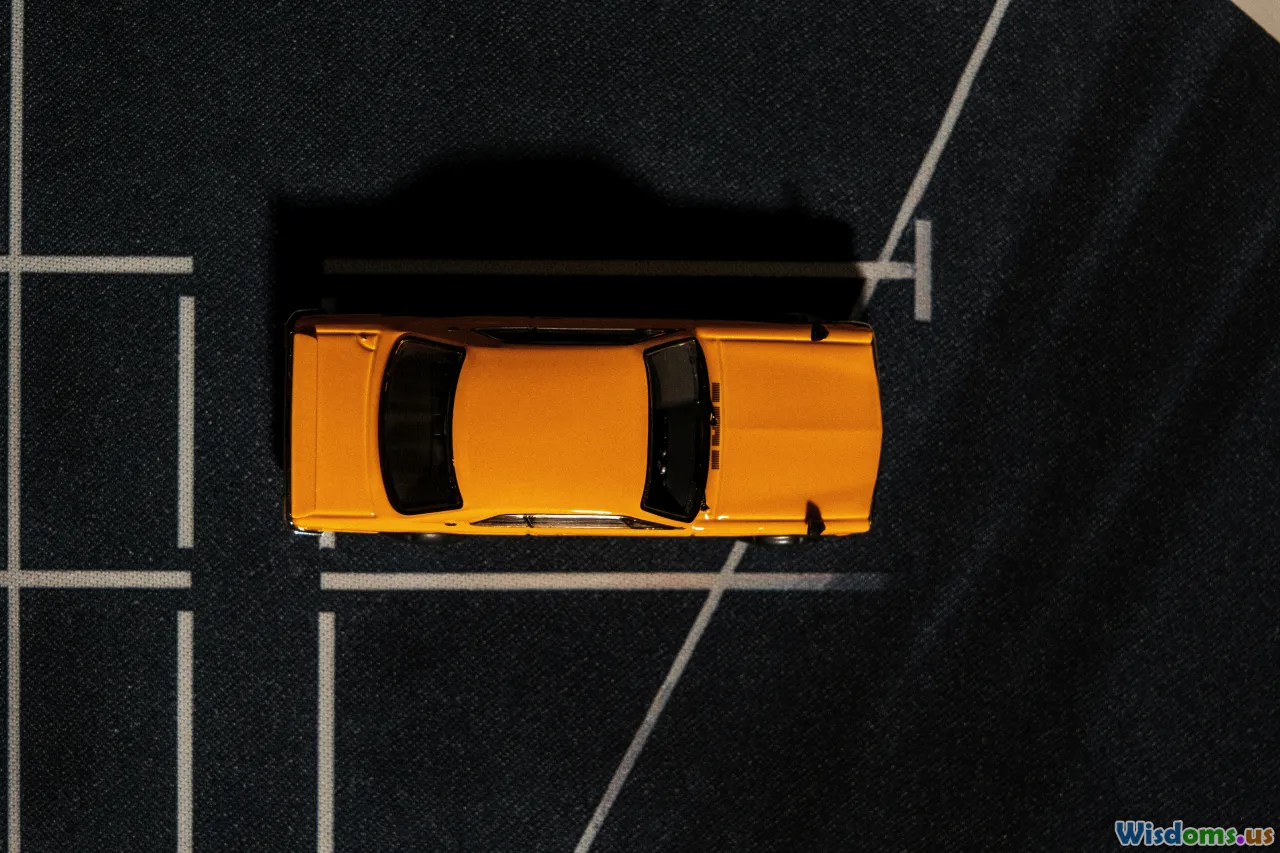
Turn car-spotting into a design exercise. Here is a quick method:
-
Start with silhouette. Is it three-box (sedan), two-box (hatch), or one-box (van-like)? A fastback or notchback? Classic fastbacks like late-60s coupes cast a long shadow in today’s sportbacks.
-
Study the face. Are the headlights round, rectangular, or split-level? Does the grille frame echo a historic shape even if it is mostly closed for aero? Are there heritage glyphs—like tri-bar lamps or a crosshair motif—hidden in the details?
-
Check the beltline and glass. A low, straight beltline and tall greenhouse can signal classic influence; a rising belt with small side glass speaks to modern crash structures and style priorities. Blacked-out pillars often slim things visually, a trick to recall older airy cabins.
-
Look for surface echoes. Coke-bottle hips, ducktail spoilers, and chamfered edges often revisit 1960s–70s metalwork with today’s crisp stamping and laser welding.
-
Inspect interior anchors. One or two tactile references—toggle switches, houndstooth, perforated leather with heritage patterns—are usually more powerful than a dozen literal retro props.
-
Note typography and graphics. Classic typefaces or heritage racing stripes can be updated with contemporary spacing and matte finishes to avoid cosplay.
A Practical Playbook for Designers and Brands

Use heritage as an asset, not a crutch. A concise playbook:
- Build a brand glyph library. Catalog your historic grille shapes, light signatures, wheel patterns, and favorite fabrics. Assign each a purpose and a hierarchy.
- Deploy a 70–20–10 balance. Roughly 70 percent forward-looking forms and tech, 20 percent clear heritage cues, 10 percent delightful surprises. This prevents nostalgia from dominating while ensuring continuity.
- Translate materials, do not transplant them. Instead of chrome, use sustainable metal finishes; instead of endangered hardwoods, use engineered veneers or recycled composites with evocative grain.
- Prototype the proportions early. Clay models and VR reviews should focus first on stance and greenhouse. Details cannot fix a car that sits wrong.
- Test in daylight. Classic cues often live or die in natural light. Ensure creases and highlights read as intended.
- Iterate light behaviors. Treat DRLs and turn animations as part of brand language, not afterthoughts.
- Use packaging to your advantage. EV floors and compact drivetrains free you to revisit airy cabins and simpler dashboards—heritage with purpose.
Market and Regulatory Realities to Respect

Classic looks must harmonize with present-day rules. Pedestrian protection standards tend to require higher, softer front ends; some brands use active hoods that pop up a few centimeters in a collision to create a safer gap, allowing lower apparent hoods in normal driving. Crash performance demands robust pillars and complex load paths; designers counter with clever glass shapes and color splits to preserve visual lightness.
Wheel size inflation is another reality: modern cars often wear 19- to 21-inch wheels for brake clearance and stance, but big wheels can fight classic visual balance and ride comfort. The compromise is tire profiles with a hint more sidewall on heritage-flavored trims, and wheel designs that nod to classic steelies or turbine fins while meeting brake cooling needs.
Lighting and visibility regulations vary by region, so global models need flexible signatures. A brand might offer amber or red turn indicators, different side marker schemes, or varied daytime running strategies while keeping the core graphic consistent.
Racing Stripes and Homologation Spirit

Competition is design’s pressure cooker. Classic motorsport cues—NACA ducts, hood pins, side-exit exhaust graphics—still whisper speed today. But the deeper influence is homologation spirit: road cars designed with racing in mind. Modern examples like the Toyota GR Yaris revive that thinking, prioritizing stance, aero balance, and drivetrain packaging over pure styling. Designers borrow timeless track lessons—clean airflow, cooling efficiency, downforce without drag—and reinterpret them with active elements and underbody work.
Graphics tie it together. Gulf-inspired powder blues, Martini stripes, and heritage roundels appear as special packages, especially on limited-run models. The execution is more refined now: matte finishes, carefully scaled striping, and integrated sponsor-like typography that nods to history without pretending the car just finished Le Mans.
The Emerging Frontier: Software, Sound, and Shape-Shifting Skins
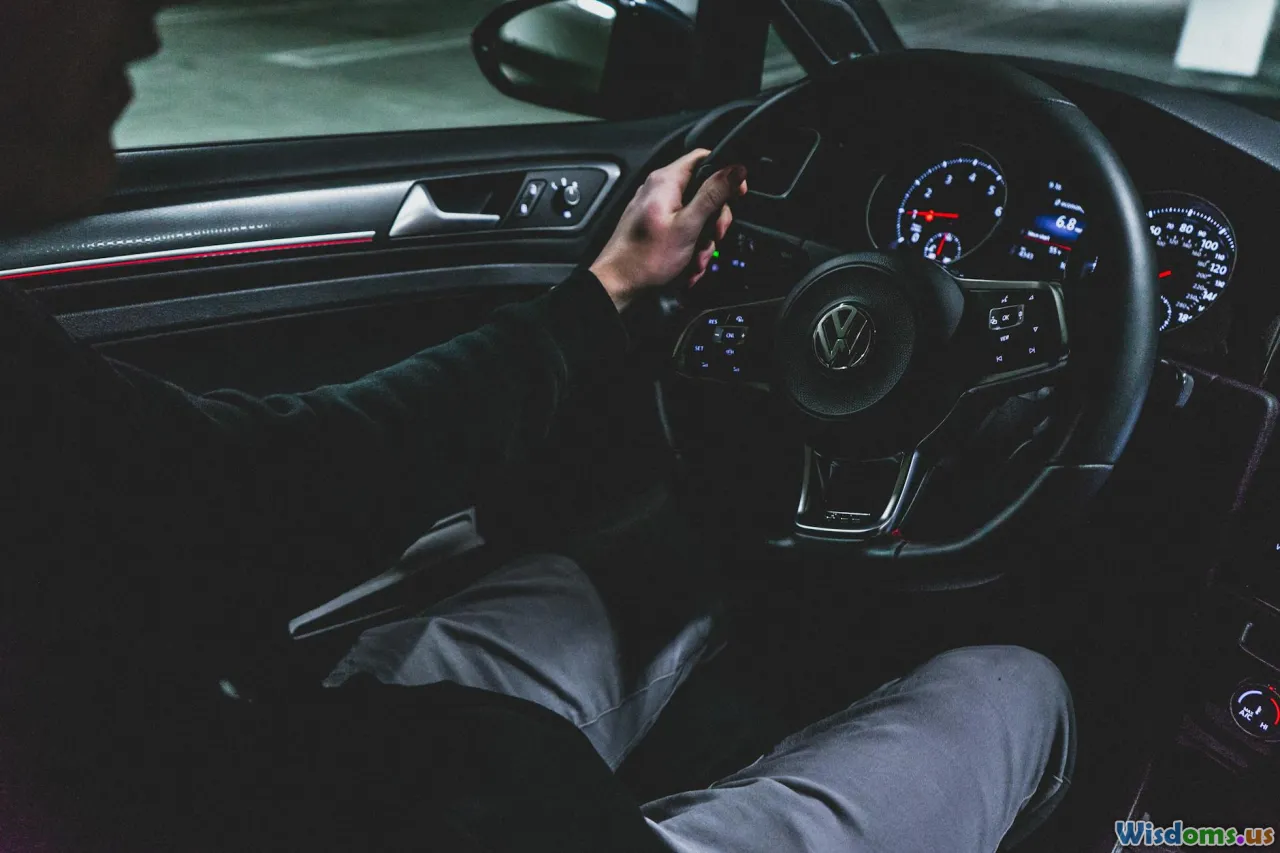
Software-defined vehicles open a new chapter in heritage design. Clusters and ambient lights can adopt heritage themes over the air—think classic gauge faces for a brand anniversary, or seasonal liveries that echo a historic race win. Concept cars have already shown color-changing body skins using e-ink technology; imagine a factory-approved heritage two-tone that appears for a weekend event.
Sound design is part of this. EVs must emit pedestrian alerts at low speed; some brands craft tones that subtly reference mechanical heritage without faking engine noise. Dodge’s work on a muscular, characterful EV sound for its upcoming performance models shows that sonic identity, like a grille, can be classic-informed and forward-credible.
Material science will help too: recycled aluminum with warm anodizing to recall vintage trim, plant-based leathers that accept classic perforation patterns, and 3D-printed parts that recreate iconic textures at low volume for special editions.
Buying or Spec’ing With Heritage in Mind

Want a modern car that feels timeless? A few practical moves:
- Choose a heritage color with medium contrast. Deep greens, rich blues, warm silvers, or tasteful pastels age better than trend blacks or hyper-saturated neon.
- Pick wheels that nod to classic designs—simple multi-spokes, dish-like aero caps—rather than overly complex, thin-spoke patterns.
- Opt for one or two interior callbacks: houndstooth or plaid inserts, contrast piping, or a heritage steering wheel stitch. Avoid over-layering.
- Seek tactile controls for daily functions. If two trims are equal, choose the one with a volume knob and dedicated climate toggles.
- Confirm the light signature. Nighttime identity is half the charm; make sure the lamp behavior matches the classic vibe you want.
Why It Matters: Memory, Meaning, and Differentiation

Cars are durable goods with unusually rich emotional lives. A design that acknowledges and advances its past builds trust. Owners are more likely to form long relationships with models whose faces, colors, and cabins feel grounded in a narrative bigger than quarterly trends. At the brand level, heritage-savvy design prevents the erosion of identity in a world where regulatory, aerodynamic, and packaging constraints nudge everything toward similar solutions.
The sweet spot is not cosplay. It is respectful reinvention: proportions that read right at a glance, signatures that whisper the brand’s name at night, materials and touchpoints that delight fingers and eyes the way an old toggle switch once did. As powertrains go electric and cars become software-rich, the lasting competitive advantage may be the simplest one: looking and feeling like yourself over time.
On any given street today, you can find a 700-horsepower coupe that traces its roofline to the late 1960s, a city EV whose friendly face recalls your grandparents’ hatchback, and an SUV that wears a modern take on an old field truck’s window cutouts. The past is not behind us; it is in the metal, glass, light, and sound of what we drive now—and in the most compelling trends shaping what we will drive next.
Design Trends Electric Vehicles Automobiles Automotive Design Sustainable Materials Brand Identity Classic Cars Aerodynamics Concept Cars Industrial Design Retro-Futurism Heritage Cues Restomod Lighting Signatures User Experience (UX) Fastback Silhouette Grille Design Porsche 911 Ford Mustang MINI Cooper
Rate the Post
User Reviews


Popular Posts