Secrets to Finding Original Parts for Vintage Volkswagens
31 min read Actionable strategies to identify, verify, and source authentic OEM and NOS parts for classic Volkswagens—Beetle, Bus, Ghia—using part numbers, provenance, trusted suppliers, and community networks. (0 Reviews)
A rare blue-and-white box on a dusty shelf. A faint “Hella” logo just visible on a lens under 60 years of garage grime. The thrill of turning a brittle microfiche page and reading the exact number your project needs. If you’re restoring a vintage Volkswagen, you already know: the right original part can make the car drive better, last longer, and tell a truer story. But knowing where to find that part—and how to be sure it’s the real thing—takes strategy.
Below is a field-tested guide filled with insider tactics, sourcing channels, authenticity checks, and step-by-step methods to help you locate genuine components for Beetles, Buses, Karmann Ghias, Type 3s, and more.
Decoding What “Original” Really Means

Words like “original,” “OEM,” and “NOS” get tossed around, but they’re not interchangeable. Knowing the difference saves money and heartache.
- NOS (New Old Stock): Parts produced back in the period—often decades ago—by Volkswagen or the original supplier, never used. They may be in period packaging and usually display era-correct logos, stamps, and finishes. NOS isn’t always perfect; rubber can harden and condensers can age on the shelf, so usage depends on the part type.
- OEM (Original Equipment Manufacturer): Parts made by the same company that supplied Volkswagen originally (e.g., Hella, Bosch, ATE, SWF, VDO, Knecht/Mahle, Beru, FAG, SKF). OEM parts might be produced later than the car’s build date yet still be to original drawings/specs.
- OE (Genuine Volkswagen): Parts sold under the Volkswagen brand. These can be period-correct NOS or later service parts; later VW service parts often carry updated branding like “VW/Audi” or “VAG.”
- High-quality reproduction: Not original, but sometimes the most practical choice—especially for safety items. Some reproductions outperform degraded NOS rubber or old electrics.
Country-of-origin stamps can help date a component. “Made in West Germany” generally indicates pre-1990 manufacture; “Germany” could be before or after reunification. Period-correct supplier logos and crisp casting or lens details (no mold flash, clean edges, uniform color) are good signs of authenticity.
Tip: Treat each part category differently. Aesthetic trim pieces, glass, and light lenses are good NOS targets. Rubber items, fuel hoses, and friction materials are often better bought new from trusted OEMs.
Learn the Part Numbers and Where to Find Them

Volkswagen part numbers are your universal language when dealing with sellers in different countries or across time zones. Understanding the system increases your hit rate.
- The classic VW numbering format is often a three-three-three pattern, sometimes with separators (e.g., 111 000 000). The first group can point to the model family:
- 111/113: Type 1 (Beetle) derived
- 141: Karmann Ghia
- 211/231: Type 2 (Bus)
- 311/361: Type 3
- 181: “Thing”/Type 181
- N-numbers: standard hardware and small fittings
- Suffix letters indicate revisions; an “A” or “B” may represent a superseded or updated design. Sellers may list both old and superseded numbers; cross-reference them.
- On the part itself, look for stamped, cast, etched, or inked numbers. Electrical items (relays, switches), lenses (inside faces), and metal casings (generators, fuel pumps) often carry identifying marks.
Where to get references:
- Factory parts books and microfiche: Originals, photocopies, or digitized versions circulate in club circles. They show exploded diagrams and supersessions.
- Progressive refinements guides and workshop manuals: They note production changes by chassis number or build date, which helps pinpoint the exact version you need.
- Forums and community-maintained databases: Often compile cross-references for part numbers across years and models.
Insider move: Build a spreadsheet with columns for “original number,” “superseded number,” “supplier brand,” “date code,” and “notes.” This single document pays dividends when comparing multiple listings.
Where to Hunt: Events Worth Traveling For

You can find rare parts anywhere, but certain events consistently deliver.
- Hessisch Oldendorf Vintage VW Meet (Germany): A magnet for pre-’67 enthusiasts and a dense concentration of rare European-market parts. It occurs periodically and attracts serious sellers.
- OCTO Swap Meets (California, USA): Focused on Buses, especially split-windows and early bay windows, with aisles of body panels, hardware, and lights.
- Pomona Swap Meet (SoCal, USA): General classic-car swap, but VW vendors show up with surprises—especially early on Sunday mornings.
- VolksWorld Show (UK): Big vendor presence and a good mix of NOS and high-quality reproductions.
- Techno-Classica Essen (Germany) and European Bug-In (Belgium): Both draw continental vendors with period stock.
Field strategy:
- Arrive early with cash, small bills, and a rolling cart. Desirable NOS sells within the first hour.
- Carry photos, part numbers, calipers, a small flashlight, and a magnifying loupe for reading faint stampings.
- If a vendor has one correct item you need, ask if there’s “more of that box in the van.” Many sellers carry overflow not displayed on the table.
Online Marketplaces and How to Use Them Wisely

Your daily search routine should be disciplined and automated.
- TheSamba.com Classifieds: The epicenter for air-cooled VW listings worldwide. Use saved searches by keyword and part number; set alerts.
- eBay and national eBay variants: Search by number and brand (e.g., “Hella + number”), and use filters for “Used” and “New Other (see details)” to catch NOS.
- Facebook Marketplace and model-specific groups: Great for local pickups and bulk stashes. Exercise caution—ask for close-ups of logos and numbers.
- Regional auction sites: Some countries have their own platforms—search in local languages for better results.
Power-user tips:
- Use boolean queries: “Hella (VW OR Volkswagen) (Beetle OR Käfer) -repro -reproduction” and try synonyms in German, Dutch, Portuguese, and Spanish.
- Search misspellings: “Hellla,” “Bosche,” “Sekuritt”—typos often hide bargains.
- Check seller feedback and selling history; consistent sales of period parts is a good sign.
- Insist on detailed photos: packaging, part numbers, logos, all angles of wear, and any cracks or corrosion.
- Pay with protection (e.g., a service that offers buyer coverage). Be wary of “friends and family” requests with unknown sellers.
Building a Supplier Shortlist

Keep a curated list of reliable vendors and what they’re good for. Examples include:
- Volkswagen Classic Parts (Germany): Official channel for factory NOS and later genuine service parts. Pricey at times, but authenticity is strong.
- BBT (Belgium): Well-known European supplier with both reproductions and occasional NOS finds.
- ISP West (USA): Particularly strong for Type 3 and Ghia items; also stocks OEM-style pieces.
- Wolfsburg West (USA): Broad catalog with high-quality reproductions and, at times, original supplier parts.
- West Coast Metric (USA): Excellent for rubber; their reproduction weatherstrips are respected.
- Heritage Parts Centre and Just Kampers (UK): Deep inventories and a blend of OEM, reproduction, and sometimes NOS.
- Paruzzi (Netherlands), Werk34 (Germany), CSP (Germany): Reputable sources for both performance and restoration items.
Call or email and ask pointed questions:
- “Is this OEM-supplier branded? Which brand?”
- “Any date codes visible?”
- “Can you send photos of the back side and the packaging label?”
Tapping Clubs, Forums, and Old-Dealer Networks
The rarest finds often pass quietly from one enthusiast to another.
- Join local VW clubs and attend monthly meets. Bring a short wishlist on a single page with photos and numbers. People remember concise asks.
- Post a “Wanted” ad with numbers and clear references on TheSamba. Include what you’re willing to pay and your location to reduce back-and-forth.
- Find retired dealership parts managers and mechanics. Many kept microfiche drawers, old stock, or contact lists. Search for former dealership names in your region, then call neighboring businesses to ask if anyone knows where their parts inventory went.
Sample outreach note: “Hello [Name], I’m restoring a [year/model] Volkswagen and researching original parts. I understand you might have worked with older VW inventory. If you have any remaining stock, catalogs, or know who bought the old parts, I’d love to chat. I can stop by at your convenience, and I’m serious about buying. Thank you.”
Salvage Yards and Field Finds: A Systematic Approach
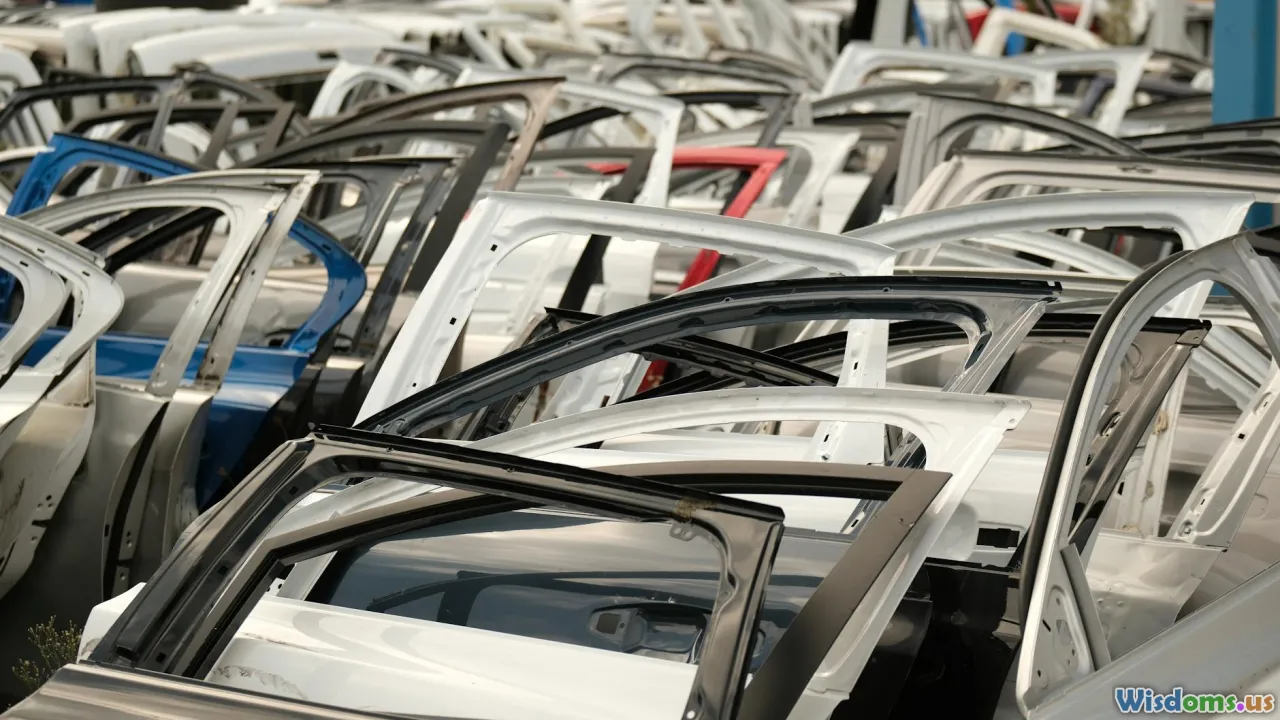
A decaying donor car may hide beautifully preserved pieces—especially metal fittings and glass.
Prep checklist:
- Tools: metric wrenches/sockets, screwdrivers, trim tools, penetrating oil, small hammer, Torx/Allen sets, wire brush, calipers, magnet, zip bags, marker.
- Reference: printed parts diagrams and photos of how things look installed.
- Safety: gloves, eye protection, portable LED light, knee pads.
Removal tactics:
- Photograph assemblies before you touch them. Bag hardware by subassembly and label with marker.
- For lenses and trim, soak fasteners in penetrant first. Overtightening on reassembly breaks old plastic; take your time on removal.
- Electrical items: bring a multimeter to do quick continuity checks. Coils and regulators can be bench-tested later.
Regional differences matter: Dry-climate cars (southwestern USA, inland Australia, parts of Spain) often have solid frames and interior metals; however, sun rots dashboards and rubber. Northern climates preserve interiors but rust floors and lower body seams.
Year-critical cautions:
- Charging systems changed from 6V to 12V in many markets as the 1960s progressed; mismatches affect starters, flywheels, bulbs, and wiring connectors.
- Buses up to the early 1970s used upright Type 1-based engines; later buses adopted Type 4 engines—know which you’re pulling.
Authenticity Checks: Logos, Date Codes, and Packaging

Trust, but verify—with a magnifier if needed.
- Lens and lighting: Hella, Bosch, and SWF logos are typically crisp and correctly placed; lettering is sharp without “mushy” edges. Many period lenses display small date or mold codes. Compare the inside surface texture with known originals—reproductions often differ in prism pattern.
- Electricals: Vintage Bosch coils, distributors, and regulators show consistent fonts and high-quality plating. Date codes commonly use week/year or month/year formats. Solder joints should look factory; random excess solder is a red flag.
- Brakes and suspension: ATE on master cylinders and wheel cylinders; FAG or SKF on bearings; Lemförder or TRW on certain ball joints and tie rods. Look for uniform casting surfaces and clean machined edges.
- Gauges: VDO faces use period-correct typography. Dial color and needle shape should match the build period. Flaking paint or sun-faded needles are common but not deal breakers if internals are good.
- Glass: “Sekurit” markings with dot or letter codes help date windows. Inspect edges for chips and look for the correct tint signature.
- Packaging: Period VW boxes might show “VW Audi” or “VAG” branding for later service parts, while earlier pieces feature the classic VW roundel. Watch for modern boxes masquerading as old—fonts and printing quality can give this away.
Counterfeits and misrepresented parts do exist. When in doubt, request more photos and consult a trusted forum thread or club expert before sending money.
Cross-Model Interchange: Squeezing More Options From Fewer Parts
Interchange knowledge multiplies your options. A few avenues to explore:
- Beetle and Karmann Ghia: The Ghia is built on a Beetle platform, so many mechanicals—brakes, suspension components, and drivetrain parts of the same era—interchange. Body trim, glass shapes, and interior panels do not.
- Type 2 (Bus) engines: Many 1968–1971 buses use upright Type 1-based engines. That means distributors, carburetor parts, and some internal components can be shared with Beetles of the time, though bus-specific tin and mounts differ.
- Type 3: While the cooling and tins are unique, electricals (relays, switches), bearings, and some brake hydraulics may cross over with other types depending on the year.
- Standard hardware: N-numbered fasteners and clips often apply across multiple models. A box of originals from a donor can save you weeks later.
How to validate interchange:
- Use factory parts books to match the first three digits and see if later revisions consolidated across models.
- Check supplier catalogs (e.g., SKF, FAG, ATE) by dimensions rather than just application.
- Compare mounting dimensions and connector styles (spade sizes, pin patterns) for electrical parts.
Negotiation and Buying Tactics That Work

Rare parts are about trust as much as money.
- Bundle logically: “I’ll take these three Hella lenses and the SWF arms if we can do X for the lot.” Sellers appreciate moving multiple items.
- Offer respectfully: Avoid lowballing. Show your homework—mention the exact part number and why it fits your year. Serious buyers get better treatment.
- Inspect like a pro: Use a flashlight at an angle to reveal cracks in amber/red lenses. For metal, look for pitting around threads. Spin bearings gently; gritty feel is a no-go.
- Ask about return terms upfront: Even a short inspection period helps when you get home and compare date codes.
- Document the deal: Photograph the part on the seller’s table or in the box before leaving. It’s invaluable for claims if shipping is involved later.
Shipping, Importing, and Paperwork

Shipping is where rare parts often get ruined. Pack and document meticulously.
- Packing lenses and trim: Wrap each piece in acid-free paper, then bubble wrap. Use cardboard “sandwiches” to prevent flexing. Double-box with at least two inches of padding.
- Heavy items: Bolt brackets to wood boards within the box to stop movement. Reinforce corners and use filament tape.
- Moisture control: Add desiccant packs for metal parts. VCI (vapor corrosion inhibitor) bags are great for long transits.
- Carrier selection: For oversized bumpers or fenders, dimensional weight can exceed actual weight; get quotes in advance. Crating may be cheaper than repeated claims.
- Customs: Most vintage automotive components fall under HS code 8708 (Motor vehicle parts and accessories). Declare honestly—undervaluation risks seizure and voids insurance.
- Hazmat considerations: Aerosols and certain fluids can’t ship by air. Many vintage parts are fine, but ask carriers about restrictions.
Preservation: How to Store and Revive Old Stock Without Ruining It

NOS isn’t automatically usable out of the box. Treat it right.
- Climate: Target 15–21°C (59–70°F) and 40–50% relative humidity. Avoid direct sunlight and ozone sources (motors, old fluorescent ballasts) that degrade rubber.
- Rubber care: Dust soft seals lightly with unscented talc, and store in sealed bins. Test pliability before installation; consider using new OEM rubber for safety-critical seals and keeping NOS as display/reference.
- Plastics and bakelite: Clean with mild soap and distilled water. Avoid harsh solvents that craze old plastics.
- Metal parts: Wipe with a light oil or corrosion inhibitor. Keep in VCI bags. For light surface rust, use gentle mechanical cleaning (nylon brush) or electrolytic derusting on non-delicate items.
- Electricals: Bench-test relays, switches, and regulators. Condensers and old capacitors can fail after decades; verify with a meter or substitute modern equivalents where invisible.
- Inventory: Label bins with part number, supplier, and date. Photograph and keep a digital index—future you will be grateful.
Safety vs Authenticity: Where to Splurge on New
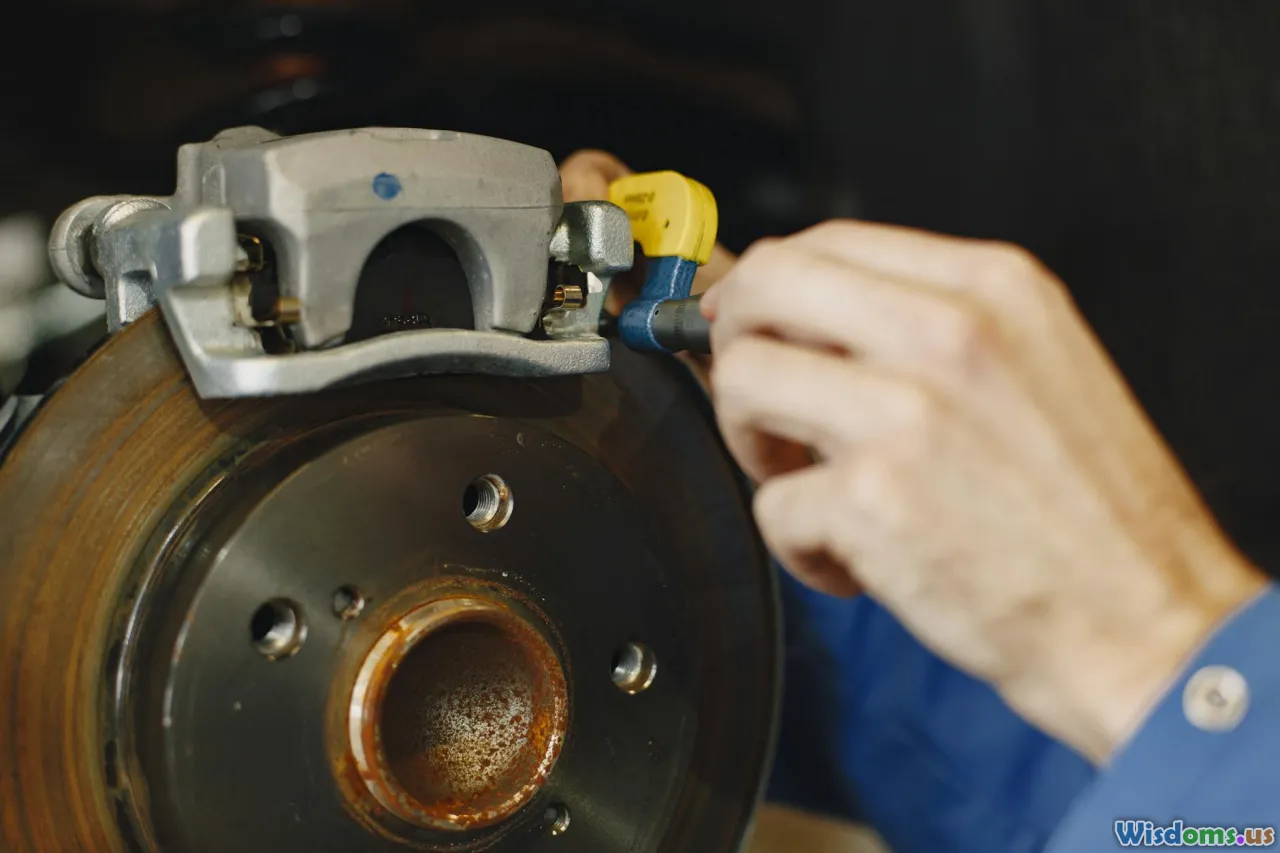
Some components should almost always be fresh for safety, even if NOS exists.
- Brake hoses, rubber cups, and flex lines: Age hardens rubber; choose new from trusted brands. Look for current production ATE or equivalent.
- Fuel hose: Modern fuels with ethanol demand modern hose. Use ethanol-resistant hose meeting DIN 73379-3E or SAE J30 R9. Replace clamps with proper fuel-injection style where appropriate.
- Tires and seatbelts: Don’t run on old stock. Use new tires with a recent DOT date code and modern seatbelts or webbing.
- Steering components: Fresh ball joints and tie-rod ends from quality suppliers enhance safety and driving feel.
You can still keep period looks—retain original housings, hardware head markings, and finishes while using fresh internals when possible.
Case Studies: Three Real-World Searches

- Early-1960s Beetle “snowflake”-style taillight lens (Hella)
- Objective: Find an original Hella lens with period-correct mark and crisp optics.
- Method:
- Studied photos on forum threads to learn variations in text, logo placement, and inside prism pattern.
- Set saved searches for “Hella snowflake lens,” included German/Spanish terms, and part-number patterns where known.
- Contacted two swap-meet vendors in advance with a one-page PDF showing the exact pattern I needed.
- Outcome: Located a matched pair at a show table by comparing the inner prism face and Hella logo position. Negotiated a bundle price by adding stainless trim rings. Small hairline noted in one lens, but on a non-critical edge—accepted given rarity.
- Late-1960s Karmann Ghia quarter windows with Sekurit markings
- Objective: Correct date-coded glass to match a specific build window.
- Method:
- Verified the approximate build month via chassis records and “progressive refinements” literature.
- Learned Sekurit date codes using dot/letter guides from community posts.
- Posted a “Wanted” ad with photos of the existing driver-side glass and requested a passenger-side match within a two-quarter span.
- Outcome: A club member had a pair removed from a parts car. Photos confirmed matching logos and an acceptable date range. Packaged with foam edge guards and shipped double-boxed. Minor polishing brought the glass back to clarity.
- 1970 Bus ignition switch with correct connector style
- Objective: Replace a worn switch without hacking the harness.
- Method:
- Cross-referenced part numbers and connector pinouts in the parts book and wiring diagram.
- Searched by OEM supplier and connector photo, not just the VW number—since supersessions can change numbers while the connector remains the tell.
- Asked sellers for macro shots of the rear plug and any date or supplier marks.
- Outcome: Found an OEM-style switch from a reputable vendor. Verified against dash fitment measurements and the existing plug face. Installed cleanly with no harness modifications.
A Worksheet You Can Reuse for Every Part

Use this template to speed every search and avoid repeats:
- Vehicle and year range: [Model, year(s), market]
- Function: [e.g., rear lens, master cylinder, wiper switch]
- Must-be-original vs can-be-repro: [Define up front]
- Primary part number(s): [Original + superseded]
- OEM suppliers: [Hella, Bosch, ATE, SWF, VDO, etc.]
- Visual identifiers: [Logo placement, texture, connector style]
- Date code target: [Month/Year or range]
- Interchange notes: [Fits Type 1/2/3? Year breaks?]
- Condition tolerance: [NOS only, light patina OK, refurbish possible]
- Market price range: [Low/typical/high—based on recent sales]
- Sellers to contact: [Clubs, vendors, old-dealer leads, online IDs]
- Questions to ask: [Photos of markings, measurements, packaging]
- Inspection plan: [Tools to bring, tests to perform]
- Shipping/packing requirements: [Double-box, desiccant, insurance]
- Storage plan if NOS: [Temperature, humidity, VCI, test schedule]
Print this for swap meets; keep a digital copy on your phone with photos.
Troubleshooting: When the Part You Bought Isn’t Quite Right
- Misfit on arrival: Compare every dimension to your notes. If off by a small revision (e.g., suffix letter), check whether a spacer or adapter ring was used historically.
- Suspect authenticity: Post clear, close-up photos on a knowledgeable forum. Don’t accuse; ask for help identifying variations. Many suppliers changed logos or finishes over time.
- Damage in shipping: File claims immediately with photos of packaging and the unpacking sequence. Good sellers will often assist if you documented everything upfront.
- Unusable NOS rubber or electrics: Save the part as a reference piece. Photograph and archive stamps and date codes. Replace with new OEM where safety is at stake.
Mind the Details: Finishes, Fasteners, and Hardware
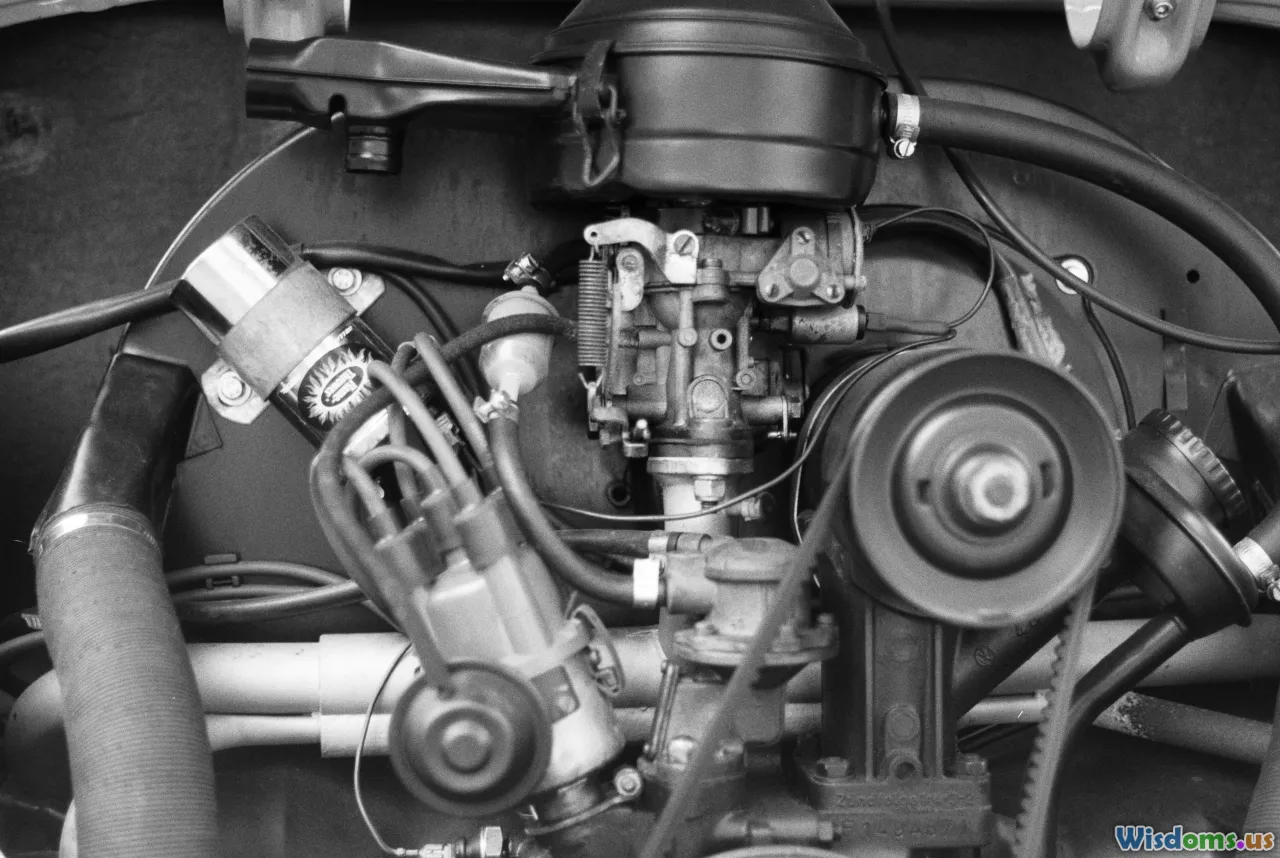
Original look depends on the small stuff.
- Fastener headmarks: Vintage German bolts show period head markings. Save original fasteners whenever safe to do so; replate in the correct finish (zinc, cad-like zinc, or black oxide) as appropriate.
- Cad vs zinc: Many classic VW parts carried zinc plating; consult period references and high-resolution survivor car photos for sheen and color tone.
- Washers and clips: N-number hardware is often shared across models. Keep a labeled organizer of salvaged originals; they’re harder to replace accurately than you think.
Bringing It All Together
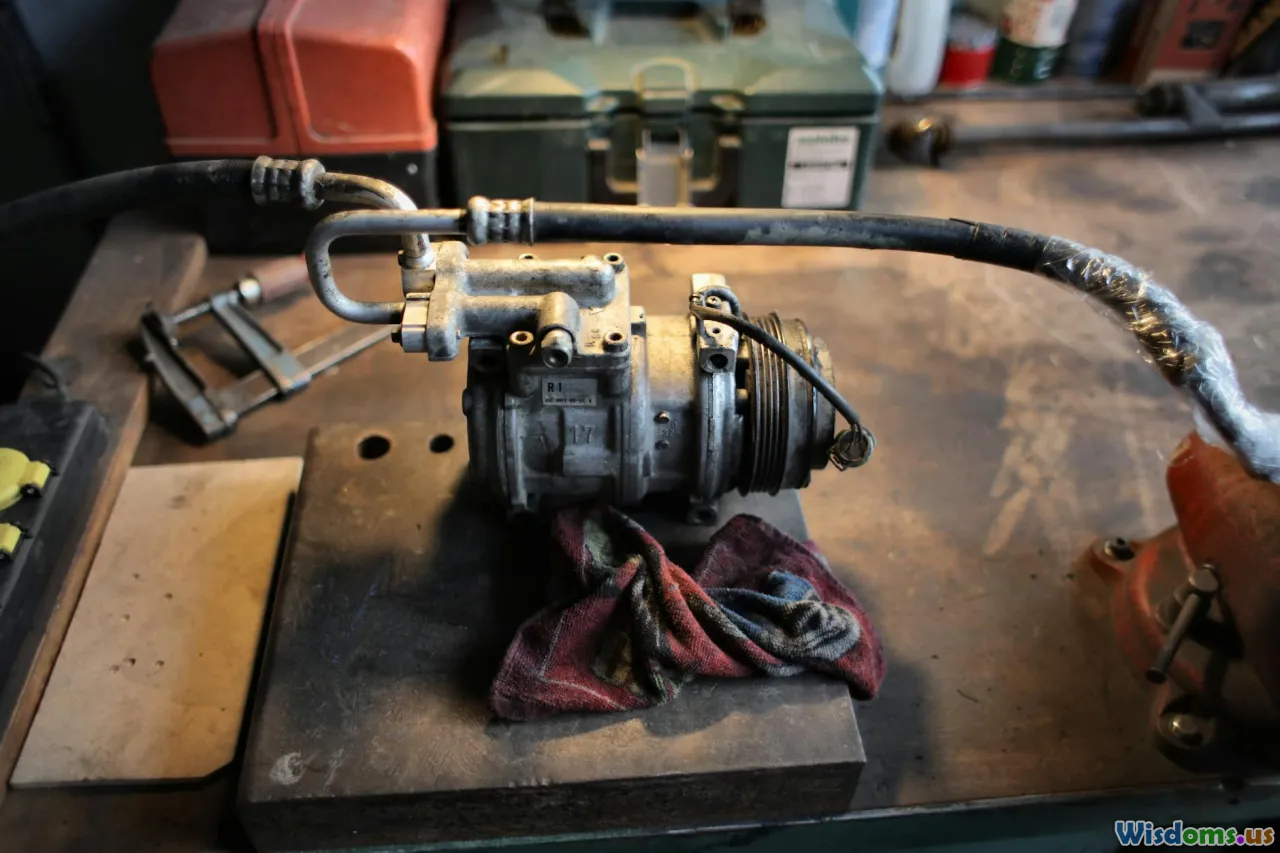
The secret to finding original parts for vintage Volkswagens isn’t a single source; it’s a system. Learn the numbers and logos so you can spot the real thing across a swap table or in a grainy listing. Cast a wide net through events, forums, and old-dealer networks. Be firm on what must be authentic, pragmatic on what should be new for safety, and relentless about documentation—from part numbers to packing instructions.
With the right habits, you’ll turn chance finds into predictable wins. And when that perfectly stamped Hella lens or impeccably dated VDO gauge finally snaps into place, the car will reward you with a look and feel that only true originals can deliver.
Rate the Post
User Reviews



Popular Posts