
How Community Programs Lower Recidivism in Small Towns
13 min read Explore how small-town community programs effectively reduce recidivism by supporting reintegration and providing vital resources to former offenders. (0 Reviews)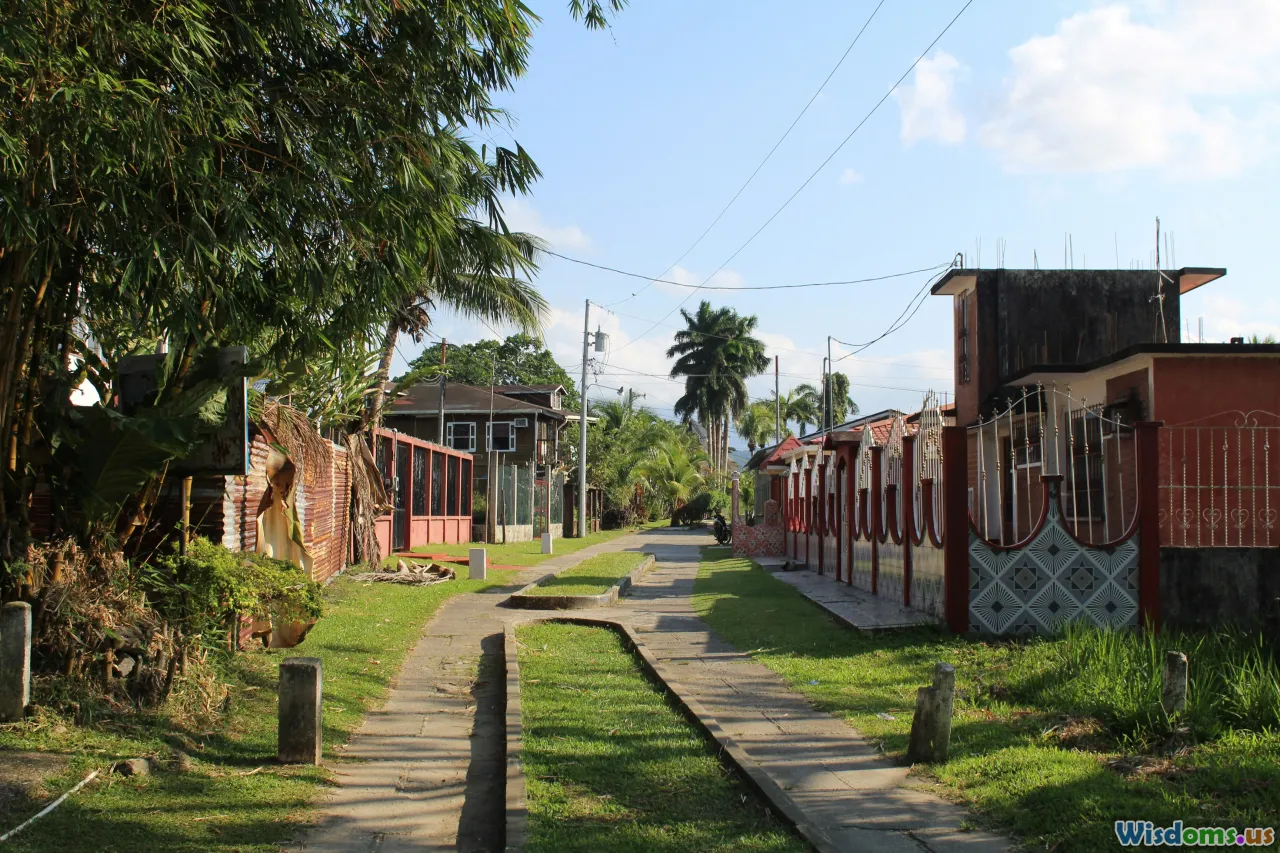
How Community Programs Lower Recidivism in Small Towns
Across the United States, small towns grapple with the complex issue of recidivism—the tendency for formerly incarcerated individuals to re-offend and return to prison. Often overshadowed by urban concerns, rural and small-town communities face unique challenges and opportunities when it comes to reintegrating justice-involved citizens. While public debate frequently centers on policing and incarceration, an unsung force has begun to quietly transform outcomes: local community programs.
Why Small Towns Face Unique Recidivism Challenges

Many small towns enjoy tight-knit social networks and a slow pace of life. However, these environments can become double-edged swords for formerly incarcerated individuals. On the one hand, social visibility makes it harder to escape old reputations. On the other, limited job opportunities, access to addiction counseling, and public transportation can exacerbate barriers to successful reentry.
Let’s consider rural Hart County, Kentucky, where a 2021 state report found recidivism rates nearly 10% higher than urban counterparts. Residents cited limited access to substance abuse treatment and a lack of formal reentry programs. This environment underscores the necessity—and potential—of local solutions tailored to small-town realities.
The Role of Community Programs in Breaking the Cycle
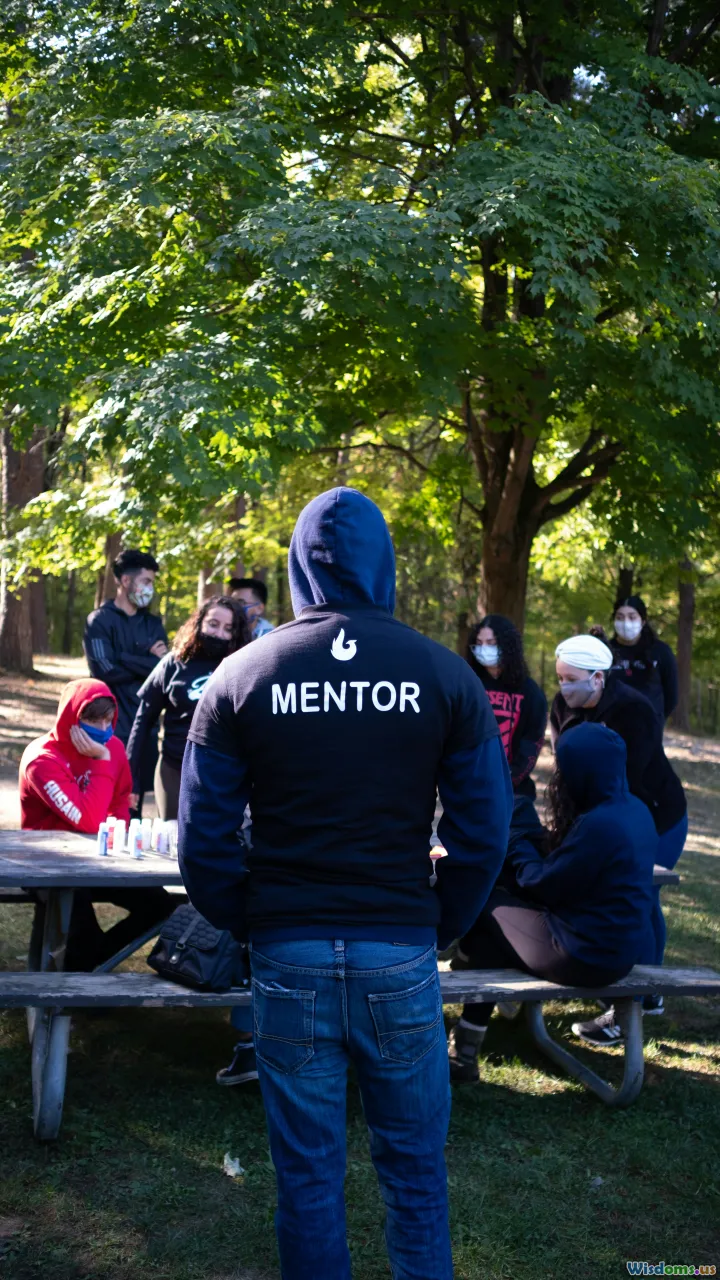
Where state infrastructure falls short, grassroots initiatives often step in. Community programs ranging from mentorship groups to vocational workshops play a pivotal role in changing the trajectories of returning citizens. By fostering a sense of belonging, supplying practical tools, and providing accountability, these efforts attack the roots of recidivism.
For example:
-
Mentorship Initiatives: The "Main Street Second Chance Program" in Nebraska pairs trained community volunteers with returning citizens. Mentors provide moral support, assist with job searches, and help navigate local resources. Data from their 2022 report showed a 25% lower re-arrest rate for program participants compared to those without mentorship.
-
Restorative Justice Circles: Walworth, Wisconsin’s restorative circles bring together formerly incarcerated people, victims, and community members to resolve conflicts, repair harm, and build trust. Participants overwhelmingly reported improved self-esteem and reduced feelings of exclusion.
-
Job Training Workshops: In Upstate New York, the "Rural Renewal" program links ex-offenders with local manufacturing internships. Employers receive tax incentives, while participants access real-world technical training. A 2020 pilot cohort saw only 9% of trainees re-offend within two years, compared to the state’s rural average of 19%.
Building Local Networks: Collaboration Over Isolation

Community programs grow in effectiveness when they harness the power of local partnerships. Small towns, with their close interpersonal relationships, can more readily unite religious institutions, small businesses, law enforcement, and civic clubs around the goal of lowering recidivism.
Take the case of Junction City, Kansas. After a spike in re-offenses during the early 2010s, local leaders established the "Safety Net Collective," urging all sectors to pool resources and data. Key successes have included:
- Subsidized transportation from churches for job seekers
- Monthly reentry fairs co-hosted by civic groups
- Joint training seminars between police, probation officers, and program facilitators
Proactive network-building in Junction City nearly halved recidivism within five years. The lesson: interlocking support systems make relapse into crime less appealing and much less necessary.
Tackling Substance Abuse: Recovery Programs that Work

Substance abuse is one of the strongest predictors of recidivism nationwide, but rural Americans face disproportionate obstacles: fewer treatment beds, longer waitlists, and heavy travel times. Small-town programs adaptable to these constraints have emerged as lifelines.
Case Study: Freedom House, Elko, Nevada
A non-profit recovery center, Freedom House works closely with the local probation office to offer free group therapy, 12-step meetings, and relapse prevention counseling twice weekly. Transportation services, discounted by a local taxi company, guarantee that participants can reliably attend sessions.
Research conducted in 2023 at Freedom House found that 71% of completers remained arrest-free three years post-release—a remarkable feat in a county ranking among Nevada’s highest for opioid misuse.
Best Practices for Small Communities:
- Integrate substance abuse counseling into local health clinics
- Recruit recovering counselors from within the community
- Collaborate with faith-based groups to expand meeting access
Employment First: The Keystone to Lasting Change

Stable employment is consistently correlated with lower rates of re-offending. Yet, small-town job markets can be less forgiving to ex-offenders. Community programs smooth the pathway to work by mediating between applicants and employers, reducing stigma, and offering tailored skills training.
Example: Reentry Marketplace, Red Bluff, California
This locally-run job board screens companies willing to hire returning citizens and provides transparency about job expectations, pay, and legal requirements. Additionally, monthly resume clinics and interview workshops are hosted at the public library—an accessible location for most residents.
Three years after its launch, Red Bluff’s unemployment rate among formerly incarcerated people dropped from 46% to 23%, and self-reported recidivism declined by 37%.
Actionable Steps for Community-Based Employment Initiatives:
- Host employer education sessions about "Ban the Box" hiring ordinances
- Create micro-enterprise incubators targeting ex-offender entrepreneurship (e.g., lawncare, food service, crafts)
- Encourage local unions or businesses to provide apprenticeships
Emotional Well-Being and Social Reintegration

Securing housing and work are essential, but emotional and social support help individuals build new identities apart from their criminal past. Community-based programs are uniquely positioned to deliver:
- Peer Support Groups: These weekly gatherings, led by former offenders, create safe spaces for venting frustrations and celebrating milestones. In places like Mason County, Michigan, peer networks report lower anxiety and depression symptoms among members.
- Family Reunification Services: Free workshops at local community centers teach positive parenting, conflict resolution, and negotiation with child welfare systems. This has been shown to increase child visitation and reunification rates, as in rural Arkansas programs partnered with Head Start.
- Arts and Recreation Initiatives: The "Voices Unlocked" storytelling collective in Iowa invites returning citizens to write and perform their stories, building confidence and reducing isolation.
The Importance of Flexible Program Design

A key reason small-town community programs succeed is adaptability. Unlike crowded urban service systems, these efforts can:
- Adjust meeting times to suit farm or shift work
- Offer food and childcare to reduce participation barriers
- Personalize attention for each participant—reducing feelings of being a "case number."
- Mobilize around specific needs arising from unexpected events (e.g., local plant closures)
This nimble approach led the "Open Pathways" program in Vermont’s Northeast Kingdom to proactively deliver food parcels and phone-based counseling during winter storms, preventing isolation-driven relapses among housebound clients.
Measuring Success: Data and Long-Term Impact

Small-town programs may serve fewer people than their urban counterparts, but that doesn’t mean their effects are small. Careful data collection—from court records, self-reported surveys, and local law enforcement—provides hard evidence of success.
Concrete Data Points:
- In rural Oklahoma, the community reentry project tracked participants for five years, finding a recidivism decrease from 42% down to 19%.
- The "Down East Project" in Maine leveraged county jail education partnerships to realize a 65% reduction in parole violations compared to control groups.
Why Transparency Matters:
- Detailed reporting earns ongoing funding and local government buy-in.
- Sharing successes galvanizes public support, attracting volunteers and donations.
- Data illuminates gaps, encouraging program refinement.
Overcoming Obstacles and Sustaining Progress

The fight to reduce recidivism in small towns is not without obstacles. Community programs routinely run up against tight budgets, volunteer burnout, and, occasionally, local skepticism. But case histories reveal strategies for long-term endurance:
- Institutional Partnerships: By aligning with hospitals, schools, and probation offices, programs diversify funding streams and expand service reach.
- Volunteer Appreciation and Training: Investing in ongoing volunteer education prevents burnout and increases retention rates. Recognition events fuel morale.
- Telling Success Stories: Eyes may glaze over at statistics, but sharing the personal journeys of changed lives—through town hall talks or local news columns—erases stigma and builds hope.
- Advocating for Policy Support: Convincing local boards or legislatures to budget for reentry services ensures stability beyond short-term grants.
Looking Forward: Empowerment and Hope

The enduring value of community-driven programs lies not just in reducing statistics, but in restoring agency and dignity for citizens who would otherwise remain marginalized. Leaders and advocates in small towns prove that by investing in local collaboration, creative outreach, and holistic support, recidivism doesn’t have to be an inevitable cycle.
When a neighbor supports a returning citizen, a business offers a job, or a mentor hosts a late-night call with someone in distress, the possibilities multiply. As these programs continue to flourish and inspire, small towns nationwide can take pride in cultivating spaces where a second (or third, or fourth) chance is always within reach.
Rate the Post
User Reviews
Other posts in Crime and Society









Popular Posts