How Elite Coaches Use Neuroscience to Boost Team Motivation
14 min read Discover how elite coaches apply neuroscience principles to drive team motivation and achieve peak performance. (0 Reviews)
How Elite Coaches Use Neuroscience to Boost Team Motivation
A championship-winning sports team or a world-class organization has secrets behind its stellar performance—often lying in the neuroscience-informed strategies elite coaches deploy. More than ever, understanding how the brain functions empowers leaders to not just motivate, but sustain and elevate team drive, engagement, and achievement.
Let’s dive into how top-level coaches harness the power of neuroscience to unlock the full potential of their teams, backed by scientific insights and practical examples from the highest echelons of sport and business.
The Science of Motivation: What Drives Our Brains?

Motivation is traditionally seen as a matter of willpower or personality. Recent neuroscience, however, has illuminated concrete mechanisms and pathways that underpin motivation—and elite coaches are taking note.
At its core, motivation is about the interaction of neurotransmitters, especially dopamine, which is often labeled the brain's "reward" chemical. Research shows that when individuals pursue goals and receive feedback (positive or constructive), dopamine is released, reinforcing the behaviors that led to progress (University College London, 2018). This biological loop underpins everything from learning to persistent effort.
Case Study: Liverpool FC and Incremental Progress
Consider Jürgen Klopp, manager of Liverpool FC. He systematically sets small, achievable milestones rather than focusing solely on the endgame. Sports psychologists working with Klopp design feedback mechanisms based on goal completion, ensuring team members experience frequent waves of dopamine-based reward, keeping motivation alive over the grueling Premier League season.
By aligning training setups with dopamine cycles—regular breaks, measurable targets, and immediate feedback—coaches tap into the neural substrate of sustained motivation rather than mere external cheerleading.
Social Chemistry: Oxytocin, Trust, and Cohesive Teams
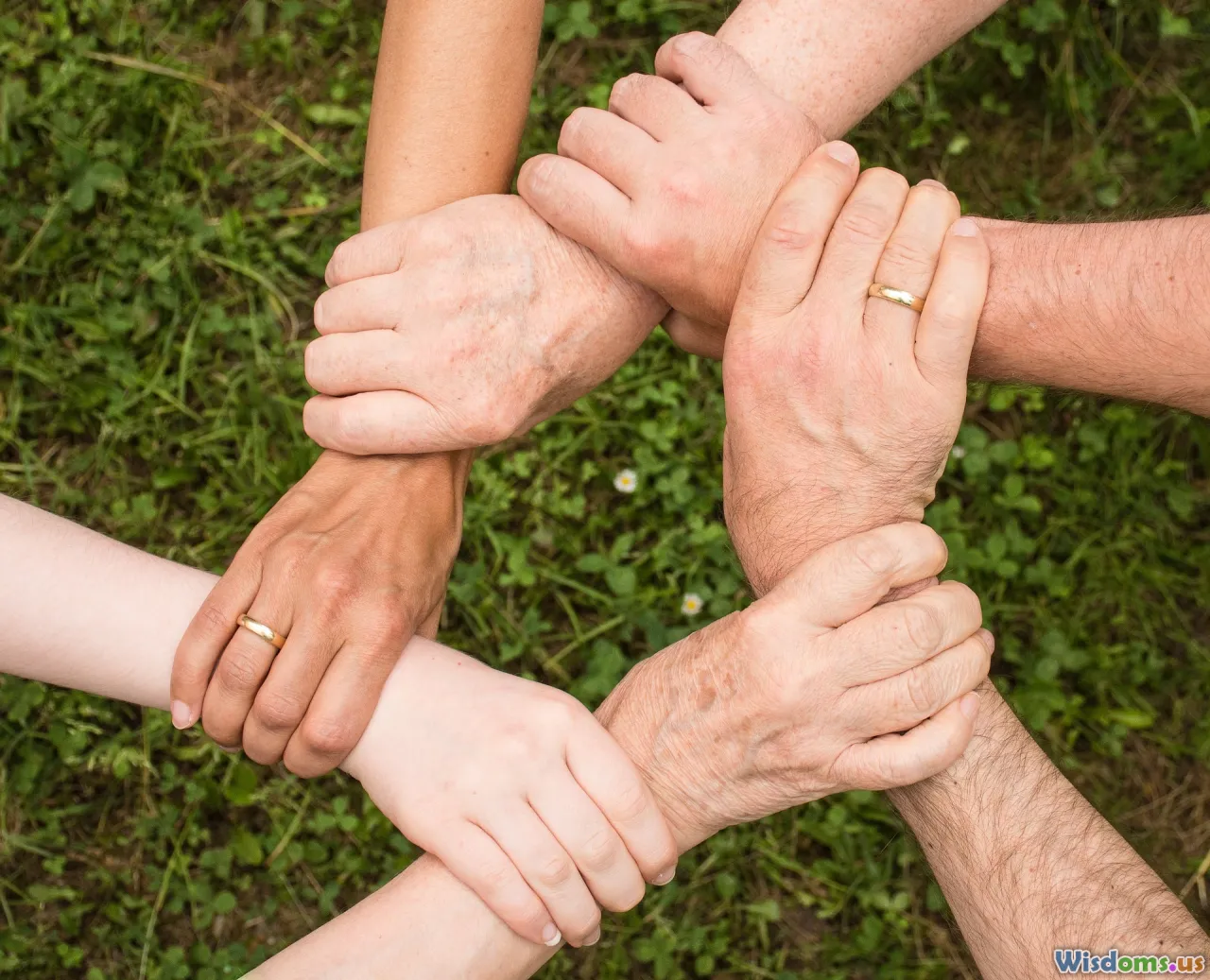
Elite teams operate on mutual trust, safety, and social bonds—elements deeply anchored in neurobiology.
Oxytocin, famously called the "trust hormone," is released during positive social interactions and builds feelings of psychological safety and belonging. Teams with high levels of oxytocin show greater collaboration and lower turnover, as shown in empirical work by Paul J. Zak.
How Coaches Build Trust-Driven Environments
Phil Jackson, legendary NBA coach, instilled deliberate rituals like pre-game group circles or post-game mindfulness, stimulating oxytocin through meaningful eye contact, touch (like handshakes or huddles), and shared vulnerability. This paved the way for communication transparency, freely shared ideas, and emotional resilience—factors paramount for high-stakes performance.
Modern coaches now employ brain-based techniques such as:
- Structured team check-ins, where feelings and setbacks are discussed openly.
- "High-five moments," based on research that positive touch boosts oxytocin.
- Inclusive language and storytelling to foster connection, a method favored by the All Blacks rugby team.
The Neuroscience of Goal Setting: SMART vs. Brain-Friendly Approaches

The SMART framework (Specific, Measurable, Achievable, Relevant, Time-Bound) is solid, but neuroscience suggests tweaks for even greater impact.
Emotional Relevance and Visualization: Emotionally charged, vividly visualized goals light up the brain’s limbic system, creating psychological "stickiness." Top coaches like Doc Rivers (NBA) have players not only state goals, but mentally rehearse them using visualization routines. This primes neural pathways, making it easier for players to act consistently with their intentions.
Chunking and Layering: The brain struggles with overwhelming complexity but thrives with layered tasks. Tina Seelig, author of "What I Wish I Knew When I Was 20," shares how chunking larger goals into spaced micro-targets keeps teams energized—each micro-win triggers manageable dopamine loops.
Actionable Advice: Make Motivation Brain-Friendly
- Write goal statements that evoke emotion ("We’ll feel unstoppable when we clinch that semifinal!")
- Use visualization at the start of team meetings or before matches.
- Break long-term goals into weekly and daily segments. Celebrate completion.
The Power of Feedback: Constructive Critique Without the Threat Response

Feedback is crucial for growth—but the type and delivery can either trigger motivation or prompt a defensive threat response in the amygdala (the brain’s emotional alarm system).
Neuroscience highlights that psychological safety allows the prefrontal cortex (responsible for planning and rational thought) to remain engaged. In contrast, harsh, subjective criticism can send team members into "fight, flight, or freeze" mode, inhibiting learning and adaptability.
Elite Coaching in Action: Fear-Free Feedback Models
Eddie Jones, England Rugby’s head coach, employs feedback sandwiched with affirmations—"What went well was... You might improve by... I loved how you..."—following Harvard Business Review best practices. This structure uses neuroscience to keep players open, minimizing the threat response and maximizing neural plasticity for improvement.
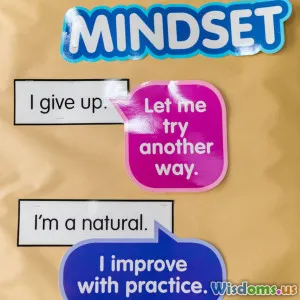
In business, Satya Nadella, CEO of Microsoft, shifted the culture toward "growth mindset" feedback, emphasizing effort and curiosity over right or wrong. This approach, based on Carol Dweck’s research, actually rewires employee brains for resilience and persistence.
Practical Takeaways for Coaches:
- Offer feedback privately to avoid social threat.
- Focus on observable behaviors, not personality.
- Start and end with strengths to harness positive neural priming.
Priming for Performance: Rituals, Habits, and Neuroplasticity

Peak performance is deeply linked to the formation of habits—repetitive actions that solidify neural pathways through a process called neuroplasticity. Elite coaches consciously create pre-performance rituals that prime athletes for consistency and focus.
Japanese baseball legend Ichiro Suzuki would engage in the exact same warm-up sequence before every game, a process shown to shift brains from anxious Beta waves to calm Alpha states. In teams coached by Habits expert James Clear, small group rituals—like short pre-meeting meditations—train mental circuits for composed execution under pressure.
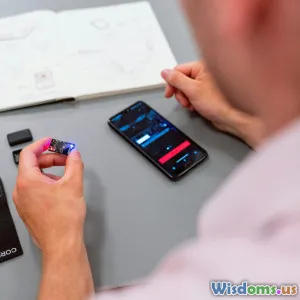
Cutting-edge teams even employ neurofeedback devices during training, allowing players to see real-time brainwave data. This biohacking not only improves self-regulation but also cements confidence: when athletes "see" their focus, they’re more likely to replicate it in big moments.
The Role of Reward Design: Beyond the Scoreboard
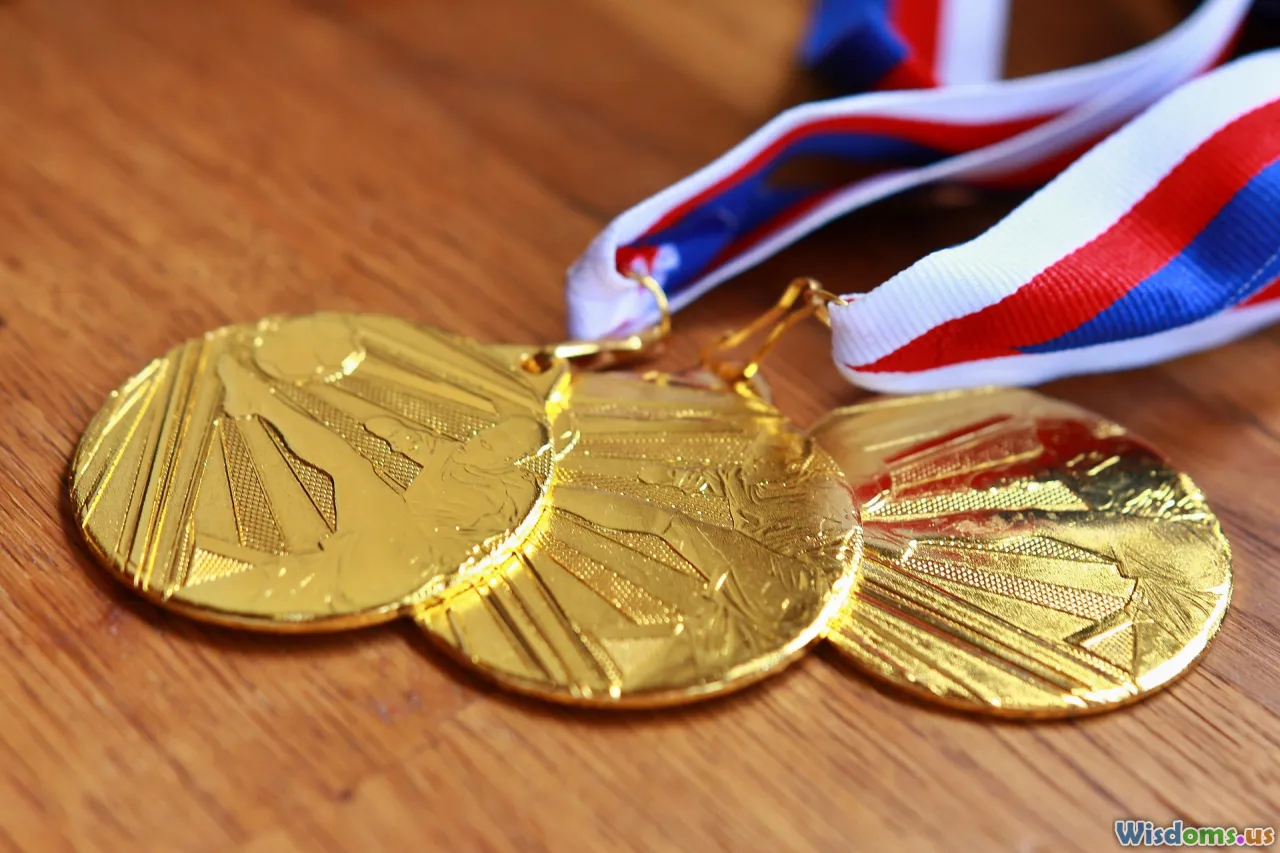
While standard rewards—win bonuses, trophies—are staples, neuroscience reveals that intrinsic rewards like progress, mastery, and recognition motivate longer and more deeply.
Harvard research shows that public acknowledgment (even verbal) activates the ventral striatum, the brain’s rewards center. Elite coaches layer in peer-nominated "Player of the Week" awards or ritual "Shout-outs," turning recognition into a powerful, neurochemically-backed motivator.
Italian volleyball coach Massimo Barbolini urges each player to keep a progress journal. Entries focus on skill mastery and personal growth, not just match wins. Coaches encourage the team to discuss and recognize each player’s improved metrics weekly, reinforcing progress itself—fuel for ongoing dopamine release.
How to Design Motivating Rewards:
- Recognize small wins, not just big results, with public praise.
- Make mastery and effort part of the rewards system.
- Encourage peer recognition to spread the dopamine effect through the team.
Breaking Burnout Cycles: Brain Rest, Recovery, and Motivation Sustainability

Motivation can blaze fast—but it’s just as susceptible to burnout and mental fatigue if the brain isn’t given time to rest and rewire.
Professional cycling coach David Brailsford (Team INEOS) engineered recovery into his squads’ routines. By monitoring sleep, utilizing mindfulness, and embedding “disconnected time” into schedules, his teams maintain motivation deep into long seasons. Neuroscience findings from Matthew Walker affirm that adequate REM sleep enhances memory consolidation, creative problem solving, and emotional resilience—all crucial for ongoing drive.
Additional research recommends "ultradian rhythms"—natural 90-minute cycles of alternated focus and break—for deep rejuvenation and enhanced performance, a principle top coaches build into practice and meeting agendas.
Real-World Action:
- Schedule rest as sacrosanct: short micro-breaks within sessions, not just after.
- Prioritize sleep education, naps, and screen curfews to protect brain downtime.
- Use apps like Headspace or Calm for guided mental resets between push phases.
Adapting to Individual Brain Types: Personalized Motivation

No two brains are identical—individual differences in neurochemistry, introversion/extroversion, and reward sensitivity mean a one-size-fits-all motivator rarely works.
Elite coaches are now adopting personality and neuroprofile assessments, like the Myers-Briggs Type Indicator or individual dopamine/genetic testing (offered by services like 23andMe), to fine-tune their approaches. Some athletes are kitsch responders (motivated by competition), while others seek consistent affirmation or purpose alignment.
For instance, Serena Williams’ coach, Patrick Mouratoglou, leverages in-depth knowledge of her emotional triggers and brain-wiring to switch motivational tactics on the fly—from calm focus-building before matches to energizing challenge-setting during training.
Action Points for Coaches:
- Mix up motivational messages: use challenge, curiosity, or contribution depending on the player.
- Involve athletes in designing their own zeroing rituals.
- Use personality or brain-based tools to tailor encouragement and incentives.
The Future of Team Motivation: Integrating AI, Wearables, and Neuroscience

With advances in technology, coaches increasingly collect and analyze brain and body data in real time.
Football teams like Manchester City are piloting cognitive biometric sensors to monitor neural responses under pressure. AI-driven platforms like Halo Neuroscience help optimize training based on athletes’ brainwave feedback and heart rate variability. The future promises emotional-state-tracking wearables, enabling real-time interventions to prevent dips in morale and keep teams neurologically tuned to goal pursuit.
But ethical use is paramount; the best coaches employ these with transparency and consent, always keeping player wellbeing at the center.
From pre-game rituals to AI-driven neurofeedback, the secrets behind today’s most motivated teams are rooted in an understanding of how brains work together. As neuroscience advances, elite coaches will continue pioneering methods not just for skill and stamina, but for enduring, adaptive, and deeply motivated performance. Whether your team plays for a trophy or tackles business milestones, brain-based motivation is quickly moving from the locker room to the boardroom—reshaping how we inspire, connect, and achieve, together.
Rate the Post
User Reviews






Popular Posts