How New Drunk Driving Laws Will Affect Rideshare Drivers
33 min read What new DUI statutes mean for Uber and Lyft drivers—licensing, insurance, deactivation risks, and how to stay compliant while maximizing earnings under stricter enforcement and zero‑tolerance policies. (0 Reviews)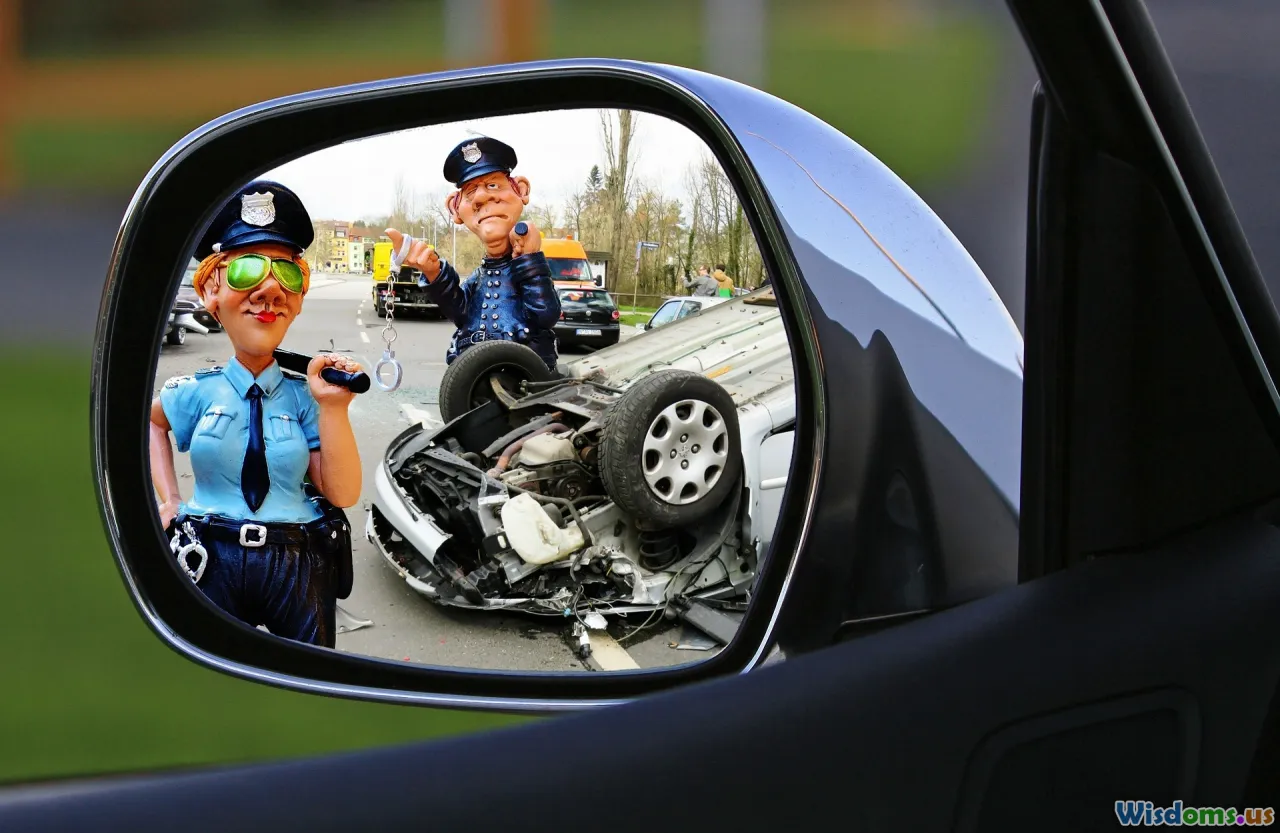
Rideshare driving has always lived at the intersection of public safety, personal liability, and shifting local rules. New drunk driving laws now moving through legislatures and city councils are turning up the pressure on everyone behind the wheel—but especially on drivers who earn money transporting strangers late at night, on weekends, and after big events. If you drive for a rideshare platform, understanding what’s changing—and how to adapt—can protect your license, your income, and your peace of mind.
What’s changing in drunk driving laws

Across the U.S., lawmakers are tightening impaired-driving policies on several fronts. While specifics vary by state and city, here are the most common shifts rideshare drivers are likely to see (or are already seeing):
- Lower blood alcohol concentration (BAC) limits: The national per se limit is 0.08% in most states, but Utah moved to 0.05% statewide—demonstrating political momentum for stricter thresholds. Safety boards and advocacy groups continue to push more states toward 0.05%.
- Expanded ignition interlock requirements: More states now require ignition interlock devices (IIDs) for first-time offenders, not just repeat offenders. These devices require a clean breath sample before starting the car and often include rolling retests.
- Longer lookback periods: “Washout” or lookback periods—the time during which a prior DUI can enhance penalties for a new offense—are growing in some jurisdictions. A longer lookback makes subsequent offenses more severe.
- Stronger administrative penalties: License suspensions triggered by chemical test refusals or failures are becoming harsher, independent of any criminal case outcome. In many places, refused tests trigger automatic suspensions.
- More frequent sobriety checkpoints: Police agencies in some regions are increasing checkpoint frequency, especially around holidays and major events, using federal grant funding and data-driven deployment.
- Clearer drug-impaired driving rules: With cannabis legalization in many states, agencies are refining how they evaluate drug impairment—through trained recognition officers, roadside oral fluid testing pilots, and stricter definitions for “per se” impairment in some places.
Why this matters: Rideshare drivers spend more time driving at the exact hours and in the exact neighborhoods where impairment enforcement is highest. Even if you never drink or use drugs while on shift, the legal and operational environment you work in is shifting toward zero margin for error.
Why these changes matter specifically to rideshare drivers
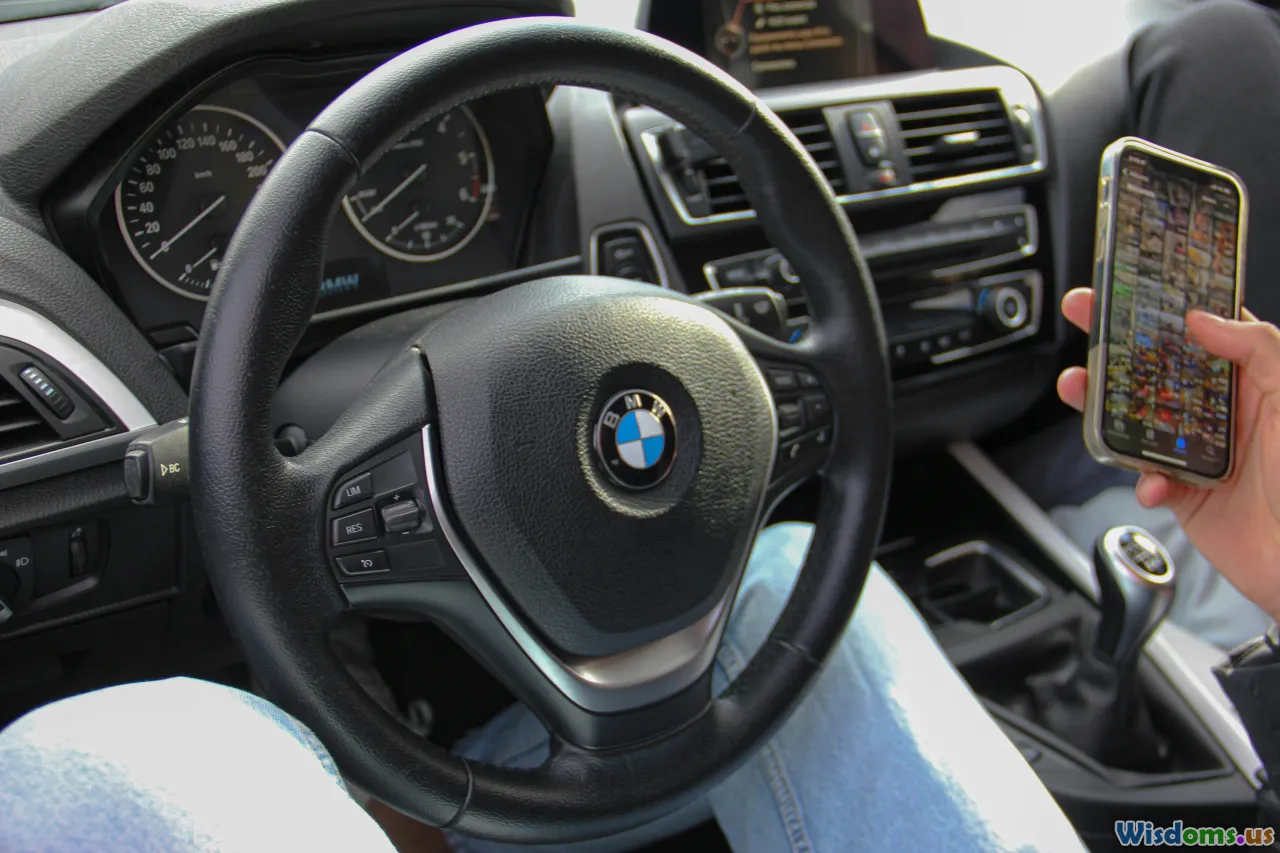
Rideshare drivers are uniquely exposed to the consequences of evolving DUI laws because of when, where, and how they drive:
- Enforcement overlap: You are more likely to encounter checkpoints and saturation patrols late at night—right when you’re busiest.
- App policies: Major platforms enforce strict zero-tolerance policies for alcohol and drugs. A single citation or arrest (even without conviction) can trigger deactivation while the matter is investigated, resulting in immediate loss of income.
- Background checks: Platforms typically review your record when you first sign up and periodically. A DUI conviction—or sometimes even a recent arrest—can disqualify you for years.
- Insurance exposure: Both your personal policy and the rideshare company’s policy may deny coverage for a crash if you’re impaired. That can leave you personally responsible for injuries, property damage, and legal costs.
- Passenger behavior spillover: Intoxicated riders create additional legal risk (open containers, disorderly conduct, interfering with the driver). New or clarified open-container rules can pull drivers into citations if not managed correctly.
Concrete example: A driver who never drinks on shift but frequently works bar close may face a checkpoint twice a month, deal with passengers wanting to carry open drinks, and run through areas where local police are piloting new roadside drug-screening programs. The risk is not only about personal sobriety—it’s also about managing the environment inside and around your vehicle.
Lower BAC thresholds and “commercial” expectations
While most rideshare drivers are not commercial driver’s license (CDL) holders, regulators and platforms often treat you as a professional behind the wheel. With some jurisdictions lowering per se BAC limits (Utah at 0.05%), and others considering similar moves, the practical expectation for rideshare drivers is effectively zero alcohol on duty.
- Best practice: Zero means zero. If you’re in driver mode—or plan to be soon—don’t drink. Even a single drink can push you closer to the legal threshold and impair judgment.
- Deactivation risk: Platforms typically impose bright-line rules. If a passenger reports alcohol on your breath or you admit to drinking, expect swift deactivation pending review.
- Time math: A common mistake is misjudging the time it takes to metabolize alcohol. Many people eliminate roughly one standard drink per hour, but rates vary widely with weight, sex, food intake, and health. Err on the side of more time off road than you think you need.
- Crossing into stricter zones: If you operate near state borders, remember that crossing into a 0.05% jurisdiction raises your risk even if you’re under 0.08%. Enforcement thresholds and penalties can change the moment you pass a road sign.
Illustrative scenario: You attend a friend’s birthday brunch at noon, have two mimosas, and plan to start driving the 3 p.m. airport rush. Even if you feel fine, your BAC could still be elevated. With lower limits and zero-tolerance platform policies, the safest move is to skip that shift or start later.
Checkpoints, stops, and implied consent: what to expect

Sobriety checkpoints and traffic stops are a fact of life for nighttime drivers. Implied consent laws mean that by driving, you agree to chemical testing under certain circumstances. Here’s what rideshare drivers should plan for:
- Checkpoint flow: Expect a brief conversation, possible documentation check, and trained observation for signs of impairment. Stay calm, keep your hands visible, and follow instructions.
- Field sobriety tests: Officers may request standardized field sobriety tests if they suspect impairment. If an arrest occurs, chemical testing (breath or blood) is typically required by law, and refusal can lead to automatic license suspension.
- Administrative vs. criminal: Even if a criminal case is dropped or reduced, administrative penalties (like a license suspension for refusal) can still stand—and they can disrupt your ability to drive for weeks or months.
- Passenger impact: An unruly or highly intoxicated passenger can escalate a stop. De-escalate early: roll down windows to air out strong alcohol odors, speak clearly, and ask the passenger to remain calm and quiet.
- Documentation at hand: Keep license, registration, and insurance accessible. If you use a trade dress or dashboard placard required by your city, display it consistently.
Tip: If you’re waved into secondary screening while a passenger is onboard, inform the officer you’re on an active rideshare trip. This clarifies the context and might help expedite the process.
Open-container rules with intoxicated passengers
Open-container laws are a common tripwire, especially on weekend nights. Rules vary widely:
- Exemptions differ: Some states let passengers in certain for-hire vehicles (like limousines or traditional taxis) possess open alcohol. Whether rideshare vehicles qualify depends on local definitions. In many places, rideshare vehicles are not exempt.
- Driver responsibility: In jurisdictions without a rideshare exemption, a passenger holding an open drink in your car can result in a citation for the passenger—and sometimes for you. Officers may expect the driver to ensure compliance.
- Practical policy: Post a short, polite reminder in your car (a small sign near the rear of the front seat) stating: “Local law may prohibit open alcohol in rideshare vehicles. Please secure or discard drinks before entering.” Many riders will comply when prompted.
- Handling entry: If a rider approaches with a cup, ask whether it’s sealed. If unsure, request they discard it or place it in a sealed container. Consider keeping a few inexpensive sealable bags or disposable lids as a courtesy solution.
- Know your city’s special zones: Event districts and entertainment areas may have “open container zones” on the street, but those typically do not extend to vehicles. Don’t assume street rules match in-vehicle rules.
Case example: After a baseball game, a group requests a pickup with plastic cups in hand. You inform them kindly that open containers aren’t allowed in the car. Two riders dump drinks in a nearby can; one insists on bringing a cup. You decline the trip, take a quick photo of the rider’s refusal (license plate or landmark for your own record, not for social media), and report via the app with a short note. You lose a fare but avoid a citation—and send a compliance signal to the platform.
Cannabis and prescription impairment: same risk, different rules
Alcohol isn’t the only impairment risk. With broader cannabis legalization and widespread prescription use, drivers should watch for two pitfalls:
- Cannabis impairment: Some states set per se THC blood limits; others rely on officer observations and impairment evaluations. Unlike alcohol, THC metabolizes in complex ways; residual levels can linger. Platforms treat cannabis like alcohol: zero tolerance while driving.
- Prescription and OTC meds: Labels warning of drowsiness (antihistamines, benzodiazepines, some pain meds, sleep aids) are red flags. If a medication impairs you—even if legal and prescribed—you can face impairment charges if involved in a stop or crash.
- Cross-border variation: A THC level considered impairment in one state might not be per se impairment in another. If you regularly cross state lines, err on the side of long waiting periods before driving.
- Scent sensitivity: The smell of cannabis in your cabin—regardless of source—can raise suspicion. Air out the car between rides and don’t allow smoking in the vehicle. If a passenger smells strongly of cannabis, keep windows cracked and your demeanor professional.
Actionable check: When starting any new medication, do a daytime test drive off-app to gauge alertness. If you feel even slightly foggy, do not drive for hire.
Ignition interlocks, probation, and app policies after an offense

If you’re cited or convicted for DUI, the cascade of consequences can be career-defining:
- IID mandates: Many states now require IIDs for first offenses. Costs include installation, monthly calibration, and eventual removal—often hundreds to over a thousand dollars annually.
- Platform compatibility: Some platforms may bar drivers from operating with an IID installed; others may allow it but still disqualify drivers based on the underlying offense. Always check current terms.
- Probation conditions: Court or DMV-imposed conditions (no alcohol, classes, monitoring) affect scheduling and sometimes restrict late-night driving. Violations can trigger immediate license actions.
- Background check windows: Platforms commonly look back 7 years or more for serious driving offenses. Some jurisdictions allow or require longer lookbacks, and platforms may adhere to local rules.
- Re-entry path: If allowed, reapplying after the disqualification window may require clean driving records, proof of reinstatement, and evidence of completed programs.
Example timeline: A first offense in a state with mandatory IIDs leads to a 6-month device requirement, a 90-day license restriction, and mandatory education classes. The rideshare platform deactivates upon arrest, confirms conviction at background recheck, and sets a 7-year ineligibility window. Even after license reinstatement, the app account remains closed—making alternate income planning essential.
Insurance ripple effects you can’t ignore

Insurance is where the financial hit becomes stark:
- Phase coverage gaps: Rideshare coverage varies by app “phase.” Personal auto insurance covers you when offline; platform contingent liability may apply when you’re online but without a passenger; full commercial-grade coverage typically applies during an active trip. If impairment is involved, any insurer can deny coverage.
- DUI exclusions: Policies routinely exclude coverage for losses incurred while the driver is impaired. Denial after a crash could leave you personally liable for repairs, medical bills, and legal judgments.
- SR-22 or FR-44: Post-DUI, some states require proof-of-financial-responsibility filings, which drive premiums sharply higher for years.
- Premium shock: A single DUI can increase rates by 50–200% or more, and some companies will non-renew your policy altogether. Shopping across multiple carriers and specialized insurers becomes necessary.
- Vehicle downtime costs: Even without a crash, administrative suspensions leave you offline, costing hundreds or thousands in lost income. Budget a reserve fund to survive a gap if you drive full-time.
Smart move: Ask your agent whether your current policy explicitly includes a rideshare endorsement and what exclusions apply. If they hesitate or can’t answer, get a second opinion from a carrier experienced with TNC drivers.
Business strategy: staying profitable while staying sober

Avoiding impairment is non-negotiable. But you can still earn well in high-risk windows by playing smarter.
- Shift selection: Consider starting slightly before bar close to catch early rides, then pausing for 30–45 minutes during peak chaos to avoid the heaviest intoxication and enforcement window. Resume when crowds thin.
- Hotspot triage: Stadium exits and club clusters surge, but they also carry higher passenger-management risk. Weigh stress, possible cleaning fees, and rule exposure against earnings. Sometimes two steady airport runs beat four chaotic bar pickups.
- Route choice: Prefer well-lit pickup zones with clear signage. Avoid double-parking and chaotic curb space that attract officer attention.
- Staging: Park just outside entertainment districts and let riders walk to you. It reduces entanglements with open-container street zones and aggressive curb enforcement.
- Time-on-app hygiene: If you take a dinner with friends that includes a drink, plan to remain offline for the night rather than guessing at your BAC. Use downtime for maintenance, car washes, or bookkeeping.
- Self-check tools: Personal breathalyzers can provide rough data points, but they are not legal defenses and can be inaccurate. Treat them as an extra caution, not a green light.
Pro tip: Pair bar-close windows with delivery apps (food or packages) for an hour if you want to keep earning while avoiding the most volatile rides.
Practical playbook: how to handle impaired riders safely

Difficult interactions don’t have to escalate. Use a consistent, calm approach:
- Before pickup
- Scan the pin drop. If it’s a known trouble spot, message the rider: “I’m on [Street X], meet me at the corner by the coffee shop.” Clarity reduces curbside chaos.
- Prep your cabin: keep seat covers, emesis bags, paper towels, water-resistant floor mats, and sanitizer ready.
- At the curb
- Quick read: If a passenger struggles to stand, slurs heavily, or appears aggressive, you’re allowed to cancel for safety. Document briefly in the app.
- Open container check: If you see a cup or bottle, politely ask them to seal or discard before entering. Have a friendly script ready: “Hey folks, local law is strict about open drinks in cars. Mind closing that up?”
- En route
- Ventilation: Crack windows slightly if there’s a strong alcohol or cannabis odor. It helps with both comfort and perception during any stop.
- De-escalation: If conversation gets heated, lower your voice, slow your speech, and remind riders you’re focused on safety. Avoid arguing about policy; point to the app’s rules.
- Secure stops: If a rider becomes physically ill or disruptive, find a safe, legal place to pull over. Offer a bag, pause the trip if necessary, and consider contacting support.
- After the ride
- Document: Take timestamped photos if there’s a mess (without faces). File cleaning claims promptly with concise descriptions.
- Reset: Air out, do a quick wipe-down, and allow a short break before the next request.
Sample script library
- “I’m happy to get you home safe. We just can’t have open alcohol in the car.”
- “I need everyone buckled before we move.”
- “Let’s keep voices low; I’m concentrating on the road.”
- “If you’re not feeling well, tell me and I’ll pull over as soon as it’s safe.”
Crossing borders: multi-state and city rules

Drivers in metro regions that straddle state lines (or with strong county/city-level rules) face a patchwork of expectations:
- BAC variance: Utah’s 0.05% shows that a short hop across a border can change your legal exposure. Treat the strictest nearby rule as your standard.
- Cannabis divergence: Some states rely on per se THC limits, others on impairment-based evaluations. Your safest path is extended waiting periods after any consumption and a hard personal rule against on-shift use.
- Open-container categories: Taxi/limousine exemptions may not include TNC vehicles. A practice that’s legal five minutes away can draw a citation after one left turn.
- License reciprocity: A suspension in one state can ping your home state DMV through interstate compacts. Out-of-state offenses can still cost you your local driving privileges.
- Platform compliance: Some cities require special permits, drug tests, or vehicle signage. Non-compliance gives officers independent reasons to stop you, increasing downstream risk.
Action step: Maintain a one-page “local legal cheat sheet” on your phone: BAC limit, open-container rule for passengers in for-hire vehicles, checkpoint schedule patterns, and any city permit requirements.
Recordkeeping and protecting yourself legally

Small documentation habits protect you when facts are disputed:
- Dashcam: Where legal, use a dual-facing camera with audio. Post a small notice if required by your state. Footage can clarify what happened during a stop or rider incident.
- Trip notes: After unusual events (passenger illness, suspected open container, police interaction), jot a 1–2 sentence note with time, location, and key facts.
- App reports: Always use the in-app reporting tools for safety incidents; it creates a timestamped record that the platform can review.
- Vehicle checklist: Keep maintenance logs—burned-out lights invite stops.
- Policy bookmarks: Save links to your city’s TNC rules, your insurer’s policy page, and the platform’s safety policies. Quick access helps if you need to reference exact language.
Illustration: After a holiday weekend stop, a driver’s dashcam audio showed he asked a rider to discard an open beer and the rider complied before entry. When questioned later, that record helped avoid an open-container citation.
Frequently asked scenarios and smart responses

- Can I take a sip of champagne at a friend’s toast if I plan to drive later? Smart response: If you plan to drive for hire the same day, don’t. Even low BAC can impair judgment, and platform policies are stricter than legal thresholds.
- A rider asks to smoke cannabis in the back seat because it’s legal in the state. What do I do? Decline firmly but politely. Open smoking in vehicles is typically illegal; strong odors can create suspicion during a stop.
- A checkpoint officer smells alcohol but I haven’t been drinking. How do I handle this? Be courteous, explain that riders often carry alcohol odor, and comply with lawful instructions. Good ventilation and a tidy cabin help.
- My passenger insists their state allows open containers in “hired cars.” Does that include me? Maybe, maybe not. The definition of “hired car” varies. When in doubt, treat the car as non-exempt and decline open containers.
- I’m on medication with a drowsiness warning but I feel fine. Is that okay? It’s risky. If an incident occurs and impairment is suspected, the warning label can become evidence. Don’t drive for hire until you know the effects safely—and ideally use a non-drowsy alternative after consulting a professional.
What data says about rideshare and DUI trends

Researchers have studied whether rideshare availability reduces drunk driving. The answers are mixed and often city-specific:
- Some studies report reductions in alcohol-involved crashes or arrests after rideshare entry, particularly in dense urban areas with strong late-night demand and limited parking.
- Other analyses find little to no effect, or temporary reductions that fade as local conditions change (e.g., shifts in enforcement, public transit availability, or event schedules).
- A consistent finding is that availability alone isn’t a silver bullet. Price surges, wait times, and rider group behavior can keep impaired drivers behind the wheel despite the option to hail a car.
For drivers, the takeaway is practical rather than academic: even as rideshare helps some people avoid driving drunk, enforcement around bars and events will remain robust, and standards for professional drivers are trending stricter, not looser.
Action checklist before your next shift
Use this quick pre-shift audit to protect your license and income:
-
Personal readiness
- Zero alcohol and zero impairing drugs in your system.
- Confirm new medications do not impair alertness.
- Hydrate, eat, and rest to maintain focus late at night.
-
Vehicle and tech
- Dashcam on and legal in your state; post notice if needed.
- All lights working; registration and insurance accessible.
- Cleaning kit stocked (emesis bags, wipes, paper towels).
-
Policy refresh
- Know your area’s BAC limit and open-container rules.
- Review platform’s zero-tolerance and deactivation policies.
- Check if your city requires any TNC-specific permits or decals.
-
Route strategy
- Identify safe, legal pickup spots near busy venues.
- Plan staging outside the noisiest blocks; message riders to meet you at calmer corners.
- Time bar-close windows strategically (consider a short pause during peak chaos).
-
Documentation habits
- Quick note template ready on your phone for unusual events.
- In-app safety report shortcut pinned.
-
Insurance
- Rideshare endorsement confirmed on your personal policy.
- Agent contact saved for rapid questions after an incident.
-
Boundaries and scripts
- Polite one-liners ready for open containers and disruptive behavior.
- A clear personal rule: cancel trips that feel unsafe.
A final word to the wise: While NHTSA data show that alcohol-impaired driving kills more than 13,000 people in the U.S. each year, enforcement patterns and legal thresholds are tightening to prevent even more tragedies. As a rideshare driver, you are part of the safety net that gets people home without them driving themselves. The flip side is heightened scrutiny—on your sobriety, your passengers, and the condition of your vehicle.
So treat yourself like the professional you are. Build sober habits that are stricter than the law requires. Keep your cabin orderly and your scripts ready. Know how your city defines open-container rules for for-hire vehicles, and default to caution where it’s unclear. Document unusual events promptly and keep your insurance airtight.
The payoff is more than avoiding tickets or deactivation. It’s a calmer, more predictable driving experience, stronger ratings, and steadier income—plus the quiet pride of helping your city get through its nights safely. That’s the kind of resilience and professionalism that will keep you thriving, even as the laws evolve around you.
Transportation Public Safety Transportation Policy Legal Compliance Vehicle Safety & Regulations Rideshare & Gig Economy DUI legislation BAC limit changes rideshare compliance Uber drivers Lyft drivers zero-tolerance policies sobriety checkpoints ignition interlock commercial insurance driver deactivation
Rate the Post
User Reviews
Other posts in Vehicle Safety & Regulations






Popular Posts