
How Shared Public Gardens Transform Urban Neighborhoods
13 min read Discover how shared public gardens revitalize urban neighborhoods, encouraging community spirit, sustainability, and improved wellbeing. (0 Reviews)
How Shared Public Gardens Transform Urban Neighborhoods
In the heart of bustling cities, surrounded by concrete, traffic, and the ever-present urgency of urban life, blossoms a quiet revolution: shared public gardens. More than just aesthetic additions, these vibrant green pockets are catalysts for social change, environmental stewardship, and economic growth. As cities worldwide embrace sustainable futures, exploring how communal gardens reshape urban landscapes is both timely and essential.
Nurturing Community Bonds

Before the proliferation of community gardens, many urban neighborhoods faced a profound sense of disconnect. Residents shared walls, bus routes, and parks, but genuine interaction remained limited. Public gardens radically changed this dynamic by providing a common ground—a literal and figurative space—where people converge, collaborate, and converse.
Case Study: The GreenThumb Network in New York City
Since the late 1970s, New York's GreenThumb initiative has overseen more than 550 community gardens. Many sprang up in abandoned lots, their founding fueled by neighbors eager to bring life back to their blocks. Today, each garden hosts not only plantings but also barbecues, children’s programs, cultural festivals, and workshops. Such gatherings break down social barriers, redefining neighbors not as strangers, but as allies.
Tips for Building Stronger Connections in Shared Gardens:
- Host regular events: Weekly gardening days or potlucks invite ongoing participation.
- Welcome diversity: Encourage multilingual signage and crops from various cultures.
- Intergenerational projects: Pair youth and elders for skill-sharing and storytelling.
By cultivating opportunities for interaction, shared gardens become the beating heart of their communities, replacing isolation with belonging.
Reclaiming Urban Ecology

Urbanization often exacts a cost on local ecosystems, fragmenting habitats and reducing green spaces. Shared public gardens act as pockets of biodiversity amid the sprawl. They restore soil health, attract pollinators, and support native species.
Biodiversity Benefits
A 2018 survey from the University of Sheffield found that city gardens can harbor as many as 10 times more bees and butterflies than manicured urban parks. By featuring varied, pesticide-free plantings, community gardens become mini refuges for native flora and fauna. Additionally, increased vegetation lowers temperatures in surrounding areas, countering the urban heat island effect—a growing concern as cities warm.
Strategies for Maximizing Ecological Impact:
- Plant native and pollinator-friendly species: Milkweed, coneflower, and lavender attract beneficial insects while requiring less water and maintenance.
- Create habitats: Features like small ponds, log piles, and wildflower strips support complex life webs.
- Practice organic gardening: Forgo synthetic fertilizers and pesticides to protect soil organisms and urban wildlife.
By intentionally integrating nature, public gardens transform sterile landscapes into layered, lively sanctuaries.
Improving Urban Food Security
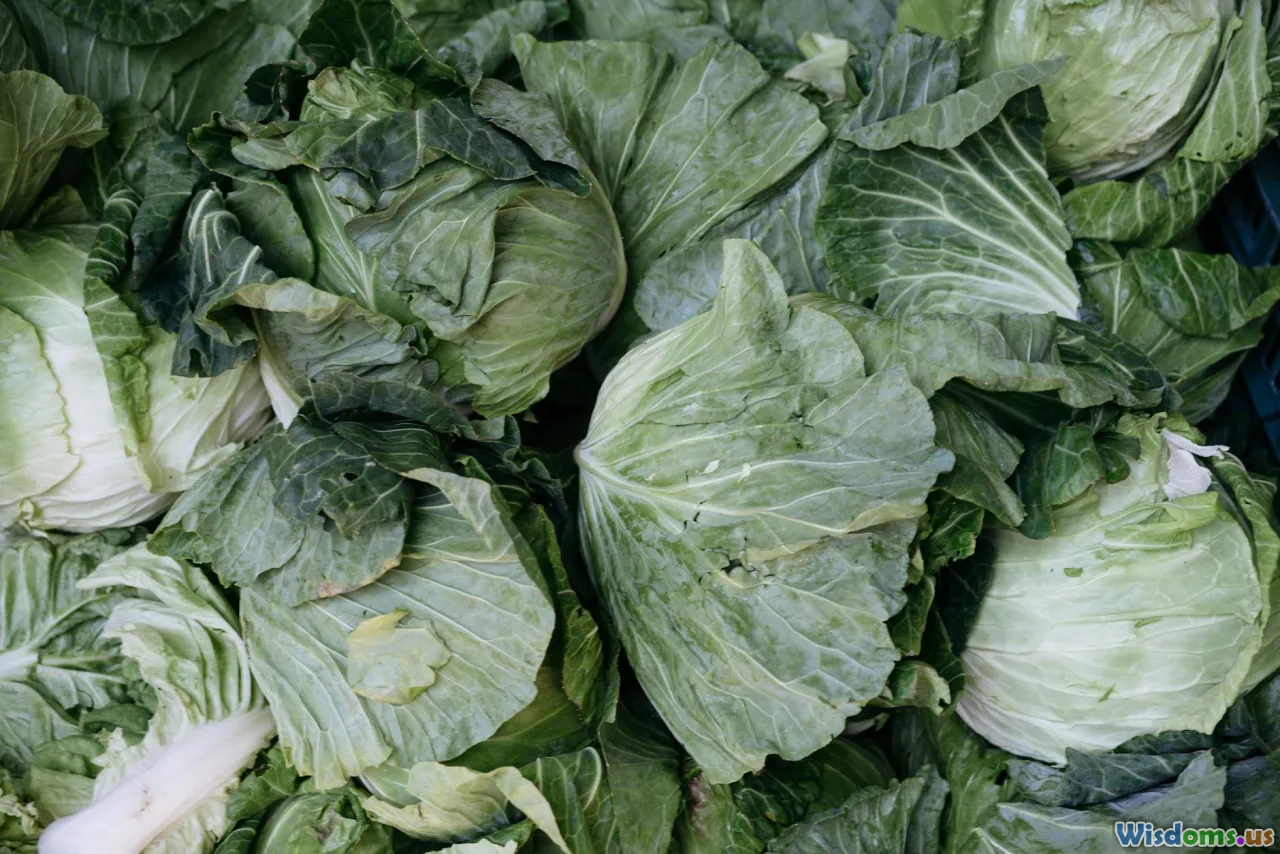
Supermarkets in city neighborhoods—especially those known as food deserts—can be scarce or offer overpriced, low-quality produce. Shared gardens provide residents with direct access to fresh, healthy fruits and vegetables, bridging the gap between urban living and nutritional wellness.
Determinants of Success
Programs like Detroit’s Garden Resource Program Collaborative (GRPC) showcase how gardens bolster food sovereignty. In 2022 alone, Detroit gardeners grew over 350,000 pounds of produce, most of which was shared for free among local families. School-based gardens complement these efforts, introducing young people to the origins of their food and empowering the next generation of urban farmers.
How-To Guide: Organizing Community Food Production
- Community Needs Assessment: Survey neighborhood dietary preferences and gaps in available foods.
- Collaborate with Experts: Engage local horticulturists or extension services for guidance.
- Equitable Plot Allocation: Distribute planter beds via lottery or needs-based application.
- Harvest Shares: Encourage pooling crops for collective distribution, such as weekly edible boxes.
Through careful planning and inclusive participation, communal gardens nurture resilience while offering a lifeline to essential nourishment.
Enhancing Mental and Physical Wellbeing

The health benefits of green spaces are widely documented. A shared public garden offers a restorative retreat, reducing stress and fostering mindful engagement with nature—rare luxuries amid urban hustle.
Wellness Outcomes Supported by Research
- Reduced Stress: A 2016 study in the journal Preventive Medicine Reports linked gardening with statistically significant declines in depression and anxiety symptoms.
- Increased Physical Activity: Gardening tasks—from digging to harvesting—boost daily movement, especially in populations less likely to frequent gyms.
- Safer Play Areas: For children, gardens provide secure, supervised environments for learning and recreation away from traffic and pollution.
"Our garden has become a sanctuary, especially during hard times," shares Marie, a volunteer at Philadelphia’s Norris Square Neighborhood Project. For many, simply watching plants grow brings joy and continuity—a balm against uncertainty.
Educating for a Sustainable Future
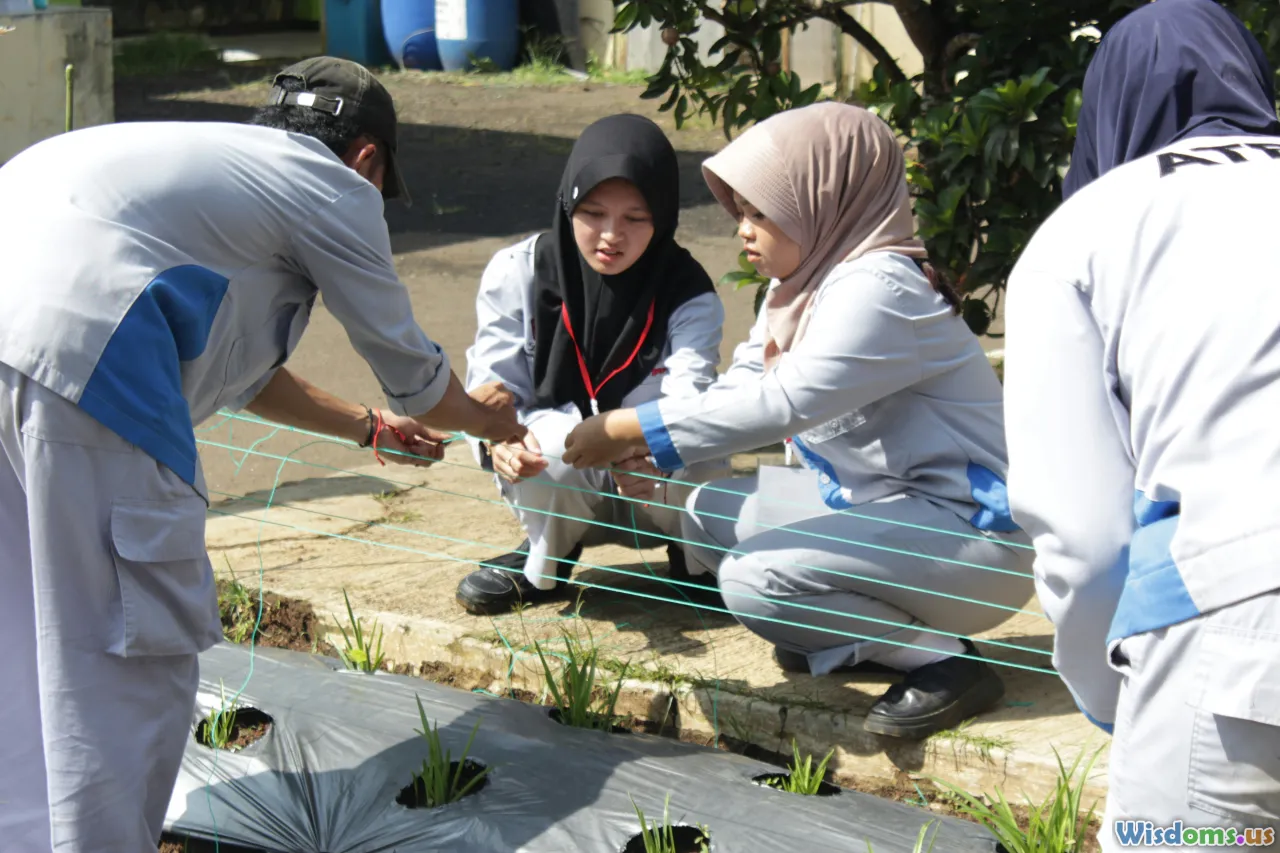
Public gardens double as open-air classrooms, equipping residents with skills that extend far beyond plant care. Lessons in soil health, composting, water conservation, and climate adaptation become vividly tangible.
Actionable Insights for Community Education:
- Hands-on Workshops: Subjects like seed-saving, herb drying, or organic pest control attract eager learners of all ages.
- School Partnerships: Invite local teachers to use the garden as a living resource for science, nutrition, or art.
- Sustainability Showcases: Demonstrate rainwater harvesting, solar-powered features, or pollinator-friendly corridors to inspire eco-friendly behaviors city-wide.
A memorable example is the Los Angeles Community Garden Council’s Green Schoolyards Program, which turned paved school lots into fruit orchards and teaching gardens, fostering a lifelong connection between youth and the environment.
Revitalizing Public Spaces and Economics

Disused and derelict lots are common in aging urban centers, often breeding crime and neglect. Transforming these spaces into public gardens revitalizes neighborhoods on both functional and symbolic levels.
Economic Ripple Effects
A National Recreation and Park Association report (2020) found that nearby property values can rise by up to 15% within blocks of newly created gardens and greenways. In Chicago’s Pilsen neighborhood, the El Paseo Community Garden not only beautified a vacant site, but also sparked related local business ventures—farm stands, makers’ markets, and eco-friendly cafés.
Some gardens even support micro-enterprises: members sell excess herbs to restaurants, offer beekeeping classes, or host events that generate income flowing directly back into garden operations and community programming.
Advice for Sustainable Garden Governance:
- Transparent Decision-Making: Invite all stakeholders to participate in budgeting and project planning.
- Partnership with Local Business: Build symbiotic relationships—florists, culinary schools, or wellness studios—but keep community interests central.
- Reinvestment in Community: Use proceeds from events or sales for garden maintenance, scholarships, or expansion projects.
The result is a vibrant, self-sustaining hub that radiates wellbeing and economic opportunity outward.
Fostering Art, Culture, and Place Identity

Shared public gardens don't just grow plants—they cultivate local identity and pride. Murals, mosaics, sculptures, and garden installations become canvases for self-expression, storytelling, and celebration.
New York's Liz Christy Bowery Houston Garden is as famous for its public art and music performances as for its heirloom tomatoes. In South Los Angeles, the "Unity Garden" is a showcase for the cultural heritage of its predominantly Latino residents, featuring vibrant murals depicting the immigrant journey and traditional crops like corn, chiles, and beans.
By encouraging each neighborhood’s creative spirit, gardens become a vital part of the urban cultural landscape.
Practical Steps for Amplifying Culture Through Gardens:
- Artist Residencies: Invite local artists to design installations or lead workshops using found and reclaimed materials.
- Oral History Projects: Record older residents’ garden memories and healing traditions.
- Host Open Mic Nights or Cultural Festivals: Celebrate with food, music, and dance reflecting the area’s diversity.
These activities ensure gardens bloom not only with flora, but also with rich stories and traditions unique to their communities.
Challenging and Overcoming Obstacles

Despite clear benefits, shared public gardens often encounter hurdles: uncertain land tenure, lack of funding, or bureaucratic red tape. Overcoming these challenges requires both strategic planning and resilient advocacy.
Key Solutions and Success Stories:
- Securing Land: New York’s community gardens achieved landmark legal recognition in the late 1990s, protecting hundreds of sites from development. Forming land trusts or securing long-term leases are proven tactics elsewhere.
- Coalition Building: Bringing together neighbors, nonprofits, local officials, and businesses strengthens bargaining power and support.
- Creative Fundraising: Gardens have sustained themselves through plant sales, crowdfunding, grants, and even partnerships with tech firms or universities interested in green innovation.
Ultimately, the most successful gardens are those that adapt—through flexibility, solidarity, and a shared commitment to the common good.
Across the world’s cities, shared public gardens stand as transformative spaces—quietly, persistently redefining what it means to be part of a community. Their seeds sprout not only tomatoes and thyme but also friendship, hope, and possibility. As urban populations surge, these gardens offer more than green reprieve; they provide a blueprint for cities that nourish the land and all who call it home.
Rate the Post
User Reviews









Popular Posts