What If Everyone Broke Moral Rules for One Day
15 min read Explore the social, psychological, and ethical implications if everyone ignored moral rules for just one day. (0 Reviews)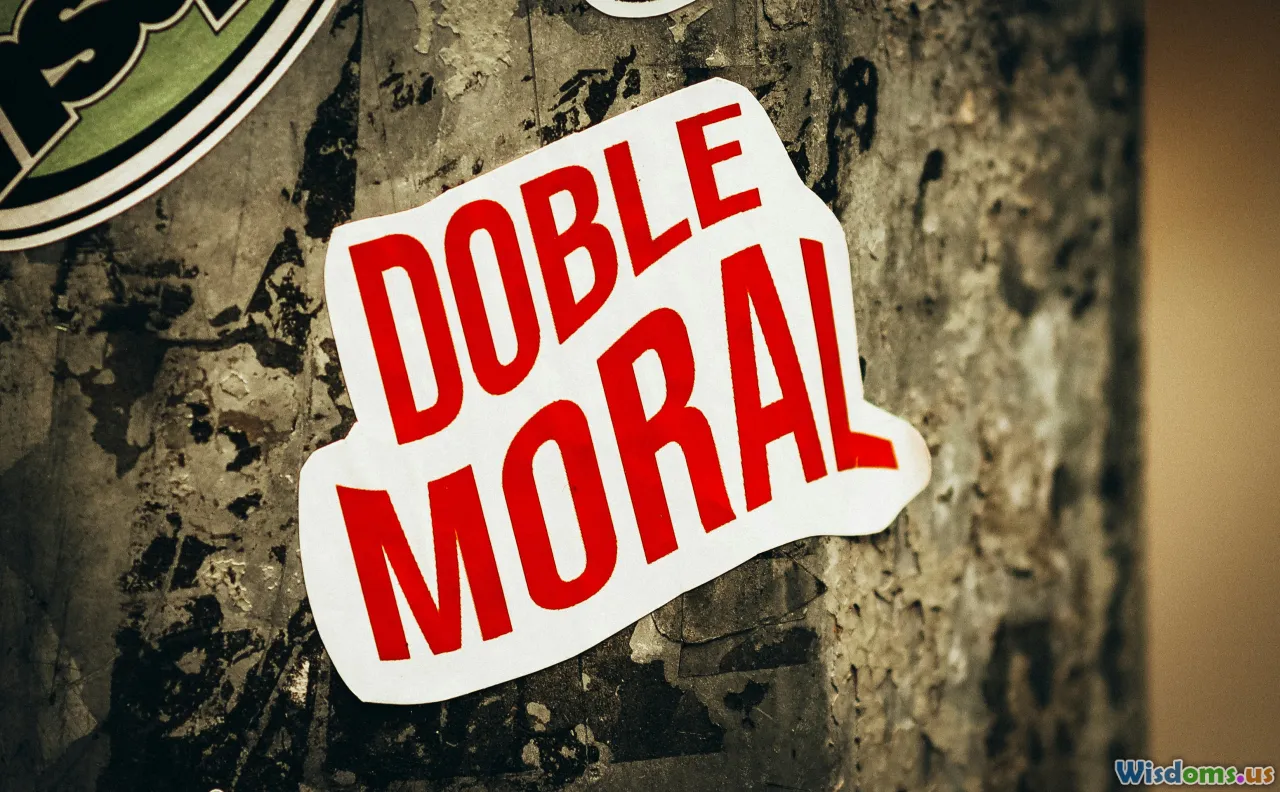
What If Everyone Broke Moral Rules for One Day
Imagine waking up to a world where, for just twenty-four hours, every person ignored the moral rules and ethical guidelines that usually bind society together. No rules about honesty, fairness, decency, or empathy. While it might sound like an outlandish scenario reserved for dystopian fiction, pondering such an extreme thought experiment can shed light on what truly holds civilizations together—and just how razor-thin the line between order and chaos might be.
The Foundations of Moral Rules

Well before laws and constitutions, societies were kept in check by unwritten codes—shared ideas of right and wrong. Anthropologists suggest these evolved as essential tools for cooperation in early human groups. Moral rules—such as prohibitions against lying, stealing, or harming others—aren't just philosophical abstractions; they're the social glue that keeps trust and collaboration flowing.
Consider honesty. According to psychologist Dan Ariely's research, even small, frequent lies can erode the trust needed for markets, relationships, and governments to function. Widespread, unchecked dishonesty sows the seeds of suspicion, making reliable cooperation nearly impossible. If everyone—even temporarily—decided honesty and fairness didn't matter, even the simplest social exchanges could unravel into chaos.
Examples in everyday life make this clear: when a trusted colleague pockets the office cash box, or when news breaks about a major corporation’s deception, ripples of distrust and disruption echo far and wide. Now, imagine magnifying that by every individual doing the same, at once.
The Immediate Impact: Society Unraveled
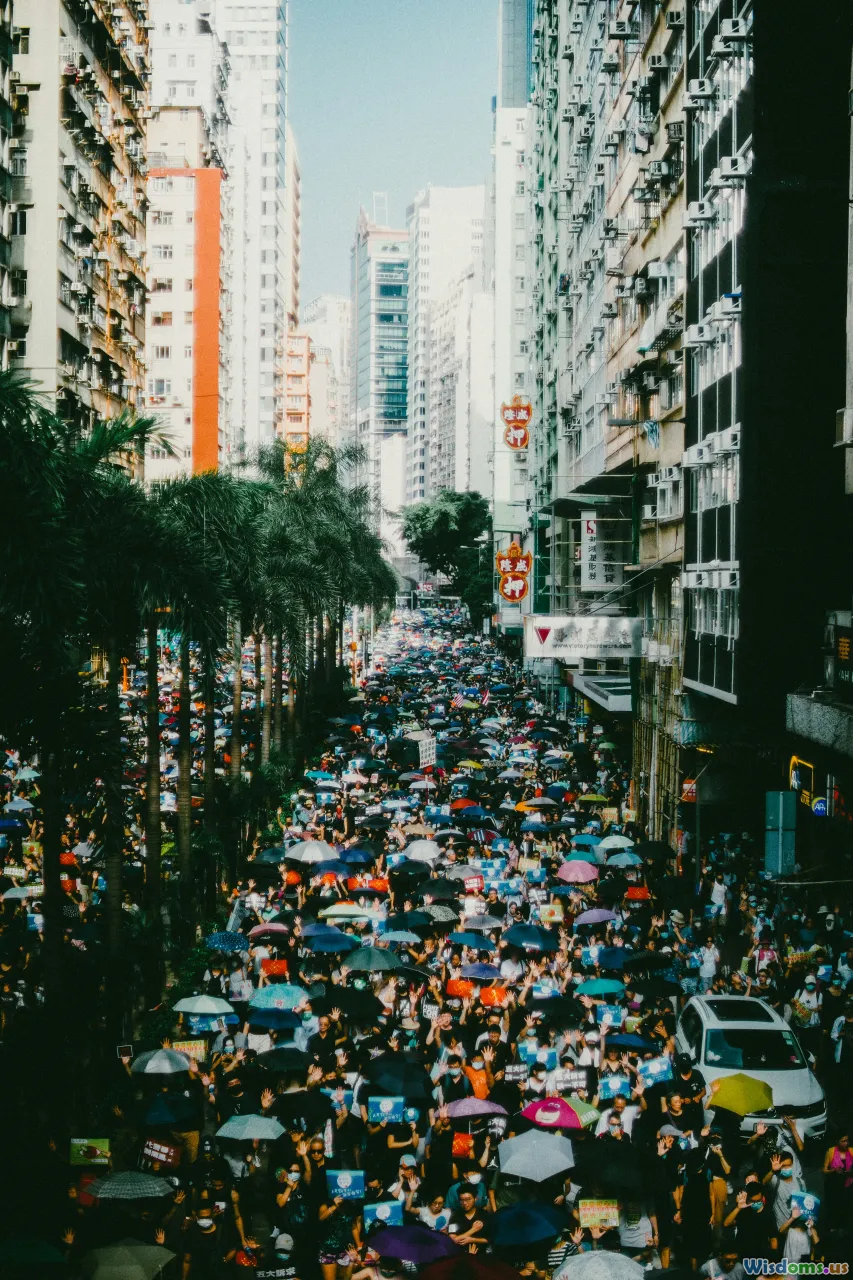
If all moral compasses went haywire for a day, the consequences would reach beyond mere individual misdemeanors. We’d likely see the simultaneous breakdown across multiple societal layers:
-
Public Safety: With everyone disregarding basic decency, street safety would vanish overnight. Laws can only do so much when the majority no longer chooses to abide voluntarily.
-
Commerce Collapses: Imagine every store venturing into unchecked price gouging, every consumer trying to steal, every seller misrepresenting goods. Financial institutions operate on trust—if bankers and clerks decide to siphon money because no moral code says otherwise, economic transactions would seize up entirely.
-
Family and Relationships: On a personal level, relationships—from marriage vows to sibling bonds—depend on mutual agreements not to deceive, betray, or harm. Without these ground rules, relationships could dissolve into suspicion or hurt in mere hours.
Compare this to the concept of the “Thin Blue Line,” often used regarding police in society. But the real line is composed of millions of daily, moral decisions by ordinary people—decisions not to act on every selfish urge. Remove that, and enforcement agencies would be overwhelmed almost instantly.
Precedents in History: When Morality Falters

While no society has ever collectively turned off the morality switch, history does offer dark glimpses into what such a breakdown might look like. During periods of war, revolution, or societal collapse, individuals sometimes feel justified—or compelled—to ignore moral norms.
The Los Angeles riots of 1992 or the New Orleans looting after Hurricane Katrina both saw sudden spikes in theft and violence when social safeguards broke down. Research into mob mentality also reveals how anonymity and group behavior can quickly override personal ethics. Gustave Le Bon, who analyzed crowd psychology in the 19th century, observed that individuals in masses “descend several rungs in the ladder of civilization.” These real-life incidents serve as microcosms for what one would expect in a worldwide “morality blackout.”
Additionally, episodes like the Enron scandal or the 2008 financial collapse demonstrate how even a partial breakdown in moral standards at the highest levels can have devastating ripple effects, illustrating the system-wide dependency on ethical conduct.
Could a Lawless Day Be Liberating?
Some might argue that a day without the strictures of morality could be liberating, unleashing authentic expression or confronting unfair rules. This echoes the anarchic themes found in movies like "The Purge," where the suspension of law becomes a sort of twisted catharsis.
However, behavioral economics and psychological research sharply question this notion. The concept of "moral licensing," where doing one virtuous act seems to justify subsequent unethical behavior, shows that permitted breaches don’t translate into greater happiness or freedom. Instead, guilt and anxiety tend to rise, even without threat of punishment.
Paradoxically, those who try to act purely on selfish interest often end up less satisfied, as social creatures fundamentally need coherence and trust. Experiments in game theory indicate that the overwhelming majority of people—even when anonymous—prefer to behave ethically to maintain reciprocal relationships.
So while temporary liberation from obligation may sound exhilarating, collective disregard for morals would likely unleash a tide of regret and emptiness once order returns.
Practical Outcomes: How Sectors Would Change

Let’s break down the domino effect of moral rule-breaking across major sectors:
-
Healthcare: Without moral obligations, medical staff could prioritize profits, ignore patient consent, or exploit vulnerable individuals. Studies on medical ethics highlight that even a single unethical incident can irreparably tarnish professional relationships and public trust—scaled society-wide, the impact is catastrophic.
-
Finance: Data leaks and scandals, such as LIBOR rate-fixing, show how cutting ethical corners triggers collapse. Now imagine every teller, accountant, and stockbroker acting ruthlessly to maximize self-interest. Confidence in the system—which is already fragile—would instantly plummet, jeopardizing entire economies.
-
Education: The social contract between teachers and students depends on a shared respect for truth and growth. If those values are jettisoned, cheating and favoritism would run rampant, learning would halt, and credentialing would lose all meaning.
-
Business: Brand loyalty and contracts are built on trust. When moral standards are shelved—even briefly—supply lines, employee relations, and customer faith crumble. The infamous Volkswagen emissions scandal proved how even temporary ethical lapses can have years-long, billion-dollar consequences.
-
Government: In public service, the expectation of principled behavior forms the backbone of governance. Corruption scandals show how the public’s faith can vanish overnight if officials abandon their pledge to serve others.
The sum total? Not only would damage occur, but restoration of trust—even after a single lawless day—would be fraught with challenges.
The Role of Social Norms Versus Laws
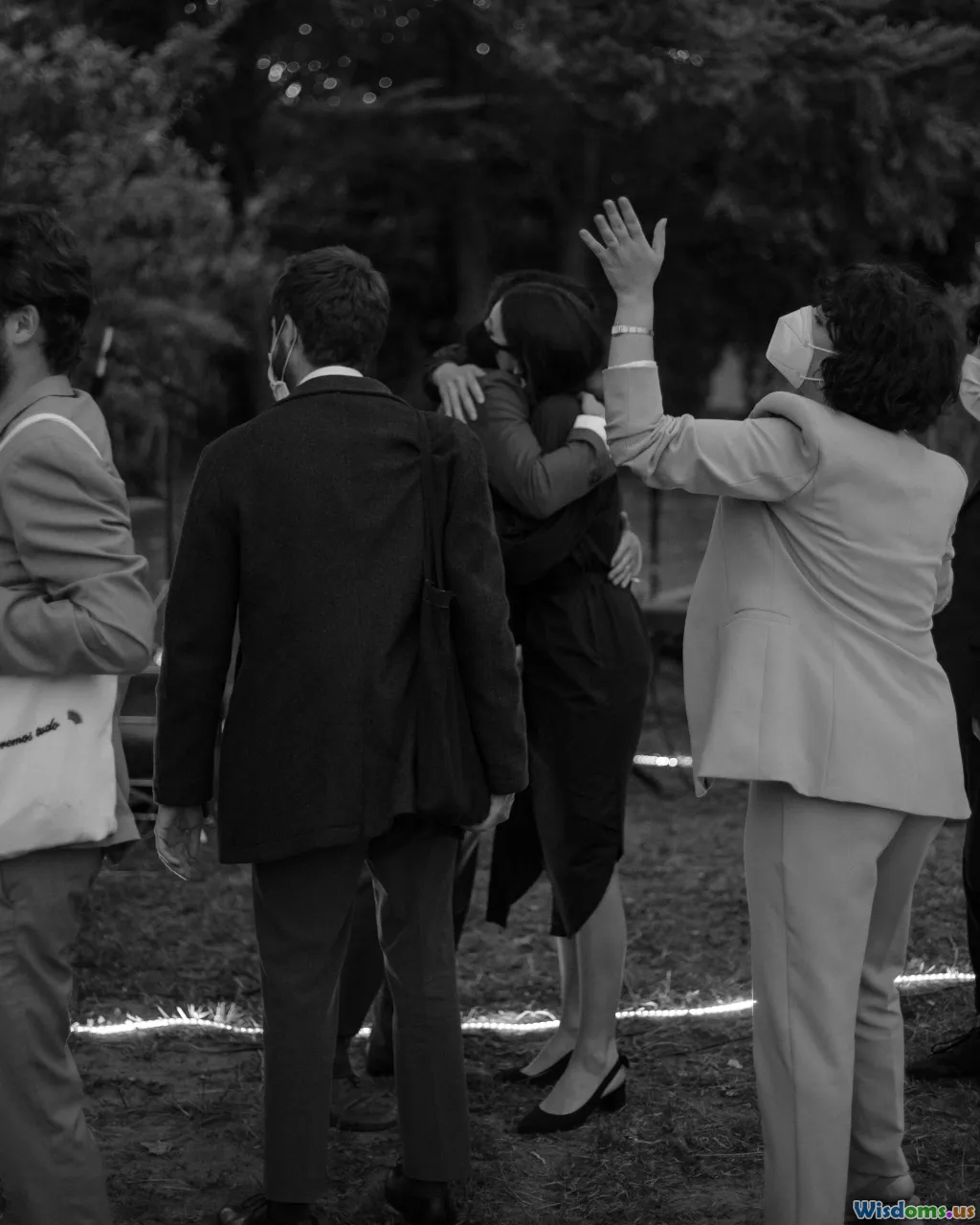
It’s tempting to imagine that written laws are the ultimate barriers to chaos. In reality, social norms and voluntary compliance play a far greater role. Nobel laureate Elinor Ostrom demonstrated through field studies that "soft" rules—the ones enforced not by police but by peer expectations—are strikingly effective at managing shared resources and averting tragedy.
For example, orderly lines form in grocery stores not because of posted legislation but because of a mutual understanding that cutting the line is unfair. The complex etiquette of driving in cities is mostly managed by courtesy, not law; every aggressive driver supposedly taking advantage creates ripple effects that make the system less safe for all.
If everyone decided, even briefly, that unwritten expectations no longer applied, entire social infrastructures could freeze, not out of fear, but bewilderment. In a very real sense, our material wealth, our cities, our cultural achievements rest on invisible frameworks sturdy only so long as people collectively choose to honor them.
Thought Experiment: Aftermath and Repair
Assuming society survived its single day without moral rules, what would follow? The aftermath would challenge our deepest capacities for forgiveness, reconciliation, and rebuilding.
-
Restoring Trust: In the wake of mass betrayal, every relationship—personal and professional—would need to be rebuilt from scratch. Even if most people desired to return to "normal," suspicion and hesitation would undercut attempts to collaborate and heal.
A 2016 study in the journal Nature showed that regaining trust after a single breach is far harder than preserving it from the start. Economists liken this to a run on the bank—quick to collapse, painstaking to restore.
-
Rise of New Norms: After a moral vacuum, communities might seek even stricter norms or oversight. History shows that after major scandals or disasters, societies often impose tight new rules—sometimes to the point of overcorrection—because of heightened fear and insecurity.
-
Personal Cycles: Individuals would have to wrestle with private shame, guilt, or the challenge of forgiving others. Philosophers such as Hannah Arendt warn that “the banality of evil" doesn’t come from monsters, but from ordinary people surrendering critical thinking and empathy.
-
Generational Memory: Lessons—positive or negative—from such a cataclysmic experience would echo for a long time. Societal trauma could shape education, culture, and politics for decades.
For these reasons, even after order returns, the collective psyche would carry scars.
Lessons from the Hypothetical: Why Values Matter

Envisioning a day without ethical constraints, extreme as it is, reinforces just how much we depend on shared values for survival and flourishing. Not only do moral rules deter harm, they affirm the dignity and worth of every individual, forging the bonds without which civilization could not exist.
Drawing from the UN’s Universal Declaration of Human Rights, from religious teachings, and from secular philosophy, it’s clear that practical morality is more than a tedious limitation—it is akin to societal oxygen. Each moral rule we keep, from telling the truth to returning lost property, is a tiny but crucial act shoring up the worlds of work, friendship, and governance.
Ultimately, we honor moral codes not merely for reward or approval, but because such mutual respect lets humane societies thrive and innovate. The costs of breaking these rules, even briefly, remind us why vigilance in fostering ethical habits—and teaching by example in families, schools, workplaces, and communities—is more crucial than ever.
Reflecting on this hypothetical unleashes one undeniable truth: It isn’t laws or institutions that ultimately safeguard civilization, but the daily, unseen commitment to do what’s right—even—and especially—when no one is watching.
Rate the Post
User Reviews


Popular Posts