
Lessons Learned From Global Social Justice Campaigns
32 min read Actionable lessons from successful global social justice campaigns, with examples, data-backed tactics, and pitfalls to avoid for organizers, nonprofits, and brands seeking lasting impact. (0 Reviews)
The most enduring social shifts rarely arrive with a single viral hashtag or a headline-grabbing march. They happen when stories, strategies, and structures line up: when a survivor’s testimony reshapes public empathy, when coalitions learn to disagree without splintering, and when policy detail catches up to a moral call. From marriage equality to anti-racist uprisings, from climate justice mobilizations to labor rights campaigns, the world’s social justice movements have generated a deep toolbox of lessons. This article distills hard-earned insights into practical guidance you can use to design, grow, and sustain a campaign that matters.
Define the problem in human terms, not abstract slogans

Slogans mobilize, but stories change minds. Successful campaigns translate complex harms into human-scale narratives, then connect those stories to clear asks.
- #MeToo resonated globally because it invited millions to tell personal stories of harassment and abuse. The movement energized public attention because every testimony reframed a supposedly private issue as systemic.
- Black Lives Matter gained traction by naming specific lives and cases—George Floyd, Breonna Taylor, Elijah McClain—rather than relying on generic appeals against discrimination.
- In Argentina, the green wave for reproductive rights combined vivid symbols (green scarves) with testimonies from doctors, mothers, and teenagers. After years of public storytelling and organizing, lawmakers passed the 2020 law allowing abortion up to 14 weeks of pregnancy.
Facts can anchor stories without flattening them. The World Health Organization has estimated that roughly 1 in 3 women globally experience physical or sexual violence in their lifetimes. Data points like this are powerful not as shock, but as context that connects individual stories to a broader crisis.
Actionable guidance:
- Collect and secure consent for personal narratives. Develop a protocol for anonymizing data, safeguarding identities, and protecting survivors from retraumatization.
- Pair every story with a concrete solution: a hotline staffed at specific hours, a policy change you’re pursuing, a training you can deliver, or a budget line you want increased.
- Use narrative arcs that show progress: not only harm, but agency and outcomes. This helps audiences see where their participation plugs in.
Build broad coalitions without diluting core demands

Movements that last rarely travel alone. Coalitions extend reach, add legitimacy, and diversify tactics. The tightrope is maintaining clarity while welcoming difference.
- Marriage equality victories in Ireland (2015) and elsewhere were not only courtroom dramas; they were coalition campaigns. In Ireland, faith leaders, families, business voices, and LGBTQ advocates found a common language around fairness and love. The referendum passed with roughly 62% support—a mandate shaped by door-to-door conversations and unlikely alliances.
- The anti-apartheid movement combined labor unions, student groups, churches, cultural icons, and international sports organizations. Sports boycotts, corporate divestment, and UN sanctions converged to raise the cost of maintaining apartheid.
- The Fight for $15 in the United States joined fast-food workers, unions, faith coalitions, and local officials to secure raises in dozens of cities and states—illustrating how local wins can stack into national momentum.
Coalition-building principles that work:
- Define the non-negotiables early: the core demands that are not up for trade. Write them down and socialize them.
- Identify alignment zones: areas where different groups can contribute without compromising identity (e.g., faith leaders advocating dignity, business groups discussing stability and retention).
- Create a coalition charter that addresses decision-making, conflict resolution, and media representation. A simple, shared document can prevent months of friction later.
Pair moral narrative with policy detail

Public empathy opens doors, but policy blueprints keep them open. The most effective movements translate values into implementable plans.
- In Nigeria, the #EndSARS uprising in 2020 crystallized around Five Demands, including releasing arrested protesters, compensating victims, and immediately disbanding the SARS police unit. The specificity turned sentiment into a program.
- Black-led coalitions in the United States have published detailed platforms on policing and public safety, from crisis response models to use-of-force standards. Even when institutions resist, policy detail identifies levers—budget lines, mayoral directives, union contracts—where pressure can be applied.
- Argentina’s 2020 reproductive health law didn’t stop at legalization. It mandated free access in public hospitals and spelled out provider obligations—implementation features that made the victory tangible.
Practical steps:
- Draft a one-page policy brief per demand. Include cost estimates, legal authority, timeline, and examples from other regions.
- Host a policy edit-a-thon with lawyers, practitioners, and affected community members to stress-test proposals for feasibility and unintended consequences.
- Keep a public tracker showing which demands are pending, partially met, or achieved, and what’s next for each.
Use digital tools strategically—but plan for backlash

Digital platforms can rapidly recruit, coordinate, and witness; they can also expose leaders to surveillance, harassment, and burnout.
- Social media fueled mass mobilizations across the Arab Spring and later waves of protest in Hong Kong, Chile, and elsewhere. In India’s 2020–21 farmers’ movement, TikTok clips, WhatsApp groups, and livestreamed tractor rallies helped build support far beyond the encampments.
- Governments increasingly deploy internet shutdowns and platform throttling to disrupt dissent. Civil society watchdog Access Now reported over 180 shutdowns worldwide in 2022 and over 280 in 2023—record highs that reflect a growing tactic to silence mobilization.
- Disinformation campaigns—deepfakes, false rumors, and fake accounts—target organizers to sow confusion or fear.
Digital resilience checklist:
- Diversify channels: assume one platform will fail. Maintain SMS trees, email lists, encrypted chat groups (Signal, WhatsApp), and offline meetups.
- Prepare offline fallbacks: printed maps, rendezvous points, and analog signage protocols.
- Establish a rapid debunk routine: a small team and a template for myth-busting posts, translated into key languages.
- Train on security basics: two-factor authentication, device encryption, safe location settings, and secure contact collection.
Center leadership of those most affected
A rule that sounds simple but is often neglected: people closest to the problem should wield the most power in solving it. This is not a symbolic gesture; it is a strategic advantage.
- The disability justice maxim 'Nothing about us without us' shaped the UN Convention on the Rights of Persons with Disabilities and continues to guide national reforms. Policies designed with disabled leadership tend to better address accessibility in practice, not just on paper.
- Indigenous-led resistance at Standing Rock in 2016 reframed a pipeline dispute as a broader struggle for treaty rights, water protection, and cultural survival. The movement’s visibility forced banks and governments to reconsider fossil fuel financing risk.
- Campaigns like #SayHerName spotlighted Black women and girls whose experiences were often erased in broader narratives about police violence—reshaping advocacy priorities and policy proposals.
How to operationalize centering:
- Pay community leaders for their time. Provide childcare, transportation, and accessibility support so participation isn’t a privilege of the few.
- Create advisory councils with real veto power over messaging and tactics that affect their communities.
- Build leadership pipelines: training, shadowing, and rotating responsibilities so expertise spreads beyond a single charismatic leader.
Measure what matters and iterate

Movements thrive when they can tell the truth about what’s working and adapt accordingly. Vanity metrics—likes, press hits—are less useful than changes in budgets, policies, and behaviors.
Key measurement categories:
- Policy outputs: laws passed, regulations amended, executive orders signed, court rulings secured.
- Resource shifts: budget reallocations, staffing changes, contracts canceled or awarded.
- Behavior changes: participation in diversion programs, compliance with new standards, adoption of training.
- Narrative change: how journalists frame issues, the language public officials use, and whether opponents adopt your terms.
Examples:
- After 2019–20 climate strikes, student groups tracked municipal climate emergency declarations and concrete steps like electrifying bus fleets or building codes for energy efficiency.
- Police accountability advocates measured not only new oversight boards but also the share of cases those boards could independently investigate.
- In Minneapolis, a 2021 ballot measure to replace the police department with a Department of Public Safety failed; organizers treated the loss as data, testing messages, coalitions, and turnout tactics for future campaigns.
Try this:
- Run monthly retrospectives: what assumptions proved wrong, what the data says, and which tactics to retire or scale.
- Create a public scoreboard that converts outcomes into simple visuals: green for done, yellow for partial, red for stalled—along with a short note on next steps.
Secure sustainable funding and guard independence

Funding shapes what is possible—and what is vulnerable. Overreliance on a single donor or platform can be a hidden risk.
- During Nigeria’s #EndSARS protests, the Feminist Coalition raised significant funds to support legal aid, medical care, and logistics. Transparent accounting built trust, but the effort also faced banking freezes and political pressure—illustrating the need for diversified channels.
- Extinction Rebellion used decentralized crowdfunding and local chapter budgets to spread risk and speed decision-making, though the approach required strong internal controls to maintain accountability.
- Large foundations can turbocharge capacity, but often with reporting demands or strategic drift. Some movements have stood up separate 501(c)(3)/(c)(4) entities or international equivalents to manage different advocacy activities legally and financially.
Funding resilience tactics:
- Aim for a mixed portfolio: small recurring donors, major donors, grants, merchandise, and fee-for-service (e.g., training, consulting) where appropriate.
- Maintain an emergency fund that covers at least three months of core costs.
- Publish quarterly financial summaries with plain-language explanations of how money advances mission outcomes.
Legal strategy: courts are levers, not silver bullets

Litigation can win rights on paper and open political space. But court wins without social infrastructure can stall or face backlash.
- India’s Supreme Court decriminalized consensual same-sex relations in 2018 (Navtej Singh Johar), a landmark ruling enabled by years of advocacy. Implementation, however, still depends on police behavior, medical protocols, and public education.
- Botswana’s courts decriminalized same-sex relations in 2019; Kenya’s High Court, by contrast, upheld criminalization the same year. These divergent outcomes underscore the value of multi-pronged strategies: legal arguments paired with public opinion work, regional bodies, and legislative engagement.
- The Inter-American Court of Human Rights issued an advisory opinion in 2017 affirming that states should recognize same-sex marriage. Implementation has varied across Latin America, shaped by national politics and movement strength.
Good practice:
- Treat cases as part of a road map, not the destination. Plan post-ruling training for officials, model policies, and rapid-response comms to counter misinformation.
- Build community legal defense infrastructure: hotlines, bail funds, and pro-bono networks.
- Anticipate legislative or administrative backlash and pre-draft responses (including alternative legal theories and interim protections).
Safety, wellbeing, and burnout prevention

Movements run on people. Sustainable activism means anticipating physical risks, digital threats, and emotional strain.
- Global Witness has reported that over 170 land and environmental defenders were killed in 2022, with Latin America the deadliest region. While not every campaign faces lethal danger, risk assessment should be standard, not reactive.
- Digital harassment—doxxing, bot swarms, and targeted abuse—disproportionately hits women and marginalized leaders. It deters participation unless mitigated.
Safety and care playbook:
- Conduct a threat model: identify likely adversaries, assets at risk (people, data, venues), and potential attack vectors.
- Adopt a buddy system for protests, legal observers on-site, and pre-identified pro bono lawyers.
- Create mental health scaffolding: debrief circles after high-stress events, access to trauma-informed counselors, rest policies, and rotating on-call schedules.
- Protect staff and volunteers digitally: password managers, safety training, and protocols for reporting and resolving harassment.
Sync global pressure with national and local action

The most nimble campaigns choreograph influence across layers: international norms, national politics, and local implementation.
- International labor solidarity backed garment workers after the 2013 Rana Plaza collapse in Bangladesh, leading to the Accord on Fire and Building Safety. The Accord’s inspections and remediation requirements, followed by the 2021 International Accord, illustrate how global brand pressure can rewire safety practices in local factories.
- The International Labour Organization’s Convention 190 on violence and harassment at work (adopted in 2019) set a global bar. Activists then used ratification campaigns country by country, and local training to change workplace behavior.
- Climate justice campaigns leverage COP negotiations to spotlight national commitments while pushing city councils for immediate steps like bike lanes, building retrofits, and heat action plans.
Practical coordination:
- Map power at each layer: who decides, what they value, and what legal or reputational constraints they face.
- Design complementary tactics: an international petition that shifts reputation, a national policy brief that shifts agenda, and local pilots that show feasibility.
- Share templates globally but localize content: translate, adapt examples, and allow local leaders to lead.
Message across cultures: frame shifts that travel

Frames carry ideas across borders—or drop them. Effective campaigns avoid copy-paste messaging and test frames that resonate locally.
- HIV advocacy pivoted from fear-based messaging to treatment-as-prevention and the U=U (Undetectable equals Untransmittable) frame. That shift reduced stigma and increased adherence by highlighting agency and science.
- Child marriage campaigns in some contexts won more traction when framed around education, health, and economic opportunity rather than moral condemnation—meeting communities where they are.
- Privacy and dignity frames have helped LGBTQ advocates in places where public opinion on identity remains polarized. Anchoring claims in constitutional rights can broaden appeal without abandoning core principles.
How to find the right frame:
- Run small pilots: A/B test phrases, metaphors, and messengers in targeted communities before scaling.
- Use local messengers: nurses, teachers, or faith leaders with community credibility often out-persuade national figures.
- Build a multilingual glossary to avoid mistranslations that dilute meaning or trigger unintended backlash.
Accountability and transparency build trust

Trust is a movement’s currency. Clear, regular updates prevent rumors, reduce factionalism, and strengthen bargaining power.
- During #EndSARS, public donation ledgers and expense breakdowns built confidence that funds reached legal aid, medical bills, and logistics. Transparency also countered disinformation pushing the narrative that funds were misused.
- Some global campaigns offer real-time dashboards of signatures, calls placed to officials, and meeting outcomes—turning participants into co-owners of progress rather than passive followers.
Mechanisms that work:
- Publish a simple monthly report: goals, activities, outcomes, financials, and upcoming decisions that need input.
- Set community review windows for key decisions and a clear process for incorporating feedback.
- Establish rules for data stewardship: who can access supporter data, for what purpose, and how long it’s retained. Share these rules publicly.
From moment to movement: institutionalize gains
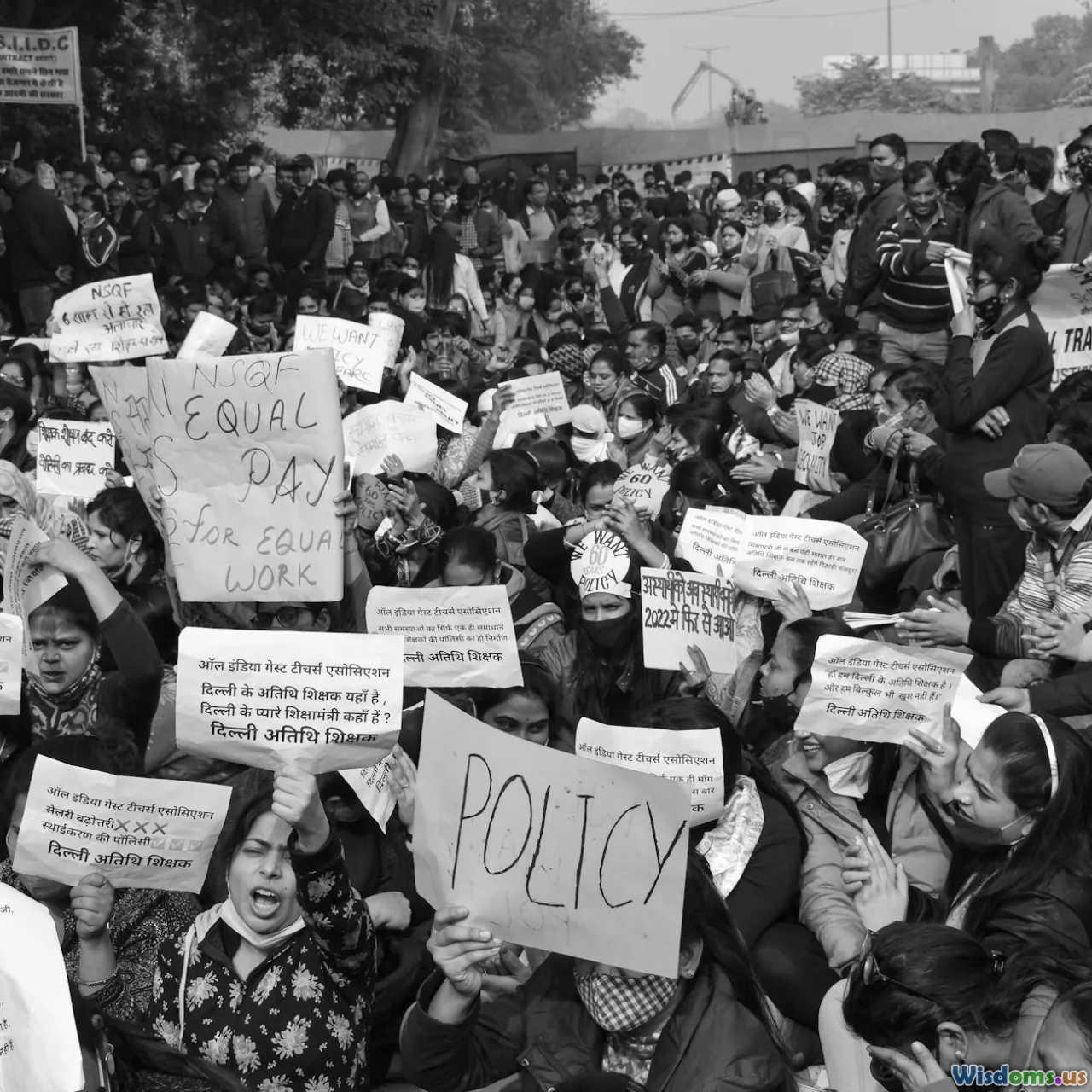
A viral moment can spark attention; only institutions lock in wins. Institutionalization does not necessarily mean formal bureaucracy; it means durable structures for governance, learning, and delivery.
- South Africa’s transition from anti-apartheid struggle to a constitutional democracy required building institutions to realize rights—courts, commissions, and civic watchdogs—that could translate principles into practice.
- Chile’s mass protests in 2019 opened a process for constitutional change. Although multiple drafts have been rejected, the journey reshaped civic debate about social rights and legitimacy, providing lessons about process design and public trust.
- The #MeToo movement influenced workplace policies globally: new reporting mechanisms, training standards, and legal reforms. Some changes were cosmetic; others reallocated power in hiring, promotions, and discipline. The lesson: update procedures and enforcement, not just statements.
Institutionalization moves:
- Convert ad-hoc teams into standing committees with term limits and clear scopes.
- Document playbooks and pass them on: onboarding guides, contact maps, crisis protocols.
- Negotiate implementation details into agreements: timelines, monitoring bodies, and consequences for non-compliance.
A practical playbook: a 12-week campaign sprint

Use this sprint as a modular plan for launching or relaunching a campaign. Adjust timelines to context.
Weeks 0–1: Problem definition and power map
- Clarify the harm in human terms; collect 5–10 consented stories.
- Map decision-makers, influencers, allies, opponents, and fence-sitters. Identify the venue of change (legislature, agency, corporate board, court).
- Draft 2–3 core demands with preliminary policy details.
Weeks 2–3: Coalition and infrastructure
- Recruit anchor partners who cover complementary strengths: policy, organizing, legal, digital, funding.
- Agree on a coalition charter: decision rules, spokespeople, conflict resolution.
- Set up digital stack: website or landing page, supporter CRM, secure chat, email list, SMS.
Weeks 4–5: Messaging and materials
- Run message tests with small audience samples; choose frames and messengers.
- Produce materials: one-pager per demand, FAQ, story bank, short videos, social media toolkit.
- Train spokespeople in media handling, harm reduction, and digital safety.
Weeks 6–7: Soft launch and feedback loop
- Publish a public tracker of demands and indicators.
- Hold a briefing with journalists, partner organizations, and community leaders; solicit feedback.
- Set up a rumor control and myth-busting unit.
Weeks 8–9: Peak action
- Coordinate a multi-channel push: synchronized petition delivery, phone banks, in-person meetings, culturally resonant events.
- Stage low-risk, high-visibility actions alongside targeted high-pressure tactics for decision-makers.
- Track outputs daily: meetings secured, statements issued, commitments made.
Weeks 10–11: Negotiation and policy lock-in
- Enter talks with named negotiators and observers. Insist on written commitments with timelines.
- Prepare model language for laws, regulations, corporate policies, or MOUs.
- Secure independent monitoring: an oversight body, community board, or third-party audit.
Week 12: Consolidation and care
- Publish a detailed outcome report and what comes next.
- Debrief internally: what worked, what didn’t, how to adjust structures and staffing.
- Celebrate wins, rest the team, rotate responsibilities, and onboard new leaders.
Common pitfalls—and how to avoid them

- Overexpansion without scaffolding: Scaling faster than your capacity invites conflict and failure. Build systems—finance, comms, HR—before or as you scale.
- Message drift: Chasing every news cycle can dilute core demands. Keep a living message guide and a weekly editorial calendar tied to strategy.
- Leader dependency: Overreliance on a charismatic founder hampers sustainability. Set term limits for core roles, codify processes, and distribute public-facing duties.
- Opaque decision-making: If people don’t know how choices are made, conspiracy fills the gap. Over-communicate how, when, and by whom decisions are taken.
- Underestimating backlash: Every win triggers response. Pre-plan for legal, media, and financial counter-moves; have your contingency statements and partners ready.
Case comparisons: what carried across contexts

- Similarity: Survivor-centered storytelling worked in #MeToo, in transitional justice processes, and in campaigns against gender-based violence. Why it traveled: universal human empathy; clear villain/victim dynamics; actionable institutional reforms (hotlines, complaint protocols, training, independent oversight).
- Difference: Digital tactics diverged. In highly surveilled contexts, public hashtags were unsafe; encrypted micro-networks and diaspora media played a bigger role. In open media environments, public pressure via mass hashtags could force rapid responses.
- Similarity: Implementation beats intention. Whether in workplace reforms or police oversight, codifying procedure, allocating budget, and setting deadlines marked the difference between symbolic wins and material change.
Transferable principles:
- Humanize, then specify.
- Share power with those affected.
- Mix pressure tactics across venues.
- Measure, publish, and iterate.
Tips for engaging skeptics and soft opponents

Sometimes the difference between stalemate and breakthrough is how you handle the middle—people not fully with you, but not against you.
- Find overlapping interests: business leaders may respond to stability and retention; local officials may respond to reduced emergency workloads; religious leaders may respond to appeals to dignity and compassion.
- Use pilot projects to lower risk: a limited-duration program or small-area trial can give skeptics cover to say yes.
- Invite skeptics to observe: site visits, listening sessions, or ride-alongs replace abstractions with experience.
- Offer face-saving compromises that don’t undercut core demands: sequencing reforms, phased timelines, or shared credit in public announcements.
The role of art, ritual, and culture
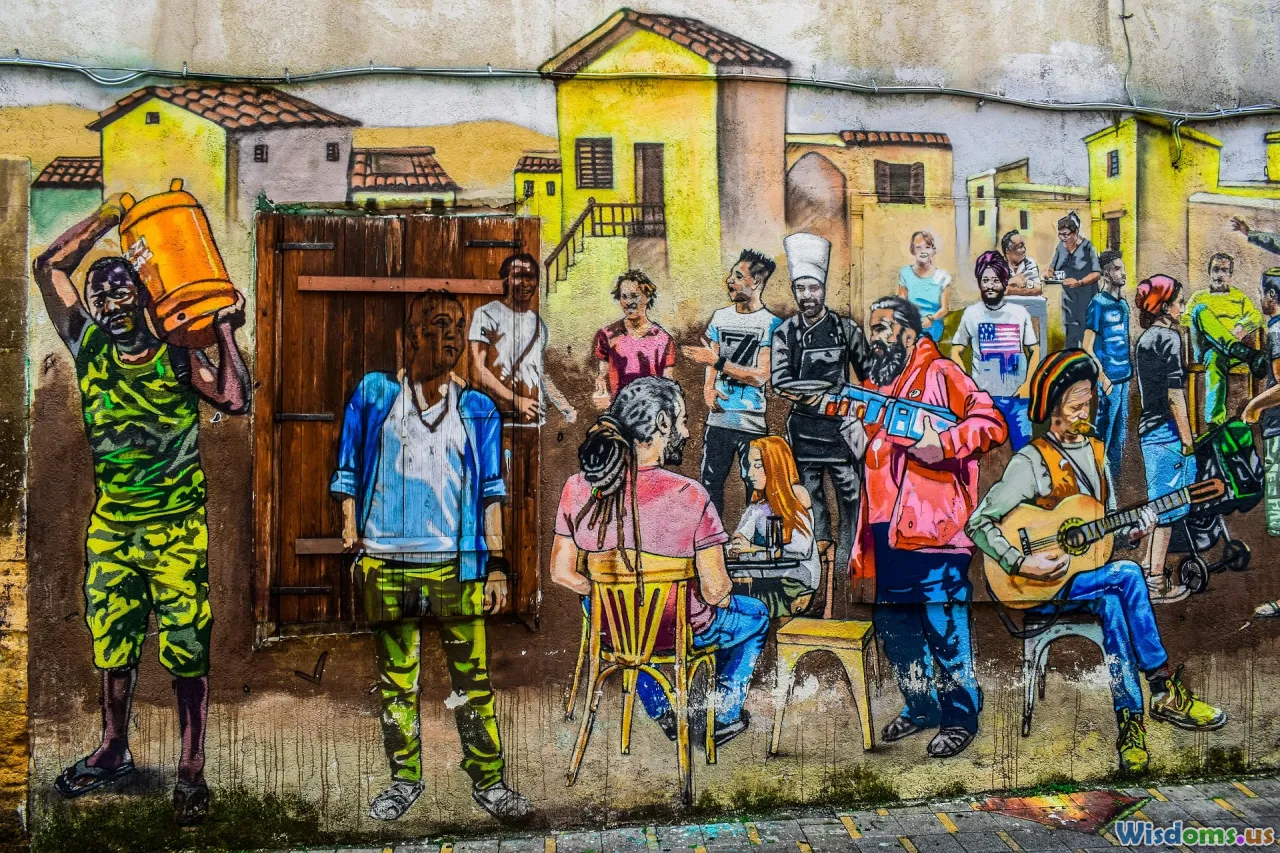
Policy-oriented organizers sometimes undervalue the cultural dimension. Yet songs, murals, and rituals have carried movements through fear, fatigue, and silence.
- The Chilean feminist performance 'Un violador en tu camino' spread globally with local adaptations, crystallizing a critique of gendered violence in a simple, repeatable form.
- Murals and memorials in neighborhoods affected by police violence create physical spaces of memory that keep stories alive and connect new volunteers to a lineage of resistance.
- Symbols like green scarves in Latin American reproductive rights movements, or umbrellas in Hong Kong, compressed complex ideas into something people could carry, photograph, and gift.
Practical uses:
- Budget for culture: pay artists, license music, commission community-led work.
- Curate rituals for beginnings and endings: acknowledging land and labor, remembering victims, celebrating wins.
- Archive culture respectfully: document performances and artwork with consent; protect creators’ rights.
Ethics in rapid response

Crises push campaigns into speed mode. Ethics can fray when cameras roll and adrenaline spikes.
- Verify before amplifying: false claims harm credibility and can endanger people on the ground.
- Avoid trauma voyeurism: do not share graphic images without necessity and consent; prioritize dignity over shock.
- Share credit and resources: when international attention spikes, direct funds and spotlight to local groups who will still be there when headlines fade.
An ethical rapid-response checklist:
- A two-step verification rule before publishing high-stakes claims.
- A consent protocol for images and names.
- A funding pass-through plan: predetermined local partners for immediate disbursement.
Building for the long arc

What makes change stick is discipline over time: people who keep logs, return calls, turn anecdote into policy, and policy into budgets. The planet’s most successful social justice campaigns blended moral courage with managerial rigor. They embraced culture and care alongside spreadsheets and statutes. They built bridges without erasing the road they walked in on.
If your campaign is just starting, start small but precise: identify one change you can win in three months and one you can build toward in three years. If your movement is years in, invest in transmission—documents, trainings, and traditions that let new people lead. And if you are tired, rest is not retreat; it is maintenance for the long arc.
There will be losses, backlash, and days where progress looks like standing still. Take heart from a global lineage that has left maps everywhere: in green scarves and court rulings, in union halls and murals, in the quiet notes of a metrics dashboard that says a policy moved from pending to achieved. Learn from these campaigns, improve on them, and leave your own maps for the next generation.
Rate the Post
User Reviews





Popular Posts