
How To Bond With Stepchildren Without Overstepping Boundaries
14 min read Practical tips to form healthy connections with stepchildren while respecting their boundaries. (0 Reviews)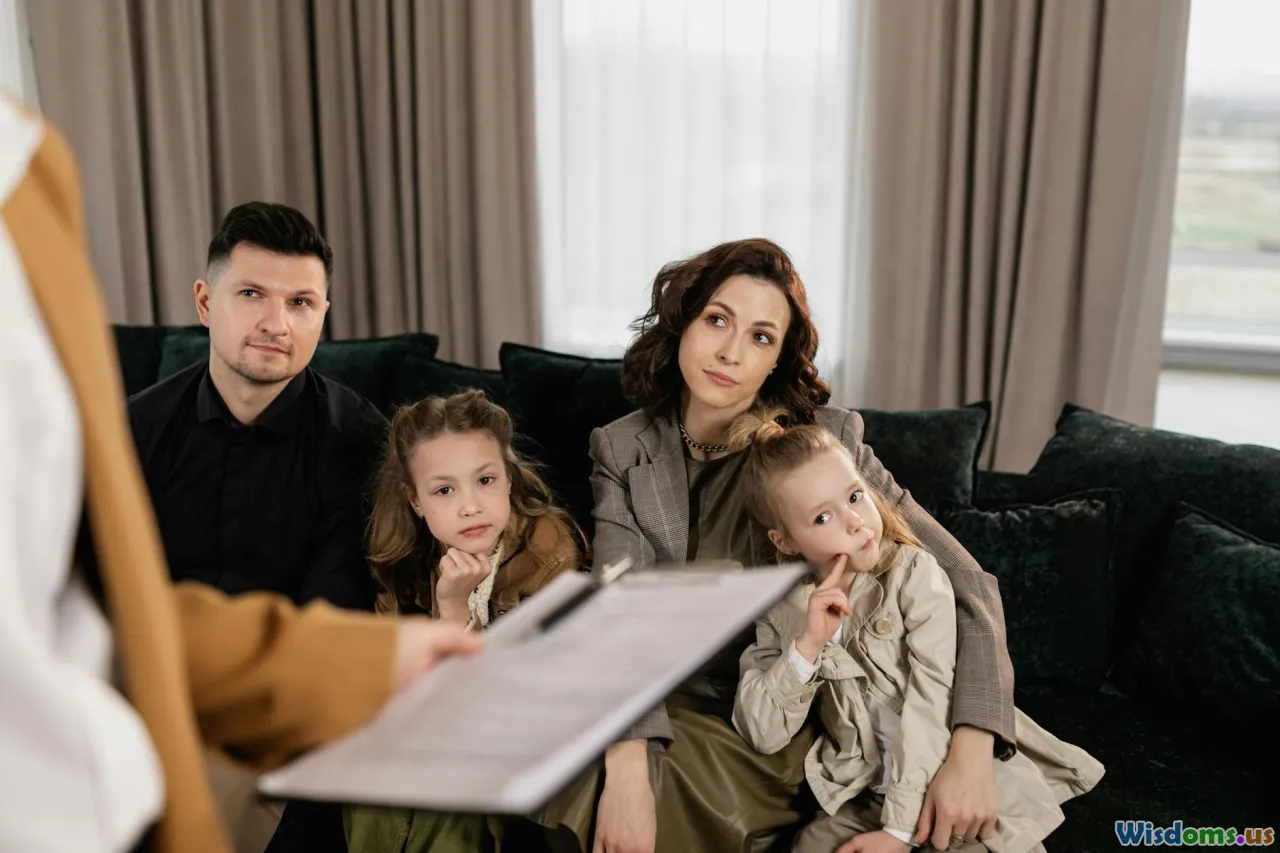
How To Bond With Stepchildren Without Overstepping Boundaries
Entering a blended family can be a rewarding and transformative experience. But for many stepparents, forging a relationship with stepchildren is a delicate journey—one balancing affection and respect for boundaries. It’s natural to want to draw close, yet equally vital to remain sensitive to the child's needs, pace, and perspective. With patience and intentionality, you can foster real trust, connection, and harmony in your new role, without inadvertently causing discomfort or conflict.
Understanding The Landscape of Blended Family Dynamics

Every blended family arrives at its own starting point, shaped by loss, change, and hopes for new beginnings. Taking time to observe and understand your stepchildren's experiences can be your greatest asset.
Acknowledge The Adjustment Period
Children facing new family structures navigate a turbulent emotional landscape. They may harbor loyalty conflicts, unresolved grief, or worries about acceptance. For instance, some children feel guilty about bonding with a stepparent if they fear it's a betrayal of their biological parent. Others may test boundaries to assert their independence.
Listen More Than You Lecture
Start by being present, attentive, and open. The process is not about stepping in as a replacement but creating space to honor both the old and the new. Take cues from each child, realizing that personalities, ages, and coping styles shape the tempo of forming new relationships. Teenagers may need privacy and time; younger children may be quicker to connect, but still need reassurance.
Real-World Example:
Rachel, a stepmom to two preteens, noticed that her initial overtures of outings and activities sometimes triggered resistance. By stepping back and simply asking, "How do you like to spend your weekends?" she learned that quiet, low-key time at home felt most safe for them. Her willingness to adapt set the stage for gradual trust.
Building Trust Gradually and Authentically

Trust, like any strong structure, is created brick by brick. Trying to rush emotional bonds can backfire, while a measured approach honors everyone's boundaries.
Start With Small Gestures
Little things go a long way—offering to help with homework, remembering their favorite snack, or respectfully learning about their interests. Avoid pressuring them to reciprocate right away.
Demonstrate Consistency
Children of all ages crave predictability. If you say you'll pick them up from practice, be there. If you promise movie night, follow through. This reliability is even more significant for kids whose routines and sense of security may have been disrupted.
Share Enthusiasm For Their Interests
A 2021 Psychology Today article noted that when stepparents engage in a child's hobbies—such as listening to favorite music, learning a new video game, or attending a recital—it conveys genuine care. Authentic participation often counts more than the specific activity.
Example:
David, a stepfather to a budding soccer player, videotaped each game for his stepson to review. The act showed respect for the child’s passion without imposing himself into competitive territory. Over time, sharing the recorded highlights became their unique tradition.
Communicating With Sensitivity and Openness

Open, sensitive communication forms the backbone of healthy relationships in any family, especially blended ones.
Ask, Don’t Assume
Rather than relying on what 'should' make a child comfortable, ask them directly. For example, "Would you prefer I come to your parent-teacher night, or just your mom?" Framing options places control in their hands.
Model Empathy and Tact
Discuss challenging emotions or issues in age-appropriate terms. If a child expresses anger, acknowledge it: "It's normal to feel upset sometimes. If you ever want to talk about it, I'm here to listen."
Respect Boundaries Concerning Discipline
Most experts—and many seasoned stepparents—find that direct discipline is often best left, at least initially, to the biological parent. While house rules apply, positioning yourself as an ally and role model rather than disciplinarian builds respect without overstepping.
Example Conversation:
Imagine a teenage stepson reluctant to speak about school. Instead of prying, the stepparent might say: “I remember high school was sometimes tough for me. I’ll let you have your space, but if you ever want help or advice, I’m all ears.” This demonstrates availability without pressure.
Cultivating Quality Time Without Forcing Closeness

Shared experiences are the foundation of real connection, but it's crucial to let kids set the terms and tempo.
Let Children Lead Activities
Invite stepchildren to choose family outings, even simple ones like baking cookies, playing board games, or an evening stroll. Giving them a say reduces anxiety and affirms their agency.
Honor Traditions—Old and New
Blended families thrive on rituals, whether inherited or created together. If Sunday pancakes were an old favorite, keep them alive. But also suggest forming new traditions unique to your blended home—a monthly movie night, or volunteering together. This symbolizes respect for their past coupled with hope for shared memories.
Flexibility Is Key
Accept that some days, children may want distance. Don’t force participation. Sometimes, parallel activities—like being in the same room but doing different things—help foster comfort.
Real-Life Insight:
Sophie, a stepmom to a quiet ten-year-old, invited her stepdaughter to help her with gardening. At first, the child only watched from the porch but, over weeks, began asking questions and eventually planted their own flower bed. The collaborative activity allowed gradual, low-pressure bonding.
Involving The Biological Parent As A Teammate

A united, communicative parenting team promotes consistency, reduces misunderstandings, and reassures children.
Align Expectations and Roles
Discuss parenting approaches, household rules, and important boundaries privately with your partner. Coming to a shared understanding—such as who enforces bedtime or addresses school issues—prevents confusion for kids and stepparent alike.
Present a Cohesive Front
Disagreements are normal, but it’s best to resolve them away from children. When parents and stepparents support one another, it reassures children that the family structure is predictable and secure.
Respect The Past Relationship
Never undermine or criticize the other parent's role in front of the child. Supporting their existing bond—regardless of your feelings—shows maturity and reassures kids they need not "choose sides."
Example:
Mike noticed his stepdaughter got anxious before visits with her biological dad. Instead of minimizing her feelings or expressing jealousy, Mike and his partner openly acknowledged her mixed emotions and affirmed it was okay to cherish time with both parental figures.
Managing Common Challenges With Patience

Despite best intentions, challenges are inevitable as everyone navigates new roles and emotions.
Boundary Testing
Some children may test boundaries through defiance or aloofness, silently asking: "Can I trust this person to stick around?" Resist taking such actions personally. Remain consistent in kindness and presence.
Jealousy and Rivalry
Children, particularly those accustomed to being the center of a parent’s attention, may feel threatened. Encourage special one-to-one time between your partner and their children to affirm those bonds remain intact. Over time, your stepchild learns there is room for new relationships alongside the old.
Navigating "Real Parent" Labels
Younger stepchildren may be more flexible—but teens often bristle at calling a stepparent "Mom" or "Dad." Don't push for titles. Allowing the child to use your name or a mutually-agreed nickname respects their comfort and fosters genuine closeness in time.
Honoring Emotional Ups and Downs
There will be highs—shared laughter, milestones, genuine warmth—but also setbacks, such as abrupt coldness or regression in bonding. Normalize these. Remain forgiving of slow progress, and seek outside support if serious behavioral red flags persist.
Expert Insight:
The American Academy of Child & Adolescent Psychiatry emphasizes that progress in blended families is measured in years, not weeks or months, and celebrates any small steps as victories.
Recognizing When To Seek Outside Support

Sometimes, extra support is not just helpful, but vital.
Therapeutic Resources
Professional family counselors offer safe spaces to vent, arbitrate disputes, and provide tools personalized for blended family structures. Don’t hesitate to reach out if you notice chronic sadness, regression, or isolation in a child, or if household tensions escalate beyond what respect and routine can quell.
Support Groups and Educational Workshops
Numerous organizations connect blended families for sharing experiences and advice. Groups like Stepfamily Foundation or National Stepfamily Resource Center (in the US) offer literature, workshops, and forums—reminding both adults and children they’re far from alone.
Books for Parents and Kids
Humanize the process for all involved. For instance, "The Bonus Mom" by Julianna Fields (for children) and "Stepmonster" by Wednesday Martin (for adults) are highly praised in the blended family community. Shared reading gives language to complex emotions and prompts helpful dialogue within families.
Exploring the Long-Term Rewards

The early days of blending families can be daunting, but perseverance pays dividends. Most adult stepchildren credit their bonus parents with teaching them empathy, adaptability, and resilience. Many blended families, with time and tender care, create bonds as deep and vital as any formed by blood.
Celebrating those moments when trust shines through—a spontaneous hug, an inside joke only you share, the first time a stepchild confides a problem—proves the patient path pays off. Each relationship, paced at the child’s readiness, creates space for everyone to grow, flourish, and perhaps redefine what family truly means.
No perfect playbook exists. But by honoring boundaries, championing mutual respect, and anchoring your presence in sincerity, you’ll find your way—as a stepparent and as a family—one memorable moment at a time.
Rate the Post
User Reviews
Other posts in Family Relationships





Popular Posts